
Pin oak trees offer rapid growth, abundant shade, and wildlife support but may face challenges with soil conditions and pests.
Table of Contents
Pin oak trees, scientifically known as Quercus palustris, are popular for their aesthetic appeal and ecological benefits. However, potential planters must consider both the advantages and drawbacks to ensure they make informed landscaping choices.
Understanding Pin Oak Trees: Characteristics and Growth
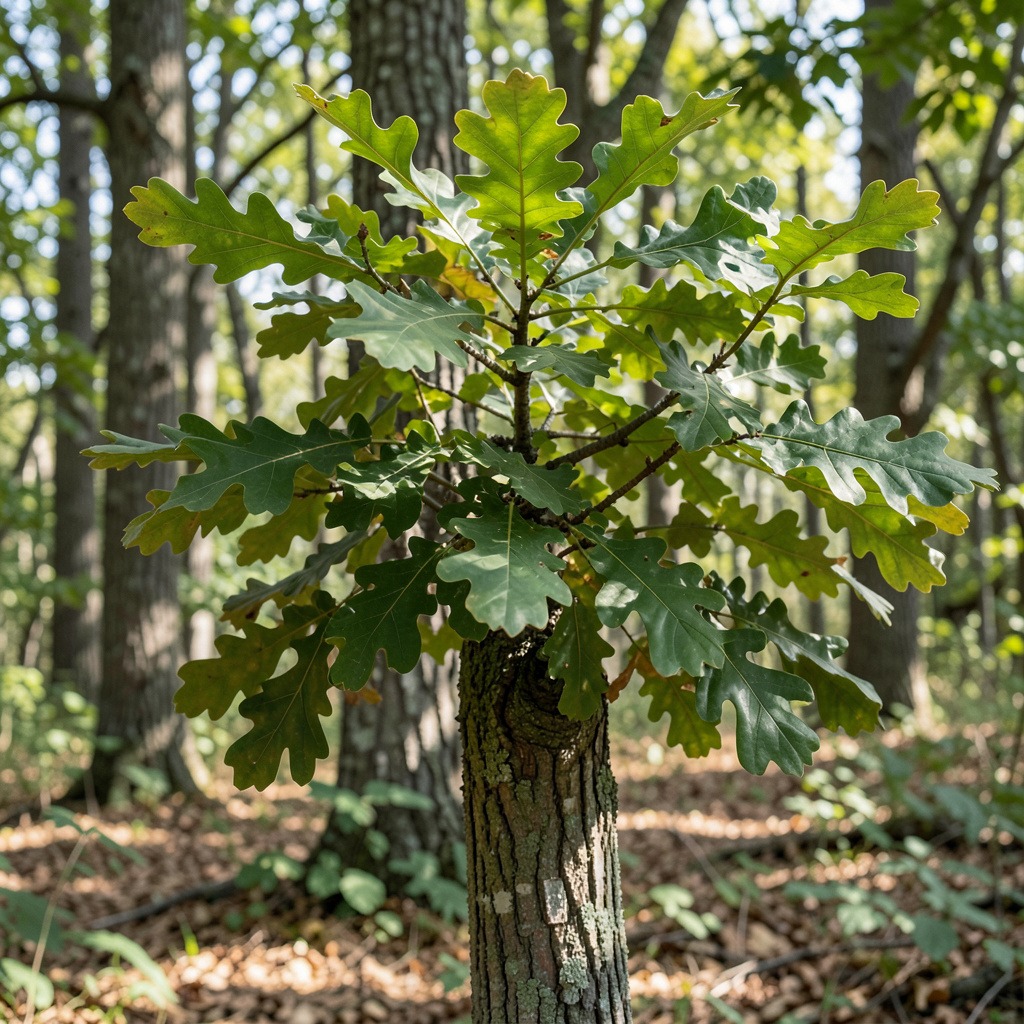
Pin oak trees, or Quercus palustris, exhibit unique characteristics that make them a favored choice in landscaping. Their rapid growth rate and ecological contributions significantly enhance their appeal for homeowners.
Growth Characteristics of Pin Oak Trees
Pin oaks are renowned for their impressive growth patterns. Under optimal conditions, they can achieve growth rates of up to 24 inches per year. This rapid growth makes them ideal for those seeking quick shade and aesthetic appeal in their yards.
- Height: Pin oaks typically reach heights of 60 to 90 feet.
- Spread: They have a canopy spread of 40 to 60 feet, providing ample shade.
- Shape: Their young forms exhibit a pyramidal shape, which matures into a more rounded canopy as they grow.
Ecological Benefits for Wildlife
Pin oaks play a crucial role in local ecosystems. Their acorns provide food for a variety of wildlife, making them a beneficial addition to any landscape.
- Species Supported: Pin oaks support over 150 species of birds and mammals, including squirrels, deer, and various songbirds.
- Habitat: The tree serves as a nesting site and shelter for numerous birds, enhancing biodiversity in the area.
Ideal Conditions for Planting
To thrive, pin oak trees require specific environmental conditions. Understanding these requirements can help ensure their successful establishment.
- Soil Type: They prefer moist, well-drained soils with an acidic pH between 5.0 and 6.5.
- Sunlight: Full sun exposure, approximately 5 to 6 hours daily, is essential for optimal growth.
- Watering: While pin oaks tolerate wet conditions, good drainage is critical to prevent root rot.
By considering these factors, homeowners can make informed decisions about planting pin oaks in their landscapes. The balance of rapid growth and ecological benefits makes them a worthwhile choice for many residential settings.
Advantages of Planting Pin Oak Trees
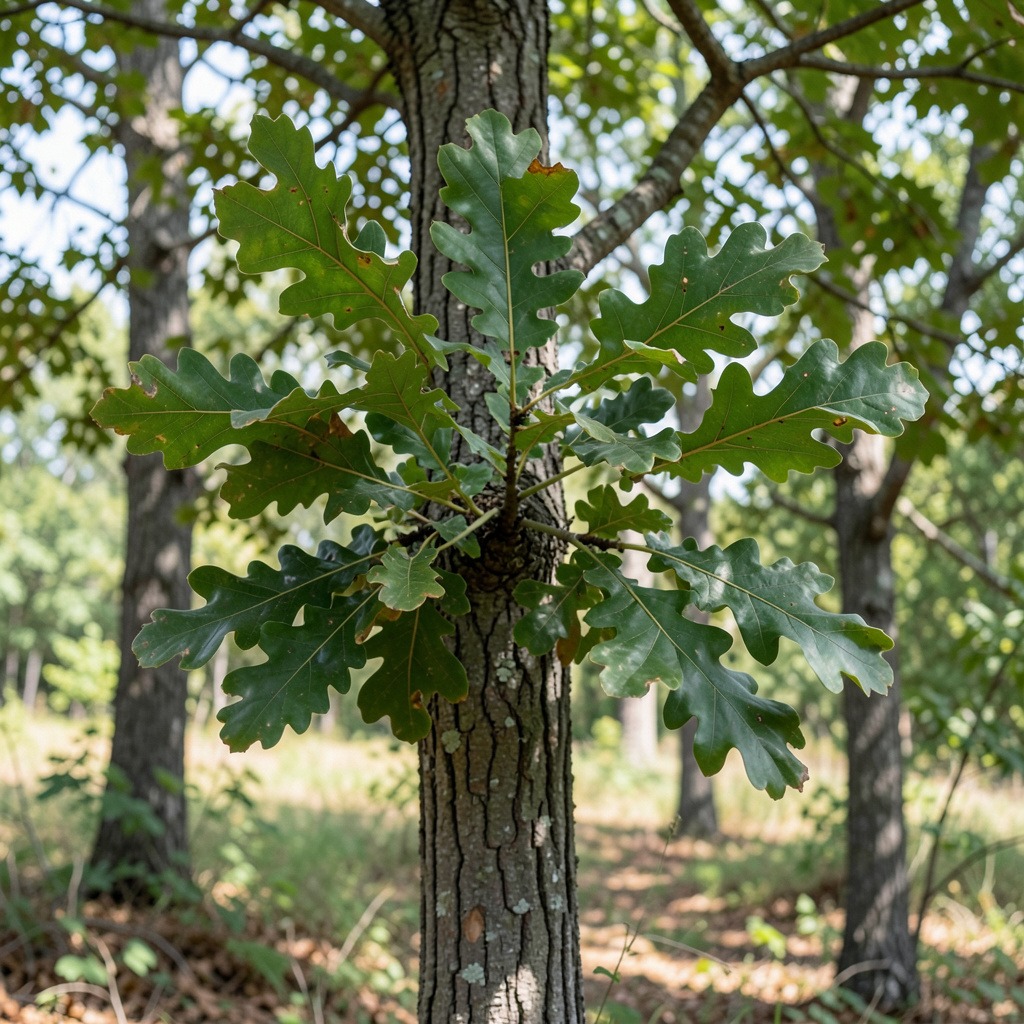
Pin oak trees offer numerous benefits that make them a popular choice for homeowners. Their fast growth, dense shade, and aesthetic appeal not only enhance landscapes but also contribute positively to the local environment.
Fast Growth and Shade Provision
Pin oaks are known for their rapid growth rate. Under optimal conditions, they can grow 24 inches or more per year. This makes them an excellent choice for homeowners seeking quick shade.
- Height: Pin oaks typically reach heights of 60 to 90 feet.
- Shade: A mature pin oak provides substantial shade, which can help reduce cooling costs during hot summer months.
Homeowners often appreciate how quickly pin oaks can transform a yard into a cool oasis. For example, one homeowner reported that their two pin oaks planted 10 feet apart created a shaded area that significantly lowered air conditioning costs.
Aesthetic Appeal in Urban Landscapes
The pin oak’s striking appearance enhances the visual appeal of any landscape. With its straight trunk and lush, deeply lobed leaves, it serves as a focal point in gardens and parks.
- Fall Colors: In autumn, the leaves turn vibrant red, offering a stunning seasonal display.
- Shape: The tree’s natural pyramidal shape makes it suitable for various planting locations, from large yards to urban streets.
Many homeowners express joy at how pin oaks beautify their properties. A local resident noted that their pin oak became a neighborhood highlight during fall, attracting visitors to admire its colorful foliage.
Support for Local Wildlife
Pin oaks play a crucial role in supporting local wildlife. They produce acorns that are a food source for various birds, squirrels, and other small mammals.
- Biodiversity: Studies show that pin oaks support over 100 species of birds and mammals, enriching the local ecosystem.
- Habitat: The dense foliage provides nesting sites and shelter for wildlife.
Homeowners often report an increase in wildlife sightings after planting pin oaks. For instance, one family noted that their backyard became a hub for birdwatching, thanks to the diverse species attracted by their pin oak.
By considering these advantages, homeowners can make an informed decision about incorporating pin oaks into their landscaping. The benefits extend beyond aesthetics, contributing to energy efficiency and local biodiversity.
Challenges and Disadvantages of Pin Oak Trees
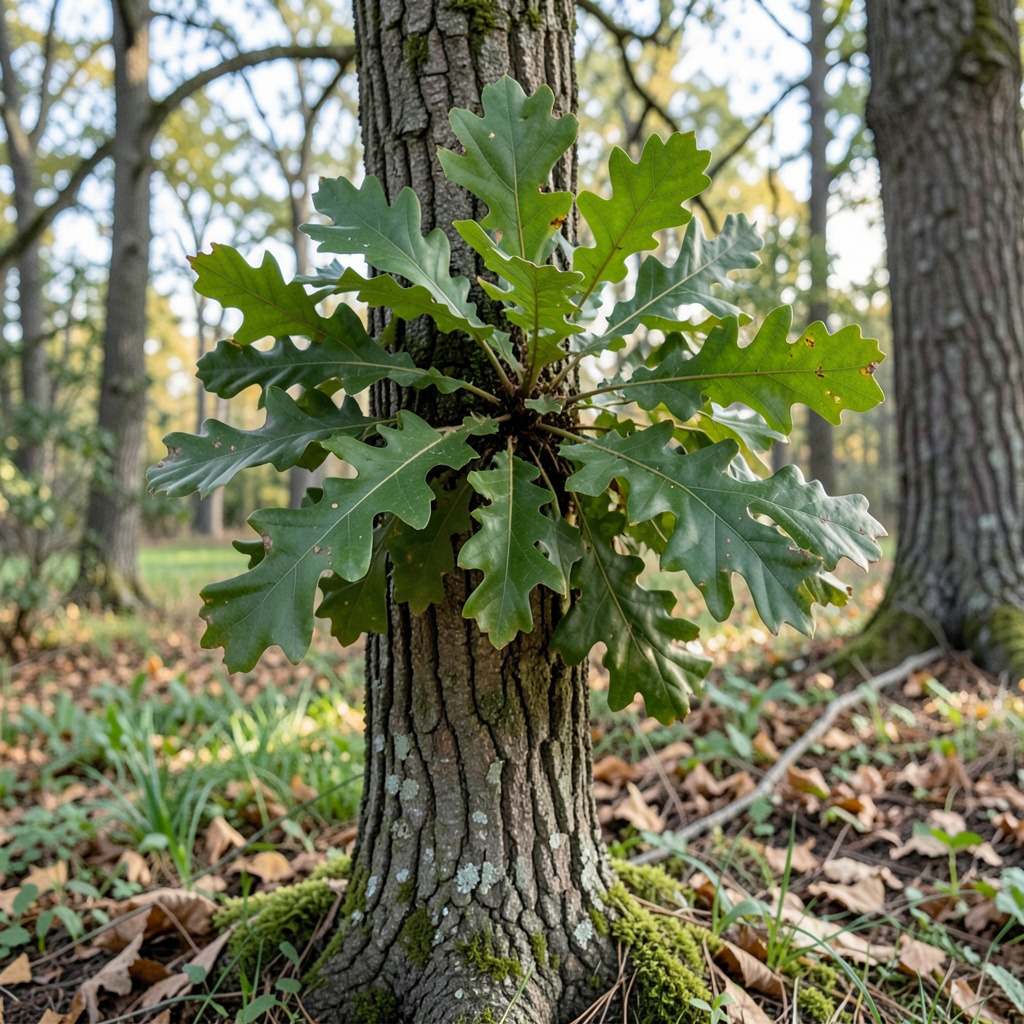
While pin oaks offer many benefits, they also present specific challenges that homeowners should consider. Understanding these challenges can help in making informed decisions about planting and maintaining this tree.
Soil and Environmental Requirements
Pin oaks thrive in moist, slightly acidic soils. However, they struggle in alkaline or compacted soils, which are common in urban environments. A mismatch between soil conditions and the tree’s needs can lead to significant health issues.
Checklist for Soil Suitability:
- pH Level: Aim for a pH between 5.0 and 6.5.
- Drainage: Ensure the soil drains well but retains moisture.
- Compaction: Check for signs of soil compaction that could impede root growth.
Common Pests and Diseases
Pin oaks are susceptible to a range of pests and diseases. Understanding these threats is essential for maintaining tree health.
- Iron Chlorosis: This nutrient deficiency occurs when the tree cannot absorb iron due to high soil pH. Look for yellowing leaves with green veins, particularly in younger foliage.
- Oak Wilt: A serious fungal disease that can be fatal. Symptoms include wilting leaves and a rapid decline in health.
- Bacterial Leaf Scorch: Causes leaf wilting and browning, primarily during drought conditions.
Management Tips for Common Pests:
- Regularly inspect leaves for discoloration or deformities.
- Apply appropriate treatments for iron chlorosis, such as soil acidification.
- Consult with an arborist if oak wilt is suspected.
Maintenance Challenges for Homeowners
Maintaining pin oaks requires diligence and specific care practices, especially in urban settings.
- Watering Needs: Pin oaks need consistent moisture, particularly during dry periods. Deep watering is recommended to promote root health.
- Pruning: Prune young trees to maintain a strong structure. Remove dead or diseased branches promptly.
- Mulching: Use mulch to retain soil moisture and suppress weeds, but keep it away from the trunk to prevent rot.
By being aware of these challenges and actively managing them, homeowners can enhance the longevity and health of their pin oak trees.
Comparing Pin Oak to Other Oak Species
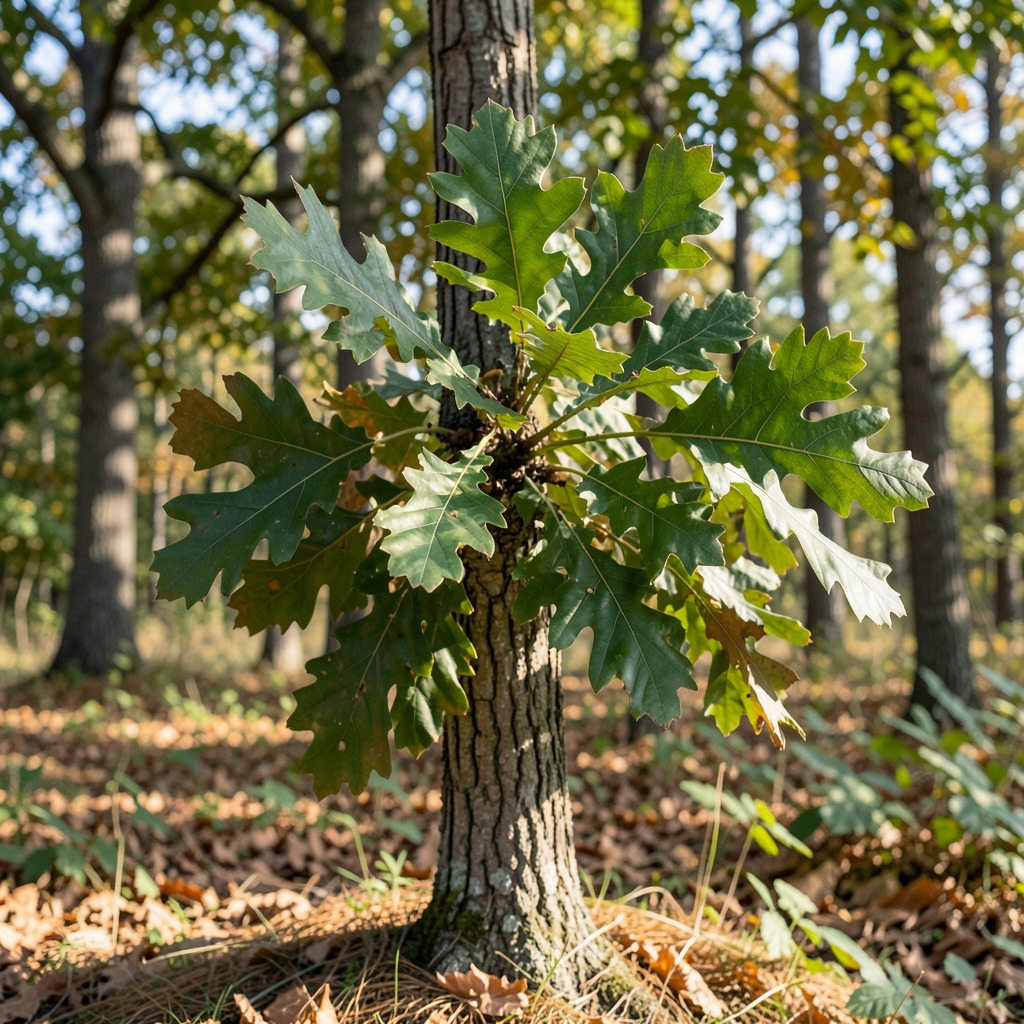
When selecting an oak tree for landscaping, understanding the distinctions between pin oak and other oak species is crucial. This section highlights the key differences in growth, maintenance, and ecological impact, helping homeowners make informed decisions.
Pin Oak vs. Red Oak and White Oak
| Feature | Pin Oak | Red Oak | White Oak |
|---|---|---|---|
| Growth Rate | Fast (up to 24 inches/year) | Moderate (12-24 inches/year) | Slow to Moderate (12 inches/year) |
| Height | 60-90 feet | 60-75 feet | 50-80 feet |
| Soil Preference | Moist, acidic | Well-drained, adaptable | Well-drained, prefers acid |
| Pests/Diseases | Sensitive to pests | More resistant | Resistant to many pests |
| Ecological Impact | Supports 100+ wildlife species | Supports 50+ species | Supports 60+ species |
| Acorn Production | Late onset (15+ years) | Early onset (5-10 years) | Early onset (5-10 years) |
Pin oaks grow rapidly and thrive in moist, acidic soils. They are particularly beneficial for wildlife, supporting over 100 species. In contrast, red oaks offer moderate growth and greater resilience to pests, making them easier to maintain. White oaks, while slower-growing, are renowned for their durability and resistance to decay, making them ideal for long-term landscaping projects.
Cost Considerations for Different Oak Species
Cost is an essential factor when choosing an oak. Pin oaks can be less expensive to purchase initially, but their maintenance needs may lead to higher long-term costs. In contrast:
- Pin Oak: Lower initial cost; higher maintenance due to disease susceptibility.
- Red Oak: Moderate cost; requires less upkeep.
- White Oak: Higher initial investment but lower long-term maintenance costs.
Choosing the right species can save homeowners money in the long run.
Best Alternatives to Pin Oak for Landscaping
If pin oaks present challenges, consider these alternatives:
- Northern Red Oak: Faster growth and broader adaptability.
- White Oak: Excellent longevity and minimal maintenance.
- Bur Oak: Highly drought-resistant and supports diverse wildlife.
These alternatives may better suit specific soil conditions or homeowner preferences. Evaluating the local environment and intended use will guide the best choice for landscaping.
By comparing these oak species, homeowners can select the tree that best fits their landscape needs while weighing the pros and cons effectively.
Frequently Asked Questions
These quick answers cover the most common questions about this topic, including key details, practical tips, and common concerns.
Is a pin oak a good yard tree?
Yes, a pin oak can be an excellent yard tree for many homeowners. Its rapid growth rate—up to 24 inches per year—means it quickly provides shade and aesthetic appeal. In addition, pin oaks support local wildlife, offering food and habitat for various birds and mammals. However, they do require specific soil conditions to thrive, so it’s essential to ensure your yard meets these requirements.
What are the disadvantages of pin oak trees?
While pin oaks have many benefits, they also have disadvantages. They are sensitive to soil conditions, particularly alkaline or compacted soils, which can hinder their growth. Additionally, pin oaks are susceptible to pests and diseases like oak wilt and iron chlorosis, requiring regular monitoring and care. Homeowners should be prepared for ongoing maintenance to keep these trees healthy.
How far should a pin oak be planted from a house?
When planting a pin oak, it is recommended to place it at least 20 to 30 feet away from your house. This distance helps prevent potential damage to your home’s foundation and roof from falling branches or roots. Additionally, adequate spacing allows the tree to grow to its full height and spread without interference.
How tall is a 10-year-old pin oak?
A 10-year-old pin oak can reach heights of approximately 20 to 30 feet, depending on growing conditions. Under optimal circumstances, these trees can grow rapidly, achieving significant height in just a decade. Regular care, including proper watering and soil management, can support healthy growth during this period.
Why do some landscapers suggest not planting pin oak trees?
Some landscapers advise against planting pin oaks due to their specific soil requirements and susceptibility to pests and diseases. In urban environments, where soil conditions may not be ideal, pin oaks can struggle to thrive. Additionally, their potential for iron chlorosis and oak wilt can lead to increased maintenance efforts, making them less desirable for some landscaping projects.
What soil conditions are best for pin oak trees?
Pin oaks thrive in moist, well-drained soils with a slightly acidic pH between 5.0 and 6.5. They prefer soils that retain moisture without becoming waterlogged. If your soil is alkaline or compacted, consider amending it or selecting a different tree species that better suits your landscape.
How can I prevent common diseases in pin oak trees?
Preventing common diseases in pin oak trees involves regular monitoring and proper care. Ensure your tree receives adequate water, especially during dry spells, and maintain good soil health. If you notice symptoms of iron chlorosis, such as yellowing leaves, consider soil amendments to lower pH. For serious threats like oak wilt, consult an arborist for appropriate treatment options.