
Pin oak trees (Quercus palustris) develop a shallow, fibrous root system that spreads widely, making them easy to transplant but potentially problematic near structures due to their expansive roots.
Table of Contents
Understanding the root system of pin oak trees is crucial for effective landscaping and maintenance. Known for their shallow, fibrous roots, these trees offer unique benefits and challenges that every gardener should consider before planting.
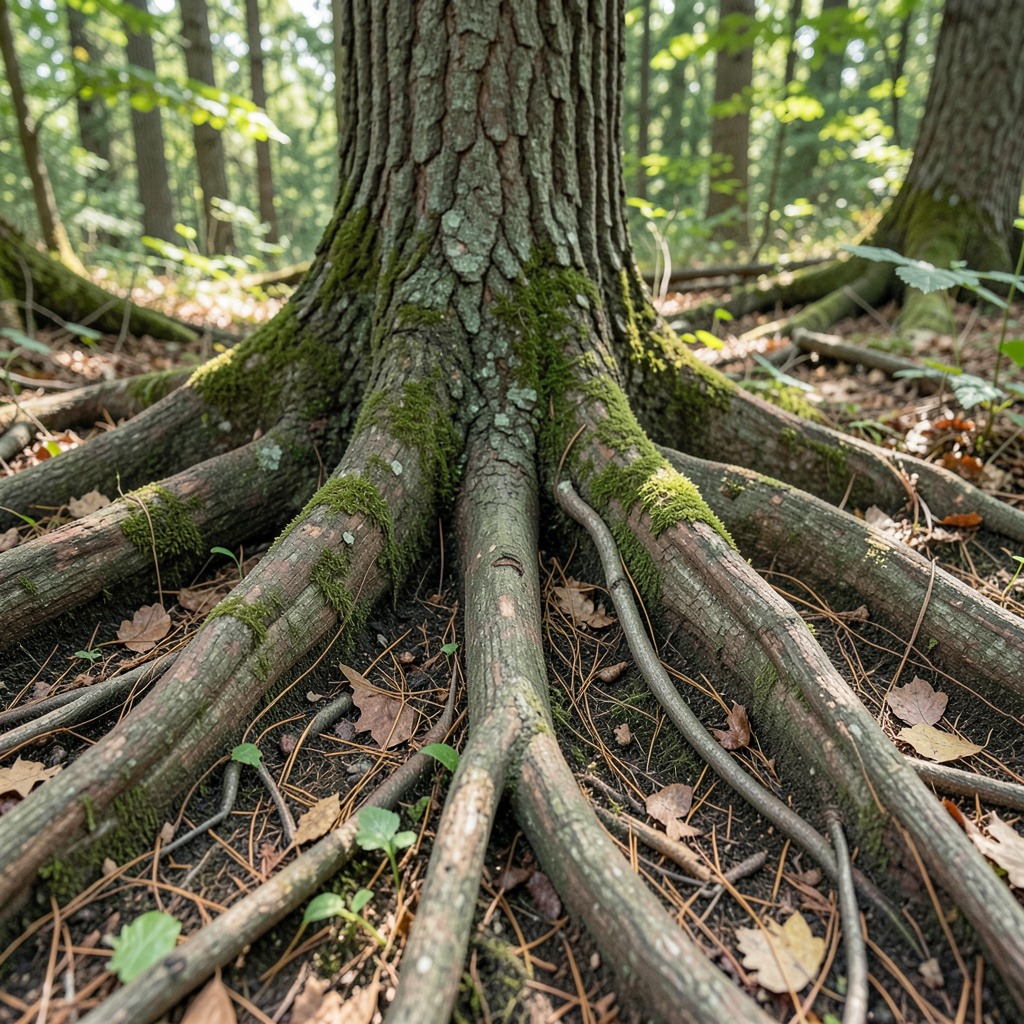
Overview of Pin Oak Roots
The pin oak (Quercus palustris) is renowned for its shallow and fibrous root system. Understanding these roots is essential for effective landscaping and ecological management.
Characteristics of Pin Oak Roots
Pin oak roots are not only shallow but also extensive. They generally reach depths of 18 inches or less. This shallow root structure allows them to spread out widely, often extending two to three times the radius of the tree’s crown. For example, a pin oak with a 40-foot crown could have roots stretching 80 to 120 feet in all directions. This adaptation helps the tree thrive in moist and poorly drained soils, but it poses unique challenges for landscaping and construction.
Key Characteristics:
- Shallow lateral roots that penetrate 18 inches deep or less.
- Roots can extend significantly beyond the tree’s drip line.
- Adaptation to wet soil conditions, allowing for stability and nutrient absorption.
Differences from Other Oak Roots
Unlike many oak species that develop deep taproots, pin oaks rely on a network of fibrous roots. This distinction is crucial for landscape planning. While deep-rooted oaks can provide more stability in dry conditions, pin oaks are better suited for areas with high moisture levels.
Comparative Insights:
- Pin Oak: Shallow, spreading roots suitable for wet soils.
- Other Oaks (e.g., White Oak): Deeper taproots that anchor the tree in drier conditions.
Understanding these differences can guide decisions in landscaping, especially in urban settings where soil types and moisture levels vary. For instance, knowing the root system’s spread can help prevent damage to sidewalks and foundations when planting pin oaks near structures.
Incorporating pin oaks into landscapes requires awareness of their root behavior, ensuring a healthy environment for both the tree and surrounding infrastructure.
Ecological Importance of Pin Oak Roots
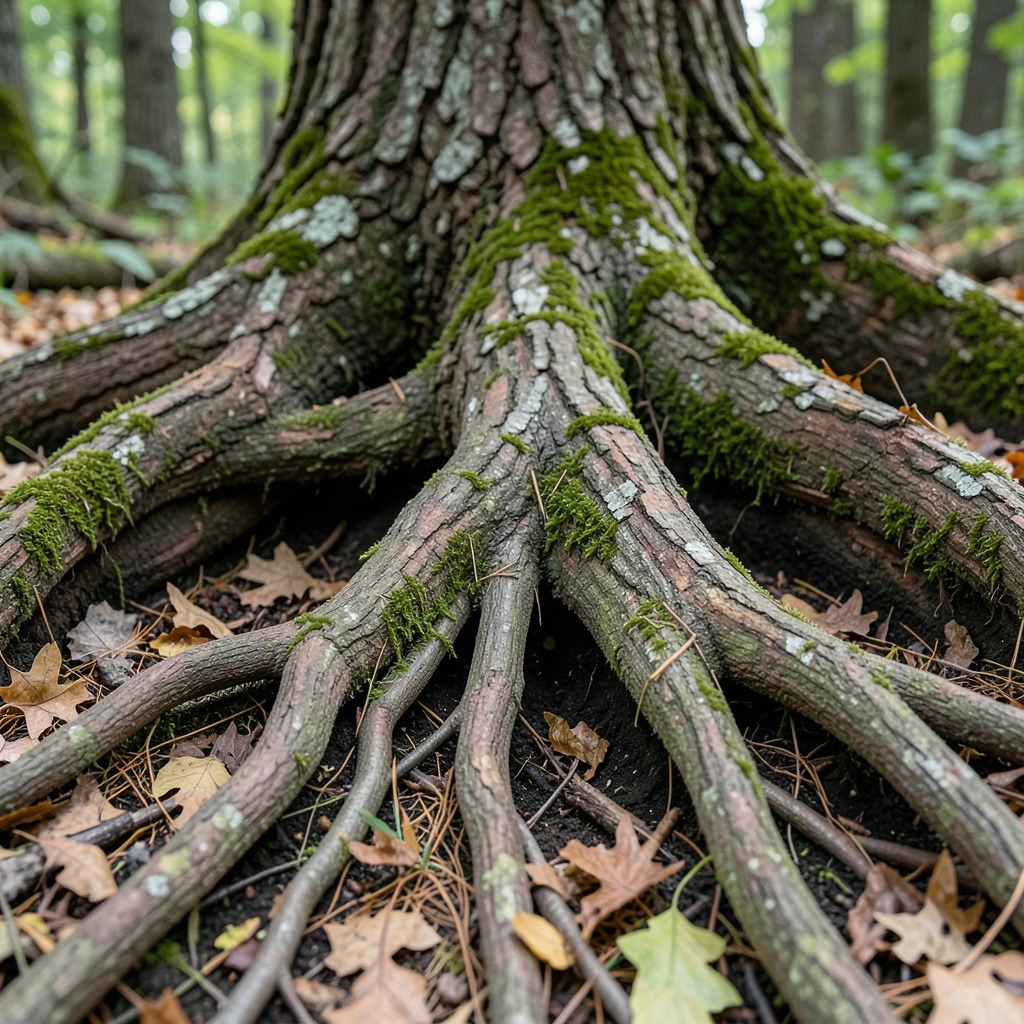
The root system of pin oaks plays a crucial role in enhancing soil health, supporting wildlife, and improving water retention. Understanding these benefits can inform effective landscaping practices and promote biodiversity.
Supporting Wildlife Habitat
Pin oak roots provide habitat for various organisms. The shallow, fibrous root system creates a unique environment that supports:
- Small Mammals: Many small mammals burrow in the root systems, finding shelter and food.
- Insects: The roots foster a diverse insect population, which in turn supports birds and other wildlife.
- Mycorrhizal Fungi: These fungi establish symbiotic relationships with pin oak roots, enhancing nutrient uptake and soil structure.
In some urban settings, studies have shown that pin oaks can significantly increase local biodiversity. For instance, areas with well-established pin oak groves support over 50 different species of birds due to the habitat provided by the roots and surrounding ecosystem.
Enhancing Soil Quality
Pin oak roots contribute to soil health in several ways:
- Soil Aeration: The extensive root system helps aerate the soil, promoting better drainage and root penetration for other plants.
- Nutrient Cycling: As roots grow and decay, they release organic matter that enriches the soil, improving its fertility.
- Erosion Control: The widespread root network stabilizes the soil, reducing erosion and maintaining soil structure.
In practical landscaping scenarios, planting pin oaks in areas prone to erosion can create a natural barrier, protecting soil integrity while supporting a diverse plant community. This is particularly effective in riparian zones, where moisture levels are high.
Water Retention Benefits
Pin oak roots also play a vital role in water management:
- Moisture Absorption: The shallow roots are adept at absorbing surface water, helping to maintain soil moisture levels.
- Flood Mitigation: In areas with heavy rainfall, their root systems can help mitigate flooding by absorbing excess water.
Effective landscaping design can leverage these properties. For example, planting pin oaks in low-lying areas can utilize their natural water retention abilities, creating a healthier ecosystem that benefits nearby plants and wildlife.
Landscaping Applications of Pin Oak Roots
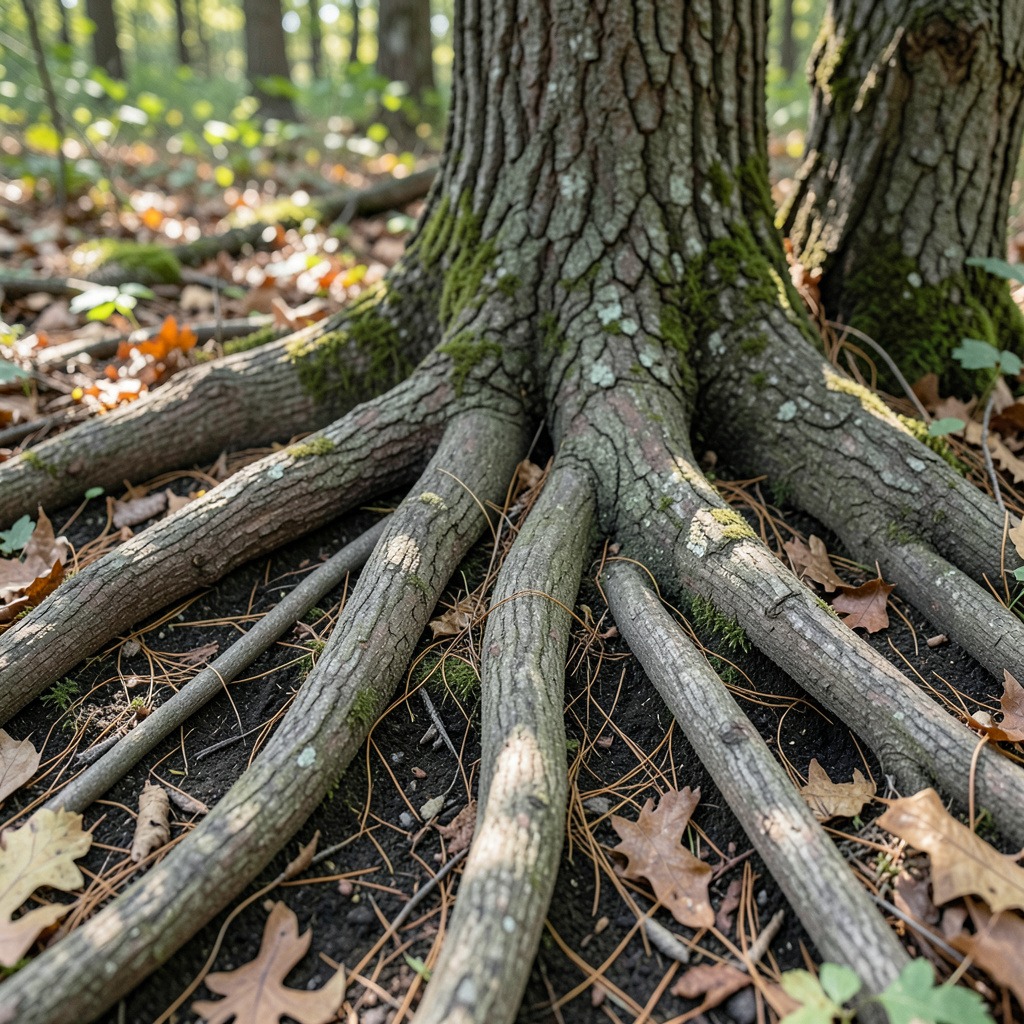
Pin oak trees (Quercus palustris) are popular choices for landscaping due to their attractive foliage and ecological benefits. However, their root systems require careful consideration for optimal placement and compatibility with other plants.
Ideal Planting Locations
When selecting a site for planting pin oaks, consider the following factors:
- Soil Type: Pin oaks thrive in moist, well-drained soils. They prefer slightly acidic to neutral pH levels.
- Drainage: Choose areas that are not prone to standing water, as pin oaks can become stressed in overly saturated conditions.
- Sunlight: These trees require full sun for at least six hours a day for healthy growth.
Pin oaks are particularly suited for low-lying areas where their water retention capabilities can be maximized. This strategic placement not only enhances the health of the pin oak but also benefits surrounding plant life.
Spacing Considerations for Urban Areas
In urban landscapes, understanding the spacing requirements of pin oak roots is crucial. Their shallow, lateral root system can extend 2-3 times the crown radius. Here are key spacing guidelines:
- Minimum Distance from Structures: Plant pin oaks at least 20 feet from buildings or hardscapes to prevent root damage and foundation issues.
- Canopy Spread: Allow for a minimum of 30 feet between trees to ensure adequate sunlight and air circulation.
- Compatibility with Other Plants: Pair pin oaks with shallow-rooted plants that can coexist without competing for resources.
Checklist for Planting Pin Oaks
- Choose a well-drained, slightly acidic soil.
- Ensure full sunlight exposure.
- Space trees at least 20 feet away from structures.
- Maintain a minimum distance of 30 feet between trees.
- Select companion plants with compatible rooting depths.
By adhering to these guidelines, you can successfully integrate pin oaks into your landscape design, leveraging their unique root characteristics to enhance both aesthetics and ecological function.
Wood Processing Techniques Related to Pin Oak Roots
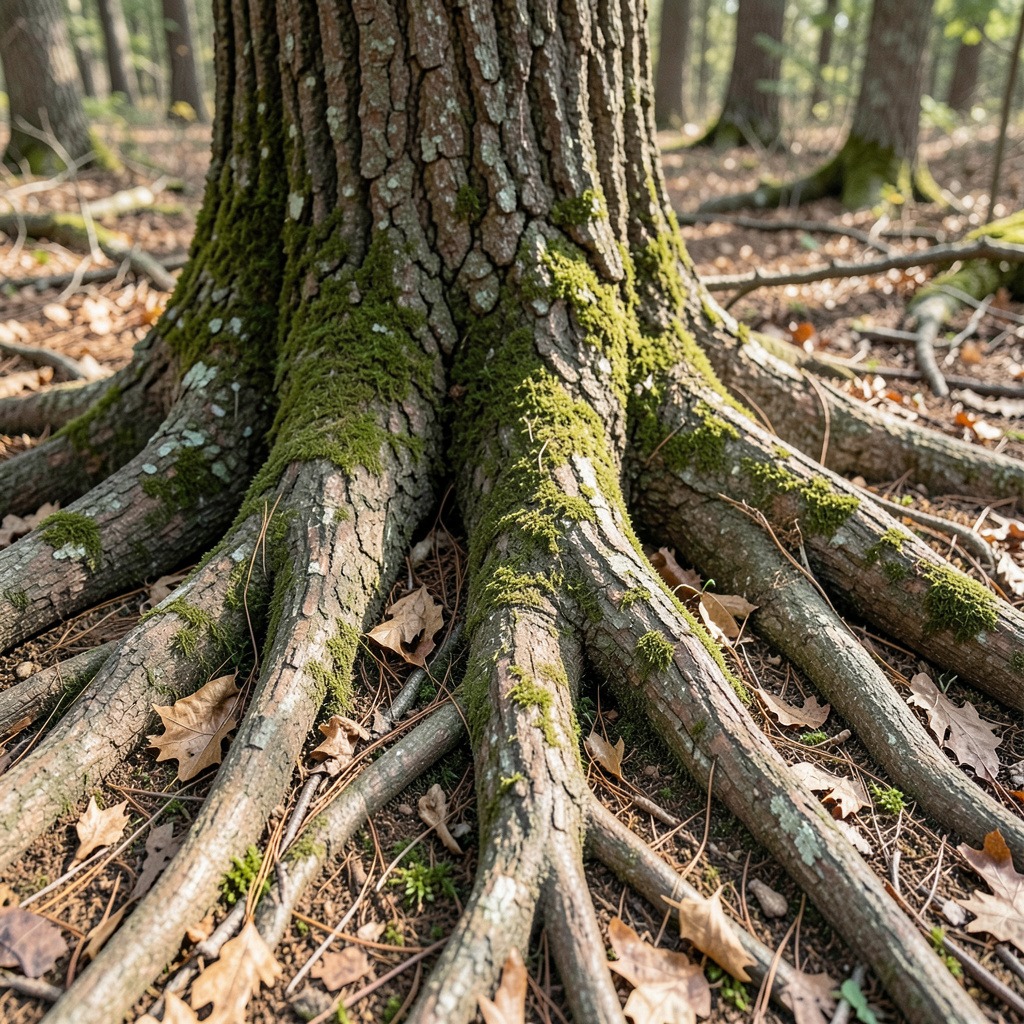
Processing wood from pin oak trees presents unique challenges due to their shallow, sprawling root systems. Understanding these characteristics is essential for successful wood harvesting and usage.
Challenges of Processing Pin Oak Wood
The pin oak’s root system can extend significantly beyond the tree’s canopy. This characteristic leads to several challenges:
- Root Stability: The expansive root system can create instability when cutting or removing the tree. An unstable root ball makes it difficult to safely process the wood.
- Soil and Debris: When extracting pin oak, workers frequently encounter substantial soil and rock around the roots. This can complicate the extraction process and increase the time required for wood processing.
- Safety Risks: The combination of heavy equipment, unstable root structures, and potential for soil to shift adds significant safety risks. Proper precautions must be taken to ensure worker safety.
Best Practices for Working with Pin Oak Roots
To effectively manage pin oak roots during processing, consider the following best practices:
1. Plan Your Cuts: Assess the layout of the root system before beginning work. Understanding the root structure will help you decide where to make cuts.
2. Use Appropriate Tools: Equip yourself with tools designed for heavy-duty cutting, such as chainsaws and stump grinders, to handle the robust nature of pin oak roots.
3. Safety First: Always prioritize safety by wearing protective gear. Ensure that the work area is clear of obstacles and that all equipment is in good working order.
4. Stabilize the Root Ball: If possible, stabilize the root ball before cutting. This can prevent sudden shifts that may cause accidents.
5. Remove Soil Gradually: Take time to carefully excavate the soil around the roots. This reduces the risk of damaging the root system and allows for a cleaner cut.
Real-Life Scenario: Urban Management of Pin Oak Roots
In urban settings, landscapers can face additional challenges with pin oak roots. For example, a city park project required the removal of several pin oaks to make way for new infrastructure. The team discovered that the roots extended far beyond the expected range, impacting nearby sidewalks and structures. By using specialized excavation techniques and collaborating with arborists, they managed to safely remove the trees while minimizing damage to the surrounding area. This scenario highlights the importance of understanding pin oak root systems in urban landscaping projects.
Common Pests and Diseases Affecting Pin Oak Trees
Pin oak trees, while resilient, are susceptible to various pests and diseases that can affect their root systems. Understanding these threats is vital for maintaining healthy trees and ensuring successful landscaping.
Identifying Common Pests
Several pests target pin oak roots, potentially causing significant harm. Here are some of the most common:
- Oak Root Fungus: This pathogen can lead to root rot, weakening the tree and making it susceptible to other stresses.
- Root Weevils: These insects feed on roots and can compromise the tree’s stability and nutrient uptake.
- Nematodes: These microscopic worms can damage root tissues, leading to reduced growth and vigor.
Preventative Measures for Root Health
To protect pin oak roots from pests and diseases, consider the following strategies:
- Regular Inspections: Monitor trees for signs of distress, such as wilting or discolored leaves, which may indicate root issues.
- Soil Management: Ensure well-drained soil to prevent root diseases. Avoid overwatering and improve drainage where necessary.
- Mulching: Apply organic mulch around the base of the tree to retain moisture and suppress weeds, which can harbor pests.
- Fungicide Treatments: For known fungal issues, apply fungicides as a preventive measure, especially in high-risk areas.
Signs of Healthy vs. Unhealthy Pin Oak Roots
Use the following checklist to distinguish between healthy and unhealthy pin oak roots:
- Healthy Roots:
- Firm texture and white color
- No visible signs of rot or decay
- Extensive, fibrous network
- Unhealthy Roots:
- Soft, discolored, or mushy texture
- Foul odor indicating decay
- Limited root extension or growth
By implementing these measures and recognizing signs of distress, you can effectively manage the health of pin oak roots and enhance their longevity in your landscaping projects.
Soil Requirements for Healthy Pin Oak Roots
Pin oak trees thrive in specific soil conditions that significantly influence their root health and overall growth. Understanding these requirements is essential for successful landscaping and ensuring the longevity of pin oak roots.
Ideal Soil Characteristics
Pin oaks prefer moist, acidic soils for optimal growth. The following characteristics are crucial:
- Soil Type: Loamy or sandy soils are ideal. These types provide good drainage while retaining moisture.
- Drainage: Well-drained soils prevent root rot and promote healthy root development.
- Organic Matter: Incorporating organic matter enhances soil structure and nutrient availability.
Effects of Soil pH on Root Development
Soil pH greatly affects the nutrient uptake of pin oaks. A slightly acidic pH (between 5.0 and 6.5) is optimal for their growth. The implications of soil pH on root health include:
- Nutrient Availability: At the right pH, essential nutrients like nitrogen, phosphorus, and potassium are more accessible.
- Root Penetration: Acidic soils promote healthy root penetration, allowing deeper and broader root systems.
- Disease Resistance: Proper pH levels can improve the tree’s overall health, making it more resilient to diseases.
Practical Considerations for Landscaping
When planting pin oaks, consider the following practical tips:
- Soil Testing: Conduct a soil test to determine pH and nutrient levels before planting.
- Amendments: If the soil pH is too high, consider adding sulfur or organic compost to lower it.
- Spacing: Ensure adequate spacing from structures, as shallow roots can affect foundations and hardscapes.
By adhering to these soil requirements, you can cultivate healthy pin oak roots that will enhance your landscaping and provide ecological benefits.
Frequently Asked Questions
These quick answers cover the most common questions about this topic, including key details, practical tips, and common concerns.
How far should a pin oak be planted from a house?
Pin oak trees should be planted at least 20 feet away from any structures. This distance helps prevent potential damage to foundations and hardscapes caused by their expansive root system. Additionally, adequate spacing allows for proper air circulation and sunlight, promoting healthy growth.
Do pin oak trees have invasive roots?
While pin oak roots are not typically classified as invasive, their shallow and extensive nature can lead to issues if planted too close to structures. They can disrupt sidewalks, driveways, and foundations. Careful planning and placement can mitigate these concerns.
What are the downsides of having a pin oak tree?
One downside of pin oak trees is their susceptibility to pests and diseases, such as oak root fungus and root weevils. Their shallow roots can also lead to instability in windy conditions. Additionally, they may drop acorns in the fall, which can create a mess and be a nuisance in landscaped areas.
Are pin oak roots near my house a problem?
Yes, pin oak roots near your house can pose problems. Their shallow, fibrous roots can extend far beyond the tree’s canopy, potentially damaging foundations and hardscapes. It’s essential to monitor their growth and ensure they are planted at a safe distance from structures.
How to care for pin oak roots?
Caring for pin oak roots involves ensuring proper soil conditions and moisture levels. Regularly check for signs of pests or diseases and maintain well-drained soil to prevent root rot. Mulching around the base can help retain moisture and suppress weeds, which can compete for nutrients.
What pests are common in pin oak trees?
Common pests affecting pin oak trees include oak root fungus, root weevils, and nematodes. These pests can damage the roots and weaken the tree, leading to reduced growth and vigor. Regular inspections and prompt treatment can help manage these issues.
Can pin oak trees grow in alkaline soils?
Pin oak trees prefer slightly acidic to neutral soils, ideally with a pH between 5.0 and 6.5. While they can tolerate some alkaline conditions, their growth may be stunted, and nutrient uptake can be affected. Testing soil pH before planting is recommended.
What is the lifespan of a pin oak tree?
Pin oak trees typically have a lifespan of 30 to 50 years. However, with proper care and maintenance, they can live longer. Factors like soil quality, moisture levels, and pest management significantly influence their longevity.