
Pin oaks typically grow 50 to 70 feet tall with a spread of 25 to 40 feet, making them popular for landscaping due to their fast growth and distinctive shape.
The pin oak (Quercus palustris) is a popular deciduous tree known for its impressive size and unique appearance. Understanding its dimensions, growth patterns, and care requirements is essential for successful landscape planning and maintenance.
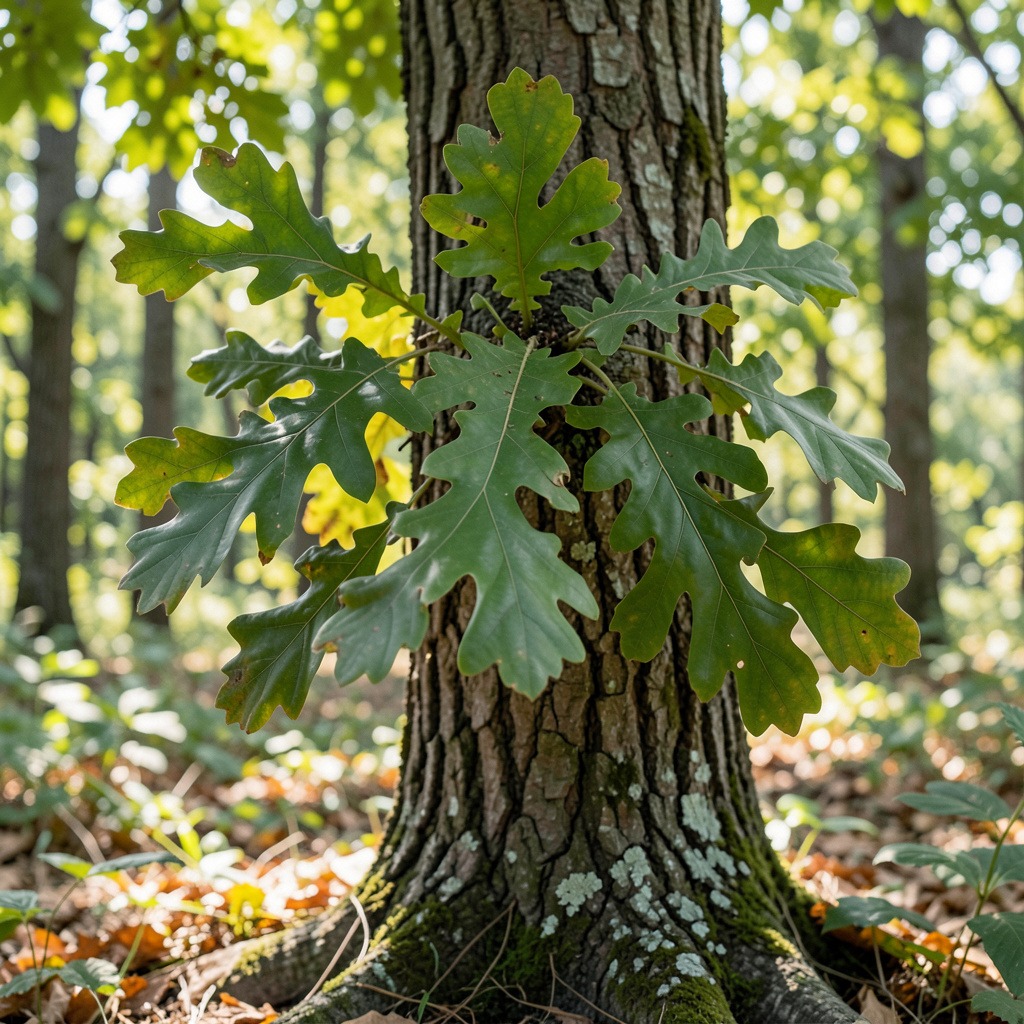
Size and Growth Characteristics of the Pin Oak
The pin oak (Quercus palustris) is recognized for its substantial size and rapid growth rate, making it a favored choice for landscapes. Understanding its dimensions and growth patterns is crucial for effective planning and care.
Mature Height and Spread
Mature pin oaks typically reach impressive heights. In optimal conditions, they can grow between 60 to 90 feet tall. Their spread generally ranges from 25 to 40 feet, creating a broad canopy that provides ample shade.
- Height: 60-90 feet
- Spread: 25-40 feet
The trunk of a mature pin oak is straight and singular, often exhibiting a diameter of 10 to 15 inches. This distinctive trunk shape adds to the tree’s aesthetic appeal in landscaping.
Growth Rate and Lifespan
Pin oaks are known for their vigorous growth rates. Under ideal conditions, they can grow over 24 inches per year, especially in their early years.
- Annual Growth Rate: 2 feet or more per year
- Lifespan: 150-200 years
Pin oaks typically begin producing acorns around 15 years of age. By 30 years, they average about 65 feet in height with a trunk diameter of approximately 11 inches. Factors that influence growth include soil type, moisture availability, and sunlight exposure.
Table of Contents
Size Variations Based on Conditions
The size of pin oaks may vary significantly based on environmental conditions. In less than ideal settings, growth rates can slow, resulting in shorter trees with smaller diameters.
- Optimal Conditions: Full sun, well-drained soil, adequate moisture
- Poor Conditions: Shade, compacted soil, drought
When planning to plant pin oaks, consider these conditions to ensure they achieve their maximum potential size. For instance, planting in an open area away from competing vegetation will promote better growth.
Ecological Importance of Pin Oaks
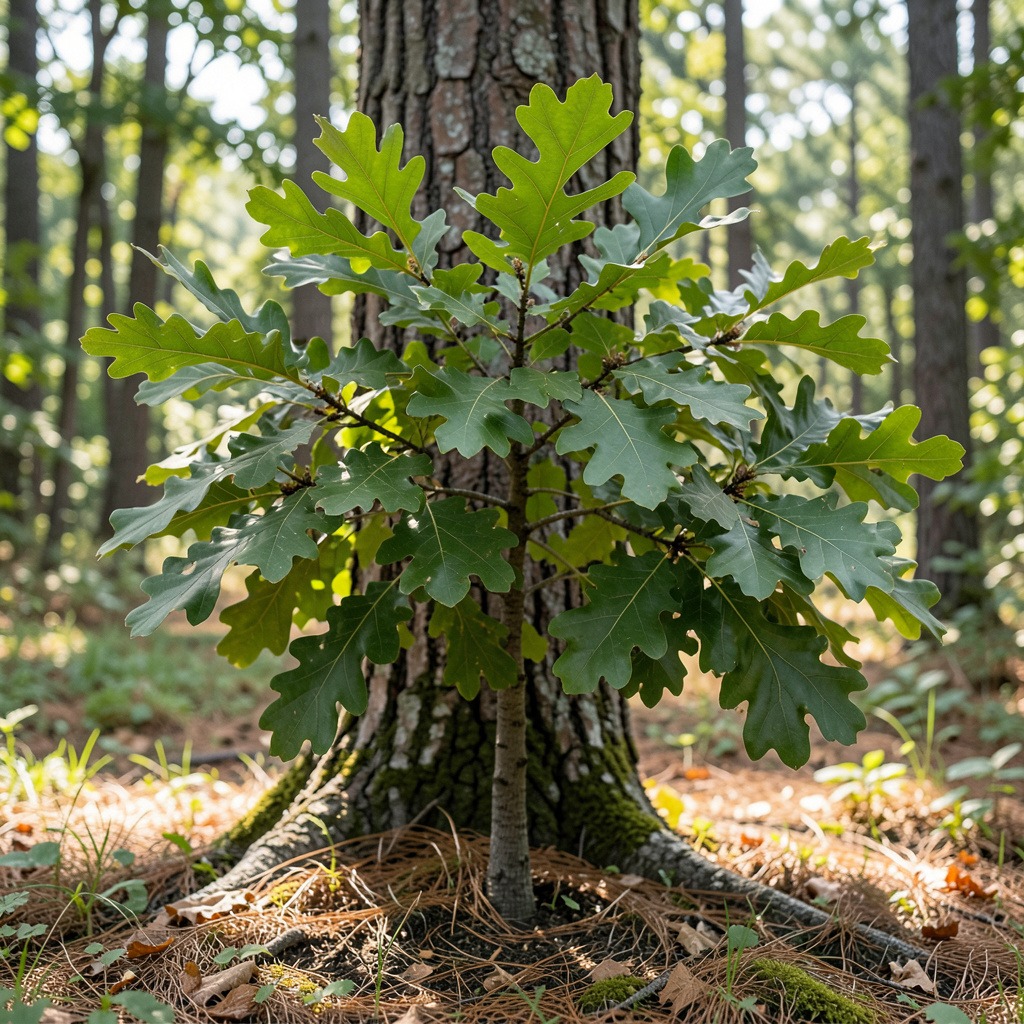
Pin oaks play a vital role in local ecosystems. Their size and growth characteristics contribute significantly to wildlife support and plant diversity.
Wildlife Support and Insect Associations
Pin oaks are a habitat for numerous wildlife species. They provide food, shelter, and nesting sites for various birds and mammals.
- Bird Species: Pin oaks attract birds like the Wild Turkey, Mallard, and Blue Jay. These species feed on the acorns produced by the trees.
- Nesting Opportunities: Many birds, including the Blue-Gray Gnatcatcher and Northern Parula, nest in pin oaks, benefiting from their dense foliage.
- Insect Diversity: The trees host over 150 insect species, which serve as a food source for birds and other wildlife.
For instance, areas with dense populations of pin oaks often see increased bird diversity. A study showed that neighborhoods with pin oaks had 30% more bird species compared to those without.
Habitat and Environmental Impact
Pin oaks contribute to environmental stability and biodiversity. Their size and extensive root systems help improve soil health and reduce erosion.
- Soil Improvement: The shallow lateral roots of pin oaks can prevent soil erosion, particularly in wetland areas.
- Water Management: These trees can help manage water runoff, making them essential in urban landscaping.
- Biodiversity Support: By hosting various insects and providing food for larger animals, pin oaks promote a balanced ecosystem.
In landscaping, choosing to plant pin oaks can enhance local biodiversity. They are particularly beneficial in areas where wildlife habitat is declining. For example, planting pin oaks along trails and parks can create green corridors that support wildlife movement and foraging.
Landscaping Benefits of the Pin Oak
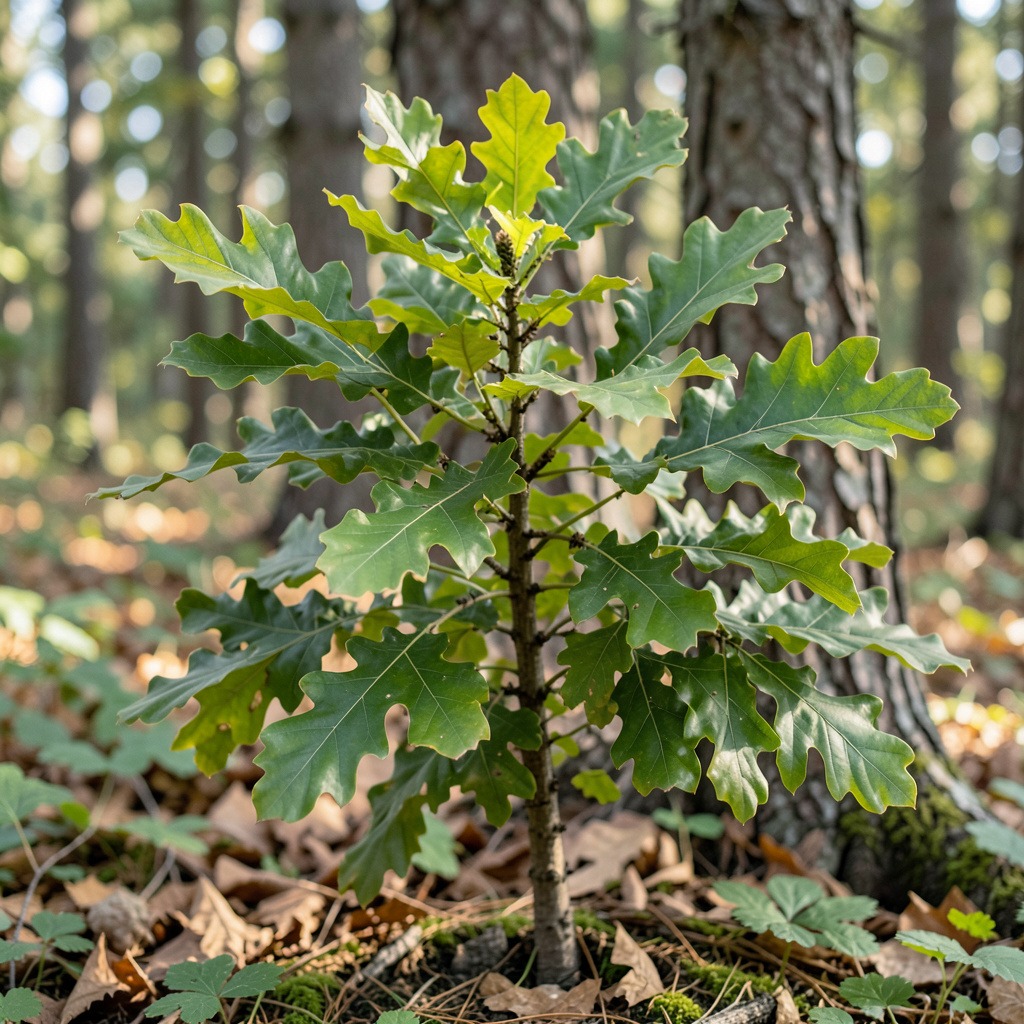
Pin oaks are not only visually appealing but also offer numerous practical benefits in landscaping. Their size, growth rate, and adaptability make them a preferred choice for both residential and commercial properties.
Aesthetic Appeal and Shade Provision
Pin oaks typically reach heights of 60 to 90 feet with a spread of 40 to 60 feet. This impressive size provides ample shade, making them ideal for parks and larger residential yards. The unique lobed leaves create a striking silhouette, especially in autumn when they turn vibrant shades of red and brown.
Advantages include:
- Shade: Pin oaks can lower cooling costs in summer by providing shade for homes and buildings.
- Beauty: The tree enhances the landscape with its elegant form and seasonal color changes.
Adaptability to Various Soils and Conditions
Pin oaks thrive in a range of soil types, including clay, loam, and sandy soils. They prefer moist, well-drained locations but can tolerate temporary flooding. This adaptability allows them to be planted in diverse settings, from urban parks to suburban gardens.
Key considerations for planting:
- Soil Type: Ensure the soil can retain moisture but also drains well to prevent root rot.
- Spacing: When planting multiple pin oaks, space them adequately to allow for their extensive spread.
Framework for Selecting Pin Oaks in Landscaping
When selecting pin oaks for landscaping, consider your goals. Here’s a decision framework:
1. Shade Needs: Assess the area where shade is desired. Pin oaks are excellent for providing cooling shade.
2. Wildlife Support: If promoting local biodiversity is a goal, pin oaks attract birds and other wildlife with their acorns.
3. Aesthetic Goals: Consider planting pin oaks for their attractive form and seasonal foliage, enhancing the visual appeal of your space.
In residential areas, pin oaks can be strategically placed along driveways or near patios to maximize shade and beauty. In commercial landscapes, they can be used to create inviting outdoor spaces for employees and customers alike.
Care and Maintenance of Pin Oaks
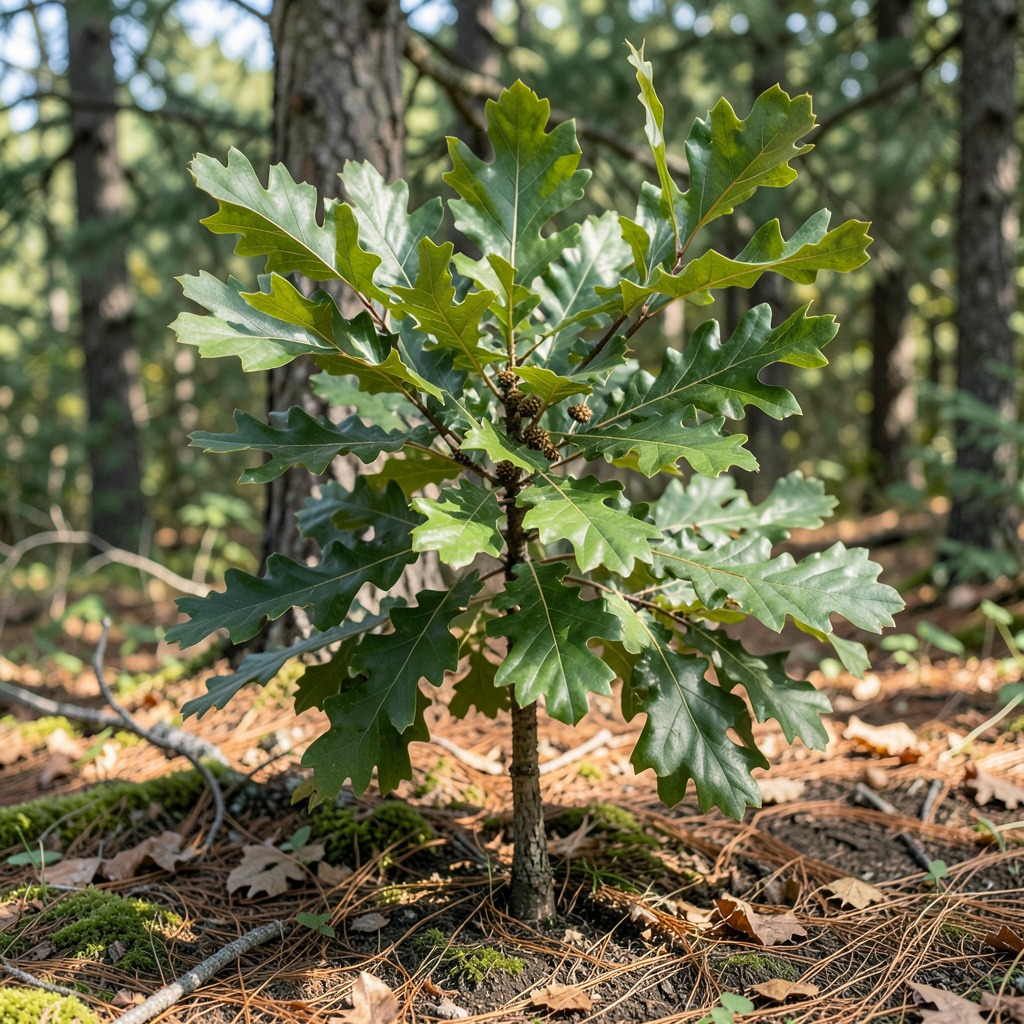
Pin Oaks require specific care and maintenance to thrive and reach their full size potential. Proper planting, soil conditions, and ongoing care are crucial for optimal growth.
Planting Guidelines and Soil Requirements
1. Site Selection: Choose a location that receives full sun for at least six hours daily. This exposure enhances growth rates and overall size.
2. Soil Type: Pin Oaks prefer moist, well-drained soil. Avoid areas prone to flooding during the growing season.
3. Spacing: When planting, ensure adequate spacing from structures. Roots can extend laterally, so plant at least half the recommended spacing distance away from buildings to prevent foundation damage.
Pruning and Care Instructions
1. Pruning: Conduct light pruning to maintain shape and remove any dead or damaged branches. The best time to prune is during late winter or early spring before new growth begins.
2. Watering: During the growing season, ensure consistent moisture, especially in drought conditions. Mulching around the base can help retain soil moisture.
3. Fertilization: Apply a balanced fertilizer once in early spring to support growth. Monitor soil nutrient levels to adjust as needed.
Common Pests and Diseases
Pin Oaks are generally resilient but can be affected by certain pests and diseases. Regular monitoring is essential.
1. Pests: Watch for aphids, oak leaf curl, and caterpillars. Use insecticidal soap or neem oil for management.
2. Diseases: Fungal infections like oak wilt can occur. Ensure good air circulation and avoid wounding trees to reduce risk.
Decision Framework for Regional Care
Consider local climate and soil conditions when planning care for your Pin Oak. Here’s a simple decision framework:
- Moisture Needs: In regions with high rainfall, monitor drainage. In arid areas, prioritize supplemental watering.
- Temperature Extremes: Protect young trees from harsh winter conditions with protective mulch.
- Soil Quality: Test soil pH and amend as necessary; Pin Oaks thrive in slightly acidic to neutral soils.
By following these guidelines, you can ensure your Pin Oak reaches its potential size and contributes to the landscape effectively.
Disadvantages of Pin Oak Trees
While pin oaks (Quercus palustris) are valued for their rapid growth and striking appearance, they do present several disadvantages that potential owners should consider. Understanding these challenges can help you make informed decisions regarding their placement and maintenance.
Growth Challenges and Root Systems
Pin oaks typically grow to heights of 60-90 feet, with a broad spread that can reach 40-60 feet. However, their growth habits can create problems:
- Shallow Root System: Pin oaks develop shallow lateral roots, usually extending only about 18 inches deep. This can lead to instability in high winds or heavy rain, causing the tree to topple.
- Potential for Surface Roots: In some cases, mature pin oaks may develop surface roots that can disrupt sidewalks or driveways, leading to costly repairs.
- Competition for Resources: When planted too close to other trees or structures, their roots may not reach their full potential, affecting overall growth and crown size.
Maintenance Concerns
Maintaining a pin oak can require more effort than with other oak species. Key maintenance issues to be aware of include:
- Pruning Needs: Pin oaks often need regular pruning to manage their height and spread, especially in urban settings. Failure to do so can result in overcrowding and poor air circulation.
- Disease Susceptibility: They are susceptible to certain diseases, including oak wilt, which can lead to premature decline. Regular inspections for symptoms are essential.
- Acidic Soil Preference: Pin oaks thrive in slightly acidic to neutral soils. If your soil is too alkaline, you may need to amend it, adding to maintenance efforts.
Comparison with Other Oak Species
When considering pin oaks, it’s helpful to compare them with other oak varieties. For example:
- White Oaks: Generally more resilient with deep root systems, white oaks are less likely to suffer from surface root issues.
- Red Oaks: While also fast-growing, red oaks may have a more extensive root structure, allowing for better stability and nutrient acquisition.
Decision Rule: When selecting a tree for your landscape, consider the root system and maintenance needs. If you have limited space or poor soil, an alternative oak species may be a better fit.
Comparing Pin Oak to Other Oak Species
Pin oaks (Quercus palustris) are prominent in landscaping due to their rapid growth and unique characteristics. Understanding how they compare to other oak species helps in making informed decisions for landscaping projects.
Pin Oak vs. White Oak
- Size: White oaks (Quercus alba) generally reach greater heights, averaging 50 to 80 feet, while pin oaks typically grow to 60 to 70 feet.
- Growth Rate: Pin oaks grow faster, averaging 2 to 3 feet per year under optimal conditions, compared to white oaks, which grow about 1 to 2 feet annually.
- Root System: White oaks develop deeper root systems, making them more resilient to drought and soil instability. Pin oaks tend to have surface roots that can interfere with nearby structures.
Pin Oak vs. Red Oak
- Size: Red oaks (Quercus rubra) can grow up to 75 feet tall, similar to pin oaks, but often have a broader spread.
- Growth Rate: Both species are fast-growing, but red oaks tend to grow slightly slower, at about 1.5 to 2.5 feet per year.
- Ecological Benefits: Pin oaks are particularly beneficial for wildlife, supporting over sixty species of beetles, while red oaks provide acorns that are a food source for many animals.
Comparison Table
| Feature | Pin Oak (Quercus palustris) | White Oak (Quercus alba) | Red Oak (Quercus rubra) |
|---|---|---|---|
| Mature Height | 60-70 feet | 50-80 feet | Up to 75 feet |
| Growth Rate | 2-3 feet/year | 1-2 feet/year | 1.5-2.5 feet/year |
| Root System | Surface roots | Deep and stable roots | Extensive, deep roots |
| Wildlife Support | Supports 60+ beetle species | Acorns for wildlife | Acorns for wildlife |
Decision Rule
When selecting an oak for landscaping, consider the following:
- Space Availability: If root interference is a concern, white oak may be preferable.
- Growth Speed: For quick shade, pin oak is a strong choice.
- Wildlife Needs: If supporting local fauna is a priority, evaluate the ecological benefits of each species. Pin oaks provide a unique habitat for various insects, enhancing biodiversity.
Alternatives to Pin Oak in Landscaping
When considering alternatives to the pin oak (Quercus palustris), it’s essential to evaluate other tree species that offer similar benefits in size, growth rate, and ecological value. Here are some suitable alternatives that can be utilized in various landscaping scenarios.
Suitable Alternatives for Different Climates
1. Swamp White Oak (Quercus bicolor)
- Height: 50-60 feet
- Spread: 40-50 feet
- Growth Rate: Moderate, around 12-24 inches per year
- Characteristics: Tolerates wet soils; offers acorns for wildlife.
2. White Oak (Quercus alba)
- Height: 50-80 feet
- Spread: 50-80 feet
- Growth Rate: Slow to moderate, 12-24 inches per year
- Characteristics: Long-lived; provides excellent shade and supports diverse wildlife.
3. Red Maple (Acer rubrum)
- Height: 40-60 feet
- Spread: 30-50 feet
- Growth Rate: Fast, up to 36 inches per year
- Characteristics: Adaptable to various soil types; vibrant fall color.
Comparing Aesthetics and Growth Habits
- Swamp White Oak: Offers a rounded crown and attractive bark, making it a visually appealing choice for natural landscapes.
- White Oak: Features a broad canopy and majestic stature, ideal for large properties where shade is a priority.
- Red Maple: Known for its stunning red foliage in autumn, it serves as a colorful alternative that grows rapidly and can flourish in varying conditions.
When selecting an alternative to pin oak, consider your specific landscape goals. If rapid growth is essential, red maple could be the best choice. For wildlife support and long-term shade, swamp white oak or white oak may be more suitable. Understanding the unique characteristics of each tree will enhance your landscaping decisions.
Frequently Asked Questions
These quick answers cover the most common questions about this topic, including key details, practical tips, and common concerns.
What are the disadvantages of pin oak trees?
Pin oaks have several disadvantages to consider. Their shallow root systems can lead to instability in high winds or heavy rain, making them more prone to uprooting. Additionally, mature pin oaks may develop surface roots that disrupt sidewalks and driveways, leading to potential repair costs.
Maintenance can also be a challenge. Pin oaks require regular pruning to manage their height and spread, especially in urban settings. They are susceptible to diseases like oak wilt, which can cause significant decline if not monitored.
How tall is a 10-year-old pin oak?
A 10-year-old pin oak typically reaches a height of about 20 to 30 feet. Growth rates can vary based on environmental conditions, but under optimal circumstances, they can grow around 2 feet or more per year during their early years. This rapid growth makes them an appealing choice for landscaping.
How far should a pin oak be planted from a house?
When planting a pin oak, it’s recommended to place it at least 20 to 30 feet away from your house. This distance allows for the tree’s extensive root system to grow without interfering with foundations and provides adequate space for the tree’s mature canopy.
Is a pin oak a good yard tree?
Yes, a pin oak can be a great yard tree due to its fast growth and impressive size. It provides ample shade and has a striking appearance, especially in autumn when its leaves turn vibrant colors. However, consider its potential root issues and maintenance needs when deciding if it’s right for your landscape.
What soil conditions are best for pin oak?
Pin oaks thrive in moist, well-drained soils. They prefer slightly acidic to neutral pH levels and can tolerate clay and loamy soils. It’s important to avoid overly compacted or poorly drained areas, as these conditions can hinder growth and lead to root problems.
How do I care for a pin oak tree?
To care for a pin oak, ensure it receives full sun and consistent moisture, especially during dry spells. Regular watering and mulching can help retain soil moisture. Prune in late winter or early spring to maintain shape and remove any dead branches. Fertilize with a balanced fertilizer in early spring to support growth.
What wildlife benefits from pin oak trees?
Pin oaks are beneficial for various wildlife species. They provide food and habitat for birds, such as Wild Turkeys and Blue Jays, which feed on their acorns. The tree also supports over 150 insect species, creating a diverse ecosystem that benefits both birds and larger mammals.
When do pin oaks produce acorns?
Pin oaks typically begin producing acorns around 15 years of age. Once mature, they can produce a significant number of acorns every 2 to 3 years. These acorns are an important food source for wildlife, contributing to the ecological value of the tree.