
The Pin Oak tree offers fast growth, abundant shade, and wildlife support, but it may struggle with certain soil conditions and pests, making it essential to weigh its benefits against potential challenges.
Table of Contents
The Pin Oak tree, or Quercus palustris, is a popular choice for landscapes due to its aesthetic appeal and ecological benefits. However, like any tree species, it has its pros and cons that potential planters should carefully consider.
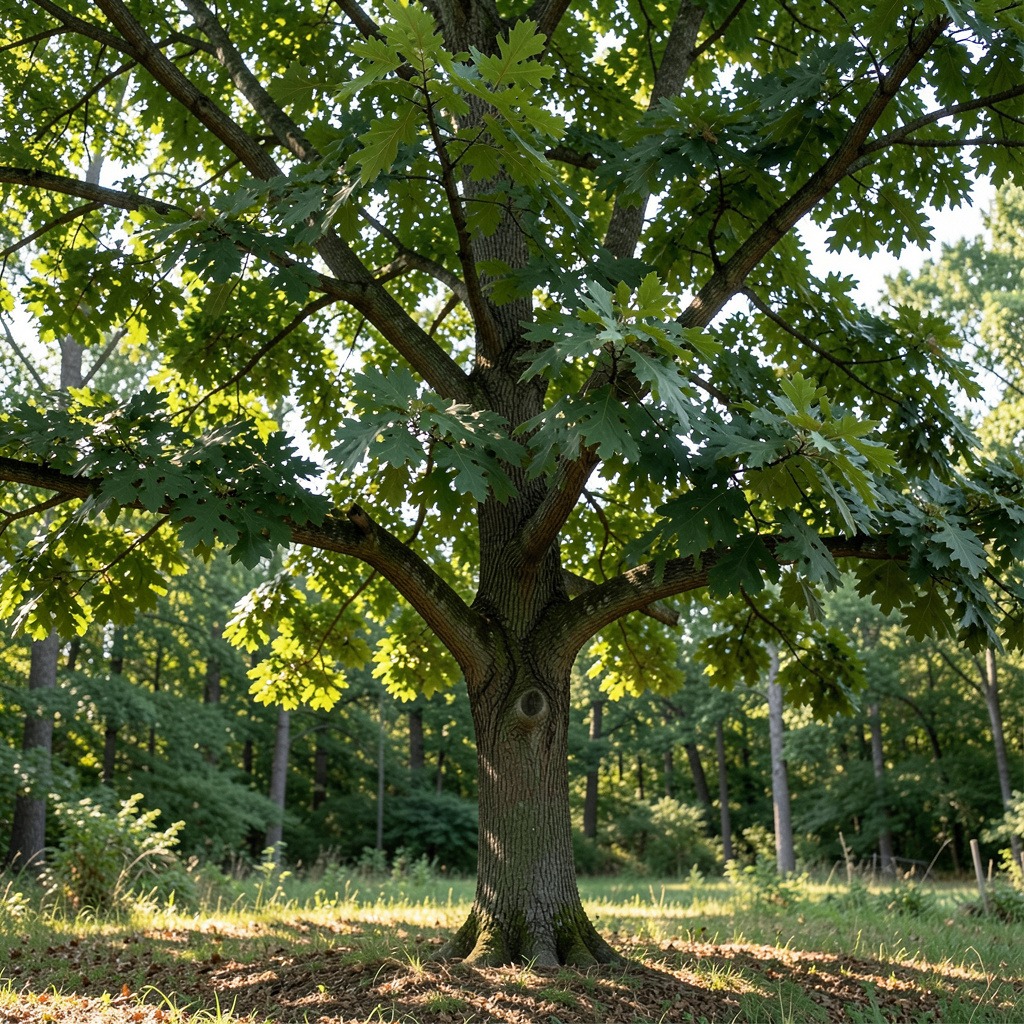
Overview of the Pin Oak Tree
The Pin Oak tree, scientifically known as Quercus palustris, is a significant and versatile species popular among homeowners for its striking appearance and ecological contributions. Understanding its characteristics, habitat, and uses can help you decide if this tree is suitable for your landscape.
Scientific Classification
- Common Name: Pin Oak
- Scientific Name: Quercus palustris
- Family: Fagaceae
- Type: Deciduous Hardwood Tree
The Pin Oak belongs to the beech family and is characterized by its distinctive leaf shape and growth pattern. It typically reaches heights of 60 to 90 feet and can live for 150 to 200 years in optimal conditions.
Native Habitat
Pin Oaks are native to Eastern North America. They thrive in various soil types, preferring moist to medium well-draining conditions. They are commonly found in wetlands, floodplains, and along streams, where they contribute to the local ecosystem.
Common Uses
Pin Oaks serve multiple purposes in landscaping:
- Shade Provider: With their broad canopy, Pin Oaks offer substantial shade, making them ideal for parks and residential yards.
- Ecological Support: These trees support over 150 insect species, providing a habitat for wildlife.
- Aesthetic Appeal: Their attractive fall foliage, which turns yellow to orange-red, enhances the visual interest of any landscape.
Growth Characteristics
Pin Oaks exhibit rapid growth, averaging about 24 inches in height per year under optimal conditions. They do not produce acorns until they are at least 15 years old, making them a long-term investment in your landscape. Here are some specific traits:
- Root System: Pin Oaks have shallow, lateral roots that can grow up to 18 inches deep. This characteristic affects their placement and the potential for root interference with nearby structures.
- Trunk Structure: The trunks are straight and singular, often developing a split near the top as they mature.
By understanding these aspects, homeowners can better assess the pros and cons of planting Pin Oaks in their landscapes.
1. Benefits of Planting a Pin Oak Tree
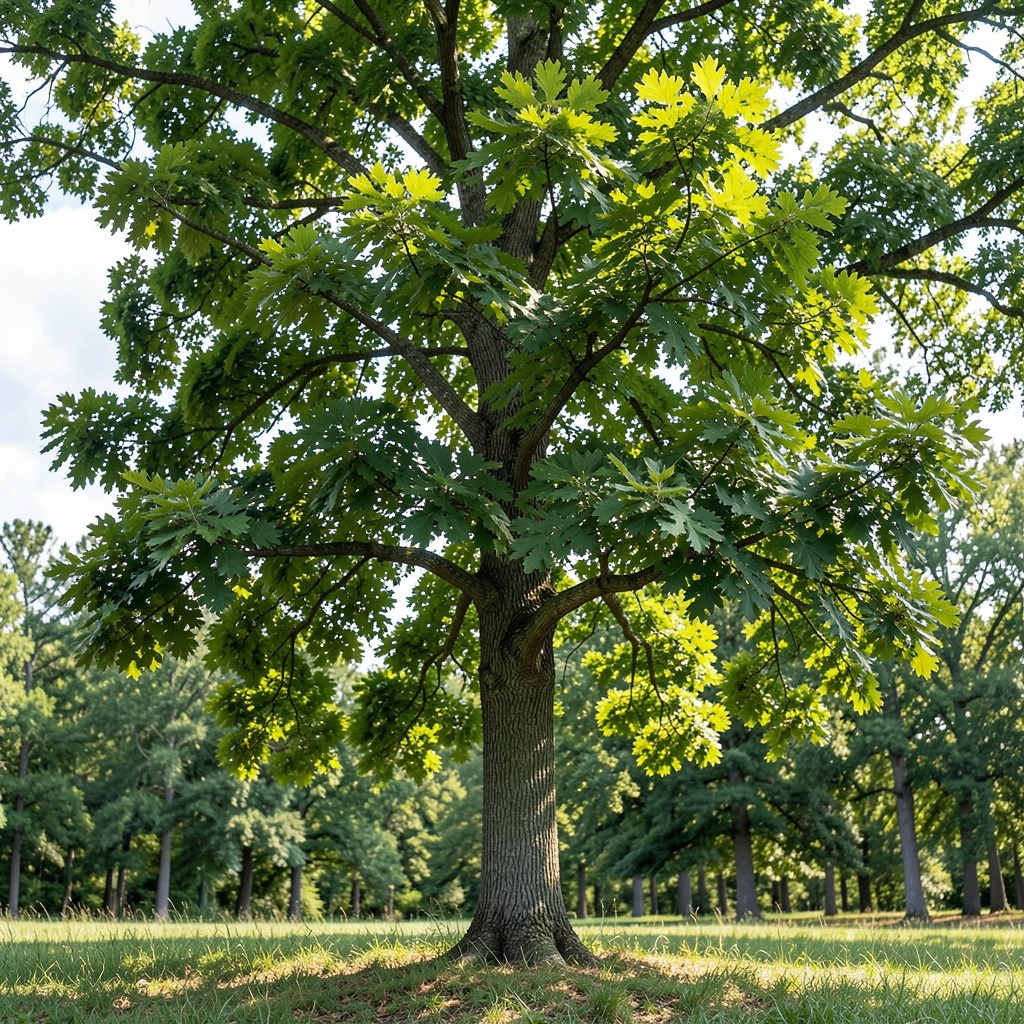
Pin Oak trees offer numerous advantages for homeowners. Their impressive height and rapid growth make them ideal for landscaping. Here are some of the key benefits:
Shade Provision
Pin Oaks can reach heights of 60 to 90 feet, creating substantial shade. This feature is particularly beneficial during hot summer months, as it can help lower air conditioning costs. When planted strategically, a pair of Pin Oaks can effectively shade a home, enhancing comfort and energy efficiency.
Aesthetic Appeal
The Pin Oak has a striking presence with its straight trunk and lush foliage. The leaves turn a vibrant red in the fall, providing seasonal beauty. Homeowners appreciate their visual impact in both urban and suburban landscapes. This tree can serve as a focal point in gardens or parks, enhancing the overall aesthetic of the area.
Wildlife Support
Pin Oak trees play a crucial role in supporting local wildlife. Their acorns attract various birds, squirrels, and other small mammals, creating a vibrant ecosystem. According to studies, Pin Oaks are known to support over 100 species of birds and mammals, making them valuable for biodiversity. Homeowners often report increased wildlife sightings after planting these trees, enriching their outdoor spaces.
- Wildlife Statistics:
- Attracts more than 100 species of birds and mammals.
- Supports insects that are essential food sources for birds.
Planting a Pin Oak not only enhances your landscape but also contributes to a healthier environment. By choosing this tree, you foster biodiversity and create a welcoming habitat for local wildlife.
2. Fast Growth Rate of Pin Oak Trees
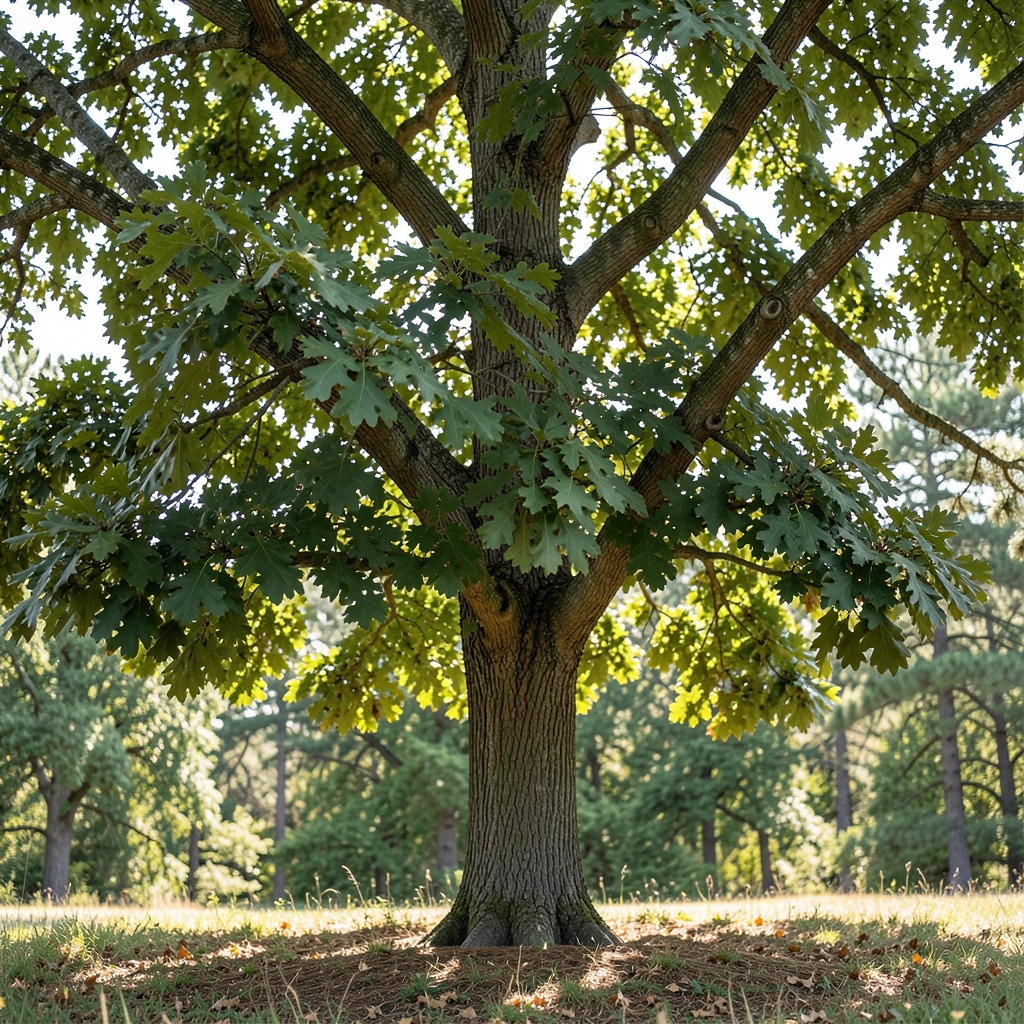
The Pin Oak tree is renowned for its rapid growth rate, making it an attractive choice for homeowners seeking quick shade or landscape enhancement. Understanding its growth conditions and how it compares to other tree species can help you make informed decisions.
Growth Rate Statistics
Pin Oaks typically grow 24 inches or more per year under optimal conditions. This impressive growth rate can significantly enhance landscapes in a relatively short time. Here’s a comparative table illustrating the growth rates of Pin Oaks alongside other common landscaping trees:
| Tree Species | Average Growth Rate (inches/year) |
|---|---|
| Pin Oak | 24+ |
| Red Maple | 12-24 |
| Sugar Maple | 12-24 |
| Flowering Pear | 24+ |
| White Oak | 12-24 |
Optimal Conditions for Growth
Pin Oaks thrive in well-drained, moist soils. They prefer full sun and require adequate space for their shallow lateral roots. Here are key factors influencing their growth:
- Soil Type: Loamy, acidic soils yield the best results.
- Watering: Regular watering ensures healthy growth, especially in dry spells.
- Sunlight: Full sun (6 hours or more) is essential for optimal growth.
- Spacing: Allow adequate distance from other trees and structures to support root expansion.
Comparison with Other Trees
When considering fast-growing options, Pin Oaks stand out due to their size and ecological benefits. Compared to other popular landscaping trees, they not only grow quickly but also support wildlife significantly. For instance, while Flowering Pear trees also grow rapidly, they can become invasive and do not provide the same level of habitat. In contrast, Pin Oaks support over 100 species of birds and mammals, enhancing biodiversity in your yard.
Choosing the right tree involves weighing growth rates against other factors, such as ecological impact and maintenance requirements. Pin Oaks offer a balanced choice for homeowners looking for both beauty and functionality.
3. Common Problems with Pin Oak Trees
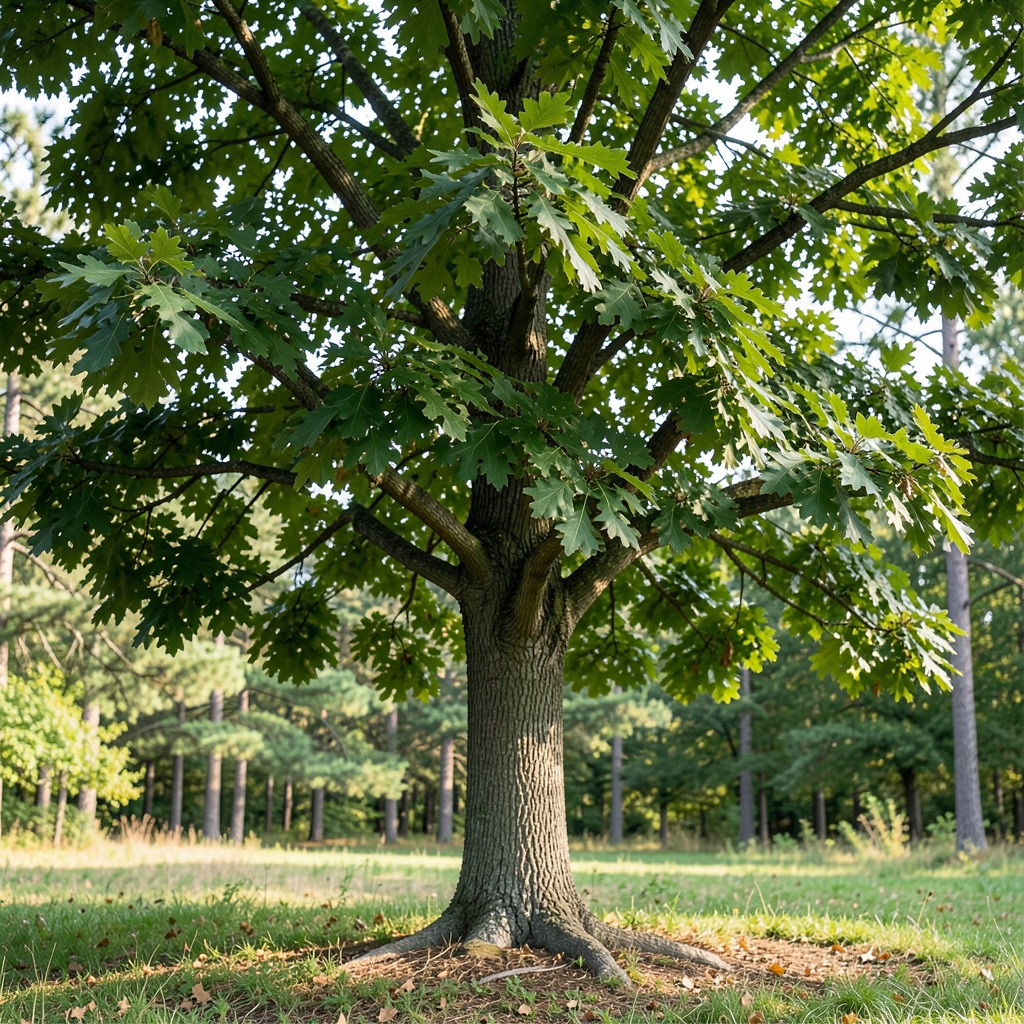
Pin Oak trees, while beneficial, face several common challenges that homeowners should be aware of. These issues include susceptibility to diseases and pests, as well as environmental stressors. Understanding these factors is crucial for successful management.
Iron Chlorosis
Iron chlorosis is a frequent issue affecting Pin Oaks. This condition occurs when the tree cannot absorb enough iron, leading to yellowing leaves and stunted growth. Factors contributing to iron chlorosis include:
- Soil pH: High pH levels can limit iron availability.
- Poor Drainage: Waterlogged soil can hinder root function.
- Compacted Soil: This restricts root growth, affecting nutrient uptake.
Checklist for Managing Iron Chlorosis:
- Test soil pH regularly.
- Amend soil with sulfur to lower pH if necessary.
- Ensure proper drainage around the root zone.
Oak Wilt
Oak wilt is a serious disease that poses a significant threat to Pin Oaks. This fungal infection can spread rapidly and is often fatal within a few months of infection. Key details include:
- Transmission: Insects, particularly beetles, carry the spores to healthy trees.
- Symptoms: Leaves may wilt, turn brown, and drop prematurely.
Management Tips:
- Avoid pruning during the growing season to minimize attracting pests.
- Remove infected trees promptly to prevent spread.
Pest Infestations
Pin Oaks are vulnerable to various pests that can cause significant damage. Common pests include:
- Oak Leaf Galls: These are caused by tiny insects, leading to leaf deformation.
- Bark Beetles: They bore into the bark, weakening the tree.
Checklist for Pest Management:
- Regularly inspect leaves and branches for signs of infestation.
- Use insecticidal soap or neem oil as a preventive measure.
- Encourage natural predators, such as birds, to control pest populations.
By staying informed about these issues and implementing proper care strategies, homeowners can ensure the health and longevity of their Pin Oak trees.
4. Soil Requirements for Pin Oak Trees
Pin Oak trees thrive under specific soil conditions. Understanding these requirements is crucial for successful planting and long-term growth.
Ideal Soil pH
Pin Oaks prefer slightly acidic to neutral soil, ideally with a pH range of 5.5 to 7.0. This pH level promotes optimal nutrient uptake. Soil that is too alkaline can hinder growth and lead to deficiencies.
Moisture Requirements
Moisture is vital for the health of Pin Oaks. They prefer consistently moist but well-drained soil. While they can tolerate brief periods of drought, prolonged dry conditions can stress the tree.
- Ideal Moisture Level: The soil should feel moist to the touch but not waterlogged.
- Drainage Consideration: Ensure good drainage to prevent root rot. Heavy clay soils may require amendments.
Soil Amendments
Improving soil conditions can enhance the growth potential of Pin Oaks. Consider the following amendments:
- Organic Matter: Incorporate compost or well-rotted manure to improve soil structure and fertility.
- pH Adjustment: If the soil is too acidic, adding lime can raise the pH. Conversely, sulfur can lower it if the soil is too alkaline.
- Aeration: If soil compaction is an issue, aerating the soil can improve root penetration and water absorption.
Scenario Insight: For a homeowner with clay soil, mixing in organic matter during planting can significantly enhance drainage and nutrient availability. This proactive approach can lead to healthier tree growth and reduce the risk of disease.
By adhering to these soil requirements, homeowners can ensure that their Pin Oak trees have the best chance for robust development and longevity.
5. Ecological Impact of Pin Oak Trees
Pin Oak trees play a vital role in local ecosystems. They support wildlife and contribute to biodiversity, making them a valuable addition to urban and suburban landscapes.
Support for Wildlife
Pin Oaks provide essential habitats for various species. Their acorns are a food source for birds and mammals, including:
- Blue Jays
- Wood Ducks
- Squirrels
- Wild Turkeys
These trees also offer nesting sites for birds. Species such as the Blue-Gray Gnatcatcher and the Summer Tanager rely on Pin Oaks for shelter and breeding grounds.
Contribution to Biodiversity
By planting Pin Oaks, homeowners can enhance local biodiversity. These trees attract hundreds of insect species, which serve as food for birds. The presence of these insects supports a more extensive food web in the ecosystem.
A study in urban settings showed that neighborhoods with Pin Oaks experienced increased bird diversity. The shade and structure provided by these trees create a more hospitable environment for wildlife. Homeowners reported seeing a wider variety of bird species in their yards after planting Pin Oaks.
Environmental Benefits
Pin Oaks offer significant environmental advantages. They improve air quality by absorbing pollutants and producing oxygen. Additionally, their extensive root systems help manage stormwater runoff by promoting water infiltration into the soil.
Planting Pin Oaks can also reduce urban heat islands. Their large canopies provide shade, lowering surrounding temperatures and reducing energy costs for cooling.
In summary, Pin Oak trees are not just beautiful additions to landscapes; they are crucial for supporting wildlife, enhancing biodiversity, and providing various ecological benefits. Homeowners considering these trees will find that they contribute positively to both the environment and local ecosystems.
6. Maintenance Requirements for Pin Oak Trees
To ensure the health and longevity of Pin Oak trees, proper maintenance is essential. This section outlines the key care practices required for these trees to thrive in both residential and urban settings.
Pruning Guidelines
Regular pruning helps maintain the shape and health of Pin Oak trees. Here are some guidelines:
- Timing: Prune in late winter to early spring before new growth begins.
- Technique: Remove dead, diseased, or crossing branches. This encourages healthy growth and improves air circulation.
- Tools: Use clean, sharp pruning shears or saws to minimize damage.
Watering Needs
Pin Oaks have specific watering requirements, particularly during their early years. Follow these steps:
- New Trees: Water deeply once a week for the first two years. Aim for about 10-15 gallons per week.
- Established Trees: After establishment, water during prolonged dry spells. Monitor the soil moisture; the top 1-2 inches should be dry before watering.
- Drainage: Ensure soil drains well to prevent root rot.
Fertilization Tips
Fertilizing Pin Oaks can promote robust growth. Consider these tips:
- Soil Testing: Conduct a soil test to determine nutrient needs. This helps in selecting the right fertilizer.
- Type of Fertilizer: Use a balanced slow-release fertilizer in early spring. A ratio of 10-10-10 or 20-20-20 works well.
- Application: Apply according to the manufacturer’s instructions, typically around the tree’s drip line.
Seasonal Maintenance Calendar for Pin Oaks
| Season | Maintenance Task |
|---|---|
| Spring | Pruning, fertilization, watering |
| Summer | Watering during dry spells |
| Fall | Raking leaves, inspect for pests |
| Winter | Pruning and protecting young trees |
By adhering to these guidelines, homeowners can effectively nurture their Pin Oak trees, ensuring they grow strong and vibrant.
7. Comparing Pin Oak to Other Oak Species
Understanding the differences between Pin Oak and other common oak species helps homeowners make informed planting decisions. Each species has unique characteristics that can affect growth, maintenance, and ecological impact.
Pin Oak vs. White Oak
Pin Oak (Quercus palustris) and White Oak (Quercus alba) serve different purposes in landscaping. Here’s how they compare:
| Feature | Pin Oak | White Oak |
|---|---|---|
| Height | 60-90 feet | 50-80 feet |
| Spread | 40-60 feet | 50-80 feet |
| Growth Rate | Fast (up to 2 feet/year) | Moderate (1-2 feet/year) |
| Soil Preference | Prefers wet, acidic soil | Well-drained, alkaline |
| Lifespan | 150-200 years | 200-300 years |
| Wildlife Support | Acorns for birds, insects | Acorns for wildlife |
Key Takeaway: Pin Oaks grow faster and thrive in wetter conditions, while White Oaks are more resilient in diverse soil types and have a longer lifespan.
Pin Oak vs. Red Oak
Pin Oak and Red Oak (Quercus rubra) share some similarities but differ significantly in their traits.
| Feature | Pin Oak | Red Oak |
|---|---|---|
| Height | 60-90 feet | 60-75 feet |
| Spread | 40-60 feet | 40-50 feet |
| Growth Rate | Very fast (up to 2 feet/year) | Fast (1-2 feet/year) |
| Leaf Shape | Pointed lobes | Rounded lobes |
| Pest Resistance | More susceptible to pests | Generally more resistant |
| Acorn Production | Abundant acorns | Abundant acorns |
Key Takeaway: While both species provide excellent shade and acorns, Pin Oaks are faster-growing but face more pest issues compared to Red Oaks.
Pin Oak vs. Live Oak
The comparison between Pin Oak and Live Oak (Quercus virginiana) highlights distinct differences in growing conditions and utility.
| Feature | Pin Oak | Live Oak |
|---|---|---|
| Height | 60-90 feet | 40-80 feet |
| Spread | 40-60 feet | 60-100 feet |
| Growth Rate | Fast (up to 2 feet/year) | Slow to moderate |
| Climate Adaptability | Prefers temperate zones | Thrives in warm climates |
| Acorn Production | Seasonal | Year-round |
Key Takeaway: Pin Oaks are ideal for rapid growth in temperate regions, while Live Oaks excel in warmer climates and provide extensive shade.
Decision Framework for Choosing Oak Species
When selecting an oak for your property, consider the following:
- Space Availability: Choose based on height and spread.
- Soil Type: Match the species to your soil conditions.
- Growth Rate: Consider how quickly you want shade.
- Wildlife Support: Choose based on the type of wildlife you wish to attract.
Using this framework, homeowners can effectively evaluate which oak species best suits their landscape needs.
8. Alternatives to Pin Oak Trees
Homeowners seeking alternatives to the Pin Oak can consider several tree species that offer similar benefits. These alternatives can vary based on regional climate, soil types, and landscaping needs.
Native Alternatives
1. Northern Red Oak (Quercus rubra)
- Growth Rate: Fast, up to 2 feet per year.
- Soil: Tolerates a range of soils but prefers well-drained, sandy loams.
- Wildlife: Supports diverse fauna, including birds and insects.
2. White Oak (Quercus alba)
- Growth Rate: Moderate, about 1-2 feet per year.
- Soil: Thrives in well-drained soils, good drought resistance.
- Acorns: Produces sweet acorns, attracting various wildlife.
Non-Native Options
1. Royal Empress Tree (Paulownia tomentosa)
- Growth Rate: Extremely fast, often over 3 feet per year.
- Soil: Adaptable to different soil types, prefers well-drained conditions.
- Aesthetics: Large, heart-shaped leaves and beautiful purple flowers.
2. Flowering Pear (Pyrus calleryana)
- Growth Rate: Fast, about 2 feet per year.
- Soil: Grows well in various soil types, including urban settings.
- Consideration: While popular, it can become invasive in some areas.
Urban-Friendly Trees
1. London Plane Tree (Platanus × acerifolia)
- Growth Rate: Fast-growing, reaching heights of 50-100 feet.
- Soil: Tolerates poor soil conditions and pollution, making it ideal for urban areas.
- Benefits: Provides excellent shade and is resistant to disease.
2. Swamp White Oak (Quercus bicolor)
- Growth Rate: Moderate, typically 1-2 feet per year.
- Soil: Prefers wet soils but adapts well to drier conditions.
- Characteristics: Attractive foliage with a broad crown, ideal for large spaces.
Decision Framework for Alternatives
When selecting an alternative to the Pin Oak, consider the following factors:
- Growth Rate: Determine how quickly you want the tree to mature.
- Soil Conditions: Match the species with your soil type for optimal growth.
- Wildlife Support: Choose species based on the local ecosystem and wildlife you wish to attract.
- Aesthetic Goals: Consider the visual appeal and seasonal changes of the tree.
By evaluating these elements, homeowners can effectively select a tree that meets their landscaping requirements while providing similar benefits to the Pin Oak.
User Experiences with Pin Oak Trees
Homeowners frequently share their experiences with Pin Oak trees, highlighting both the benefits and challenges of planting and maintaining this popular species.
Positive Experiences
Many homeowners praise the Pin Oak for its rapid growth and robust structure. One homeowner noted, “In just a few years, my Pin Oak has transformed my yard. It’s grown over 10 feet and provides excellent shade for my family gatherings.” This tree typically grows 2 feet or more annually, making it an attractive option for those seeking quick results.
Another homeowner appreciated the tree’s aesthetic appeal: “The fall colors are breathtaking. The yellow and orange-red leaves create a stunning display that lasts well into winter.” The foliage not only enhances the landscape but also attracts local wildlife, including various bird species.
Challenges Faced
Despite its many benefits, some homeowners encounter challenges with Pin Oaks. One common issue is susceptibility to pests and diseases. A homeowner shared, “I had to deal with oak wilt. It was a stressful experience, and I learned that prevention is crucial.” Pin Oaks are vulnerable to oak wilt, which can lead to rapid decline if not addressed promptly.
Another challenge is the tree’s root system. While the shallow lateral roots can be advantageous in some contexts, they can also cause problems with nearby structures or sidewalks. One homeowner remarked, “I didn’t realize how invasive the roots could be. I had to adjust my landscaping to accommodate the tree’s growth.”
Lessons Learned
Homeowners often share valuable lessons from their experiences with Pin Oaks. A common takeaway is the importance of proper site selection. One homeowner stated, “Choosing the right location made all the difference. My Pin Oak thrives now because it has enough space and the right soil conditions.” This emphasizes the need for homeowners to assess their landscape before planting.
Additionally, many recommend regular maintenance to prevent problems related to pests and diseases. “I wish I had been more proactive with care. Regular inspections helped later on,” said another homeowner. Creating a maintenance checklist can help ensure the tree remains healthy.
Here’s a simple checklist for Pin Oak care:
- Inspect for pests regularly.
- Prune dead branches annually.
- Monitor soil moisture, especially during droughts.
- Plan for winter leaf drop and cleanup.
These firsthand accounts provide a well-rounded view of the pros and cons of Pin Oak trees, helping potential planters make informed decisions.
10. When to Plant Pin Oak Trees
Timing is crucial for successfully planting Pin Oak trees. Understanding the best seasons and regional climate variations can enhance growth and establishment.
Best Seasons for Planting
Pin Oaks thrive when planted during specific seasons. The ideal times include:
- Early Spring: As the ground thaws but before new growth begins, this is the optimal time for planting. It allows the roots to establish before summer heat.
- Fall: Late summer to early fall is also suitable. The cooler temperatures reduce stress on the tree, and moisture levels are typically higher.
Climate Considerations
Regional climate significantly affects planting success. Consider the following:
- Northern Climates: Early spring is preferable due to late frosts. Planting in the fall may risk frost damage to young roots.
- Southern Climates: Fall planting can be advantageous. It allows trees to establish roots during milder temperatures before the heat of summer.
Post-Planting Care
Once planted, proper care is essential. Here are key post-planting steps:
- Watering: Ensure adequate moisture, especially in the first two years. Deep watering encourages root growth.
- Mulching: Apply mulch around the base to retain moisture and regulate soil temperature.
- Monitoring: Regularly check for pests or diseases, especially during the growing season.
By choosing the right season and maintaining proper care, homeowners can enhance the success of their Pin Oak trees.
11. Conclusion: Weighing the Pros and Cons of Pin Oak Trees
The Pin Oak (Quercus palustris) offers unique benefits and challenges for homeowners considering this tree for their landscape. Understanding these aspects is crucial for making an informed decision.
Benefits of Pin Oak Trees
- Rapid Growth: Pin Oaks can grow 2 feet or more annually, reaching heights of 60 to 90 feet. This fast growth makes them ideal for those seeking immediate shade.
- Ecological Support: These trees provide habitat and food for wildlife, including birds and squirrels. Their acorns are a notable food source for various animals.
- Aesthetic Appeal: With their dense foliage and distinctive shape, Pin Oaks enhance the visual appeal of any landscape. They are often sought after for their striking fall color.
Drawbacks of Pin Oak Trees
- Shallow Root System: Pin Oaks possess shallow lateral roots that can lead to surface root issues, potentially damaging sidewalks or foundations.
- Pests and Diseases: Common problems include oak wilt and various insects that can affect tree health. Regular monitoring and maintenance are essential.
- Soil Preferences: Pin Oaks thrive in moist, acidic soils. In less than ideal conditions, their growth and overall health may suffer.
Key Considerations for Homeowners
Before planting a Pin Oak, consider the following:
- Space Requirements: Ensure adequate space for both height and spread to avoid interference with structures.
- Maintenance Needs: Plan for regular care, including monitoring for pests and diseases.
- Climate Compatibility: Assess whether your local climate aligns with the Pin Oak’s preferences.
By weighing these pros and cons, homeowners can make a well-informed choice about incorporating Pin Oaks into their landscapes.
Frequently Asked Questions
These quick answers cover the most common questions about this topic, including key details, practical tips, and common concerns.
What is the ideal soil for planting a Pin Oak?
Pin Oaks thrive in moist, well-drained soils that are slightly acidic, ideally with a pH between 5.5 and 7.0. They prefer loamy or sandy soils that retain moisture without becoming waterlogged. If your soil is too alkaline, consider amending it with sulfur to lower the pH and improve nutrient availability.
How fast does a Pin Oak grow?
Pin Oaks are known for their rapid growth, typically averaging 24 inches or more per year under optimal conditions. This fast growth makes them an excellent choice for homeowners looking for quick shade and landscape enhancement. In just a few years, a Pin Oak can reach significant heights, making it a valuable addition to any yard.
What wildlife benefits from Pin Oak trees?
Pin Oak trees are vital for local wildlife, supporting over 100 species of birds and mammals. Their acorns provide a food source for various animals, including squirrels, deer, and birds like blue jays and wood ducks. By planting a Pin Oak, you can enhance biodiversity in your yard and create a welcoming habitat for wildlife.
What are the signs of iron chlorosis in Pin Oaks?
Iron chlorosis manifests as yellowing leaves with green veins, often indicating that the tree is unable to absorb sufficient iron. This condition is usually caused by high soil pH, poor drainage, or compacted soil. Regular soil testing can help identify pH issues, and amending the soil can improve nutrient uptake.
Can Pin Oaks be planted in urban areas?
Yes, Pin Oaks can be successfully planted in urban areas, provided they have enough space for their shallow root systems. They are adaptable to a range of soil types but prefer moist, well-drained conditions. Additionally, their ability to provide shade and support wildlife makes them a great choice for city landscapes.
What is the lifespan of a Pin Oak tree?
Pin Oak trees typically have a lifespan of 150 to 200 years when grown in optimal conditions. Their longevity makes them a worthwhile investment for homeowners looking to enhance their landscape over the long term. Proper care, including regular maintenance and monitoring for pests, can help extend their life.
How do I prune a Pin Oak tree?
Pruning should be done in late winter or early spring before new growth begins. Focus on removing dead or diseased branches and any that cross each other to improve air circulation. Use clean, sharp tools to minimize damage, and avoid heavy pruning, as this can stress the tree.
What should readers know about seasonal care tips for Pin Oaks?
Seasonal care for Pin Oaks includes regular watering, especially during dry spells, and monitoring for pests and diseases. In spring, consider pruning and fertilizing to encourage healthy growth. Fall is a good time for raking leaves and inspecting the tree for any signs of issues. Consistent care throughout the year will help ensure the tree remains healthy and vibrant.