
Pin oak varieties, primarily Quercus palustris, are deciduous hardwood trees known for their distinctive lobed leaves, fast growth, and ecological benefits, making them popular for landscaping across eastern North America.
Pin oak varieties, scientifically known as Quercus palustris, are widely appreciated for their unique characteristics and environmental contributions. This guide explores their identification, care, and ecological importance, providing essential insights for both novice and experienced gardeners.
1. Identifying Pin Oak Varieties
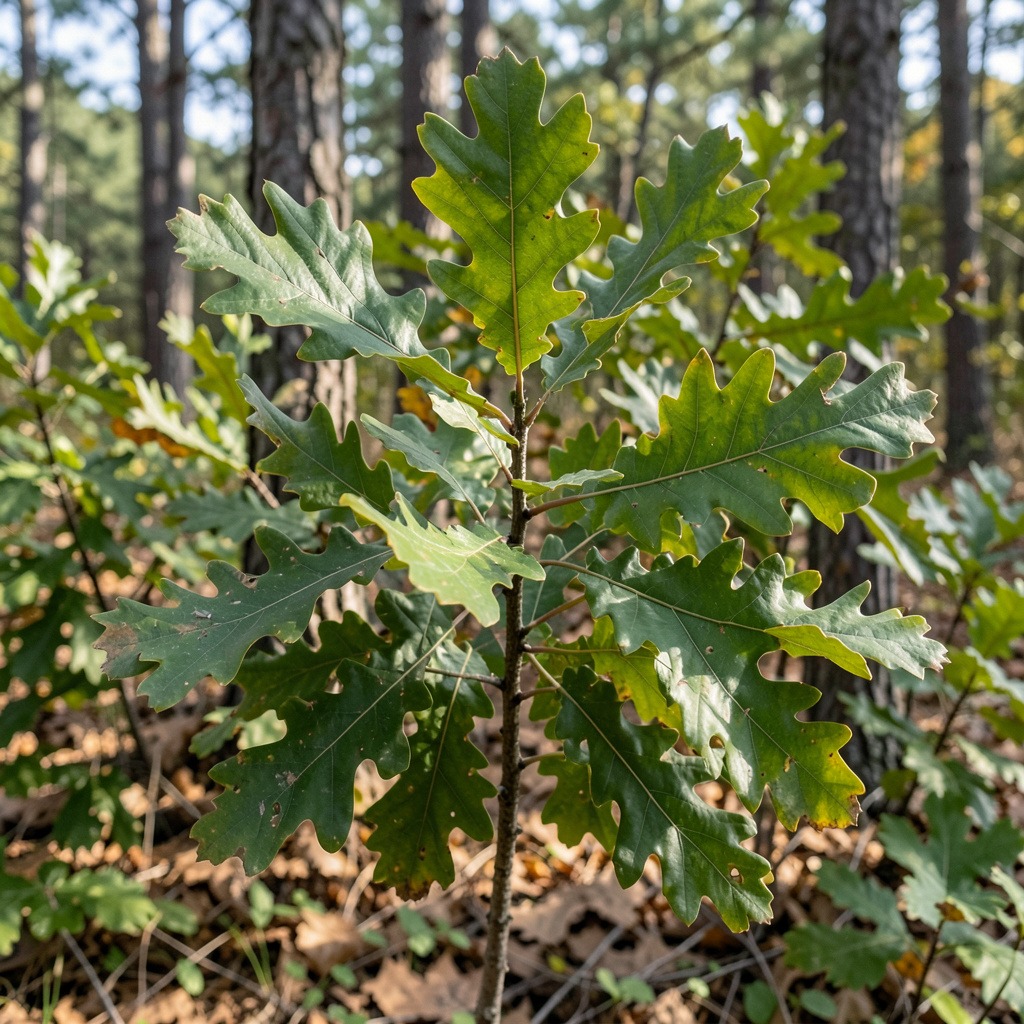
Identifying pin oak varieties requires attention to specific characteristics, such as leaf shape, bark texture, and acorn size. This guide provides detailed features for accurate identification.
Distinctive Leaf Characteristics
Pin oak leaves exhibit unique traits that distinguish them from other oak species.
- Size: Leaves measure 3 to 6 inches long and 2 to 4 inches wide.
- Lobes: The leaves have deep sinuses, cutting 60 to 80 percent of the way to the midrib. This feature is more pronounced than in many red oak relatives.
- Tip Shape: The lobes taper to sharp bristle tips, a hallmark of the red oak group.
- Color: The upper surface is glossy dark green, while the underside is pale green with small tufts of hair at the vein axils.
- Seasonal Change: In autumn, leaves turn a rich red to bronze-red, holding onto their dead brown leaves through winter, a phenomenon known as marcescence.
Bark and Acorn Features
Both bark and acorns provide essential clues for identifying pin oaks.
- Bark Texture: Young pin oaks have smooth gray-brown bark. As they mature, bark develops shallow interlacing ridges while maintaining a relatively smooth appearance. This contrasts with the rough textures of black and red oaks.
- Acorn Characteristics: Pin oak acorns are small, round, and have a shallow cap. Their shape differs from the flatter, saucer-like caps of northern red oak acorns. The acorns typically mature into a deep brown color and are about 0.5 to 1 inch in diameter.
Branch Structure and Growth Habit
Understanding the growth habit and branch structure further aids in identification.
- Height and Spread: Pin oaks typically reach heights of 60 to 70 feet, sometimes taller, with a trunk diameter of 1 to 2 feet.
- Growth Rate: Known for their fast growth, pin oaks can add 1 to 2 feet in height per year under optimal conditions.
- Branching Pattern: The branches have a distinct, pyramidal shape when young, broadening as the tree matures.
Identification Checklist
To efficiently identify a pin oak, consider the following checklist:
Table of Contents
- Leaf Size: 3 to 6 inches long, 2 to 4 inches wide.
- Lobe Depth: Deeply cut sinuses (60% to 80%).
- Bark: Smooth, gray-brown in youth; shallow ridges in maturity.
- Acorns: Small, round, with shallow caps.
- Growth Habit: Pyramidal shape, fast growth rate.
Using these features will help distinguish pin oak varieties from similar species, ensuring accurate identification and care.
2. Growth Conditions for Pin Oaks
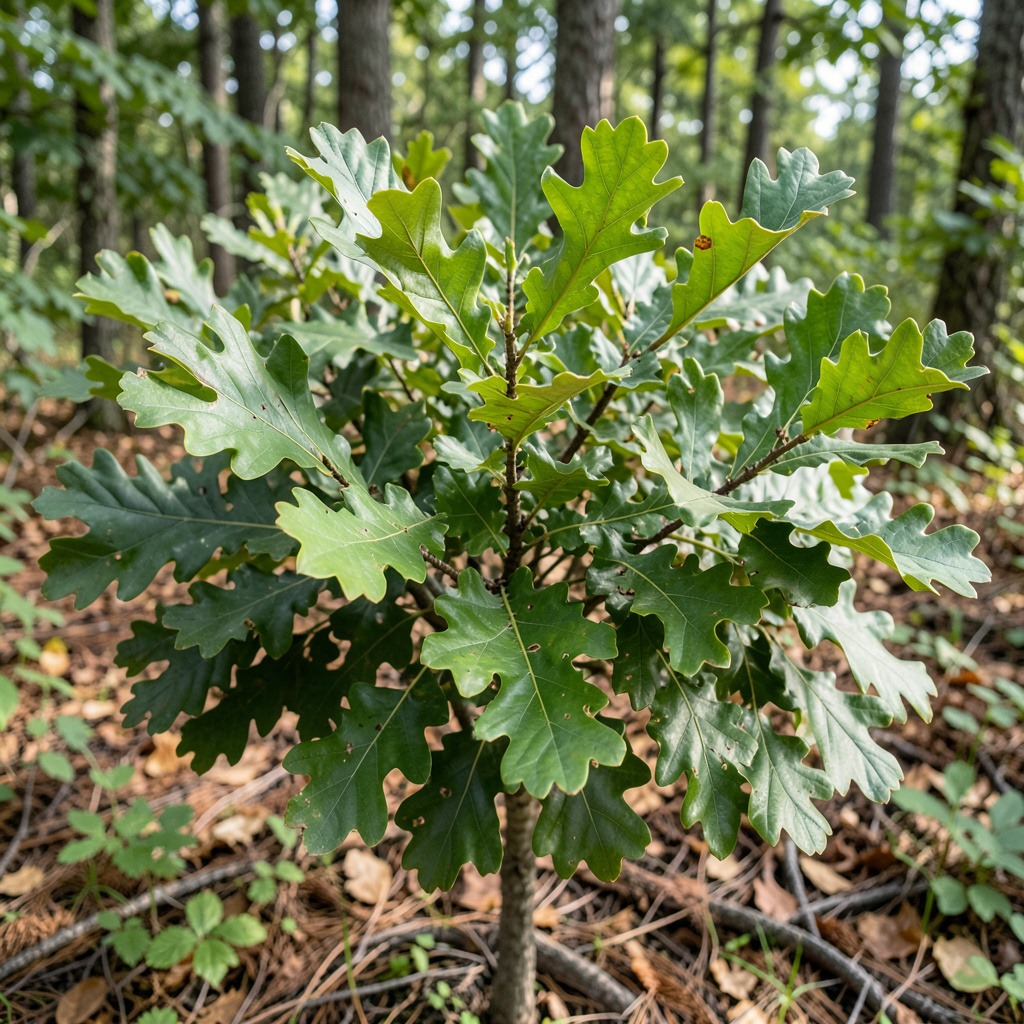
To cultivate pin oak varieties successfully, understanding their specific growth conditions is essential. Optimal soil, sunlight, and water requirements play a pivotal role in their health and vitality.
Ideal Soil Types
Pin oaks thrive in well-drained, acidic soils. They prefer:
- Soil pH: 4.5 to 6.5
- Soil Texture: Loamy, sandy, or clay soils that provide good drainage
- Water Retention: Moderate to high moisture levels; avoid alkaline or compacted soils
These conditions replicate pin oaks’ natural habitats, enabling robust growth and longevity.
Sunlight and Water Needs
Pin oaks require full sunlight for optimal growth. Aim for:
- Sunlight: At least 6 hours of direct sunlight daily
- Watering: Regular watering during dry spells, especially for young trees. Deep watering is recommended to encourage root development.
Newly planted pin oaks benefit from weekly watering for the first year. Once established, they can tolerate short periods of drought.
Seasonal Growth Patterns
Understanding seasonal growth patterns aids in effective care. Pin oaks exhibit distinct growth phases:
- Spring: Active growth begins. Fertilizing with a balanced fertilizer can promote vigor.
- Summer: Monitor water levels, especially during dry spells. Mulching helps retain moisture.
- Fall: Leaves turn vibrant colors. Acorns mature, providing food for wildlife.
- Winter: Dormancy begins. Minimal care is required, but protection from harsh winds may be beneficial.
By aligning care practices with these seasonal patterns, you can enhance the health and resilience of your pin oak varieties.
3. Ecological Importance of Pin Oaks
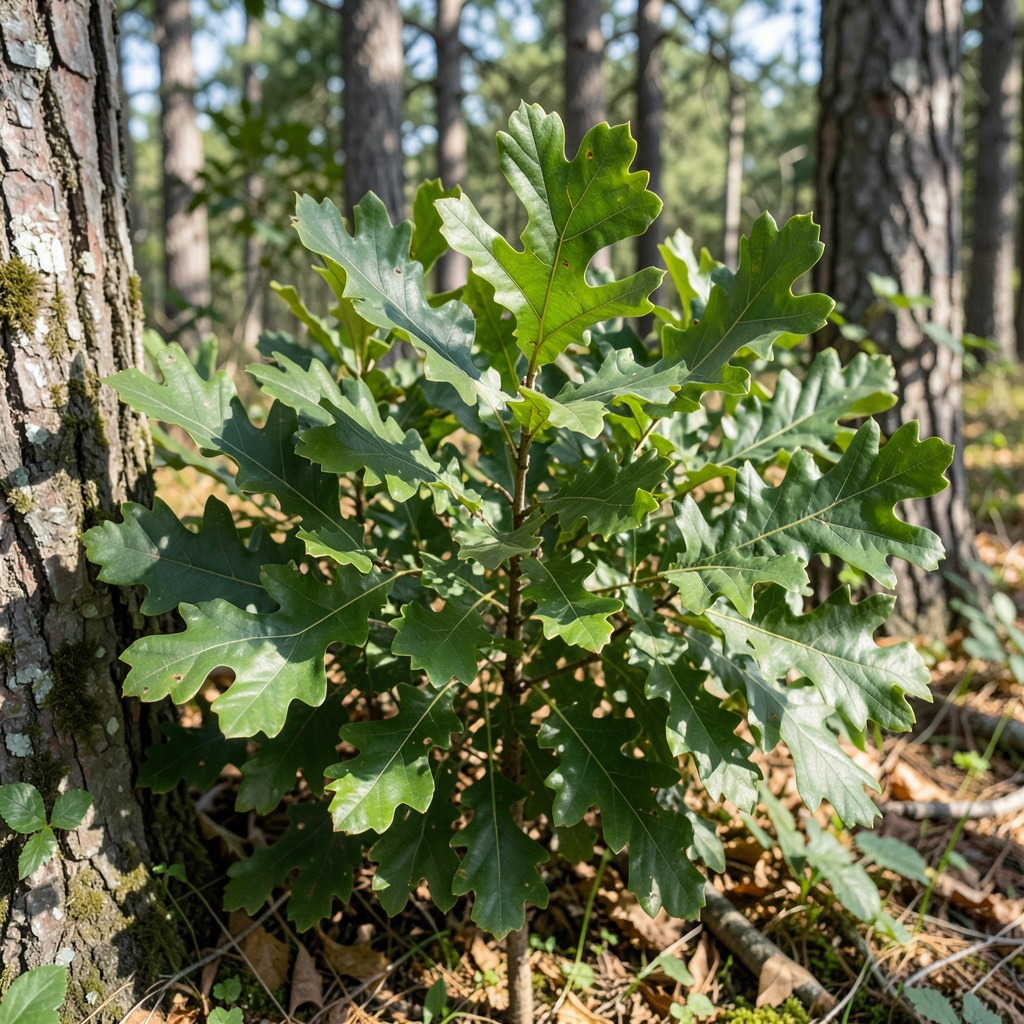
Pin oaks play a significant role in their ecosystems. Their presence supports local wildlife and contributes to biodiversity. These trees provide essential habitats and food sources for various species.
Habitat for Local Wildlife
Pin oaks offer critical habitats for numerous wildlife species. Their acorns serve as a vital food source for birds, squirrels, and deer. Additionally, the tree’s structure provides nesting sites for birds and shelter for small mammals.
- Bird Species: Over 100 species of birds utilize pin oaks for nesting and foraging.
- Mammals: Squirrels, raccoons, and deer are frequent visitors, often feeding on acorns.
- Insects: Pin oaks host a variety of insects, which are important for the food web.
Contributions to Biodiversity
Pin oaks significantly enhance biodiversity in their habitats. They support a wide range of flora and fauna, creating a balanced ecosystem.
- Plant Associations: Pin oaks often grow alongside species like sweetgum and red maple, promoting diverse plant communities.
- Insect Diversity: These trees are hosts to many insects, including defoliators and wood borers, which interact with other wildlife.
Research indicates that areas with pin oaks can host up to 200 species of insects, which in turn attract birds and other predators.
Role in Urban Ecosystems
In urban settings, pin oaks provide numerous ecological benefits. Their large canopies create shade, reducing urban heat and improving air quality.
- Stormwater Management: Pin oaks can absorb significant amounts of rainfall, helping to manage stormwater runoff.
- Carbon Sequestration: These trees capture carbon dioxide, contributing to climate change mitigation.
Planting pin oaks in urban landscapes can enhance the ecological health of cities. Their ability to adapt to various soil types makes them suitable for diverse environments.
4. Common Problems with Pin Oaks
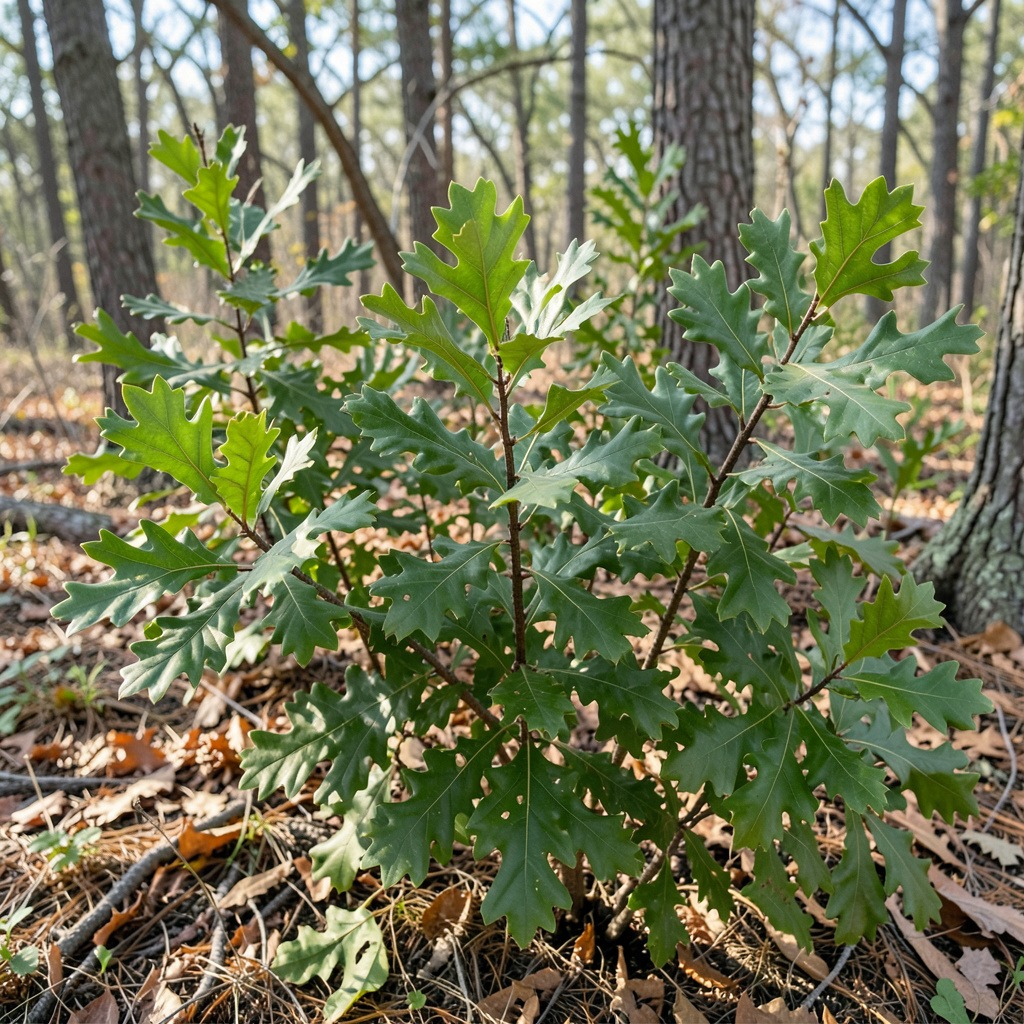
Pin oaks, while resilient, are susceptible to various pests and diseases. Understanding these issues is crucial for maintaining healthy trees.
Common Pests
Several pests can affect the growth of pin oaks. Notable ones include:
- Aphids: These small, sap-sucking insects can weaken the tree.
- Scale Insects: They attach to branches and leaves, causing leaf drop and overall stress.
- Caterpillars: Various species can defoliate the tree, impacting growth.
- Acorn Weevils: These pests burrow into acorns, reducing seed viability.
Monitoring for these pests regularly can help mitigate damage. If an infestation occurs, consider using insecticidal soap or neem oil to manage populations effectively.
Diseases to Watch For
Pin oaks face several diseases that can threaten their health:
- Oak Wilt: This fungal disease spreads through root systems, leading to leaf discoloration and rapid decline. Immediate action is crucial.
- Powdery Mildew: This fungal issue manifests as a white powder on leaves, reducing photosynthesis.
- Bacterial Leaf Scorch: Symptoms include leaf browning and wilting, often exacerbated by drought stress.
Regular inspections can help identify these diseases early. If diagnosed, consult with an arborist for treatment options.
Prevention and Treatment Options
Preventative measures can significantly reduce the risk of pests and diseases. Consider these strategies:
- Proper Watering: Ensure trees receive adequate moisture, especially during dry spells.
- Soil Health: Test soil pH; pin oaks prefer slightly acidic conditions. Amend if necessary.
- Pruning: Remove dead or diseased branches to improve air circulation and reduce disease spread.
Creating a checklist can help ensure you cover all bases:
- Inspect trees monthly for signs of pests and diseases.
- Maintain proper soil conditions and mulch around the base.
- Schedule annual professional assessments for larger trees.
By following these guidelines, you can keep your pin oaks thriving and minimize potential issues.
5. Disadvantages of Planting Pin Oaks
While pin oaks are visually appealing and ecologically beneficial, prospective planters should consider several disadvantages associated with their growth and maintenance.
Growth Challenges
Pin oaks thrive in specific conditions, yet they have notable growth challenges:
- Soil Preference: They prefer moist, acidic soils. Poorly drained or alkaline conditions can hinder growth and health.
- Height and Spread: Pin oaks can reach heights of 60-70 feet, with a similar spread. This size requires ample space, which may not be available in smaller yards.
- Dropping Acorns: Mature pin oaks produce large quantities of acorns, which can create a mess and attract unwanted wildlife.
Maintenance Needs
Ongoing care is essential for healthy pin oak trees, highlighting several maintenance concerns:
- Pest Management: Pin oaks are susceptible to various pests, including the gypsy moth and oak wilt. Regular inspections are crucial to catch infestations early.
- Pruning Requirements: To maintain structure and health, pin oaks require periodic pruning, especially to remove dead or diseased branches.
- Watering: During dry spells, pin oaks need additional watering. Neglecting this can lead to stress and reduced growth.
Landscape Compatibility
When integrating pin oaks into a landscape, consider their compatibility with the surrounding environment:
- Space Requirements: Given their size, pin oaks should be planted at least 20-30 feet away from structures and power lines to prevent damage.
- Potential for Invasive Roots: Their robust root system can disrupt nearby plantings and foundations if planted too close.
- Seasonal Marcescence: Pin oaks retain dead leaves into winter, which can affect aesthetic appeal and create additional cleanup needs.
Best Practices Checklist:
- Assess soil conditions before planting.
- Establish a pest management plan.
- Plan for adequate space around the tree.
- Schedule regular pruning and inspections.
By understanding these challenges, you can make informed decisions about incorporating pin oaks into your landscape.
6. Comparing Pin Oaks to Other Oak Varieties
Pin oaks (Quercus palustris) exhibit distinct characteristics that set them apart from other oak varieties, particularly red oaks and white oaks. Understanding these differences can aid in proper selection, care, and maintenance for landscaping purposes.
Pin Oak vs. Red Oak
Pin oaks and red oaks (Quercus rubra) share some similarities, but they also display notable differences:
| Trait | Pin Oak | Red Oak |
|---|---|---|
| Leaf Shape | Deeply lobed, bristle-tipped | Pointed lobes, smooth edges |
| Bark Color | Light gray, smooth | Darker brown, rough |
| Acorn Size | Smaller, round acorns | Larger, more elongated acorns |
| Soil Preference | Prefers wet or moist soils | Thrives in well-drained soils |
| Growth Rate | Moderate growth | Faster growth compared to pin oak |
Both species are valuable for landscaping, but their soil and moisture preferences can dictate their suitability for specific sites.
Pin Oak vs. White Oak
White oaks (Quercus alba) also differ significantly from pin oaks:
| Trait | Pin Oak | White Oak |
|---|---|---|
| Leaf Shape | Lobed with bristle-like tips | Rounded lobes, smooth edges |
| Bark Texture | Smooth gray bark | Light gray, scaly bark |
| Acorn Maturity | Matures in one season | Takes two seasons to mature |
| Wildlife Value | Preferred by specific insects | Attracts a broader range of wildlife |
| Growth Rate | Moderate growth | Generally slower growth |
While both provide ecological benefits, their unique characteristics may influence a homeowner’s choice based on local wildlife and aesthetic preferences.
Characteristics of Other Oak Varieties
In addition to pin, red, and white oaks, several other oak varieties exist, each with unique traits:
- Northern Pin Oak (Quercus ellipsoidalis): Similar in appearance to pin oak but with differences in acorn shape and leaf structure.
- Black Oak (Quercus velutina): Features very dark, deeply furrowed bark and prefers dry upland sites.
- Bur Oak (Quercus macrocarpa): Known for its large acorns and tolerance to drought, it boasts a distinctively rugged bark.
When considering oak varieties for your landscape, assess the growth conditions, aesthetic appeal, and ecological benefits of each type. Understanding these differences enhances your decision-making process for planting and care.
7. Historical Uses of Pin Oak Wood
Pin oak wood has a rich history of use, particularly in construction and furniture making. Its durability and attractive grain make it a favored choice in various applications.
Traditional Uses
Historically, pin oak wood was utilized for:
- Furniture: Its strength and aesthetic appeal made it ideal for crafting tables, chairs, and cabinets.
- Construction: Builders valued pin oak for framing and flooring due to its robust nature.
- Barrels: The wood’s tight grain suited barrel making, particularly for aging spirits and wines.
Modern Applications
In contemporary settings, pin oak wood remains relevant. It is often used for:
- Millwork: Molding and trim work benefit from pin oak’s fine finish.
- Flooring: Its resistance to wear makes it a popular choice for high-traffic areas.
- Decorative Items: Craftsmen create unique pieces like bowls and sculptures, highlighting the wood’s attractive grain patterns.
Comparison with Other Oak Woods
When comparing pin oak to other oak varieties, several distinctions emerge:
- Grain and Color: Pin oak has a lighter, more uniform color compared to the deeper tones of red or black oak.
- Workability: It is easier to work with than some denser oak types, making it favorable for detailed craftsmanship.
- Cost Efficiency: Generally, pin oak is more affordable than other oak varieties, providing a cost-effective option for builders and artisans.
These attributes contribute to pin oak’s enduring popularity in both traditional and modern woodworking.
8. Practical Tips for Planting and Caring for Pin Oaks
Successfully planting and maintaining pin oak varieties requires understanding their specific needs. These trees thrive in certain conditions, making proper care essential for growth and longevity.
Best Planting Techniques
1. Site Selection: Choose a location that mimics the pin oak’s natural habitat. They prefer moist, well-drained soils, typically in lowland areas.
2. Spacing: Plant your pin oak at least 20 to 30 feet away from structures. This prevents root damage and allows for ample growth.
3. Soil Preparation: Ensure the soil is slightly acidic to neutral. Avoid alkaline conditions as this can hinder growth.
4. Timing: The best time to plant is in early spring or fall, allowing the tree to establish roots before extreme temperatures.
Ongoing Maintenance Practices
1. Watering: Newly planted trees require regular watering, especially during dry spells. Once established, pin oaks are relatively drought-resistant.
2. Mulching: Apply a layer of organic mulch around the base to retain moisture and suppress weeds.
3. Fertilizing: Use a balanced fertilizer in early spring to promote healthy growth. Follow the manufacturer’s instructions for application rates.
4. Pruning: Prune in late winter to remove any dead or crossing branches. This promotes healthy growth and improves air circulation.
Seasonal Considerations for Care
- Spring: Monitor for pests and diseases. Apply appropriate treatments if necessary.
- Summer: Check soil moisture levels, especially during heatwaves.
- Fall: Rake leaves to prevent fungal diseases and prepare for the winter.
- Winter: Inspect for any damage from snow or ice and remove any broken branches.
Comprehensive Planting Checklist
- [ ] Select a suitable site with adequate space.
- [ ] Prepare the soil, ensuring proper pH.
- [ ] Water regularly after planting.
- [ ] Apply mulch to retain moisture.
- [ ] Fertilize annually.
- [ ] Prune as needed to maintain structure.
By following these practical tips, you can ensure your pin oak varieties flourish in your landscape.
Frequently Asked Questions
These quick answers cover the most common questions about this topic, including key details, practical tips, and common concerns.
How tall is a 10 year old pin oak?
A 10-year-old pin oak typically reaches a height of 15 to 25 feet, depending on growing conditions such as soil quality, water availability, and sunlight exposure. Pin oaks are known for their fast growth, often adding 1 to 2 feet in height annually under optimal conditions.
Is a pin oak a good yard tree?
Yes, pin oaks can be excellent yard trees, especially in larger spaces. They provide ample shade, vibrant fall color, and ecological benefits by supporting wildlife. However, consider their size and root system, which may not be suitable for small yards or near structures.
What are the disadvantages of pin oak trees?
Some disadvantages of pin oaks include their preference for moist, acidic soils, which may not be available in all landscapes. They also produce a significant amount of acorns, which can create a mess and attract wildlife. Additionally, pin oaks are susceptible to pests and diseases, requiring regular maintenance.
What is the average lifespan of a pin oak tree?
The average lifespan of a pin oak tree is around 30 to 50 years. However, with proper care and favorable conditions, some pin oaks can live longer. Regular maintenance, including pest management and proper watering, can help extend their life.
What are the best soil conditions for pin oaks?
Pin oaks thrive in well-drained, acidic soils with a pH between 4.5 and 6.5. They prefer loamy, sandy, or clay soils that retain moisture but do not become waterlogged. Before planting, it’s beneficial to test the soil to ensure it meets these requirements.
How do I care for a young pin oak tree?
Caring for a young pin oak involves regular watering, especially during dry spells, and applying mulch to retain moisture. Fertilizing in early spring with a balanced fertilizer can promote healthy growth. Pruning should be done in late winter to remove any dead or crossing branches.
When do pin oaks produce acorns?
Pin oaks typically begin producing acorns around 20 years of age. They produce acorns in late summer to early fall, with the acorns maturing and dropping in the fall. This annual acorn drop can attract various wildlife, including birds and squirrels.
What wildlife benefits from pin oak trees?
Pin oaks provide critical habitats and food sources for numerous wildlife species. Their acorns are a vital food source for birds, squirrels, and deer. Additionally, the tree’s structure offers nesting sites for various bird species, contributing to local biodiversity.