
Pine tree pruning is essential for maintaining scenic forest trails. It enhances visibility, promotes healthy growth, and ensures safety for hikers. Properly pruned trees reduce the risk of falling branches and improve the overall aesthetic of the trail.
Pine trees are a common sight in many forests across North America. They play a vital role in the ecosystem by providing habitat for wildlife and contributing to air quality. However, as these trees grow, they can encroach on trails, obstructing views and creating hazards. Regular pruning helps manage their growth and maintain the scenic beauty of forest trails.
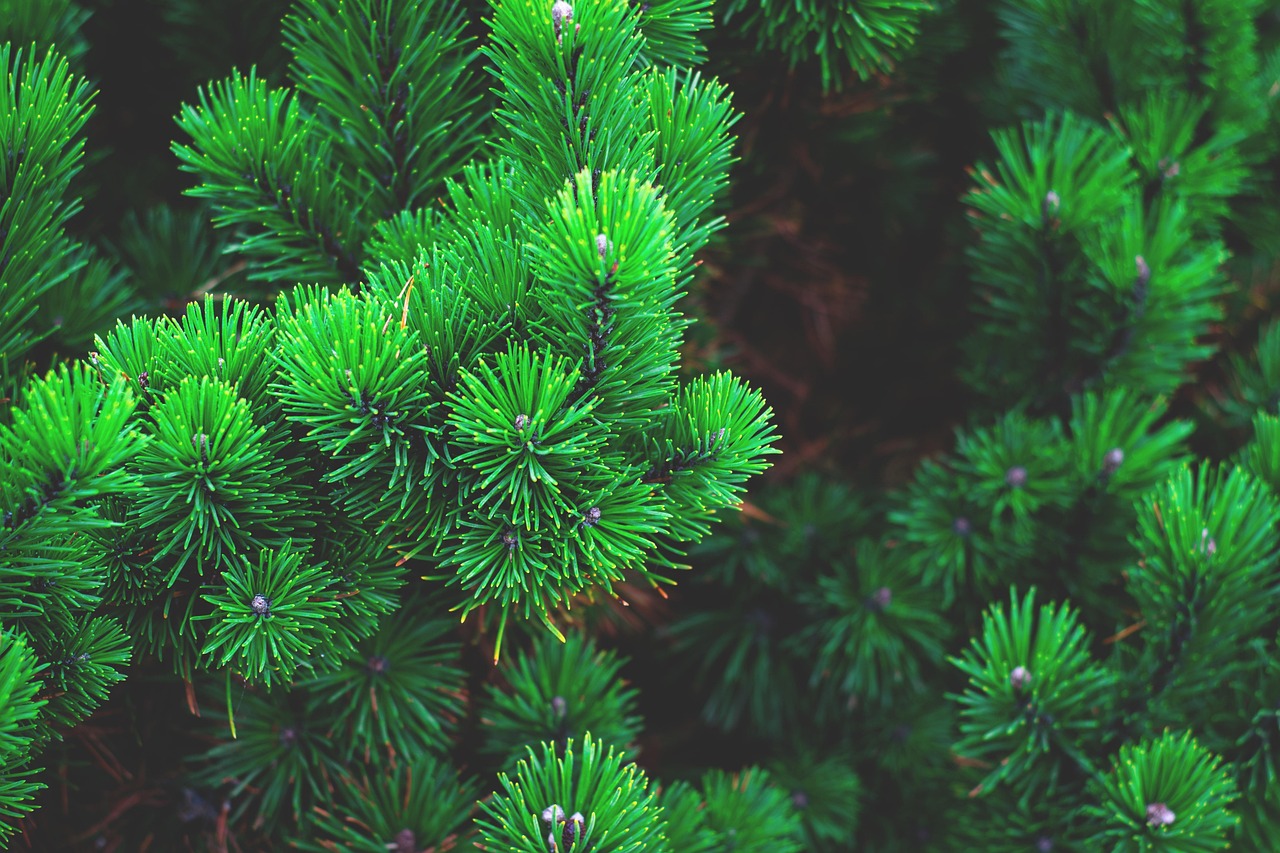
Understanding when and how to prune pine trees is crucial for effective trail maintenance. The best time to prune is usually during the late winter or early spring when trees are still dormant. This timing minimizes stress on the tree and reduces the risk of disease. Pruning during this period allows for better healing as the tree enters its growing season.
Benefits of Pine Tree Pruning
Pruning pine trees offers numerous benefits that enhance both the health of the trees and the experience of those using the trails. Some of these benefits include:
- Improved Safety: By removing dead or damaged branches, the risk of falling debris is significantly reduced.
- Enhanced Visibility: Pruning opens up sightlines, allowing hikers to appreciate the surrounding landscape better.
- Healthier Growth: Regular pruning encourages new growth and helps prevent diseases from spreading within the tree.
- Increased Aesthetics: Well-maintained trees enhance the visual appeal of trails, making hikes more enjoyable.
In addition to these benefits, pruning can also help control the spread of pests and diseases that may affect pine trees. By keeping trees healthy, forest managers can ensure that trails remain safe and visually appealing for years to come.
Pruning Techniques for Pine Trees
When it comes to pruning pine trees, there are several techniques that can be employed to achieve the desired results. Each method serves a specific purpose, depending on the condition of the tree and the goals of the pruning effort. Here are a few common techniques:
- Crown Thinning: This technique involves selectively removing branches from the crown of the tree to allow more light to penetrate and improve air circulation.
- Crown Raising: Crown raising entails removing lower branches to provide clearance for trails and pathways, enhancing safety for hikers.
- Crown Reduction: This method is used to reduce the overall size of a tree while maintaining its natural shape, which can be beneficial in crowded areas.
Each technique requires careful consideration of the tree’s health and structure. It is important to use proper tools and techniques to avoid damaging the tree or compromising its health.
Tools Needed for Pruning
Having the right tools is essential for effective pine tree pruning. Using appropriate equipment not only makes the job easier but also ensures better results. Here is a list of commonly used tools:
- Pruning Shears: Ideal for cutting smaller branches and making clean cuts.
- Loppers: Useful for reaching higher branches and cutting thicker limbs.
- Chainsaws: Necessary for larger trees or more extensive pruning jobs.
- Safety Gear: Always wear gloves, goggles, and a hard hat for protection when pruning.
Using sharp tools is crucial as clean cuts heal faster and reduce the risk of disease. Regular maintenance of pruning equipment will ensure efficiency and safety during work.
Considerations Before Pruning
Before starting any pruning work, it is essential to consider a few factors to ensure that the process is beneficial for both the trees and the trails:
- Time of Year: As mentioned earlier, late winter or early spring is generally the best time to prune.
- Tree Health: Assess the overall health of the tree before deciding how much to prune.
- Local Regulations: Be aware of any local guidelines or regulations regarding tree trimming on public lands.
Taking these considerations into account will help achieve optimal results while maintaining a healthy forest ecosystem. Proper planning will also ensure that pruning efforts do not negatively impact wildlife habitats or other environmental aspects of the area.
Understanding the Growth Patterns of Pine Trees
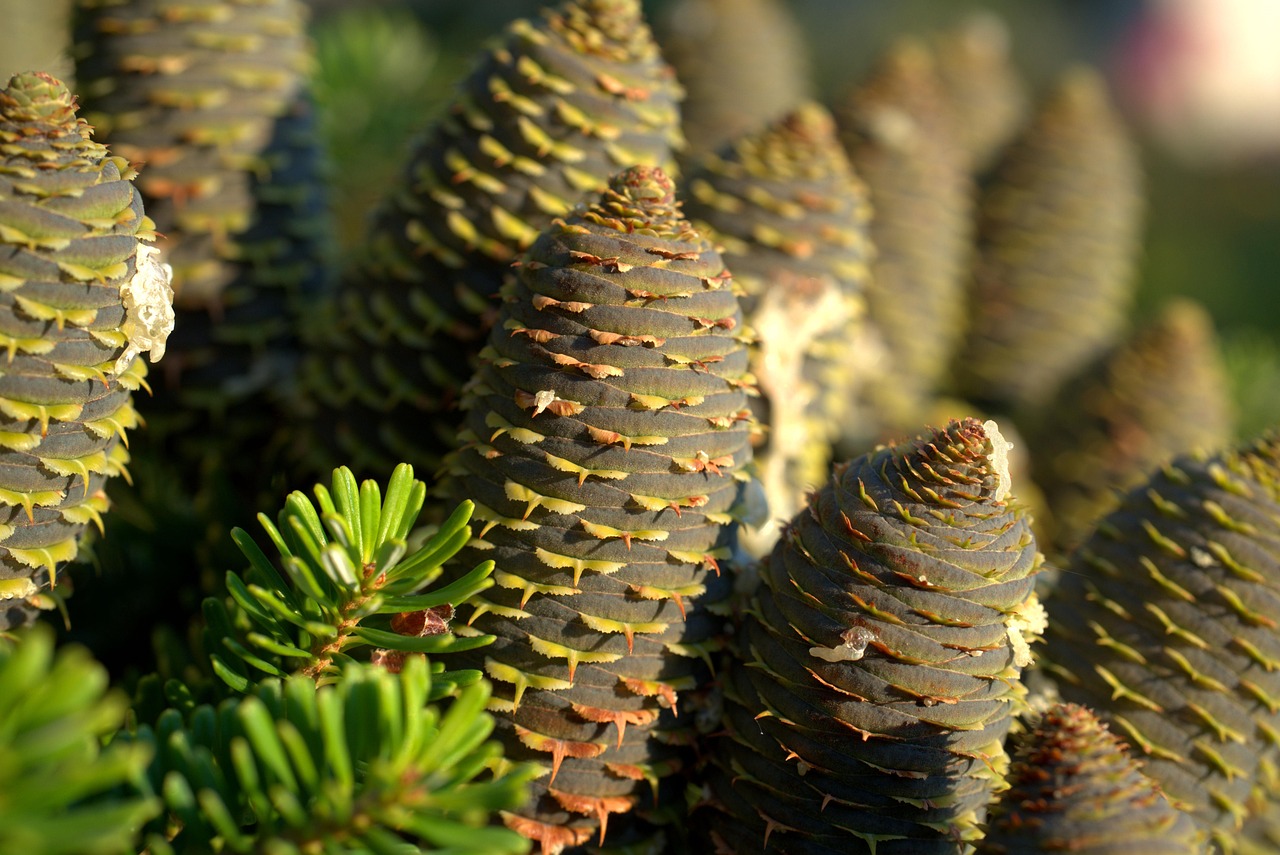
To effectively prune pine trees, it is essential to understand their growth patterns. Pine trees grow in unique ways that influence how and when they should be pruned. Most pines grow in height rather than width, and their branches can develop a specific structure as they mature.
Typically, pine trees exhibit two types of growth: terminal and lateral growth. Terminal growth occurs at the top of the tree, where the leader branch grows upward. Lateral growth refers to the side branches that extend outward. Recognizing these growth patterns can help guide pruning decisions.
Growth Stages of Pine Trees
Pine trees go through several growth stages, each requiring different pruning approaches:
- Seedling Stage: During this stage, young pines require minimal pruning. It is crucial to allow them to establish a strong foundation.
- Juvenile Stage: As the trees grow, occasional pruning can help shape their structure. This is a good time to remove any competing leaders or damaged branches.
- Mature Stage: Mature pines may need more regular maintenance to manage their size and health. Pruning focuses on removing dead or diseased branches and maintaining overall aesthetics.
Common Problems Addressed by Pruning
Pruning pine trees can help address various issues that may arise as they grow. Identifying these problems early is crucial for maintaining healthy trees and safe trails.
Pest Infestations
Pine trees can be susceptible to various pests, such as bark beetles and aphids. Pruning infested branches can help control these pests before they spread:
- Bark Beetles: These pests bore into the bark, causing damage that can lead to tree decline. Removing affected branches helps prevent further infestation.
- Aphids: While not as destructive as bark beetles, aphids can weaken trees by sucking sap. Pruning heavily infested areas can encourage healthier growth.
Disease Management
Pine trees are also vulnerable to diseases like needle blight and root rot. Regular pruning helps manage these conditions:
- Needle Blight: This fungal disease causes needles to turn yellow and drop prematurely. Pruning infected limbs helps slow its spread.
- Root Rot: This condition affects the roots and can be fatal. While pruning cannot directly treat root rot, removing stressed branches can improve the tree’s overall health.
Environmental Considerations for Pruning
Pruning pine trees is not just about maintaining trail aesthetics; it also involves understanding the environmental impact of your actions. Sustainable practices ensure that both the forest ecosystem and its inhabitants are protected.
Biodiversity Preservation
Forests are home to a wide range of species, including birds, insects, and mammals. When pruning, it is important to consider how your actions may affect local wildlife:
- Nesting Birds: Many birds use pine trees for nesting during spring and summer. Pruning during dormant seasons minimizes disruption.
- Insect Populations: Some insects play vital roles in pollination and decomposition. Avoid excessive pruning that could harm beneficial species.
Soil Health
The health of the soil is crucial for the overall health of pine trees. Proper pruning can contribute positively to soil conditions:
- Decomposing Material: Leaving some pruned branches on the ground can provide nutrients back to the soil as they decompose.
- Erosion Control: Maintaining a healthy canopy helps reduce soil erosion by protecting the ground from harsh weather conditions.
Community Involvement in Trail Maintenance
Engaging local communities in trail maintenance, including pine tree pruning, fosters a sense of stewardship and responsibility towards the environment. Volunteer programs can be an excellent way to involve community members in caring for their local forests.
Organizing Volunteer Events
Setting up volunteer events for trail maintenance encourages participation and educates the community about proper pruning techniques:
- Workshops: Offer workshops that teach volunteers about tree care, including safe pruning methods.
- Group Pruning Days: Organize events where community members can gather to prune sections of the trail together.
Such activities not only improve the trails but also strengthen community bonds. Participants gain valuable skills while contributing to the conservation of local ecosystems.
Pruning Pine Trees: Step-by-Step Guide
To effectively prune pine trees, it is beneficial to follow a systematic approach. This guide outlines the steps needed to ensure safe and effective pruning while promoting tree health and safety along forest trails.
Step 1: Assess the Tree
Before any cutting begins, it is essential to assess the tree’s overall condition. Look for signs of disease, damage, or pest infestations. This assessment will guide your pruning decisions:
- Check for Dead or Damaged Branches: Identify branches that are broken, dead, or diseased. These should be prioritized for removal.
- Evaluate Overall Shape: Consider the tree’s natural shape and structure. This helps determine which branches will enhance its appearance when pruned.
- Look for Competing Leaders: If a tree has multiple leaders, select the strongest to keep and remove the others.
Step 2: Gather Necessary Tools
Having the right tools is crucial for effective pruning. Ensure that all equipment is sharp, clean, and ready for use:
- Hand Pruners: Ideal for small branches up to half an inch thick.
- Loppers: Best for branches that are thicker than pruner capacity but still manageable.
- Chainsaw: Required for larger branches or extensive work.
- Safety Gear: Always wear gloves, safety glasses, and a hard hat for protection.
Step 3: Pruning Techniques
Use appropriate techniques to ensure that cuts are clean and promote healthy growth:
- Make Clean Cuts: Avoid tearing the bark. Cut at a slight angle to allow water to run off.
- Follow the Branch Collar: When removing limbs, cut just outside the branch collar to help the tree heal.
- Avoid Topping: Never cut the top of a tree indiscriminately. This can lead to weak regrowth and structural issues.
Step 4: Maintain Your Tools
Proper maintenance of your tools is essential for safe and effective pruning. Regularly sharpen and clean your tools to prevent the spread of diseases:
- Sharpen Blades Regularly: Sharp blades make cleaner cuts and reduce stress on the tree.
- Clean After Use: Clean tools with a disinfectant solution to eliminate potential pathogens before moving to another tree.
The Role of Technology in Pruning
Advancements in technology have introduced new methods and tools that can enhance the pruning process. These innovations can improve efficiency, safety, and effectiveness in maintaining pine trees along forest trails.
Drones for Assessment
Drones can provide valuable aerial views of forested areas, helping assess tree health from above. They can identify problem areas that might be difficult to see from the ground:
- Health Monitoring: Drones equipped with cameras can detect changes in foliage color or density, indicating stress or disease.
- Mapping Trails: Drones can help map out trail layouts and identify areas needing attention.
Apps for Tree Care
Several mobile applications are available to assist in tree care management. These apps can offer guidance on best practices for pruning:
- Identification Tools: Apps can help identify tree species and their specific care needs.
- Pest and Disease Identification: Some apps allow users to photograph symptoms and receive immediate feedback on potential issues.
The Importance of Seasonal Pruning
Seasonal considerations play a significant role in how and when to prune pine trees. Different seasons present unique advantages and challenges for pruning efforts.
Winter Pruning
Winter is often considered the best time for pruning pine trees due to several factors:
- Dormancy: Trees are dormant during winter, making them less susceptible to stress from pruning.
- Easier Access: Snow cover can make it easier to navigate through the forest without damaging undergrowth.
Spring Pruning
Spring may also be appropriate for certain pruning tasks, particularly if done before new growth begins:
- Evaluating Damage: Spring is an excellent time to assess winter damage and remove dead or broken branches.
- Aiding Growth: Pruning at this time encourages healthy new growth as the tree enters its active growing season.
Maintaining a Healthy Ecosystem
Pine tree pruning not only supports healthy trees but also plays a role in maintaining the overall ecosystem of a forested area. Proper management practices contribute to biodiversity and environmental stability.
Biodiversity Support
Pine forests provide habitats for various wildlife species. By managing tree health through pruning, these habitats can be preserved:
- Nesting Sites: Healthy trees support bird populations by providing nesting sites and food sources.
- Biodiversity Enhancement: Pruning helps create open spaces that encourage undergrowth and diverse plant species.
Ecosystem Resilience
A well-maintained forest ecosystem is more resilient to pests, diseases, and climate changes. Pruning supports this resilience by promoting robust tree health, which contributes to overall ecosystem stability.
This careful balance between maintaining trails and supporting the forest environment is essential for future generations. Through responsible practices, both the beauty of scenic trails and the health of surrounding ecosystems can thrive together.
Best Practices for Ongoing Maintenance
Maintaining scenic forest trails requires ongoing effort and attention to detail. Effective long-term management of pine tree pruning involves adopting best practices that can help ensure the health of the trees and the safety of the trails.
Regular Monitoring and Assessment
One of the most crucial aspects of maintaining healthy pine trees along forest trails is regular monitoring. Forest managers and volunteers should perform assessments to identify any changes in tree health or trail conditions:
- Seasonal Inspections: Conduct inspections at least once per season to evaluate tree health, assess any pest infestations, and check for signs of disease.
- Documentation: Keep records of inspections, noting any issues, completed pruning, and any actions taken. This documentation helps track the health of the forest over time.
Adaptive Management Strategies
Adopting adaptive management strategies allows for flexibility in response to changing environmental conditions. These strategies can include:
- Responding to Pest Outbreaks: If a pest outbreak occurs, be prepared to adjust pruning schedules and techniques accordingly to manage the problem effectively.
- Adjusting Pruning Techniques: As trees mature, their growth patterns may change. Regularly evaluate and adjust pruning techniques to suit the needs of older trees.
Community Education and Engagement
Educating the community about the importance of pine tree pruning and forest management is vital for fostering stewardship and support for local trails. Engaging local residents can lead to successful conservation efforts.
Workshops and Training Sessions
Hosting workshops and training sessions can provide valuable information on tree care and maintenance:
- Public Seminars: Organize seminars that inform the community about the benefits of proper pruning techniques and how it contributes to trail safety and aesthetics.
- Hands-On Training: Offer practical training sessions where community members can learn how to safely prune trees under expert supervision.
Creating Volunteer Opportunities
Encouraging volunteer participation in trail maintenance not only enhances community involvement but also fosters a sense of ownership over local natural resources:
- Adopt-a-Trail Programs: Implement programs where individuals or groups can take responsibility for specific sections of trails, promoting regular maintenance efforts.
- Community Clean-Up Days: Organize events that focus on cleaning up trails and surrounding areas, which can include pruning activities.
Environmental Policies and Regulations
Understanding and adhering to local environmental policies is essential for responsible forest management. These regulations often dictate how and when tree pruning should occur:
- Permits and Guidelines: Ensure that all pruning activities comply with local laws and guidelines regarding tree management on public lands.
- Sustainable Practices: Follow best practices for sustainable forestry, which includes managing trees in a way that preserves the ecosystem while promoting healthy growth.
Final Thoughts
Pine tree pruning is a fundamental aspect of maintaining scenic forest trails. Through proper techniques, regular monitoring, and community involvement, we can ensure that these beautiful natural spaces remain safe and enjoyable for everyone. The benefits of effective pruning extend beyond aesthetics; they enhance safety, promote biodiversity, and support healthy ecosystems.
As we continue to engage with our local forests, it is essential to prioritize sustainable practices that protect our natural environment. By educating ourselves and our communities about the importance of pine tree maintenance, we can cultivate a deeper appreciation for the beauty and complexity of our forest ecosystems.
The collective effort to manage and preserve these scenic trails will ensure that future generations have access to the wonders of nature. Together, we can create a legacy of stewardship that honors the beauty of our forests while fostering a sustainable relationship with these vital ecosystems.