
The pink trumpet tree, or Tabebuia impetiginosa, is celebrated for its stunning blooms and moderate growth.
The pink trumpet tree, known scientifically as Tabebuia impetiginosa, is a popular choice for gardeners due to its breathtaking pink blooms. However, understanding its pros and cons is essential for successful cultivation and landscaping decisions.
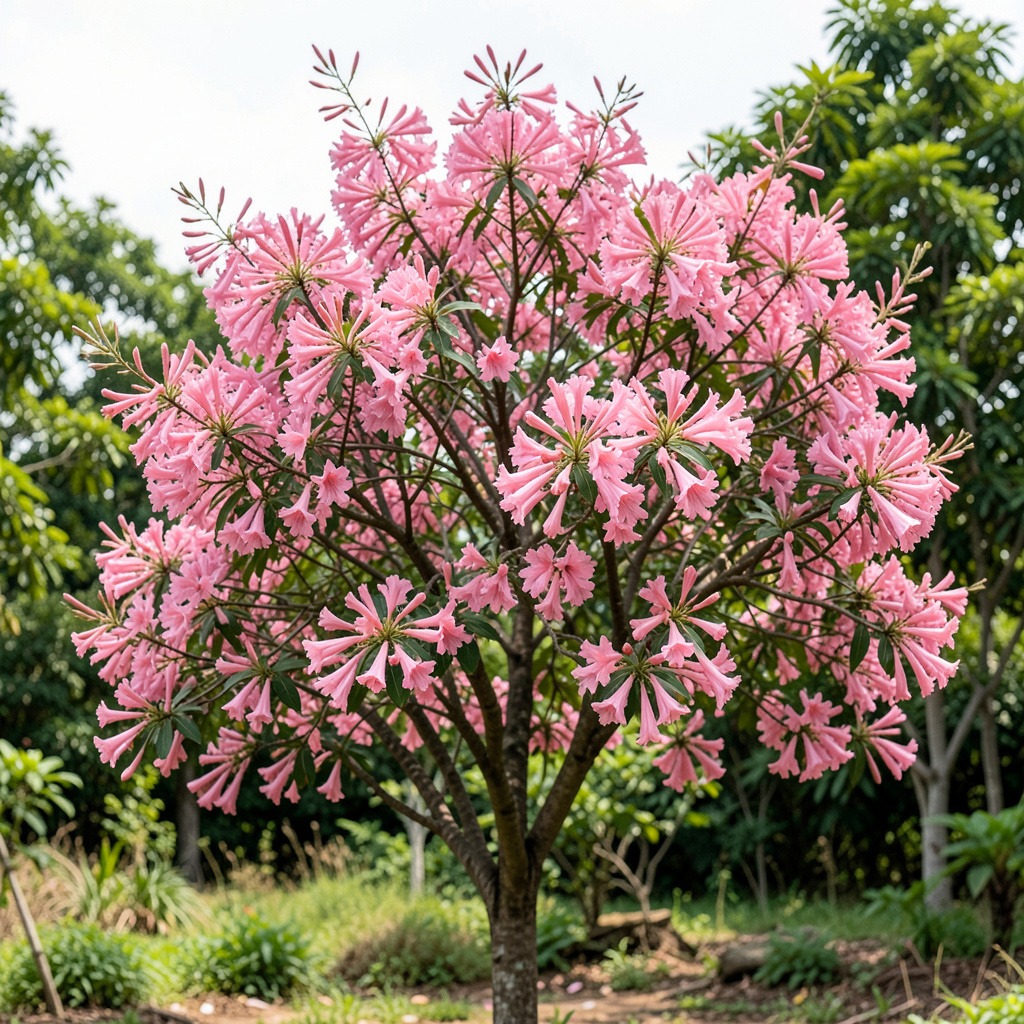
Understanding the Pink Trumpet Tree
The pink trumpet tree, scientifically known as Tabebuia impetiginosa, is celebrated for its stunning pink flowers. This tree not only enhances landscapes but also holds cultural significance in various regions.
What is the Pink Trumpet Tree?
The pink trumpet tree belongs to the genus Tabebuia, which encompasses several flowering species. Its vibrant blossoms are a signature feature, making it a popular choice among gardeners and landscape designers.
Key Characteristics and Growth Habits
- Botanical Classification: Tabebuia impetiginosa is part of the Bignoniaceae family.
- Flowering Behavior: It produces large, trumpet-shaped flowers in clusters, typically blooming from late winter to early spring. This tree often flowers before its leaves emerge, creating a striking display.
- Growth Rate and Size: The pink trumpet tree grows moderately fast, reaching heights of up to 40 feet. Its canopy can spread wide, providing ample shade.
- Cultural Significance: In many Central American countries, this tree is revered and often associated with local traditions and festivals.
Care and Maintenance Tips
To ensure healthy growth, consider the following care and maintenance tips:
- Soil Requirements: Well-drained soil is essential. Sandy or loamy soils work best.
- Watering Needs: Establish a regular watering schedule, especially during dry spells. However, avoid overwatering to prevent root rot.
- Pruning: Prune after blooming to maintain shape and remove any dead or unhealthy branches.
By understanding these characteristics and care requirements, gardeners can effectively incorporate the pink trumpet tree into their landscapes, maximizing its aesthetic and functional benefits.
8 Pros of the Pink Trumpet Tree
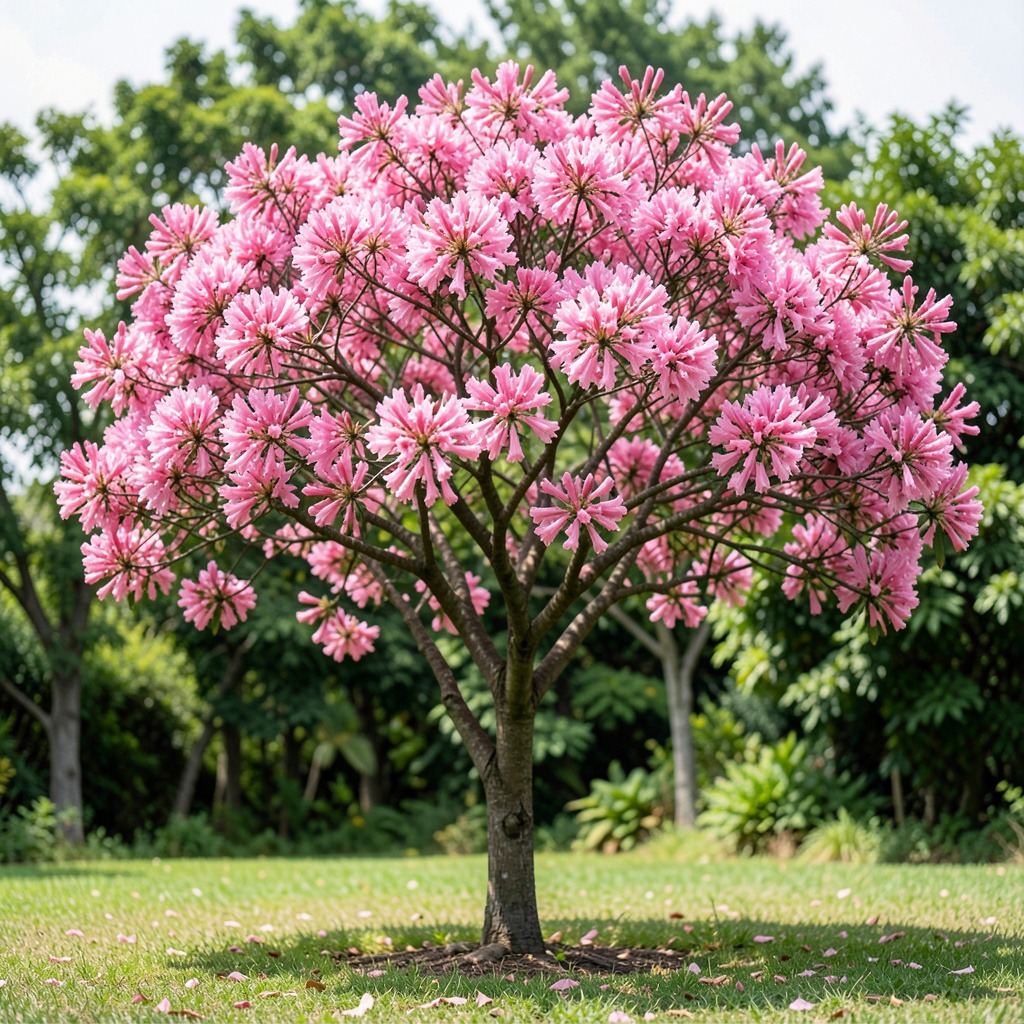
The pink trumpet tree, known for its visually stunning blooms, offers numerous advantages for gardeners and landscapers alike. Its aesthetic appeal, environmental benefits, and low maintenance requirements make it an attractive choice.
Table of Contents
Stunning Visual Impact
The pink trumpet tree (Tabebuia impetiginosa) is celebrated for its vibrant, trumpet-shaped flowers. These blooms create a striking display, especially in spring. A single tree can transform an entire landscape, providing a focal point that enhances the beauty of gardens and public spaces.
- Color Variety: Flowers range from pale blush to deep rose pink, allowing for diverse landscaping palettes.
- Seasonal Interest: The tree blooms before leaf growth, offering a burst of color during a time when many other trees remain bare.
Attracts Pollinators
This tree plays a significant role in supporting local ecosystems. Its flowers attract various pollinators, including bees, butterflies, and hummingbirds.
- Ecosystem Support: By planting a pink trumpet tree, gardeners can contribute to the health of the local environment.
- Biodiversity: The presence of these pollinators can enhance the overall biodiversity of the garden.
Low Maintenance Requirements
The pink trumpet tree is relatively easy to care for, making it suitable for both novice and experienced gardeners.
- Drought Tolerant: Once established, it requires minimal irrigation, adapting well to dry spells.
- Minimal Pruning: The tree needs little pruning beyond maintaining its shape and removing dead branches.
Real-World Example: Successful Landscaping Projects
Consider a community park that integrated several pink trumpet trees into its design. The trees not only provided shade but also attracted visitors during blooming season, enhancing community engagement. This project serves as a testament to the aesthetic and ecological benefits of the pink trumpet tree.
- Decision Framework: When selecting trees for landscaping, consider the pink trumpet tree if your area is within USDA zones 9-11 and you seek a striking visual feature with ecological advantages.
Incorporating the pink trumpet tree into your landscape design can yield substantial aesthetic and environmental benefits, making it a commendable choice for gardeners.
8 Cons of the Pink Trumpet Tree
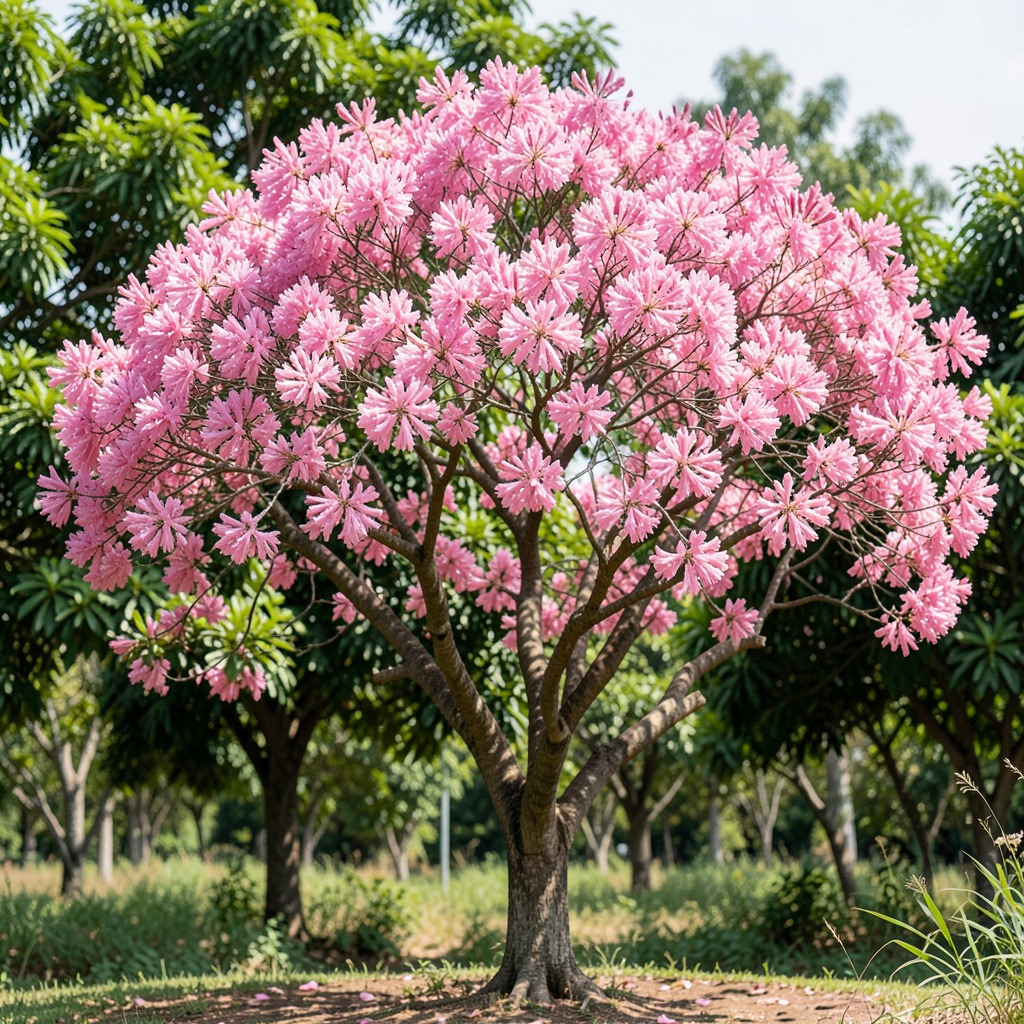
While the pink trumpet tree offers many advantages, it also has notable drawbacks. Understanding these cons is crucial for effective management and ensuring the tree thrives in your landscape.
Leaf Drop Before Blooming
One significant issue with the pink trumpet tree is its tendency to shed leaves before blooming. This leaf drop can create an unsightly appearance during the flowering period.
- Timing: Leaf drop typically occurs in late winter as the tree prepares to bloom in early spring.
- Management: To mitigate this, ensure proper watering and nutrient balance. Regularly check soil conditions and provide adequate fertilization to support healthy growth.
Susceptibility to Pests
The pink trumpet tree is vulnerable to several pests, which can affect its health and appearance.
- Common Pests: Aphids, scale insects, and spider mites are frequent offenders. These pests can cause damage by sucking sap from the tree.
- Management Strategies:
- Regular Monitoring: Inspect your trees regularly for signs of infestation.
- Natural Predators: Introduce beneficial insects, such as ladybugs, to help control pest populations.
- Insecticidal Soap: Consider using insecticidal soap or neem oil as a treatment for significant infestations.
Limited Cold Tolerance
The pink trumpet tree has limited cold tolerance, making it unsuitable for regions with harsh winters.
- Ideal Zones: It thrives best in USDA zones 9-11. In cooler areas, it may suffer damage or fail to thrive.
- Management Options: If you live in a borderline climate, consider the following:
- Microclimates: Plant in sheltered areas to provide extra warmth.
- Winter Protection: Use mulch and frost blankets during cold snaps to protect young trees.
By addressing these cons with proactive care strategies, you can enhance the resilience and beauty of the pink trumpet tree in your garden.
Care and Maintenance of the Pink Trumpet Tree
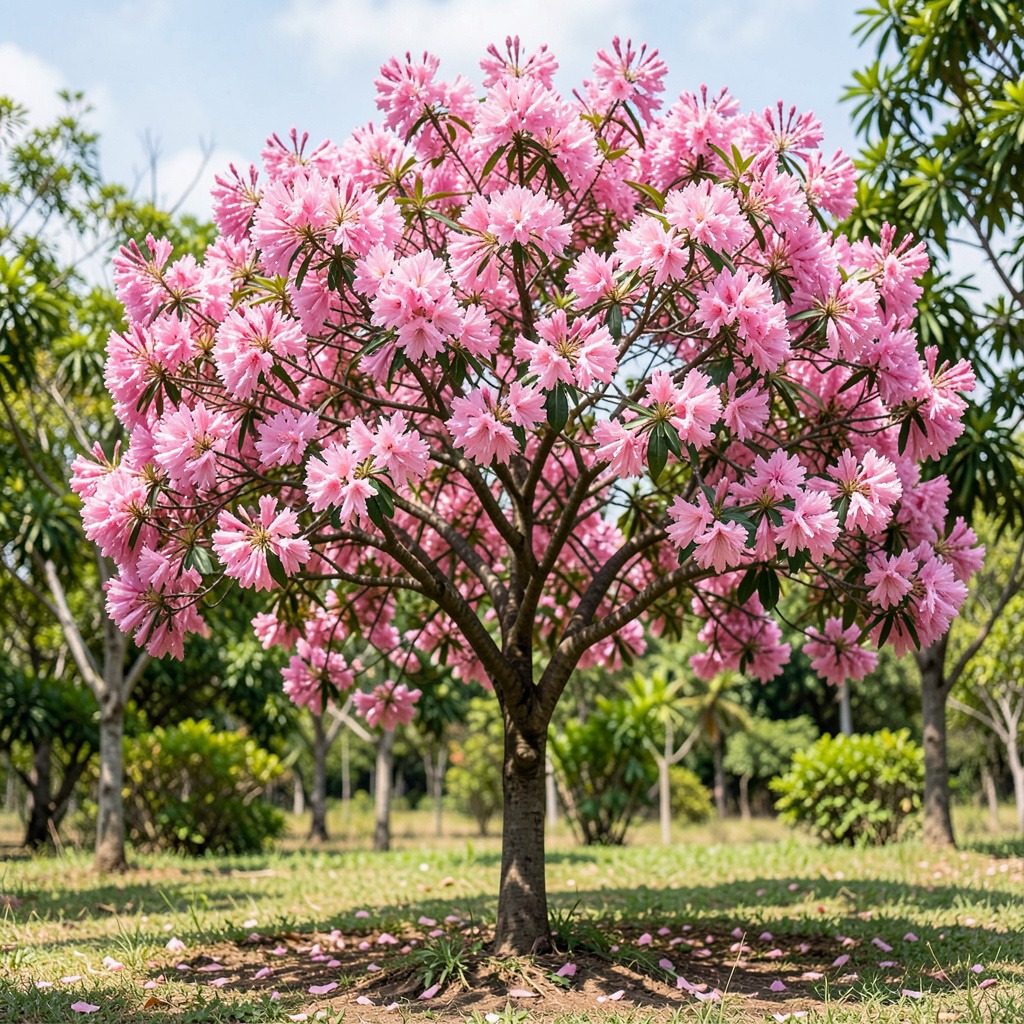
To ensure healthy growth and vibrant blooming of the pink trumpet tree, specific care guidelines are essential. This tree thrives under particular conditions, and understanding its needs can significantly enhance its performance in your landscape.
Watering Schedule and Needs
The pink trumpet tree requires a balanced watering approach. Here’s how to manage its water needs effectively:
- Young Trees: Water deeply once a week during dry spells. Ensure the soil remains moist but not soggy.
- Established Trees: Reduce watering to every two weeks. Look for signs of wilting to determine if more water is needed.
- Drainage: Ensure well-draining soil to prevent root rot. If your soil retains water, consider raised beds.
Fertilizing Tips for Optimal Growth
Proper fertilization supports robust growth and abundant blooms. Follow these guidelines for best results:
- Type of Fertilizer: Use a balanced slow-release fertilizer with equal parts nitrogen, phosphorus, and potassium.
- Application Frequency: Fertilize every spring as new growth begins. In nutrient-poor soils, a second application mid-summer may be beneficial.
- Amount: Apply according to package instructions, generally about one cup per tree for young trees, increasing as they mature.
Pruning Techniques for Shape and Health
Pruning is crucial for maintaining the shape and health of the pink trumpet tree. Implement these techniques:
- Timing: Prune in late winter before new growth starts. This timing minimizes stress and encourages healthy blooms.
- Method: Remove any dead or crossing branches. Thin out crowded areas to improve air circulation and sunlight penetration.
- Shaping: Aim for an open canopy to enhance light exposure. This promotes vigorous flowering and overall tree health.
Climate-Specific Care Guide
Consider the following adjustments based on your local climate to optimize care:
- Tropical Climates: Minimal intervention is needed. Regular watering and occasional fertilizing suffice.
- Subtropical Climates: Pay attention to winter protection. Use mulch and frost blankets to shield young trees from cold snaps.
- Temperate Climates: Ensure proper drainage and monitor for frost damage. Adjust watering frequency based on seasonal rainfall.
By following these care guidelines, you can foster a healthy and visually striking pink trumpet tree that enhances your landscape while mitigating common problems associated with its growth.
Ideal Growing Conditions for the Pink Trumpet Tree
The pink trumpet tree thrives in specific environmental conditions that enhance its growth and flowering potential. Understanding these needs is crucial for successful cultivation.
Best Climate Zones for Growth
The pink trumpet tree flourishes in USDA zones 9 to 11. These zones provide the warm temperatures and seasonal dry periods essential for its development. Here’s how these zones compare:
| Climate Zone | Description | Suitability for Pink Trumpet Tree |
|---|---|---|
| Zone 9 | Mild winters, warm summers | Excellent |
| Zone 10 | Warm winters, hot summers | Ideal |
| Zone 11 | Tropical climate, no frost | Perfect |
Soil and Drainage Requirements
Soil quality is vital for pink trumpet tree health. It prefers well-draining soils to prevent root rot. Here are key soil characteristics:
- Soil Type: Sandy loam or loamy soil works best.
- pH Level: Slightly acidic to neutral (pH 6.0 to 7.0).
- Drainage: Essential; soggy soil can damage roots.
Ensure the planting site has good drainage to promote healthy growth.
Sunlight Needs for Maximum Blooming
Sunlight exposure directly impacts the flowering of the pink trumpet tree. It requires full sun for optimal blooming. Here are the specifics:
- Sunlight Requirement: At least 6-8 hours of direct sunlight daily.
- Shade Tolerance: Limited; too much shade can reduce flowering and overall vigor.
By providing the right conditions regarding climate, soil, and sunlight, gardeners can maximize the beauty and health of their pink trumpet trees.
Common Problems and Pests Affecting the Pink Trumpet Tree
The pink trumpet tree, while beautiful and relatively low-maintenance, can encounter several common problems and pests that may affect its health. Understanding these issues will help you take proactive measures to ensure your tree thrives.
Common Pests and Diseases
1. Scale Insects: These small, sap-sucking pests can weaken the tree. Look for sticky residue on leaves, which is a sign of infestation.
2. Aphids: These tiny insects also feed on sap and can lead to leaf curling. Check the undersides of leaves for clusters of aphids.
3. Fungal Infections: Conditions such as root rot can occur due to poor drainage. Yellowing leaves and wilting may indicate a fungal problem.
Signs of Unhealthy Trees
Identifying issues early increases the chances of recovery. Watch for these signs:
- Wilting Leaves: This may indicate water stress or root problems.
- Discolored Leaves: Yellow or browning leaves can signal nutrient deficiencies or pest damage.
- Excessive Leaf Drop: This can stem from stress factors like drought or disease.
Management Strategies for Common Problems
To effectively manage pests and diseases, consider the following strategies:
- Regular Inspections: Check your tree weekly for any signs of pests or disease. Early detection is key.
- Proper Watering: Ensure the soil is well-draining and avoid overwatering to prevent root rot.
- Natural Predators: Encourage beneficial insects like ladybugs that feed on aphids and scale insects.
- Fungicides: When fungal infections are detected, apply a recommended fungicide per label instructions.
User Experience Example
One gardener reported that by regularly inspecting their pink trumpet tree and using beneficial insects, they significantly reduced aphid problems. They also noted that proper drainage practices improved overall tree health, resulting in vibrant blooms each spring.
By understanding these common issues and employing effective management strategies, you can enhance the resilience and beauty of your pink trumpet tree.
Comparing Pink Trumpet Trees with Other Flowering Trees
Understanding how the pink trumpet tree compares to other popular flowering trees can help gardeners make informed decisions. This section evaluates its similarities and differences with cherry blossoms and other trumpet tree species.
How it Compares to Cherry Blossoms
Cherry blossoms (Prunus serrulata) are iconic for their delicate blooms and seasonal beauty. Here’s how they compare with pink trumpet trees:
- Bloom Characteristics:
- Pink trumpet trees produce large, trumpet-shaped flowers in clusters, while cherry blossoms have smaller, more delicate blooms.
- Blooming Season:
- Pink trumpet trees typically bloom from late winter to early spring. In contrast, cherry blossoms bloom in early spring, often coinciding with warmer temperatures.
- Growth Habit:
- Pink trumpet trees can reach heights of 25 to 40 feet, offering a bold canopy. Cherry blossoms generally grow between 15 to 25 feet, providing a more compact form.
| Feature | Pink Trumpet Tree | Cherry Blossom |
|---|---|---|
| Flower Size | Large, trumpet-shaped | Small, delicate |
| Blooming Period | Late winter to early spring | Early spring |
| Height | 25-40 feet | 15-25 feet |
| Climate Adaptability | Tropical to subtropical | Temperate |
Similarities with Other Trumpet Trees
The pink trumpet tree belongs to the Tabebuia genus, which includes several other trumpet tree species. Here are key similarities:
- Flower Structure:
- All trumpet trees feature trumpet-shaped flowers, making them visually appealing.
- Deciduous Nature:
- Like other species in the Tabebuia family, pink trumpet trees are deciduous or semi-deciduous, shedding leaves for part of the year.
- Landscape Use:
- Similar to other trumpet trees, pink trumpet trees serve as striking ornamental features in gardens and urban landscapes.
Choosing the Right Tree for Your Landscape
When selecting a flowering tree, consider the following criteria:
- Climate Compatibility:
- Assess your local climate. Pink trumpet trees thrive in warmer climates, while cherry blossoms prefer temperate zones.
- Space Availability:
- Evaluate your available space. For smaller areas, cherry blossoms may be a better fit, while pink trumpet trees provide height and structure for larger gardens.
- Maintenance Requirements:
- Consider care needs. Pink trumpet trees generally require less maintenance compared to cherry blossoms, which may need regular pruning to maintain shape.
| Criteria | Pink Trumpet Tree | Cherry Blossom |
|---|---|---|
| Climate Compatibility | Tropical to subtropical | Temperate |
| Space Requirement | Large spaces recommended | Suitable for smaller areas |
| Maintenance Level | Low | Moderate |
By evaluating these factors, gardeners can make informed choices that align with their landscape goals and growing conditions.
User Experiences and Testimonials on Growing Pink Trumpet Trees
Gardeners share diverse experiences when growing pink trumpet trees. These accounts highlight both the advantages and challenges of cultivating this striking ornamental tree.
Positive Experiences from Satisfied Growers
Many gardeners praise the beauty and impact of pink trumpet trees in their landscapes. Here are some common themes from their testimonials:
- Vibrant Blooms: Growers often mention the stunning clusters of pink flowers that attract attention and serve as a focal point in their gardens.
- Low Maintenance: Several users appreciate the tree’s relatively low maintenance needs. Once established, it requires minimal care compared to other flowering trees.
- Shade and Structure: Gardeners enjoy the shade provided by the tree’s broad canopy, making it an excellent choice for larger outdoor spaces.
Challenges Faced by Gardeners
While many experiences are positive, some gardeners encounter difficulties:
- Pest Issues: A few growers report problems with pests such as aphids and spider mites, which can affect the health of the tree if not managed promptly.
- Growth Rate: Some users express frustration with the moderate growth rate, noting the tree can take several years to reach its full height and flowering potential.
- Climate Sensitivity: Gardeners in cooler climates often struggle with the tree’s adaptability, as it thrives best in USDA zones 9-11. They recommend careful consideration of local conditions before planting.
Advice from Experienced Pink Trumpet Tree Growers
Experienced gardeners offer valuable advice for those considering this tree:
- Location Selection: Choose a sunny spot with well-draining soil to ensure optimal growth. Avoid areas that retain moisture, as this can lead to root rot.
- Regular Pruning: Implement light pruning to promote air circulation and remove any dead or diseased branches. This helps maintain the tree’s health and aesthetic.
- Monitor Water Needs: Especially during dry spells, provide adequate irrigation to support blooming and canopy growth. However, be cautious not to overwater.
By taking into account both the positive and negative experiences shared by gardeners, potential growers can better assess whether a pink trumpet tree aligns with their landscaping goals and growing conditions.
Frequently Asked Questions
These quick answers cover the most common questions about this topic, including key details, practical tips, and common concerns.
What are common pink trumpet tree problems?
Common problems include leaf drop before blooming, susceptibility to pests like aphids and scale insects, and limited cold tolerance. Leaf drop usually occurs in late winter as the tree prepares to flower. Pests can weaken the tree by sucking sap, leading to unhealthy growth. If you notice wilting or discolored leaves, it may indicate pest infestations or environmental stress.
Where is the best place to plant a trumpet tree?
The best place to plant a pink trumpet tree is in a sunny location with well-draining soil. Aim for a spot that receives at least 6-8 hours of direct sunlight daily. Avoid low-lying areas where water may accumulate, as soggy soil can lead to root rot. Additionally, planting in USDA zones 9-11 is ideal for optimal growth.
Is the pink trumpet tree a good or bad plant?
The pink trumpet tree is generally considered a good plant due to its stunning blooms, low maintenance needs, and ability to attract pollinators. However, it has some drawbacks, such as potential pest issues and limited cold tolerance. If you live in a suitable climate and can manage its care, it can be a beautiful addition to your landscape.
Are pink trumpet trees hard to maintain?
No, pink trumpet trees are relatively easy to maintain. Once established, they are drought-tolerant and require minimal watering. Regular pruning is recommended after blooming to maintain shape and remove dead branches. However, monitoring for pests and ensuring proper drainage are essential for long-term health.
What should I do if my pink trumpet tree is not blooming?
If your pink trumpet tree is not blooming, check for adequate sunlight, as insufficient light can hinder flowering. Ensure the tree is receiving proper care, including regular watering and fertilization. Additionally, inspect for pests or diseases that may be stressing the tree. If conditions are right and it still doesn’t bloom, it may take a few years to reach its full flowering potential.
Can pink trumpet trees be grown in pots?
Yes, pink trumpet trees can be grown in pots, but they require a large container to accommodate their root system. Ensure the pot has good drainage and use a well-draining soil mix. Keep in mind that container-grown trees may need more frequent watering and fertilization compared to those planted in the ground.
What alternatives exist for the pink trumpet tree in landscaping?
Alternatives to the pink trumpet tree include the flowering dogwood, cherry blossom, and redbud trees. Each of these options offers beautiful blooms and can thrive in various climates. Consider your local growing conditions and desired aesthetics when selecting a suitable alternative for your landscape.