
The pink weeping cherry tree offers stunning seasonal blooms and low-maintenance care but may face challenges like susceptibility to pests and limited hardiness in extreme climates.
As a beautiful ornamental tree, the pink weeping cherry tree captivates with its cascading flowers and vibrant foliage. However, potential gardeners should consider both its advantages and disadvantages to ensure it fits their landscape and care capabilities.
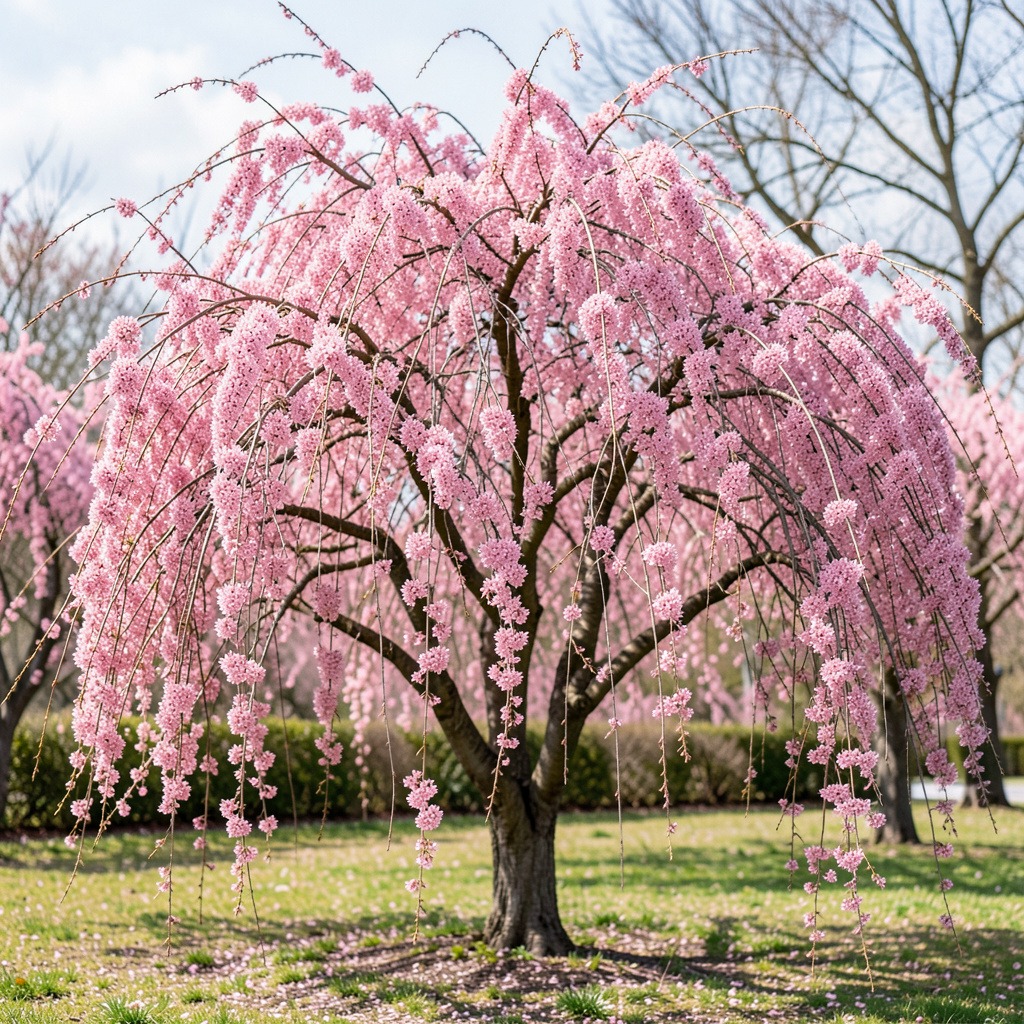
Benefits of Planting a Pink Weeping Cherry Tree
The pink weeping cherry tree is not only visually stunning but also offers practical advantages for gardeners. Its beauty enhances landscapes, while its low-maintenance requirements make it an attractive option for various garden designs.
Aesthetic Appeal and Seasonal Blooms
The pink weeping cherry tree is celebrated for its graceful drooping branches and abundant pink blossoms. These trees create a captivating focal point in any garden. During spring, the delicate flowers bloom, transforming your landscape into a breathtaking spectacle.
- Visual Impact: The cascading flowers create a waterfall effect, attracting attention and admiration.
- Seasonal Interest: In addition to spring blooms, these trees display vibrant foliage in fall, offering year-round beauty.
An example of effective garden design includes planting pink weeping cherry trees alongside low-growing perennials. This combination allows the tree’s dramatic height and bloom to stand out while providing a lush backdrop.
Low-Maintenance Care Requirements
Pink weeping cherry trees are relatively easy to care for, making them suitable for both novice and experienced gardeners.
- Minimal Pruning: These trees require occasional pruning to maintain their shape and health, ideally done in late winter or early spring.
- Disease Resistance: Many varieties show good resistance to common pests and diseases, reducing the need for chemical treatments.
Their adaptability means they thrive in various hardiness zones (4-9), provided they receive adequate sunlight and well-drained soil.
Table of Contents
Landscape Value and Uses
This tree serves multiple purposes in landscape design.
- Ornamental Use: As a centerpiece, the pink weeping cherry tree can enhance the aesthetic appeal of gardens, parks, and public spaces.
- Cohesive Planting: Pairing it with spring-blooming bulbs or other flowering trees can create a harmonious display.
When planning your landscape, consider the tree’s mature size of 20–30 feet in height and spread. Ensure that it has enough space to flourish without overcrowding other plants. This foresight will maintain the tree’s health and visual splendor while maximizing its landscape impact.
Drawbacks of Pink Weeping Cherry Trees
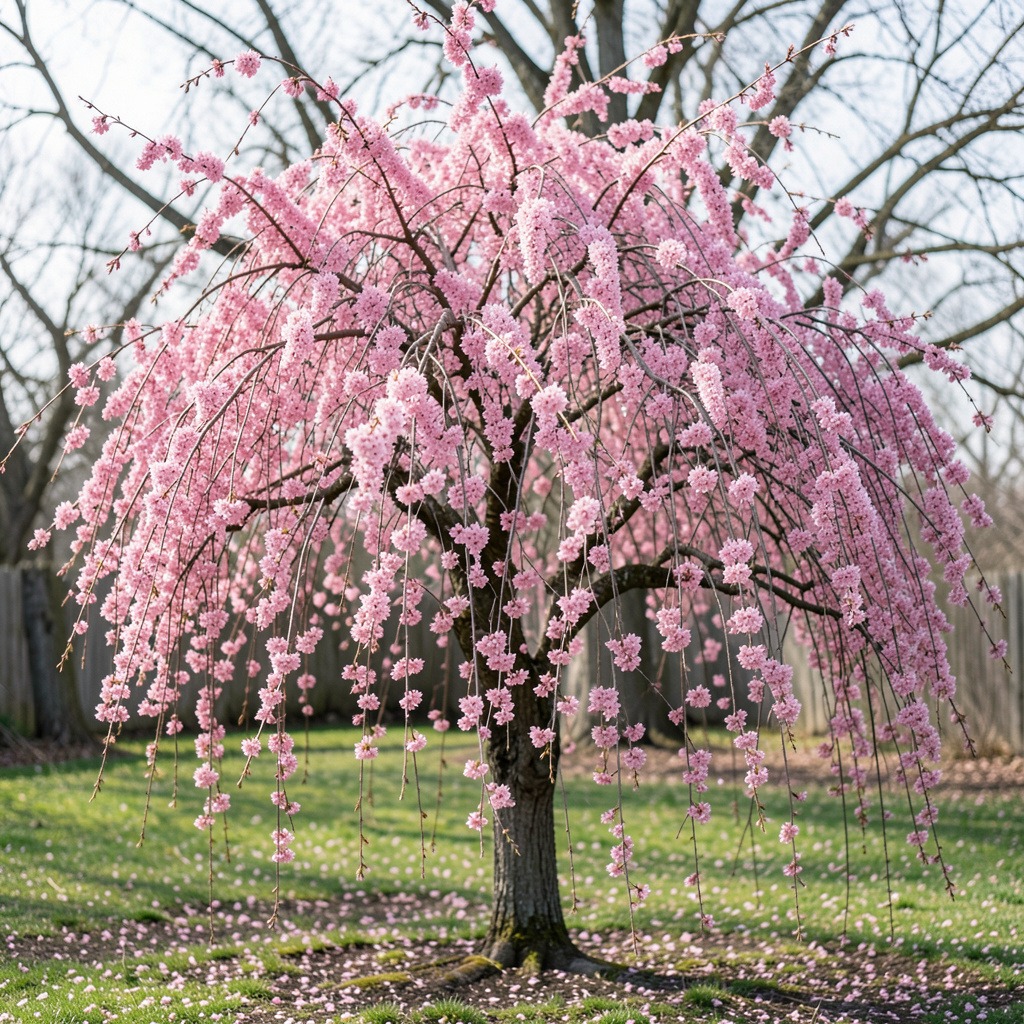
While pink weeping cherry trees are stunning additions to any landscape, they do come with certain challenges. Understanding these drawbacks can help you make an informed decision about planting one.
Susceptibility to Pests and Diseases
Pink weeping cherry trees are vulnerable to various pests and diseases. Common pests include:
- Aphids: These small insects can weaken your tree by sucking sap.
- Scale Insects: They attach to branches and stems, disrupting nutrient flow.
- Caterpillars: They feed on leaves, leading to defoliation.
Diseases that may affect your tree include:
- Cherry Leaf Spot: Causes unsightly leaf spots and can lead to premature leaf drop.
- Powdery Mildew: A fungal disease that appears as a white coating on leaves.
- Cankers: These can cause dieback in branches.
To mitigate these issues, regular inspections are essential. Use organic insecticidal soap or horticultural oil for pest control. Ensure good air circulation around the tree and avoid overhead watering to reduce disease risk.
Hardiness Zone Limitations
Pink weeping cherry trees thrive in USDA hardiness zones 4 to 9. This limitation means they may not be suitable for regions with extreme cold or heat. Here’s a quick breakdown:
- Zone 4: Tolerates winter temperatures as low as -30°F (-34°C).
- Zone 9: Can handle temperatures up to 20°F (-6°C).
If you live in a zone outside this range, consider alternative ornamental trees that can better withstand local conditions.
Maintenance Challenges
Maintaining a pink weeping cherry tree requires commitment. Key maintenance tasks include:
- Pruning: This should occur in late winter to early spring. Remove dead or damaged branches to promote healthy growth.
- Watering: Young trees need regular watering to establish roots. Established trees require deep watering during dry spells.
- Disease Management: Regularly check for pests and diseases. Early detection is crucial for effective treatment.
Neglecting these maintenance tasks can lead to a decline in tree health and aesthetic appeal. Create a seasonal checklist to stay on top of care requirements.
By weighing these drawbacks against the benefits, you can make a more informed decision about incorporating a pink weeping cherry tree into your garden.
Care and Maintenance for Pink Weeping Cherry Trees
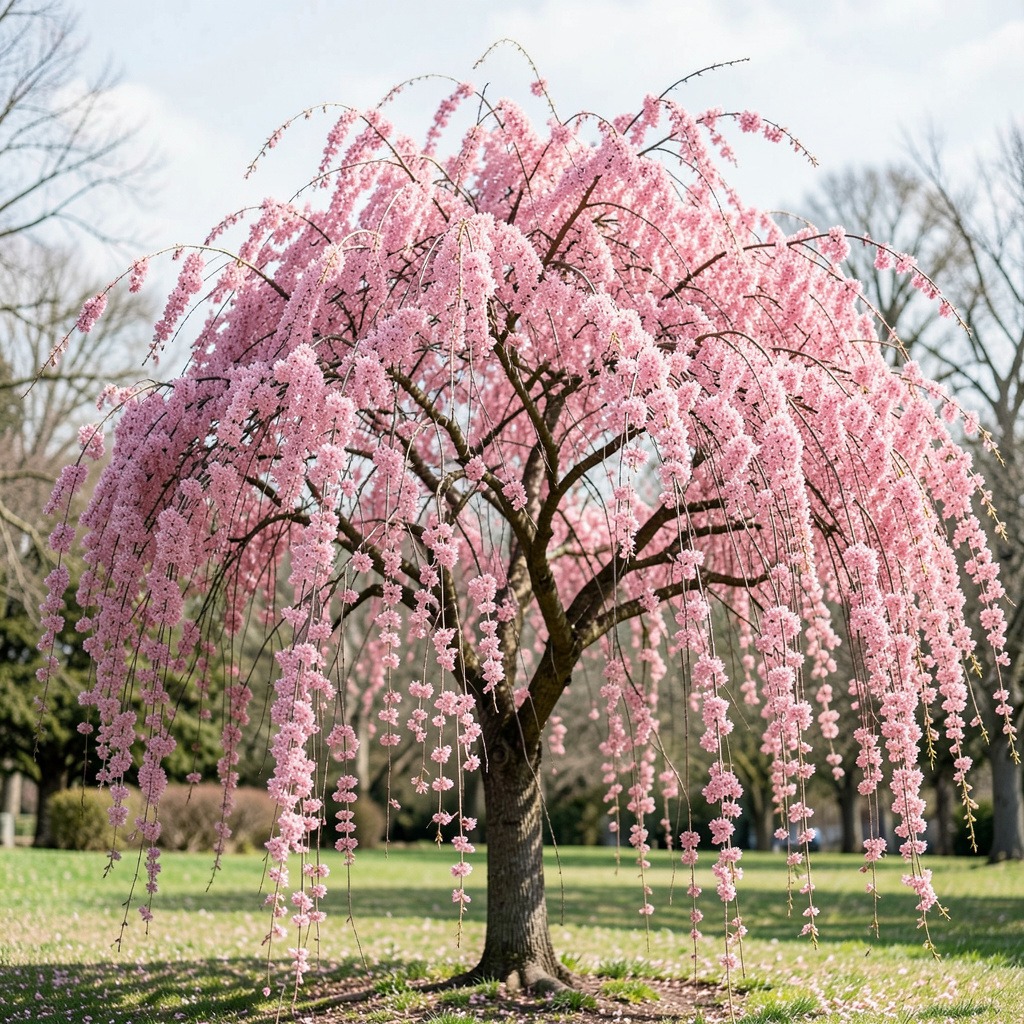
Caring for a pink weeping cherry tree requires attention to various factors, including optimal planting conditions, watering, fertilization, and pest management. This guide provides essential practices to ensure your tree thrives.
Optimal Planting Conditions
Selecting the right location is crucial for the growth of a pink weeping cherry tree. Follow these guidelines:
- Sunlight: Ensure the tree receives full sun to partial shade, ideally 6 hours of direct sunlight daily.
- Soil: Choose well-draining, loamy soil with a pH of 6.0 to 7.5. Avoid heavy clay or overly sandy soils.
- Space: Plant the tree in an area that allows for its mature size, typically 20-30 feet in height and spread.
Watering and Fertilization Needs
Proper watering and fertilization are key to establishing a healthy tree. Consider the following:
- Young Trees: Water regularly during the first year to keep the soil consistently moist, but not waterlogged.
- Established Trees: Water deeply once a week during dry periods to encourage deep root growth.
- Fertilization: Apply a balanced fertilizer in early spring to support growth.
Seasonal Care Checklist:
- Spring: Fertilize; inspect for pests.
- Summer: Deep water; mulch to retain moisture.
- Fall: Monitor for diseases; prepare for winter.
- Winter: Prune to maintain shape and remove any dead branches.
Pruning and Pest Management
Regular pruning and pest management help maintain the health and beauty of your pink weeping cherry tree.
- Pruning: Conduct pruning in late winter to early spring. Remove dead, damaged, or crowded branches to enhance air circulation and light penetration. Preserve the tree’s graceful shape by selectively cutting back branches.
- Pest Control: Watch for common pests like aphids and scale insects. Use insecticidal soap or horticultural oil as needed. Regularly inspect the tree for signs of diseases such as cherry leaf spot or powdery mildew.
By adhering to these care practices, gardeners can promote the health and visual appeal of pink weeping cherry trees while maximizing their ornamental benefits.
Comparing Pink Weeping Cherry Trees with Other Ornamental Trees
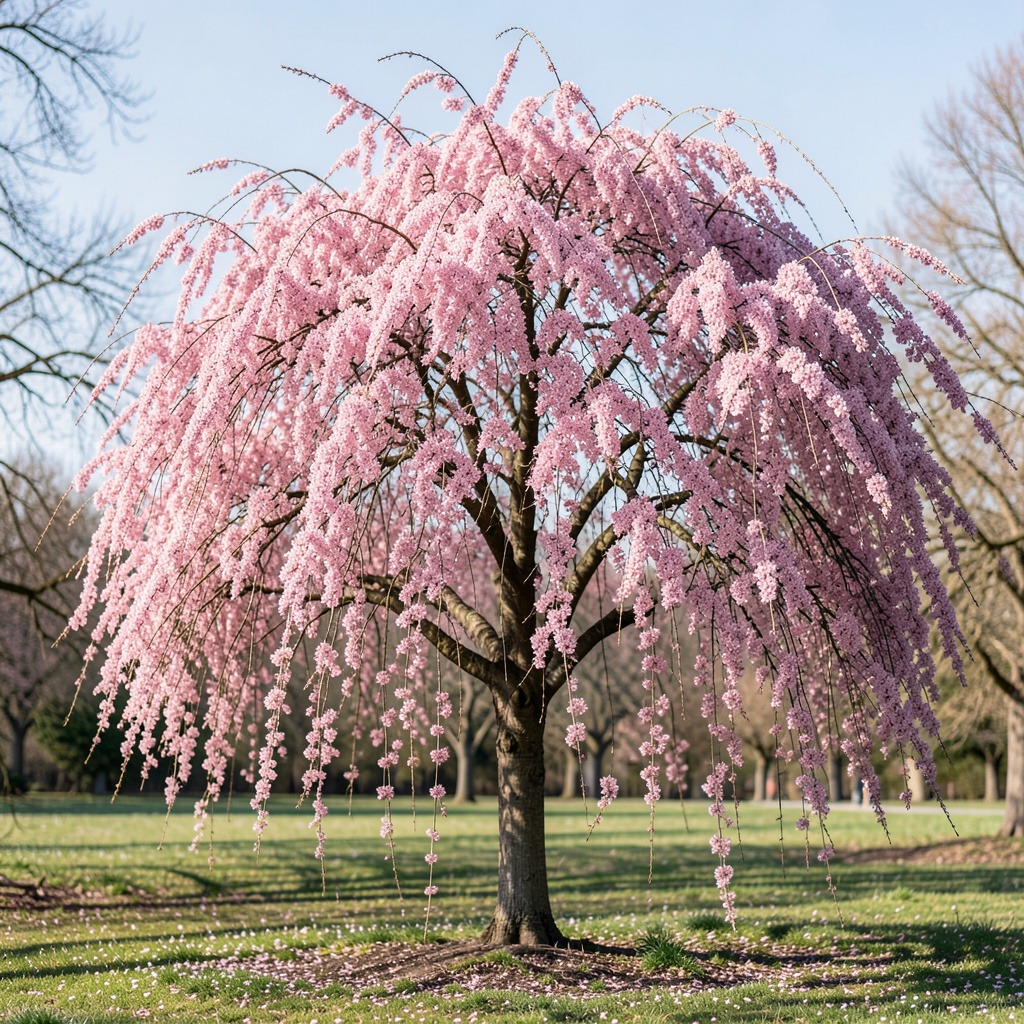
Pink weeping cherry trees are renowned for their stunning aesthetics and unique growth habits. Understanding how they compare to other ornamental trees can help gardeners make informed decisions.
Similarities with Other Weeping Trees
Pink weeping cherry trees share several characteristics with other popular weeping varieties. These similarities enhance their appeal in landscaping.
- Aesthetic Appeal: Like the weeping willow, pink weeping cherries create a dramatic visual effect with their cascading branches.
- Seasonal Blooms: Both trees produce beautiful spring blooms, attracting pollinators and adding color to gardens.
- Shade Provision: They provide similar levels of shade, making them suitable for park-like settings.
Differences in Care and Aesthetics
While pink weeping cherry trees have much in common with other ornamental trees, they also exhibit distinct differences.
- Growth Rate: Pink weeping cherries typically grow 1-2 feet per year, while other weeping trees like the birch may grow faster.
- Hardiness Zones: Pink weeping cherries thrive in USDA zones 4-9, whereas some other ornamental trees might only be suitable for specific climates.
- Maintenance Requirements: Pink weeping cherries require regular watering and annual pruning, unlike the less demanding weeping juniper, which is low-maintenance.
| Feature | Pink Weeping Cherry | Weeping Willow | Weeping Birch |
|---|---|---|---|
| Growth Rate | 1-2 feet/year | 3-4 feet/year | 1-2 feet/year |
| Hardiness Zones | 4-9 | 6-8 | 3-7 |
| Aesthetic Appeal | Pink blooms | Graceful foliage | White bark with droop |
| Maintenance Needs | Moderate | Low | Moderate |
Choosing the Right Tree for Your Garden
When selecting an ornamental tree, consider your landscape’s specific conditions and aesthetic preferences.
- Space Requirements: Ensure adequate space for the tree’s spread. Pink weeping cherries need about 20-30 feet of clearance from structures.
- Visual Impact: If vibrant spring color is a priority, pink weeping cherries excel. For year-round greenery, consider a weeping juniper instead.
- Environmental Conditions: Assess soil type, sunlight exposure, and water availability to determine the best fit for your garden.
By understanding these comparisons, gardeners can better appreciate the unique advantages and challenges of pink weeping cherry trees alongside other ornamental varieties.
Alternatives to Pink Weeping Cherry Trees
If a pink weeping cherry tree does not suit your landscape, several ornamental trees offer similar aesthetics and care requirements. Consider these alternatives to enhance your garden’s beauty.
Other Weeping Varieties
1. Weeping Yoshino Cherry: Known for its elegant form and profuse pink blooms, this tree is a popular choice for spring displays.
2. Snow Fountains Weeping Cherry: This variety features stunning white blooms and a graceful weeping habit. It thrives in hardiness zones 4-8.
3. Weeping Red Maple: With striking red foliage, this tree offers year-round interest and a unique cascading shape.
4. Weeping Mulberry: This tree produces small, edible fruits and has a charming weeping appearance, making it ideal for gardens.
Similar Aesthetic Trees
- Japanese Maple (Acer palmatum): Renowned for its vibrant foliage, the Japanese maple offers various leaf colors and forms, adding dramatic flair to any landscape.
- Flowering Dogwood (Cornus florida): This tree provides beautiful white or pink flowers in spring, followed by attractive berries and fall color.
- Magnolia Trees: With large, fragrant blooms, magnolias can serve as focal points in gardens. The Saucer Magnolia is especially popular for its stunning early spring flowers.
Factors to Consider When Choosing Alternatives
When selecting an alternative tree, keep these factors in mind:
- Hardiness Zone: Ensure the tree can thrive in your climate zone. Most alternatives will fall within zones 4-9.
- Space Requirements: Evaluate the mature size of the tree. Similar to pink weeping cherries, many alternatives require ample space for their spread.
- Soil & Light Conditions: Assess the soil type and sunlight exposure. Most ornamental trees prefer well-drained soil and full sun to partial shade.
By carefully considering these alternatives, gardeners can find the perfect ornamental tree that meets their aesthetic preferences and environmental needs.
Frequently Asked Questions
These quick answers cover the most common questions about this topic, including key details, practical tips, and common concerns.
What are the best conditions for planting a pink weeping cherry tree?
Pink weeping cherry trees thrive in full sun to partial shade, requiring at least 6 hours of direct sunlight daily. They prefer well-draining, loamy soil with a pH between 6.0 and 7.5. Avoid heavy clay or overly sandy soils, as these can impede root development. Additionally, ensure there is enough space for the tree to grow, as it can reach a height and spread of 20-30 feet.
How long does it take for a pink weeping cherry tree to mature?
Typically, a pink weeping cherry tree takes about 3 to 5 years to reach its full height and spread. However, the growth rate can vary based on factors such as soil quality, climate, and care practices. On average, these trees grow 1 to 2 feet per year under optimal conditions.
What should I do if my pink weeping cherry tree is not blooming?
If your pink weeping cherry tree is not blooming, first check its light exposure. Ensure it receives adequate sunlight, as insufficient light can hinder flowering. Also, inspect for pests or diseases, as these can affect bloom production. Lastly, consider the tree’s age; younger trees may take time to establish and bloom.
How does the pink weeping cherry tree compare to other ornamental trees?
Compared to other ornamental trees, the pink weeping cherry stands out for its stunning pink blooms and graceful, drooping branches. While it shares similarities with other weeping varieties, such as the weeping willow, it typically has a slower growth rate of 1-2 feet per year. Additionally, it thrives in USDA hardiness zones 4-9, making it suitable for a range of climates.
What are the common problems with pink weeping cherry trees?
Common issues with pink weeping cherry trees include susceptibility to pests like aphids and scale insects, as well as diseases such as cherry leaf spot and powdery mildew. Regular inspections are crucial for early detection. Additionally, improper watering or poor soil conditions can lead to stress and decline in tree health.
Can pink weeping cherry trees be grown in containers?
Yes, pink weeping cherry trees can be grown in containers, especially smaller varieties. Choose a large container with good drainage and use high-quality potting soil. Ensure the tree receives adequate sunlight and water regularly, as container plants can dry out faster than those in the ground. However, keep in mind that container-grown trees may have a shorter lifespan and growth rate.
When is the best time to plant a pink weeping cherry tree?
The ideal time to plant a pink weeping cherry tree is in early spring or fall. Planting during these seasons allows the tree to establish roots before the heat of summer or the cold of winter. Ensure the soil is workable and free from frost when planting in spring, and avoid planting in extreme temperatures.