
The key differences between plant cells and animal cells lie in their structure and function. While both cell types share fundamental cellular features, plant cells have unique structures like cell walls and chloroplasts, which enable them to perform photosynthesis and maintain rigidity. Read Interesting article: Is Algae a Plant? Simple Answer Explained
Understanding Plant Cells and Animal Cells
Definition of Plant Cells
Plant cells are the basic building blocks of plants, characterized by a rigid cell wall, chloroplasts, and large vacuoles. These cells work together to support the plant’s growth and functions. One of the most fascinating aspects of plant cells is their ability to perform photosynthesis, allowing them to convert sunlight into energy. I’ve always been amazed by how these cells contribute to the very air we breathe and the food we eat. The unique structures within plant cells enable them to thrive in their environments and support ecosystems. Read Interesting article: Do All Plant Cells Contain Mitochondria? Explained
Definition of Animal Cells
Animal cells, on the other hand, are the fundamental units of animals, including humans. Unlike plant cells, they lack a rigid cell wall and chloroplasts. Instead, they have flexible cell membranes, which allow for a variety of shapes and sizes. From my experience, it’s interesting to see how animal cells adapt to their environments, forming tissues and organs that perform specific functions. The complexity of animal cells is a testament to the diversity of life on Earth.
Basic Structure of Cells
Both plant and animal cells share common structures like the nucleus, cytoplasm, and organelles, but the differences in their structures are what make them unique. The nucleus acts as the control center in both types of cells, housing the genetic material. The cytoplasm, a gel-like substance, fills the space between the cell membrane and the nucleus, and it’s where many cellular processes take place. I remember learning about organelles like ribosomes, which are involved in protein synthesis, in both types of cells. However, the presence of specific organelles sets plant and animal cells apart.
For instance, plant cells contain chloroplasts that house chlorophyll, the pigment responsible for photosynthesis. This allows plants to convert light energy into chemical energy. On the other hand, animal cells rely on mitochondria for energy production through cellular respiration, which processes nutrients and generates ATP. This was a lightbulb moment for me when I realized how energy production differs between the two cell types. Understanding these differences deepened my appreciation for how life is sustained in various forms.
Key Differences Between Plant Cells and Animal Cells
Cell Wall vs. Cell Membrane
The most obvious difference between plant and animal cells is the presence of a cell wall in plant cells. The cell wall provides structural support and protection, allowing plants to maintain their shape and withstand external pressures. I remember being amazed at how resilient plants can be, standing tall even in harsh weather, largely due to this rigid structure. In contrast, animal cells are encased by a flexible cell membrane, which allows them to change shape and move around. This flexibility is crucial for various functions, such as muscle contraction and immune responses.
Chloroplasts vs. Mitochondria
Another significant difference lies in the organelles responsible for energy production. As I mentioned earlier, plant cells have chloroplasts, which are essential for photosynthesis. They capture sunlight and convert it into glucose, providing energy for the plant. This is a process I find truly fascinating, as it illustrates the interconnectedness of life – plants feed on sunlight, and in return, they provide oxygen and food for animals and humans. On the other hand, animal cells rely on mitochondria for energy through cellular respiration. Mitochondria are often referred to as the “powerhouses” of the cell, and they convert the chemical energy from food into a usable form. This difference in energy production methods highlights the diverse adaptations of life on Earth. Read Interesting article: Do Plant Cells Have Mitochondria? Explained Simply
Vacuoles: Size and Function
Vacuoles also serve distinct purposes in plant and animal cells. In plant cells, large central vacuoles store water, nutrients, and waste products, helping to maintain turgor pressure, which keeps the plant rigid. I remember learning how this pressure is vital for the overall health of the plant, as it prevents wilting. Conversely, animal cells may have small vacuoles, but they are generally much less prominent and serve various functions, such as storing ions or waste. This difference in vacuole size and function reflects the differing needs of plants and animals.
Shape and Structure Differences
Shape is yet another area where plant and animal cells differ. Plant cells tend to have a more fixed, rectangular shape due to their rigid cell walls, while animal cells can vary widely in shape, from round to elongated. This flexibility allows animal cells to fulfill specific roles in the body, such as forming muscle cells that can contract. I’ve found it interesting to see how the structure of a cell is tied to its function. Understanding these differences not only enhances our knowledge of biology but also emphasizes the incredible diversity found within living organisms.
Functions of Plant and Animal Cells
Photosynthesis in Plant Cells
One of the most remarkable functions of plant cells is photosynthesis. I still remember the first time I learned about this process—how plants use sunlight to convert carbon dioxide and water into glucose and oxygen. This process not only fuels the plant itself but also supports life on Earth. It’s amazing to think that without photosynthesis, we wouldn’t have the oxygen we breathe or many of the foods we eat. The chloroplasts in plant cells contain chlorophyll, which captures sunlight and plays a crucial role in this transformation. I feel a deep appreciation for nature every time I see a plant thriving, knowing that it is actively producing energy and supporting life around it.
Cellular Respiration in Animal Cells
In contrast, animal cells perform cellular respiration, a process that converts glucose and oxygen into carbon dioxide, water, and energy. I remember being fascinated by how my body takes the food I eat and transforms it into the energy I need to move, think, and even sleep. Mitochondria are the key players in this process, and they’re often referred to as the “powerhouses” of the cell for good reason. They break down nutrients and create ATP (adenosine triphosphate), which serves as energy currency for cellular activities. Observing how my body utilizes energy from meals made me realize just how interconnected our biological processes are.
Role of Organelles in Cell Functions
The organelles inside plant and animal cells play specific roles that contribute to their overall function. In plant cells, the endoplasmic reticulum (ER) is involved in synthesizing proteins and lipids, while the Golgi apparatus modifies and packages these molecules for transport. I’ve always been intrigued by how these organelles work like a well-oiled factory, ensuring that everything runs smoothly. In animal cells, similar organelles perform comparable functions, but there’s a unique twist based on the needs of the organism. The interplay of these organelles highlights the complexity of cellular processes and the fascinating ways they adapt to meet the specific demands of life.
Comparison of Cell Organelles
Common Organelles in Both Cell Types
Both plant and animal cells share several common organelles that are essential for their survival and functioning. The nucleus is a prime example, acting as the control center in both cell types and housing genetic material. The ribosomes present in both types are crucial for protein synthesis, which is vital for growth and repair. I’ve learned that even though plant and animal cells have unique features, their shared organelles perform similar fundamental roles, which is a testament to the common ancestry of all cells. It’s fascinating to see how diverse life can be while still sharing core cellular functions.
Unique Organelles in Plant Cells
Plant cells have organelles that are uniquely suited to their lifestyle. For instance, chloroplasts, as I mentioned earlier, are essential for photosynthesis, allowing plants to harness sunlight. Additionally, plant cells possess large central vacuoles, which store nutrients and help maintain turgor pressure—crucial for keeping the plant upright. I’ve often noticed how a wilting plant perks up after being watered, and it’s all thanks to these incredible vacuoles. Another unique feature is the presence of plastids, which are involved in the storage of starches and pigments. These organelles showcase the adaptability and resourcefulness of plant cells.
Unique Organelles in Animal Cells
Animal cells, on the other hand, have their own set of unique organelles that cater to their specific needs. One such organelle is the lysosome, which contains enzymes that break down waste materials and cellular debris—essential for keeping the cell clean and efficient. I’ve always appreciated the cleaning crew in animal cells, ensuring everything functions without a hitch. Additionally, animal cells can have centrioles, which play a crucial role in cell division, helping to organize the microtubules that separate chromosomes. This organization is key to maintaining genetic integrity during reproduction.
Similarities Between Plant and Animal Cells
Basic Cellular Functions
Despite the differences between plant and animal cells, they share fundamental cellular functions that are essential for life. Both cell types metabolize nutrients, produce energy, and reproduce. I’m always amazed at how cells, whether in a plant or an animal, follow similar processes like protein synthesis and DNA replication. This commonality emphasizes the shared principles of biology that underpin all living organisms, regardless of their form.
Genetic Material and Cell Division
Another similarity is how both plant and animal cells contain DNA, which carries the genetic blueprint for the organism. During cell division, both types undergo mitosis, ensuring that each new cell receives an identical set of genetic material. I recall delving into the intricacies of cell division and being fascinated by how this process allows life to continue. It’s incredible to think that the same fundamental mechanisms operate in both plants and animals, allowing for growth and repair.
Cellular Communication Mechanisms
Cellular communication is vital for both plant and animal cells. They use signaling molecules to send messages between cells, coordinating functions and responses. I’ve found it interesting how both types have developed these communication mechanisms to adapt to their environments. Whether it’s a plant responding to sunlight or an animal’s immune cells reacting to a pathogen, the ability to communicate is essential for survival. This shared feature is yet another reminder of how interconnected all life forms are.
Visual Representation of Plant and Animal Cells
Diagrams of Plant Cells
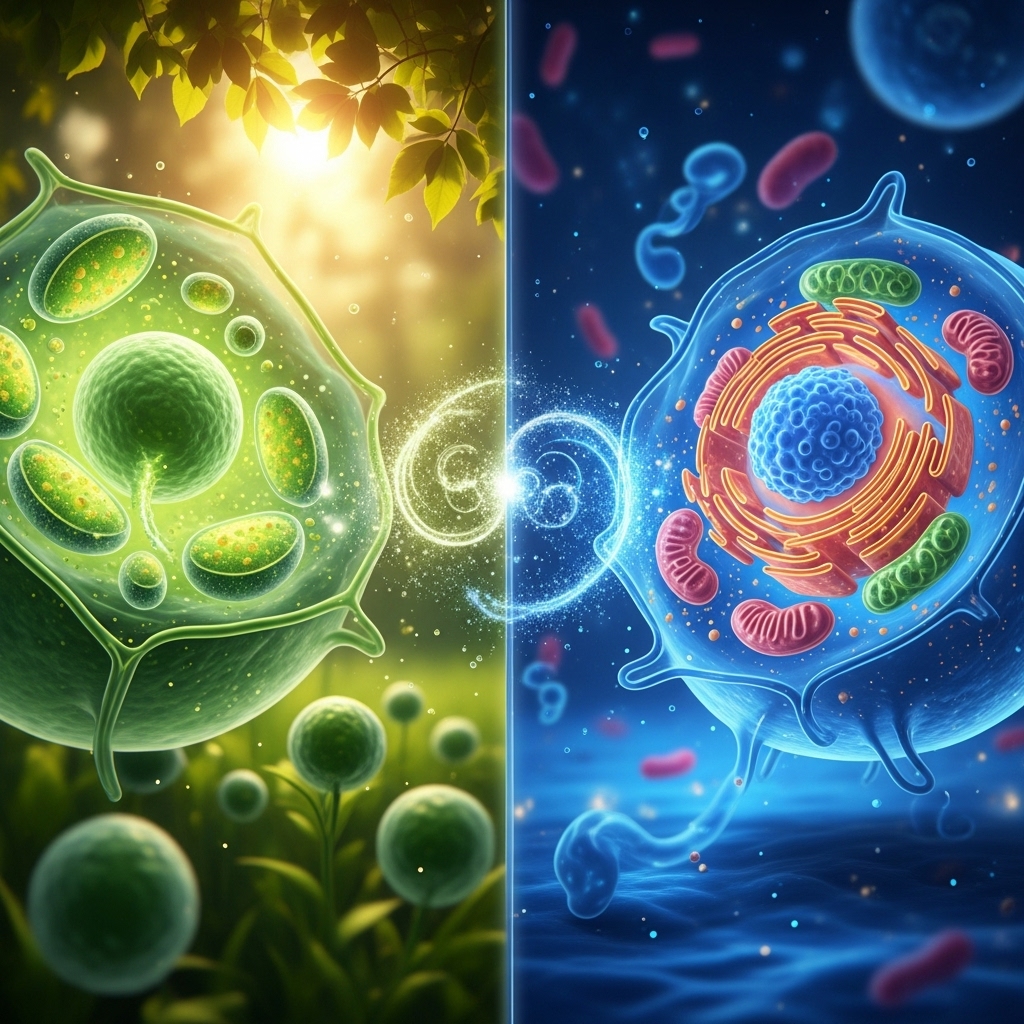
Visual aids can be incredibly helpful in understanding the differences between plant and animal cells. I remember the first time I saw a diagram of a plant cell; it was like a treasure map leading me through its unique features. A typical diagram highlights the key structures, including the rigid cell wall, the large central vacuole, and the chloroplasts. Each part is labeled, showing how they fit into the overall design of the cell. This representation not only makes it easier to identify the components but also clarifies their functions. The vibrant green of chloroplasts often stands out in these diagrams, symbolizing the life-giving process of photosynthesis. I believe these visuals ignite curiosity and deepen our understanding of how plants function at the cellular level.
Diagrams of Animal Cells
On the flip side, diagrams of animal cells showcase their flexibility and diversity. I find it fascinating how these diagrams can show various shapes and structures, from nerve cells that have long, branching extensions to red blood cells that are round and disc-shaped. Each diagram emphasizes the absence of a cell wall, instead highlighting the fluid nature of the cell membrane. Key organelles like mitochondria, lysosomes, and the nucleus are often labeled, providing insight into their roles and how they interact. Seeing these diagrams helped me appreciate the intricate design of animal cells and how their structure supports their functions, such as movement and communication.
Side-by-Side Comparison Charts
One of my favorite tools for understanding the distinctions between plant and animal cells is the side-by-side comparison chart. These charts visually summarize the key differences and similarities, making it easy to grasp the concepts at a glance. For example, I recall studying a chart that laid out features like the presence of a cell wall versus a cell membrane, and the existence of chloroplasts in plant cells while animal cells featured lysosomes. This format is not only straightforward but also encourages quick comparisons, which I found to be an effective learning strategy. It’s incredible how such charts can distill complex information into bite-sized pieces, making it accessible and easier to retain.
Real-World Applications and Implications
Importance in Biology and Medicine
The study of plant and animal cells goes far beyond just understanding their structures and functions; it has profound implications in biology and medicine. I’ve learned that understanding how cells operate can lead to breakthroughs in medical research. For instance, knowing how cellular respiration works in animal cells can help scientists develop better treatments for metabolic disorders. Similarly, the unique properties of plant cells can drive advancements in agriculture, such as genetically modifying crops for improved yield and resistance to diseases. This intersection of biology and medicine is where my enthusiasm for cell biology really blossomed, as I realize how it can lead to innovations that improve human health and food security.
Applications in Biotechnology
Biotechnology is another exciting field that leverages our understanding of plant and animal cells. I remember being captivated by the idea of using plant cells to produce valuable compounds like pharmaceuticals or biofuels. Advances in genetic engineering allow scientists to manipulate plant cells to enhance their abilities—creating plants that can produce medicines or even clean up environmental pollutants. This not only shows the versatility of plant cells but also highlights their potential to solve real-world problems. I find myself continually inspired by how biotechnology bridges the gap between biology and practical applications that can benefit society.
Environmental Impact and Plant Cell Research
Research on plant cells is critical for understanding environmental issues, especially as we face challenges like climate change. I’ve seen how studying plant cells can lead to insights on how plants adapt to stressors such as drought or increased temperatures. This understanding can inform conservation efforts and help us develop sustainable agricultural practices. For instance, researchers may explore how certain plant cells respond to environmental changes to breed more resilient crops. It’s empowering to know that cellular research can contribute to a healthier planet, and I feel a personal connection to these efforts as they resonate with my desire to protect the environment.
Frequently Asked Questions
What are the main structural differences between plant cells and animal cells?
Plant cells have a rigid cell wall, chloroplasts, and large central vacuoles, whereas animal cells have a flexible cell membrane and lack these structures.
What is the function of chloroplasts in plant cells?
Chloroplasts are essential for photosynthesis, allowing plants to convert sunlight into glucose and oxygen, which is vital for their energy needs and supports life on Earth.
How do animal cells produce energy?
Animal cells produce energy through cellular respiration, which occurs in mitochondria, converting glucose and oxygen into carbon dioxide, water, and ATP (adenosine triphosphate).
What role do vacuoles play in plant and animal cells?
In plant cells, large central vacuoles store water, nutrients, and waste products, maintaining turgor pressure for rigidity. Animal cells may have small vacuoles for various functions, but they are less prominent.
How do the shapes of plant cells differ from those of animal cells?
Plant cells generally have a fixed, rectangular shape due to their rigid cell walls, while animal cells can vary widely in shape, from round to elongated, allowing them to fulfill specific functions.
What unique organelles are found in animal cells?
Animal cells contain unique organelles such as lysosomes, which break down waste materials, and centrioles, which help organize microtubules during cell division.
What common organelles are shared by both plant and animal cells?
Both plant and animal cells share several common organelles, including the nucleus, which acts as the control center, and ribosomes, which are crucial for protein synthesis.
How do plant cells contribute to the ecosystem?
Plant cells perform photosynthesis, converting sunlight into energy and producing oxygen, which is essential for the survival of animals and humans, thereby supporting the ecosystem.
What is the significance of studying plant and animal cells in medicine?
Understanding the functions of plant and animal cells can lead to breakthroughs in medical research, such as developing better treatments for metabolic disorders and advancing agricultural practices.
How does research on plant cells relate to environmental issues?
Research on plant cells helps understand how plants adapt to environmental stressors, which can inform conservation efforts and the development of sustainable agricultural practices to address challenges like climate change.