
A plant work station with a stool is an excellent setup that combines comfort and efficiency, allowing plant enthusiasts to nurture their green friends with ease. Having a dedicated space not only organizes tools but also enhances the overall gardening experience. If you’re interested in learning more about the best options for a comfortable setup, check out Is There a Plant Work Station With a Seat? Best Options.
Understanding Plant Work Stations
What is a Plant Work Station?
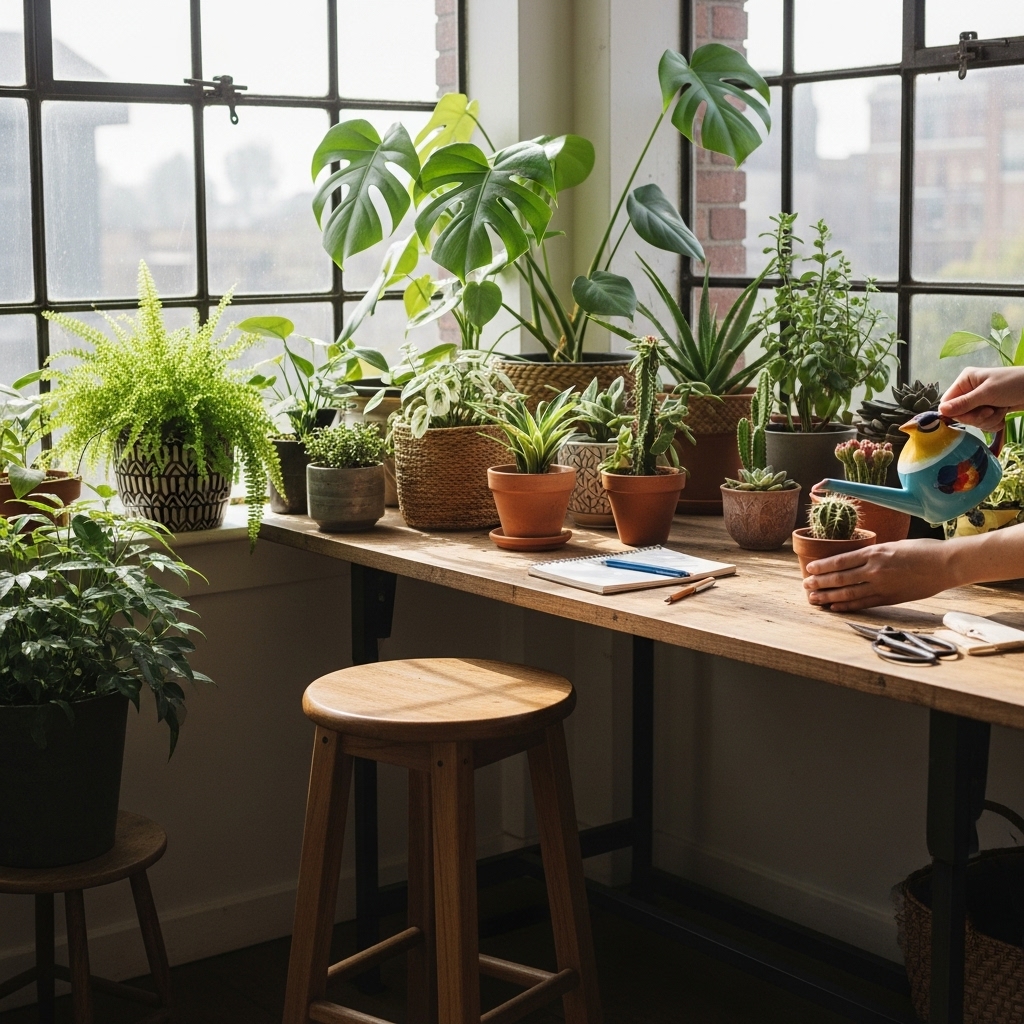
A plant work station is a designated area set up for indoor or outdoor gardening activities. It typically includes a sturdy table, storage for tools, and of course, a comfortable stool. This setup is perfect for anyone who enjoys potting plants, repotting, or performing other gardening tasks. I remember when I first started gardening; I used to work on my kitchen table, which just didn’t cut it. Once I created my own plant work station, everything changed—it became my little green sanctuary.
Benefits of Having a Plant Work Station
Having a dedicated plant work station brings numerous benefits. First and foremost, it organizes your tools and supplies, preventing the frustration of searching for that one trowel or packet of seeds. Additionally, it creates a specific environment that inspires creativity and relaxation. I often find that spending time at my work station not only helps me with my plants but also serves as a therapeutic escape from daily stresses. Plus, it’s a great way to show off my botanical masterpieces to friends and family!
Another significant advantage is that it encourages regular plant care. When your gardening supplies are within reach and your workstation is inviting, you’re more likely to spend time tending to your plants. I’ve seen firsthand how my productivity skyrocketed once I had everything set up the way I liked. It’s hard to resist checking on my plants when I have a cozy little nook ready for me.
Essential Components of a Plant Work Station
Creating the perfect plant work station involves several key components. Here’s what I believe you should consider when setting up your space:
- Table or Work Surface: This is where all the action happens. Choose a table that’s sturdy enough to handle soil, pots, and all the mess that gardening can bring. I’ve found that a work surface around waist height is ideal for both standing and sitting tasks.
- Stool: Comfort is key here, as you’ll likely spend hours tending to your plants. I recommend a stool that supports your back, especially if you plan to be seated while working.
- Storage Solutions: Incorporate shelves, drawers, or carts to keep your gardening tools, pots, and soil organized. From my experience, having everything in its place makes working on projects so much smoother.
- Lighting: If you’re working indoors, proper lighting is crucial. Natural light is the best, but if that’s not an option, consider grow lights to ensure your plants get the care they need.
- Watering Station: Having a nearby source of water or a designated watering can helps keep your station efficient. I set up a small bucket for my watering needs, so I don’t have to keep running back to the sink.
- Plant Care Supplies: Keep your fertilizers, soil, and pots easily accessible. I like to have a small basket where I store everything I need for each project, so I can grab it and go.
In my own setup, I’ve added a chalkboard next to my work station to jot down reminders or notes about my plants. It’s a small touch, but it keeps things organized and helps me remember what needs attention.
Lastly, don’t forget to personalize your space! Add a few decorations or favorite plants to make your work station feel inviting. I’ve included some framed photos of my garden’s progress, and I truly believe it adds a special touch to my little sanctuary.
In essence, a plant work station with a stool isn’t just a functional area; it’s a place that fosters creativity, organization, and a love for gardening. By setting it up thoughtfully, you’ll find that your green thumb blossoms even more!
Choosing the Right Stool for Your Plant Work Station
Types of Stools: Height, Material, and Design
When setting up a plant work station, choosing the right stool can make a world of difference. I’ve gone through a few stools over the years and learned what works best for my needs. The first thing to consider is the height of the stool. Ideally, it should complement the height of your work surface to ensure comfort while you’re tending to your plants. I found that a stool that allows my feet to rest flat on the ground while my elbows are at a comfortable angle when working is perfect.
Material also plays a crucial role. Wooden stools can add a rustic charm to your setup, while metal or plastic options might be more durable and easier to clean. I once had a fabric-upholstered stool, which looked great but didn’t fare well with soil spills. Now, I lean toward materials that are easy to wipe down and maintain. As for design, choose a style that resonates with you. Whether it’s sleek and modern or quirky and colorful, a stool that fits your personality can make your gardening experience even more enjoyable.
Ergonomic Considerations for Comfort
Comfort is key when you’re spending long hours at your plant work station. I remember the backaches from my old stool that didn’t provide proper support. That experience taught me the importance of ergonomics. Look for a stool that has a contoured seat and backrest to support your spine. Some stools even come with cushioned seats, which I highly recommend if you plan to work at your station regularly.
Additionally, consider the footrest. A good footrest can help reduce strain on your legs and back, allowing you to work comfortably for longer periods. I added one to my current stool, and I’ve noticed a significant difference in how fatigued I feel after a gardening session. Your body will thank you!
Adjustable vs. Fixed Height Stools
When it comes to stool height, you’ll encounter two main options: adjustable and fixed height. I’ve tried both, and each has its advantages. Adjustable stools are great because they allow you to change the height based on your work surface or even your preference. This flexibility is especially helpful if multiple people use the workstation. I appreciate being able to switch heights for different tasks, like potting vs. trimming.
On the other hand, fixed height stools can offer sturdiness and stability, which I find comforting when I’m deep in my gardening tasks. If you have a specific work table height, a fixed stool might be a better fit, reducing the risk of wobbling while I’m maneuvering tools. Ultimately, the choice depends on your personal needs and how you plan to use your workstation.
Best Setup Ideas for Plant Work Stations
Outdoor vs. Indoor Work Stations
Setting up a plant work station can differ significantly between indoor and outdoor spaces. My outdoor station is a bit more rugged, designed to withstand the elements. I remember the excitement of designing my outdoor space with a sturdy table, a weather-resistant stool, and ample storage for my tools. I even created a shaded area with a canopy to shield myself from the sun while I work. It’s become a peaceful retreat where I can enjoy the fresh air and watch my plants flourish.
In contrast, my indoor plant work station is all about maximizing space and aesthetic. I opted for a compact table and a stylish stool that complements my home decor. I love having a designated area where I can pot plants while enjoying a cup of coffee. The key is to find what works for your environment and make it comfortable and inviting.
Compact Plant Work Stations for Small Spaces
If you’re working with limited space, don’t fret! I’ve learned that a compact plant work station can still be highly functional. Use vertical space by incorporating wall-mounted shelves for tools and supplies. I remember when I installed pegboards in my small apartment—suddenly, I had all my tools organized and within reach without taking up valuable table space.
Another great idea is to use a folding table. When I set up my folding table, I was amazed at how easily I could put it away when not in use. It’s perfect for those who want to garden but don’t have a lot of room to work with. Just make sure your stool is also easy to store or has a lightweight design for mobility.
Multi-functional Stations: Combining Work and Storage
Multi-functional stations are a game-changer, especially for those of us who want to maximize efficiency. I once had a work surface that doubled as a potting bench and storage area. It had shelves underneath for all my soil and pots, while the top was spacious enough for all my planting activities. I loved how it kept everything organized, and I didn’t have to run around looking for tools.
Consider using carts with wheels so you can easily move your supplies where you need them. I’ve found that a mobile cart can transform how I work, allowing me to rearrange my setup based on the task at hand. It’s all about creating a space that works for you!
Creative DIY Plant Work Station Ideas
If you’re feeling crafty, why not create your own DIY plant work station? I’ve taken on a couple of projects that not only saved me money but also allowed me to customize my setup to my liking. For instance, I repurposed an old wooden table and added a fresh coat of paint, turning it into a vibrant centerpiece for my gardening. I even attached hooks to the side for hanging my tools, which keeps everything easily accessible.
Another fun idea is to use old crates or pallets to create a rustic plant work station. Stacking crates for storage while using one as a tabletop can create an eye-catching and functional design. I’ve seen some incredible palettes turned into potting benches that double as decorative elements in the garden. The possibilities are endless! Just let your creativity flow, and your plant work station can reflect your personality and style.
Essential Tools and Supplies for Your Plant Work Station
Basic Gardening Tools to Keep Handy
When I first started gardening, I was surprised by how many tools I ended up needing. It’s essential to have the right equipment readily available at your plant work station. I’ve narrowed it down to a few basic tools that I find indispensable. A good pair of pruning shears is a must for trimming and shaping plants. I remember the first time I used them; it felt like I was giving my plants a fresh haircut!
A trowel is another essential tool for digging, planting, and transferring soil. I’ve tried several types, but I’ve found that a sturdy, stainless-steel trowel is the best as it stands up to the toughest soils. Don’t forget about a hand rake for breaking up the soil and removing debris. I keep a small bucket nearby for collecting weeds and clippings, which helps keep the work area tidy.
If you’re planning on working with seeds or seedlings, a seedling tray is also a great addition. I love using mine for starting new plants indoors before they’re ready to be transferred outside. It’s like a little nursery for my future green friends!
Storage Solutions for Soil, Pots, and Accessories
Storage is crucial for keeping everything organized and accessible. I’ve learned that having designated spots for soil, pots, and other accessories can save a lot of time and frustration. I use stackable bins to store different types of soil. This way, I can quickly grab what I need without rummaging through a mess.
For pots, I recommend a shelving unit or a dedicated cart with multiple tiers. This helps me categorize my pots based on size and type, making it easier to find exactly what I need. I often find that having my pots organized inspires me to try new combinations of plants and arrangements.
Additionally, consider incorporating clear storage containers for smaller items like seeds, twine, and plant labels. I’ve labeled mine, which makes it easy to find what I’m looking for, especially when I’m in a hurry to plant something new!
Organizing Your Plant Care Supplies
Keeping your plant care supplies organized can enhance your gardening experience. I’ve created a small caddy that holds all my fertilizers, plant food, and pest control products. It’s incredibly handy to have everything in one place, especially when I’m heading to the garden.
I also recommend using labeled jars or containers for items like gloves, small tools, and even seeds. It not only keeps everything tidy but also adds a bit of charm to your work station. I’ve found that a little organization goes a long way in making my gardening time more enjoyable.
For me, having a checklist of supplies is beneficial too. I keep a clipboard with a list of what I need to restock. This helps me keep track of what’s running low, so I’m always prepared for my next planting adventure.
Creating an Inspiring Atmosphere
Lighting Options for Optimal Plant Growth
Lighting plays a crucial role in both plant health and the ambiance of your work station. I’ve experimented with different lighting setups, and I’ve found that natural light is the best for both my plants and my mood. If you’re working indoors, try to pick a spot near a window where your plants can soak up the sun.
For those of us who may not have ideal lighting conditions, grow lights are a fantastic alternative. I invested in a few LED grow lights, and they’ve made a remarkable difference in how my plants thrive. I love how they add a pop of color to my workspace, and I’m often mesmerized by the glow they emit.
Incorporating Nature: Decorative Elements and Plants
Creating a space that feels like an extension of nature is important to me. I’ve found that incorporating decorative elements, like stones, driftwood, or even small water features, can make the atmosphere more calming and inviting. These elements remind me of the great outdoors and inspire me to take better care of my plants.
Of course, adding plants to your work station is a must! I like to keep a few smaller plants on my table, like succulents or herbs, since they require minimal maintenance but still bring life to my space. It’s rewarding to see them grow, and it gives me a sense of accomplishment every time I tend to them.
Choosing a Color Palette for Your Work Station
Believe it or not, the colors surrounding you can affect your mood and creativity. I’ve discovered that choosing a color palette for my plant work station enhances my overall gardening experience. Bright, vibrant colors can energize the space, while softer hues can create a calming environment. I opted for earthy tones mixed with pops of green, which feels refreshing and aligns with my love for nature.
Consider painting your work surface or adding colorful accessories like pots or tool organizers. I also enjoy using colorful fabric for cushions on my stool; it not only adds comfort but also injects personality into the space. Whatever colors you choose, make sure they reflect your style and create a space that you love to spend time in!
Frequently Asked Questions
What is a plant work station?
A plant work station is a designated area set up for indoor or outdoor gardening activities, typically including a sturdy table, storage for tools, and a comfortable stool. It is designed for tasks like potting and repotting plants.
What are the benefits of having a plant work station?
Having a plant work station organizes tools and supplies, inspires creativity and relaxation, encourages regular plant care, and enhances the overall gardening experience.
What essential components should be included in a plant work station?
Key components of a plant work station include a sturdy table or work surface, a comfortable stool, storage solutions for tools, proper lighting, a watering station, and easily accessible plant care supplies.
How can I choose the right stool for my plant work station?
When choosing a stool, consider the height to complement your work surface, the material for durability and ease of cleaning, and the design that resonates with your style. Ergonomic features like a contoured seat and footrest are also important for comfort.
What are the differences between adjustable and fixed height stools?
Adjustable stools allow you to change the height based on your work surface or preference, while fixed height stools offer sturdiness and stability, making them a better fit for specific table heights.
What should I consider when setting up an outdoor vs. indoor plant work station?
Outdoor work stations should be designed to withstand the elements, while indoor setups focus on maximizing space and aesthetics. Both should be comfortable and inviting for gardening tasks.
How can I create a compact plant work station in a small space?
Use vertical space with wall-mounted shelves, consider a folding table for easy storage, and ensure your stool is lightweight and easily storable to maximize functionality in limited areas.
What are some creative DIY ideas for a plant work station?
DIY ideas include repurposing old wooden tables with paint, using crates or pallets for storage and tabletop, and customizing your setup to reflect your personality and style.
What basic gardening tools should I keep on hand at my plant work station?
Essential gardening tools include pruning shears, a sturdy trowel, a hand rake, a small bucket for collecting debris, and a seedling tray for starting new plants indoors.
How can I create an inspiring atmosphere at my plant work station?
Incorporate natural lighting or grow lights, add decorative elements like stones and plants, and choose a color palette that reflects your style to enhance the ambiance and creativity of your gardening space.
Read Interesting article: Do You Have to Kill the Cotton Plant in Maryland? Explained
Read Interesting article: How to Grow Kaju (Cashew) Plant at Home