
Poke plant, also known as pokeweed, is edible when prepared correctly, specifically by cooking young shoots.
Table of Contents
Poke plant, or pokeweed, is a unique edible plant with a rich history in various cultures, particularly in Southern cuisine. However, its toxicity and the specific preparation methods required for safe consumption make understanding this plant essential for foragers and culinary enthusiasts alike [1].
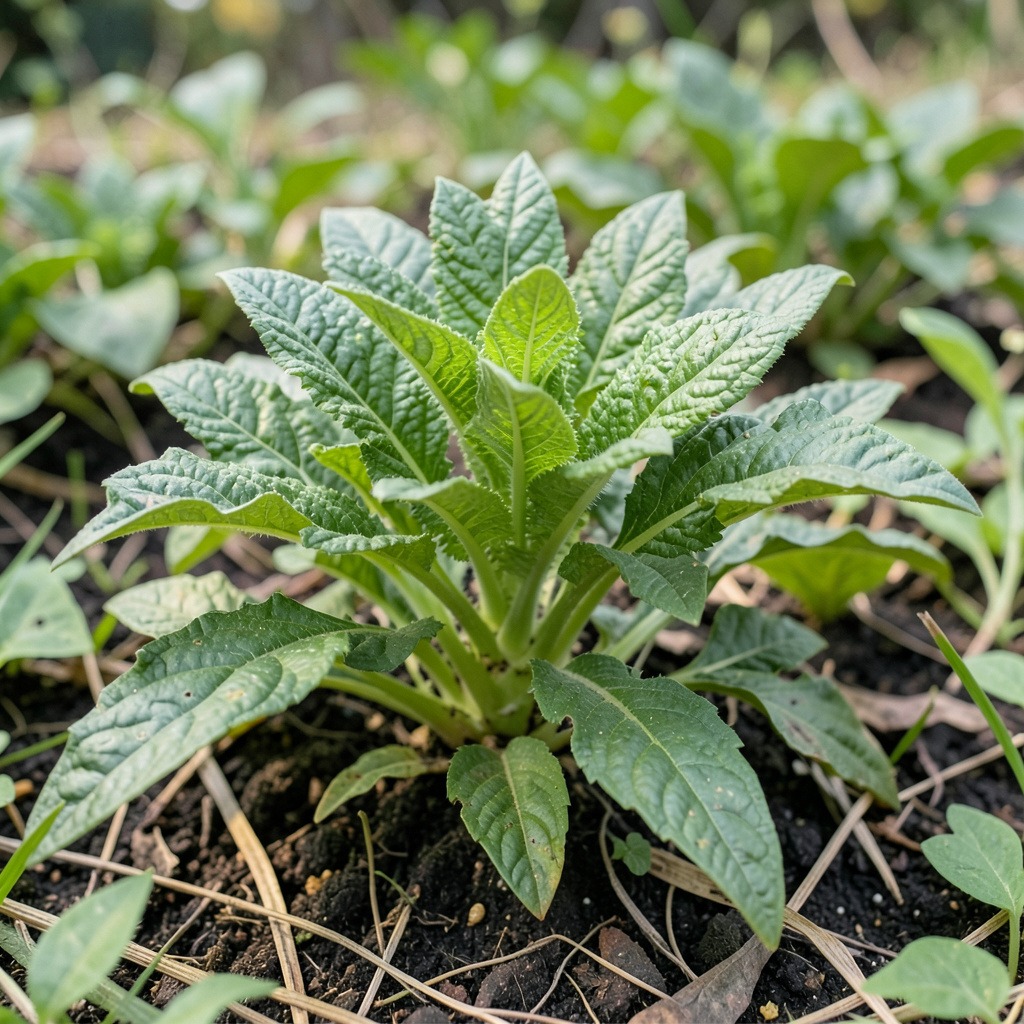
Understanding Poke Plant: Edibility and Toxicity
Poke plant, scientifically known as Phytolacca americana, presents both culinary opportunities and health risks. Proper identification and preparation are crucial for safe consumption.
Poke Plant Identification and Characteristics
Pokeweed is a perennial herb native to Eastern North America. It features large, broad leaves and can grow up to six feet tall. The plant produces clusters of small white flowers that give way to dark purple berries.
When identifying poke plant, consider these visual characteristics:
- Leaves: Large, oval, and pointed; can be green or purple-tinged.
- Stems: Sturdy, often red or purple in color.
- Berries: Dark purple, highly toxic when ripe.
It’s essential to harvest young shoots before the plant matures, as toxicity increases with age.
Toxic Parts of the Poke Plant
All parts of the poke plant contain toxic compounds, but the levels vary:
| Plant Part | Toxicity Level | Edibility |
|---|---|---|
| Root | Extremely toxic | Not edible |
| Leaves | Moderately toxic | Must be cooked |
| Stems | Moderately toxic | Must be cooked |
| Berries | Highly toxic | Not edible |
The primary toxic compounds are saponins, oxalic acid, and phytolaccotoxin. The root is the most toxic part, while the leaves and stems are less harmful if prepared correctly [2]. Consuming raw pokeweed can lead to severe poisoning, characterized by symptoms such as nausea, vomiting, and even death in extreme cases [4].
Why Preparation is Key for Safety
Proper preparation is essential to eliminate harmful toxins from pokeweed. The recommended method involves the following steps:
1. Harvest young shoots: Young leaves are less toxic.
2. Boil the greens: Boil the leaves in water for at least 10 minutes. Discard the water.
3. Repeat boiling: Boil a second time to ensure toxins are reduced.
4. Cook thoroughly: Sauté in oil or bacon fat for flavor and safety.
Following these steps significantly reduces toxicity and makes poke salad safe to eat [5][6]. Always consult reliable recipes and guidelines before consumption to avoid potential health risks.
How to Prepare Poke Salad Safely
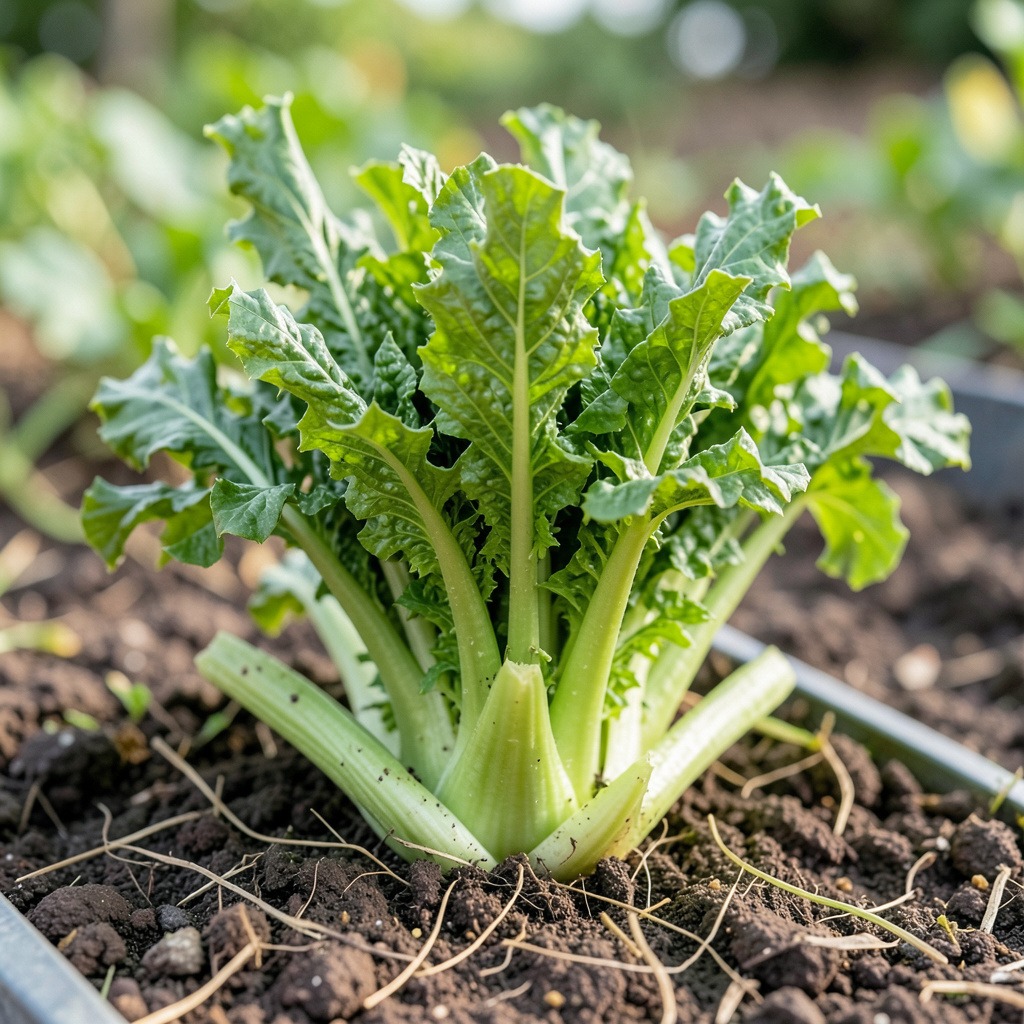
Preparing poke salad requires careful attention to ensure safety and flavor. Proper cooking methods are essential to mitigate the toxicity of pokeweed, making it a delicious and nutritious dish.
Harvesting Young Shoots
1. Identify Young Shoots: Look for tender, green shoots of pokeweed before the plant flowers. The leaves should be vibrant and free from blemishes.
2. Avoid Mature Plants: Do not harvest from mature plants, as older leaves and berries contain higher levels of toxins.
3. Use Gloves: Wear gloves while handling the plant to prevent skin irritation from its sap.
Cooking Methods for Poke Salad
1. Initial Boiling:
- First Boil: Place the harvested leaves in a pot of boiling water. Boil for 10 minutes. This step reduces toxins significantly.
- Drain and Rinse: Drain the water and rinse the leaves under cold running water to remove any remaining toxins.
2. Second Boil:
- Repeat Boil: Return the leaves to a fresh pot of boiling water. Boil again for another 10 minutes.
- Final Drain: Drain and rinse once more to ensure safety.
3. Sautéing:
- Add Flavor: Heat bacon grease or oil in a skillet. Sauté the boiled poke greens for 5-7 minutes. This adds flavor and texture.
- Season: Enhance with salt, pepper, or other spices to taste.
Common Mistakes to Avoid
- Eating Raw: Never consume pokeweed raw. It remains toxic until properly cooked.
- Using Mature Leaves: Always stick to young shoots. Mature leaves can be harmful.
- Skipping Boiling Steps: Failing to double-boil leaves can lead to adverse health effects. Ensure you follow the boiling process meticulously.
Safe Cooking Flowchart
“`plaintext
Harvest Young Shoots → First Boil (10 min) → Drain & Rinse →
Second Boil (10 min) → Drain & Rinse → Sauté (5-7 min)
“`
By adhering to these guidelines, you can safely enjoy the unique flavors of poke salad while reaping its nutritional benefits.
Cultural and Historical Significance of Poke Plant
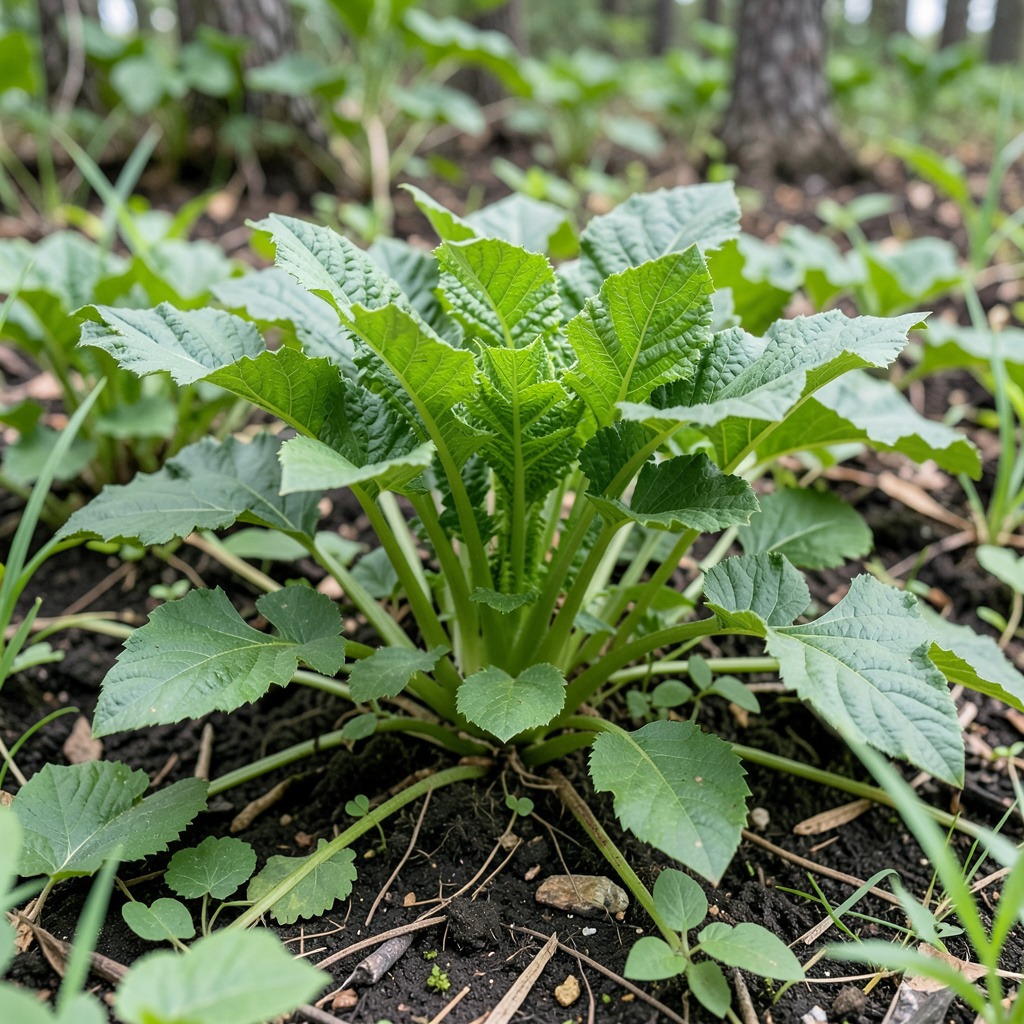
The poke plant, known scientifically as Phytolacca americana, has deep roots in both Native American culture and Southern culinary traditions. Its historical significance extends beyond mere sustenance, reflecting resilience and adaptability in times of hardship.
Poke Plant in Native American Culture
Native American tribes have utilized pokeweed for centuries. They recognized its potential as both a food source and a medicinal plant. Young shoots were consumed after thorough cooking, while the berries served as natural dyes for textiles. The plant’s historical importance is underscored by its role in traditional medicine, where roots were prepared with care for their purported healing properties.
Anecdotes from cultural historians reveal that pokeweed was a staple during lean seasons, symbolizing survival and resourcefulness. For instance, the Cherokee used pokeweed not only for nourishment but also in rituals, showcasing its cultural significance beyond the plate.
Southern Culinary Traditions: A Historical Overview
In the American South, poke salad or poke sallet became synonymous with culinary heritage. Traditionally prepared during food shortages, it remains a symbol of Southern resilience. Locals often serve it alongside cornbread or beans, reflecting its role as a filling, nutritious dish.
- Traditional Preparation:
- Young shoots must be double-boiled to remove toxins.
- After boiling, sauté in bacon grease for added flavor.
- Serve warm, often as a side dish.
Pokeweed festivals celebrate this rich history, though the focus has shifted over time. These events honor the plant’s culinary roots while fostering community spirit.
Modern Uses and Adaptations
Today, poke salad continues to adapt in modern cuisine. Chefs are revisiting traditional recipes, combining pokeweed with contemporary ingredients to create innovative dishes.
For example, a modern poke salad might include sautéed greens mixed with garlic, olive oil, and a splash of vinegar, highlighting its versatility. This adaptation not only preserves cultural heritage but also introduces pokeweed to newer generations.
Such transformations exemplify how traditional practices can evolve while maintaining their cultural essence.
Nutritional Benefits of Poke Plant
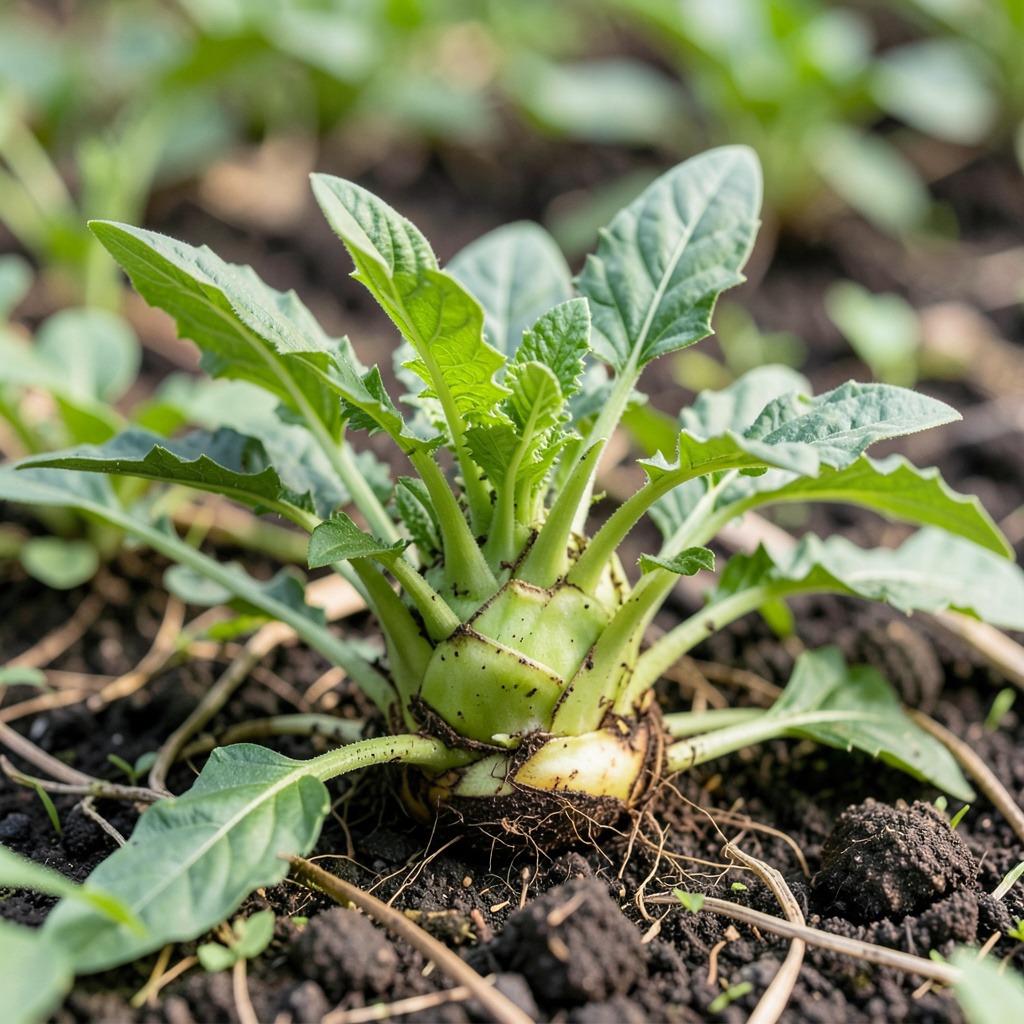
Poke plant, or pokeweed, offers a range of nutritional benefits, provided it is prepared safely. Understanding its vitamin and mineral content, alongside potential health benefits, is crucial for those considering its inclusion in their diet.
Vitamins and Minerals in Poke Plant
Poke plant is a source of several key vitamins and minerals:
- Vitamin A: Essential for vision and immune function.
- Vitamin C: Supports skin health and immune function.
- Calcium: Important for bone health and muscle function.
- Iron: Vital for oxygen transport in the blood.
These nutrients contribute to the plant’s appeal, but proper preparation is essential to reduce toxicity.
Potential Health Benefits
When consumed safely, poke plant may offer various health benefits:
- Immune Support: The vitamins A and C play a role in bolstering the immune system.
- Lymphatic Health: Traditional uses include lymphatic cleansing properties.
- Skin Health: The antioxidant properties of vitamins may enhance skin vitality.
However, moderation is key. Overconsumption or improper preparation can lead to toxicity, negating these benefits.
Risks vs. Rewards of Consumption
Risks:
- Toxicity: All parts of the poke plant are toxic if not prepared correctly. The root is particularly dangerous. Symptoms of poisoning can include nausea, vomiting, and even more severe reactions, particularly in children [11].
- Preparation Requirement: The leaves must be boiled multiple times to eliminate saponins and other toxic compounds.
Rewards:
- Nutritional Value: Poke plant can serve as a nutritious addition to meals if handled properly.
- Cultural Significance: Its historical use in traditional dishes adds to its appeal and culinary value.
| Nutrient | Poke Plant (per 100g) | Spinach | Kale |
|---|---|---|---|
| Vitamin A (IU) | 3,000 | 2,813 | 9,990 |
| Vitamin C (mg) | 55 | 28 | 120 |
| Calcium (mg) | 120 | 99 | 150 |
| Iron (mg) | 1.5 | 2.7 | 1.5 |
This comparison highlights poke plant’s competitive nutritional profile, particularly in vitamin A and calcium content. However, the risks associated with its consumption underscore the necessity of safe preparation practices.
Best Practices for Harvesting Poke Plant
Harvesting poke plant requires careful timing and knowledge of sustainable practices to ensure safety and maximize edibility. Understanding when and how to gather this wild green can enhance its culinary potential while minimizing risks.
When to Harvest Poke Plant
The best time to harvest poke plant is in the spring when young shoots are tender and less toxic. Avoid harvesting once the plant flowers or produces berries; at this stage, toxicity increases significantly.
- Spring: Ideal for young shoots.
- Summer: Avoid harvesting after flowering begins.
- Fall: The plant is at its most toxic.
Identifying Young Shoots
Proper identification of poke plant is crucial for safe harvesting. Young shoots are smooth, green, and may have reddish or purplish highlights. They typically grow in clusters and can reach up to 10 feet tall when mature. Recognizing these features helps differentiate pokeweed from toxic look-alikes like elderberry.
- Key Features of Young Shoots:
- Smooth green stem
- Reddish or purplish highlights
- Lance-shaped leaves
Sustainable Harvesting Practices
Sustainable harvesting ensures the longevity of pokeweed populations. When foraging, practice the following:
- Take Only What You Need: Harvest a small portion to minimize impact.
- Rotate Harvest Locations: Avoid over-harvesting in one area.
- Leave Roots Intact: Allow the plant to regrow for future seasons.
By adhering to these practices, foragers can enjoy poke plant while supporting ecological balance and ensuring future harvests.
Checklist for Safe Harvesting
- Identify young shoots accurately.
- Harvest in spring; avoid flowering plants.
- Practice sustainable methods to protect the ecosystem.
Following these best practices will enhance your experience with poke plant while prioritizing safety and sustainability.
Comparing Poke Plant to Other Edible Wild Greens
Poke plant, or pokeweed, is a unique wild green that requires careful preparation. To better understand its culinary role, we will compare it to other popular wild greens, focusing on preparation methods, toxicity, and culinary uses.
Poke Plant vs. Lamb’s Quarters
| Feature | Poke Plant | Lamb’s Quarters |
|---|---|---|
| Edibility | Requires thorough cooking | Edible raw or cooked |
| Preparation | Boil twice before sautéing | Can be used as salad greens |
| Toxicity | Toxic if raw, careful prep needed | Low toxicity, generally safe |
| Culinary Uses | Often made into poke salad | Used in salads, soups, and stir-fries |
Lamb’s quarters (Chenopodium album) is another common wild green. Unlike poke plant, it can be consumed raw without fear of toxicity. This distinction makes lamb’s quarters more versatile in culinary applications. Poke plant, however, is known for its rich flavor, especially when cooked properly.
Poke Plant vs. Dandelion Greens
| Feature | Poke Plant | Dandelion Greens |
|---|---|---|
| Edibility | Edible when properly prepared | Edible raw or cooked |
| Preparation | Must be boiled multiple times | Can be eaten raw, sautéed or steeped |
| Toxicity | Toxic if not prepared correctly | Low toxicity, safe to consume |
| Culinary Uses | Common in traditional Southern dishes | Used in salads, teas, and as greens |
Dandelion greens (Taraxacum officinale) are also widely consumed. They have a milder flavor and can be enjoyed in a variety of dishes. Unlike poke plant, dandelion greens do not require extensive preparation, making them more accessible for immediate use.
Unique Aspects of Poke Plant
Poke plant offers distinct characteristics that set it apart from other wild greens:
- Cultural Significance: Poke plant has a rich history in Southern cuisine, often associated with traditional dishes like poke salad. This cultural heritage adds to its culinary allure.
- Nutritional Value: Poke plant is rich in vitamins A and C, providing nutritional benefits when prepared correctly.
- Harvesting Tips: Young shoots are preferred for cooking, as older plants become more toxic. Harvest during spring when the leaves are tender and vibrant.
Understanding these comparisons helps clarify the unique qualities of poke plant and its role in foraging and cooking. Always prioritize safety and proper preparation when experimenting with any wild greens.
Alternatives to Poke Plant in Cooking
For those wary of the toxicity associated with poke plant, there are several safer alternatives that can be used in similar culinary applications. These plants provide similar flavors and nutritional benefits without the risks.
Common Edible Plants Similar to Poke Plant
1. Dandelion Greens
- Nutrient-rich and widely available.
- Can be used in salads or sautéed.
2. Lamb’s Quarters
- Similar taste to spinach.
- Great for cooking or adding to salads.
3. Chickweed
- Mild flavor suitable for fresh salads.
- Can also be cooked lightly.
4. Purslane
- Succulent and slightly tangy.
- Excellent in salads or as a garnish.
Each of these alternatives can be harvested safely and used in various recipes, providing an excellent substitute for poke plant.
How to Cook with Alternatives
When preparing these alternative greens, consider the following methods:
- Sautéing: Quickly cook with olive oil and garlic for a flavorful side dish.
- Boiling: Similar to poke salad, boil briefly to soften and reduce bitterness.
- Salads: Use raw greens like chickweed and dandelion to add freshness.
Benefits of Choosing Alternatives
Opting for these safer plants offers several advantages:
- Safety: Reduced risk of toxicity compared to poke plant.
- Nutritional Value: Many of these alternatives are high in vitamins A and C.
- Versatility: Easily incorporated into various dishes, from salads to casseroles.
By selecting these alternatives, you can enjoy the benefits of foraged greens while avoiding the potential dangers of poke plant.
Frequently Asked Questions
These quick answers cover the most common questions about this topic, including key details, practical tips, and common concerns.
What did Native Americans use pokeweed for?
Native Americans utilized pokeweed for both food and medicinal purposes. They consumed the young shoots after thorough cooking, which reduced the plant’s toxicity. Additionally, the berries were often used as natural dyes for textiles. The plant played a significant role in their diets, particularly during lean seasons, symbolizing resilience and resourcefulness in their culture.
Is pokeweed toxic if touched?
While touching pokeweed does not generally cause poisoning, it can lead to skin irritation due to its sap. It’s advisable to wear gloves when handling the plant to avoid any potential skin reactions. The primary concern with pokeweed lies in its ingestion; all parts of the plant are toxic if not prepared correctly.
Should I let pokeweed grow in my yard?
If pokeweed is growing in your yard, consider its potential risks and benefits. While it can be a source of food when prepared safely, it is also a toxic plant. If you choose to let it grow, ensure you can identify it accurately and know how to harvest and prepare it safely. Otherwise, it may be wise to remove it to prevent accidental poisoning, especially if children or pets are around.
Is pokeweed good for arthritis?
Pokeweed has been traditionally used in some cultures for its purported medicinal properties, including potential benefits for arthritis. However, scientific evidence supporting its effectiveness is limited. It’s crucial to consult with a healthcare professional before using pokeweed or any wild plant for medicinal purposes.
How can I safely harvest pokeweed?
To safely harvest pokeweed, focus on collecting young shoots in the spring before the plant flowers. Use gloves to protect your skin and ensure you only take a small amount to allow the plant to regrow. After harvesting, follow the proper cooking methods: boil the leaves twice for at least 10 minutes each time to reduce toxicity before consuming [2][6].
What parts of pokeweed are edible?
The young shoots and leaves of pokeweed are the only edible parts, but they must be cooked thoroughly to eliminate toxins. The roots and berries are highly toxic and should never be consumed. Always ensure you are harvesting the correct parts and that they are young and tender for safe consumption.
How does pokeweed compare to other edible wild plants?
Pokeweed requires careful preparation due to its toxicity, unlike many other edible wild plants such as lamb’s quarters and dandelion greens, which can be consumed raw. While pokeweed can be flavorful when cooked properly, its risks make it less versatile than these safer alternatives. For example, lamb’s quarters can be used in salads or cooked without extensive preparation, making them a more accessible choice for foragers.
What are safer alternatives to poke plant in cooking?
If you’re looking for safer alternatives to poke plant, consider dandelion greens, lamb’s quarters, or chickweed. These plants can be eaten raw or with minimal cooking, posing less risk than pokeweed. They offer similar nutritional benefits and can be easily incorporated into salads or cooked dishes, allowing you to enjoy foraged greens without the associated risks of pokeweed.
References
1. Invasive Plant: Pokeweed | Portland.gov
2. SS-AGR-123/AG254: Common Pokeweed
3. FVAP.gov
4. A Review of the Toxicity of HIV Medications – PMC
6. Poke Salad Recipe & Benefits | How to Prepare Poke Salad Safely
7. Phytolacca americana – Wikipedia
8. Your Garden Isn’t Done! What to Plant in September
9. Pokeweed poisoning: MedlinePlus Medical Encyclopedia
10. Home | U.S. Department of Education
11. [PDF] POKE (PHYTOLACCA AMERICANA) IMPORTANT SAFETY NOTE
12. Pokeweed | solvepest – Oregon State University
13. Pokeweed / Home and Landscape / UC Statewide IPM Program (UC …
14. portal.tbr.edu
15. Identifying and using wild greens in recipes – Facebook
16. Rhubarb Edible vs. Ornamental— Kindness Helps Heal