
Balsam fir trees are versatile, providing valuable resources for timber, essential oils, and ornamental purposes. Their unique properties make them ideal for various applications, from construction to aromatherapy. Additionally, they play a significant role in ecological systems, contributing to wildlife habitats.
Balsam fir (Abies balsamea) is a coniferous tree native to North America, particularly found in the northeastern United States and Canada. It is known for its distinctive fragrance, which comes from the resinous sap. The tree can reach heights of up to 60 feet and has a narrow, conical shape. Balsam firs thrive in cold, moist climates, making them well-suited for mountainous regions and boreal forests.
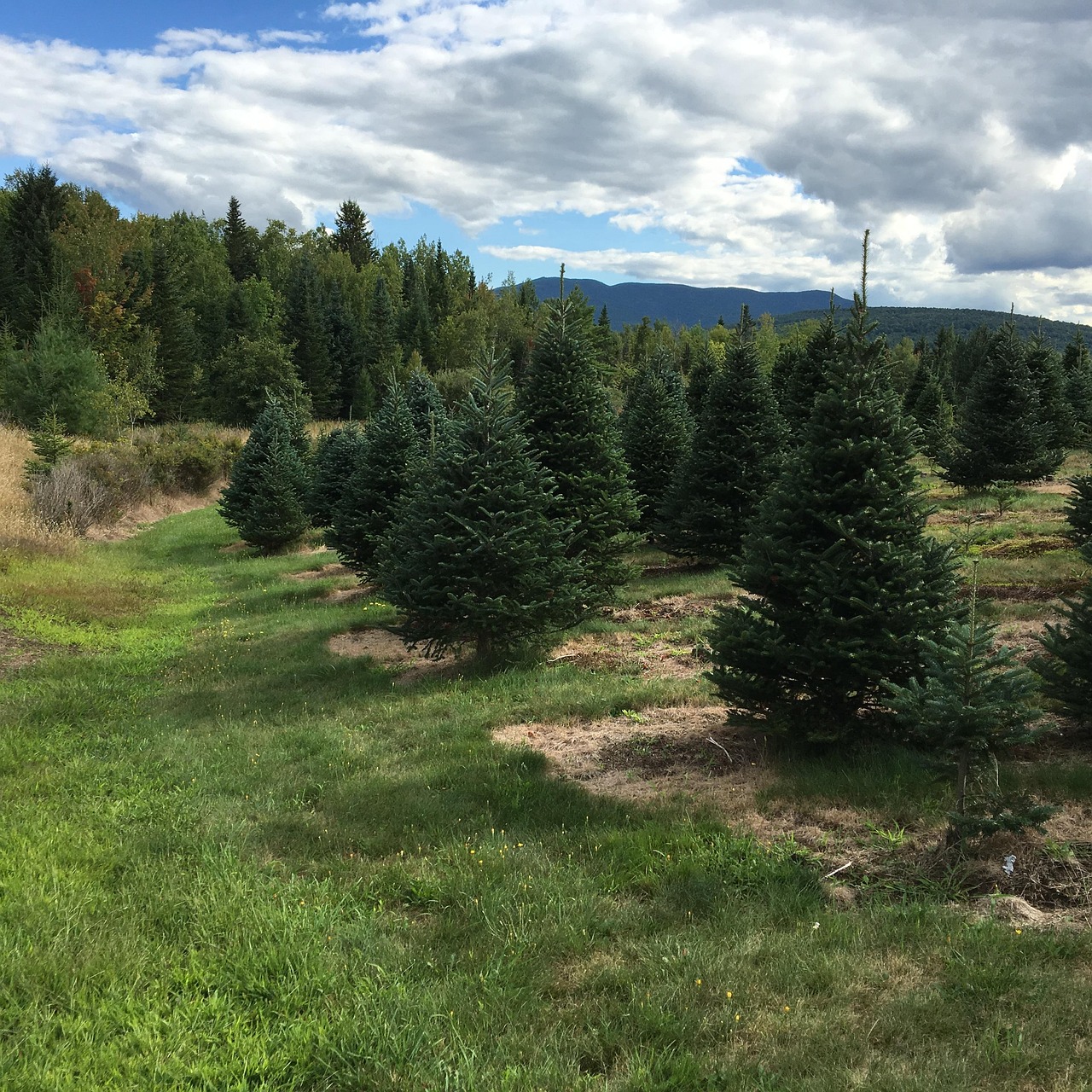
These trees have been utilized for centuries by Indigenous peoples and early settlers. They have practical uses in various fields, including construction, medicine, and landscaping. The following sections will explore these uses in detail.
Timber and Building Materials
Balsam fir wood is lightweight yet strong, making it an excellent choice for various construction purposes. The wood is easily worked with tools and has a fine grain. Here are some common applications:
- Framing: Balsam fir is often used in framing due to its strength-to-weight ratio.
- Plywood: The wood is used to produce plywood sheets for furniture and structural applications.
- Millwork: Balsam fir is popular for moldings and trim due to its smooth finish.
- Cabinetry: The wood’s aesthetic appeal makes it suitable for cabinets and shelving.
In addition to its structural uses, balsam fir is also employed in the production of paper products. The fibers of the wood are useful for creating high-quality paper, contributing to the forestry industry’s economic value.
Essential Oils and Aromatherapy
The balsam fir tree is renowned for its essential oils, which are extracted from its needles and bark. These oils possess a range of benefits, making them popular in aromatherapy and natural health products. Key properties include:
- Antiseptic: Balsam fir oil has natural antiseptic properties that can help in wound care.
- Relaxation: The aroma is believed to promote relaxation and alleviate stress.
- Respiratory Relief: Inhalation of balsam fir oil can provide relief from respiratory issues.
The essential oil is commonly used in diffusers, bath products, and massage oils. Many people appreciate the refreshing scent reminiscent of Christmas trees, enhancing its popularity during the holiday season.
Ornamental Uses
Balsam fir trees are often planted as ornamental specimens in gardens and parks. Their attractive shape and fragrance make them desirable choices for landscaping. Some benefits of using balsam fir as an ornamental tree include:
- Aesthetic Appeal: The conical shape adds visual interest to landscapes.
- Wildlife Habitat: Balsam firs provide shelter and food for various wildlife species.
- Privacy Screens: When planted closely together, they can serve as effective privacy screens.
Many homeowners appreciate the tree’s ability to maintain its shape and size without much pruning. This quality makes it a low-maintenance option for those looking to enhance their outdoor spaces.
Cultural Significance
Balsam fir trees hold cultural significance in many communities. Indigenous peoples have used various parts of the tree for medicinal purposes and craft-making. The tree’s sap has been used to create traditional remedies and as an adhesive in craft projects.
In modern times, balsam firs are commonly used as Christmas trees due to their fragrant needles and symmetrical shape. Families around the world celebrate the holiday season by decorating these trees, creating cherished memories. This practice reflects the enduring connection between nature and cultural traditions.
| Use | Description |
|---|---|
| Timber | Lightweight wood ideal for construction and furniture. |
| Essential Oils | Aromatic oils used in aromatherapy and natural health products. |
| Ornamental | Popular for landscaping due to aesthetic appeal and low maintenance. |
| Cultural | Significant in traditions, especially as Christmas trees. |
The versatility of balsam fir trees showcases their importance across different sectors. From providing essential resources to enhancing cultural practices, these trees continue to be valuable assets in our environment.
Ecological Benefits of Balsam Fir Trees
Balsam fir trees play a crucial role in their ecosystems. They not only provide shelter and food for various wildlife species but also contribute to ecological balance. Understanding these benefits is essential for appreciating the full value of balsam firs beyond their practical uses.
Habitat for Wildlife
Balsam firs are integral to forest ecosystems. They serve as habitats for numerous species, including birds, mammals, and insects. Some key points about their role as wildlife habitat include:
- Nesting Sites: The dense foliage offers protection and nesting opportunities for birds such as chickadees and woodpeckers.
- Food Source: Many animals rely on balsam fir seeds, needles, and buds as a food source during different seasons.
- Cover: The branches provide cover for small mammals like deer and rabbits, helping them evade predators.
This biodiversity contributes to a healthier ecosystem, promoting stability and resilience against environmental changes.
Carbon Sequestration
Like all trees, balsam firs absorb carbon dioxide from the atmosphere. This process, known as carbon sequestration, is vital for mitigating climate change. Some important aspects of this function include:
- Oxygen Production: Through photosynthesis, balsam firs release oxygen, improving air quality.
- Carbon Storage: The biomass of the tree stores carbon, reducing greenhouse gases in the atmosphere.
- Climate Regulation: Forests help regulate local and global climates by influencing temperature and precipitation patterns.
The ability of balsam fir trees to sequester carbon makes them an important asset in combating climate change and promoting environmental sustainability.
Medicinal Uses of Balsam Fir
Balsam fir trees have been utilized for their medicinal properties for centuries. Various parts of the tree, including the needles, bark, and resin, contain compounds that offer health benefits. Here are some notable medicinal uses:
Traditional Remedies
Indigenous peoples have long used balsam fir in traditional medicine. Some common applications include:
- Wound Healing: The sap can be applied to cuts and scrapes due to its antiseptic properties.
- Respiratory Health: Inhaling steam infused with balsam fir oil can help relieve congestion and respiratory discomfort.
- Pain Relief: The resin may be used in poultices to alleviate joint pain and inflammation.
The natural compounds in balsam fir have garnered interest from researchers exploring modern applications of these traditional remedies.
Essential Oil Extraction
The essential oil derived from balsam fir is highly valued in aromatherapy. Its calming aroma is often used for relaxation and stress relief. Key benefits of balsam fir essential oil include:
- Calming Effects: The scent promotes a sense of peace and tranquility when diffused or inhaled.
- Antimicrobial Properties: Balsam fir oil exhibits antimicrobial effects, making it useful in natural cleaning products.
- Muscle Relaxation: When blended with carrier oils, it can be applied topically to soothe sore muscles.
The therapeutic properties of balsam fir essential oil make it a popular choice among wellness enthusiasts seeking natural remedies.
Balsam Fir in Forestry Practices
Balsam fir trees are also significant in sustainable forestry practices. Their fast growth rate and adaptability make them suitable for reforestation and timber production. Some aspects of their role in forestry include:
- Sustainable Harvesting: Balsam fir can be harvested sustainably, ensuring forest regeneration and environmental protection.
- Diversity in Plantations: Including balsam fir in mixed-species plantations promotes biodiversity and ecosystem health.
- Erosion Control: Their root systems help stabilize soil, preventing erosion in mountainous areas.
The inclusion of balsam fir in forestry initiatives supports both economic growth and ecological preservation, illustrating its multifaceted value.
Culinary Applications
Interestingly, balsam fir also finds its way into culinary applications. While not as common as other culinary herbs, its unique flavor has been embraced by some chefs. Here are a few ways balsam fir is utilized in cooking:
- Balsam Fir Tea: The needles can be brewed into a refreshing herbal tea rich in vitamin C.
- Culinary Garnish: Sprigs of balsam fir can be used as a garnish for dishes, adding a piney flavor.
- Syrup Production: Infusing sugar with balsam fir needles creates a unique syrup for desserts or cocktails.
This culinary diversity adds yet another layer to the practical uses of balsam fir, showcasing its wide-ranging benefits across multiple sectors.
Craft and Decorative Uses of Balsam Fir
Balsam fir trees are not only functional in ecological and culinary contexts; they also have significant applications in crafts and decoration. The unique properties of their wood and foliage make them popular choices for various artistic and practical projects. This section explores several craft and decorative uses of balsam fir.
Woodworking and Crafting
The wood of the balsam fir is light, pliable, and easy to work with, making it ideal for a variety of woodworking projects. Some popular applications include:
- Wooden Toys: Craftsmen often use balsam fir to create durable and lightweight toys for children.
- Carvings: The fine grain allows for intricate carvings, making it a favorite among wood artists.
- Furniture: Small pieces of furniture, such as stools or side tables, can be crafted from balsam fir.
These projects not only highlight the wood’s utility but also its aesthetic appeal. The natural finish showcases the tree’s beautiful patterns and colors.
Natural Decorations
Balsam fir foliage is commonly used in holiday decorations and floral arrangements. Here are some ways it enhances seasonal decor:
- Wreaths: Fresh balsam fir branches are used to create fragrant wreaths for doors, symbolizing hospitality.
- Garlands: The greenery is often strung together to decorate mantels, staircases, and windows during the holiday season.
- Centerpieces: Balsam fir sprigs can be included in centerpieces, adding a festive touch to dining tables.
The pleasant aroma of balsam fir enhances the sensory experience of these decorations, making them even more appealing.
Environmental Restoration and Conservation
Balsam fir trees also play an essential role in environmental restoration efforts. Their ability to thrive in specific climates makes them suitable for reforestation projects. Some important aspects of their use in conservation include:
Erosion Control
The root systems of balsam fir trees help stabilize soil in hilly or mountainous regions. This stability prevents soil erosion and promotes healthier ecosystems. Key points about their impact on erosion control are:
- Soil Retention: The extensive root network helps retain soil moisture and nutrients.
- Water Conservation: By preventing runoff, balsam firs allow water to percolate into the ground, supporting local hydrology.
Reforestation Initiatives
Balsam fir is often included in reforestation initiatives due to its fast growth and adaptability. Some benefits of using balsam fir in these projects include:
- Diversity Enhancement: Planting balsam fir alongside other species promotes biodiversity within forest ecosystems.
- Wildlife Restoration: As previously mentioned, these trees provide habitat for various wildlife species, aiding in ecological restoration.
Incorporating balsam fir into reforestation efforts supports long-term forest health and sustainability.
Balsam Fir in Sustainable Landscaping
Balsam fir trees are an excellent choice for sustainable landscaping due to their low maintenance requirements and ecological benefits. Here are some ways they contribute to sustainable practices:
- Native Planting: Balsam fir is native to many regions, making it a suitable choice for local landscaping that supports native wildlife.
- Shade Provision: These trees provide shade, helping to cool surrounding areas and reduce energy consumption in nearby buildings.
- Air Quality Improvement: Balsam firs filter pollutants from the air, improving overall air quality.
By incorporating balsam fir into landscaping designs, homeowners can create beautiful outdoor spaces that are both functional and environmentally friendly.
Commercial Uses of Balsam Fir Products
The commercial value of balsam fir extends beyond timber and essential oils. Various products derived from balsam fir have found a niche in the market. Some notable commercial applications include:
| Product | Description |
|---|---|
| Balsam Fir Oil | Aromatic oil used in perfumes, candles, and cosmetics. |
| Balsam Fir Resin | Used in traditional medicine and as an adhesive in crafts. |
| Balsam Fir Wood Products | Sourced for furniture, crafts, and building materials. |
| Balsam Fir Tea | An herbal tea made from the needles, rich in antioxidants. |
The commercial uses of balsam fir not only support local economies but also promote sustainable practices by utilizing renewable resources.
As we have explored throughout this article, balsam fir trees are remarkable for their wide-ranging applications and benefits. From their ecological importance to their uses in crafts, medicine, and commerce, these trees provide significant value to both the environment and human activities. Their role in supporting wildlife, mitigating climate change, and offering sustainable materials is indispensable.
Innovative Uses of Balsam Fir
In addition to the established uses mentioned earlier, innovation continues to drive new applications for balsam fir. Researchers and entrepreneurs are exploring exciting ways to utilize this tree’s resources. Some of the noteworthy innovative uses include:
- Biodegradable Packaging: The wood fibers can be processed into biodegradable packaging materials, providing an eco-friendly alternative to plastic.
- Natural Insect Repellent: Extracts from balsam fir have shown potential as natural insect repellents, offering a chemical-free alternative for pest control.
- Biofuel Production: Leftover wood from balsam fir harvesting can be converted into biofuels, providing renewable energy sources while reducing waste.
These innovations highlight the versatility of balsam fir and emphasize the importance of sustainably utilizing forest resources to meet modern challenges.
The Future of Balsam Fir Trees
The future of balsam fir trees looks promising as society increasingly values sustainability and environmental stewardship. As awareness grows regarding the ecological benefits of forests, the demand for sustainably sourced products will likely rise. Balsam firs will continue to play a vital role in this movement due to their adaptability and utility.
Forestry management practices are evolving to prioritize biodiversity and ecosystem health. This will ensure that balsam fir populations remain stable and can be harvested sustainably. Additionally, ongoing research into the medicinal properties of balsam fir may unlock new applications in health and wellness sectors.
Final Thoughts
Balsam fir trees are a testament to nature’s ability to provide diverse resources that benefit both ecosystems and human society. Their practical uses range from timber and essential oils to ornamental applications and environmental restoration. As we continue to explore sustainable practices and innovative solutions, the importance of balsam fir will only grow.
By appreciating and utilizing balsam fir responsibly, we can significantly contribute to preserving our forests for future generations. The multifaceted value of these trees emphasizes the need for a holistic approach to forest management that balances economic interests with ecological health. Ultimately, embracing the full potential of balsam fir trees can lead us toward a more sustainable future, enriching both our lives and the environment.