
The Prairie Fire crabapple tree offers stunning seasonal beauty and exceptional disease resistance, but it can face challenges like pest susceptibility and specific maintenance needs.
Table of Contents
The Prairie Fire crabapple tree is renowned for its vibrant blooms and resilient nature. However, before deciding to plant, it’s essential to weigh its advantages and disadvantages to ensure it fits your landscape and maintenance preferences.

Introduction to the Prairie Fire Crabapple Tree
The Prairie Fire crabapple tree, scientifically known as Malus ‘Prairifire’, is a standout among ornamental trees. Its vibrant blooms and robust nature make it a favored choice for gardeners seeking beauty and resilience.
Unique Characteristics of Prairie Fire Crabapple
- Aesthetic Appeal: The Prairie Fire crabapple is celebrated for its profusion of deep pink to crimson flowers that bloom in mid-spring. These blossoms create a stunning visual impact, often described as the tree appearing “on fire,” which is how it got its name.
- Disease Resistance: This variety is bred for improved resistance to common diseases like apple scab, fire blight, and cedar-apple rust. This resistance helps maintain its health and appearance throughout the growing season, minimizing maintenance efforts.
- Moderate Growth and Size: Prairie Fire crabapple trees typically grow to a manageable height and spread, making them suitable for various garden sizes. Their predictable mature size allows for easier planning in landscape design.
Benefits for Wildlife and Ecosystems
- Pollinator-Friendly: The abundant flowers attract various pollinators, including bees and butterflies. This ecological benefit enhances local biodiversity and supports garden health.
- Habitat Creation: As an ornamental tree, the Prairie Fire crabapple contributes to the habitat for birds and other wildlife, providing shelter and food sources.
Ideal Growing Conditions and Care
- Hardiness: This tree thrives in USDA hardiness zones 3b through 8a, making it adaptable to a wide range of climates across the continental United States and southern Canada.
- Maintenance Requirements: Established Prairie Fire trees require minimal fertilization and are generally low-maintenance. Regular watering and occasional pruning for shape are typically sufficient to keep them healthy.
- Soil and Sunlight Needs: For optimal growth, plant in well-drained soil and full sun to partial shade. Ensure adequate spacing to prevent competition with underplanting.
When selecting the Prairie Fire crabapple for your landscape, consider its benefits, care needs, and ecological contributions to ensure it aligns with your gardening goals.
Pros of the Prairie Fire Crabapple Tree
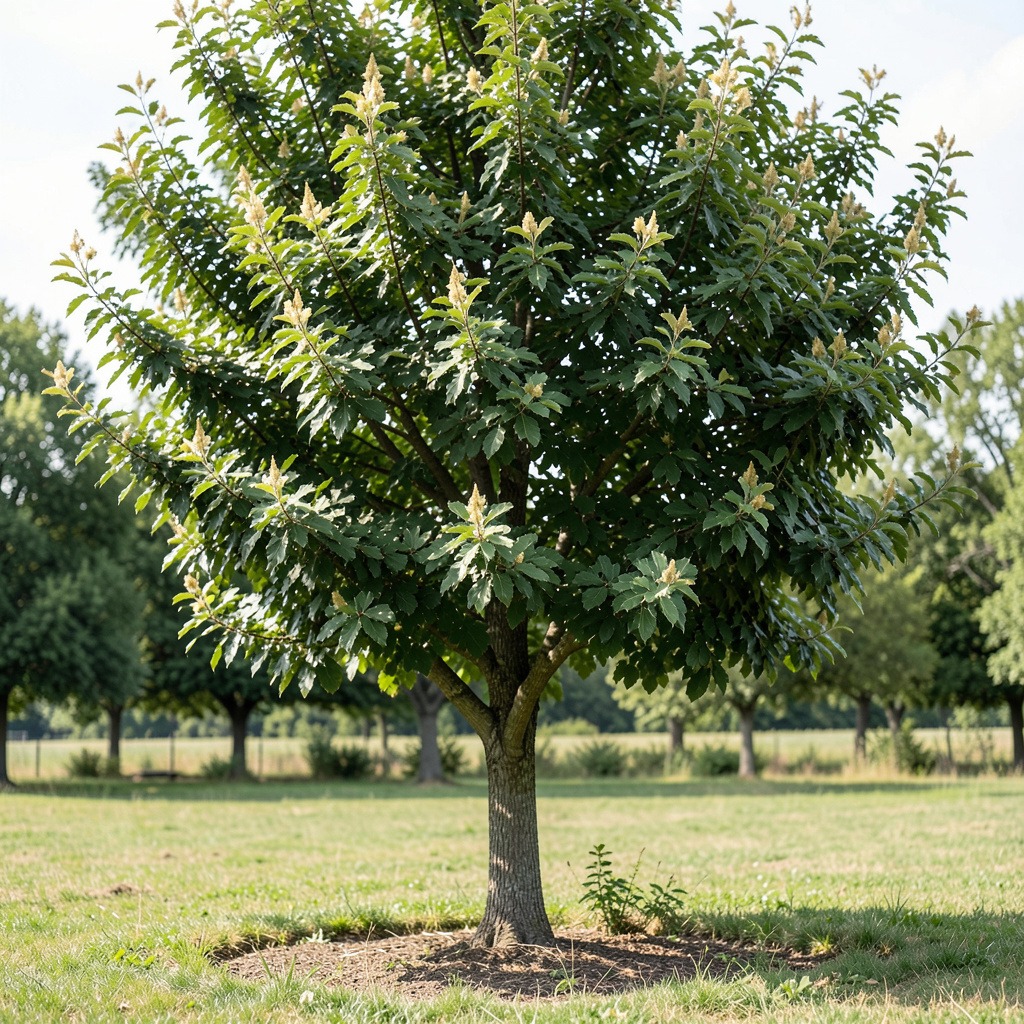
The Prairie Fire crabapple tree offers numerous benefits that make it a valuable addition to any landscape. Its stunning aesthetics, robust disease resistance, and ability to support local wildlife enhance its appeal for gardeners.
Exceptional Spring Flowering Display
In mid-spring, the Prairie Fire crabapple bursts into a spectacular display of deep pink to crimson flowers. This abundance of blooms covers the entire canopy before leaves fully emerge, creating a dramatic visual impact. The vibrant colors can be a striking focal point in any garden, drawing attention from passersby.
Outstanding Disease Resistance
One of the most significant advantages of the Prairie Fire crabapple is its resistance to common diseases. Unlike older crabapple varieties susceptible to apple scab, fire blight, and cedar-apple rust, this cultivar has been bred for resilience. This means less worry about defoliation and fewer maintenance headaches. Gardeners can enjoy healthier trees with reduced need for fungicide sprays.
Year-Round Ornamental Interest
Beyond its spring display, the Prairie Fire crabapple maintains aesthetic value throughout the seasons. Its leaves transition from reddish-purple to bronze-green, adding color well into the summer. In the fall, the foliage turns a striking yellow-orange, providing seasonal interest. Additionally, the tree attracts various wildlife, including pollinators like bees and butterflies, which seek out its blossoms for nectar.
Benefits Checklist
- Spring Blooms: Abundant deep pink to crimson flowers.
- Disease Resistance: Bred to combat major pathogens effectively.
- Seasonal Foliage: Colorful leaves that change with the seasons.
- Wildlife Support: Attracts pollinators and provides habitat.
By choosing the Prairie Fire crabapple, gardeners can ensure not only a pleasing aesthetic but also a resilient and ecologically supportive addition to their landscapes.
Cons of the Prairie Fire Crabapple Tree
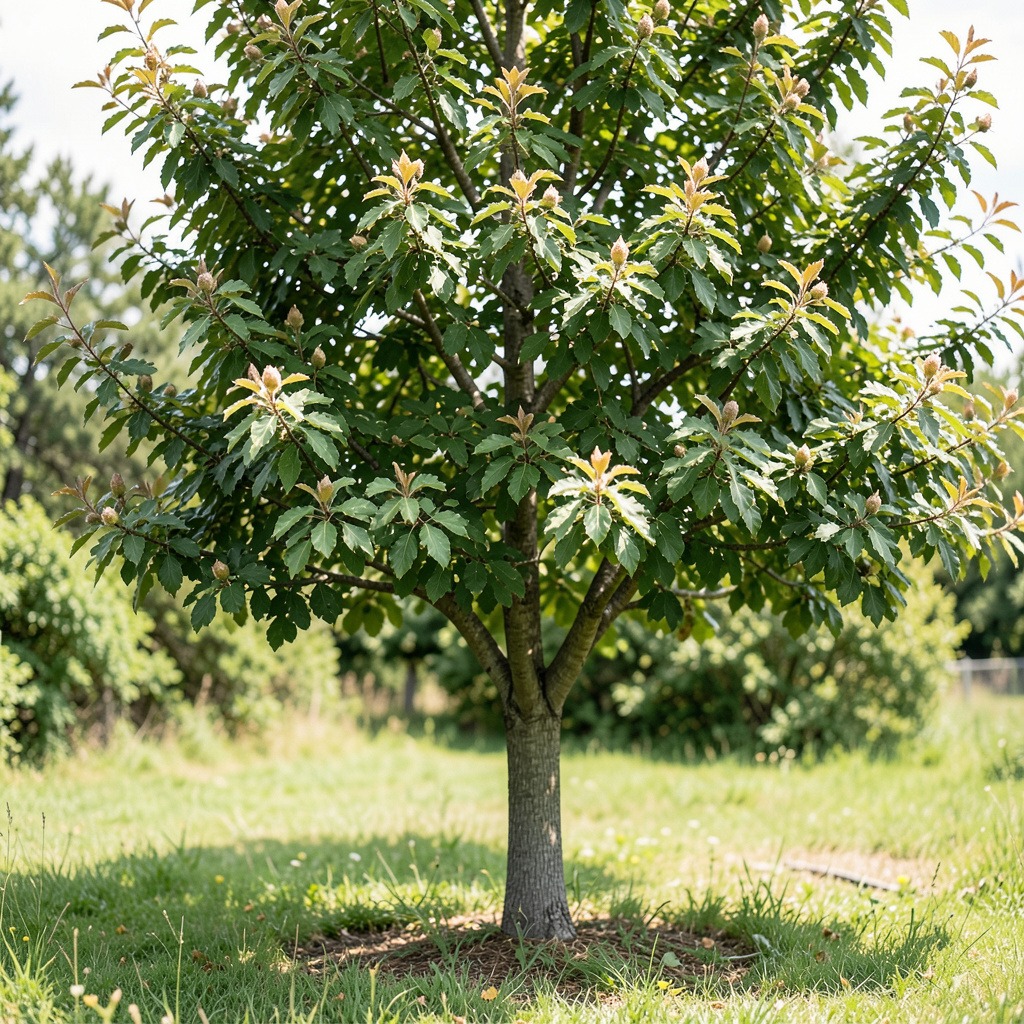
While the Prairie Fire crabapple tree offers numerous benefits, it is important to consider its potential downsides. Understanding these challenges can help gardeners make informed decisions about their landscape choices.
Pest Susceptibility
The Prairie Fire crabapple tree, despite its robust nature, is not immune to pests. Common pests include:
- Aphids: These small insects can weaken the tree by sucking sap, particularly during dry spells.
- Scale Insects: These pests can coat the bark and foliage, leading to further stress on the tree.
- Tent Caterpillars: They can defoliate the tree if not managed early.
- Japanese Beetles: In regions where they are prevalent, these beetles can damage the foliage, further compromising the tree’s health.
To mitigate these issues, regular monitoring and proactive pest management strategies, such as introducing beneficial insects or applying organic pesticides, can be effective.
Maintenance Requirements
Maintaining a healthy Prairie Fire crabapple tree involves certain considerations:
- Pruning: Regular pruning is necessary to maintain structure and air circulation. This practice also helps in disease management.
- Watering: The tree requires consistent moisture, especially during dry spells. Drought stress can lead to increased pest susceptibility.
- Soil Quality: Ensuring well-draining soil is critical. Compact or poor-quality soil can hinder growth and increase competition with grass and other plants.
Gardeners should be prepared to invest time in these maintenance tasks to ensure the tree thrives.
Size Limitations for Small Spaces
The Prairie Fire crabapple tree typically reaches 15 to 25 feet in height and spreads 10 to 15 feet wide. This size can pose challenges in smaller landscapes:
- Root Competition: Its moderately competitive root system may inhibit the growth of grass and other plants beneath its canopy.
- Surface Roots: In compacted soils, the tree can develop surface roots that complicate mowing and landscaping efforts.
For small gardens, consider alternative planting strategies, such as placing the tree away from pathways or using groundcovers that can coexist with the tree’s roots.
Ideal Growing Conditions for Prairie Fire Crabapple

The Prairie Fire crabapple tree thrives under specific conditions that enhance its growth and visual appeal. Understanding these requirements can help you create an ideal environment for this ornamental tree.
Soil Preferences
The Prairie Fire crabapple is adaptable but prefers well-drained soil. Here are its key soil preferences:
- Soil Type: Tolerates clay, loamy, and sandy soils.
- pH Levels: Thrives in slightly acidic to neutral soils (pH 6.0 to 7.0).
- Drainage: Requires excellent drainage; waterlogged conditions can lead to root rot.
Sunlight and Water Needs
This tree flourishes with the right amount of sunlight and water:
- Sunlight: Prefers full sun, ideally receiving 6 to 8 hours of direct sunlight daily. This promotes abundant flowering and healthy foliage.
- Watering: Regular watering is essential during the establishment phase. Once established, the Prairie Fire crabapple is relatively drought-tolerant.
Hardiness Zones
The Prairie Fire crabapple is versatile in terms of climate adaptability:
- Hardiness Zones: Suitable for USDA hardiness zones 3b through 8a. This range covers much of the continental United States, making it a viable option for various climates.
Comparison Table of Ideal Conditions
| Condition | Prairie Fire Crabapple | Other Common Ornamental Trees |
|---|---|---|
| Soil Type | Clay, Loamy, Sandy | Varies; often prefers loamy |
| pH Level | 6.0 – 7.0 | Often prefers neutral |
| Sunlight | Full Sun (6-8 hours) | Varies; many prefer full sun |
| Hardiness Zones | 3b – 8a | Varies widely |
By meeting these growing conditions, you can ensure that your Prairie Fire crabapple tree thrives and adds seasonal interest to your landscape.
Caring for Your Prairie Fire Crabapple Tree
Maintaining your Prairie Fire crabapple tree involves understanding its pruning needs, fertilization guidelines, and pest management strategies. Proper care ensures its health and visual appeal throughout the seasons.
Pruning Techniques
Pruning is essential for maintaining the shape and health of your Prairie Fire crabapple. Here are some effective techniques:
- Timing: Prune in late winter or early spring before new growth begins.
- Remove Dead or Diseased Wood: Cut away any branches that are dead, diseased, or crossing. This encourages healthy growth and airflow.
- Thin the Canopy: Lightly thin out crowded branches to enhance sunlight penetration and air circulation.
Regular pruning helps maintain the tree’s natural rounded form while promoting overall vitality.
Fertilization Guidelines
The Prairie Fire crabapple has low fertilizer needs once established. Here’s how to manage its nutritional requirements:
- Initial Years: Apply a balanced fertilizer in early spring for young trees during their first two to three years.
- Soil Health: Focus on maintaining healthy soil biology. Healthy soil typically provides sufficient nutrients for mature trees.
- Signs of Nutrient Deficiency: Yellowing leaves or stunted growth may indicate a need for fertilizer. In such cases, a light application can be beneficial.
Pest Control Strategies
Despite its disease resistance, the Prairie Fire crabapple is susceptible to certain pests. Effective management strategies include:
- Regular Inspections: Check for signs of aphids, scale insects, and tent caterpillars, especially during dry spells.
- Natural Predators: Encourage beneficial insects like ladybugs to control aphid populations.
- Insecticidal Soap: For severe infestations, consider using insecticidal soap as a targeted treatment.
User testimonials often emphasize the importance of proactive pest management. Many gardeners report that timely intervention and regular monitoring keep their trees healthy and thriving.
By following these guidelines, you can ensure your Prairie Fire crabapple remains a stunning focal point in your landscape while minimizing maintenance challenges.
Prairie Fire Crabapple vs. Other Popular Crabapple Varieties
Understanding how the Prairie Fire crabapple compares to other varieties can help you choose the best tree for your landscape. This comparison focuses on visual appeal, disease resistance, and wildlife benefits.
Visual Appeal
The Prairie Fire crabapple stands out for its stunning mid-spring blooms. The tree showcases deep pink to crimson flowers that create a vibrant display, making it a popular choice among gardeners. In contrast, other varieties like the ‘Snowdrift’ produce white flowers, which provide a different aesthetic.
| Variety | Flower Color | Bloom Time |
|---|---|---|
| Prairie Fire | Deep pink to crimson | Mid-spring |
| Snowdrift | White | Late spring |
| Red Jewel | Dark red | Mid-spring |
Disease Resistance
One of the primary advantages of the Prairie Fire crabapple is its disease resistance. It is notably less susceptible to apple scab, fire blight, and cedar-apple rust, which can plague older cultivars. For gardeners looking for low-maintenance options, this trait is particularly valuable.
| Variety | Disease Resistance | Maintenance Level |
|---|---|---|
| Prairie Fire | High | Low |
| Dolgo | Moderate | Moderate |
| Red Jewel | Low | High |
Wildlife Benefits
The Prairie Fire crabapple also plays a significant role in supporting local ecosystems. Its blossoms attract pollinators, while the small fruit provides food for birds and other wildlife. This ecological benefit is comparable to other varieties, but the combination of visual appeal and wildlife support makes Prairie Fire particularly desirable.
| Variety | Attracts Pollinators | Provides Wildlife Food |
|---|---|---|
| Prairie Fire | Yes | Yes |
| Snowdrift | Yes | Yes |
| Dolgo | Yes | Yes |
Decision Framework
When choosing between the Prairie Fire crabapple and other varieties, consider the following factors:
1. Visual Preference: Do you prefer vibrant colors or subtle whites?
2. Maintenance: Are you looking for a disease-resistant tree with lower upkeep?
3. Ecological Impact: How important is it for your tree to attract wildlife?
By weighing these elements, you can make an informed decision that aligns with your landscape goals.
Conclusion: Is the Prairie Fire Crabapple Right for You?
The Prairie Fire crabapple offers unique benefits and challenges for gardeners. Understanding these factors can help you decide if this tree meets your landscape needs.
Key Benefits of Prairie Fire Crabapple
- Seasonal Color: Retains reddish-purple foliage throughout the growing season.
- Spectacular Blooms: Produces deep pink to crimson flowers in mid-spring, creating a stunning visual impact.
- Disease Resistance: Exhibits robust resistance to common crabapple diseases, ensuring a healthier tree.
- Wildlife Attraction: Supports local ecosystems by providing food and habitat for pollinators and other wildlife.
- Size Adaptability: Fits well in smaller urban spaces, averaging 15-20 feet in height and width.
Considerations for Growth
- Root Management: In compacted soils, surface roots may develop, complicating lawn maintenance. Choose planting sites with adequate soil volume to minimize this issue.
- Climate Suitability: Thrives in USDA hardiness zones 3b through 8a, making it versatile but with preferences for distinct seasonal climates.
Decision-Making Framework
When evaluating the Prairie Fire crabapple, consider these factors:
1. Visual Appeal: Do you value vibrant colors throughout the year?
2. Maintenance Needs: Are you looking for a low-maintenance, disease-resistant option?
3. Ecological Goals: How important is it for your tree to attract wildlife and support local ecosystems?
4. Space Availability: Do you have the right area to accommodate potential surface roots?
By carefully weighing these aspects, you can determine if the Prairie Fire crabapple aligns with your gardening ambitions and landscape design goals.
Frequently Asked Questions
These quick answers cover the most common questions about this topic, including key details, practical tips, and common concerns.
What are the best growing conditions for a Prairie Fire crabapple?
Prairie Fire crabapple trees thrive in well-drained soil and prefer full sun, ideally receiving 6 to 8 hours of direct sunlight each day. They are adaptable to various soil types, including clay, loamy, and sandy soils, but they flourish best in slightly acidic to neutral pH levels (6.0 to 7.0). Ensure adequate spacing to prevent root competition with other plants.
How often should I prune my Prairie Fire crabapple?
Pruning should be done annually, preferably in late winter or early spring before new growth begins. Focus on removing dead or diseased branches and lightly thinning crowded areas to improve airflow and sunlight penetration. Regular pruning helps maintain the tree’s shape and encourages healthy growth.
What pests affect the Prairie Fire crabapple tree?
Common pests that may affect the Prairie Fire crabapple include aphids, scale insects, tent caterpillars, and Japanese beetles. Regular monitoring is crucial; look for signs of infestation, especially during dry spells. Implementing natural pest control methods, such as encouraging beneficial insects or using insecticidal soap, can help manage these pests effectively.
Can Prairie Fire crabapple trees be grown in containers?
Yes, Prairie Fire crabapple trees can be grown in containers, making them suitable for small spaces or patios. Choose a large container with good drainage and use high-quality potting soil. Ensure the tree receives adequate sunlight and water, as container plants may require more frequent watering than those planted in the ground.
What is the average lifespan of a Prairie Fire crabapple tree?
The average lifespan of a Prairie Fire crabapple tree is around 30 to 50 years, depending on growing conditions and care. With proper maintenance, including regular pruning, pest management, and adequate watering, these trees can remain healthy and vibrant for several decades.
What should readers know about visual examples of seasonal changes?
The Prairie Fire crabapple showcases stunning seasonal changes, from its vibrant deep pink to crimson flowers in mid-spring to its striking yellow-orange foliage in the fall. Observing these changes can enhance the visual appeal of your landscape throughout the year. Consider documenting these seasonal transitions with photos to appreciate the tree’s beauty over time.
What should readers know about user testimonials or experiences?
User testimonials often highlight the Prairie Fire crabapple’s stunning blooms and low maintenance needs. Many gardeners appreciate its disease resistance and ability to attract pollinators. However, some also mention challenges with pest management and root competition in smaller spaces. Reading reviews and experiences from other gardeners can provide valuable insights into the tree’s performance in various conditions.