
The Princess Kay plum tree offers stunning ornamental blooms and adaptability, making it a favored choice for landscaping.
Table of Contents
The Princess Kay plum tree, known for its exquisite double white blooms, is a popular ornamental choice among gardeners. While it brings beauty and versatility to landscapes, potential growers should consider its pros and cons to make an informed decision.
Overview of the Princess Kay Plum Tree
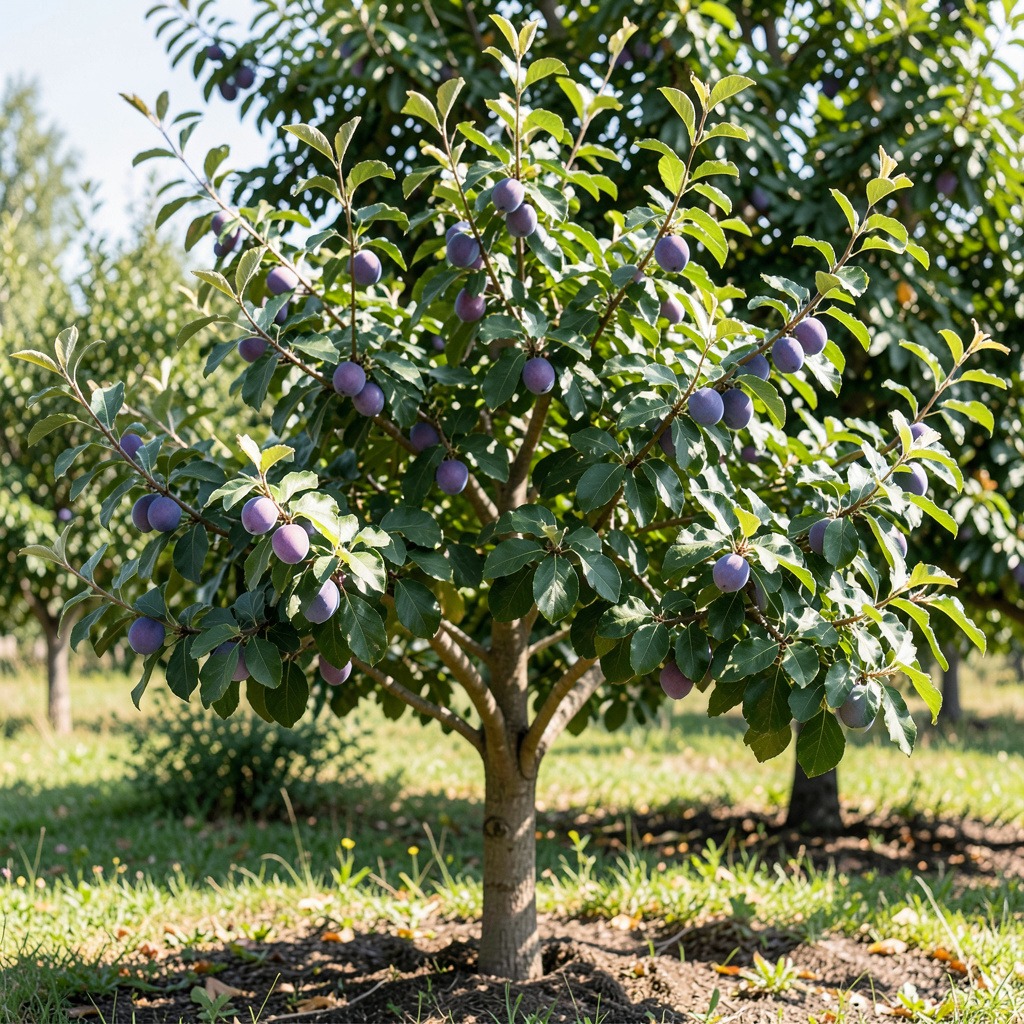
The Princess Kay plum tree, scientifically known as Prunus nigra, is celebrated for its ornamental beauty and versatility in various landscapes. This small deciduous tree is a popular choice among gardeners due to its stunning blooms and manageable size.
Scientific Classification and History
The Princess Kay plum tree belongs to the Prunus genus, which includes a variety of flowering trees. It was discovered in the wilds of Itasca County, Minnesota, by Catherine Kay and Robert Nyland. This tree was officially released for cultivation in 1986. Its unique double-petal flowers set it apart from other Canadian plums, making it a desirable choice for ornamental gardening.
Physical Appearance and Growth Habit
The Princess Kay plum tree typically reaches heights of 10 to 15 feet and maintains a width of about 10 feet. Its growth habit is characterized by a more upright structure, rather than a sprawling form. Key physical attributes include:
- Double White Flowers: Each bloom features twice as many petals as standard varieties, creating an impressive display.
- Fall Foliage: In autumn, the tree showcases vibrant orange-red leaves, enhancing its seasonal interest.
- Bark Texture: The shiny gray bark offers visual appeal year-round.
This tree thrives in various soil conditions but prefers well-drained environments. Its adaptability and cold hardiness make it suitable for hardiness zones 3 to 7.
Versatility in Ornamental Gardening
The Princess Kay plum tree’s compact size allows it to fit into small gardens and urban landscapes. It serves multiple functions:
- Aesthetic Appeal: The stunning spring blooms attract pollinators and add color to any garden.
- Low Maintenance: Its moderate growth rate and minimal pest issues make it an easy-care option.
- Functional Uses: While primarily ornamental, the tree produces edible fruit, although in lesser quantities compared to standard plum varieties.
These qualities make the Princess Kay plum tree a versatile choice for gardeners seeking beauty without the burden of extensive maintenance.
Pros of the Princess Kay Plum Tree
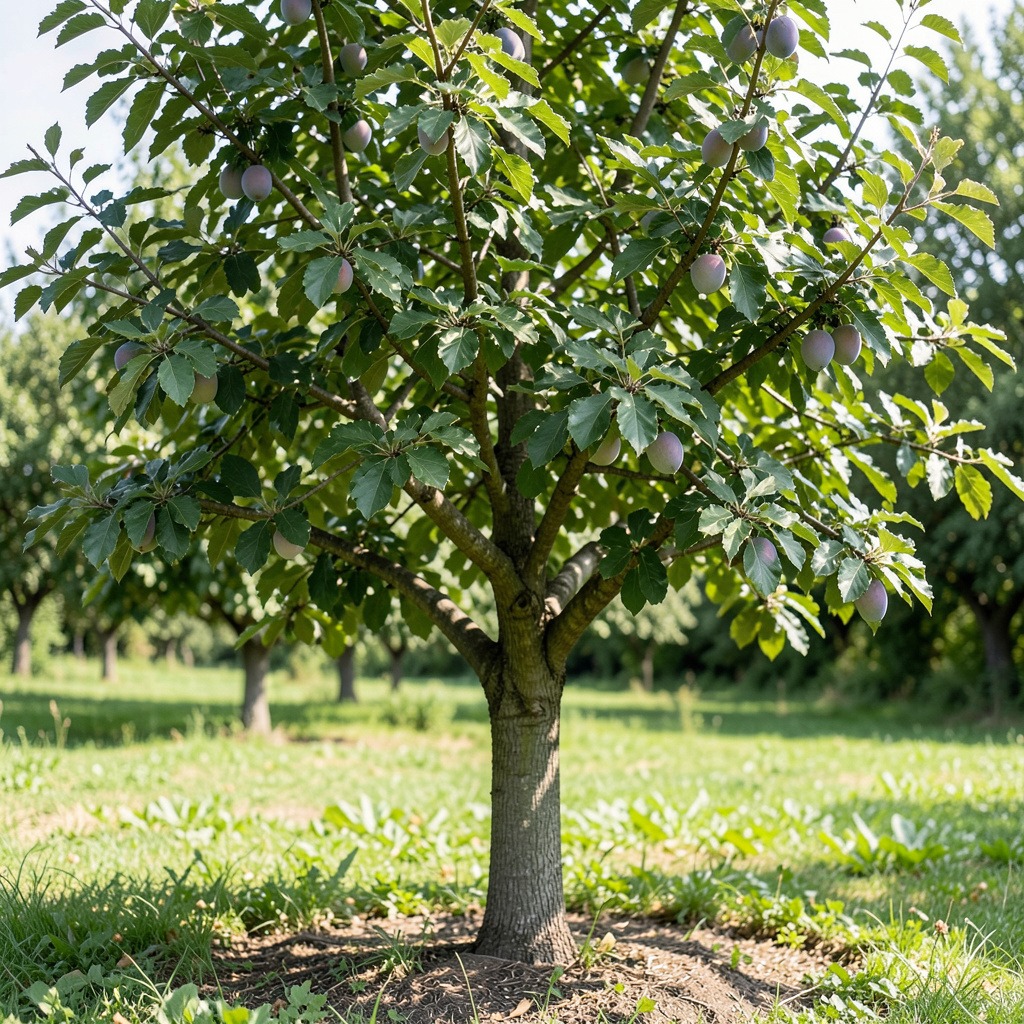
The Princess Kay plum tree offers numerous advantages for gardeners seeking a beautiful and adaptable ornamental tree. Its stunning blooms, seasonal interest, and compact size make it an excellent choice for various landscapes.
Stunning Spring Blooms
One of the most striking features of the Princess Kay plum tree is its double-petal white flowers. These blossoms cover the tree in spring, creating a breathtaking display that lasts about 10 days. The flowers attract pollinators, enhancing the biodiversity of your garden.
- Visual Appeal: The tree’s profusion of blooms adds instant beauty to any landscape.
- Pollinator Friendly: The flowers are a valuable food source for bees and other pollinators.
Four-Season Interest
The Princess Kay plum tree is a true four-season tree. It offers visual interest beyond its spring blooms:
- Vibrant Fall Foliage: In autumn, the leaves turn to a stunning orange-red, providing a beautiful contrast against the cool autumn skies.
- Interesting Bark: The shiny gun-barrel gray bark adds texture and visual appeal during winter months.
Compact Size for Small Spaces
This tree matures to a height of 12 to 15 feet and a width of about 10 feet. Its compact size makes it ideal for smaller gardens, urban settings, or near homes where space is limited.
- Adaptability: The Princess Kay plum thrives in USDA hardiness zones 3-9, making it suitable for a wide range of climates, from colder northern regions to milder areas.
- Low Maintenance: With minimal pest issues and a moderate growth rate, this tree requires less upkeep compared to larger varieties.
Comparison with Other Ornamental Trees
| Feature | Princess Kay Plum Tree | Other Ornamental Trees |
|---|---|---|
| Height | 12-15 feet | Varies widely |
| Blooming Season | Spring | Spring/Fall |
| Fall Color | Orange-red | Varies |
| Hardiness Zones | 3-9 | 5-9 |
| Maintenance Requirements | Low | Moderate to high |
The Princess Kay plum tree stands out for its combination of beauty, hardiness, and adaptability, making it a prime candidate for anyone looking to enhance their landscape with an ornamental tree.
Cons of the Princess Kay Plum Tree
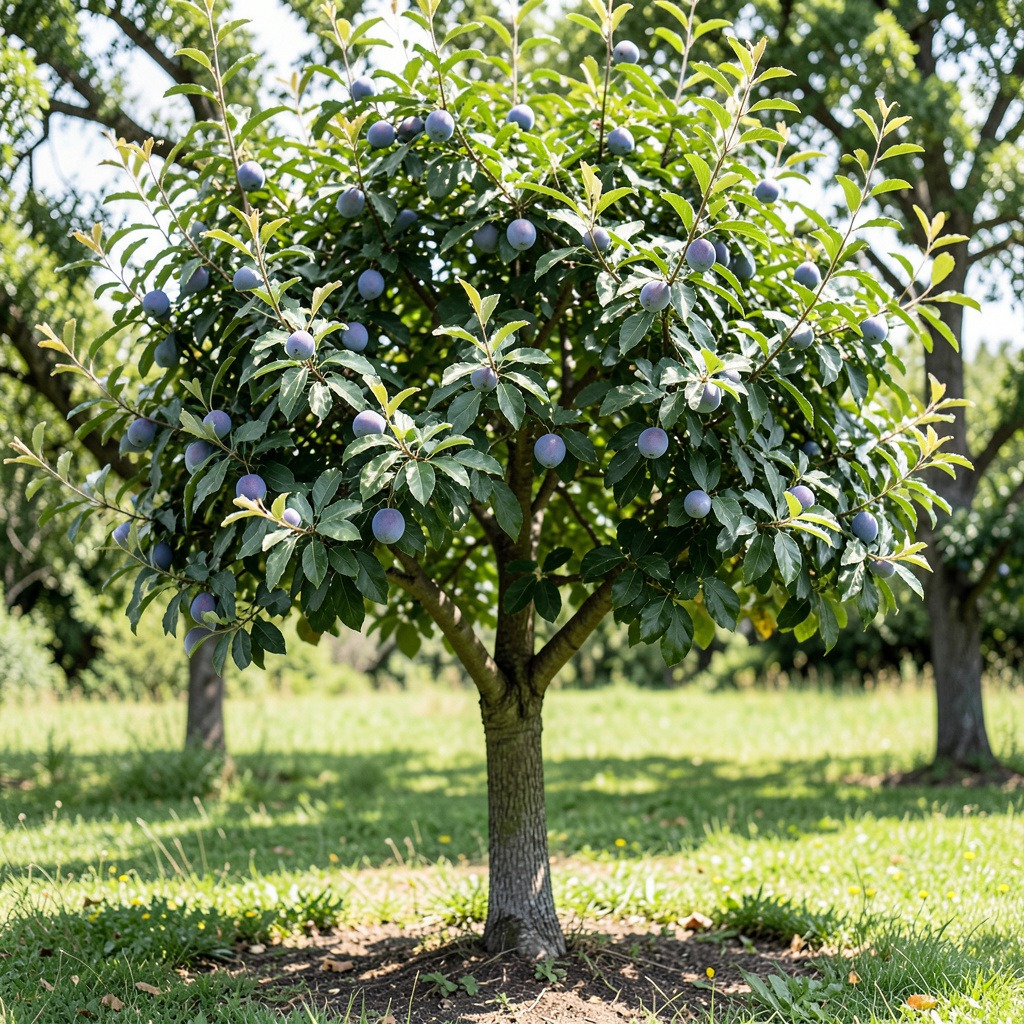
While the Princess Kay plum tree offers many benefits, it also presents some challenges for gardeners. Understanding these cons can help you decide if this tree suits your landscape.
Minimal Fruit Production
One notable drawback of the Princess Kay plum tree is its limited fruit production. Unlike typical plum trees, which yield a substantial harvest, this variety produces significantly less fruit.
- Fruit Quantity: The Princess Kay only yields about 20% of what standard plum trees produce.
- Fruit Size: The fruits are small, ranging from 1.25 to 1.5 inches in length.
- Fruit Use: Although edible, the fruit’s minimal quantity may not justify planting for fruit production alone.
If your goal is to enjoy abundant plums, consider other options or be prepared for modest yields.
Maintenance and Care Requirements
Although the Princess Kay plum tree is relatively low-maintenance, it still requires attention to thrive. Proper care ensures the tree remains healthy and vibrant.
- Pruning: Regular pruning is essential to maintain shape and promote air circulation. Aim to prune in late winter or early spring.
- Watering: Consistent moisture is vital, especially during dry spells. However, avoid waterlogging, as this can damage roots.
- Fertilization: Applying a balanced fertilizer in early spring can support healthy growth.
Sensitivity to Soil Conditions
The Princess Kay plum tree prefers specific soil conditions for optimal growth. Understanding these requirements is crucial.
- Soil Type: While adaptable, it thrives best in well-drained soils.
- pH Levels: The tree prefers a slightly acidic to neutral pH range (6.0 to 7.0).
- Soil Moisture: Consistent moisture is necessary, but it should not be overly saturated.
Checklist for Successful Growth:
- Prune annually to maintain structure.
- Water regularly, especially in dry conditions.
- Check soil pH and amend as needed.
- Fertilize yearly in early spring.
This checklist can guide you in maintaining a healthy Princess Kay plum tree while keeping its challenges in mind.
Care and Maintenance of the Princess Kay Plum Tree
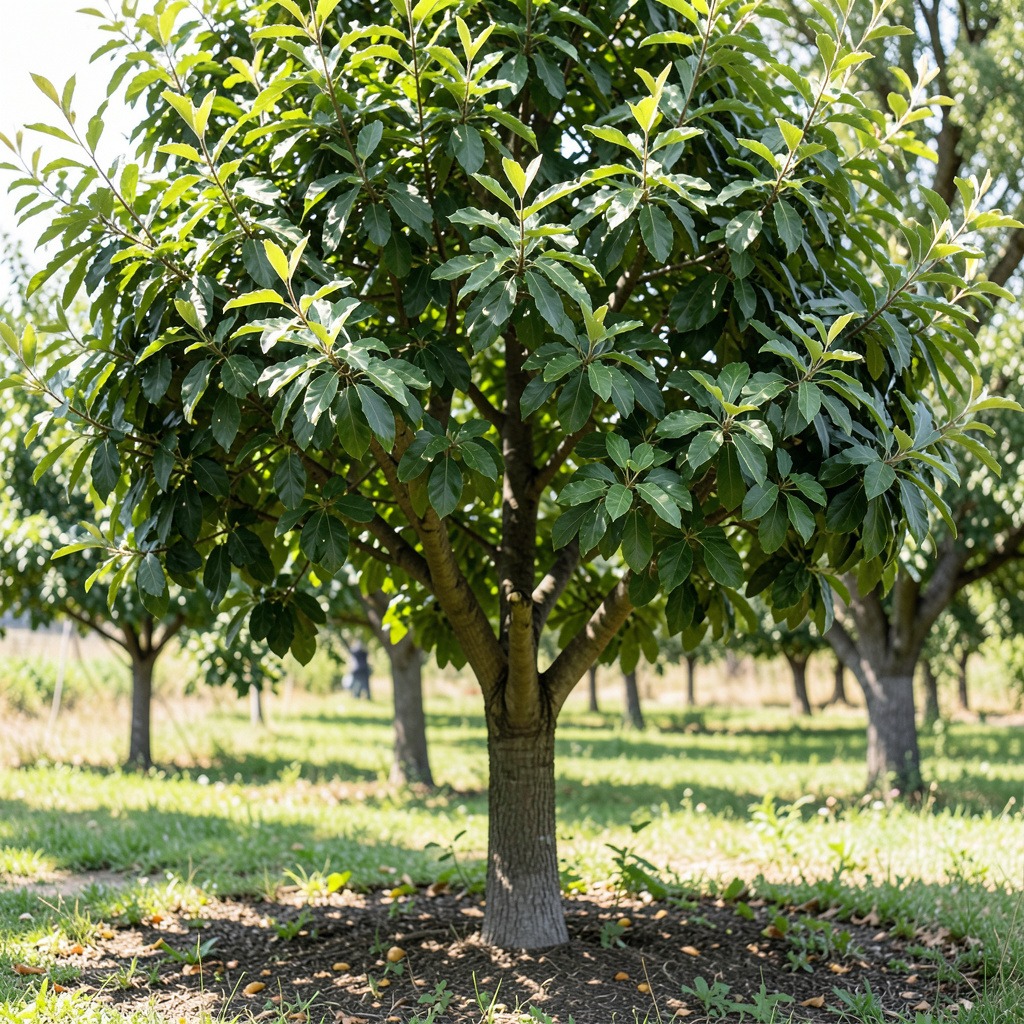
The Princess Kay plum tree requires specific care to thrive and showcase its ornamental beauty. Proper maintenance ensures healthy growth and vibrant blooms throughout the seasons.
Watering and Soil Requirements
Watering and soil quality play critical roles in the health of the Princess Kay plum tree.
- Watering Needs:
- Water regularly, especially during dry spells.
- Aim for consistent moisture, but avoid waterlogging.
- Soil Preferences:
- Well-drained soils are ideal.
- A slightly acidic to neutral pH (6.0 to 7.0) enhances growth.
Quick Checklist for Watering and Soil:
- Check soil moisture weekly.
- Amend soil to maintain ideal pH.
- Ensure proper drainage to prevent root rot.
Pruning Techniques for Healthy Growth
Pruning is essential to maintain the structure and health of the Princess Kay plum tree.
- When to Prune:
- Late winter is the best time for significant pruning, before the tree breaks dormancy.
- What to Prune:
- Remove dead or diseased branches.
- Thin out crossing branches to prevent rubbing.
Pruning Tips:
- Use sharp, clean tools to avoid injury.
- Focus on maintaining an open center for sunlight penetration.
- Regularly check for structural integrity during pruning sessions.
Pest Management Strategies
Managing pests is crucial to maintaining the health of your Princess Kay plum tree.
- Common Pests:
- Aphids and spider mites can be problematic.
- Management Techniques:
- Regularly inspect leaves for signs of infestation.
- Use insecticidal soap or neem oil as a preventative measure.
Pest Management Checklist:
- Inspect trees weekly during the growing season.
- Apply treatments as soon as pests are detected.
- Maintain tree health to naturally deter pests.
By following these guidelines, gardeners can ensure their Princess Kay plum tree remains vibrant and healthy, enhancing its ornamental value throughout the year.
Comparing the Princess Kay Plum Tree with Other Ornamental Trees
The Princess Kay plum tree offers unique features that make it a compelling choice for gardeners. However, how does it stack up against other popular ornamental trees? Here, we will explore comparisons with two notable alternatives: other flowering plums and the Snow Crabapple tree.
Princess Kay Plum vs. Other Flowering Plums
When considering flowering plums, the Princess Kay stands out due to its double-petal blooms and low fruit production. Below is a comparison of key characteristics:
| Feature | Princess Kay Plum | Other Flowering Plums |
|---|---|---|
| Bloom Type | Double-petal white flowers | Single-petal flowers |
| Fruit Production | Minimal (20% of regular) | Moderate to high |
| Fall Color | Orange-red | Varies (often yellow-red) |
| Height | 10-15 feet | 15-20 feet |
| Maintenance | Low | Moderate to high |
Key Takeaways:
- The Princess Kay’s aesthetic appeal lies in its lush spring blooms and vibrant fall color, making it ideal for smaller gardens.
- Other flowering plums may offer better fruit production but can require more maintenance.
Princess Kay Plum vs. Snow Crabapple Tree
The Snow Crabapple tree is another popular choice for ornamental landscaping. Here’s how it compares:
| Feature | Princess Kay Plum | Snow Crabapple Tree |
|---|---|---|
| Bloom Time | May | Late spring |
| Flower Color | White to light pink | White to pink |
| Fruit Production | Minimal | Abundant, often used for jams |
| Hardiness Zones | 3-8 | 4-8 |
| Pest Resistance | Good | Moderate |
Key Takeaways:
- While the Princess Kay focuses on ornamental qualities, the Snow Crabapple tree offers both beauty and utility through its fruit.
- The Princess Kay is more suited for compact spaces, while the Snow Crabapple can thrive in larger landscapes.
Overall, the Princess Kay plum tree excels in ornamental features and low maintenance, making it a versatile option for various landscapes.
User Experiences and Testimonials
Gardeners have shared a variety of experiences with the Princess Kay plum tree. Their insights reveal both the appealing aspects and the challenges of growing this ornamental tree.
Positive Experiences
- Aesthetics: Many gardeners praise the stunning double-petal white blooms that cover the tree in spring. One user noted, “The blossoms were breathtaking; they transformed my backyard into a spring paradise.”
- Size: Several users appreciate its compact size. At 10 to 15 feet tall, it fits well in smaller gardens. A homeowner mentioned, “I have a small yard, and this tree is the perfect choice without overwhelming the space.”
- Low Maintenance: Positive reviews frequently highlight its low maintenance needs. A gardener stated, “I rarely have to prune it, and it still looks beautiful year-round.”
- Fall Color: Users enjoy its vibrant orange-red foliage in autumn. One gardener remarked, “The fall colors are a delightful surprise; it adds warmth to my landscape.”
Challenges Faced
- Fruit Production: Some gardeners expected more fruit but found the yield disappointing. One user commented, “I thought I would get plums, but it only produces a small amount. The fruit is tasty, but I wanted more.”
- Pest Resistance: A few gardeners reported issues with pests. One noted, “I’ve had some trouble with aphids and must spray occasionally to keep them at bay.”
- Growth Rate: Some users indicated that the growth rate is slower than anticipated. A gardener shared, “It took a few years to see significant growth; patience is key with this tree.”
These testimonials showcase the dual nature of the Princess Kay plum tree’s appeal. While it excels in aesthetics and maintenance, potential growers should consider its limited fruit production and pest management needs.
Frequently Asked Questions
These quick answers cover the most common questions about this topic, including key details, practical tips, and common concerns.
What is the best tasting plum tree?
The best tasting plum tree often varies by personal preference, but many gardeners favor the Santa Rosa plum for its sweet, juicy flavor. Other popular varieties include the Black Amber and Satsuma plums. If you’re looking for ornamental options, the Princess Kay plum tree is beautiful but produces less fruit, which may not be ideal for those seeking flavorful plums.
Do plum trees have invasive roots?
Plum trees, including the Princess Kay variety, generally do not have invasive root systems. However, their roots can spread out as they grow, which may affect nearby plants. It’s essential to plant them with enough space from other trees and structures to prevent any potential issues.
What are the downsides of growing purple leaf plums?
The primary downsides of growing purple leaf plums include their susceptibility to certain pests and diseases, such as black knot and aphids. Additionally, they may require more maintenance than other ornamental trees, including regular pruning and pest management. Their fruit production can also be minimal, which may not satisfy those looking for a fruit-bearing tree.
Are plum trees good to have in your yard?
Yes, plum trees can be an excellent addition to your yard. They provide beautiful spring blooms and vibrant fall foliage, enhancing your landscape’s aesthetic appeal. However, if you’re primarily interested in fruit production, consider that ornamental varieties like the Princess Kay plum yield less fruit compared to standard plum trees.
What is the experience with Princess Kay plum trees?
Many gardeners appreciate the Princess Kay plum tree for its stunning double-petal white flowers and compact size, making it suitable for smaller spaces. However, some users have noted that its fruit production is limited, yielding only about 20% of what standard plum trees produce. Overall, it is valued more for its ornamental qualities than for fruit.
What are the best conditions for growing a Princess Kay plum tree?
The Princess Kay plum tree thrives in well-drained soils with a slightly acidic to neutral pH (6.0 to 7.0). It prefers full sun exposure and can tolerate a range of hardiness zones (3 to 7). Regular watering is crucial, especially during dry spells, but be cautious of overwatering to prevent root rot.
How tall does the Princess Kay plum tree grow?
The Princess Kay plum tree typically reaches a height of 10 to 15 feet, with a width of about 10 feet. This compact size makes it an ideal choice for small gardens or urban landscapes where space is limited.
Is the Princess Kay plum tree suitable for small gardens?
Yes, the Princess Kay plum tree is well-suited for small gardens due to its manageable size and low maintenance requirements. Its beautiful blooms and fall foliage provide seasonal interest without overwhelming limited space, making it a popular choice for urban landscaping.