
The Princeton elm tree offers significant benefits like disease resistance and urban adaptability, but may have drawbacks such as susceptibility to certain diseases and specific maintenance needs.
Table of Contents
The Princeton elm is a popular tree choice for landscaping due to its resilience and aesthetic appeal. However, potential planters should consider both its advantages and disadvantages to ensure it fits their specific environment and needs.

Understanding the Princeton Elm Tree
The Princeton elm is a distinguished cultivar of the American elm, recognized for its impressive adaptability and aesthetic appeal. This tree has a rich history and is valued for its disease resistance, particularly against Dutch elm disease.
What is a Princeton Elm?
The Princeton elm (Ulmus americana ‘Princeton’) is a medium to large deciduous tree that typically reaches heights of 50 to 70 feet. It features a striking vase-shaped crown that provides ample shade. The foliage is dark green and rough-textured, with leaves measuring up to 6 inches long. In the spring, it produces small green flowers that develop into wafer-like samaras. This species is particularly known for its vibrant yellow fall colors, adding seasonal interest to landscapes.
Historical Significance and Cultivation
Developed by William Flemer at Princeton Nurseries in 1922, the Princeton elm was selected for its vigorous growth and symmetry. Its resistance to Dutch elm disease became evident years later, allowing it to thrive where many elm species failed.
- Characteristics:
- Upright growth habit
- Dense canopy for shade
- Tolerance to urban conditions
- Resistance:
- Highly resistant to Dutch elm disease
- Lesser susceptibility to elm leaf beetle
This cultivar plays a significant role in American horticulture, representing a comeback for elm trees in urban settings. As cities seek to restore green spaces, the Princeton elm offers a reliable choice.
Key Considerations
When planting the Princeton elm, consider the following:
- Soil Conditions: Prefers well-drained soils but is adaptable to various soil types.
- Maintenance: Requires regular pruning to maintain shape and health, particularly in urban environments.
- Growth Rate: Fast-growing, making it an ideal option for quick shade.
By focusing on these aspects, you can ensure that the Princeton elm thrives in your landscape, providing both beauty and functionality.
Pros of Planting Princeton Elm Trees
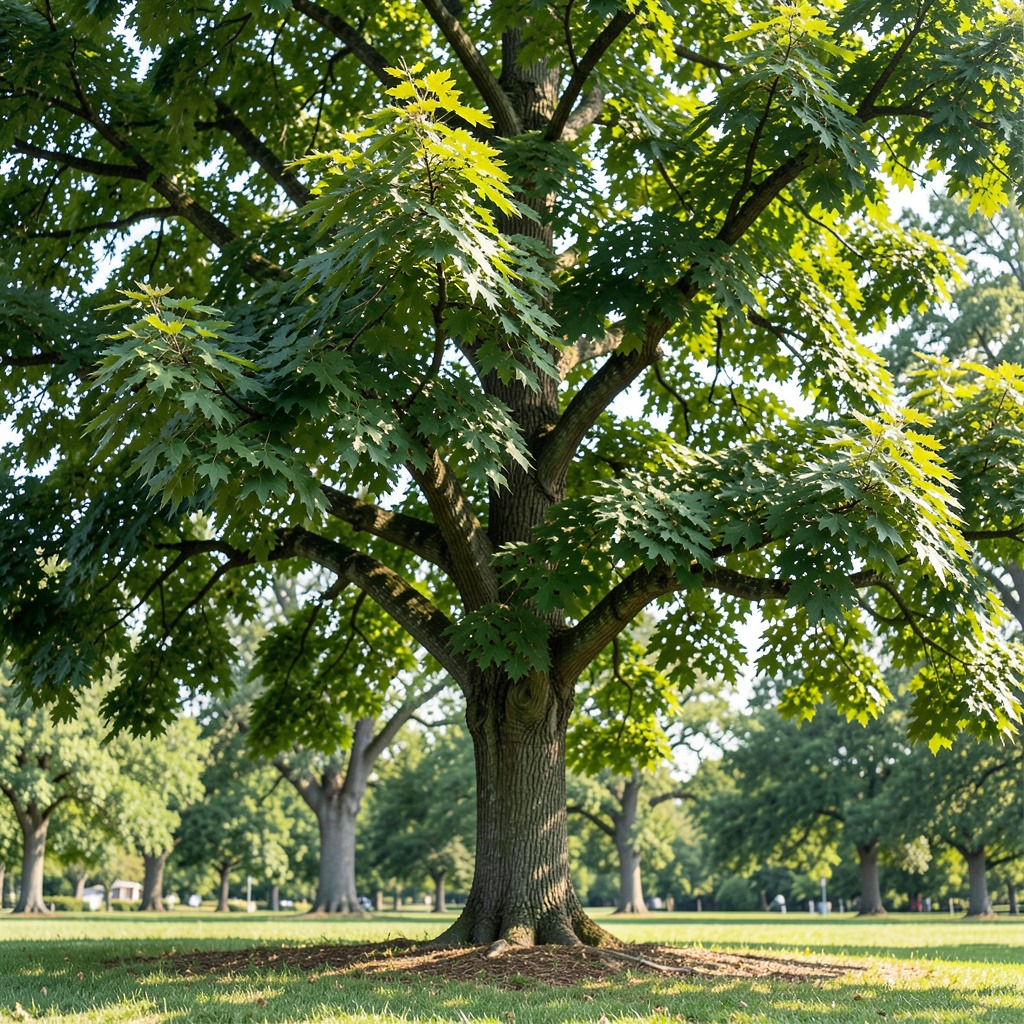
The Princeton elm tree is a compelling choice for homeowners and landscapers alike. Its unique characteristics make it an attractive option for enhancing outdoor spaces.
Disease Resistance and Longevity
One of the most notable advantages of the Princeton elm is its remarkable resistance to Dutch elm disease. This disease decimated many elm trees in the United States. However, the Princeton elm has shown resilience, allowing it to thrive even in areas where other elms have failed. For instance, trees planted in urban environments in the 1920s are still standing today, highlighting their longevity and durability.
- Disease Resistance: Proven against Dutch elm disease and elm leaf beetle.
- Longevity: Can live for over 100 years with proper care.
Urban Adaptability and Growth Conditions
Princeton elms are exceptionally adaptable to urban conditions. They can thrive in various soil types, including poor and compacted soils. Their ability to withstand urban stressors, such as pollution and limited space, makes them ideal for city landscapes.
- Soil Conditions: Tolerates a wide range of soil pH and conditions, including occasional standing water.
- Growth Rate: Fast-growing, reaching heights of 50 to 70 feet, making them excellent for quick shade.
Aesthetic and Wildlife Support
Beyond their practical benefits, Princeton elms add aesthetic value to landscapes. Their stately vase shape and dense canopy provide a beautiful focal point in gardens and streetscapes. In addition to their visual appeal, these trees support local wildlife. Their foliage provides shelter and food for birds and insects, fostering a healthy ecosystem.
- Aesthetic Appeal: Features dark green foliage that turns yellow in the fall, contributing seasonal beauty.
- Wildlife Benefits: Offers habitat and food sources for various species, enhancing local biodiversity.
In summary, the Princeton elm tree combines disease resistance, urban adaptability, and aesthetic qualities, making it a premier choice for enhancing your landscape.
Cons of Planting Princeton Elm Trees
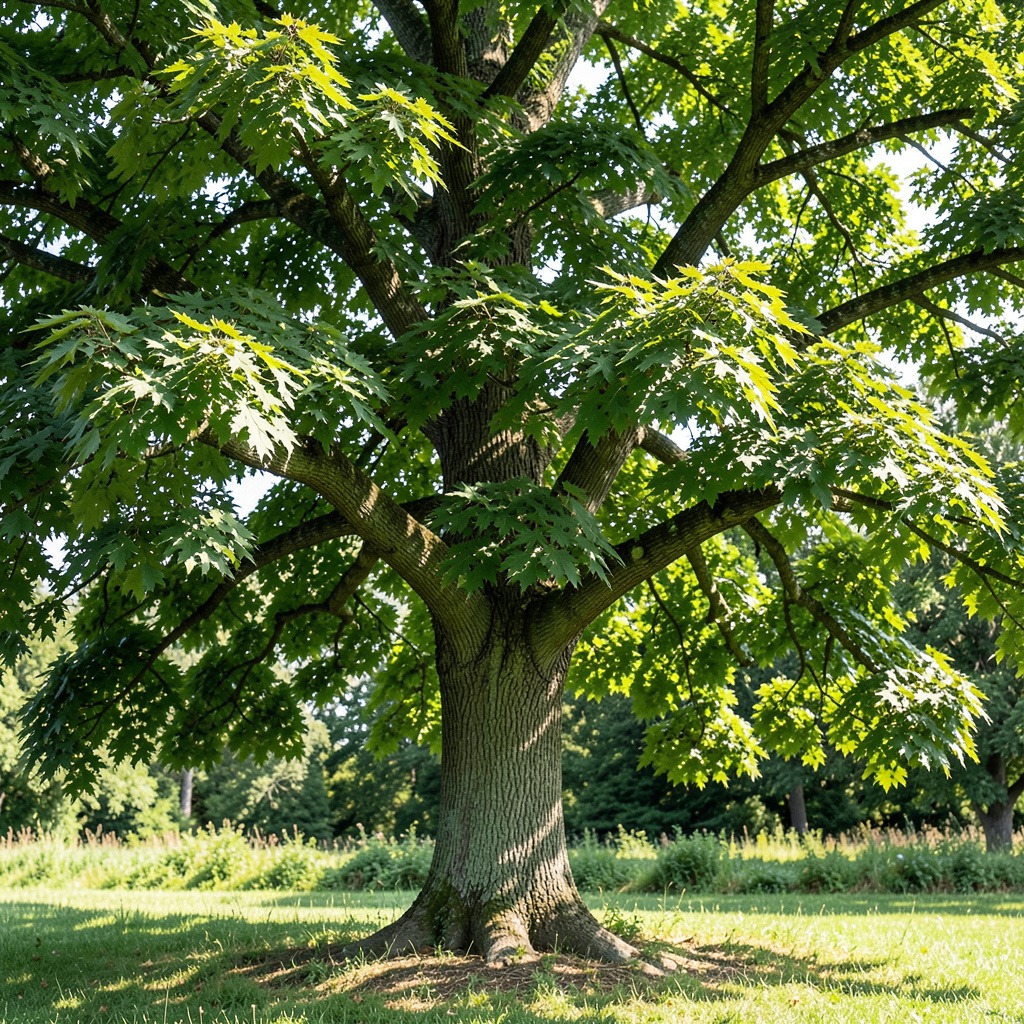
While the Princeton elm offers many advantages, potential planters should consider several drawbacks. These include susceptibility to other diseases, specific maintenance requirements, and space considerations.
Susceptibility to Other Diseases
Despite its notable resistance to Dutch elm disease, the Princeton elm is not immune to other health issues. Key considerations include:
- Phloem Necrosis: This disease can affect the tree’s vascular system, leading to decline.
- Wet Wood: This condition can cause internal decay and negatively impact tree health.
- Elm Leaf Beetle: While resistant to some pests, this beetle can still pose a threat, leading to leaf damage.
Understanding these vulnerabilities is critical for maintaining the health of your Princeton elm.
Maintenance Requirements and Space Needs
Princeton elms require specific maintenance and adequate space for optimal growth. Consider the following:
- Pruning: Regular pruning is essential to maintain shape and health. This should occur after the risk of extreme weather has passed.
- Soil Conditions: While adaptable, these trees thrive in well-drained soil. Poor drainage can lead to root problems.
- Space: Princeton elms grow large, reaching heights of 50-70 feet. They need substantial room to spread their canopy, making them unsuitable for small yards.
Checklist for Potential Planters
Before deciding to plant a Princeton elm, assess your capacity to meet its needs:
- Space Availability: Do you have enough room for a large tree?
- Soil Quality: Is your soil well-drained and suitable for tree health?
- Maintenance Commitment: Can you commit to regular pruning and disease monitoring?
- Environmental Conditions: Will your planting site provide full sunlight and appropriate drainage?
By evaluating these factors, you can determine if the Princeton elm is a suitable addition to your landscape.
Care and Maintenance of Princeton Elm Trees
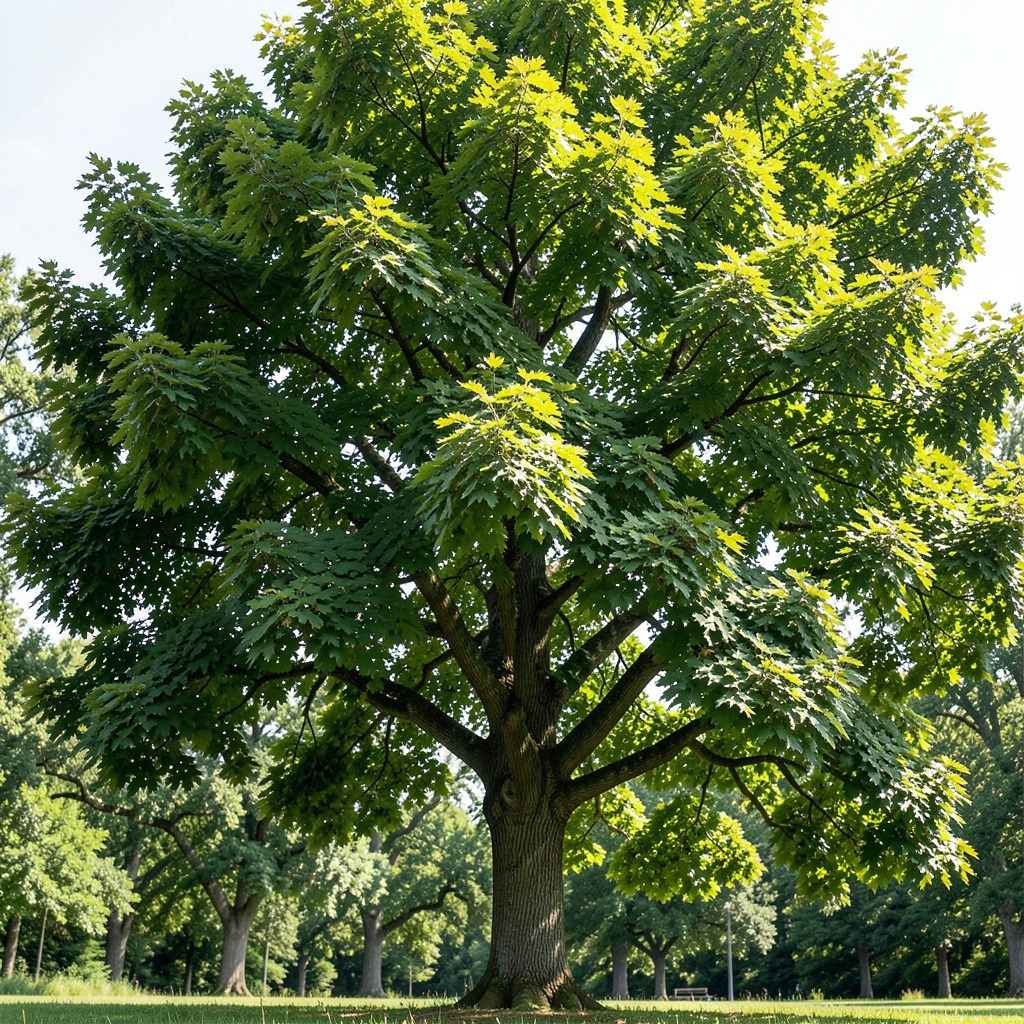
Caring for Princeton elm trees involves understanding their specific needs for optimal growth. Proper maintenance ensures these trees thrive while minimizing potential issues.
Watering and Soil Requirements
Princeton elms prefer well-drained soil and thrive in full sun. Here are key points to consider for watering and soil care:
- Watering Frequency: Water deeply during dry spells, especially in the first few years after planting. Established trees generally require less frequent watering.
- Soil Type: They adapt to various soil types but prefer loamy, well-drained conditions. Avoid overly compacted or waterlogged soils.
- Mulching: Apply a layer of organic mulch around the base to retain moisture and suppress weeds. Ensure mulch does not touch the trunk.
Pruning and Pest Management
Pruning and pest management are essential for maintaining the health of Princeton elms. Follow these guidelines:
- Pruning Schedule: Prune during late winter or early spring, after the threat of severe weather. Remove dead or crossing branches to improve airflow.
- Pest Monitoring: Regularly inspect for signs of pests, such as elm leaf beetles. Use insecticidal soap or horticultural oils as needed.
- Disease Prevention: Maintain tree health to reduce susceptibility to diseases like Dutch elm disease. Watering during drought and avoiding mechanical damage are crucial preventive measures.
Seasonal Care Tips
Implement a seasonal care schedule to ensure your Princeton elm remains healthy year-round:
- Spring: Fertilize with a balanced fertilizer as new growth emerges. Check for pests and prune if necessary.
- Summer: Monitor watering, especially during hot spells. Apply mulch to conserve soil moisture.
- Fall: Rake leaves to prevent fungal diseases. Inspect for any winter damage and prune as needed.
- Winter: Protect young trees from harsh winter winds. Avoid heavy pruning in winter months.
By adhering to these care practices, you can ensure your Princeton elm tree flourishes while benefiting your landscape with its beauty and ecological value.
Comparing Princeton Elm with Other Elm Varieties
The Princeton elm stands out among elm varieties for its unique characteristics, particularly in disease resistance and growth traits. Here, we compare it to other popular elm species and shade trees.
Princeton Elm vs. Other Elm Varieties
| Elm Variety | Disease Resistance | Growth Rate | Aesthetic Features |
|---|---|---|---|
| Princeton Elm | High resistance to Dutch elm disease and elm leaf beetle | Moderate to fast | Vase-shaped, dark green leaves turning yellow in fall |
| Siberian Elm | Moderate resistance | Fast | Broad crown, smaller leaves |
| American Elm | Low resistance | Moderate | Classic vase shape, susceptible to Dutch elm disease |
| Chinese Elm | Moderate resistance | Fast | Small leaves, dense canopy |
The Princeton elm is notably more resistant to Dutch elm disease than its American counterpart. This resilience makes it a preferred choice for urban environments where disease pressure is high.
Advantages Over Other Shade Trees
When compared to other shade trees, the Princeton elm excels in several areas:
- Disease Resistance: Unlike many traditional elms, the Princeton elm has shown significant resistance to Dutch elm disease and the elm leaf beetle. This makes it a safer investment for homeowners seeking longevity in their landscape.
- Aesthetic Value: Its graceful vase shape and lush foliage provide ample shade and beauty. The dark green leaves transform into vibrant yellow in the fall, enhancing seasonal interest.
- Adaptability: Princeton elms thrive in various soil conditions, including compacted urban soils. They can tolerate some standing water, making them versatile for different landscaping scenarios.
Practical Considerations
When choosing the Princeton elm, consider the following:
- Space: Ensure adequate above-ground space since it can grow to 60-80 feet tall.
- Maintenance: Regular pruning is necessary to maintain its shape and health. However, it requires less care than many traditional elms due to its disease resistance.
- Ecosystem Contribution: This tree supports local wildlife by providing habitat and food sources, further enriching your landscape.
By understanding these comparisons, you can make an informed decision about whether the Princeton elm is the right fit for your landscape needs.
Conclusion: Is the Princeton Elm Right for You?
The Princeton elm offers a range of benefits and considerations for potential planters. Understanding its pros and cons can help you determine if this tree fits your landscape needs.
Pros of Planting Princeton Elm
- Disease Resistance: This cultivar shows strong resistance to Dutch elm disease, making it a safer choice for urban environments.
- Aesthetic Appeal: With its graceful vase-shaped crown, the Princeton elm adds significant visual interest to any landscape.
- Wildlife Support: Its branches provide habitat for birds, while its seeds serve as food for various small mammals, enhancing local biodiversity.
Cons of Planting Princeton Elm
- Maintenance Needs: Despite its disease resistance, regular pruning is necessary to maintain its shape and health.
- Soil Requirements: The tree thrives in well-drained soil and may struggle in compacted or poorly drained conditions.
- Potential Pest Issues: While generally resistant, it can still be susceptible to pests like the elm leaf beetle and phloem necrosis.
Decision-Making Checklist
Before planting a Princeton elm, consider the following:
- Space Availability: Do you have enough room for a tree that can grow 60-80 feet tall?
- Soil Quality: Is your soil well-drained and conducive to healthy growth?
- Maintenance Commitment: Are you prepared to perform regular pruning and care?
- Wildlife Goals: Do you want to support local wildlife in your garden?
By evaluating these factors, you can make an informed decision about whether the Princeton elm is the right choice for your landscape.
Frequently Asked Questions
These quick answers cover the most common questions about this topic, including key details, practical tips, and common concerns.
What are the downsides of having elm trees?
While elm trees, including the Princeton elm, offer many benefits, they come with some drawbacks. They can be susceptible to pests like the elm leaf beetle, which may cause leaf damage. Additionally, although the Princeton elm is resistant to Dutch elm disease, it can still be affected by other issues such as phloem necrosis and wet wood, which can impact their health.
Moreover, these trees require regular maintenance, including pruning to maintain shape and health. Their large size also means they need ample space, making them unsuitable for small yards.
Are Princeton elm trees messy?
Princeton elm trees can produce a moderate amount of leaf litter, especially in the fall when their leaves turn yellow and drop. While they are not considered excessively messy compared to other tree species, homeowners should be prepared for seasonal cleanup. Additionally, the small samaras (seed pods) produced in spring can accumulate on the ground, requiring some maintenance.
How far should an elm tree be from a house?
When planting a Princeton elm, it is advisable to place it at least 15 to 20 feet away from your house. This distance helps prevent potential damage to your home’s foundation and roof from falling branches or roots. It also allows the tree ample space to grow without overcrowding nearby structures.
How fast does a Princeton elm tree grow?
The Princeton elm is known for its fast growth rate, typically reaching heights of 50 to 70 feet within a few years. Under optimal conditions, it can grow up to 3 feet per year. This rapid growth makes it an excellent choice for those seeking quick shade and aesthetic appeal in their landscape.
What pests affect Princeton elm trees?
Princeton elm trees can be affected by several pests, with the elm leaf beetle being the most common. These beetles can cause significant damage by feeding on the leaves, leading to reduced vigor and aesthetic issues. Other pests may include aphids and scale insects, which can be managed through regular monitoring and appropriate pest control measures.
Can Princeton elm trees survive in poor soil conditions?
Yes, Princeton elm trees are quite adaptable and can thrive in various soil types, including poor or compacted soils. However, they prefer well-drained, loamy soils for optimal growth. While they can tolerate some adverse conditions, ensuring good drainage will enhance their health and longevity.
When is the best time to plant a Princeton elm?
The best time to plant a Princeton elm is during the early spring or fall when temperatures are cooler and rainfall is more consistent. Planting during these seasons allows the tree to establish its root system before facing the stress of summer heat or winter cold. Be sure to avoid planting during extreme weather conditions to ensure successful establishment.
What are alternatives to Princeton elm for landscaping?
If you’re considering alternatives to the Princeton elm, look into other disease-resistant trees such as the Liberty elm or the American sycamore. Both offer similar aesthetic and ecological benefits while being resilient in urban settings. Additionally, consider native species like the red maple or oak, which can provide excellent shade and wildlife support.