
Acacia wood is known for its durability, stunning appearance, and natural resistance to decay, making it suitable for furniture and outdoor use.
Table of Contents
Acacia trees produce a versatile hardwood celebrated for its beauty and durability. However, like any material, acacia wood comes with its own set of advantages and disadvantages. This guide will explore these aspects to inform your woodworking decisions.
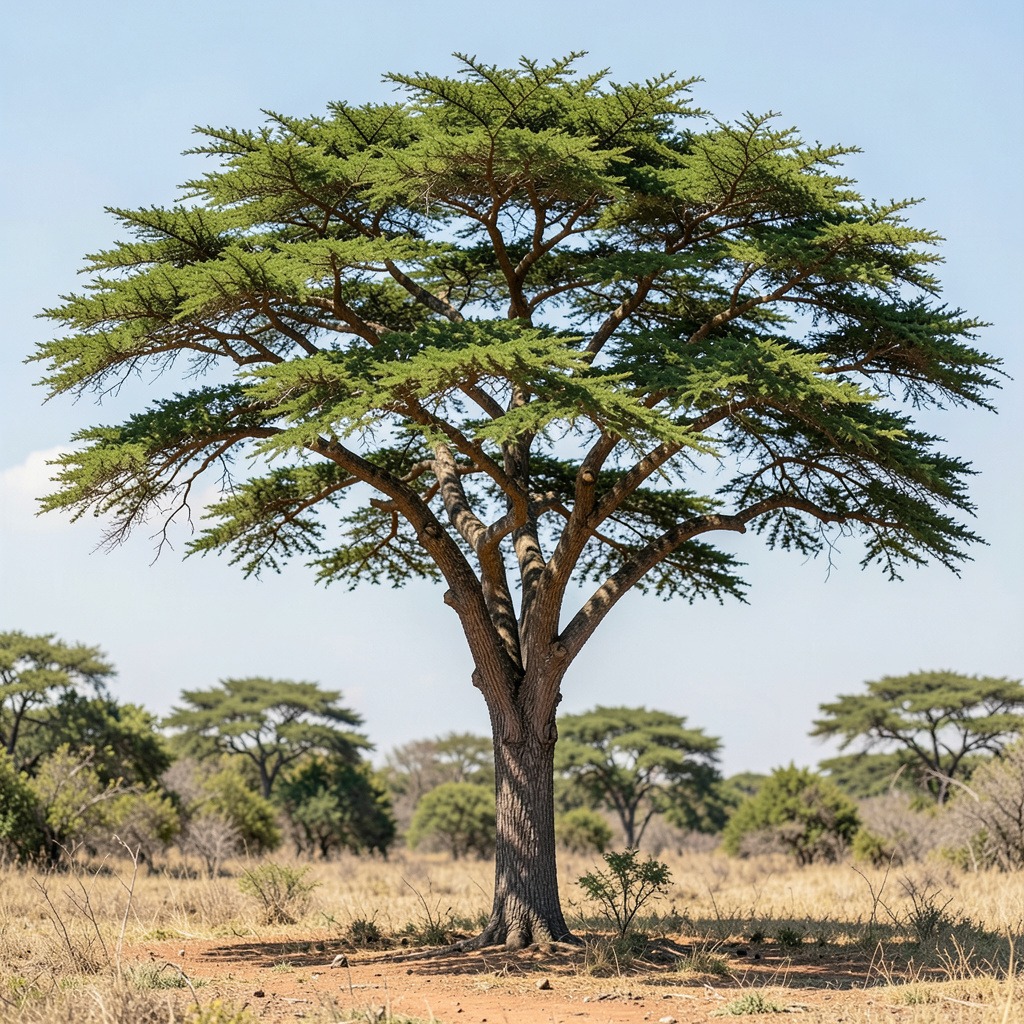
Overview of Acacia Wood and Its Characteristics
Acacia wood is derived from the diverse Acacia tree species, known for their rapid growth and adaptability. This hardwood is valued for its unique properties, making it suitable for various applications.
What is Acacia Wood?
Acacia wood originates from the Acacia genus, which includes over 1,300 species. Predominantly, Acacia mangium and Acacia koa are the most recognized for their timber. This wood is characterized by its rich color variations, ranging from pale yellow sapwood to deep reddish-brown heartwood.
Unique Characteristics of Acacia Wood
Acacia wood boasts several distinctive features:
- Hardness: Acacia ranks between 1,700 to 2,300 lbf on the Janka hardness scale, making it tougher than oak but softer than ipe. This durability allows it to withstand heavy wear, making it ideal for furniture and flooring.
- Natural Resistance: Certain Acacia species exhibit excellent resistance to decay and moisture. This property enables them to perform well in outdoor applications, though prolonged exposure to water can still lead to issues such as swelling or cracking.
- Aesthetic Appeal: Acacia wood often features interlocking grain patterns, enhancing its visual appeal. This natural beauty makes it a popular choice for decorative items and high-end furniture.
Common Species of Acacia Trees
Understanding the specific species of Acacia helps in choosing the right type for your project. Here are a few notable examples:
- Acacia mangium: Known for its rapid growth, this species is often cultivated for its dense wood, which is suitable for outdoor furniture due to its natural rot resistance.
- Acacia koa: Valued for its stunning grain and color, Acacia koa is commonly used in musical instruments and fine furniture. Its moderate hardness makes it workable while retaining durability.
- Acacia confusa: This species is recognized for its adaptability and is often used in cabinetry and flooring, offering a balance between strength and visual appeal.
When selecting Acacia wood, consider these characteristics to ensure it meets your project requirements. For a stylish and durable addition to your home, explore options like the Acacia Wood Furniture Set.
Advantages of Acacia Wood
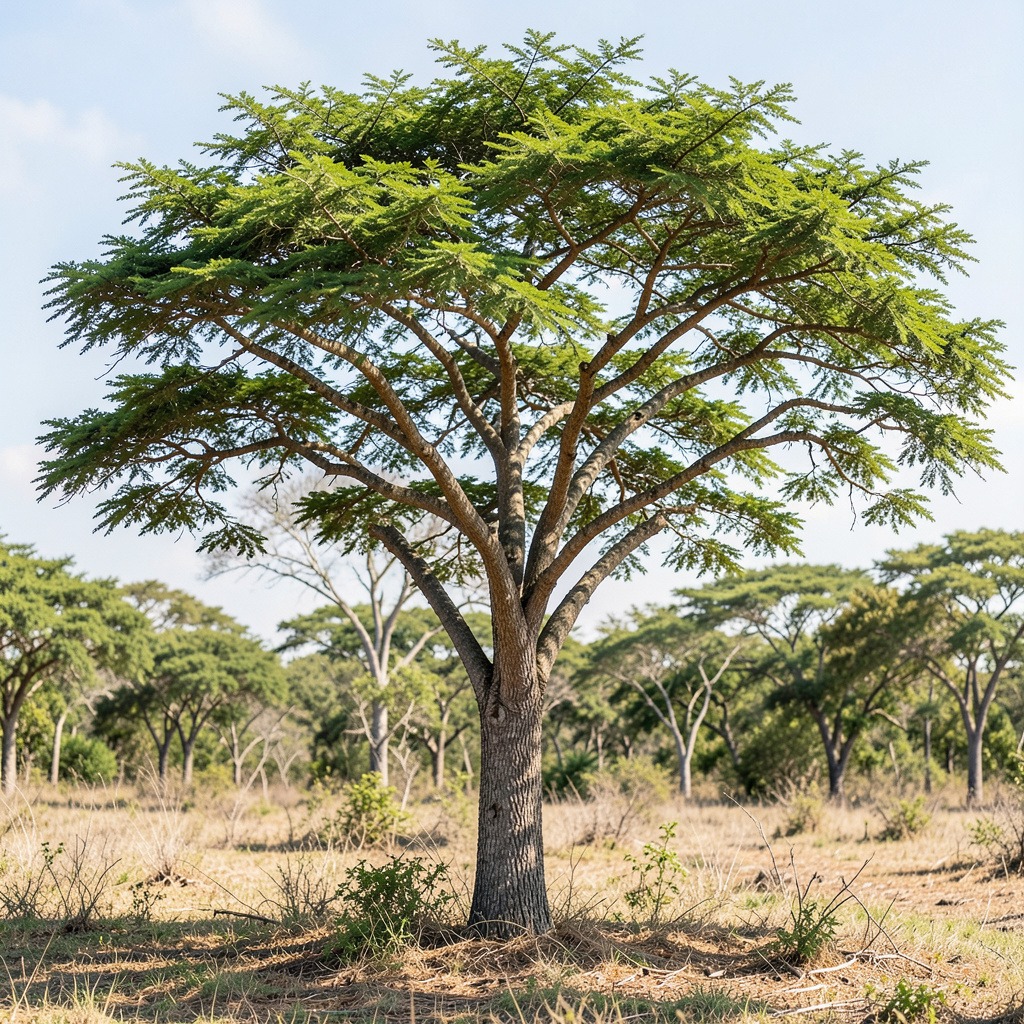
Acacia wood offers numerous benefits that make it a popular choice for various applications. Its durability, aesthetic appeal, and sustainability features set it apart from other hardwoods.
Durability and Hardness
Acacia wood is known for its exceptional durability. It has a high density, which contributes to its resistance to wear and tear. This makes it suitable for furniture, flooring, and outdoor projects. Specifically, acacia’s Janka hardness rating generally ranges from 1,800 to 2,200, depending on the species. This hardness ensures that acacia wood withstands heavy use without significant damage.
- Impact Resistance: Acacia is less prone to dents and scratches compared to softer woods.
- Long Lifespan: When properly maintained, acacia wood can last for decades, making it a worthwhile investment.
Aesthetic Appeal
The visual characteristics of acacia wood are striking. It features an interlocking grain pattern that ranges from pale yellow to deep reddish-brown hues. This natural variation creates unique pieces that can enhance any space.
- Natural Chatoyance: Acacia wood often exhibits a shimmering effect, known as chatoyance, adding depth to its appearance.
- Versatility in Design: Its rich colors and patterns make it suitable for both rustic and modern aesthetics, appealing to a wide range of tastes.
Sustainability and Environmental Benefits
Acacia trees are fast-growing and can thrive in diverse climates. Many species of acacia are cultivated in sustainable plantations, reducing the environmental impact associated with logging.
- Carbon Footprint: Acacia wood captures carbon dioxide, contributing to a reduction in greenhouse gases.
- Reforestation Projects: Acacia is often used in reforestation efforts due to its rapid growth and ability to improve soil quality.
Real-world examples include eco-friendly furniture projects that utilize acacia wood, showcasing its durability and aesthetic appeal. For instance, many artisans choose to craft pieces from acacia due to its sustainable attributes and striking designs. For a stylish addition to your home, consider options like the Acacia Wood Furniture Set.
Disadvantages of Acacia Wood
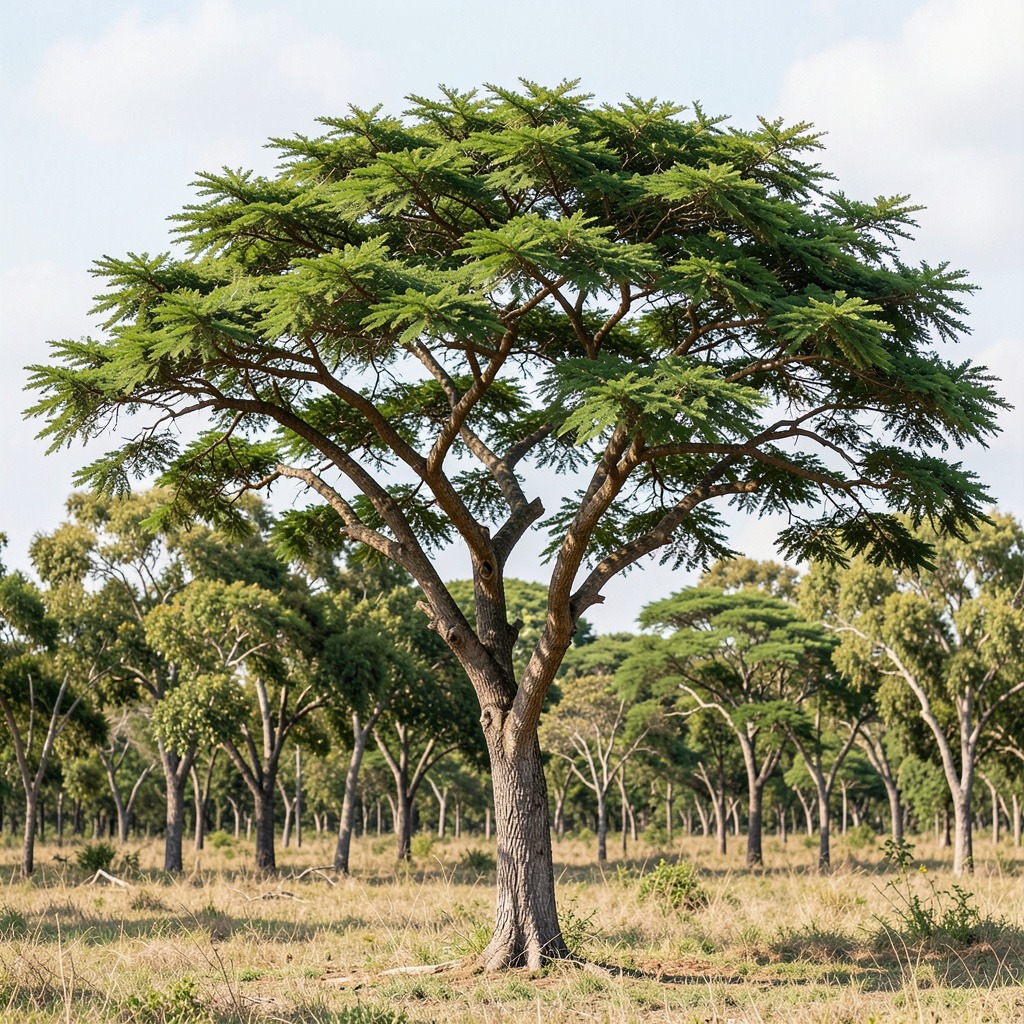
While acacia wood offers numerous benefits, it also presents certain drawbacks. Understanding these limitations is essential for making informed decisions about its use.
Cost Considerations
Acacia wood is often more expensive than domestic hardwoods like oak or maple. Although it remains cheaper than exotic woods like mahogany and rosewood, the price can still be a deterrent for some buyers. The cost fluctuates based on market demand and availability.
- Budget Impact: Assess your budget against the average cost of acacia wood.
- Value Assessment: Determine if the aesthetics and durability justify the expense for your project.
Maintenance Challenges
Acacia wood requires specific maintenance to preserve its appearance and longevity. Users report that without proper care, acacia can show signs of wear more quickly than expected.
- Regular Oiling: To maintain its luster and prevent drying, acacia needs periodic oiling.
- Cleaning Requirements: Use gentle cleaners and avoid harsh chemicals that can damage the finish.
Quality Variability in Acacia Wood
The quality of acacia wood can vary significantly based on its source and processing. Inconsistent grain patterns and density can affect both aesthetics and performance.
- Source Variability: Different species of acacia exhibit distinct characteristics. For example, Acacia mangium is typically softer than Acacia koa, impacting durability.
- User Experiences: Some woodworkers have experienced challenges with uneven grain or knots that complicate their projects. A decision framework can help you choose the right species for your needs.
Consider these factors when evaluating acacia wood for your projects. A well-informed choice will enhance your woodworking experience. If you’re looking for quality furniture, check out the Acacia Wood Furniture Set for a stylish option.
Applications of Acacia Wood
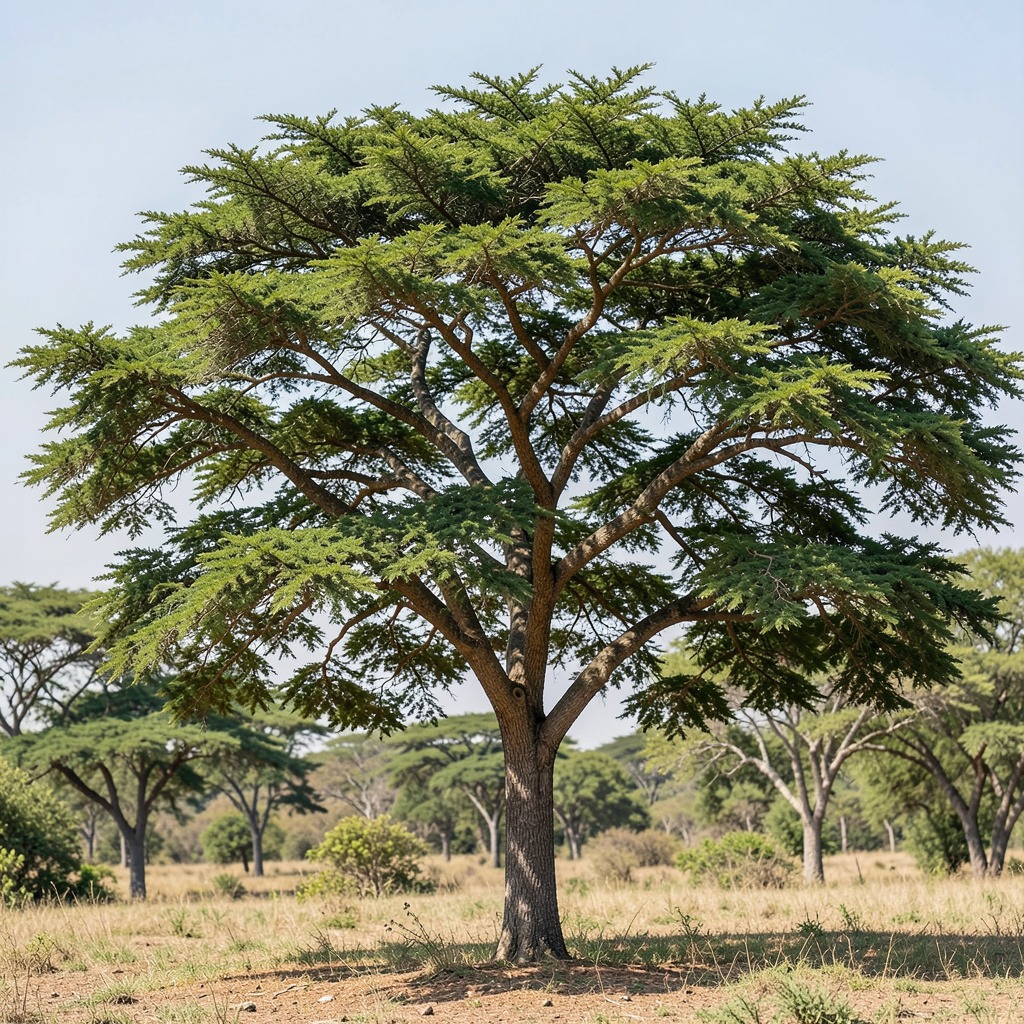
Acacia wood is highly versatile, making it a popular choice for various applications. Its durability and striking appearance enhance both functional and aesthetic qualities in projects.
Furniture Making
Acacia wood is widely used in furniture making due to its natural beauty and strength. Its interlocking grain and rich color variations make each piece unique. Popular furniture items include:
- Coffee tables
- Chairs
- Dining sets
- End tables
When selecting acacia wood for furniture, look for well-finished pieces that highlight the wood’s natural patterns. Consider the specific species as some, like Acacia koa, are denser and more durable compared to others.
Flooring Applications
Acacia wood also serves as an excellent flooring material. Its hardness, rated high on the Janka scale, ensures resistance to dents and scratches. This quality makes it suitable for high-traffic areas. Notable benefits include:
- Low maintenance requirements
- Unique visual appeal
- Natural resistance to decay
When choosing acacia wood for flooring, verify the source and species to ensure optimal durability. Acacia mangium, for example, is softer and may not perform as well in demanding contexts.
Outdoor Uses and Benefits
Certain species of acacia, such as Acacia confusa, exhibit good natural resistance to moisture and decay, making them suitable for outdoor applications. Common uses include:
- Garden furniture
- Decking
- Pergolas
To maximize the lifespan of outdoor acacia products, apply a protective finish and regularly maintain the wood. This includes sealing and re-staining as necessary to protect against weathering and fading.
Considerations for Selection:
- Species: Different acacia species vary in hardness and resistance; select according to the intended use.
- Finish: Ensure proper finishing to enhance durability, especially for outdoor applications.
- Maintenance: Regular upkeep can prolong the life and appearance of acacia wood items.
By understanding these applications and considerations, you can effectively utilize acacia wood in your projects.
How to Care for Acacia Wood
Maintaining acacia wood is essential for preserving its beauty and durability. Proper care ensures that your acacia products can withstand wear and tear while maintaining their stunning appearance.
Cleaning and Maintenance Tips
Regular cleaning is vital for acacia wood. Use a soft cloth and mild soap with water to remove dirt and grime. Avoid harsh chemicals that can damage the finish. Here’s a quick maintenance checklist:
- Dust Regularly: Use a microfiber cloth to avoid scratches.
- Wipe Spills Immediately: Prevent water damage by cleaning up liquids promptly.
- Use Mild Soap: Clean with a solution of soap and water; rinse with a damp cloth.
- Avoid Excess Moisture: Do not soak wood; always wring out cleaning cloths before use.
Recommended Finishes
Finishing acacia wood enhances its appearance and protects it from damage. Depending on your application, consider the following options:
- Oil Finish: Enhances natural color and provides water resistance. Ideal for indoor furniture.
- Varnish or Polyurethane: Offers a durable layer of protection. Suitable for outdoor furniture.
- Natural Beeswax: Provides a low-sheen finish and is easy to reapply.
Seasonal Care for Outdoor Acacia
Outdoor acacia requires seasonal maintenance to combat the effects of weather. Follow these guidelines to ensure longevity:
- Spring: Clean with a mild detergent; inspect for wear.
- Summer: Reapply protective finish every few months to prevent UV damage.
- Fall: Store items indoors if possible; clean and treat surfaces.
- Winter: Use a breathable cover to protect from snow and ice.
By following these maintenance tips, you can ensure that your acacia wood remains beautiful and functional for years to come.
Comparing Acacia Wood to Other Hardwoods
Acacia wood is a versatile choice in woodworking, often compared to other hardwoods like oak, teak, and maple. Each wood type has distinct characteristics that influence its suitability for various applications. Below, we assess how acacia stacks up against these popular hardwoods.
Acacia vs. Oak
- Durability: Acacia is generally more durable than oak, with a higher resistance to scratches and dents.
- Appearance: Acacia features a unique interlocking grain with varied colors, while oak tends to have a more uniform appearance.
- Cost: Acacia can be more affordable than high-quality oak, making it an attractive option for budget-conscious projects.
| Attribute | Acacia | Oak |
|---|---|---|
| Durability | High | Moderate to High |
| Appearance | Unique grain patterns | Uniform grain patterns |
| Cost | Moderate | Higher |
Acacia vs. Teak
- Durability: Teak is renowned for its exceptional durability and natural oils that resist moisture. Acacia, while durable, does not have the same level of water resistance.
- Maintenance: Acacia requires regular maintenance to maintain its finish, whereas teak often requires less upkeep due to its natural oils.
- Applications: Acacia is often used for furniture and decorative items, while teak is preferred for outdoor applications due to its superior weather resistance.
| Attribute | Acacia | Teak |
|---|---|---|
| Durability | High | Very High |
| Maintenance | Moderate | Low |
| Applications | Indoor furniture | Outdoor furniture |
Acacia vs. Maple
- Durability: Maple is hard and durable, often used for flooring and cabinetry. Acacia offers comparable hardness but with unique aesthetics.
- Workability: Maple is easier to work with due to its consistent grain. Acacia’s interlocking grain can present challenges during cutting and finishing.
- Cost: Acacia is generally less expensive than high-grade maple, making it a cost-effective alternative.
| Attribute | Acacia | Maple |
|---|---|---|
| Durability | High | High |
| Workability | Moderate | High |
| Cost | Moderate | Higher |
Decision Framework for Selecting Acacia vs. Other Hardwoods
Consider the following factors when choosing between acacia and other hardwoods:
1. Project Type: For outdoor projects, teak or oak may be more suitable. For indoor furniture, acacia can provide unique aesthetics at a lower cost.
2. Maintenance: If low maintenance is a priority, consider teak. Acacia will require more attention to maintain its appearance.
3. Aesthetic Preference: Choose acacia for distinctive grain and color variations. Opt for maple or oak for a more classic look.
By evaluating these aspects, you can make an informed decision based on the specific needs of your woodworking project.
Frequently Asked Questions
These quick answers cover the most common questions about this topic, including key details, practical tips, and common concerns.
What are the disadvantages of acacia?
The main disadvantages of acacia wood include its higher cost compared to domestic hardwoods and the need for regular maintenance. Acacia can be more expensive than oak or maple, which may impact budget-conscious projects. Additionally, without proper care, acacia wood can show signs of wear more quickly than expected, necessitating regular oiling and cleaning to maintain its appearance.
What is the lifespan of an acacia tree?
Acacia trees typically have a lifespan of 20 to 30 years, depending on the species and environmental conditions. Some species, like Acacia koa, can live longer and provide high-quality wood for many years. Proper care and suitable growing conditions can extend their life and enhance wood quality.
What problems do acacia trees have?
Acacia trees can face several issues, including susceptibility to pests like borers and fungal infections. Additionally, they may struggle in poor soil conditions or areas with insufficient water. Regular monitoring and care can help mitigate these problems, ensuring healthy growth.
What is so special about acacia trees?
Acacia trees are known for their rapid growth, adaptability, and the high-quality hardwood they produce. They are often used in sustainable forestry practices due to their fast growth rate and ability to improve soil quality. The wood’s unique grain patterns and durability make it a sought-after material for furniture and flooring.
Is acacia wood good for outdoor use?
Yes, certain species of acacia wood, such as Acacia mangium, are excellent for outdoor use due to their natural resistance to decay and moisture. However, prolonged exposure to water can still lead to issues like swelling or cracking. It’s essential to apply a protective finish and perform regular maintenance to maximize its lifespan outdoors.
How should I care for acacia wood?
To care for acacia wood, regularly dust surfaces with a microfiber cloth and clean with a mild soap solution. Avoid harsh chemicals that can damage the finish. Periodically oil the wood to maintain its luster and prevent drying. For outdoor items, reapply protective finishes to shield against weathering.
Can acacia wood be used for kitchen items?
Yes, acacia wood is suitable for kitchen items, such as cutting boards and utensils, due to its natural resistance to bacteria and moisture. Its attractive appearance also makes it a popular choice for serving platters. Ensure that kitchen items are properly finished and maintained to enhance their longevity.
What are the best finishes for acacia wood?
The best finishes for acacia wood include oil finishes, which enhance its natural color and provide water resistance, and varnishes or polyurethane for a durable protective layer. Natural beeswax can also be used for a low-sheen finish that is easy to reapply. Choose the finish based on the intended use and desired appearance.