
Growing apple trees offers numerous benefits, such as fresh fruit and aesthetic appeal, but also comes with challenges like maintenance and pest management.
Table of Contents
Apple trees are a popular choice for home gardens, providing delicious fruit and enhancing outdoor spaces. However, they come with their own set of advantages and disadvantages. This guide explores 18 essential pros and cons to help you decide.
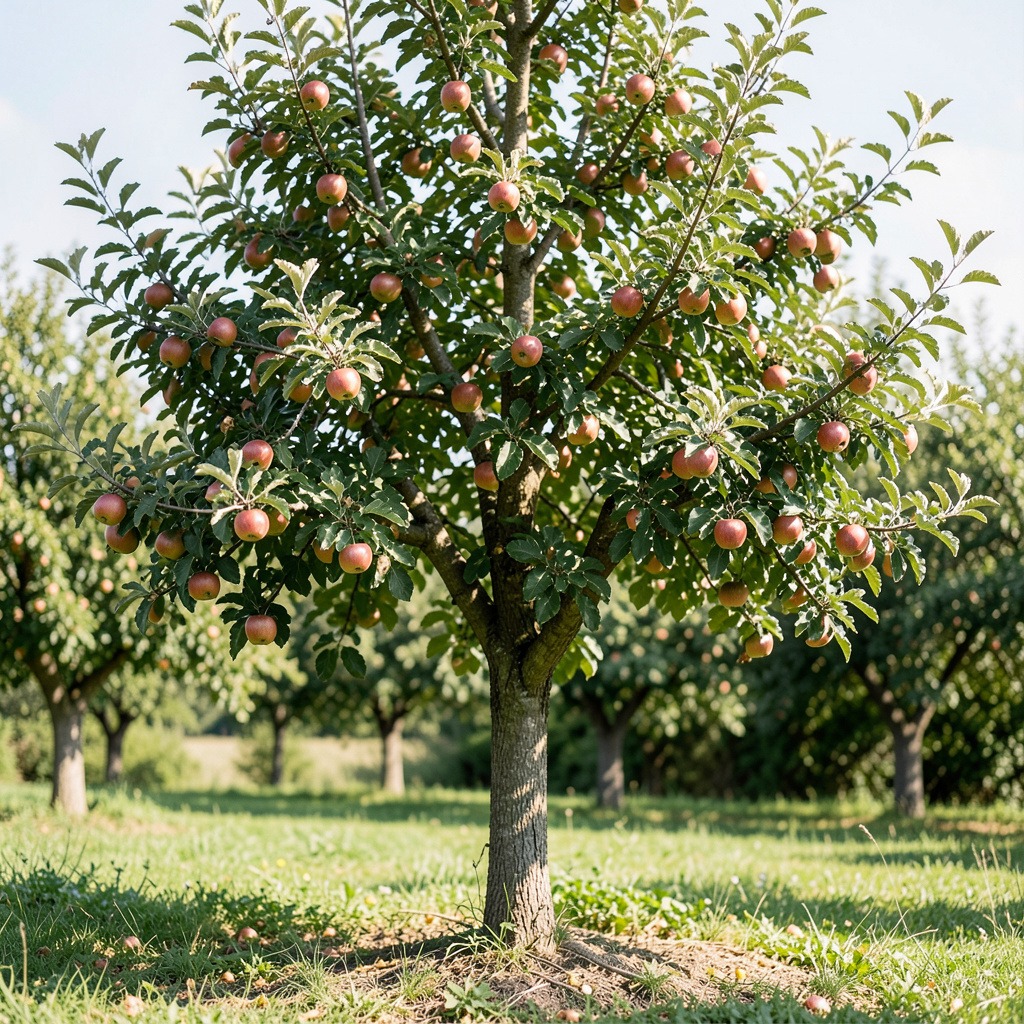
Understanding Apple Trees and Their Varieties
Apple trees come in various types, each with unique characteristics that cater to different gardening needs and spaces. This section explores traditional and columnar apple trees, highlighting their suitability for various environments.
Types of Apple Trees
1. Traditional Apple Trees
Traditional apple trees are larger and can grow to heights of 15 to 30 feet. They are available in numerous varieties, offering a wide range of flavors, colors, and textures. Some popular varieties include:
- Granny Smith: Known for its tart flavor, ideal for baking.
- Fuji: Sweet and crispy, perfect for fresh eating.
- Honeycrisp: A balance of sweetness and tartness, highly favored.
Traditional apple trees generally take 5 to 7 years to bear fruit but can live for several decades, making them a long-term investment for gardeners.
2. Columnar Apple Trees
Columnar apple trees are a space-saving option, typically growing to about 6 to 8 feet tall with a narrow width. They require less space and are ideal for urban gardens or smaller backyards. Key characteristics include:
- Compact Growth: Their vertical growth habit allows for closer planting.
- Early Fruit Production: Many columnar varieties begin producing fruit in just 2 to 3 years.
- Less Maintenance: Fewer branches mean reduced pruning and care.
Examples include:
- Northpole: Produces sweet apples and is known for its high yield.
- Golden Sentinel: Offers crisp, flavorful apples with disease resistance.
Key Characteristics of Columnar Apple Trees
Columnar apple trees have distinct advantages that cater to modern gardening challenges. Here are some notable characteristics:
- Space Efficiency: Their narrow profile allows for planting in tight spaces, such as patios or small gardens.
- Pollination Needs: Many columnar varieties require cross-pollination. Planting different types together can enhance fruit yield.
- Lifespan: Columnar trees generally have a shorter lifespan of 10 to 20 years, which may necessitate earlier replacement compared to traditional trees.
- Disease Resistance: Many columnar varieties are bred for resistance to common pests and diseases, reducing the need for chemical treatments.
In summary, choosing between traditional and columnar apple trees depends on your available space, desired fruit variety, and maintenance capacity. Understanding these types helps in making informed decisions that align with your gardening goals.
Pros of Growing Apple Trees
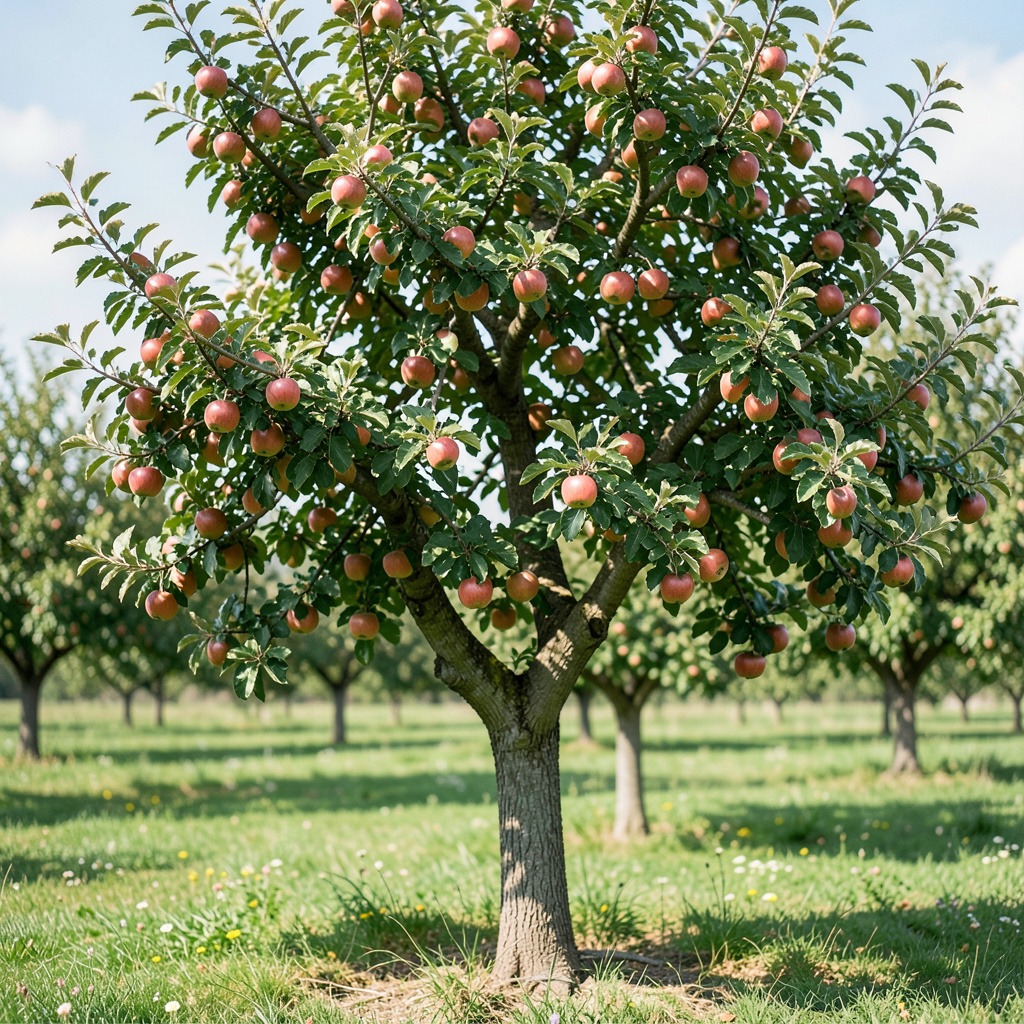
Growing apple trees offers numerous advantages, from delicious fruit to environmental benefits. Whether you opt for traditional or columnar varieties, apple trees can enhance your garden and lifestyle.
Fresh and Nutritious Fruit
Apple trees produce a wide variety of fruits that are both tasty and healthy. Fresh apples are rich in vitamins, minerals, and fiber. They provide essential nutrients that support overall health.
- Varietal Diversity: Different apple varieties offer unique flavors and textures. From sweet Fuji apples to tart Granny Smiths, you can choose based on your preference.
- Homegrown Enjoyment: Harvesting your own apples fosters a sense of accomplishment. You can enjoy fresh produce right from your garden, enhancing your meals with organic flavor.
Aesthetic Appeal and Landscaping Benefits
Apple trees add beauty to any landscape. Their blossoms in spring and colorful fruits in fall create visual interest.
- Seasonal Beauty: Apple trees bloom with white or pink flowers in spring, making them a stunning addition to your garden.
- Enhanced Landscape Design: Use apple trees as focal points or borders in your yard. Their structure and seasonal changes can complement other plants beautifully.
Increased Property Value
Planting apple trees can enhance your property’s value. Well-maintained trees contribute to a more appealing landscape.
- Curb Appeal: A vibrant apple tree can attract potential buyers. It signals a well-cared-for garden, which can increase interest in your property.
- Long-Term Investment: While traditional apple trees can last several decades, columnar varieties, though shorter-lived, still add immediate value. Their compact size makes them suitable even for small lots.
Environmental Benefits
Apple trees contribute positively to the environment. They improve air quality and support local ecosystems.
- Carbon Sequestration: Trees absorb carbon dioxide, helping to combat climate change.
- Habitat for Wildlife: Apple trees provide food and shelter for birds and beneficial insects, promoting biodiversity in your garden.
In summary, growing apple trees offers multiple benefits, making them a worthy addition to any garden or landscape.
Cons of Growing Apple Trees
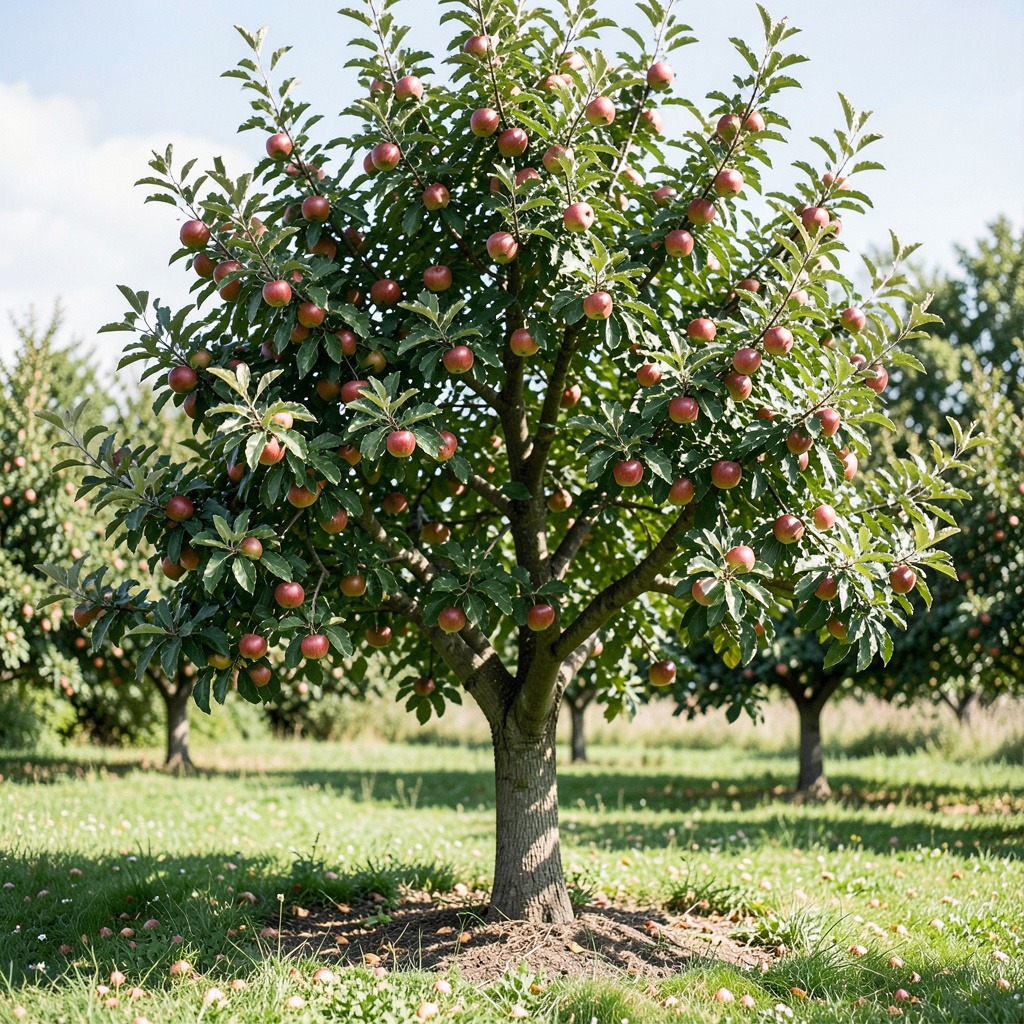
While apple trees offer numerous benefits, they also present challenges that potential growers should consider. Understanding these cons can help you make an informed decision before planting.
Maintenance Requirements
Apple trees require regular maintenance to thrive. This includes pruning, watering, and fertilizing. Neglecting these tasks can lead to poor fruit quality and tree health.
- Pruning: Essential for shaping the tree and promoting fruit production. It typically involves removing dead or overcrowded branches.
- Watering: Young trees need consistent moisture, especially during dry spells. Established trees still require adequate irrigation, particularly during fruit development.
- Fertilizing: Apple trees benefit from balanced fertilizers. Timing and application are crucial to avoid nutrient deficiencies.
Inadequate maintenance can result in stunted growth and reduced yields.
Pest and Disease Susceptibility
Apple trees are vulnerable to various pests and diseases. Effective management strategies are necessary to protect your investment.
Common pests include:
- Codling Moth: Larvae damage the fruit, leading to significant loss.
- Aphids: These sap-sucking insects weaken trees and can transmit diseases.
- Spider Mites: They thrive in hot, dry conditions and can cause leaf damage.
Common diseases include:
- Powdery Mildew: A fungal infection that affects leaves and fruit.
- Apple Scab: Causes dark lesions on leaves and fruit, leading to premature leaf drop.
Implementing an integrated pest management (IPM) strategy is crucial. This may involve:
- Regular monitoring for signs of pests and diseases.
- Using resistant apple varieties when possible.
- Applying organic or chemical treatments as needed.
Space Requirements and Time Investment
Growing apple trees, especially traditional varieties, requires ample space and a significant time commitment.
- Space: Traditional apple trees need more room to spread their branches. Overcrowding can lead to poor air circulation and increased disease risk. Ensure at least 15-20 feet between trees.
- Time: Trees take several years to mature and produce fruit. Gardeners should be patient, as many varieties require 5-7 years before yielding a significant harvest.
Columnar apple trees mitigate some space issues but still demand attention to detail regarding care and spacing. Consider your available space and time before selecting the type of apple tree to plant.
How to Care for Your Apple Trees
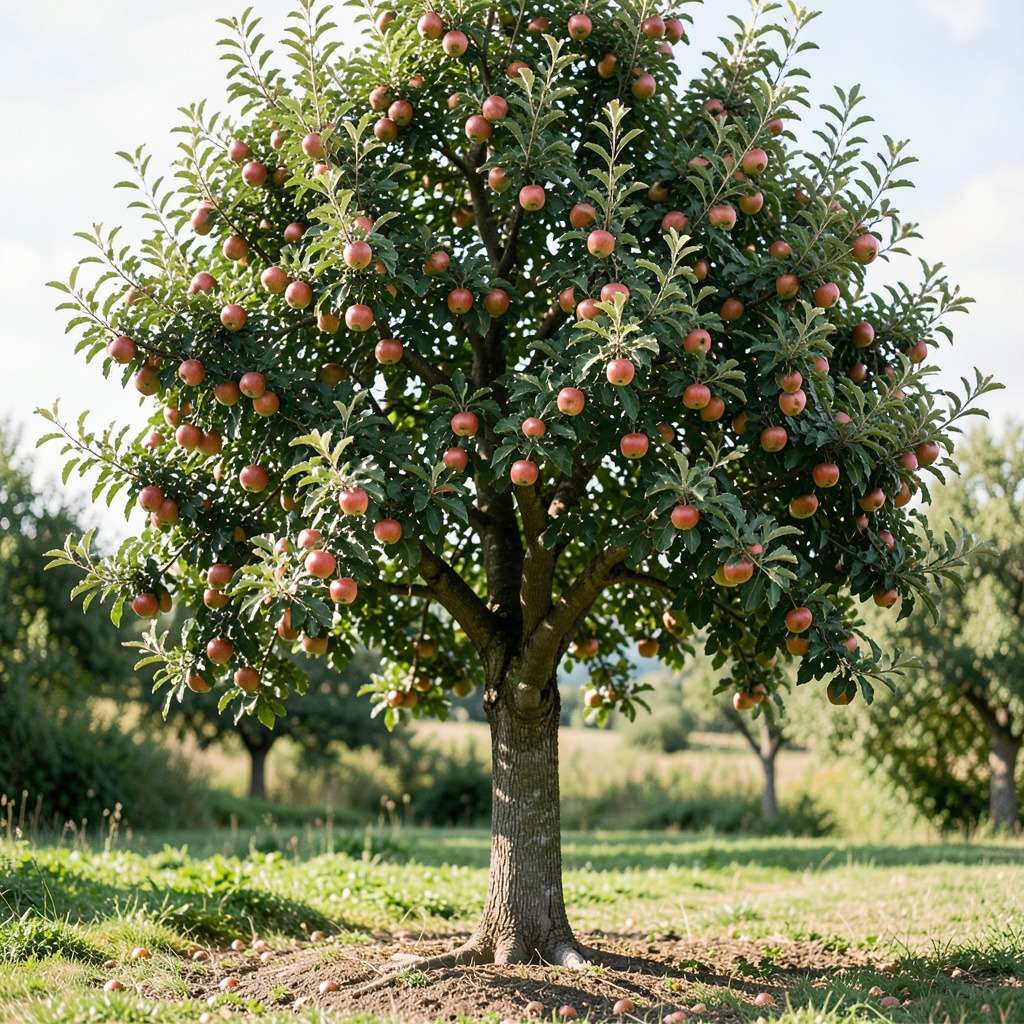
Caring for apple trees involves a range of tasks that ensure healthy growth and fruitful yields. Proper watering, pruning, and fertilization are crucial components of effective apple tree maintenance.
Watering and Soil Needs
Apple trees thrive in well-drained soil. Ensure consistent moisture, especially during dry spells.
- Watering Frequency: Water deeply once a week during dry periods. Adjust based on rainfall.
- Soil Testing: Test soil pH; apple trees prefer slightly acidic to neutral (pH 6.0 to 7.0).
- Mulching: Apply a 2-3 inch layer of mulch around the base to retain moisture and suppress weeds.
Pruning Techniques for Apple Trees
Pruning is essential for shaping the tree, promoting air circulation, and enhancing fruit production.
- Timing: Prune during late winter or early spring while the tree is still dormant.
- Technique: Remove dead or crossing branches. Aim for an open center to allow sunlight penetration.
- Annual Maintenance: Focus on thinning out overcrowded branches each year to maintain structure.
Fertilization Strategies
Proper fertilization supports healthy growth and fruit production.
- Initial Fertilization: Apply a balanced fertilizer (10-10-10) in early spring as new growth begins.
- Annual Assessment: Reassess nutrient needs each year based on soil tests and tree health.
- Organic Options: Consider organic compost or well-rotted manure for gradual nutrient release.
Seasonal Care Checklist for Apple Trees
| Task | Timing | Notes |
|---|---|---|
| Watering | Weekly | Deeply, adjust for rainfall |
| Pruning | Late winter | Shape tree and remove dead branches |
| Fertilizing | Early spring | Balanced fertilizer or organic compost |
| Pest Management | As needed | Monitor for pests and apply treatment promptly |
| Mulching | Spring/Fall | Retain moisture and suppress weeds |
By following these care strategies, you can ensure your apple trees remain healthy and productive.
Best Practices for Pest Management
Managing pests and diseases in apple trees is crucial for maintaining healthy growth and maximizing fruit yield. Effective strategies include both preventive measures and responsive treatments, especially when employing organic methods.
Common Pests and Their Management
Apple trees can attract various pests, including:
- Aphids: These small insects sap the tree’s vitality. They can be managed by introducing ladybugs, which are natural predators.
- Coddling Moths: These pests damage the fruit. Traps with pheromones can help monitor and reduce their population.
- Spider Mites: These tiny arachnids thrive in dry conditions, causing leaf discoloration. Increasing humidity around the trees and using neem oil can mitigate their impact.
Regular monitoring and early intervention are essential. Inspect trees frequently, especially during the growing season.
Organic Pest Control Options
Implementing organic pest control can protect your apple trees without harmful chemicals. Consider these effective methods:
- Homemade Insecticidal Soap: Mix 1 tablespoon of liquid soap with 1 quart of water. Spray directly on affected areas to control aphids and spider mites.
- Diatomaceous Earth: This natural powder can deter soft-bodied insects. Sprinkle it around the base of the tree and on the leaves.
- Companion Planting: Grow herbs like basil and marigolds nearby. These plants repel pests and attract beneficial insects.
Quick Reference for Organic Pest Management
| Pest | Organic Control Method |
|---|---|
| Aphids | Introduce ladybugs; use insecticidal soap |
| Coddling Moths | Use pheromone traps |
| Spider Mites | Increase humidity; apply neem oil |
By adopting these pest management strategies, you can foster a healthier environment for your apple trees, ultimately enhancing their growth and fruit production.
Yield Potential of Apple Trees
The yield potential of apple trees is influenced by various factors, including tree variety, growth conditions, and pollination strategies. Understanding these elements can help maximize fruit production for both traditional and columnar apple trees.
Factors Affecting Apple Yield
Several key factors determine how much fruit an apple tree will produce:
- Tree Variety: Different apple varieties yield different amounts of fruit. For instance, Honeycrisp apples are known for their high yield, while some heirloom varieties may produce less.
- Growing Conditions: Adequate sunlight, soil quality, and water availability are crucial. Trees planted in well-draining soil with full sun exposure typically thrive and produce more fruit.
- Age of the Tree: Younger trees may take 2-3 years to bear fruit, while mature trees can produce significantly higher yields. Columnar varieties often mature faster than traditional trees.
- Pollination: Many apple varieties require cross-pollination to produce fruit effectively. Having multiple varieties nearby can significantly boost yield.
Maximizing Harvest Through Pollination
Effective pollination is vital for achieving high yields in apple trees. Here’s how to enhance pollination:
- Plant Multiple Varieties: Choose compatible apple varieties to ensure cross-pollination. For example, pairing a Fuji apple with a Gala can enhance fruit set.
- Attract Pollinators: Promote pollinator presence by planting flowers nearby. Bees are essential for transferring pollen between trees.
- Timing: Ensure that flowering times overlap between different apple varieties. This increases the chances of successful pollination.
A well-planned approach to planting and maintaining apple trees can lead to abundant harvests. For instance, a grower who strategically planted three different varieties experienced a 30% increase in overall fruit production compared to a single variety setup.
By focusing on these yield factors and pollination strategies, gardeners can maximize the fruit production of both traditional and columnar apple trees.
Comparisons: Traditional vs. Columnar Apple Trees
When considering apple trees, understanding the differences between traditional and columnar varieties is crucial. Each type has its unique attributes that can significantly impact gardening decisions.
Space Requirements
| Feature | Traditional Apple Trees | Columnar Apple Trees |
|---|---|---|
| Space Needed | Requires more horizontal space | Grows upright, needs less space |
| Average Width | 15-25 feet | 2-3 feet |
| Ideal for | Larger yards, orchards | Small gardens, patios |
Traditional apple trees spread out significantly, making them suitable for expansive areas. In contrast, columnar apple trees feature a compact design, fitting well into limited spaces.
Maintenance and Care Needs
| Maintenance Aspect | Traditional Apple Trees | Columnar Apple Trees |
|---|---|---|
| Pruning Frequency | Regular, extensive pruning | Minimal pruning required |
| Pest Management | More susceptible to pests | Easier to manage pests |
| Growth Rate | Takes 5-7 years to bear fruit | Bears fruit in 2-3 years |
Traditional apple trees demand more intensive care. They require regular pruning and are often more prone to pest issues. Columnar varieties, however, are simpler to maintain, making them an attractive option for novice gardeners.
Yield and Fruit Quality
| Yield Potential | Traditional Apple Trees | Columnar Apple Trees |
|---|---|---|
| Overall Yield | Higher, diverse varieties | Moderate, fewer varieties |
| Fruit Size | Larger fruit | Smaller fruit |
| Pollination Needs | Requires cross-pollination | Can be more easily pollinated with fewer trees |
Traditional apple trees typically produce a higher yield and offer a wider variety of fruit types. Columnar trees can produce fruit sooner, but they may not match the overall volume or variety of their traditional counterparts.
Comparison Takeaway
Choosing between traditional and columnar apple trees depends on your space, maintenance capacity, and desired yield. If you have limited space and prefer lower maintenance, columnar trees may be the best choice. However, for those willing to invest time and space, traditional apple trees provide a broader range of fruit options and potentially greater yields.
When to Plant Apple Trees
Timing is crucial for the successful growth of apple trees. Understanding the ideal planting times for different varieties ensures optimal growth and fruit production.
Regional Considerations for Planting
The best time to plant apple trees often depends on your climate zone. Here’s a breakdown:
- Cool Climates (Zones 3-4): Early spring is ideal, after the last frost. This allows roots to establish before summer heat.
- Temperate Climates (Zones 5-7): Plant in late winter to early spring for best results. Trees can also be planted in fall, allowing them to acclimate over winter.
- Warm Climates (Zones 8-9): Fall planting is recommended. This timing helps trees to establish roots before the heat of summer.
Ideal Timing for Different Varieties
Different apple tree varieties have specific planting windows:
| Variety | Best Planting Time |
|---|---|
| Honeycrisp | Early spring |
| Granny Smith | Late winter to early spring |
| Fuji | Early spring |
| Columnar Varieties | Early spring or fall |
When selecting a variety, consider both regional climate and desired fruit characteristics.
Seasonal Planting Checklist
1. Choose Your Variety: Select based on climate and space.
2. Check Frost Dates: Ensure planting occurs after the last frost.
3. Prepare the Soil: Ensure well-drained, fertile soil.
4. Plant Properly: Dig a hole twice as wide as the root ball and plant at the same depth as it was in the nursery.
5. Water Thoroughly: Water immediately after planting to settle the soil.
By following these guidelines, you can maximize your success in growing apple trees, whether traditional or columnar.
Space-Saving Techniques for Urban Gardening
Growing apple trees in limited spaces requires innovative techniques. Two effective methods are container gardening and vertical gardening. These approaches allow urban gardeners to maximize their space while still enjoying the benefits of fresh apples.
Container Gardening for Apple Trees
Container gardening is an excellent option for growing apple trees, especially columnar varieties. These trees thrive in pots, making them perfect for patios or balconies. Here are some key considerations:
- Container Size: Choose containers that are at least 5-10 gallons for optimal growth. Larger containers help retain moisture and provide adequate root space.
- Soil Type: Use a well-draining potting mix enriched with organic matter. This helps prevent root rot and provides nutrients.
- Watering: Regularly check soil moisture. Containers can dry out quickly, so consistent watering is crucial.
Example: A columnar apple tree like ‘Northpole’ can flourish in a 10-gallon container, producing apples while taking up minimal space.
Vertical Gardening Techniques
Vertical gardening allows you to grow apple trees upwards, creating more room for other plants. Here’s how to implement this technique:
- Trellis Systems: Utilize sturdy trellises to support the tree as it grows. This method works well for columnar varieties, allowing them to reach their full height without spreading out.
- Espalier Techniques: Train apple trees to grow flat against a wall or fence. This not only saves space but also creates a unique aesthetic element in your garden.
- Multi-Tree Systems: Plant multiple columnar apple trees in a single vertical structure. This maximizes fruit production in a compact area.
Example: By training a couple of ‘Golden Sentinel’ columnar apple trees along a fence, a gardener can create an attractive display while efficiently using limited space.
By employing these innovative gardening techniques, urban gardeners can successfully cultivate apple trees, enjoying the fruits of their labor without sacrificing valuable space.
Environmental Benefits of Apple Trees
Planting apple trees offers significant ecological advantages. These trees contribute to biodiversity and play a critical role in carbon sequestration.
Carbon Sequestration
Apple trees absorb carbon dioxide from the atmosphere. This process helps mitigate climate change. A mature apple tree can sequester approximately 48 pounds of carbon dioxide annually. This ability makes apple trees valuable assets in urban and rural landscapes alike.
Supporting Local Ecosystems
Apple trees provide habitat and food for various wildlife. They attract pollinators such as bees and butterflies, which are essential for ecosystem health. Additionally, the fallen fruit and leaves support local fauna, enriching the soil and promoting biodiversity.
Key Benefits:
- Pollinator Support: Apple blossoms attract pollinators, boosting local bee populations.
- Habitat Creation: Trees provide shelter for birds and small mammals.
- Soil Enrichment: Decomposing organic matter enhances soil health.
By incorporating apple trees into your gardening plans, you not only enjoy fresh fruit but also contribute positively to your local environment.
Cost Considerations for Growing Apple Trees
Understanding the financial implications of planting apple trees is crucial for potential growers. This section examines the initial investment, long-term savings, and cost comparisons between traditional and columnar apple trees.
Initial Investment vs. Long-Term Savings
Planting apple trees requires an upfront investment, which can vary based on the type of tree and its age. Here’s a breakdown of typical costs:
- Saplings: $20 to $50 per tree depending on variety and size.
- Soil Preparation: $50 to $100 for amendments.
- Fertilizers and Tools: $50 to $150 annually.
- Pest Control: $30 to $100 annually.
While these costs may seem significant, the long-term savings can be substantial. A mature apple tree can yield between 100 to 300 pounds of fruit annually. Assuming an average apple price of $2 per pound, the potential annual savings can reach $600 to $600 annually after the trees mature.
Comparing Costs of Traditional vs. Columnar Trees
When deciding between traditional and columnar apple trees, cost considerations extend beyond initial planting. Here are key differences:
| Aspect | Traditional Apple Trees | Columnar Apple Trees |
|---|---|---|
| Initial Cost | $20 to $50 per sapling | $30 to $70 per sapling |
| Space Required | Requires more space | Space-efficient design |
| Lifespan | 30 to 50 years | 10 to 20 years |
| Annual Yield | 100 to 300 pounds | 25 to 30 pounds |
| Maintenance Costs | Moderate to high | Generally lower |
Traditional apple trees may provide higher yields over a longer lifespan but require more space and potentially higher maintenance costs. Columnar trees, while offering lower yields, are suitable for urban settings and smaller gardens, making them an attractive option for space-constrained gardeners.
In summary, weighing the initial investment against long-term savings and yield potential is essential. Understanding these financial aspects will help aspiring apple tree growers make informed decisions that align with their gardening goals.
Common Mistakes to Avoid When Planting Apple Trees
Planting apple trees can be rewarding, but many gardeners make common mistakes that hinder growth and fruit production. Understanding these pitfalls and how to avoid them is crucial for a successful apple tree garden.
Overwatering and Poor Drainage
One of the most frequent mistakes is overwatering. Apple trees prefer well-drained soil. Too much water can lead to root rot and other diseases.
- Tip: Ensure your planting site has good drainage. Use raised beds if necessary.
- Checklist:
- Check soil moisture before watering.
- Water deeply but infrequently, allowing the top layer to dry out.
Ignoring Pollination Needs
Many apple varieties require cross-pollination to bear fruit. Ignoring this need can result in poor yields or no fruit at all.
- Tip: Plant at least two different varieties nearby to ensure effective pollination.
- Checklist:
- Identify your apple tree’s pollination requirements.
- Select compatible varieties based on bloom times.
Failing to Properly Space Trees
Planting apple trees too close together can lead to overcrowding. This not only restricts growth but also increases the risk of disease due to poor air circulation.
- Tip: Follow spacing guidelines based on the tree variety.
- Checklist:
- Columnar apple trees: 2-3 feet apart.
- Traditional apple trees: 15-20 feet apart.
By avoiding these common mistakes, you can ensure your apple trees thrive and provide a bountiful harvest.
Alternative Fruit Trees for Small Spaces
When considering apple trees for small spaces, it’s essential to explore other fruit tree options that can thrive in limited areas. Here, we compare dwarf and columnar fruit trees, examining their benefits and drawbacks.
Dwarf Fruit Trees
Dwarf fruit trees are compact varieties that fit well into small gardens or urban settings. They typically reach heights of 3 to 8 feet, making them ideal for limited space.
Pros:
- Space Efficiency: Dwarfs need less room, allowing for closer planting.
- Early Yield: They often bear fruit within 1-3 years after planting.
- Easy Maintenance: Smaller size simplifies care and harvesting.
Cons:
- Lower Yield: Dwarf trees produce fewer fruits than standard-sized trees.
- Limited Variety: Fewer species and cultivars are available compared to traditional trees.
- Vulnerability: Smaller trees may be more susceptible to environmental stressors.
Other Space-Efficient Fruit Options
In addition to dwarf trees, consider other fruit tree varieties that adapt well to small spaces. Here are some alternatives:
| Fruit Tree Type | Yield Potential | Maintenance Level | Space Requirement |
|---|---|---|---|
| Columnar Apple Trees | Moderate to High | Moderate | 2-3 feet apart |
| Dwarf Peach Trees | Moderate | Moderate | 4-5 feet apart |
| Fig Trees | Moderate to High | Low | 4-6 feet apart |
| Pomegranate Trees | Moderate | Low | 4-6 feet apart |
- Columnar Apple Trees: These trees grow upright, maximizing vertical space while producing a good yield. They also require moderate maintenance, similar to standard apple trees.
- Dwarf Peach Trees: These trees offer sweet fruit with compact growth. Their yield is moderate, and they require similar care to dwarf apple trees.
- Fig Trees: Known for their low-maintenance needs, figs can thrive in small spaces and yield a generous harvest.
- Pomegranate Trees: Suitable for warmer climates, these trees are also space-efficient and require minimal care.
Consideration: When selecting fruit trees, assess your local climate and soil conditions. Choose varieties that align with your gardening goals and maintenance capabilities.
User Testimonials: Experiences with Apple Trees
Growers often share their experiences with apple trees, highlighting both the joys and the challenges. These real-life stories provide valuable insights into what to expect when cultivating these popular fruit trees.
Case Studies of Successful Apple Growers
1. Urban Gardener – Sarah from Chicago
Sarah planted two columnar apple trees on her balcony. Within two years, she harvested her first apples. She appreciates their compact size, which fits perfectly in her limited space. However, she notes the importance of proper pollination. She planted a second variety nearby to improve yield.
2. Orchard Enthusiast – Mark from Oregon
Mark runs a small orchard with traditional apple trees. He enjoys a diverse selection, including Honeycrisp and Granny Smith varieties. His biggest challenge has been pest management, particularly with codling moths. He uses organic methods, such as pheromone traps, to minimize damage while maintaining a healthy crop.
3. First-Time Grower – Lisa from Texas
Lisa decided to start with dwarf apple trees in her backyard. She was excited about the quick maturity, producing fruit within a couple of years. However, she faced difficulties with soil quality. She learned the importance of soil testing and amending it with compost for better growth.
Lessons Learned from Challenges Faced
- Pest Management
Many growers emphasize the need for proactive pest management. Using integrated pest management (IPM) strategies can help minimize issues while promoting a healthy ecosystem.
- Space Considerations
Urban gardeners often struggle with spacing. Proper spacing is crucial for air circulation and sunlight exposure. Gardeners recommend a minimum of 2-3 feet between columnar trees to ensure healthy growth.
- Fruit Variety Selection
Choosing the right apple varieties is essential. Growers recommend selecting varieties that are disease-resistant and suited to local climate conditions. This choice can significantly impact yield and tree longevity.
Quick Comparison of Apple Trees
| Feature | Traditional Apple Trees | Columnar Apple Trees |
|---|---|---|
| Space Required | Larger footprint | Space-efficient |
| Maturity Time | 5-7 years | 2-3 years |
| Lifespan | Several decades | 10-20 years |
| Variety Selection | Wide variety | Limited options |
| Maintenance Level | Moderate to high | Moderate |
Conclusion: Are Apple Trees Right for You?
Deciding whether to plant apple trees involves understanding their benefits and limitations. This section summarizes the key considerations to help you make an informed choice.
Weighing the Pros and Cons
Before planting apple trees, consider the following advantages and disadvantages:
- Pros of Traditional Apple Trees:
- Wide variety of apple types available.
- Longer lifespan, often lasting several decades.
- Attractive, larger trees that enhance landscape aesthetics.
- Cons of Traditional Apple Trees:
- Require more space, making them less suitable for small gardens.
- Higher maintenance demands, including pruning and pest management.
- Longer time to maturity, typically taking 5-7 years to bear fruit.
- Pros of Columnar Apple Trees:
- Space-efficient design, allowing for dense planting in small areas.
- Faster fruit production, maturing in just 2-3 years.
- Similar yield potential to larger trees, producing a substantial amount of fruit.
- Cons of Columnar Apple Trees:
- Limited variety selection compared to traditional trees.
- Shorter lifespan, typically 10-20 years.
- May require more frequent replacement, impacting long-term gardening plans.
Making an Informed Choice
To determine if apple trees fit your gardening goals, consider the following decision-making framework:
1. Space Availability: Assess your garden’s size. If limited, columnar varieties may be best.
2. Maintenance Commitment: Evaluate your willingness to engage in regular care. Traditional trees demand more effort.
3. Fruit Preferences: Decide on the type and variety of apples you wish to grow. Traditional trees offer more options.
4. Long-Term Plans: Consider how long you want your trees to last. If longevity is key, traditional varieties are preferable.
By weighing these factors, you can identify which type aligns best with your gardening aspirations. Use this checklist to evaluate your readiness:
- Do you have adequate space for traditional trees?
- Are you prepared for the maintenance required?
- What varieties are available in your area?
- What is your timeline for fruit production?
This structured approach will help you decide whether apple trees are the right addition to your garden.
Frequently Asked Questions
These quick answers cover the most common questions about this topic, including key details, practical tips, and common concerns.
What trees should not be planted near apple trees?
Avoid planting trees that attract pests or compete for resources. Trees like cherry, peach, and apricot can attract similar pests, such as aphids and fruit flies. Additionally, avoid planting walnut trees nearby, as they release a chemical called juglone that can harm apple trees.
Should an apple tree go in your yard?
Yes, if you have the space and are willing to commit to maintenance. Apple trees provide delicious fruit, enhance your landscape, and offer environmental benefits like improving air quality. However, consider your local climate, available space, and whether you can manage pests and diseases effectively.
Is there a downside to apples?
While apples are nutritious and versatile, some downsides include their susceptibility to pests and diseases, which can require regular management. Additionally, some apple varieties may not thrive in certain climates or soil types. Over-reliance on chemical treatments can also lead to environmental concerns.
Do you always need two apple trees?
Not always, but having two different varieties can significantly improve fruit yield. Many apple trees require cross-pollination to produce fruit effectively. If you choose a self-pollinating variety, like some columnar types, you may only need one tree. However, planting a second tree can enhance production.
Growing apples: is it worth it?
Yes, growing apples can be very rewarding. The benefits include fresh, homegrown fruit, aesthetic appeal, and increased property value. While there are challenges, such as maintenance and pest control, many gardeners find the experience fulfilling and the yield worth the effort.
Can apple trees be grown in containers?
Yes, apple trees can thrive in containers, especially columnar varieties. Choose a pot that is at least 5-10 gallons for adequate root space. Ensure the container has drainage holes and use a well-draining potting mix. Regular watering is essential, as container plants can dry out quickly.
What is rootstock?
Rootstock refers to the root system onto which a scion (the upper part of the tree) is grafted. It influences the tree’s growth rate, size, and fruiting characteristics. Different rootstocks can lead to varying tree heights and yields, making them an important consideration for apple tree growers.
From 10:24 Rootstock: What is it?
10:24 refers to a specific type of rootstock used for apple trees. It is known for producing semi-dwarf trees that are manageable in size while still providing good fruit yields. This rootstock is favored for its disease resistance and ability to thrive in a variety of soil conditions.