
Ash trees provide shade and fast growth but are vulnerable to pests like the emerald ash borer, leading to potential maintenance challenges.
Table of Contents
Planting ash trees can offer various benefits, such as shade and rapid growth. However, potential drawbacks like vulnerability to pests, particularly the emerald ash borer, must also be considered. This guide explores the essential pros and cons of ash trees.
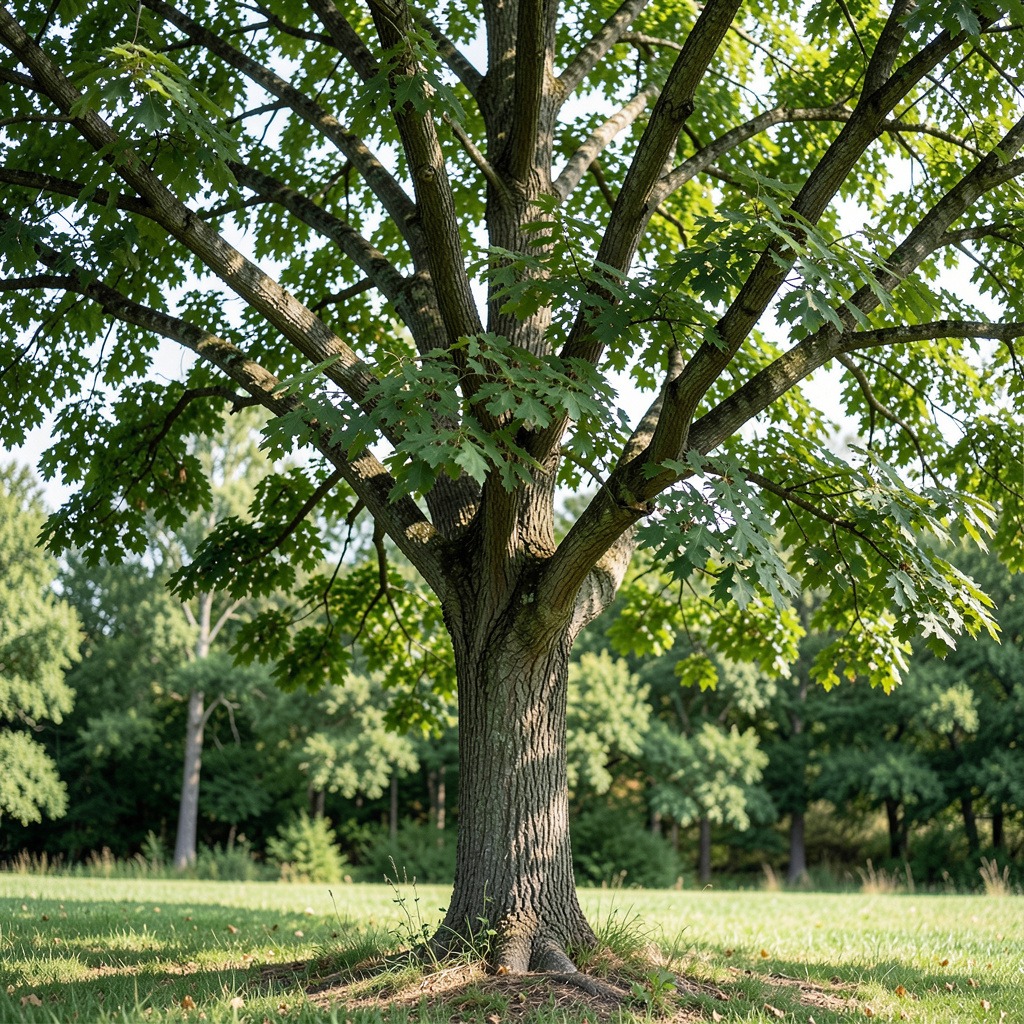
Understanding the Benefits of Ash Trees
Planting ash trees can significantly enhance your garden. They offer shade, rapid growth, and support local wildlife. Here are some key benefits to consider.
Shade Provision and Aesthetic Appeal
Ash trees provide ample shade, making them ideal for residential gardens. Their broad canopies create comfortable outdoor spaces. Additionally, the changing colors of their leaves in fall add visual interest. A well-placed ash tree can serve as a focal point in your landscaping design.
Fast Growth Rates
Ash trees are known for their rapid growth. Many species, like the Arizona Ash, can grow three feet or more each year during their early years. This quick growth can bring shade and beauty to your yard in a short time. Homeowners often choose ash trees for their ability to provide fast cover in urban settings.
Wildlife Support and Ecosystem Benefits
These trees also support local wildlife. Birds often nest in their branches, benefiting from the shelter and food sources. Their seeds attract various bird species, enhancing biodiversity. Moreover, ash trees contribute to the ecosystem by improving air quality and reducing soil erosion.
Practical Considerations for Planting Ash Trees
- Soil Adaptability: Ash trees thrive in various soil types, including clay, loam, and sandy soils. This versatility makes them suitable for many environments.
- Watering Needs: Newly planted ash trees require regular watering for the first year. After that, they can tolerate drought conditions, making them low-maintenance.
Incorporating ash trees into your landscaping not only improves aesthetic value but also supports the local ecosystem. Consider how they can fit into your garden design for a sustainable option.
Identifying the Drawbacks of Ash Trees
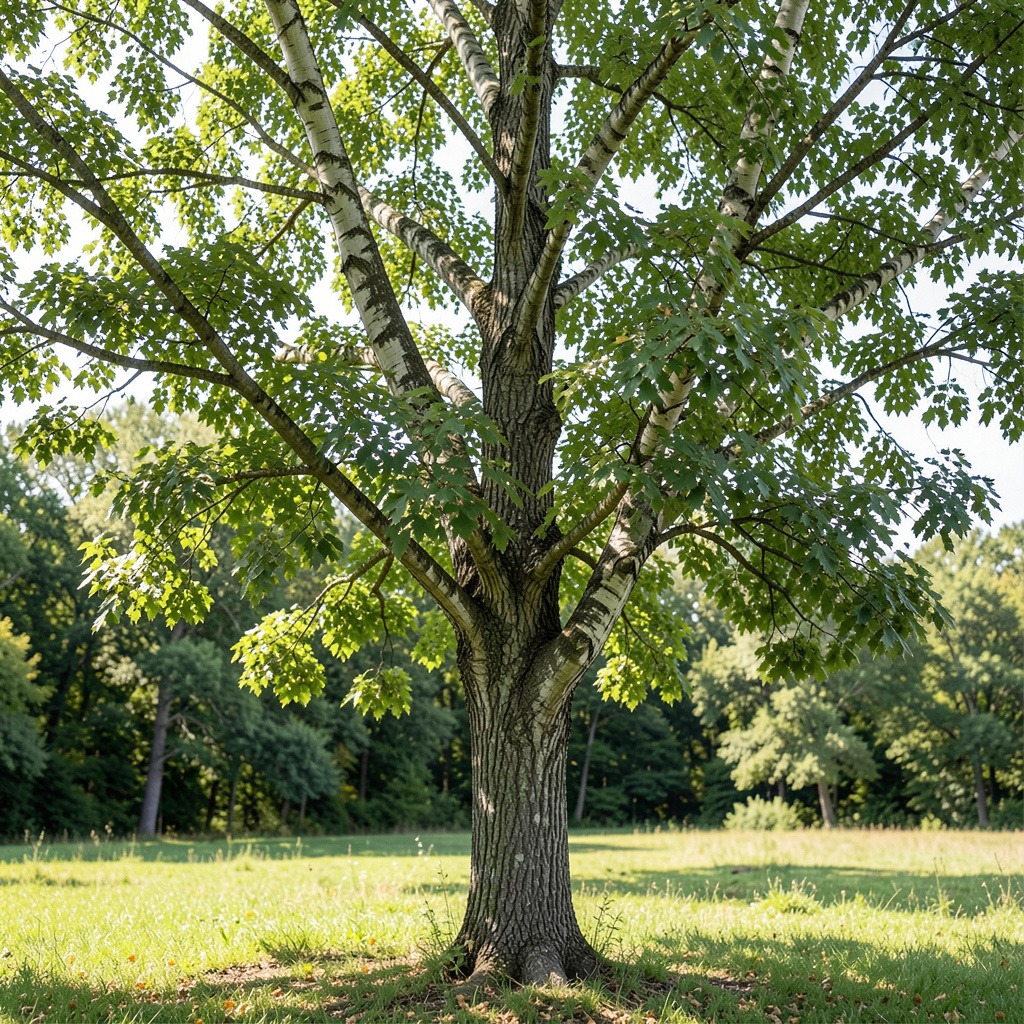
While ash trees offer numerous benefits, they also present specific drawbacks. Understanding these challenges is essential for making an informed decision about incorporating them into your garden.
Vulnerability to Emerald Ash Borer
One of the most significant threats to ash trees is the emerald ash borer (EAB). This invasive pest has devastated ash populations across North America.
- Impact: EAB larvae feed on the inner bark, disrupting nutrient flow. This often leads to tree death within a few years.
- Statistics: In regions where EAB has established, up to 99% of ash trees can be lost.
- Management Strategies: Regular monitoring and preventive treatments, such as insecticidal applications, can mitigate risks. Opt for systemic insecticides that target EAB before signs of infestation appear.
Wood Quality and Lifespan Concerns
The wood quality of ash trees can be a double-edged sword. While it is valued for its strength, there are notable issues to consider.
- Brittleness: Ash wood is prone to breaking, particularly in adverse weather conditions. This can pose safety risks and increase maintenance needs.
- Lifespan: The average lifespan of an ash tree ranges from 30 to 60 years, which is shorter compared to other hardwoods such as oaks that can live for over 100 years.
Maintenance Requirements Over Time
Maintaining ash trees can be challenging, especially as they mature.
- Pruning: Regular pruning is necessary to remove dead or damaged branches. This can be labor-intensive and may require professional assistance.
- Watering Needs: Although established trees can tolerate drought, young trees need consistent watering. During the first year, they require deep watering every 3 to 4 days in hot months.
Checklist of Considerations
When evaluating ash trees, consider the following:
- Pest Management: Are you prepared for the potential threat of EAB?
- Wood Use: Are you comfortable with the risk of brittle wood?
- Maintenance: Can you manage the long-term care requirements?
By addressing these concerns, you can make an informed decision regarding the suitability of ash trees in your landscape.
How to Care for Ash Trees Effectively
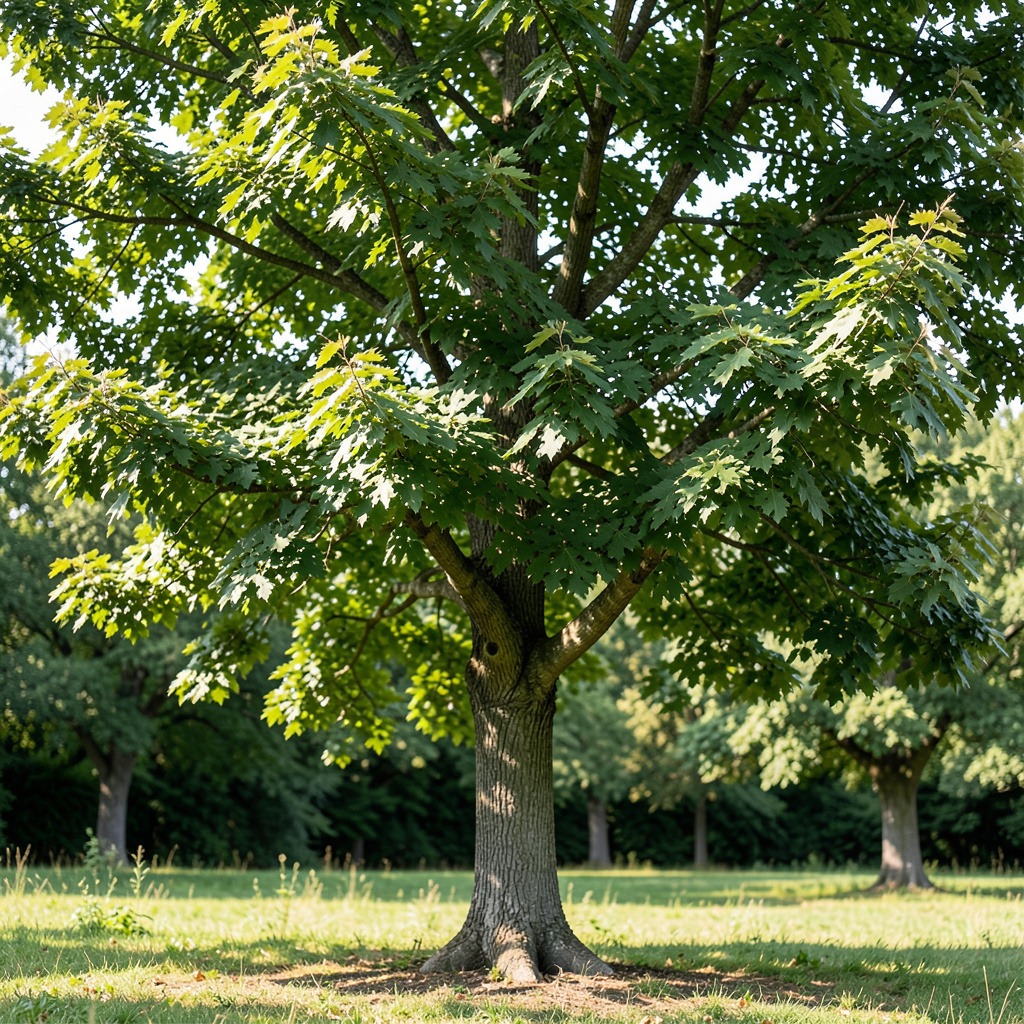
Caring for ash trees requires attention to watering, pruning, and pest control. Understanding these elements will help ensure healthy growth and longevity for your trees.
Watering and Soil Requirements
Ash trees thrive in well-drained soil and require specific watering practices.
- Young Trees: Water every 3 to 4 days during hot months for the first year. Ensure that water penetrates at least 2 feet deep.
- Established Trees: Once mature, ash trees need deep watering once or twice a month during summer.
- Soil Type: Choose well-drained soil with adequate moisture retention. Test soil pH; ash trees prefer slightly acidic to neutral conditions.
Pruning Techniques for Optimal Growth
Regular pruning enhances air circulation and promotes healthy growth in ash trees.
- Timing: Prune in late winter or early spring before new growth begins.
- Technique: Remove dead, damaged, or crossing branches first. Avoid removing more than 25% of the canopy in one year.
- Professional Help: Consider hiring a certified arborist for significant pruning or if you notice signs of disease.
Pest Control Strategies
Managing pests is crucial due to threats like the emerald ash borer (EAB), which can devastate ash trees.
- Monitoring: Regularly inspect trees for signs of pests, such as woodpecker activity or bark damage.
- Prevention: Apply systemic insecticides in early spring as a preventive measure against EAB.
- Response: If EAB is detected, consult an expert for treatment options. Removal of heavily infested trees may be necessary to protect surrounding plants.
Seasonal Care Calendar for Ash Trees
To effectively manage the care of your ash trees throughout the year, follow this seasonal checklist:
| Season | Task |
|---|---|
| Spring | Prune branches, apply fertilizer (10-10-10) |
| Summer | Deep water established trees, monitor pests |
| Fall | Clean fallen leaves, check for pest signs |
| Winter | Inspect for damage, plan pruning for spring |
By adhering to these care guidelines, you can maximize the benefits of planting ash trees while mitigating potential drawbacks.
When is the Best Time to Plant Ash Trees?
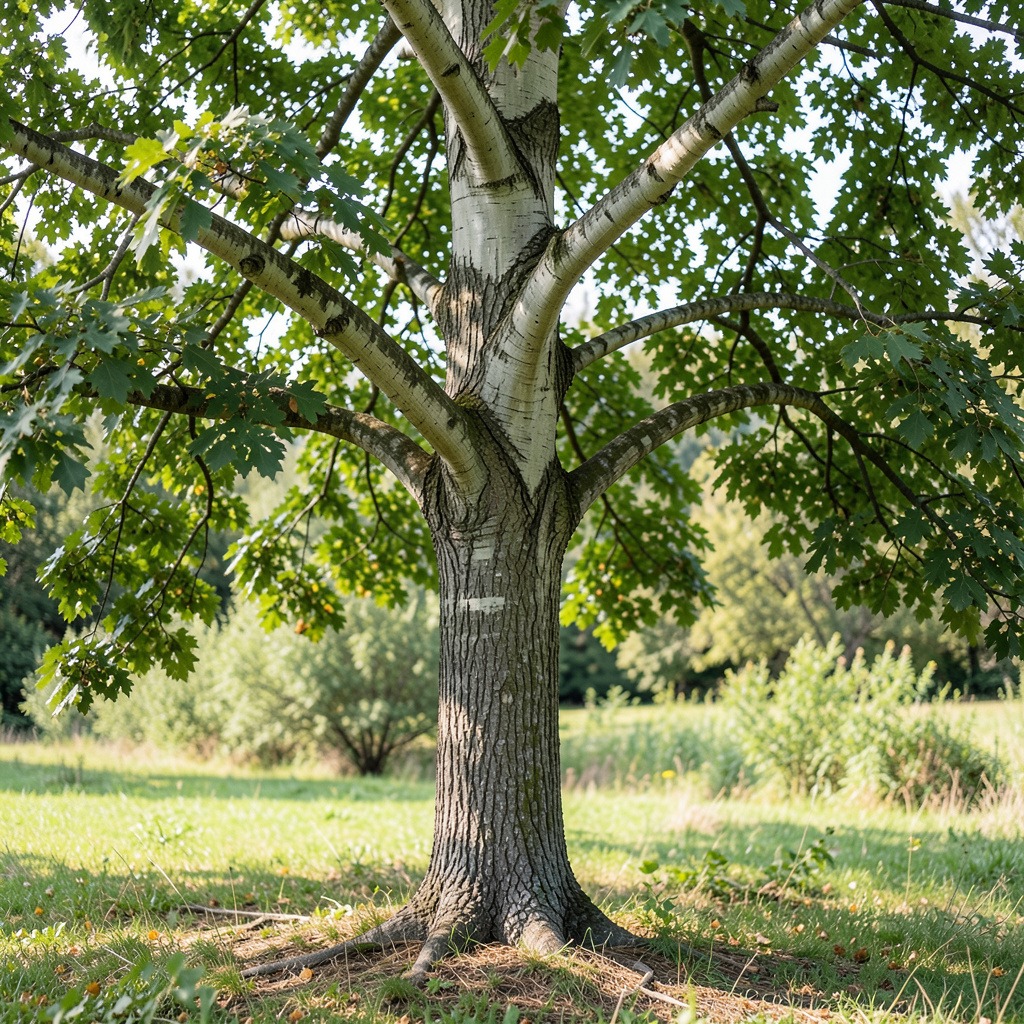
Timing plays a crucial role in the successful establishment of ash trees. Understanding seasonal variations and climate factors can enhance growth and resilience.
Seasonal Considerations
The best time to plant ash trees is typically in early spring or fall. These seasons provide moderate temperatures and adequate rainfall, which promote root development.
- Spring Planting:
- Ideal for regions with cold winters.
- Plant after the last frost to ensure young trees aren’t damaged by late cold spells.
- Fall Planting:
- Suitable for areas with milder winters.
- Allows roots to establish before the ground freezes, giving a head start for spring growth.
Climate Impact on Growth
Local climate conditions significantly impact the success of ash trees. Ash trees thrive in USDA hardiness zones 3 to 9, yet specific climate factors should be considered:
- Temperature:
- Extreme heat can stress young trees. Aim for planting when daytime temperatures are consistently below 80°F.
- Precipitation:
- Ensure adequate moisture either through rainfall or supplemental watering. Ash trees prefer well-drained, moist soil.
Ideal Soil Conditions for Planting
Soil quality directly affects the growth of ash trees. Here are the optimal conditions:
- Soil Type:
- Well-drained sandy or loamy soils are ideal. Avoid heavy clay that retains water.
- pH Level:
- Ash trees prefer a pH of 6.0 to 7.5. Testing soil pH before planting can help identify necessary amendments.
- Drainage:
- Ensure the planting site has good drainage to prevent root rot. Consider raised beds in areas prone to flooding.
By aligning planting times with seasonal and climatic conditions, you can enhance the health and longevity of your ash trees.
Comparing Ash Trees to Alternative Tree Species
Understanding how ash trees compare to other common tree species helps in making informed landscaping decisions. This section evaluates the benefits and drawbacks of ash trees relative to popular alternatives like maple, oak, and pine.
Ash Trees vs. Maple Trees
| Feature | Ash Trees | Maple Trees |
|---|---|---|
| Growth Rate | Fast-growing, can reach 50 feet | Moderate growth, typically 30-50 feet |
| Shade | Provides dense shade | Offers beautiful fall foliage |
| Pest Vulnerability | Susceptible to emerald ash borer | Less susceptible to major pests |
| Maintenance | Requires minimal care | Regular pruning needed for optimal shape |
Ash trees grow quickly and provide ample shade. However, they face threats from pests like the emerald ash borer. In contrast, maple trees offer stunning fall colors but may require more maintenance.
Ash Trees vs. Oak Trees
| Feature | Ash Trees | Oak Trees |
|---|---|---|
| Growth Rate | Fast-growing, can reach 50 feet | Slow to moderate growth, up to 80 feet |
| Lifespan | Approximately 30-50 years | Long-lived, often over 100 years |
| Acorn Production | Minimal wildlife food source | Produces acorns, attracting wildlife |
| Maintenance | Minimal intervention required | Requires regular maintenance |
Although ash trees have a faster growth rate, oak trees excel in longevity and support local wildlife with their acorns. Consider your landscape goals when choosing between these species.
Ash Trees vs. Pine Trees
| Feature | Ash Trees | Pine Trees |
|---|---|---|
| Growth Rate | Fast-growing, can reach 50 feet | Variable growth, some can be very tall |
| Shade | Broad canopy providing significant shade | Generally less dense shade |
| Pest Resistance | Vulnerable to specific pests | Generally more resilient |
| Maintenance | Low-maintenance | Requires some maintenance and pruning |
Pine trees tend to be more resilient against pests and often require more upkeep. Ash trees, while offering rapid shade, can be at risk from specific threats, making maintenance a key consideration.
Decision Framework for Choosing Trees
When selecting trees for your garden, consider these factors:
- Desired Growth Rate: If you want quick shade, choose ash trees. For longevity, oak is a better option.
- Pest Management: If pest susceptibility is a concern, evaluate the risks associated with ash trees.
- Wildlife Support: If attracting wildlife is important, consider the acorn production of oak trees.
This framework can guide you in making a choice that aligns with your landscaping goals while weighing the pros and cons of ash trees.
Making the Decision: Should You Plant Ash Trees?
When considering whether to plant ash trees, homeowners must evaluate both the benefits and drawbacks. This decision framework will guide you through assessing your landscape needs, long-term maintenance, and pest management options.
Assessing Your Landscape Needs
Before planting ash trees, identify your specific landscaping goals. Consider the following factors:
- Shade Requirements: Ash trees provide considerable shade, making them ideal for sunny spaces.
- Growth Rate: Ash trees, particularly the Arizona Ash, grow quickly, offering visual benefits in just a few years.
- Aesthetic Value: Mature ash trees enhance the beauty of your garden and can increase property value.
Evaluating Long-Term Maintenance
Understanding the maintenance needs of ash trees is crucial for decision-making. Here are important considerations:
- Drought Tolerance: Ash trees can endure moderate drought conditions, but they still require some watering during dry spells.
- Wood Quality: The wood of ash trees can be brittle, leading to breakage in adverse weather. Regular inspections and pruning are essential.
- Life Span: Most ash trees live between 20 to 30 years, which may influence your long-term landscaping plans.
Considering Pest Management Options
Pest threats, particularly the emerald ash borer, pose significant risks to ash trees. Here are strategies to manage these threats:
- Regular Inspections: Routinely check for signs of infestation, such as woodpecker damage or D-shaped exit holes.
- Preventive Treatments: Consider applying insecticides as a preventive measure, especially in areas with known emerald ash borer populations.
- Alternative Species: Evaluate other tree species that may offer similar benefits without the pest vulnerability, such as oaks or maples.
Decision Checklist
Use the following checklist to weigh the pros and cons of planting ash trees:
| Consideration | Ash Trees | Alternative Species |
|---|---|---|
| Shade | Excellent | Varies (e.g., oaks, maples) |
| Growth Rate | Fast | Slower (depending on species) |
| Pest Vulnerability | High (emerald ash borer) | Varies (some are more resistant) |
| Maintenance | Moderate | Varies (depends on species) |
| Aesthetic Value | High (mature trees) | Varies (depends on species) |
This framework allows you to make an informed decision about whether planting ash trees aligns with your landscaping goals.
Frequently Asked Questions
These quick answers cover the most common questions about this topic, including key details, practical tips, and common concerns.
What are the downsides of having ash trees?
The primary downside of ash trees is their vulnerability to the emerald ash borer (EAB), an invasive pest that can decimate ash populations. Once infested, trees often die within a few years. Additionally, ash wood can be brittle, leading to breakage in storms, which poses safety risks. Maintenance can also be labor-intensive, requiring regular pruning and pest management.
Are ash trees good for your yard?
Yes, ash trees can be excellent additions to your yard due to their fast growth and ability to provide ample shade. They support local wildlife and can enhance the aesthetic appeal of your landscape. However, it’s crucial to weigh these benefits against their susceptibility to pests and the maintenance they require.
Should you remove ash trees?
Consider removing ash trees if they show signs of EAB infestation or if their brittle wood poses safety concerns. If your trees are healthy and well-maintained, keeping them may be beneficial. Regular monitoring and preventive pest treatments can help you manage risks effectively.
What is the average lifespan of an ash tree?
The average lifespan of an ash tree ranges from 30 to 60 years, depending on the species and environmental conditions. This lifespan is shorter compared to other hardwoods, like oaks, which can live for over 100 years. Understanding this can help you plan your landscaping for the long term.
How do I care for ash trees?
Caring for ash trees involves regular watering, especially in their first year, and periodic pruning to maintain health. Young trees need deep watering every 3 to 4 days during hot months, while established trees require watering once or twice a month in summer. Prune in late winter or early spring to remove dead or damaged branches.
What are the common pests that affect ash trees?
The most notorious pest affecting ash trees is the emerald ash borer (EAB). Other pests include aphids and borers that can weaken trees. Regular inspections for signs of these pests, such as woodpecker activity or bark damage, are essential for early detection and management.
When is the best time to plant ash trees?
The best time to plant ash trees is in early spring or fall. Planting during these seasons allows young trees to establish roots in moderate temperatures and adequate rainfall. Avoid planting during extreme heat or cold to ensure optimal growth conditions.
What are some alternative trees to plant instead of ash trees?
If you are concerned about pests and maintenance issues associated with ash trees, consider alternatives like oaks, maples, or pines. Oaks provide longevity and wildlife support, while maples offer beautiful fall colors. Pines are generally more resilient against pests and require less maintenance.