
Basswood trees, also known as Tilia americana or linden trees, offer numerous benefits such as beautiful foliage and ease of carving, but they also have drawbacks including pest susceptibility and maintenance challenges.
The basswood tree, or Tilia americana, is a popular choice for landscaping and woodworking due to its favorable characteristics. However, potential growers should weigh its pros and cons to determine if it fits their needs and environment.
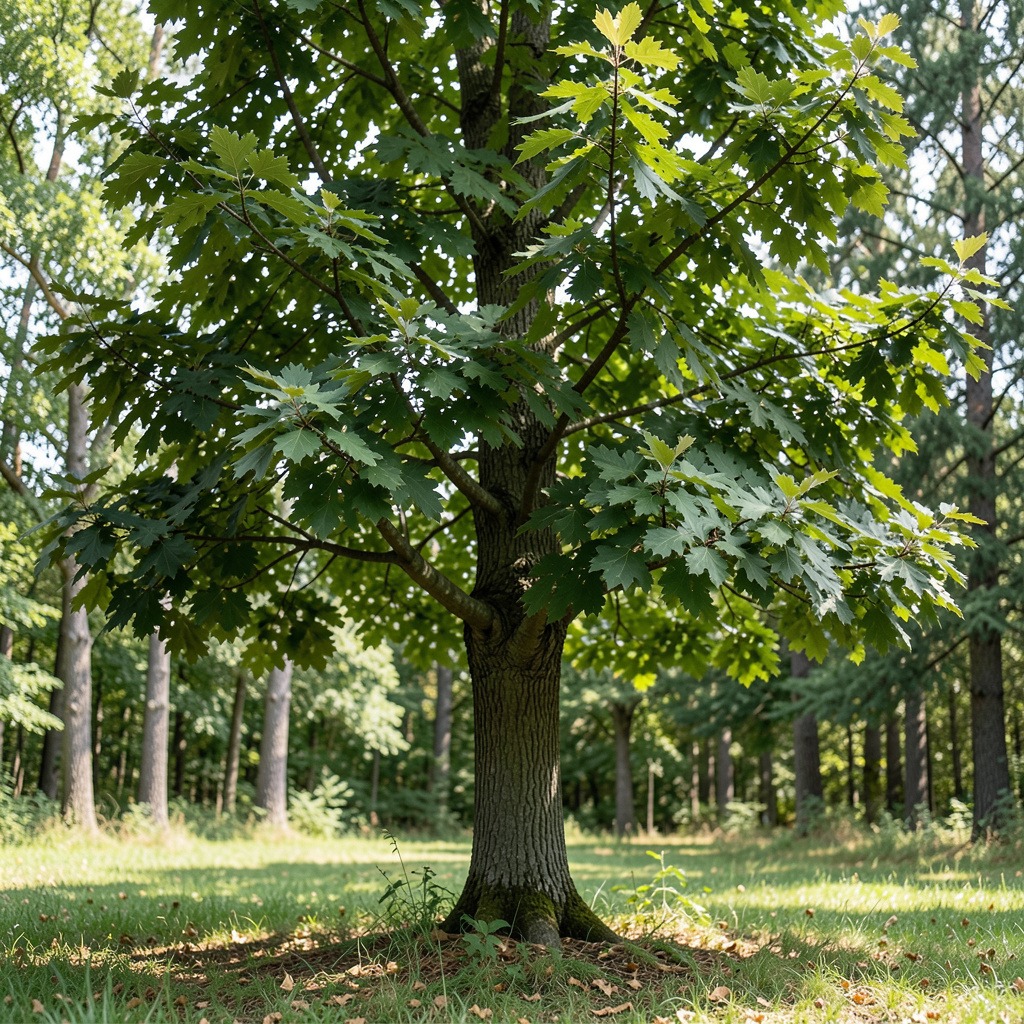
Understanding the Basswood Tree
The basswood tree, scientifically known as Tilia americana, is a prominent native North American tree. It is valued for its aesthetic appeal and practicality in landscaping and woodworking.
Scientific Classification and Common Names
- Scientific Name: Tilia americana
- Common Names: Basswood, American Linden, Bee Tree
The basswood tree belongs to the Malvaceae family. It predominantly thrives in the northeastern and midwestern regions of the United States and Canada. Its ecological significance includes providing habitat and food for various wildlife, especially pollinators like bees.
Physical Characteristics of Basswood
Basswood trees can reach impressive heights between 60 to 100 feet, with a spread of about 40 feet. Key physical traits include:
- Leaves: Heart-shaped, 4 to 8 inches long, creating a dense canopy.
- Bark: Smooth and gray in younger trees, becoming furrowed with age.
- Flowers: Small, fragrant clusters that attract bees and other pollinators.
This tree typically matures into a lush, oval shape, making it an attractive addition to any landscape.
Common Uses in Landscaping and Woodworking
Basswood has several applications that enhance its value:
Table of Contents
- Shade Tree: Its extensive canopy provides significant shade, ideal for residential yards and parks.
- Woodworking: The wood is lightweight, fine-grained, and easy to work with, making it popular for carving, furniture, and musical instruments.
- Ecosystem Support: The flowers support local bee populations, contributing to biodiversity.
Example Scenario: A homeowner seeking to create a pollinator-friendly garden can plant basswood alongside flowering shrubs to provide both shade and habitat for bees.
By understanding these characteristics and uses, homeowners can make informed decisions about integrating basswood trees into their landscaping projects.
1. Shade Provision and Aesthetic Appeal

Basswood trees, known for their expansive canopies and visual charm, play a significant role in enhancing urban landscapes. They provide ample shade and contribute to the overall aesthetic of residential and public spaces.
Benefits of Shade in Urban Environments
Basswood trees offer substantial shade during hot summer months. This shade helps reduce heat stress, leading to lower energy costs for nearby homes. Here are some specific benefits:
- Energy Efficiency: Strategically placed basswoods can lower cooling costs by up to 30%. Their large leaves create a cooling effect that reduces the need for air conditioning.
- Comfortable Outdoor Spaces: Shady areas invite outdoor activities, making parks and gardens more enjoyable.
- Ecosystem Support: The shade provided by basswood trees fosters a cooler microclimate, benefiting other plants and animals.
Seasonal Aesthetic Benefits
The aesthetic appeal of basswood trees changes with the seasons. Their visual contributions include:
- Spring: Delicate, fragrant flowers attract pollinators, enhancing the ecological beauty of the landscape.
- Summer: Lush green foliage provides a vibrant contrast against urban settings, creating a tranquil atmosphere.
- Fall: Leaves turn a striking golden yellow, adding seasonal color to gardens and streetscapes.
These seasonal changes make basswood trees visually interesting year-round, promoting biodiversity and enhancing the overall landscape.
Real-World Landscaping Examples
Consider a neighborhood park that incorporates basswood trees. The shade they provide allows for picnic areas and recreational spaces, encouraging community engagement. In addition, homeowners can strategically plant basswoods to create shaded patios or gardens, improving both usability and beauty.
By understanding the benefits of basswood trees in terms of shade provision and aesthetic appeal, homeowners can make informed decisions that enhance their outdoor environments and contribute positively to the community.
2. Woodworking and Crafting Benefits
Basswood is a highly regarded material in the woodworking and crafting community. Its unique properties make it ideal for a multitude of projects. This section explores the advantages of basswood for various applications, highlighting its workability and versatility.
Ideal Characteristics for Carving
Basswood’s soft texture and low density make it particularly appealing for carving. Here are some key characteristics:
- Ease of Use: Basswood is easy to cut and shape, allowing for intricate designs.
- Smooth Finish: The wood sands well, resulting in a polished look.
- Minimal Grain: Its fine grain minimizes the risk of splintering, which is crucial for detailed work.
These properties make basswood a favorite among woodcarvers and hobbyists alike. It is often chosen for projects where detail is paramount, such as figurines and decorative pieces.
Applications in Musical Instruments
Basswood is not only suitable for crafts but also has significant applications in the music industry. Notable uses include:
- Electric Guitars: Basswood is favored for guitar bodies due to its lightweight nature and balanced tonal qualities.
- Drum Shells: The wood’s acoustic properties help produce a warm sound, making it a common choice for drum kits.
- Recorders: Basswood is used in wind instruments for its good resonance and playability.
Musicians often prefer basswood for its ability to enhance sound quality without adding unnecessary weight, making it a practical choice for instrument makers.
Unique Crafting Projects
Basswood lends itself well to a variety of unique crafting projects. Here are a few ideas:
- Model Making: Use basswood for architectural models. Its lightweight nature allows for easy transport and manipulation.
- Toys: Create custom toys or puzzles. The soft, durable wood is safe for children.
- Decorative Wall Art: Craft personalized wall hangings or signs, as basswood takes paint and finishes beautifully.
When choosing basswood for your next project, consider its strengths in detail-oriented applications. Its versatility and ease of use make it a top choice for both amateur and professional woodworkers.
3. Environmental Benefits

Basswood trees play a crucial role in enhancing local ecosystems. Their contributions extend to supporting pollinators and improving air quality, making them a valuable choice for environmentally conscious homeowners.
Attracting Pollinators
Basswood trees are renowned for their nectar-rich flowers, which attract various pollinators, including bees and butterflies. This relationship benefits local ecosystems in several ways:
- Nectar Source: Basswood blossoms provide a vital food source for bees, particularly during the summer months when other food sources may dwindle.
- Honey Production: The nectar yields honey that is prized for its delicate flavor, making it a favorite among beekeepers.
- Biodiversity Support: By attracting pollinators, basswood trees help sustain diverse plant life, essential for a balanced ecosystem.
Specific wildlife often seen visiting basswood trees includes:
- Honeybees
- Bumblebees
- Various butterfly species
Role in Air Quality Improvement
Basswood trees contribute significantly to air quality in urban environments. They actively filter pollutants and improve overall air health:
- Pollutant Absorption: Basswood trees absorb harmful gases such as sulfur dioxide, ozone, and nitrogen oxides. This capability helps reduce air pollution levels.
- Dust and Particulate Trapping: Their leaves catch dust and particulate matter, further contributing to cleaner air.
- Oxygen Production: Like all trees, basswood engages in photosynthesis, absorbing carbon dioxide and releasing oxygen, which is crucial for combating greenhouse gases.
Research indicates that planting trees like basswood can reduce urban heat islands and improve air quality by up to 30% in heavily populated areas.
By considering these environmental benefits, homeowners can make informed decisions when choosing basswood for landscaping.
4. Low Maintenance Requirements
Basswood trees are known for their relatively low maintenance needs, making them an attractive choice for homeowners. They require minimal intervention compared to other tree species while providing numerous benefits.
Pruning and Care
Maintaining basswood trees involves a few simple tasks:
- Pruning: Conduct light pruning to shape the tree or remove dead branches. This can typically be done in late winter or early spring before new growth begins.
- Watering: During the first few years, ensure the tree receives sufficient water, especially in dry conditions. Once established, basswood is drought-tolerant.
- Mulching: Apply mulch around the base to retain moisture and suppress weeds. This also protects the root system.
Resilience Against Common Issues
Basswood trees exhibit resilience against many common issues:
- Pest Resistance: They are not particularly susceptible to pests, and their flowers attract beneficial insects that help control common garden pests.
- Disease Resistance: Basswood shows strong resistance to most diseases, reducing the need for chemical treatments.
- Adaptability: These trees thrive in various soil types and can tolerate moderate pollution, making them suitable for urban environments.
Maintenance Checklist for Homeowners
Here’s a simplified checklist for homeowners looking to care for basswood trees:
- [ ] Prune annually to maintain shape and remove dead branches.
- [ ] Water young trees weekly during dry spells.
- [ ] Apply mulch in spring to retain moisture.
- [ ] Monitor for pests during the growing season.
- [ ] Fertilize sparingly; basswood generally requires little additional nutrients.
By following these straightforward maintenance tasks, homeowners can enjoy the beauty and benefits of basswood trees with minimal effort.
5. Pest Susceptibility
Basswood trees, while generally resilient, do have specific vulnerabilities to pests and diseases. Understanding these potential drawbacks is crucial for effective management and maintenance.
Common Pests Affecting Basswood
Several pests can impact the health of basswood trees:
- Japanese Beetles: These invasive pests can defoliate a mature basswood tree in weeks. Their rapid feeding can weaken the tree significantly.
- Aphids: These small insects suck sap from the leaves, leading to reduced vigor and potential leaf drop.
- Linden Loopers: Caterpillars of these moths can consume large amounts of foliage, affecting photosynthesis.
- Basswood Thrips: These tiny pests can cause damage by feeding on young leaves, leading to distortion and discoloration.
- Linden Mites: These microscopic pests can also affect leaf health, leading to aesthetic and physiological issues.
Strategies for Pest Management
Effective management strategies can help mitigate the risks associated with pests:
- Regular Monitoring: Check trees frequently for early signs of pest activity. Catching infestations early can lead to more effective treatment.
- Pruning: Remove infested branches to reduce pest populations and improve air circulation around the tree.
- Beneficial Insects: Introduce natural predators such as ladybugs or lacewings, which can help control pest populations without chemical interventions.
- Organic Treatments: Apply neem oil or insecticidal soaps, which are less harmful to beneficial insects and the environment.
- Cultural Practices: Maintain tree health through proper watering and mulching. Healthy trees are more resistant to pests.
By implementing these strategies, homeowners can ensure the longevity and vitality of their basswood trees while minimizing pest-related issues.
6. Potential for Messiness
Basswood trees, while beautiful and beneficial, can present some messiness challenges. Their leaf drop and flower production contribute to this aspect, which homeowners should consider when planting.
Leaf Drop and Flower Clutter
Basswood trees are known for their large, heart-shaped leaves, which turn yellow in the fall before dropping. During the summer, these trees produce aromatic flowers that can create additional debris on the ground. Here are some specific points to consider:
- Leaf Drop: Basswood trees shed a considerable number of leaves each autumn, which can require regular raking and cleanup.
- Flower Production: The flowers, while attractive to pollinators, can fall and create a sticky mess on patios or walkways.
- Sap Production: Basswood may produce sticky sap, particularly during flowering, which can adhere to surfaces and be challenging to remove.
Comparison with Other Shade Trees
When comparing basswood’s messiness to other popular shade trees, it’s essential to evaluate the overall impact:
| Tree Species | Leaf Drop | Flower Debris | Sap Production | Overall Messiness |
|---|---|---|---|---|
| Basswood | High | Moderate | Moderate | High |
| Maple | Moderate | Low | Low | Moderate |
| Oak | High | Low | Low | Moderate |
| Elm | Moderate | Low | Low | Low |
Key Takeaway: Basswood trees can be messier than some alternatives, like elms or maples, due to their high leaf drop and flower clutter. They may not be the best choice for areas where cleanliness is a priority, such as near patios or driveways.
By assessing these factors, homeowners can make informed decisions about incorporating basswood trees into their landscaping. If messiness is a concern, consider more maintenance-friendly options.
7. Growth and Size Considerations
Basswood trees exhibit significant growth characteristics that impact their suitability for various landscaping scenarios. Understanding these growth patterns helps homeowners make informed decisions regarding placement and care.
Maximum Heights and Spreads
Basswood trees can reach impressive heights, typically ranging from 60 to 120 feet. Their trunk diameter can measure between 3 to 4 feet. This substantial size means they require ample space for optimal growth. Homeowners should consider the following:
- Height: 60-120 feet
- Spread: 30-50 feet
- Root System: Extensive, providing stability and soil erosion control
These dimensions suggest that basswood trees are best situated away from structures and power lines. Their expansive canopy offers excellent shade, but it also necessitates careful planning in landscaping design.
Ideal Growing Conditions
Basswood thrives in temperate climates with moderate rainfall. Here are the key conditions for optimal growth:
- Soil Type: Moist, well-drained soil rich in organic matter
- Sunlight: Full to partial sun exposure
- Water Requirements: Regular watering, especially in dry periods
Basswood trees are resilient, yet they flourish best in environments that mimic their native habitats. This adaptability makes them suitable for various landscaping projects, from residential gardens to urban parks.
Planning for Growth
When integrating basswood into landscaping, consider the following best practices:
- Spacing: Allow for 30-50 feet between trees to promote healthy growth and air circulation.
- Maintenance: Minimal pruning is needed unless shaping or dead branch removal is required.
- Pest Monitoring: Regularly check for pests like the Japanese beetle and linden looper, which can affect health and aesthetics.
For example, in a residential yard, planting a basswood on the edge of a property can provide shade while keeping the tree’s canopy from interfering with nearby structures. By understanding their growth and care requirements, homeowners can enjoy the many benefits of basswood trees while minimizing potential drawbacks.
8. Longevity and Lifespan
Basswood trees, specifically the American basswood (Tilia americana), can enjoy a long lifespan. Typically, these trees live between 150 to 170 years under optimal conditions. Understanding the factors that influence their longevity helps homeowners maximize their potential.
Average Lifespan of Basswood Trees
The average lifespan of basswood trees ranges from 150 to 170 years. This longevity is comparable to other popular shade trees, such as oaks and maples, which can also live for over a century. In favorable conditions, basswood trees may exceed their average lifespan, especially when they are well-cared for.
Factors Influencing Longevity
Several factors significantly affect the lifespan of basswood trees:
- Soil Quality: Basswood thrives in well-drained, fertile soils. Poor soil conditions can hinder growth and reduce lifespan.
- Water Availability: Regular watering during dry spells is crucial. Basswood prefers moist environments but can tolerate short dry periods.
- Pest Management: While basswood trees are generally resilient, they can be susceptible to pests like the Japanese beetle. Regular monitoring and management can prevent infestations that may compromise tree health.
- Pruning Practices: Proper pruning enhances air circulation and reduces disease risk. Removing dead or diseased branches can extend a tree’s life.
- Sunlight Exposure: Basswood trees prefer full sun but can tolerate partial shade. Adequate sunlight promotes healthy growth and longevity.
Homeowners should consider these factors to ensure their basswood trees thrive for generations. Regular maintenance, including soil testing and pest management, will significantly contribute to their health and lifespan.
9. Comparisons with Other Trees
When considering basswood trees for landscaping, it’s essential to compare them with other popular species. This comparison helps homeowners make informed decisions based on their specific needs and preferences.
Basswood vs. Oak
- Growth Rate: Basswood grows faster than oak, reaching maturity in 20-30 years, whereas oak can take decades longer.
- Shade: Both trees provide excellent shade, but basswood’s broader canopy offers more immediate relief in smaller spaces.
- Maintenance: Basswood requires less pruning compared to oak, which often needs shaping as it matures to maintain its structure.
- Pest Resistance: Oak trees can be more susceptible to pests like oak wilt. In contrast, basswood attracts beneficial insects that can help control pest populations.
Basswood vs. Maple
- Aesthetic Appeal: Both trees are visually appealing. Maple trees are renowned for their vibrant fall colors, while basswood features heart-shaped leaves and fragrant flowers.
- Soil Adaptability: Basswood thrives in a wider range of soil types compared to maple, making it suitable for more diverse landscaping conditions.
- Environmental Benefits: Basswood trees are excellent at supporting local pollinators, while maples are less effective in this regard.
- Maintenance Requirements: Maple trees often require more care due to their susceptibility to diseases like tar spot, while basswood generally boasts robust health.
Comparison Takeaway
When choosing between basswood, oak, and maple, consider your landscaping goals. If you seek fast growth and low maintenance, basswood stands out. For vibrant colors, maple may be preferable, while oak offers long-term stability but requires more upkeep. Each species has unique benefits that can align with specific landscaping needs.
Alternatives to Basswood
When considering the basswood tree for your landscaping needs, it’s essential to explore other tree options. Each alternative has distinct characteristics that may better suit your preferences or site conditions.
Popular Alternatives for Landscaping
1. Maple Trees
- Pros: Vibrant fall colors, strong shade provider, adaptable to various soils.
- Cons: Prone to diseases like tar spot, requires more maintenance than basswood.
2. Oak Trees
- Pros: Long-lived, excellent wildlife habitat, strong wood.
- Cons: Slow growth rate, larger space requirement, more upkeep needed.
3. Birch Trees
- Pros: Attractive white bark, fast growth, good for wet soil.
- Cons: Shorter lifespan than basswood, susceptible to pests like borers.
4. Sweetgum Trees
- Pros: Unique star-shaped leaves, colorful fall foliage, provides good shade.
- Cons: Spiky seed balls can be a nuisance, requires ample space.
Pros and Cons of Each Alternative
| Tree Type | Pros | Cons |
|---|---|---|
| Maple | Vibrant colors, strong shade | Disease susceptibility, more maintenance |
| Oak | Long-lasting, wildlife-friendly | Slow growth, larger space needed |
| Birch | Attractive bark, fast growth | Short lifespan, pest susceptibility |
| Sweetgum | Unique leaves, good shade | Seed ball nuisance, requires space |
Decision Framework for Choosing Trees
1. Assess Space: Consider the size of your yard. Larger trees like oaks and sweetgums need ample room.
2. Evaluate Maintenance: Determine how much upkeep you are willing to commit. Maples and oaks often require more care.
3. Consider Aesthetic Goals: Think about the visual appeal you want. If vibrant fall colors are a priority, maples are a strong choice.
4. Environmental Impact: Evaluate how each tree supports local wildlife. Basswood excels in this regard, but oaks and maples also provide significant benefits.
By analyzing these alternatives, you can make a more informed decision tailored to your landscaping goals.
11. Conclusion: Is Basswood Right for You?
In this section, we will summarize the key attributes of basswood trees and help you determine if they meet your landscaping needs. Understanding the pros and cons will guide you in making an informed decision.
Recap of Pros and Cons
Pros of Basswood Trees:
- Aesthetic Appeal: Basswood offers beautiful foliage and fragrant flowers, making it an attractive option for landscaping.
- Environmental Benefits: This tree supports local ecosystems by providing habitat for pollinators and other wildlife.
- Fast Growth: Basswood trees grow quickly, offering shade and visual interest in a short period.
- Workability: The wood is soft and easy to carve, suitable for various woodworking projects.
Cons of Basswood Trees:
- Pest Susceptibility: Basswood is prone to pests like the Japanese beetle and diseases such as anthracnose, which can affect tree health.
- Shorter Lifespan: Compared to some hardwoods, basswood may not last as long in certain environments.
- Limited Shade: While it provides some shade, the canopy may not be as dense as other tree species.
Final Recommendations
To decide if basswood is the right tree for your landscape, consider the following framework:
1. Assess Your Goals: Determine if you prioritize aesthetics, environmental benefits, or woodworking applications.
2. Evaluate Your Space: Ensure you have adequate space for a tree that can grow quite large.
3. Understand Maintenance Needs: Be prepared for potential pest management and care requirements.
4. Consider Local Climate: Basswood thrives in areas with suitable moisture and soil conditions.
Checklist for Potential Growers:
- Do you have enough space for a large tree?
- Are you willing to manage pest issues?
- Is the aesthetic appeal important for your landscaping goals?
- Do you need fast growth for immediate shade?
By weighing these considerations against the outlined pros and cons, you can make an informed choice about incorporating basswood into your landscape design.
Frequently Asked Questions
These quick answers cover the most common questions about this topic, including key details, practical tips, and common concerns.
Is basswood a good yard tree?
Yes, basswood is a good choice for yards, especially if you want a fast-growing shade tree. Its broad canopy provides excellent shade during hot months, making outdoor spaces more comfortable. Additionally, basswood trees attract pollinators, contributing positively to the local ecosystem. However, consider the tree’s size and potential messiness due to leaf and flower drop.
What are the disadvantages of basswood?
The main disadvantages of basswood include its susceptibility to pests and diseases, such as Japanese beetles and anthracnose. These issues can affect the tree’s health and aesthetic appeal. Additionally, basswood trees can be messy, shedding leaves and flowers that require regular cleanup. Their lifespan is also shorter compared to some other hardwoods, which may be a consideration for long-term landscaping plans.
Are basswood trees messy?
Yes, basswood trees can be considered messy due to their large leaves and fragrant flowers. In the fall, they shed a significant number of leaves, which can require regular raking. During the blooming season, fallen flowers can create sticky debris on patios and walkways. If cleanliness is a priority for your landscaping, you might want to consider alternatives with less debris.
How does basswood compare to other hardwoods?
Basswood grows faster than many hardwoods, reaching maturity in about 20-30 years. It is lightweight and easy to work with, making it a favorite for woodworking. In contrast, hardwoods like oak and maple may take longer to mature and can require more maintenance. While basswood offers excellent shade and supports pollinators, oaks and maples provide vibrant fall colors and long-term stability.
What maintenance do basswood trees require?
Basswood trees are relatively low-maintenance. Key tasks include light pruning to shape the tree and remove dead branches, especially in late winter or early spring. Young trees need regular watering during dry spells until established. Applying mulch around the base helps retain moisture and suppress weeds. Regular monitoring for pests is also essential to maintain tree health.
When is the best time to plant basswood trees?
The best time to plant basswood trees is in early spring or fall. Planting in spring allows the tree to establish roots before the heat of summer. Fall planting gives the tree a head start before winter dormancy, promoting healthy growth in the spring. Ensure the soil is well-drained and rich in organic matter for optimal growth.
Can basswood trees grow in urban areas?
Yes, basswood trees can thrive in urban areas. They are adaptable to various soil types and can tolerate moderate pollution. Their broad canopy provides shade, which can help mitigate the urban heat island effect. However, it’s crucial to ensure they have enough space for their extensive root systems and canopy spread to avoid conflicts with structures or utilities.