
The chaste tree (Vitex agnus-castus) offers numerous benefits like drought resistance and beautiful blooms, but it also has drawbacks, including potential invasiveness and a relatively short lifespan in certain conditions.
The chaste tree, known scientifically as Vitex agnus-castus, is celebrated for its ornamental beauty and medicinal properties. However, prospective gardeners must weigh its advantages against its drawbacks, including its care requirements and potential invasiveness.
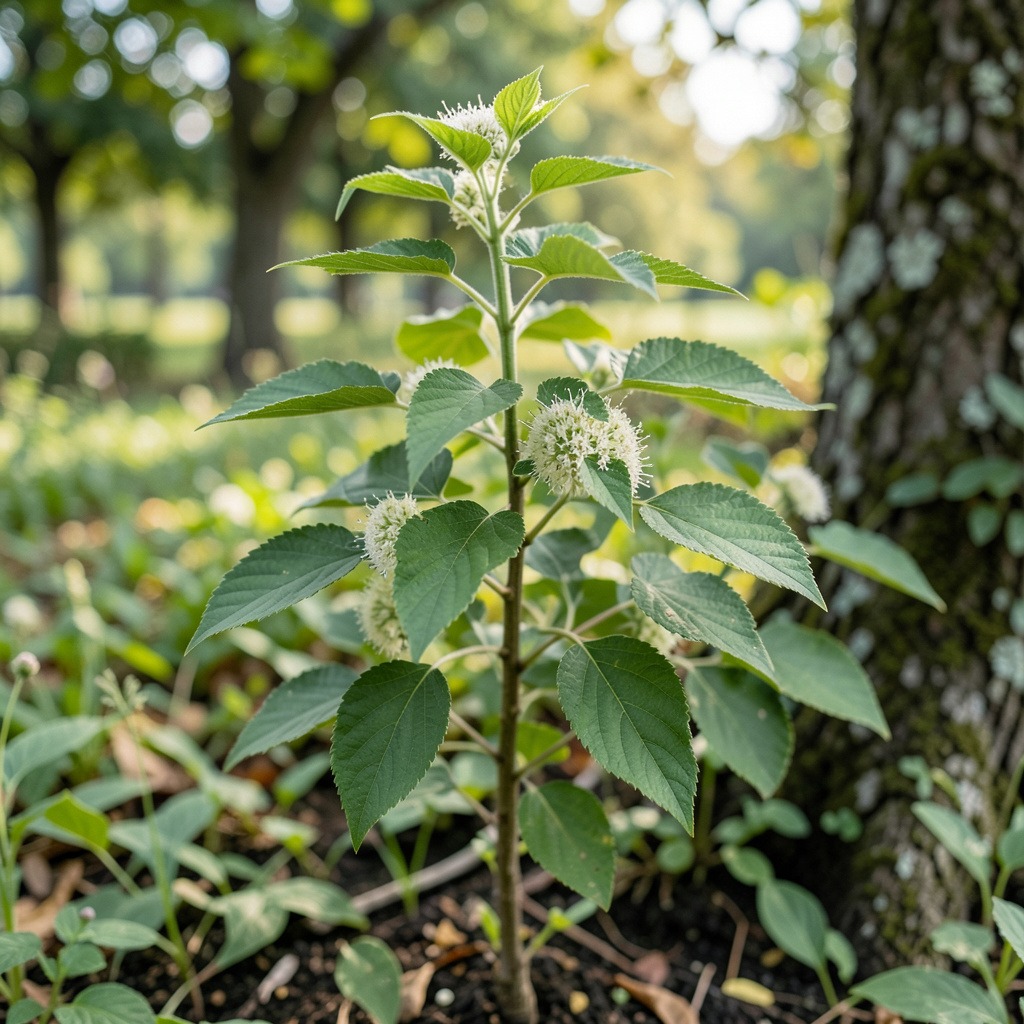
Understanding the Chaste Tree: Characteristics and Uses
The chaste tree, or Vitex agnus-castus, is renowned for its attractive appearance and medicinal applications. Understanding its characteristics and uses helps gardeners make informed decisions.
Botanical Profile of the Chaste Tree
The chaste tree is a deciduous shrub belonging to the Verbenaceae family. It can grow up to 20 feet tall and 15 feet wide, showcasing stunning lilac-colored flowers that bloom in summer. This plant thrives in well-drained soil and prefers full sun to partial shade.
Key Characteristics:
- Scientific Name: Vitex agnus-castus
- Family: Verbenaceae
- Height: 10 to 20 feet
- Width: 10 to 15 feet
- Flowers: Lilac or purple, summer bloom
- Growth Habit: Deciduous shrub
Common Uses of Chaste Tree in Gardening
The chaste tree serves multiple roles in the garden. Its striking flowers attract pollinators like bees and butterflies, enhancing biodiversity. Additionally, its sturdy structure makes it an excellent choice for creating focal points in landscapes.
Gardening Benefits:
Table of Contents
- Aesthetic Appeal: The vibrant flowers and lush foliage enhance garden beauty.
- Pollinator Friendly: Attracts beneficial insects, supporting local ecosystems.
- Drought Tolerant: Requires minimal water once established.
Medicinal Uses and Historical Significance
Historically, the chaste tree has been used in herbal medicine, particularly for balancing hormones. It is known for its potential to alleviate menstrual discomfort and support reproductive health. However, caution is advised; it may cause side effects in some individuals.
Medicinal Applications:
- Hormonal Balance: Used to manage symptoms of PMS and menopause.
- Traditional Remedies: Commonly included in herbal formulations for women’s health.
- Historical Use: Revered in ancient cultures for its therapeutic properties.
When considering the chaste tree for your garden, weigh these pros and cons. Its beauty and medicinal benefits are compelling, but understanding its care requirements and potential invasiveness is crucial.
For those looking to cultivate this versatile plant, consider starting with Chaste Tree Seeds to ensure a successful growth journey.
Pros of Planting a Chaste Tree in Your Garden
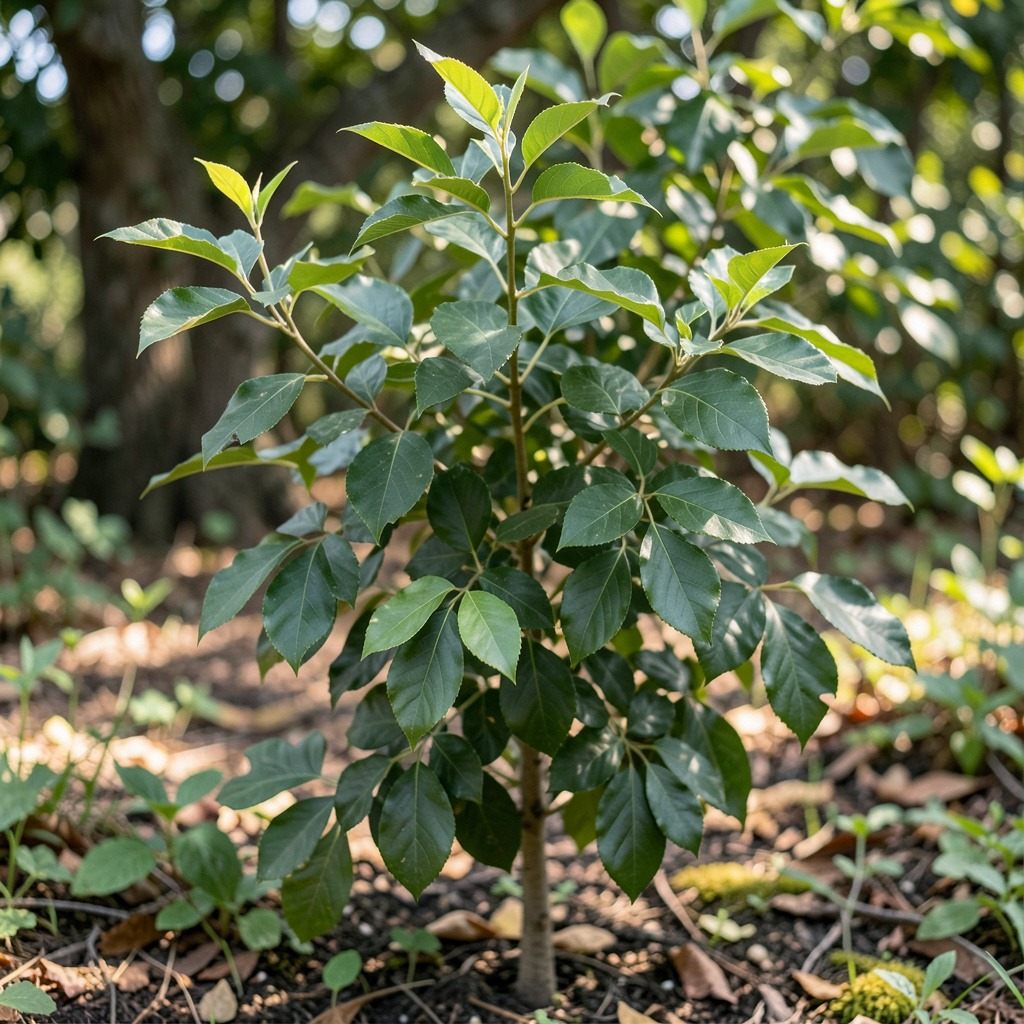
The chaste tree (Vitex agnus-castus) offers several advantages for gardeners, including low maintenance requirements, aesthetic appeal, and environmental benefits. Understanding these pros can help you decide if this plant is a suitable addition to your landscape.
Low Maintenance and Drought Resistance
Chaste trees are renowned for their low upkeep. They thrive in various soil types and require minimal watering once established. This drought-resistant nature makes them ideal for regions with limited rainfall. Key maintenance features include:
- Minimal Pruning: Chaste trees naturally grow into a pleasing shape, requiring little pruning to maintain their form.
- Fertilization Needs: They can flourish without frequent fertilization, making them cost-effective.
- Pest Resistance: These trees are generally resistant to pests and diseases, reducing the need for chemical treatments.
Attracting Pollinators and Wildlife
Chaste trees play a vital role in supporting local ecosystems. Their fragrant flowers attract a variety of pollinators, including bees and butterflies. This benefit extends beyond aesthetics, contributing to biodiversity. Notable aspects include:
- Wildlife Habitat: The dense foliage provides shelter for birds and small mammals.
- Food Source: The flowers and seeds attract various species, enhancing your garden’s ecological value.
Aesthetic Appeal and Versatility
The chaste tree adds beauty to any landscape. Its clusters of purple flowers bloom from summer to fall, creating vibrant displays. This visual appeal can enhance your garden’s overall design. Consider these factors:
- Focal Point: The chaste tree can serve as a striking centerpiece in garden layouts or xeriscapes.
- Versatile Planting Options: They can grow as a shrub or small tree, fitting various garden styles and sizes.
In summary, the chaste tree provides numerous benefits, making it an excellent choice for gardeners seeking low-maintenance, beautiful, and environmentally friendly plants. For those interested in cultivating this versatile species, consider starting with Chaste Tree Seeds to ensure a successful growth journey.
Cons of Planting a Chaste Tree: Challenges to Consider
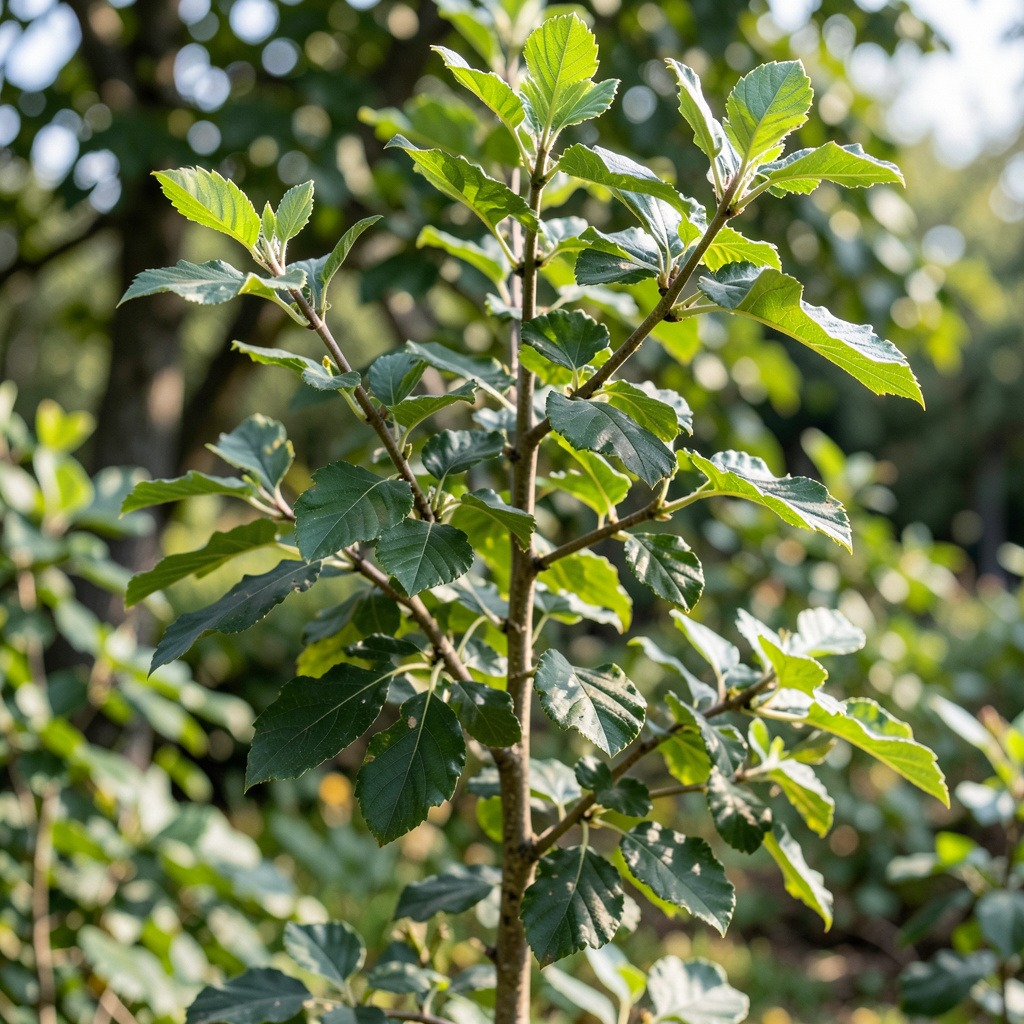
While the chaste tree offers various benefits, it also presents several challenges. Understanding these drawbacks is essential for gardeners and herbalists considering this plant.
Invasive Potential and Control Measures
Chaste trees can become invasive in certain environments. Their rapid growth and ability to spread may lead to competition with native plants. To manage this invasiveness, consider the following strategies:
- Regular Pruning: Trim back growth to control spread.
- Barrier Methods: Use physical barriers to limit root expansion.
- Monitor Growth: Regularly check for signs of unwanted spreading.
Short Lifespan and Resilience Challenges
Typically, chaste trees have a lifespan of 10 to 20 years. This relatively short duration can be disappointing for gardeners seeking long-term investments. Additionally, they may struggle with resilience in harsh climates. Factors affecting longevity include:
- Soil Quality: Poor soil can reduce health and lifespan.
- Watering Needs: Inconsistent watering can lead to stress.
- Pest Vulnerability: Watch for aphids and spider mites that can damage foliage.
Specific Care Requirements and Common Problems
Chaste trees require specific care for optimal growth. Neglecting these needs can lead to substantial problems. Here are essential care requirements:
- Sunlight: They thrive in full sun; at least six hours daily is ideal.
- Soil Drainage: Ensure well-draining soil to prevent root rot.
- Fertilization: Use a balanced fertilizer during the growing season.
Common Problems to Watch For:
- Leaf discoloration due to nutrient deficiencies.
- Stunted growth from root-bound conditions.
- Pest infestations that can compromise health.
Checklist for Gardeners:
- Assess local conditions for invasiveness.
- Evaluate soil and sunlight availability.
- Plan for regular maintenance and monitoring.
By considering these challenges, gardeners can make informed decisions about incorporating chaste trees into their landscapes.
How to Care for Your Chaste Tree: Best Practices
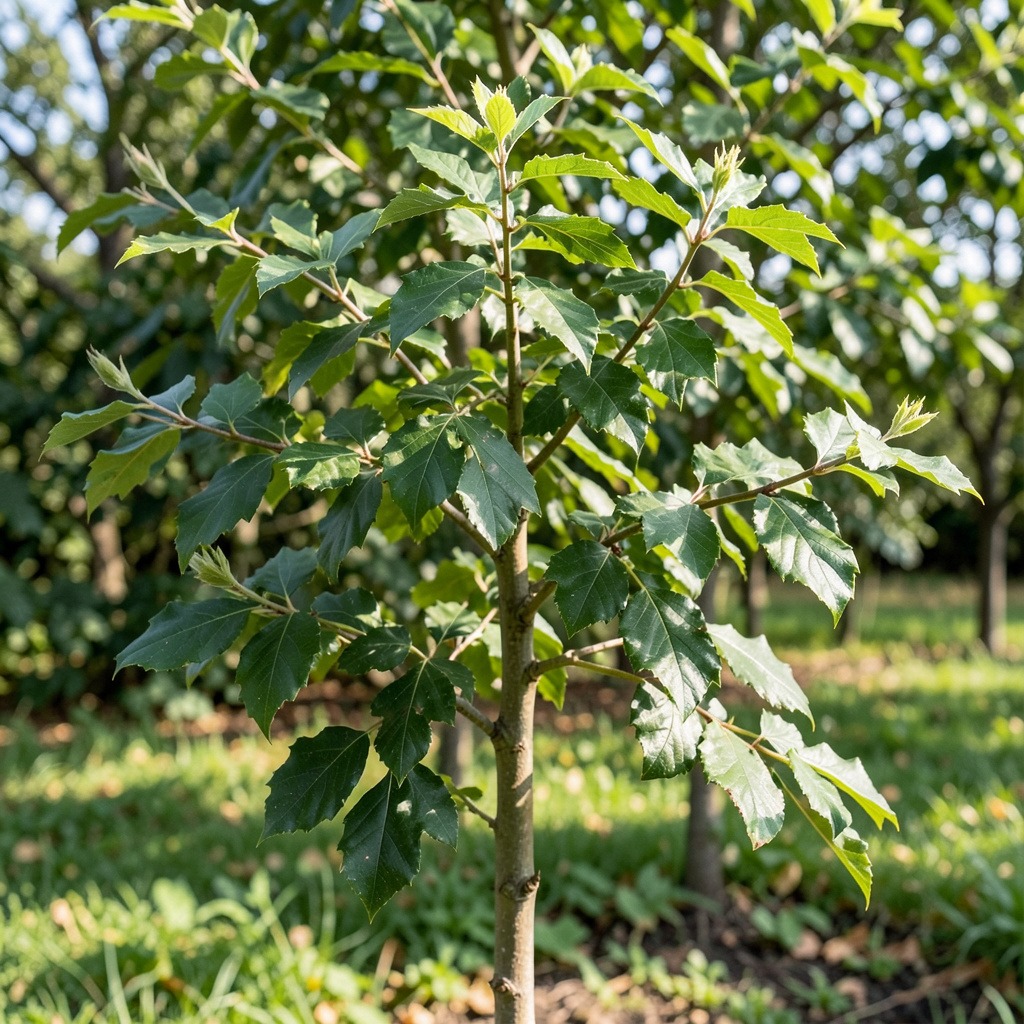
Caring for your chaste tree (Vitex agnus-castus) properly ensures its vigorous growth and health. This section outlines essential guidelines covering ideal soil, watering practices, and pruning techniques.
Ideal Soil and Location Requirements
Chaste trees flourish in specific soil and location conditions. Follow these guidelines to create an optimal environment:
- Soil Type: Use well-draining soil that is rich in organic matter. Sandy or loamy soil works best.
- pH Level: Aim for a pH of 6.0 to 8.0. This range supports nutrient absorption.
- Sunlight: Position your chaste tree in a spot with full sun for at least six hours daily. This encourages blooming and overall vitality.
Watering and Fertilization Practices
Proper watering and fertilization are crucial for the health of your chaste tree. Implement these practices:
- Watering: Water deeply but infrequently. Allow the top few inches of soil to dry out between watering sessions. Overwatering can lead to root rot.
- Fertilization: Use a balanced fertilizer during the growing season. Apply it in early spring and again in mid-summer to promote growth and flowering.
Pruning Techniques for Optimal Growth
Regular pruning enhances the shape and health of your chaste tree. Follow these steps for effective pruning:
- Timing: Prune in late winter or early spring before new growth begins.
- Technique: Remove dead or damaged branches first. Then, thin out crowded areas to improve air circulation.
- Shaping: Aim for an open center to allow sunlight penetration. This practice encourages more blooms and reduces disease risk.
Seasonal Care Based on Climate
The climate significantly impacts chaste tree care. Consider these scenarios:
- Warm Climates: In regions with mild winters, chaste trees may require less protection. Monitor for pests and diseases, as they thrive in warmer conditions.
- Cold Climates: In colder areas, protect your chaste tree during winter. Mulch around the base to insulate roots and reduce frost damage.
Checklist for Chaste Tree Care
- Soil: Ensure well-draining, organic-rich soil.
- Sunlight: Provide at least six hours of full sun.
- Water: Water deeply; avoid soggy soil.
- Fertilizer: Apply balanced fertilizer twice a year.
- Pruning: Shape and thin during late winter or early spring.
By adhering to these care practices, gardeners can maximize the benefits of chaste trees while mitigating potential drawbacks, such as invasiveness.
Medicinal Benefits of the Chaste Tree: What You Should Know
The chaste tree, scientifically known as Vitex agnus-castus, is renowned for its medicinal properties, particularly in women’s health. This plant has been linked to various conditions, such as hormonal imbalance and reproductive health issues.
Hormonal Regulation and PMS Relief
Chaste tree is often used to help regulate hormonal levels. It is believed to influence the pituitary gland, which in turn can balance estrogen and progesterone levels. Many women report relief from premenstrual syndrome (PMS) symptoms, including mood swings and bloating, after using this herb.
- User Testimonial: A 34-year-old woman noted, “After taking chaste tree supplements for three months, my PMS symptoms have significantly reduced. I feel more balanced and less irritable.”
Supporting Fertility and Menopause
In addition to PMS relief, chaste tree may support fertility. It is thought to improve ovulation and menstrual cycle regularity, making it a valuable option for women trying to conceive. Furthermore, during menopause, some women use chaste tree to alleviate symptoms such as hot flashes and mood changes.
- Example Scenario: A couple struggling with infertility found that incorporating chaste tree into their routine helped regularize menstrual cycles, leading to a successful pregnancy.
Potential Side Effects and Cautions
While the chaste tree offers numerous benefits, it is essential to consider potential side effects. Some users may experience gastrointestinal upset, dizziness, or skin irritations. It is crucial for pregnant or breastfeeding women, as well as individuals with hormone-sensitive conditions, to consult a healthcare professional before use.
- Checklist for Safe Use:
- Consult with a healthcare provider if you have hormonal issues.
- Start with a low dosage to assess tolerance.
- Monitor for any adverse reactions during initial use.
By understanding these medicinal benefits and potential precautions, users can make informed decisions regarding the chaste tree’s role in their health regimen.
Comparing Chaste Tree with Other Ornamental Plants
The chaste tree (Vitex agnus-castus) is a unique choice among ornamental plants. Understanding its care, benefits, and drawbacks in comparison to similar plants can help gardeners make informed decisions.
Chaste Tree vs. Other Drought-Tolerant Plants
When considering drought-tolerant plants, the chaste tree stands out for its medicinal properties and aesthetic appeal. Here’s how it compares with two popular alternatives: lavender and sage.
| Plant | Care Needs | Benefits | Drawbacks |
|---|---|---|---|
| Chaste Tree | Requires full sun, well-drained soil, moderate watering | Hormonal balance, attracts pollinators | Can be invasive in some regions |
| Lavender | Thrives in full sun, sandy soil, low water | Aromatic, attracts bees, drought-resistant | May struggle in overly humid climates |
| Sage | Prefers full sun, well-drained soil, moderate water | Culinary uses, attracts pollinators | Prone to rot in overly wet conditions |
Invasiveness Compared to Other Species
Chaste trees can exhibit invasive tendencies, particularly in warmer climates. Here’s how they compare with other common ornamental plants:
- Chaste Tree: Can spread aggressively through self-seeding. Regular pruning and monitoring are essential.
- Lavender: Generally non-invasive; tends to stay contained within its planting area.
- Sage: Also non-invasive, though it can spread if not managed properly.
Aesthetic Value in Landscape Design
The chaste tree offers significant aesthetic benefits:
- Blooms: Produces striking clusters of purple flowers that attract pollinators.
- Foliage: Features aromatic leaves that enhance sensory experiences in gardens.
In contrast, lavender provides a similar visual appeal but with a different color palette and scent. Sage contributes textural variety but lacks the vibrant flowers of the chaste tree.
Decision Framework for Gardeners:
- Choose Chaste Tree if you seek a dynamic plant with medicinal benefits and vibrant blooms.
- Opt for Lavender if fragrance and low maintenance are priorities.
- Select Sage for culinary uses and ease of care in stable environments.
This comparison helps clarify the pros and cons of incorporating a chaste tree into your garden, ensuring you choose the right plant for your needs.
Frequently Asked Questions
These quick answers cover the most common questions about this topic, including key details, practical tips, and common concerns.
Does chaste tree decrease estrogen?
Chaste tree, or Vitex agnus-castus, is believed to help balance hormone levels, including estrogen. It may influence the pituitary gland, which can lead to a reduction in estrogen dominance. However, individual responses can vary, and it’s essential to consult a healthcare provider before using it for hormonal issues.
Who should avoid chasteberry?
Individuals with hormone-sensitive conditions, such as breast cancer or endometriosis, should avoid chasteberry. Pregnant or breastfeeding women are also advised against its use. Always consult a healthcare professional if unsure about its safety in your specific situation.
What are the side effects of chaste tree?
Common side effects of chaste tree include gastrointestinal upset, headaches, and skin rashes. Some users report dizziness or changes in menstrual cycles. If you experience any adverse effects, it’s advisable to discontinue use and consult a healthcare provider.
Can you plant a chaste tree near a house?
Planting a chaste tree near a house is generally acceptable, but consider its potential size and invasive nature. Ensure it has enough space to grow without damaging structures or competing with other plants. Regular pruning can help manage its growth and prevent overcrowding.
How long does a chaste tree live?
Chaste trees typically have a lifespan of 10 to 20 years. Factors such as soil quality, watering practices, and climate can influence their longevity. Proper care can help maximize their lifespan and overall health.
What conditions are best for growing chaste tree?
Chaste trees thrive in well-drained soil and prefer full sun, requiring at least six hours of sunlight daily. They are drought-tolerant once established, making them suitable for various climates. Ensure the soil is rich in organic matter to promote healthy growth.
What are the best companion plants for chaste tree?
Companion plants for chaste tree include lavender, salvia, and other drought-tolerant species. These plants share similar care requirements and can enhance the garden’s aesthetic. Additionally, they attract beneficial pollinators, creating a vibrant ecosystem.
Can chaste tree be grown in pots?
Yes, chaste trees can be grown in pots, especially smaller cultivars. Ensure the container has adequate drainage and is large enough to accommodate root growth. Regular watering and fertilization are essential to keep potted chaste trees healthy and thriving.