
Cherry trees offer stunning seasonal blooms and wildlife benefits, but they also come with challenges like short blooming periods and maintenance needs.
Cherry trees, celebrated for their beautiful blooms and wildlife appeal, can transform your garden landscape. However, understanding their pros and cons is crucial for making an informed decision about planting them in your yard.
Understanding the Appeal of Cherry Trees
Cherry trees are not only visually stunning but also play a significant role in enhancing garden ecosystems. Their seasonal beauty and ecological contributions make them a favored choice for landscaping.
Aesthetic Appeal and Seasonal Beauty
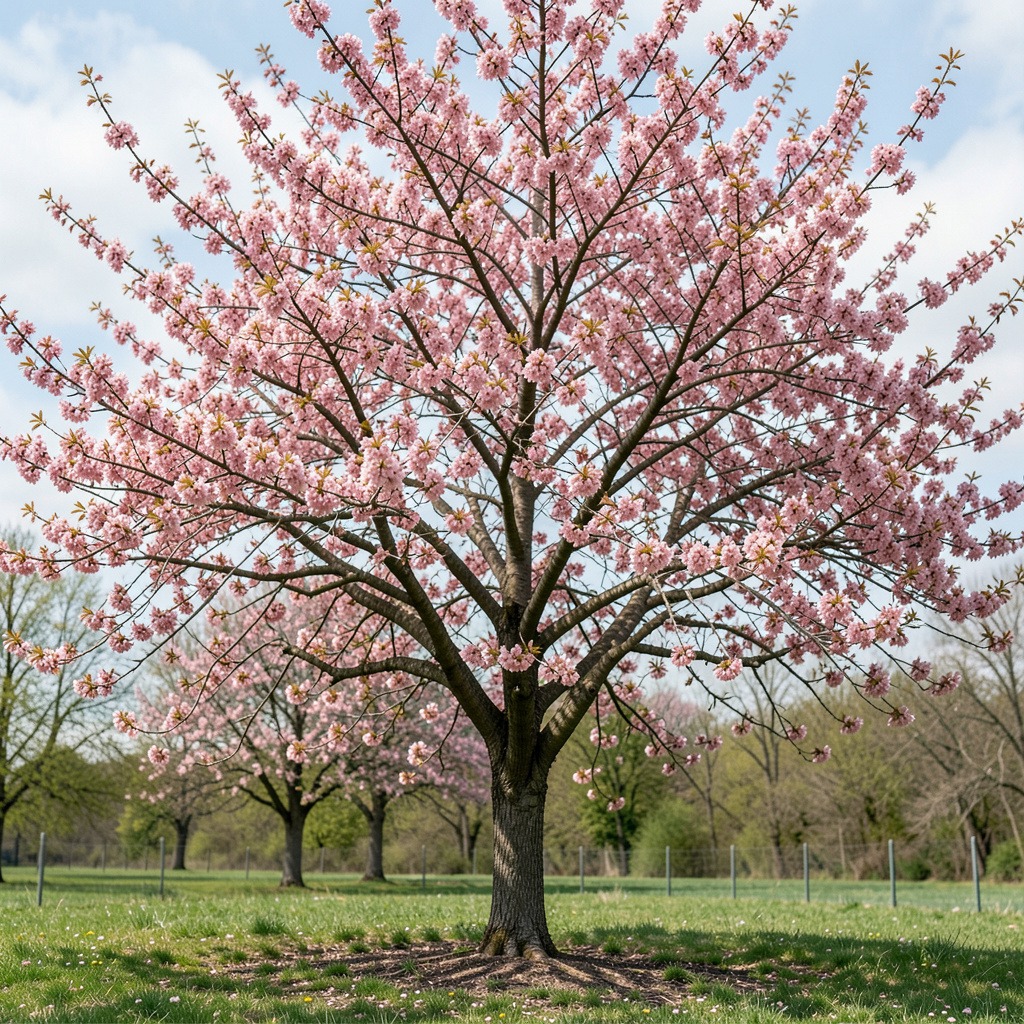
Cherry trees offer breathtaking blooms that create focal points in any landscape. Varieties such as the Yoshino cherry (Prunus x yedoensis) and the Autumn flowering cherry (Prunus subhirtella) showcase vibrant pink flowers in spring and sometimes even in fall. Their striking appearance draws attention and admiration.
- Yoshino Cherry: Known for its delicate white to light pink blossoms, it creates a stunning canopy in spring.
- Autumn Flowering Cherry: This variety provides dual blooming seasons, with pink flowers in both spring and fall, making it unique among cherry trees.
Their blossoms not only beautify gardens but also create a serene atmosphere, attracting visitors and wildlife alike.
Wildlife Benefits and Ecosystem Contributions
Beyond aesthetics, cherry trees support local ecosystems. Their blooms serve as a crucial food source for pollinators such as bees and butterflies during spring. Additionally, they produce small, black fruits that, although not palatable to humans, are enjoyed by various bird species.
- Pollinator Support: The early blooms provide essential nectar for bees, aiding in pollination.
- Bird Habitat: The fruits attract songbirds, enriching the biodiversity of your garden.
By planting cherry trees, gardeners contribute to a healthier environment, promoting both beauty and ecological balance.
Table of Contents
When considering which cherry tree to plant, evaluate your garden’s sunlight, space, and soil conditions. This decision framework will help ensure that the selected variety thrives and enhances your landscape.
Key Advantages of Planting Cherry Trees
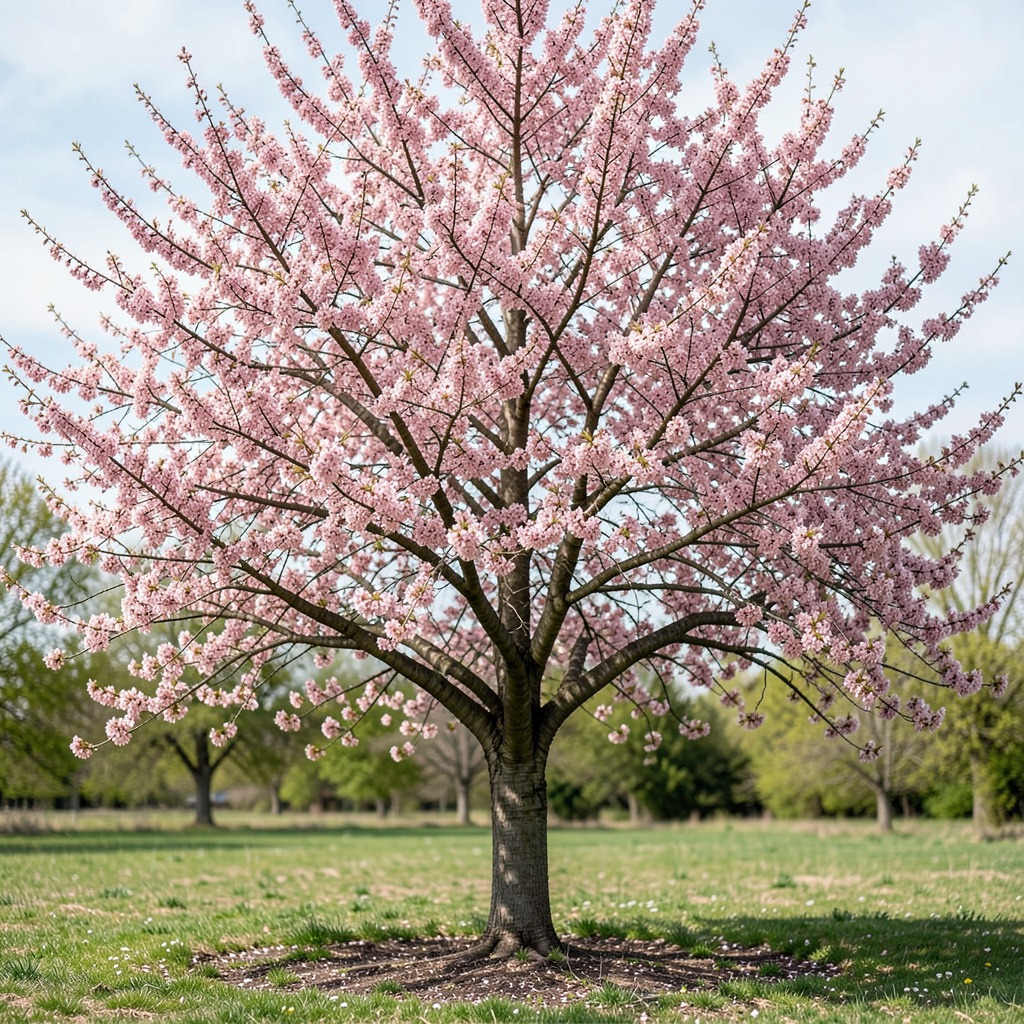
Cherry trees offer numerous benefits, making them a popular choice for gardens. Their striking beauty, rapid growth, and adaptability enhance any landscape.
Dual Blooming Seasons: Spring and Fall
Cherry trees are celebrated for their impressive floral displays. Many varieties, such as the autumn cherry, bloom in both spring and fall. This dual blooming cycle provides extended visual interest in your garden.
- Spring Blooms: Cherry trees typically burst into vibrant colors in spring, attracting pollinators and creating a stunning visual impact.
- Fall Blooms: Some species, like the autumn cherry, produce a second wave of blossoms in the fall, adding extra charm to your landscape.
Rapid Growth and Low Maintenance
Cherry trees grow quickly, making them rewarding additions to any garden.
- Growth Rate: Many cherry trees can reach their full height of 20 to 30 feet within just a few years, providing shade and beauty without a long wait.
- Maintenance Needs: These trees typically require minimal care once established. Regular watering and occasional pruning are usually sufficient.
Environmental Adaptability
Cherry trees can thrive in various climates, making them suitable for diverse gardening conditions.
- Hardiness Zones: Many cherry varieties grow well in USDA Hardiness Zones 5 to 8, allowing them to adapt to different environments. Check your local zone to select the best type.
- Soil Requirements: They prefer well-draining, acidic to neutral soils. Adding organic matter can enhance soil quality, ensuring healthy roots.
Checklist for Ideal Cherry Tree Conditions
Here’s a quick checklist to help choose the right cherry tree for your garden:
| Condition | Ideal Requirement |
|---|---|
| Sunlight | At least 6 hours of direct sunlight |
| Soil Type | Well-draining, loamy or sandy soils |
| Hardiness Zone | Zones 5-8 for most cherry varieties |
| Watering | Regularly, especially during dry spells |
These advantages make cherry trees a worthwhile consideration for any gardener seeking beauty and ecological benefits in their landscape.
Challenges and Disadvantages of Cherry Trees
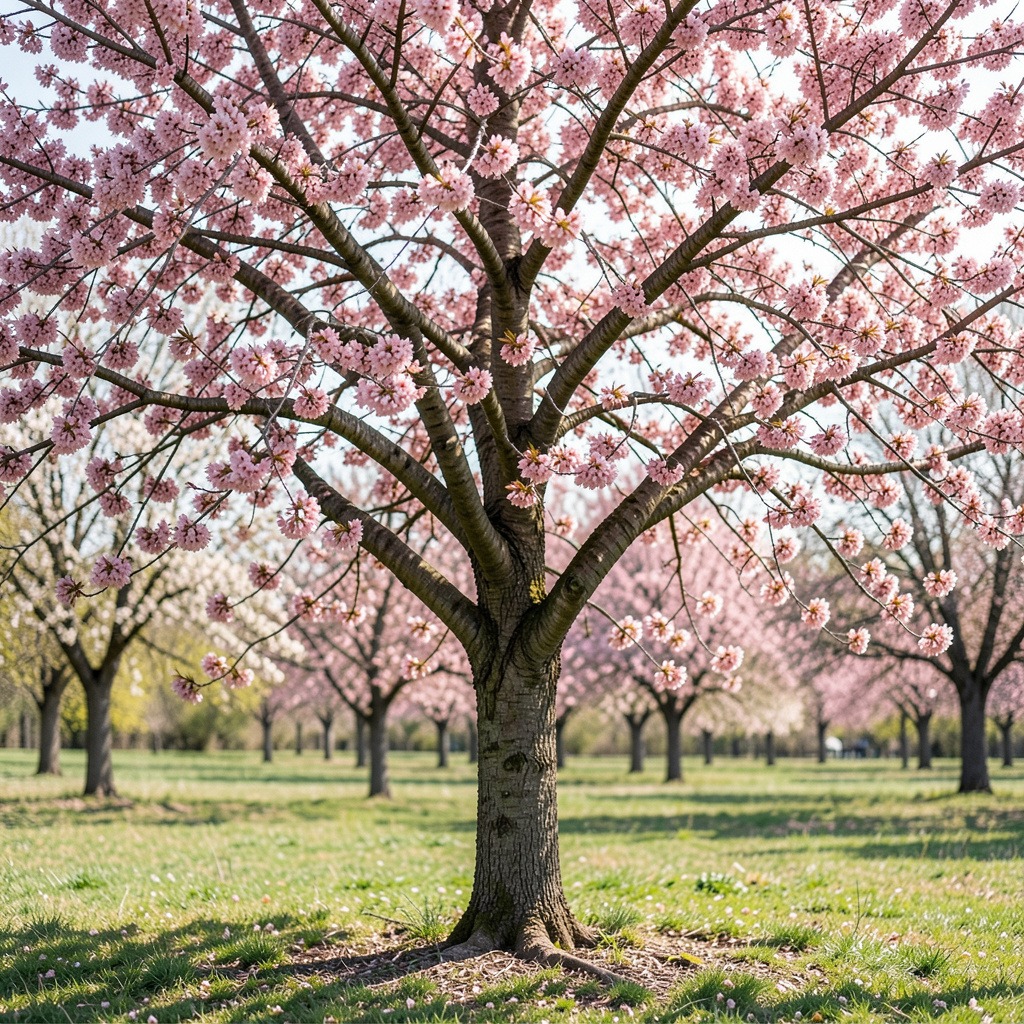
While cherry trees can enhance any garden with their beauty, they come with specific challenges. Understanding these drawbacks is crucial for prospective gardeners.
Limited Bloom Duration
One significant drawback is the limited bloom duration. Cherry trees typically showcase their blossoms for only 1-2 weeks each spring. This fleeting spectacle may disappoint those expecting year-round color. After the bloom period, the tree primarily provides foliage, which some find less appealing.
Maintenance and Disease Susceptibility
Cherry trees require attentive maintenance and are prone to various pests and diseases. Common issues include:
- Pests: Aphids, scale insects, and tent caterpillars frequently affect cherry trees. These pests can diminish the tree’s health if not managed promptly.
- Diseases: Fungal infections can arise, particularly in humid conditions. Leaf spot and powdery mildew are common ailments. Regular monitoring is essential to catch these problems early.
To manage these issues effectively, consider the following strategies:
- Regular Inspections: Early detection of pests can prevent infestations. Check for signs of aphids or caterpillars weekly during the growing season.
- Organic Treatments: Use neem oil or insecticidal soap for pest control. For fungal issues, apply fungicides in early spring as a preventive measure.
- Cultural Practices: Ensure proper air circulation around the tree by pruning as needed. This helps reduce humidity and the likelihood of fungal growth.
Comparison of Ornamental and Fruit-Bearing Cherry Trees
When choosing between ornamental and fruit-bearing cherry trees, weigh the maintenance needs against your goals. Ornamental cherry trees are prized for their flowers but produce little to no fruit. Conversely, fruit-bearing varieties require additional care, such as fruit thinning and regular harvesting, but offer the reward of edible cherries.
| Type | Bloom Duration | Maintenance Level | Fruit Production |
|---|---|---|---|
| Ornamental Cherry | 1-2 weeks | Moderate | None |
| Fruit-Bearing Cherry | Up to 2 weeks | High | Yes, requires care |
By understanding these challenges, gardeners can make informed decisions about planting cherry trees. Assess your willingness to manage maintenance and the aesthetic priority of blooms versus fruit production.
Optimal Conditions for Planting Cherry Trees
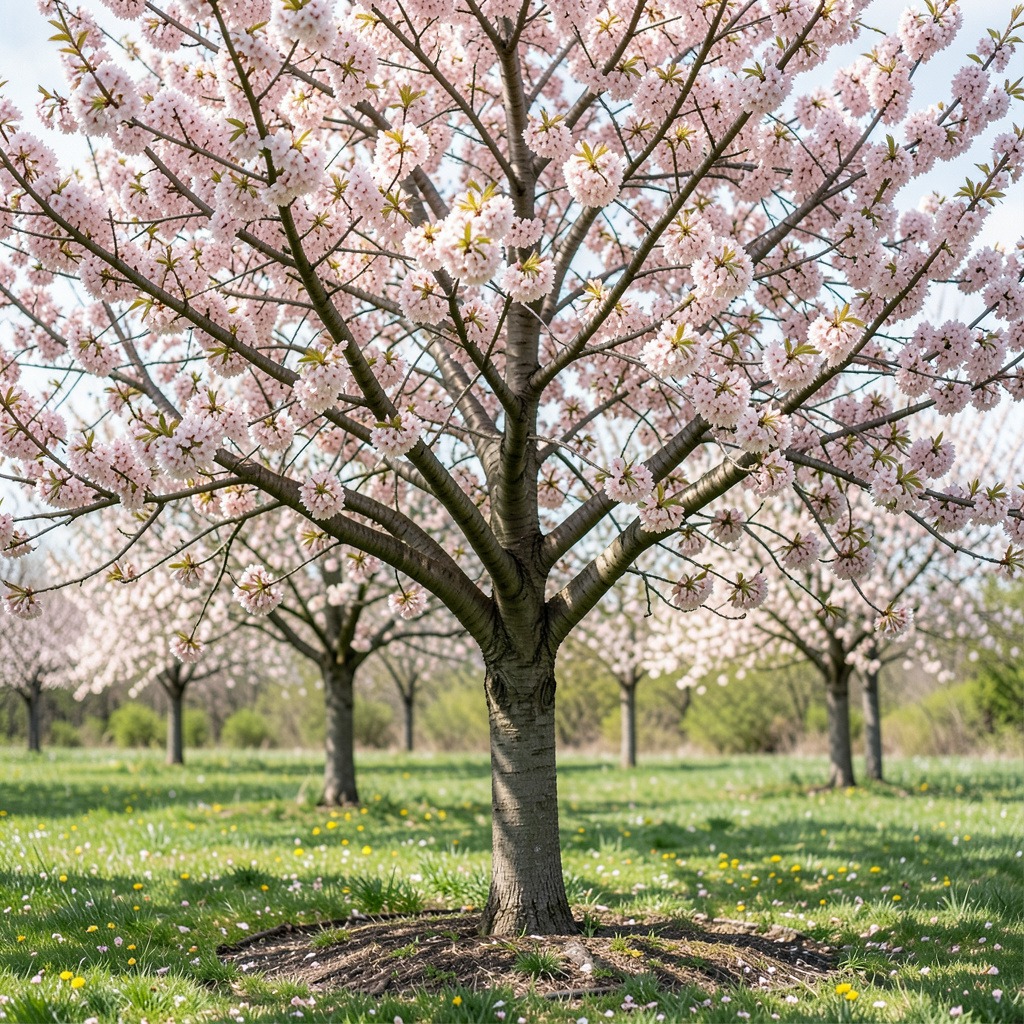
Cherry trees require specific conditions to thrive. Understanding their soil, sunlight, and watering needs is essential for successful growth, particularly for different varieties like autumn and Yoshino cherries.
Soil Requirements and Fertilization
Cherry trees prefer well-draining soil to prevent root rot. Here are the ideal soil conditions for various cherry types:
- Autumn Cherry Trees: Thrive in loamy or clay soils that are moist and slightly acidic. Add organic matter if drainage is poor.
- Yoshino Cherry Trees: Adaptable to well-draining soil types, including sandy, loamy, or clay soils. Ensure the soil retains moisture without becoming soggy.
Soil Comparison Table:
| Cherry Tree Type | Ideal Soil Type | pH Level | Notes |
|---|---|---|---|
| Autumn Cherry | Loam or clay, moist | 6.0 – 6.8 | Improve drainage if needed |
| Yoshino Cherry | Well-draining varieties | 6.0 – 7.0 | Tolerates various textures |
Sunlight and Watering Needs
Sunlight is crucial for healthy cherry trees. Both autumn and Yoshino cherry trees require full sun for optimal growth.
- Sunlight: At least 6 hours of direct sunlight daily is essential. Morning sun is particularly beneficial.
- Watering: Newly planted trees need deep watering twice weekly for the first three months. Once established, water during dry spells.
Watering Checklist:
1. Newly Planted Trees: Water deeply every 3-4 days for the first month.
2. Established Trees: Water once a week, or more during drought conditions.
3. Mulching: Apply mulch around the base to retain soil moisture and regulate temperature.
Decision Framework for Garden Suitability
When considering cherry trees for your garden, evaluate the following:
- Climate Zone: Ensure your area falls within USDA hardiness zones 5-8 for these varieties.
- Soil Type: Test your soil’s drainage and pH to match it with the cherry type.
- Sun Exposure: Assess the planting site for sufficient sunlight throughout the day.
By closely aligning these conditions with your chosen cherry tree variety, you can enhance your gardening success and enjoy the beauty and benefits they offer.
Common Problems and Solutions for Cherry Trees
Cherry trees, while stunning, can face several challenges during their growth. Understanding these issues and how to address them is crucial for maintaining their health and beauty.
Identifying Common Pests
Cherry trees are susceptible to various pests. Here are some of the most common:
- Aphids: Small, soft-bodied insects that suck sap from leaves, causing curling.
- Scale: Hard, shell-like pests that can weaken trees by feeding on sap.
- Mites: Tiny arachnids that cause stippling and yellowing of leaves.
- Tent Caterpillars: Larvae that can defoliate trees rapidly.
- Cankerworms: Caterpillars that damage foliage and can severely affect growth.
Managing Environmental Stressors
Environmental factors can also stress cherry trees. Here’s how to mitigate these issues:
- Watering: Ensure proper drainage to prevent root rot. Water deeply but infrequently.
- Soil Quality: Test for pH and nutrient levels. Amend with organic matter if necessary.
- Sunlight: Plant in full sun for at least six hours daily to promote healthy growth.
Practical Solutions for Pest Management
Implementing an Integrated Pest Management (IPM) approach can help manage pests effectively. Here’s a scenario-based strategy:
1. Regular Monitoring: Inspect trees weekly for signs of pests.
2. Natural Remedies: Use neem oil or horticultural oil at the first sign of infestation. Spray thoroughly to cover all leaf surfaces.
3. Biological Controls: Introduce beneficial insects like ladybugs to combat aphids.
4. Preventive Measures: Apply organic fungicides in early spring to prevent fungal infections before they occur.
By understanding pests and environmental stressors, gardeners can take proactive steps to ensure their cherry trees thrive.
Comparing Cherry Fruit Trees and Cherry Blossom Trees
Cherry trees can be categorized into two primary types: fruit-bearing trees and ornamental trees. Understanding their differences helps gardeners make informed decisions based on their space, aesthetic preferences, and desired outcomes.
Characteristics of Fruit-Bearing Cherry Trees
Fruit-bearing cherry trees, such as the Bing and Rainier varieties, are primarily cultivated for their edible fruit. These trees offer distinct advantages and challenges:
- Fruit Production: They produce sweet or tart cherries, suitable for fresh consumption or processing.
- Pollination Needs: Many require cross-pollination from another variety for optimal fruit yield.
- Growing Conditions: They thrive in well-drained, fertile soils and full sunlight.
- Maintenance: Regular pruning is essential to enhance airflow and fruit quality.
Features of Ornamental Cherry Trees
Ornamental cherry trees, such as the Yoshino and Kwanzan varieties, are primarily valued for their stunning blossoms. Key attributes include:
- Aesthetic Appeal: They provide spectacular spring blooms, making them popular in landscaping.
- Wildlife Attraction: Their flowers attract pollinators, such as bees and butterflies.
- Low Maintenance: Generally, they require less care than fruit-bearing varieties, focusing on aesthetic rather than fruit production.
- Seasonal Interest: Many have beautiful fall foliage, adding year-round value to the landscape.
Comparison Table of Cherry Tree Types
| Feature | Fruit-Bearing Cherry Trees | Ornamental Cherry Trees |
|---|---|---|
| Primary Use | Edible fruit | Aesthetic blooms |
| Pollination | Often requires cross-pollinators | Self-pollinating options available |
| Growth Rate | Moderate to fast | Generally fast-growing |
| Soil Requirements | Well-drained, fertile | Adaptable, prefers moist soils |
| Maintenance Needs | Regular pruning for fruit quality | Minimal pruning, mainly for shape |
| Wildlife Benefits | Attracts birds, insects | Attracts pollinators |
When choosing between these tree types, consider your garden’s purpose. If you seek fruit production, opt for fruit-bearing varieties. If visual impact is your goal, choose ornamental cherry trees. Each type offers unique benefits and challenges that can enhance your garden experience.
Frequently Asked Questions
These quick answers cover the most common questions about this topic, including key details, practical tips, and common concerns.
What not to plant near a cherry tree?
Avoid planting trees or shrubs that require heavy moisture, as cherry trees prefer well-draining soil. Additionally, avoid plants that attract the same pests as cherry trees, such as aphids or caterpillars. For example, avoid planting other stone fruits like plums or peaches nearby, as they can compete for nutrients and attract similar pests.
Are cherry trees good to have in your yard?
Yes, cherry trees can be an excellent addition to your yard. They provide stunning seasonal blooms, attract pollinators, and can enhance the overall aesthetic of your garden. However, consider your maintenance willingness and the specific conditions of your yard before planting.
How far away from your house should you plant a cherry tree?
Plant cherry trees at least 10 to 15 feet away from your house. This distance allows for proper growth, airflow, and sunlight exposure. It also helps prevent potential damage to your home from falling branches or roots.
What are common problems with cherry trees?
Common problems include pest infestations, such as aphids and tent caterpillars, as well as fungal diseases like leaf spot and powdery mildew. Regular monitoring and early intervention are essential. Ensure good air circulation through proper pruning and consider organic treatments to manage pests and diseases effectively.
Cherry Fruit Trees vs. Cherry Blossom Trees: What’s the Difference?
Cherry fruit trees are cultivated for their edible cherries, while cherry blossom trees are primarily grown for their beautiful flowers. Fruit trees require more maintenance, including pruning and pest management, while ornamental trees focus on aesthetic appeal and generally require less care.
Are cherries hard to grow?
Cherries can be moderately challenging to grow. They require specific conditions, such as well-draining soil and full sunlight. Additionally, fruit-bearing varieties often need cross-pollination for optimal yield. However, with proper care and attention, they can thrive and produce beautiful blooms or delicious fruit.
What should readers know about detailed visual identification of cherry tree types?
When identifying cherry tree types, look for specific characteristics such as leaf shape, flower color, and growth habits. For instance, the Yoshino cherry has delicate white to light pink flowers, while the Kwanzan cherry showcases more robust pink blooms. Observing these features during the blooming season can help differentiate between varieties.
What should readers know about in-depth case studies or testimonials from gardeners?
Many gardeners appreciate cherry trees for their beauty and ecological benefits. Testimonials often highlight their enjoyment of the breathtaking blooms in spring and the wildlife attracted to the trees. Case studies may also address common challenges faced, such as pest management and maintenance tips, offering valuable insights for prospective cherry tree growers.