
Dogwood trees, known for their stunning blooms and unique characteristics, offer both aesthetic beauty and certain challenges like disease susceptibility and specific care needs that potential gardeners should consider.
Dogwood trees are beloved for their ornamental value and seasonal beauty. However, before planting, it’s essential to evaluate both the advantages and disadvantages to ensure they fit well within your landscape and gardening goals.
Understanding Dogwood Trees
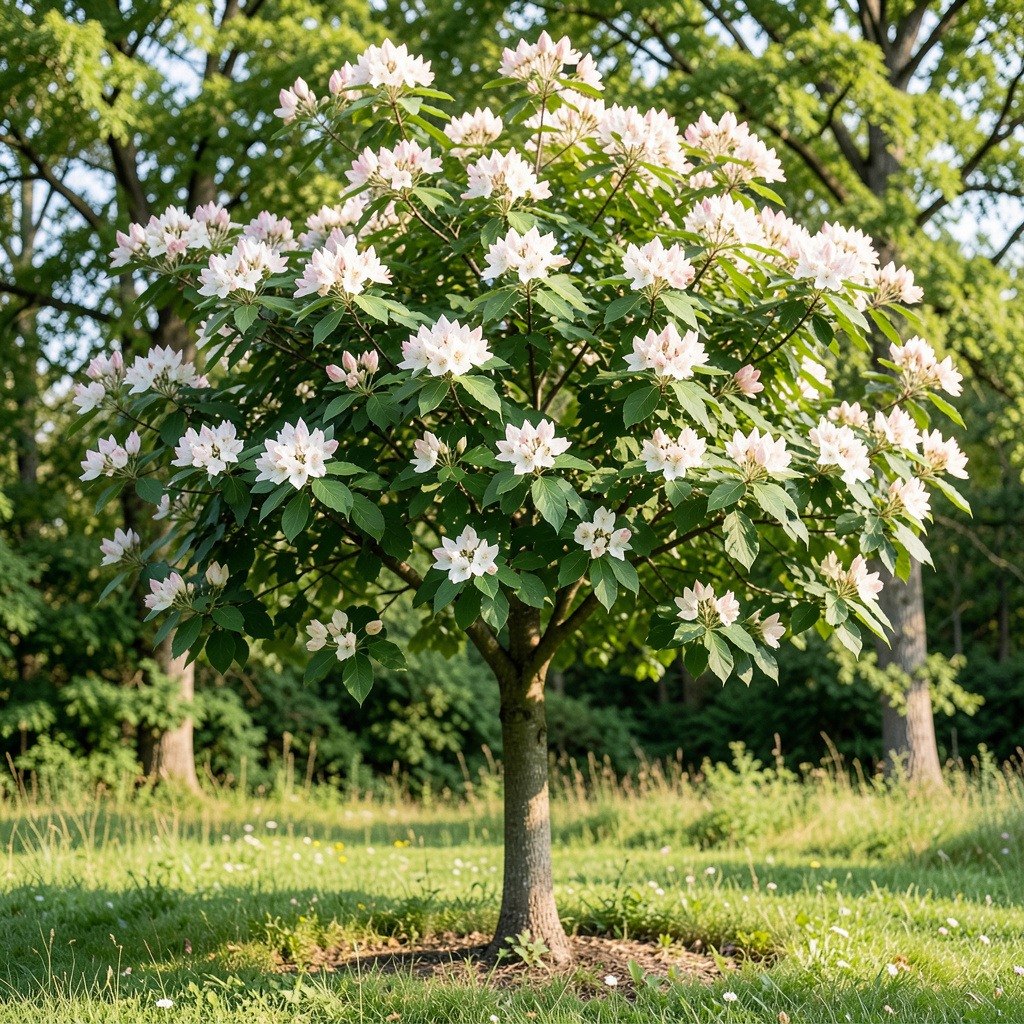
Dogwood trees, belonging to the genus Cornus, are celebrated for their stunning floral displays and ornamental value. These trees enhance gardens with their unique features and cultural significance.
Overview of Dogwood Species
There are several notable species of dogwood trees, each offering distinct characteristics:
- Flowering Dogwood (Cornus florida): Known for its beautiful spring blossoms, this species features white or pink flowers. It typically grows 15 to 30 feet tall and thrives in well-drained soil with partial shade.
- Kousa Dogwood (Cornus kousa): This species blooms later in the season, displaying star-shaped flowers. It grows to about 15 to 30 feet tall and is more resistant to diseases compared to the flowering dogwood.
- Red Twig Dogwood (Cornus sericea): This shrub provides year-round interest with its striking red stems, especially in winter. It can grow up to 9 feet tall and is ideal for wet soil conditions.
- Pacific Dogwood (Cornus nuttallii): Found primarily in the western United States, this species features large white flowers and can reach heights of up to 50 feet. It prefers full sun and well-drained soils.
Cultural Significance of Dogwoods
Dogwood trees hold substantial cultural importance in various regions. Their flowers often symbolize purity and rebirth in spring. In some cultures, the wood from dogwood trees has historic significance for crafting tools and furniture. Additionally, dogwoods are frequently featured in landscaping for their visual appeal, providing seasonal interest with flowers in spring, foliage in summer, and vibrant bark in winter.
Understanding the unique traits of each dogwood species can help gardeners make informed choices based on their specific landscape needs. When selecting a dogwood, consider the local climate, soil conditions, and desired aesthetic impact.
Pros of Planting Dogwood Trees
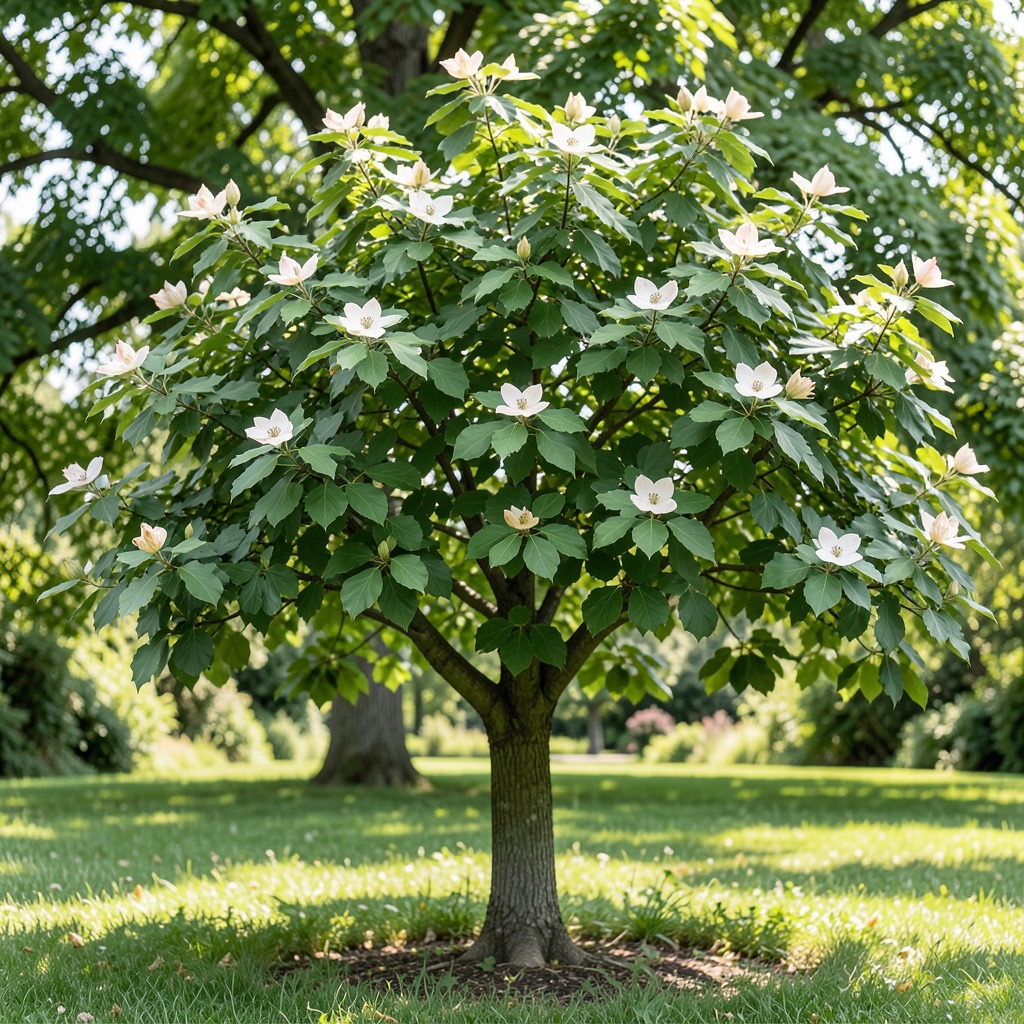
Dogwood trees offer a multitude of benefits, making them an excellent choice for gardeners. Their striking beauty and contributions to the ecosystem are key reasons for their popularity.
Table of Contents
Aesthetic Appeal: Seasonal Beauty
Dogwood trees are celebrated for their ornamental value. They bloom in spring with clusters of delicate flowers that can be white, pink, or red, creating a stunning visual display. This seasonal beauty captivates gardeners and passersby alike.
- Spring Blooms: Dogwoods provide vibrant flowers, enhancing the landscape.
- Fall Foliage: The leaves turn brilliant shades of red and purple in autumn, adding year-round interest.
- Unique Bark: Some species exhibit attractive bark textures in winter, maintaining visual appeal even when dormant.
Incorporating dogwood trees in garden design offers visual diversity. For instance, planting a flowering dogwood alongside evergreen shrubs can create a striking contrast throughout the seasons.
Environmental Benefits: Supporting Wildlife
Dogwood trees play a crucial role in supporting local ecosystems. Their environmental advantages make them valuable additions to any garden.
- Habitat for Wildlife: Dogwoods provide essential habitat and food for various bird species. They produce berries that attract birds during the fall and winter months.
- Pollinator Support: The flowers are a rich nectar source, drawing in bees and other pollinators crucial for biodiversity.
- Erosion Control: With their shallow root systems, dogwoods can help stabilize soil and prevent erosion in garden beds.
For example, a garden that includes dogwood trees may see an increase in local bird populations, enhancing the overall ecological health of the area.
When considering dogwood trees for your landscape, evaluate their aesthetic and environmental contributions. These factors can significantly influence the beauty and ecological balance of your garden.
Cons of Planting Dogwood Trees
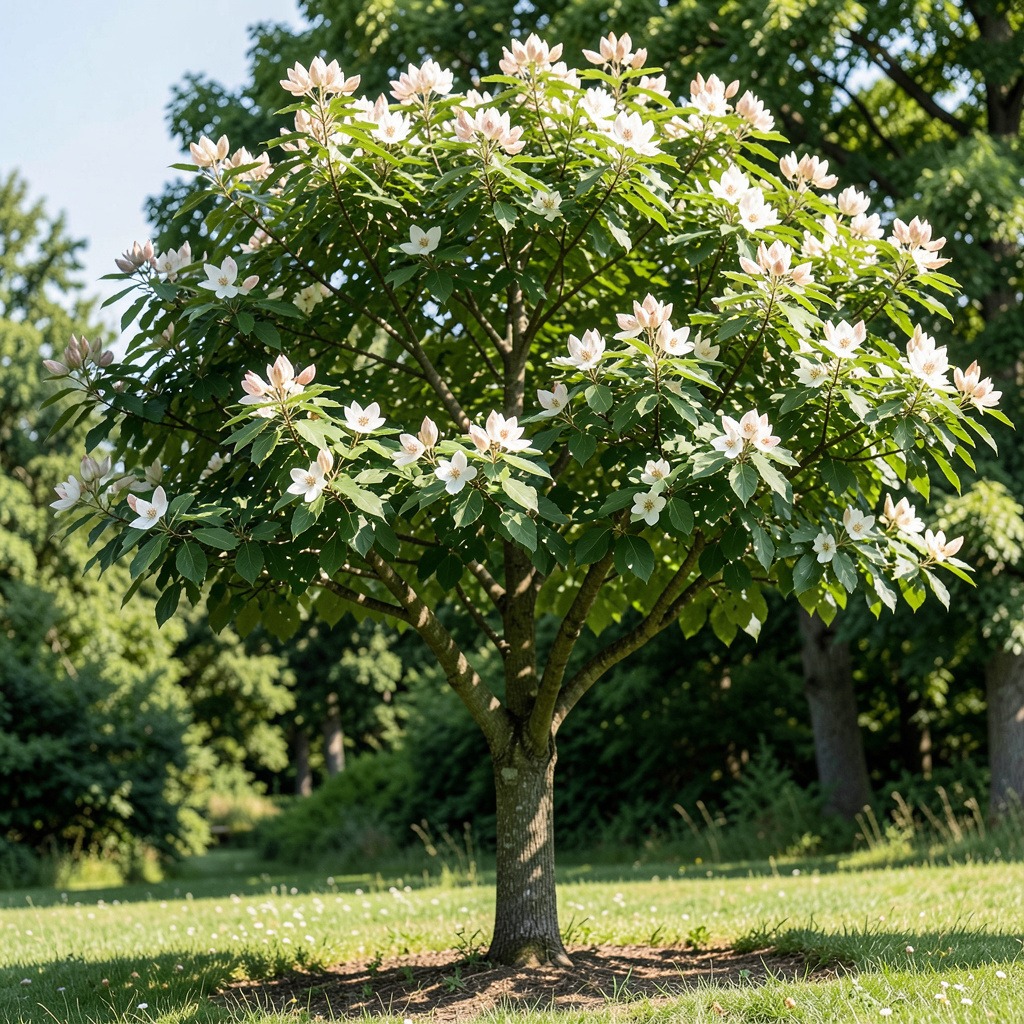
While dogwood trees offer beauty and ecological benefits, they also present several challenges. Understanding these drawbacks is essential for making an informed decision.
Disease and Pest Issues
Dogwood trees are notably susceptible to various diseases and pests, which can hinder their growth and overall health. Here are some common threats:
- Dogwood Anthracnose: A fungal disease causing leaf spots, stem cankers, and branch dieback.
- Powdery Mildew: This fungus creates a white powdery coating on leaves, affecting photosynthesis.
- Scale Insects: These pests can weaken trees by sucking sap, leading to reduced vitality.
- Borers: These insects burrow into the tree, causing structural damage and stress.
To mitigate these risks, gardeners should monitor their dogwoods regularly. Implementing preventive measures is crucial. Here’s a checklist:
- Inspect trees frequently for signs of disease or pests.
- Prune infected branches promptly to prevent spread.
- Apply fungicides during the growing season as needed.
- Ensure proper air circulation around the tree to reduce humidity, which fosters fungal growth.
Specific Care Needs and Growth Conditions
Dogwood trees require specific care to thrive. They prefer well-drained, acidic soil and need consistent moisture. Here are key care requirements:
- Watering: Deep watering is essential, especially during dry periods. Aim for 1–2 inches of water weekly.
- Fertilization: Use a balanced fertilizer in early spring to support growth.
- Mulching: Apply mulch to retain moisture and regulate soil temperature.
- Sunlight: While they can tolerate some shade, dogwoods thrive best in partial sunlight.
Before planting, consider your regional climate and soil conditions. Different species, such as the flowering dogwood (Cornus florida) and kousa dogwood (Cornus kousa), may have varying requirements.
By following these guidelines, you can enhance the health and longevity of your dogwood trees while minimizing potential issues.
Choosing the Right Dogwood Species for Your Landscape
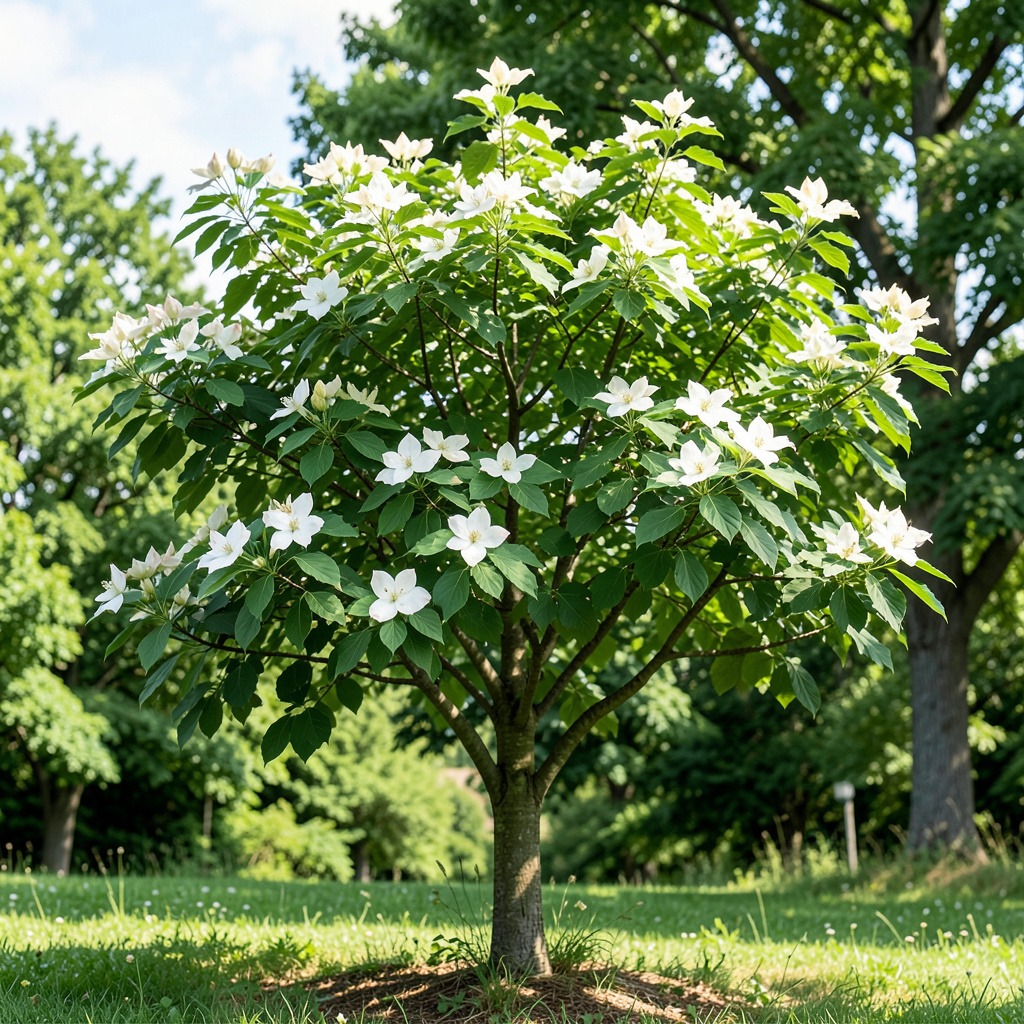
Selecting the right dogwood species is crucial for ensuring compatibility with your landscape. Each species has unique characteristics and care requirements that can influence its success in your garden.
Factors to Consider When Choosing a Dogwood
1. Climate Compatibility:
- Assess your regional climate. Some dogwood species thrive in warmer areas, while others prefer cooler climates.
- For example, the flowering dogwood (Cornus florida) is best suited for temperate zones, whereas the kousa dogwood (Cornus kousa) can tolerate slightly warmer conditions.
2. Soil Conditions:
- Dogwoods prefer well-drained, moist soils. Conduct a soil test to determine pH and nutrient levels.
- Amend soil with organic matter if necessary to improve drainage and fertility.
3. Sunlight Requirements:
- Most dogwoods prefer partial shade. However, some species, like the Pacific dogwood (Cornus nuttallii), can tolerate full sun.
- Ensure that the chosen location provides the right amount of sunlight.
4. Space and Growth Habit:
- Consider the mature size of the dogwood species. Some, like the flowering dogwood, can reach heights of 15-30 feet, while others may grow smaller.
- Ensure there is enough space for the tree to grow without obstruction.
Comparing Popular Dogwood Varieties
| Dogwood Species | Height | Sunlight Preference | Soil Preference | Notes |
|---|---|---|---|---|
| Flowering Dogwood | 15-30 feet | Partial Shade | Moist, well-drained | Known for stunning spring blooms. |
| Kousa Dogwood | 15-30 feet | Full Sun to Partial | Well-drained, slightly acidic | Blooms later in the season. |
| Red Twig Dogwood | 3-9 feet | Full Sun to Partial | Moist, well-drained | Striking red stems in winter. |
| Pagoda Dogwood | 15-25 feet | Partial Shade | Moist, well-drained | Unique tiered branching structure. |
| Cornelian Cherry Dogwood | 15-25 feet | Full Sun | Well-drained, fertile | Yellow flowers in early spring. |
Decision Framework for Selecting Dogwood Trees
When choosing a dogwood tree, consider the following decision framework:
1. Identify Your Landscape Conditions:
- Assess sunlight availability, soil drainage, and space for growth.
2. Match Species to Conditions:
- Use the comparison table above to align specific species with your garden conditions.
3. Consider Aesthetic Preferences:
- Think about flower color, fall foliage, and overall shape. Choose a species that complements your garden’s design.
4. Evaluate Maintenance Requirements:
- Some dogwoods require more care than others. Determine how much time you can dedicate to tree care.
By following this framework, you can select the right dogwood species that will thrive in your landscape, enhancing both its beauty and ecological value.
Regional Considerations for Planting Dogwood Trees
Choosing the right location for your dogwood tree is crucial for its health and growth. Different dogwood species thrive in various climates and soil conditions. Assessing these factors will ensure that your tree flourishes while enhancing your garden’s aesthetics.
Best Growing Zones for Dogwoods
Dogwood trees are adaptable but perform best in specific growing zones. Here’s a breakdown:
- Flowering Dogwood (Cornus florida): Thrives in USDA zones 5-9. Prefers well-drained, slightly acidic soil.
- Kousa Dogwood (Cornus kousa): Suitable for zones 5-8. Tolerates a wider range of soil types but prefers moist, well-drained conditions.
- Pacific Dogwood (Cornus nuttallii): Grows well in zones 7-9. Enjoys fertile, well-drained soil and partial shade.
Soil and Sunlight Requirements
Dogwoods require specific soil types and sunlight conditions to thrive:
- Soil Types:
- Well-Drained Soil: Essential for preventing root rot. Dogwoods prefer loamy or sandy soils that retain moisture but do not pool.
- Slightly Acidic pH: Aim for a pH between 5.5 and 6.5 for optimal growth. Test your soil to ensure it meets these requirements.
- Sunlight Conditions:
- Dappled Sunlight: Ideal for flowering dogwoods, which prefer partial shade. Too much direct sunlight can lead to stress and susceptibility to diseases.
- Full Sun to Partial Shade: Kousa dogwoods can tolerate more sun, but still benefit from some afternoon shade.
Decision Framework for Planting
When deciding where to plant your dogwood, consider the following:
- Climate Compatibility: Match your region’s climate with the right dogwood species.
- Soil Preparation: Amend soil as needed to reach optimal pH and drainage.
- Sunlight Exposure: Monitor sunlight patterns throughout the day to select the best location.
By aligning the right dogwood species with your regional conditions, you can significantly enhance their growth potential and overall health in your landscape.
Conclusion: Weighing the Pros and Cons of Dogwood Trees
Dogwood trees offer both remarkable benefits and notable drawbacks. Understanding these factors is crucial for making informed decisions about planting in your landscape.
Key Benefits of Dogwood Trees
- Aesthetic Appeal: Dogwoods are celebrated for their stunning blossoms, especially in spring. The ornamental value they bring can enhance any garden.
- Environmental Benefits: These trees support local wildlife by providing habitat and food sources. They also improve air quality.
- Versatility: Various dogwood species adapt well to different environments, making them suitable for numerous landscape design themes.
Notable Drawbacks of Dogwood Trees
- Disease Susceptibility: Dogwoods are prone to several diseases, including dogwood anthracnose. This can affect their health and longevity.
- Growth Conditions: They require specific soil types and moisture levels. Poor conditions can hinder their growth.
- Maintenance Requirements: Regular care is necessary to combat pests and maintain their health. This includes pruning and monitoring for diseases.
Considerations for Planting
When contemplating dogwood trees for your garden, consider the following:
- Species Selection: Choose a dogwood species that aligns with your regional climate. For example, Kousa dogwood thrives in varied conditions, while the flowering dogwood prefers specific soil types.
- Space Planning: Account for their growth potential. Some dogwoods can reach heights of 40 feet, necessitating ample space away from power lines and structures.
- Care Commitment: Be prepared for the maintenance these trees require. Regular inspections and treatments can prevent disease outbreaks.
By weighing these pros and cons, potential dogwood tree planters can make informed decisions that enhance their landscapes while minimizing challenges.
Frequently Asked Questions
These quick answers cover the most common questions about this topic, including key details, practical tips, and common concerns.
What is the curse of the dogwood tree?
The “curse” of the dogwood tree often refers to its susceptibility to various diseases, particularly dogwood anthracnose. This fungal disease can cause significant damage, leading to leaf spots, branch dieback, and even tree mortality. Other issues include powdery mildew and pest infestations like scale insects and borers. Regular monitoring and proper care are essential to mitigate these risks.
Are dogwood trees good to have in your yard?
Yes, dogwood trees are excellent additions to many yards due to their stunning spring flowers, vibrant fall foliage, and unique bark. They provide aesthetic appeal and support local wildlife by offering habitat and food sources. However, potential owners should be prepared for their maintenance needs and susceptibility to diseases.
How far away from your house should you plant a dogwood tree?
When planting a dogwood tree, it’s advisable to place it at least 15 to 20 feet away from your house. This distance allows for proper growth and airflow, reducing the risk of disease. Additionally, it prevents the tree from interfering with structures or power lines as it matures.
What is the most beautiful dogwood tree?
The Flowering Dogwood (Cornus florida) is often considered the most beautiful due to its stunning pink or white blooms in spring. Its vibrant fall colors and unique branching structure add to its charm. However, the Kousa Dogwood (Cornus kousa) is also admired for its star-shaped flowers and later blooming period, providing extended seasonal interest.
What common problems do dogwood trees face?
Dogwood trees commonly face issues such as disease, pests, and environmental stress. Diseases like dogwood anthracnose and powdery mildew can significantly impact their health. Pests, including scale insects and borers, can weaken the tree. Additionally, improper watering or poor soil conditions can lead to stress and stunted growth.
How can I care for my dogwood tree effectively?
To care for your dogwood tree, ensure it is planted in well-drained, slightly acidic soil and receives dappled sunlight. Water deeply, aiming for 1-2 inches per week, especially during dry spells. Regularly inspect for pests and diseases, pruning any infected branches promptly. Mulching can help retain moisture and regulate soil temperature.
What are the best conditions for planting dogwood trees?
Dogwood trees thrive in well-drained, moist soil with a slightly acidic pH of 5.5 to 6.5. They prefer partial shade, especially the Flowering Dogwood, which can suffer in full sun. Planting in the spring or fall is ideal, allowing trees to establish roots before extreme weather conditions.