
Elderberry trees offer numerous health benefits, including immune support and antioxidants, but they also pose risks such as toxicity if consumed raw.
Table of Contents
Elderberry trees, known scientifically as Sambucus nigra, are celebrated for their health benefits and culinary uses. However, they also come with certain risks. This guide explores 19 essential pros and cons to help you make informed decisions about elderberry trees.
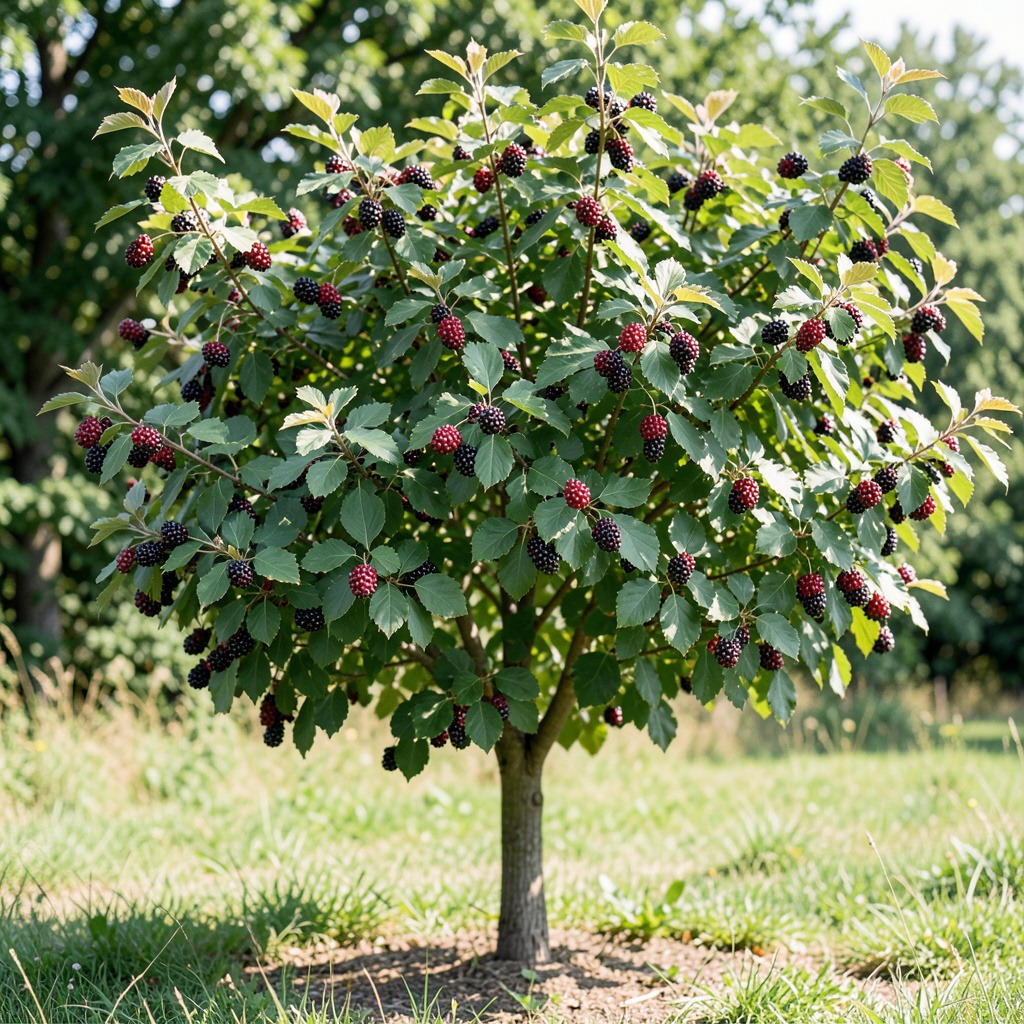
Understanding Elderberry Trees: An Overview
Elderberry trees, known scientifically as Sambucus nigra, are valued for their health benefits and culinary versatility. This overview will clarify their classification, characteristics, and variations.
Botanical Classification of Elderberry
Elderberry trees belong to the Caprifoliaceae family. The most common species include:
- Sambucus nigra (European Black Elderberry)
- Sambucus canadensis (American Elderberry)
- Sambucus racemosa (Red Elderberry)
These species can grow as shrubs or be trained into tree forms with proper pruning.
Unique Characteristics of Elderberry Trees
Elderberry trees exhibit a variety of features:
- Flowers: They produce large clusters of white flowers in late spring, which are not only beautiful but also attract pollinators.
- Fruit: The berries, typically black or blue-black, ripen in late summer and have a tart flavor.
- Growth Habit: Elderberries thrive in moist, well-drained soil and can reach heights of 6 to 12 feet, depending on the species.
Health Benefits and Culinary Uses
Elderberries are known for their nutritional profile, rich in vitamins A, C, and antioxidants. They are often used in various culinary applications, such as:
- Making syrups
- Preparing jams and jellies
- Brewing teas
However, it’s essential to prepare them correctly, as certain parts of the plant can be toxic if consumed raw.
Comparative Analysis of Elderberry Varieties
When considering elderberry trees, it’s important to differentiate between species:
| Species | Description | Culinary Use |
|---|---|---|
| Sambucus nigra | Known for its health benefits and culinary versatility | Widely used |
| Sambucus canadensis | Similar to European elderberry but native to North America | Popular for syrups |
| Sambucus racemosa | Primarily ornamental; berries are generally considered unsafe | Limited culinary use |
Knowing these differences helps in selecting the right type for your garden or health needs.
For those seeking concentrated health benefits, consider incorporating Elderberry Extract Supplements into your routine. Check Price on Amazon.
1. Health Benefits of Elderberry Trees
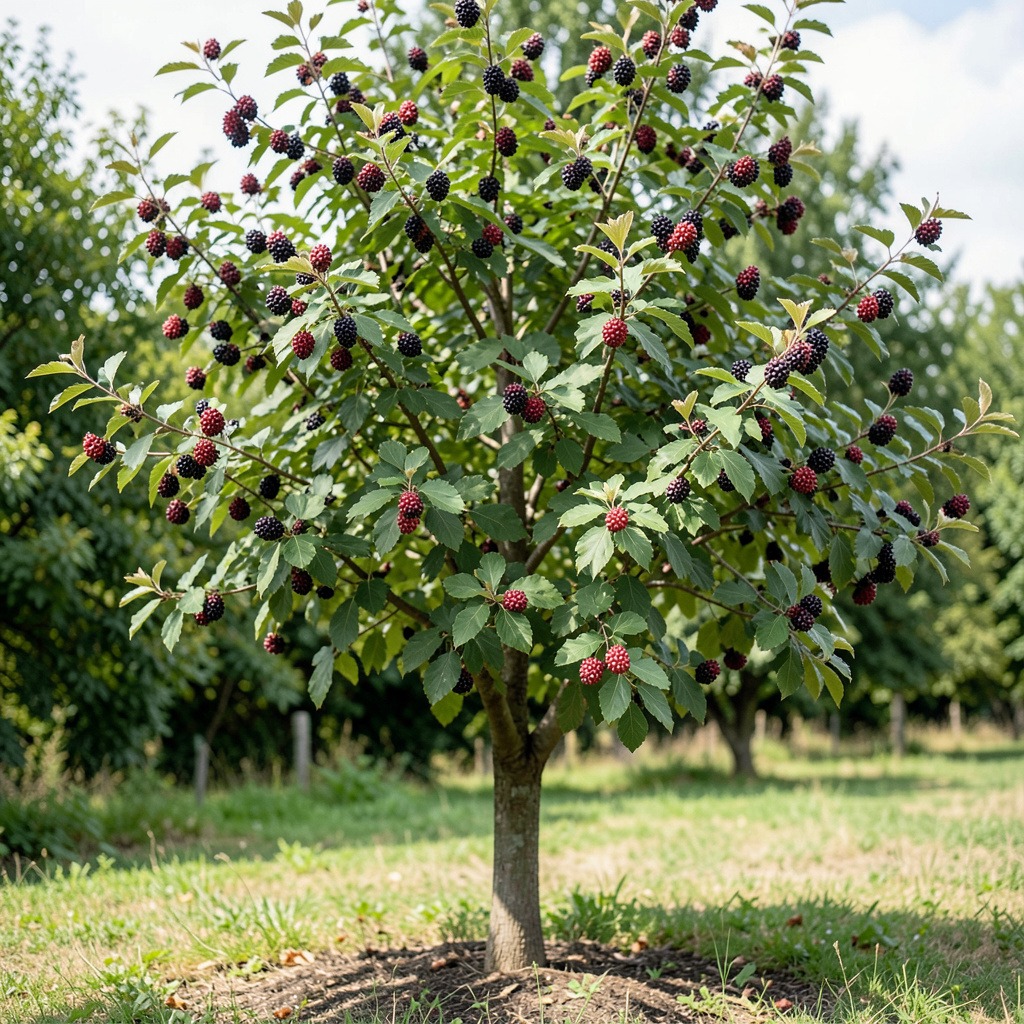
Elderberries are celebrated for their numerous health benefits. These small berries are not only nutritious but also known for their medicinal properties. Understanding these benefits can help you appreciate the value of elderberry trees in your garden and health regimen.
Immune System Support
Elderberries are widely recognized for their ability to support the immune system. They contain high levels of flavonoids, particularly anthocyanins. These compounds stimulate cytokine production, which regulates immune responses. A strong immune system can help fend off infections and illnesses, especially during cold and flu season.
- Elderberry syrup is a popular preparation for immune support.
- Studies suggest that elderberry can reduce the duration and severity of cold and flu symptoms.
Antioxidant Properties
Elderberries are rich in antioxidants, which combat oxidative stress in the body. This stress can lead to chronic diseases, including heart disease and cancer. The antioxidants in elderberries help neutralize free radicals, protecting cells from damage.
- A 2023 study found that elderberries have one of the highest antioxidant capacities among fruits.
- Regular consumption may contribute to overall health by reducing inflammation and enhancing cellular function.
Anti-inflammatory Effects
The anti-inflammatory properties of elderberries are another significant benefit. Elderberry compounds can help reduce inflammation throughout the body. Chronic inflammation is linked to various health conditions, including arthritis and cardiovascular diseases.
- Research shows that elderberry extracts can inhibit pro-inflammatory cytokines.
- This may help in managing conditions associated with inflammation, such as joint pain and swelling.
Incorporating elderberries into your diet can provide these health benefits. For those seeking concentrated effects, consider adding Elderberry Extract Supplements to your routine. Check Price on Amazon.
2. Nutritional Profile of Elderberries
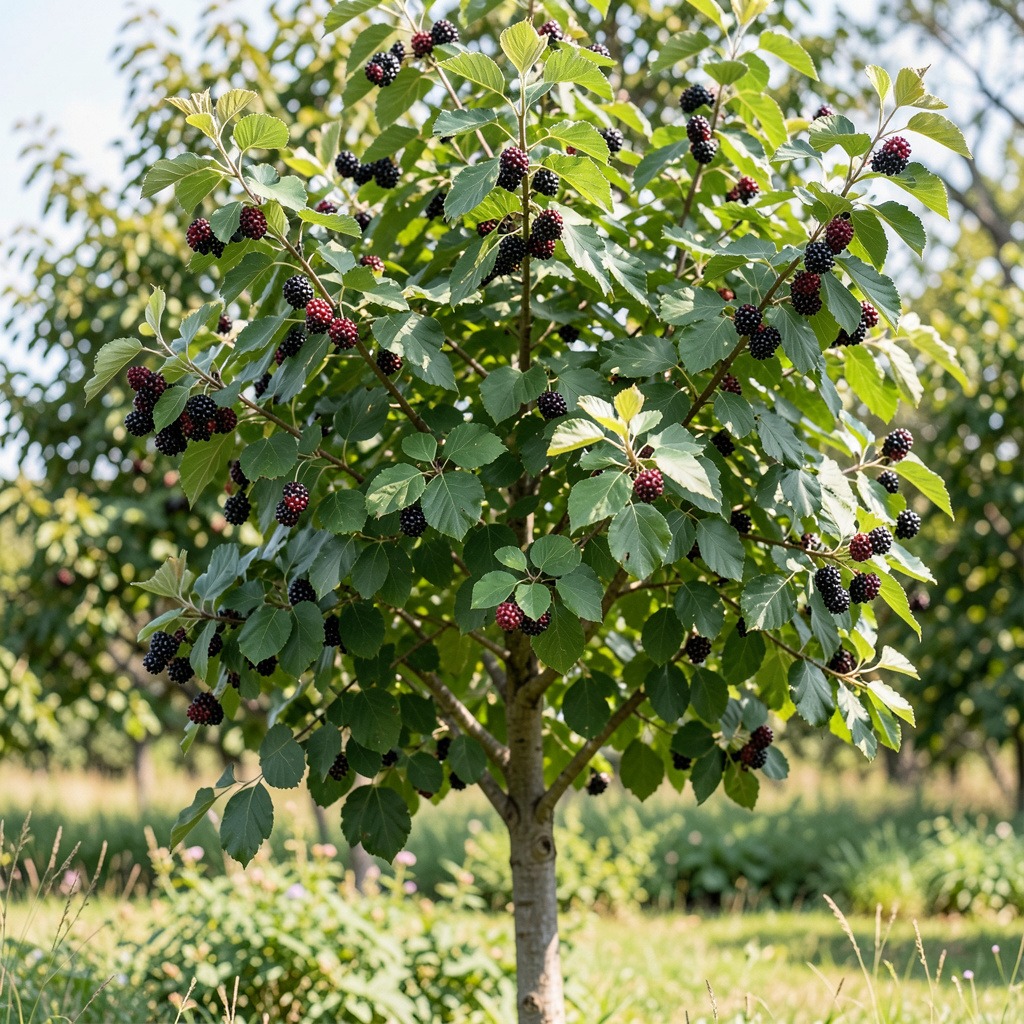
Elderberries are small but nutrient-dense fruits known for their health benefits. They are rich in vitamins and minerals that contribute to overall well-being.
Key Vitamins and Minerals
Elderberries contain a variety of essential nutrients, including:
- Vitamin C: Approximately 52.2 mg per cup, supporting immune function.
- Dietary Fiber: About 10.2 grams per cup, promoting digestive health.
- Antioxidants: High levels of anthocyanins, which help fight oxidative stress.
Comparison with Other Berries
When compared to common berries, elderberries stand out for their unique nutritional profile:
| Nutrient | Elderberries (1 cup) | Blueberries (1 cup) | Raspberries (1 cup) |
|---|---|---|---|
| Vitamin C | 52.2 mg | 14.4 mg | 8.0 mg |
| Dietary Fiber | 10.2 g | 3.6 g | 8.0 g |
| Antioxidants | High (anthocyanins) | Moderate | High |
Elderberries provide more Vitamin C and fiber than blueberries, making them an excellent choice for those seeking to boost their nutrient intake.
Culinary Uses and Preparation
Elderberries can be consumed in various ways, including:
- Jams and Jellies: Cooked down with sugar for a sweet spread.
- Syrups: Mixed with honey or sugar, often used as a home remedy.
- Wine: Fermented for a unique beverage.
Note: Always prepare elderberries correctly. Raw berries, seeds, and other unripe parts can be toxic. Cooking eliminates harmful compounds.
Incorporating elderberries into your diet can maximize their health benefits. For concentrated effects, consider adding Elderberry Extract Supplements to your routine. Check Price on Amazon.
3. Culinary Uses of Elderberries
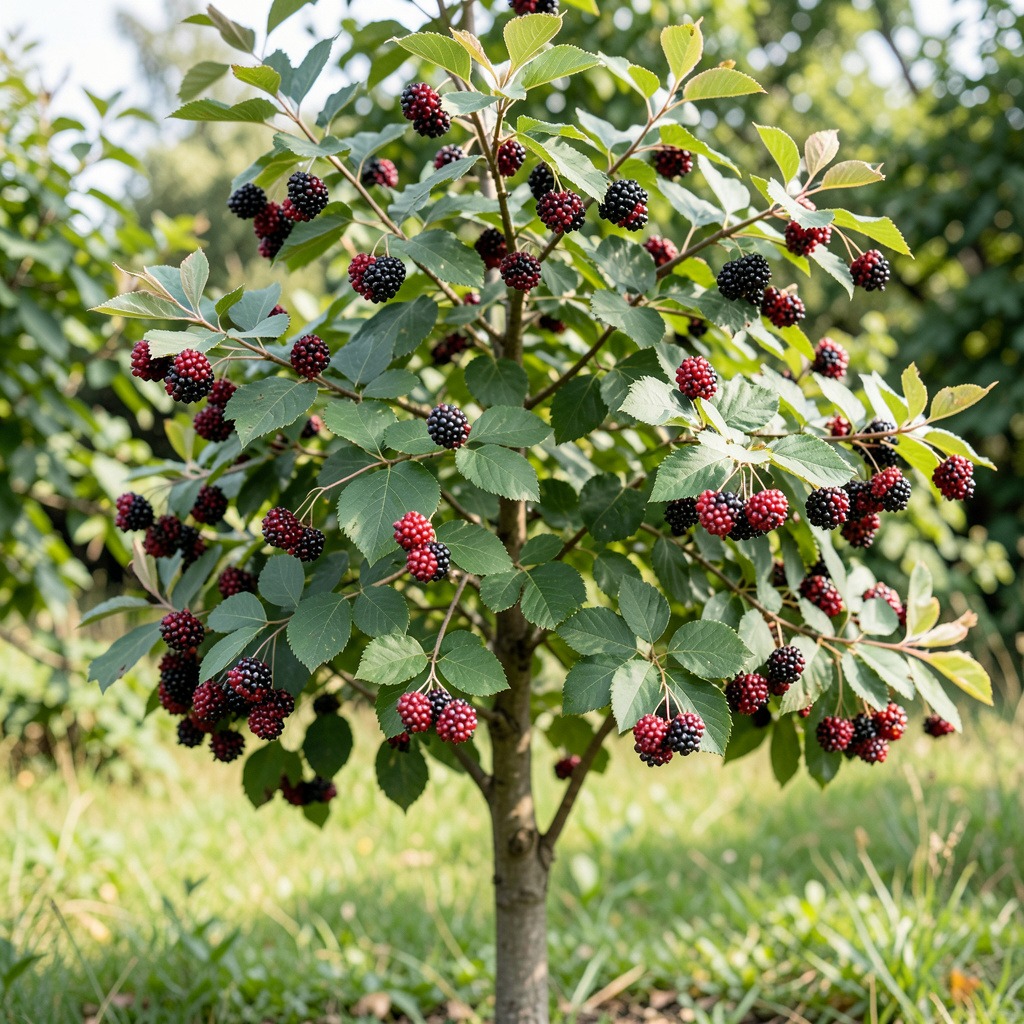
Elderberries are versatile in culinary applications, offering a unique flavor profile and numerous health benefits. From syrups to jams, they can enhance various dishes.
Making Elderberry Syrup
Elderberry syrup is a popular preparation known for its immune-boosting properties. Here’s a simple recipe to create your own:
Ingredients:
- 1 cup fresh or dried elderberries
- 4 cups water
- 1-2 cups honey (to taste)
- Optional: spices like cinnamon or ginger
Instructions:
1. Combine elderberries and water in a pot.
2. Bring to a boil, then reduce heat and simmer for 30 minutes.
3. Strain the mixture through a fine mesh sieve, discarding the solids.
4. Stir in honey while the liquid is still warm.
5. Store in a glass jar in the refrigerator for up to two weeks.
Cooking with Elderberries
Elderberries can be incorporated into various dishes. Here are some popular culinary uses:
- Jams and Jellies: Cook elderberries with sugar and pectin to create a sweet spread.
- Pies: Combine elderberries with other fruits for a delicious filling.
- Sauces: Create a savory sauce for meats by reducing elderberry juice with herbs and spices.
Elderberry in Traditional Dishes
Elderberries have historical significance in many cultures. They have been used in traditional recipes such as:
- Elderflower Fritters: Battered and fried elderflower clusters, often served as a sweet snack.
- Elderberry Wine: Fermented to produce a unique, fruity beverage popular in various regions.
When preparing elderberries, always ensure they are cooked properly. Raw elderberries and other unripe parts can be toxic. Cooking eliminates harmful compounds, allowing you to enjoy their flavor and benefits safely.
4. Popular Elderberry Varieties
Elderberry trees come in various species, each with unique characteristics. Understanding these varieties helps gardeners choose the best one for their needs.
Common Varieties of Elderberry
1. Sambucus nigra (European Black Elderberry)
- Characteristics: Produces dark purple to black berries. Known for high antioxidant levels.
- Culinary Uses: Commonly used for syrups, jams, and wines.
- Growing Conditions: Prefers moist, well-drained soil and full sun.
2. Sambucus canadensis (American Elderberry)
- Characteristics: Grows taller than its European counterpart. Berries are also dark purple but slightly larger.
- Culinary Uses: Similar applications to Sambucus nigra, often favored for its adaptability.
- Growing Conditions: Thrives in various soil types but benefits from rich, fertile ground.
3. Sambucus caerulea (Blue Elderberry)
- Characteristics: Notable for its blue berries, which are less commonly found in supermarkets.
- Culinary Uses: Can be used in jellies and desserts; however, they require proper cooking to neutralize toxins.
- Growing Conditions: Prefers dry, rocky soils and is often found in western North America.
4. Sambucus racemosa (Red Elderberry)
- Characteristics: Produces bright red berries that are not typically used for culinary purposes due to toxicity.
- Culinary Uses: Mainly serves as ornamental; berries attract birds but should not be consumed by humans.
- Growing Conditions: Tolerates shade and poor soil but grows best in sunny locations.
Key Comparison Points
| Variety | Berry Color | Culinary Use | Toxicity Level | Height |
|---|---|---|---|---|
| Sambucus nigra | Dark Purple | High (jams, syrups) | Low (when cooked) | 6-12 ft |
| Sambucus canadensis | Dark Purple | High (jams, syrups) | Low (when cooked) | 6-12 ft |
| Sambucus caerulea | Blue | Moderate (requires cooking) | Moderate (when raw) | 6-15 ft |
| Sambucus racemosa | Red | Low (ornamental use) | High (raw berries) | 5-10 ft |
Choosing the Right Variety
When selecting an elderberry variety, consider the following:
- Intended Use: If you want to make syrups or jams, choose Sambucus nigra or canadensis. For ornamental purposes, consider Sambucus racemosa.
- Growing Conditions: Assess your garden’s soil and sunlight. American elderberry is more adaptable, while European elderberry prefers specific conditions.
- Safety: Be aware of the toxicity of certain berries. Always process elderberries properly to avoid health risks.
Understanding these varieties helps you leverage their benefits while mitigating their risks.
5. Risks and Side Effects of Elderberry Consumption
While elderberry trees offer numerous health benefits, they also come with potential risks. Understanding these risks is essential for safe consumption.
Toxic Parts of the Plant
Certain parts of the elderberry plant contain toxic compounds. Raw berries, leaves, and bark can be harmful if ingested. The primary concern involves cyanogenic glycosides, which can release cyanide when metabolized. Here are key points to consider:
- Raw Berries: Consuming raw elderberries can lead to nausea, vomiting, and diarrhea.
- Leaves and Bark: These parts are highly toxic and should never be consumed.
- Proper Preparation: Cooking elderberries eliminates toxins, making them safe for consumption.
Allergic Reactions
Some individuals may experience allergic reactions to elderberry. Symptoms can range from mild to severe. It’s important to monitor for:
- Skin Reactions: Rashes or hives may occur.
- Respiratory Issues: Difficulty breathing or swelling of the throat can indicate an allergy.
- Digestive Distress: Stomach cramps and diarrhea may signal intolerance.
If you suspect an allergic reaction, discontinue use and consult a healthcare professional.
Recommended Dosage
Following recommended dosages helps mitigate risks. Although elderberry is generally safe, excessive consumption can lead to adverse effects.
- Elderberry Syrup: A common dosage is 1-2 tablespoons daily for adults.
- Elderberry Capsules: Typically, 500-1000 mg daily is advised.
- Children’s Dosage: For children, consult a healthcare provider for appropriate amounts.
Proper dosage is crucial for maximizing benefits while minimizing risks. Always start with lower amounts to assess tolerance.
Case Studies on Adverse Effects
There are documented cases of adverse effects due to improper elderberry use. For instance, an individual consumed raw elderberries and experienced severe gastrointestinal distress. This highlights the importance of proper preparation and awareness of toxic compounds.
In summary, while elderberry trees can provide health benefits, being aware of their risks ensures safe usage. Always prioritize proper preparation and dosage to enjoy elderberry’s advantages without adverse effects.
6. Safe Consumption of Elderberries
Elderberries offer significant health benefits but require careful preparation to avoid risks. Here’s how to ensure safe consumption of elderberries.
Preparing Elderberries for Safe Consumption
To safely enjoy elderberries, follow these steps:
1. Choose the Right Species: Use only the safe elderberry species such as Sambucus nigra or Sambucus canadensis.
2. Harvest Ripe Berries: Wait until berries are dark purple or black and slightly soft. Discard unripe berries as they contain toxins.
3. Cook the Berries: Always cook elderberries before consumption. Cooking neutralizes harmful compounds found in raw berries.
4. Avoid Certain Parts: Do not consume leaves, stems, or seeds. These parts contain higher concentrations of toxic compounds.
Checklist for Safe Elderberry Preparation
- [ ] Confirm species: Sambucus nigra or Sambucus canadensis
- [ ] Harvest only ripe berries
- [ ] Cook berries thoroughly before use
- [ ] Discard any leaves, stems, or seeds
Culinary Uses of Cooked Elderberries
Once prepared safely, elderberries can be used in various culinary applications:
- Jams and Jellies: Cooked elderberries create delicious spreads.
- Syrups: Use cooked elderberries to make healthful syrups for coughs and colds.
- Baked Goods: Incorporate into pies or muffins for added flavor.
By adhering to these guidelines, you can enjoy the benefits of elderberries while minimizing health risks.
7. Growing Elderberry Trees: Conditions and Care
Elderberry trees thrive in specific conditions that support their growth and fruit production. Understanding these requirements is crucial for successful cultivation.
Ideal Soil and Water Conditions
Elderberries prefer moist, well-drained soil with a moderately acidic pH of 5.5 to 6.5. The soil should retain moisture but not become waterlogged. Here are key points to consider:
- Soil Type: Loamy or sandy soils work well, as long as moisture is retained.
- Watering: Regular watering is essential, especially during dry spells. Avoid allowing the soil to dry out completely.
- Drainage: Ensure the planting site has good drainage to prevent root rot.
Sunlight Requirements
Elderberry trees require full sun to partial shade for optimal growth. They should receive at least six hours of direct sunlight each day. Consider the following:
- Sun Exposure: Full sun results in better fruit production.
- Shade Tolerance: While they can tolerate some shade, too much will reduce yield.
Pruning and Maintenance
Proper pruning helps maintain the health and shape of elderberry trees. Follow these guidelines:
- Timing: Prune in late winter or early spring before new growth begins.
- Method: Remove dead or damaged branches and thin out the center to allow light penetration.
- Weeding: Regularly remove weeds, as elderberries do not compete well with aggressive plants.
Seasonal Care Calendar
| Season | Care Activities |
|---|---|
| Spring | Plant new trees, prune, and fertilize. |
| Summer | Water regularly, mulch to retain moisture. |
| Fall | Harvest berries, prepare for winter. |
| Winter | Prune dormant trees, protect from frost. |
By adhering to these growing conditions and care techniques, you can cultivate healthy elderberry trees that offer both beauty and bounty.
8. Harvesting Elderberries: Timing and Techniques
Harvesting elderberries requires careful timing and technique to ensure optimal flavor and nutrition. These berries ripen in late summer to early fall, making it essential to know when and how to pick them for the best results.
When to Harvest Elderberries
Elderberries reach their peak ripeness when they turn rich, dark purple, almost black, and feel slightly soft to the touch. Timing your harvest is crucial because unripe elderberries are toxic. Here’s a simple timeline for harvesting:
- Late Summer (August): Monitor the berries as they begin to change color.
- Early Fall (September – October): Check for the dark purple hue and soft texture; this is the prime time for harvesting.
How to Harvest Elderberries
Follow these steps to harvest elderberries safely and effectively:
1. Gather Equipment: Use sharp pruners and wear gloves to avoid staining your hands with the juice.
2. Cut the Umbels: Snip off the entire umbel (the cluster of berries), ensuring you avoid damaging the plant.
3. Process Quickly: Elderberries are highly perishable. Store them in a cool place and process within a day or two to retain freshness.
Checklist for Harvesting
- Check Color: Ensure berries are dark purple or black.
- Feel for Softness: Ripe berries should yield slightly to pressure.
- Use Clean Tools: Sterilize your pruners to prevent disease transmission.
By following these guidelines, you can enjoy the health benefits of elderberries while minimizing risks associated with improper harvesting.
9. Elderberry Trees vs. Elderberry Bushes: What’s the Difference?
Elderberry trees and bushes are both members of the Sambucus family, but they differ significantly in structure, growth habits, and care requirements. Understanding these differences is crucial for potential growers and enthusiasts.
Structure and Growth Habit
- Elderberry Trees: Typically, elderberry trees are cultivated by training the shrub to grow upright with a single or few main stems. This method can create a more tree-like appearance, which is aesthetically pleasing in gardens.
- Elderberry Bushes: In contrast, elderberry bushes grow with multiple stems from the base. They tend to spread wider and can fill a larger area, making them excellent for hedges or wildlife gardens.
Care Requirements
- Pruning: Trees require more strategic pruning to maintain their shape, while bushes can be pruned more liberally to control growth and promote fruit production.
- Spacing: Elderberry trees should be spaced about 6 to 8 feet apart to allow for their height. Bushes can be closer together, as their growth is more horizontal.
Comparison Chart
| Feature | Elderberry Trees | Elderberry Bushes |
|---|---|---|
| Structure | Single or few main stems | Multiple stems from the base |
| Growth Habit | Tall and upright | Spreading and bushy |
| Pruning Requirements | Requires careful shaping | Can be pruned more liberally |
| Ideal Spacing | 6 to 8 feet apart | Closer spacing possible |
Decision Rule for Selection
When deciding between an elderberry tree and a bush, consider the following:
- Space: If you have limited space, a bush may suit your garden better.
- Aesthetic Preference: For a more formal look, opt for trees.
- Fruit Production: Both can produce fruit, but bushes often yield more due to their wider spread.
Understanding these differences will help you choose the right form of elderberry for your garden, ensuring both beauty and productivity.
10. Common Mistakes to Avoid When Using Elderberry
Elderberries can be a valuable addition to your health regimen, but improper use can lead to adverse effects. Understanding common pitfalls will enhance your experience and safety.
Consuming Raw Elderberries
One of the most common mistakes is consuming raw elderberries. The berries contain cyanogenic glycosides, which can be toxic if ingested in large amounts.
- Always Cook Elderberries: Proper cooking eliminates harmful substances. Make elderberry syrup or jam instead of eating them fresh.
- Know the Parts to Avoid: The seeds, leaves, and stems also contain toxins. Only use the cooked berries for consumption.
Misunderstanding Dosage
Dosage is critical when using elderberry supplements. Many people assume that more is better.
- Follow Recommended Guidelines: Stick to recommended doses on product labels. Overconsumption can lead to gastrointestinal discomfort.
- Consult a Healthcare Professional: If unsure, seek advice before starting elderberry supplements, especially if you have pre-existing health conditions.
Ignoring Allergic Reactions
Some individuals may experience allergic reactions to elderberries.
- Test for Allergies: Before using elderberry, test a small amount to check for adverse reactions.
- Watch for Symptoms: Symptoms like nausea, diarrhea, or skin rashes indicate an allergy. Discontinue use immediately if these occur.
Personal Story: The Overzealous Cook
A friend once excitedly prepared a batch of elderberry jam without cooking the berries first. The result was a stomachache and a trip to the emergency room. This experience highlights the importance of proper preparation.
Checklist for Safe Elderberry Use
- Cook All Berries Thoroughly: Never consume raw berries.
- Stick to Recommended Dosages: Avoid excessive intake.
- Check for Allergies: Conduct a small allergy test.
- Use Reputable Sources: Purchase elderberry products from trusted suppliers.
By avoiding these common mistakes, you can safely enjoy the many benefits of elderberry trees.
11. Elderberry in Traditional Medicine
Elderberry has a rich history in traditional medicine across various cultures. Its use spans centuries, highlighting both its culinary appeal and medicinal properties.
Historical Significance of Elderberry
Elderberry has been utilized in folk remedies for generations. Ancient Egyptians, for example, valued the elder tree for its healing properties. They used elderflower in ointments and tonics. In European traditions, elderberries were believed to ward off evil spirits and were often planted near homes for protection.
Cultural Uses of Elderberry
Elderberry’s applications vary by region and culture:
- Native American Tribes: They used elderberry for treating colds and flus. The berries were also made into syrups and jams.
- European Folk Medicine: Elderflower tea was a common remedy for fevers and respiratory issues. The flowers were steeped to create soothing infusions.
- African Traditions: Certain tribes utilized elderberry roots and bark for their medicinal properties, particularly in addressing inflammation and pain.
Modern Adaptation in Herbal Remedies
Today, elderberry remains popular in herbal medicine. Its extracts are commonly found in syrups, gummies, and teas aimed at boosting immune response. Many people now turn to elderberry as a natural supplement to combat respiratory infections, especially during cold and flu season.
Practical Considerations
When incorporating elderberry into your health routine, consider the following:
- Preparation: Always cook elderberries before consumption to avoid toxicity. Raw berries can cause stomach discomfort.
- Dosage: Follow recommended guidelines to ensure safe use. Overconsumption can lead to adverse effects.
- Consultation: Speak with a healthcare provider before using elderberry, especially if you have underlying health conditions or are pregnant.
Elderberry’s historical significance and cultural uses illustrate its valued role in traditional medicine. Understanding these aspects can enhance your appreciation for this versatile plant.
12. Elderberry Planting: Best Practices
Planting elderberry trees requires specific techniques to ensure healthy growth and fruitful yields. Following these best practices will help you cultivate robust plants.
Selecting the Right Location
Choose a suitable site for your elderberry trees. They thrive in areas with ample sunlight and good air circulation. Here’s what to consider:
- Sunlight: Aim for at least six hours of direct sunlight daily.
- Soil: Use well-drained, moderately acidic soil with a pH of 5.5 to 6.5.
- Moisture: Ensure the location has consistent moisture without standing water.
Planting Steps
Follow these steps for proper planting:
1. Timing: Plant elderberries in spring, after the last frost.
2. Spacing: Space plants 6-8 feet apart for individual trees. Allow 10 feet between rows if planting multiple rows.
3. Preparation: Dig holes that are twice the width of the root ball. Ensure the depth is equal to the root ball height.
4. Planting: Place the plant in the hole and backfill with soil. Water thoroughly after planting.
Care and Maintenance
After planting, maintain your elderberry trees with these practices:
- Watering: Keep the soil consistently moist, especially during dry spells.
- Mulching: Apply mulch to retain moisture and suppress weeds.
- Pruning: Prune annually to encourage new growth and improve air circulation.
Checklist for Successful Planting
- [ ] Select a sunny, well-drained location.
- [ ] Test soil pH and amend if necessary.
- [ ] Space plants adequately.
- [ ] Water immediately after planting.
- [ ] Mulch around the base of the plants.
By adhering to these best practices, you can optimize the growth and health of your elderberry trees, leading to a successful harvest of berries and blossoms.
13. Environmental Benefits of Growing Elderberries
Growing elderberry trees offers significant environmental advantages. These trees contribute to biodiversity, improve soil health, and provide habitats for wildlife.
Biodiversity Enhancement
Elderberries are known to attract various pollinators, including bees and butterflies. Their flowers provide essential nectar sources during the blooming season.
- Nectar Source: Elderberry flowers bloom in late spring and are rich in nectar.
- Wildlife Habitat: The dense foliage offers shelter for birds and small mammals.
- Fruit for Wildlife: The berries are a food source for birds and other wildlife, promoting a balanced ecosystem.
Soil Improvement
Elderberry trees also play a vital role in soil health. Their root systems help prevent erosion and improve soil structure.
- Soil Stabilization: Deep roots anchor the soil, reducing runoff and erosion.
- Nutrient Cycling: As the leaves decompose, they enrich the soil with organic matter.
- Nitrogen Fixation: Some elderberry species can enhance soil nitrogen levels, benefiting surrounding plants.
Carbon Sequestration
Like many trees, elderberries contribute to carbon sequestration.
- Carbon Absorption: Mature elderberry trees can absorb significant amounts of CO2, helping mitigate climate change.
- Oxygen Production: They release oxygen, improving air quality in their vicinity.
Statistics on Biodiversity Benefits
Research shows that planting diverse species, including elderberries, can increase local biodiversity by up to 30%. This diversity fosters resilience in ecosystems, making them more adaptable to changes such as climate shifts or pest invasions.
By cultivating elderberry trees, gardeners can enjoy not only the aesthetic and culinary benefits but also their substantial positive impact on the environment.
14. Elderberry and Wildlife: Attracting Beneficial Creatures
Elderberry trees serve as vital resources for wildlife and beneficial insects. Their flowers and fruits attract a range of species, enhancing the garden ecosystem.
Which Wildlife is Attracted to Elderberry Trees?
Elderberry trees draw various animals and insects, offering both food and shelter. Here are some key examples:
- Birds: Species such as robins, blue jays, and cedar waxwings feast on elderberries. The fruit provides essential nutrients, supporting their energy needs, particularly during migration.
- Pollinators: Bees, butterflies, and hummingbirds are drawn to the fragrant elderflower blossoms. These pollinators play a crucial role in the fertilization of not just elderberries but also nearby plants.
- Beneficial Insects: Ladybugs and lacewings are attracted to the elderberry tree, helping manage pest populations naturally.
How Elderberry Trees Support Biodiversity
Incorporating elderberry trees into your landscape can enhance biodiversity. Here’s how:
- Habitat Creation: Elderberry trees provide shelter and nesting sites for various species. Their dense foliage offers protection from predators.
- Food Source: The fruits and flowers support numerous wildlife, contributing to a balanced ecosystem. This relationship helps maintain local biodiversity.
- Attraction of Beneficial Predators: By attracting beneficial insects, elderberry trees help control harmful pest populations, reducing the need for chemical interventions.
Overall, elderberry trees not only beautify gardens but also foster a thriving wildlife community, making them an excellent choice for environmentally conscious gardeners.
15. The Economic Value of Elderberry Cultivation
Elderberry cultivation offers significant economic benefits for growers. With increasing demand for elderberry products, this versatile plant can enhance profitability for commercial farmers.
Market Demand for Elderberry Products
The popularity of elderberry has surged in recent years, driven by its health benefits and culinary uses. This trend presents various opportunities for commercial cultivation:
- Health Supplements: Elderberry extracts are widely used in dietary supplements for their immune-boosting properties.
- Culinary Uses: Chefs and home cooks alike are turning to elderberries for syrups, jams, and beverages, expanding market reach.
- Cosmetic Industry: The natural compounds in elderberries are sought after for inclusion in skincare products due to their antioxidant properties.
Case Studies of Successful Elderberry Farms
Several farms have successfully tapped into the elderberry market, showcasing the economic potential of this crop:
- Farm A: Located in the Midwest, Farm A transitioned to elderberry cultivation in response to consumer trends. By diversifying their product line to include elderberry syrup and wine, they reported a 40% increase in revenue within two years.
- Farm B: A farm in the Pacific Northwest leveraged local farmers’ markets to sell fresh elderberry and value-added products. This approach not only increased sales but also strengthened community ties.
Economic Considerations for Growers
When evaluating elderberry cultivation, consider the following factors:
- Start-Up Costs: Initial investment in plants, land preparation, and equipment can be substantial. However, elderberries require low maintenance once established.
- Market Research: Understanding local demand for elderberry products can help tailor offerings and maximize profits.
- Sales Channels: Explore various sales avenues, including farmers’ markets, local grocery stores, and online platforms to reach a broader audience.
By recognizing these economic aspects, prospective growers can make informed decisions about entering the elderberry market.
16. Elderberry as a Natural Pest Repellent
Elderberry trees can serve as a natural pest deterrent in gardens. Their components may help repel certain insects, providing an eco-friendly option for pest management.
How Elderberry Deters Pests
Elderberry trees produce compounds that can deter pests. The flowers and leaves contain natural chemicals that many insects find unappealing.
- Insect Deterrence: Elderberry flowers emit scents that repel aphids, beetles, and other common garden pests.
- Habitat for Beneficial Insects: The trees attract pollinators and beneficial insects, such as ladybugs and lacewings, which help control pest populations.
Practical Application in the Garden
Utilizing elderberry trees for pest control can enhance your gardening experience. Here’s how to effectively incorporate them:
1. Plant Strategically: Position elderberry trees near vulnerable crops for natural protection.
2. Companion Planting: Combine elderberries with vegetables that commonly attract pests. This dual planting can create a balanced ecosystem.
3. Regular Maintenance: Keep elderberry trees healthy through proper pruning and care. Healthy plants are more effective at pest deterrence.
Example of Effectiveness
Research suggests that elderberry extracts can disrupt the life cycles of certain pests. For instance, studies have shown effectiveness against aphids, reducing their populations in nearby plants.
By integrating elderberry trees into your garden, you can create a more sustainable and productive environment. This natural pest control method not only protects your crops but also promotes biodiversity.
17. User Testimonials: Real-Life Experiences with Elderberry
Many individuals have turned to elderberry for its potential health benefits and culinary uses. Their stories provide valuable insights into the practical applications of elderberry in daily life.
Health Benefits Noticed by Users
- Immune Support: “I’ve been using elderberry syrup during cold season. It seems to help reduce the duration of my colds significantly.”
- Allergy Relief: “After taking elderberry extract regularly, I noticed my seasonal allergies improved. I sneeze less and feel more comfortable outdoors.”
- Digestive Health: “Elderberry tea has become part of my routine. It aids my digestion and keeps my gut health in check.”
Culinary Uses and Experiences
- Homemade Syrup: “Making elderberry syrup at home was simple. I use it in pancakes and yogurt, and my kids love it!”
- Baking with Elderberries: “I tried elderberry muffins for the first time. The flavor is unique and delicious; they were a hit at our family gathering.”
- Elderberry Wine: “I created elderberry wine from my harvest. It turned out beautifully and was a great conversation starter at dinner parties.”
Growing Experiences
- Ease of Growing: “I planted elderberry trees last spring. They thrive in my yard with minimal effort, and the flowers are stunning.”
- Wildlife Attraction: “The elderberry bushes attract so many birds. It’s like having a living nature show right outside my window.”
- Harvesting Insights: “I learned the best time to pick elderberries is late summer. The clusters are full and juicy, perfect for my recipes.”
These testimonials reflect a range of personal experiences with elderberry, showcasing both its benefits and culinary possibilities. By incorporating elderberry into their lives, users have found both joy and health improvements.
18. Alternatives to Elderberry for Immune Support
While elderberries are renowned for their health benefits, several other natural remedies can also support immune health. These alternatives offer various nutritional profiles and effects, making them valuable options for those seeking immune support.
Popular Alternatives for Immune Support
| Alternative | Pros | Cons |
|---|---|---|
| Echinacea | May reduce cold symptoms; stimulates immune function. | Possible allergic reactions; mixed research on effectiveness. |
| Ginger | Anti-inflammatory; supports digestion; may reduce nausea. | Can cause heartburn in some individuals; not suitable for everyone. |
| Garlic | Antimicrobial properties; may lower blood pressure; enhances immune response. | Strong odor; can cause digestive upset. |
| Turmeric | Contains curcumin, which has anti-inflammatory and antioxidant effects. | Limited bioavailability; needs to be combined with black pepper for better absorption. |
| Vitamin C | Essential for immune function; antioxidant properties. | High doses can cause digestive issues. |
Considerations When Choosing Alternatives
When considering alternatives to elderberries, it’s essential to evaluate your individual health needs and potential interactions. Here are some factors to keep in mind:
- Health Conditions: Certain remedies may not be suitable for individuals with specific health conditions or allergies.
- Consultation with Healthcare Provider: Always consult a healthcare professional before starting new supplements, especially if you are on medication.
- Quality of Products: Choose high-quality supplements or herbs from reputable sources to ensure safety and efficacy.
By exploring these alternatives, individuals can find suitable options for immune support that align with their personal health goals.
19. Final Thoughts on Elderberry Trees
Elderberry trees offer a mix of benefits and challenges for potential growers. Understanding these pros and cons will help you make an informed decision.
Pros of Growing Elderberry Trees
- Health Benefits: Elderberries are rich in vitamins, antioxidants, and anthocyanins, supporting immune function and reducing symptoms of colds and flu.
- Culinary Uses: The berries can be transformed into syrups, jams, wines, and teas, providing delicious options for home cooking.
- Aesthetic Appeal: Elderberry trees add beauty to gardens with their attractive flowers and foliage.
- Ecological Value: They attract pollinators and birds, enhancing biodiversity.
Cons of Growing Elderberry Trees
- Toxicity of Certain Parts: Raw elderberries, leaves, and seeds can be toxic if consumed. Proper preparation is essential.
- Space Requirements: Elderberry trees require adequate space and specific growing conditions, including well-drained soil and full sun.
- Maintenance Needs: Regular pruning and care are necessary to ensure healthy growth and fruit production.
Checklist for Potential Elderberry Growers
- Assess Your Climate: Ensure your region supports elderberry growth.
- Choose the Right Variety: Consider Sambucus nigra for medicinal uses or Sambucus canadensis for culinary applications.
- Plan for Preparation: Familiarize yourself with safe methods to prepare elderberries for consumption.
- Design Your Garden: Incorporate elderberries in a way that complements your existing landscape.
By weighing these factors, you can determine if planting elderberry trees aligns with your gardening goals and lifestyle.
Frequently Asked Questions
These quick answers cover the most common questions about this topic, including key details, practical tips, and common concerns.
Should I plant elderberry in my yard?
Planting elderberry in your yard can be a great choice if you have the right conditions. Elderberries thrive in moist, well-drained soil and require full sun to partial shade. They are beneficial for wildlife, attracting birds and pollinators. Additionally, they provide health benefits through their nutrient-rich berries. However, ensure you have enough space, as elderberry trees can grow 6 to 12 feet tall.
What are the negative side effects of elderberry?
Elderberries can pose risks if consumed improperly. Raw elderberries, leaves, and seeds contain toxic compounds that can lead to nausea, vomiting, and diarrhea. Always cook elderberries before consumption to neutralize these toxins. Additionally, some individuals may experience allergic reactions, so it’s advisable to start with small amounts and monitor for any adverse effects.
Can you eat elderberries right off the tree?
No, you should not eat elderberries raw right off the tree. Raw elderberries contain cyanogenic glycosides, which can be toxic. To safely enjoy elderberries, you must cook them first. Cooking eliminates harmful compounds and makes them safe for consumption in syrups, jams, or baked goods.
Is there a difference between an elderberry bush and an elderberry tree?
Yes, the primary difference lies in their growth habits. Elderberry bushes typically grow with multiple stems from the base, spreading wider, while elderberry trees are trained to have a single or few main stems, giving them a more upright appearance. Both can produce fruit, but trees may require more careful pruning and maintenance.
When is the best time to harvest elderberries?
The best time to harvest elderberries is late summer to early fall, typically from August to October. Look for berries that are dark purple or black and slightly soft to the touch. Harvesting at this time ensures the berries are ripe and full of flavor, making them ideal for culinary uses.
How do I safely prepare elderberries for consumption?
To safely prepare elderberries, first, ensure you are using ripe berries from safe species like Sambucus nigra or Sambucus canadensis. Remove the stems and leaves, then cook the berries thoroughly to eliminate toxins. You can make syrups, jams, or teas with the cooked berries. Always discard any unripe berries and avoid using leaves or seeds.
What alternatives are there to elderberry for immune support?
If you’re looking for alternatives to elderberry for immune support, consider options like echinacea, ginger, garlic, and vitamin C. Each of these has unique benefits; for example, echinacea may reduce cold symptoms, while garlic has antimicrobial properties. Always consult a healthcare provider before starting new supplements to ensure they are appropriate for your needs.