
Engineered wood offers a cost-effective, durable alternative to solid wood, providing stability and design versatility.
As a popular choice for construction and furniture, engineered wood combines natural wood materials with adhesives for enhanced durability and stability. Understanding its pros and cons is crucial for making informed design and renovation decisions, ensuring you select the best option for your needs.
What is Engineered Wood?
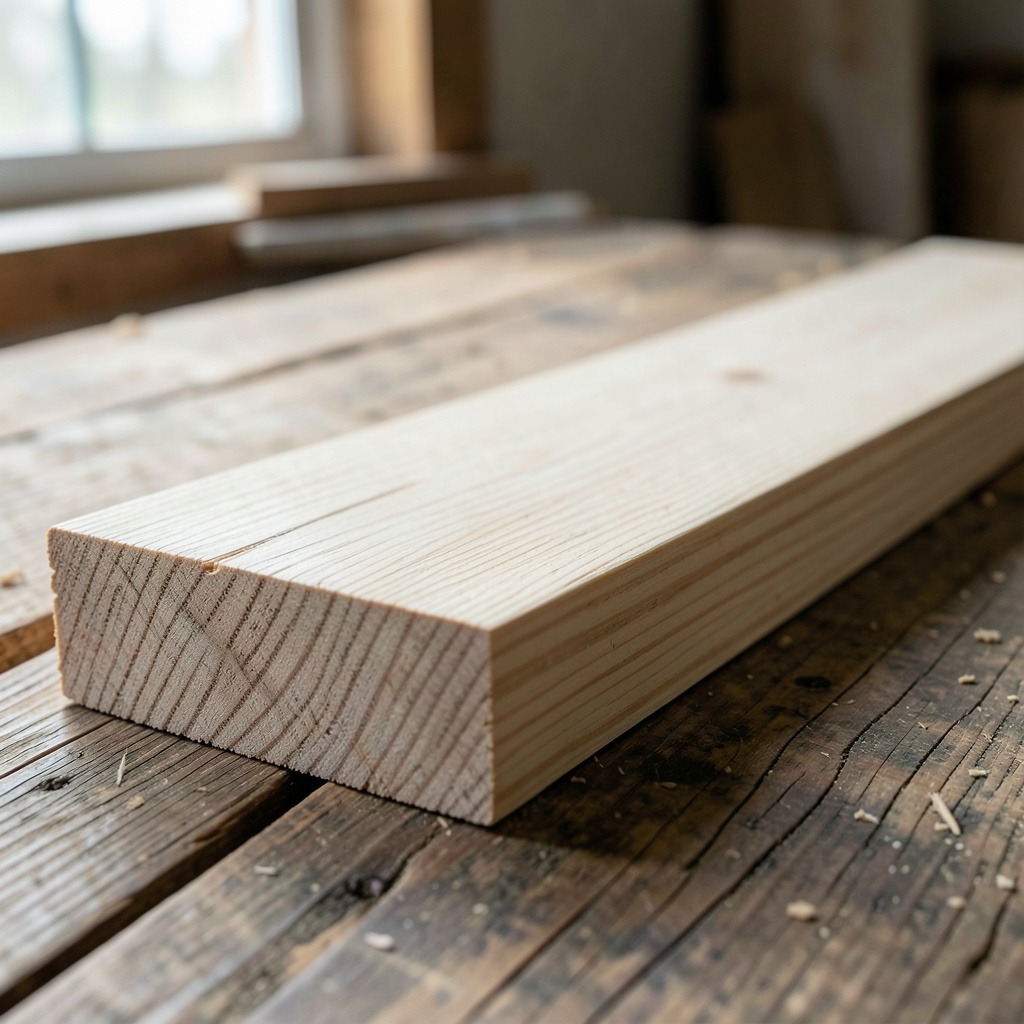
Engineered wood is a versatile construction material made from wood fibers, particles, or veneers bonded together with adhesives. It offers distinct advantages over traditional solid wood in terms of stability, cost, and environmental impact.
Defining Engineered Wood
Engineered wood, also known as composite wood, is manufactured through a process that involves layering wood materials under heat and pressure. This method provides enhanced durability, making engineered wood less susceptible to warping and cracking compared to solid wood.
Manufacturing Process of Engineered Wood
The manufacturing of engineered wood involves several key steps:
1. Raw Material Preparation: Wood fibers or veneers are sourced and treated.
2. Layering: These materials are arranged in layers, often with grains oriented in different directions to enhance strength.
Table of Contents
3. Adhesive Application: Adhesives like urea-formaldehyde or polyurethane are applied to bond the layers.
4. Pressing: The layered materials are pressed together under high heat and pressure to create a solid piece.
This process results in a material that maintains structural integrity across varying conditions, making it suitable for diverse applications.
Types of Engineered Wood Products
Engineered wood encompasses various products, each designed for specific uses:
- Plywood: Made from thin layers of wood veneer, ideal for structural applications.
- Oriented Strand Board (OSB): Composed of wood strands, used for sheathing and flooring.
- Medium Density Fiberboard (MDF): Made from wood fibers, commonly used for furniture and cabinetry.
- Engineered Lumber: Includes laminated veneer lumber (LVL) and glulam, used in beams and framing.
Comparison with Solid Wood
Engineered wood differs significantly from solid wood. While solid wood is cut directly from logs and offers unique grain patterns, engineered wood provides uniformity and enhanced performance. Solid wood is generally more expensive and requires more maintenance, whereas engineered wood is often more cost-effective and easier to install.
Decision-Making Framework
When choosing between engineered wood and solid wood, consider the following factors:
- Environment: For fluctuating climates, engineered wood may outperform solid wood.
- Budget: Engineered wood typically offers lower initial costs and potential long-term savings.
- Aesthetics: Solid wood provides unique beauty, while engineered wood can mimic various finishes.
This framework can help homeowners make informed decisions based on their specific needs and circumstances.
Pros of Engineered Wood
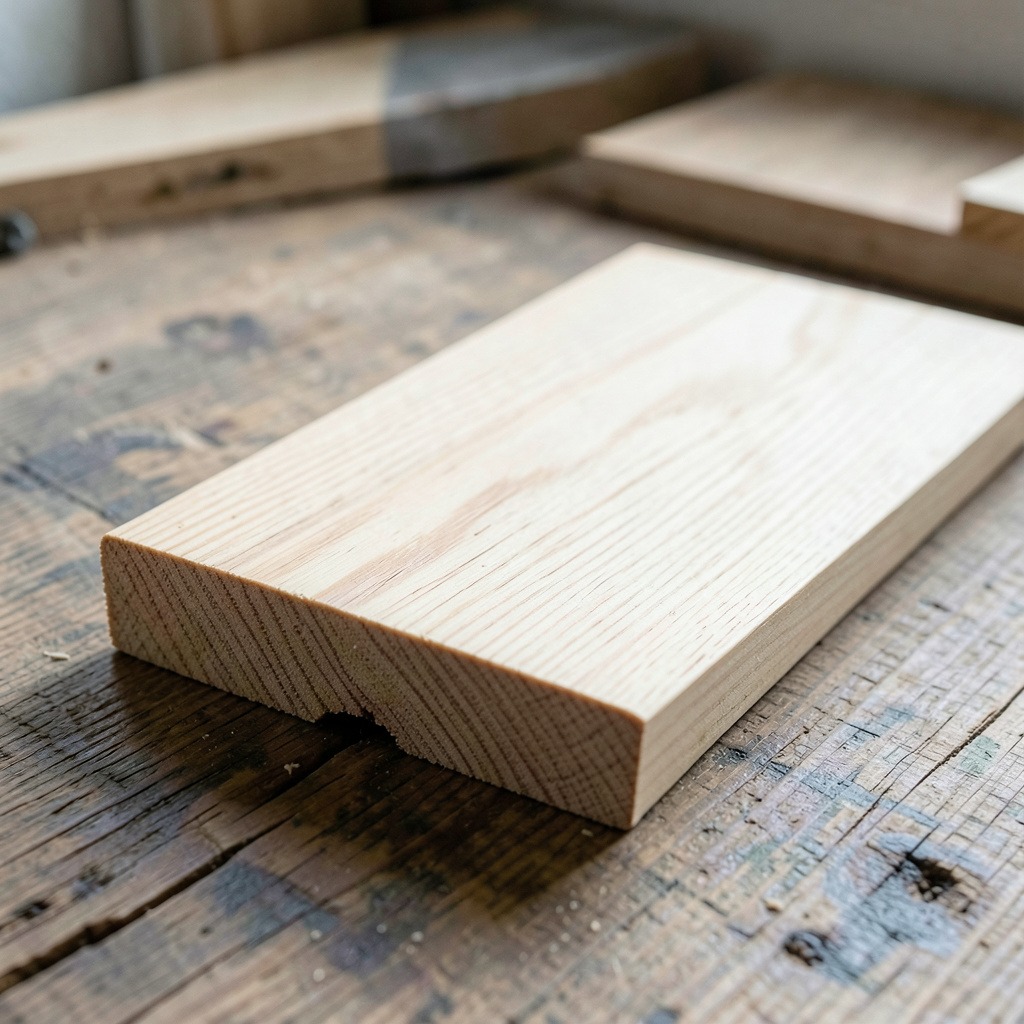
Engineered wood offers numerous advantages that make it a compelling choice for homeowners. Its cost-effectiveness, durability, and aesthetic versatility set it apart from traditional solid wood.
Cost-Effectiveness Compared to Solid Wood
Engineered wood is generally more affordable than solid wood. The manufacturing process allows for the use of less expensive materials beneath the surface layer, reducing overall costs. This affordability makes engineered wood an attractive option for budget-conscious homeowners.
- Lower Initial Investment: Engineered wood can be up to 50% less expensive than solid wood.
- Long-Term Savings: Its durability can lead to fewer repairs and replacements over time, providing additional savings.
Durability and Stability Advantages
Engineered wood excels in durability and stability. Its layered construction makes it less susceptible to warping and cracking, especially in fluctuating climates. This stability is crucial for maintaining structural integrity over time.
- Resistant to Moisture: Unlike solid wood, engineered wood resists moisture damage, making it suitable for areas like basements and kitchens.
- Dimensional Stability: Engineered wood maintains its shape and does not expand or contract as much as solid wood, ensuring a consistent appearance.
Versatile Applications in Design
The versatility of engineered wood extends to its applications in various settings. It can mimic the look of solid wood while offering additional benefits.
- Flooring: Engineered wood flooring is popular for its aesthetic appeal and ease of installation. It can be installed over concrete and radiant heating systems.
- Cabinetry and Furniture: Engineered wood is often used in cabinetry due to its ability to provide a clean, modern look while being more cost-effective than solid wood alternatives.
Example Scenario: A homeowner renovating a kitchen might choose engineered wood cabinetry for its aesthetic versatility and resistance to moisture, ensuring a stylish yet practical solution.
In summary, engineered wood stands out for its affordability, durability, and design flexibility, making it an excellent choice for a variety of home applications.
Cons of Engineered Wood
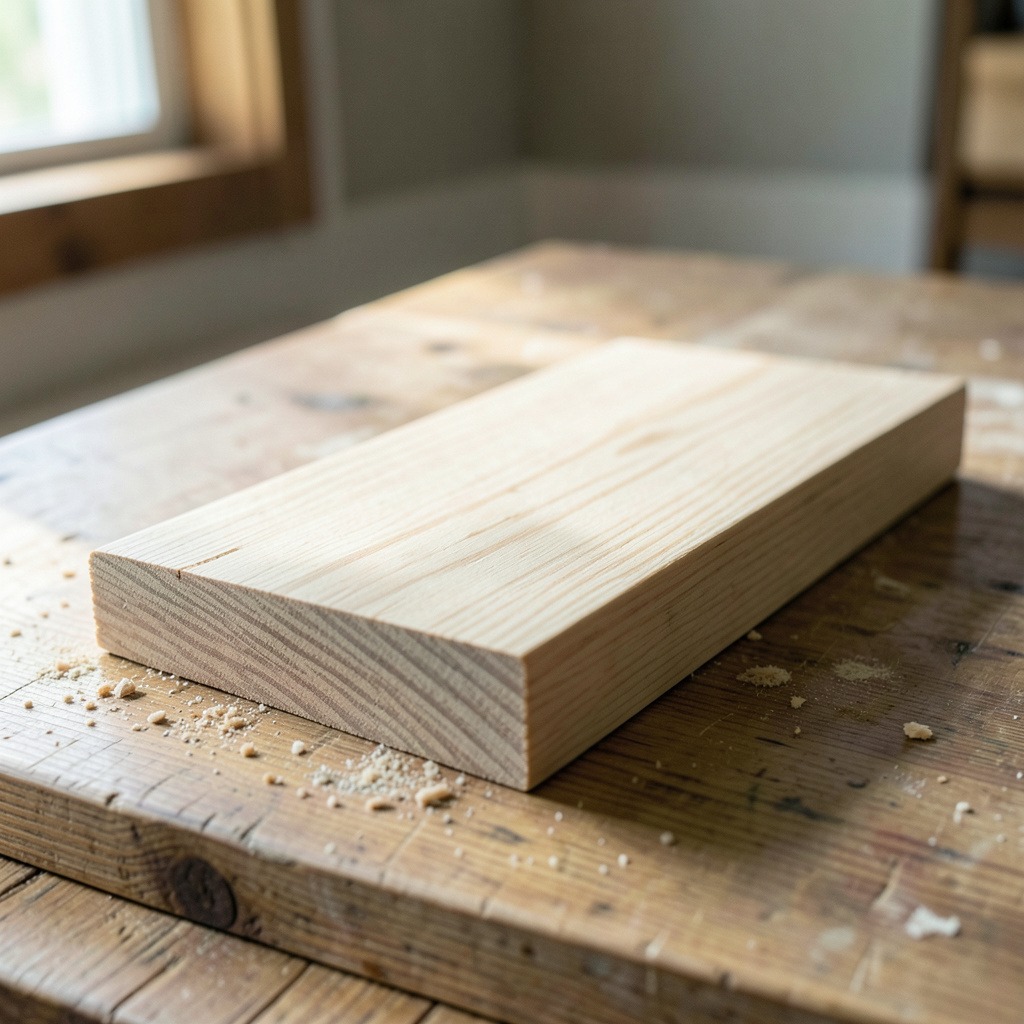
While engineered wood offers various advantages, it also has notable drawbacks. Understanding these cons is crucial for homeowners to make informed decisions.
Limited Lifespan and Refinishing Options
Engineered wood typically has a shorter lifespan compared to solid wood. Over time, its layers can wear down, especially if not properly maintained. Refinishing options are also limited; while some engineered wood flooring can be sanded down for a new finish, this is not always possible. Homeowners may find they need to replace engineered wood products sooner than their solid wood counterparts.
Vulnerability to Moisture Damage
Engineered wood can be susceptible to moisture damage. If the protective top layer is compromised, the underlying layers may swell or warp. This is particularly concerning in high-humidity areas like bathrooms or kitchens. Homeowners should consider the installation environment before choosing engineered wood.
Health Considerations with Adhesives
The adhesives used in engineered wood can pose health concerns. Some adhesives contain volatile organic compounds (VOCs), which can affect indoor air quality. It is essential to check for low-VOC certifications when selecting engineered wood products to minimize potential health risks.
Decision Checklist for Engineered Wood Use
To determine if engineered wood is suitable for your project, consider the following checklist:
- Installation Environment: Is the area prone to high moisture? (e.g., bathrooms, basements)
- Longevity Needs: Do you require a long-lasting solution?
- Refinishing Plans: Are you open to replacing the material in the future?
- Health Concerns: Are you sensitive to indoor air quality issues?
By assessing these factors, homeowners can make a more informed choice about whether engineered wood fits their specific needs.
Comparing Engineered Wood with Solid Wood
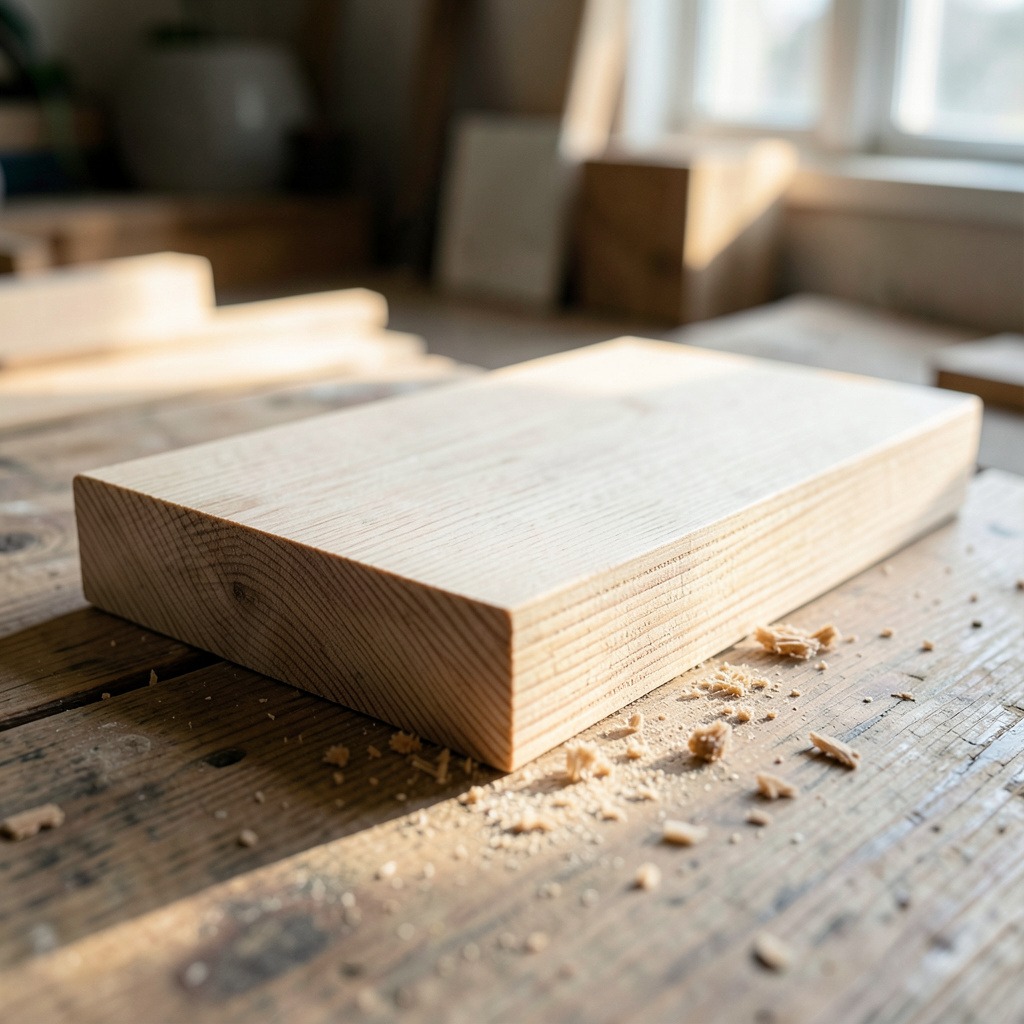
When choosing between engineered wood and solid wood, homeowners must weigh various factors. These include durability, cost, and aesthetic appeal. Each material has distinct advantages and drawbacks that can influence your decision.
Durability: Engineered vs. Solid
Engineered wood offers superior dimensional stability. Its layered construction makes it less prone to warping, cracking, and splitting in fluctuating climates. In contrast, solid wood can be more susceptible to these issues, especially in areas with high humidity or temperature variations.
| Feature | Engineered Wood | Solid Wood |
|---|---|---|
| Warping Resistance | High | Moderate |
| Long-term Durability | Moderate to High | High |
| Maintenance Needs | Low to Moderate | Moderate to High |
Cost Comparison: Short-term vs. Long-term
The initial cost of engineered wood is typically lower than that of solid wood. This affordability makes it an attractive option for budget-conscious homeowners. However, long-term costs can vary significantly based on usage and maintenance.
- Engineered Wood:
- Short-term Cost: Generally less expensive upfront.
- Long-term Cost: Potential savings due to lower maintenance needs.
- Solid Wood:
- Short-term Cost: Higher initial investment.
- Long-term Cost: May require refinishing and repairs, leading to increased costs over time.
Aesthetic Appeal and Design Choices
Solid wood stands out for its natural beauty and unique grain patterns. It can be refinished multiple times, allowing homeowners to change its appearance over the years. Engineered wood, while able to mimic the look of various wood species, often features a consistent grain pattern due to its manufacturing process.
- Engineered Wood:
- Pros: Offers a wide variety of finishes and styles.
- Cons: May lack the unique character of solid wood.
- Solid Wood:
- Pros: Timeless aesthetics and the ability to refinish.
- Cons: More susceptible to scratches and dents if not cared for properly.
Decision Framework for Selecting Wood Types
When deciding between engineered and solid wood, consider the following scenarios:
- For High Moisture Areas: Choose engineered wood for its resistance to moisture.
- For Long-term Investment: Solid wood is preferable for its longevity and potential for refinishing.
- For Budget Constraints: Engineered wood provides a cost-effective solution without sacrificing appearance.
By evaluating these factors, you can make an informed decision that aligns with your specific needs and preferences.
Installation and Maintenance of Engineered Wood
Installing and maintaining engineered wood requires careful planning and execution. Proper techniques ensure durability and enhance the material’s appearance over time.
Preparing for Installation
Before installation, prepare your workspace and gather necessary tools. Consider the following checklist:
- Tools Needed:
- Measuring tape
- Level
- Saw (circular or miter)
- Hammer or flooring nailer
- Spacers
- Safety goggles and gloves
- Preparation Steps:
1. Acclimate the Wood: Allow engineered wood to acclimate to the room’s temperature and humidity for at least 48 hours.
2. Prepare the Subfloor: Ensure the subfloor is clean, dry, and level. Address any imperfections.
3. Plan Layout: Determine the layout direction based on the room’s light source and design.
Installation Techniques
Different types of engineered wood may require specific installation methods. Here are common techniques:
- Floating Installation:
- Ideal for click-lock engineered wood.
- No adhesive or nails needed.
- Lay planks over a vapor barrier, using spacers for expansion gaps.
- Glue-Down Installation:
- Best for plywood or particleboard engineered wood.
- Apply adhesive to the subfloor before laying each plank.
- Ensure even coverage to avoid gaps.
- Nail or Staple Installation:
- Suitable for thicker engineered wood.
- Secure planks to the subfloor using nails or staples.
- Ensure they are flush and do not protrude.
Maintenance Tips for Longevity
To maintain the integrity and appearance of engineered wood, follow these guidelines:
- Regular Cleaning: Use a microfiber mop or vacuum with a soft brush attachment to remove dirt and debris. Avoid excessive water, as moisture can damage the material.
- Protective Measures:
- Use area rugs in high-traffic zones.
- Place felt pads under furniture legs to prevent scratches.
- Humidity Control: Maintain indoor humidity levels between 30% and 50%. Consider using a humidifier or dehumidifier as needed.
- Immediate Repairs: Address scratches or dents promptly to prevent further damage. Use wood filler for minor repairs and touch-up markers for small scratches.
By following these installation and maintenance tips, homeowners can maximize the benefits of engineered wood while minimizing potential drawbacks.
Environmental Impact of Engineered Wood
Engineered wood is often viewed as a more sustainable alternative to solid wood. Understanding its sourcing, production practices, and certifications can clarify its environmental footprint.
Sourcing and Production Practices
Engineered wood is manufactured using fast-growing tree species, sawmill offcuts, and wood waste. This approach maximizes resource efficiency. The production process involves binding wood fibers, particles, or veneers with adhesives under heat and pressure, which helps reduce waste and maximize material usage.
- Resource Efficiency: Utilizes less wood compared to solid wood products.
- Diverse Materials: Incorporates renewable resources and byproducts.
- Durability: Enhanced stability reduces the need for replacements.
Certifications to Look For
When evaluating the environmental impact of engineered wood, consider checking for relevant certifications.
| Certification | Description |
|---|---|
| FSC (Forest Stewardship Council) | Ensures responsible forestry practices. |
| CARB (California Air Resources Board) | Regulates formaldehyde emissions for indoor air quality. |
| LEED (Leadership in Energy and Environmental Design) | Recognizes sustainable building practices, including the use of certified wood. |
These certifications indicate that the product meets specific environmental and health standards. Choosing certified engineered wood can help mitigate potential negative impacts.
Misconceptions About Environmental Impact
Common misconceptions surround the environmental footprint of engineered wood. Many believe it is less sustainable than solid wood. However, engineered wood often utilizes materials that would otherwise go to waste.
- Myth: Engineered wood is harmful to the environment.
- Fact: It can be more sustainable, depending on production practices and materials used.
- Myth: All adhesives used in engineered wood are harmful.
- Fact: Many manufacturers are adopting low-VOC adhesives, which are safer for indoor air quality.
Incorporating engineered wood into construction can lead to lower overall environmental impact, especially when sourced and produced responsibly.
Frequently Asked Questions
These quick answers cover the most common questions about this topic, including key details, practical tips, and common concerns.
What are the downsides of engineered wood?
Engineered wood has several drawbacks. One significant issue is its limited lifespan compared to solid wood. While solid wood can last for decades with proper care, engineered wood may require replacement sooner, especially if it experiences heavy wear. Additionally, some engineered wood products cannot be refinished as often as solid wood, limiting aesthetic updates over time.
Another downside is its vulnerability to moisture. If the protective layer is damaged, the underlying layers can swell or warp, particularly in high-humidity areas. Homeowners should also be cautious about the adhesives used in engineered wood, as some may contain volatile organic compounds (VOCs) that can affect indoor air quality.
What is the healthiest flooring to have in your home?
The healthiest flooring option often depends on individual needs and sensitivities. Solid hardwood floors are generally considered healthier because they are made from natural wood without synthetic materials. However, if you’re considering engineered wood, look for products with low-VOC or no-VOC adhesives to minimize indoor air quality issues.
Bamboo flooring is another eco-friendly alternative that offers a unique aesthetic and is often treated with fewer chemicals. Ultimately, the best choice will vary based on personal preferences, health concerns, and environmental considerations.
How much is engineered hardwood for a 2000 sq ft house?
The cost of engineered hardwood for a 2000 sq ft house can vary widely based on quality, brand, and installation method. On average, prices range from $3 to $12 per square foot, including materials and installation. This means homeowners can expect to spend between $6,000 and $24,000 for a complete installation.
Keep in mind that lower-end products may have shorter lifespans and less durability, while higher-end options may offer better performance and aesthetics. It’s wise to factor in long-term maintenance costs when calculating your budget.
What is the lifespan of engineered wood?
The lifespan of engineered wood typically ranges from 20 to 30 years, depending on its quality, usage, and maintenance. Higher-quality engineered wood products with thicker wear layers can last longer than lower-quality options.
Regular maintenance, such as cleaning and controlling humidity, can also extend its lifespan. In contrast, solid wood can last for generations if properly cared for, making it a more durable option in the long run.
What room or subfloor type should I install engineered wood over?
Engineered wood is versatile and can be installed over various subfloor types, including concrete, plywood, and existing flooring. It’s particularly suited for areas prone to moisture, like basements, because of its resistance to warping.
Before installation, ensure the subfloor is clean, dry, and level to avoid complications. If you’re installing over concrete, consider using a vapor barrier to protect against moisture seepage.
Can engineered wood be refinished?
Engineered wood can be refinished, but the options are limited compared to solid wood. Some higher-quality engineered wood products with thicker wear layers can withstand light sanding and refinishing. However, many engineered wood floors have a thinner surface layer, making them unsuitable for multiple refinishing sessions.
Homeowners should check the manufacturer’s specifications before attempting to refinish their engineered wood flooring. Regular maintenance, such as cleaning and using protective pads under furniture, can help prolong its appearance without the need for refinishing.
How does engineered wood compare to laminate flooring?
Engineered wood and laminate flooring differ significantly in materials and performance. Engineered wood is made from real wood layers, providing a natural look and feel, while laminate is a synthetic product that mimics wood through printed images.
In terms of durability, engineered wood generally outperforms laminate in moisture resistance and longevity. However, laminate is often more affordable and easier to install. For homeowners seeking authenticity and durability, engineered wood is the better choice, while laminate may be suitable for budget-conscious projects.
How much does engineered hardwood cost for a typical home?
For a typical home, the cost of engineered hardwood can range from $3 to $12 per square foot, depending on quality and brand. For a 2000 sq ft home, total costs—including materials and installation—can range from $6,000 to $24,000.
It’s essential to consider both initial costs and long-term maintenance when budgeting. Higher-quality products may have a higher upfront cost but can offer better durability and aesthetic appeal over time.