
Eucalyptus trees offer rapid growth and aromatic leaves but have significant drawbacks, including invasive roots and allelopathy, which can hinder other plants.
Eucalyptus trees are known for their fast growth and unique properties, making them appealing for landscaping and timber use. However, they also present challenges, such as invasiveness and ecological impact, necessitating a thorough understanding of their pros and cons before planting.
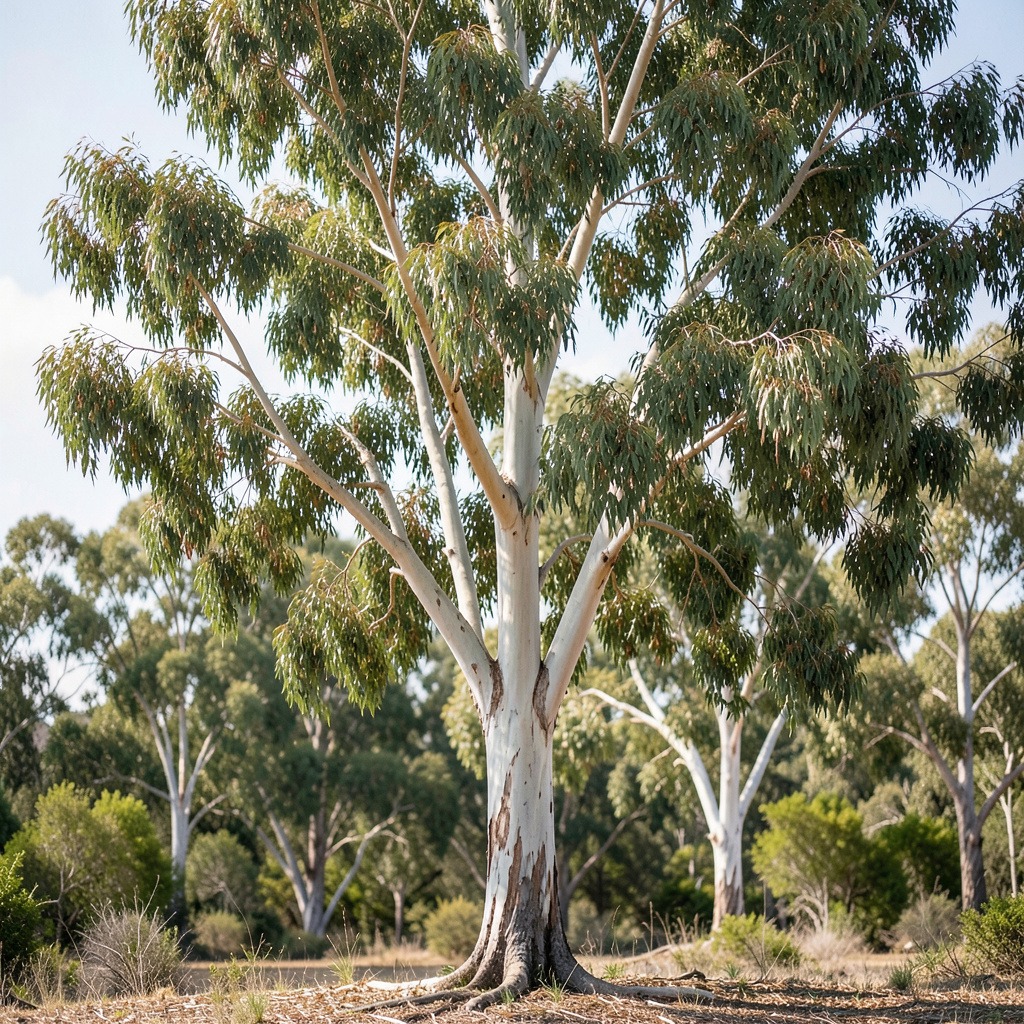
Overview of Eucalyptus Trees
Eucalyptus trees, native to Australia and nearby islands, are renowned for their rapid growth and unique characteristics. They serve various purposes, from timber production to ornamental landscaping, but come with notable pros and cons.
Characteristics of Eucalyptus Trees
Eucalyptus trees are evergreen, maintaining their leaves year-round. They possess thick, leathery foliage, a feature that contributes to their resilience in various climates. Here are some notable traits:
- Growth Rate: Eucalyptus species can grow several feet per year, making them suitable for quick landscaping solutions.
- Root System: Their roots can spread extensively, often reaching up to 100 feet laterally. This characteristic can lead to structural damage if planted too close to buildings.
- Allelopathy: Many eucalyptus species exhibit allelopathic behavior, inhibiting the growth of surrounding plants to secure resources.
Common Species of Eucalyptus
Several eucalyptus species are popular for landscaping and timber. Here are a few notable examples:
- Eucalyptus globulus: Known as the Tasmanian blue gum, this species is valued for its timber and essential oil, commonly used in medicinal applications.
- Eucalyptus citriodora: Also known as lemon eucalyptus, it is prized for its aromatic leaves and insect-repellent properties.
- Eucalyptus camaldulensis: The river red gum, which is often found near water sources, plays a vital role in preventing soil erosion.
Uses of Eucalyptus Trees
Eucalyptus trees have diverse applications, enhancing their appeal. Here are some key uses:
- Timber Production: Their wood is utilized in construction, furniture, and paper manufacturing due to its durability and strength.
- Medicinal Properties: Eucalyptus oil, extracted from the leaves, has antibacterial and anti-fungal properties, making it valuable in aromatherapy and cleaning products.
- Environmental Benefits: Eucalyptus trees can help with soil stabilization and provide habitat for various wildlife species.
Understanding these characteristics and applications helps homeowners weigh the pros and cons of planting eucalyptus trees in their landscapes.
Table of Contents
Advantages of Planting Eucalyptus Trees
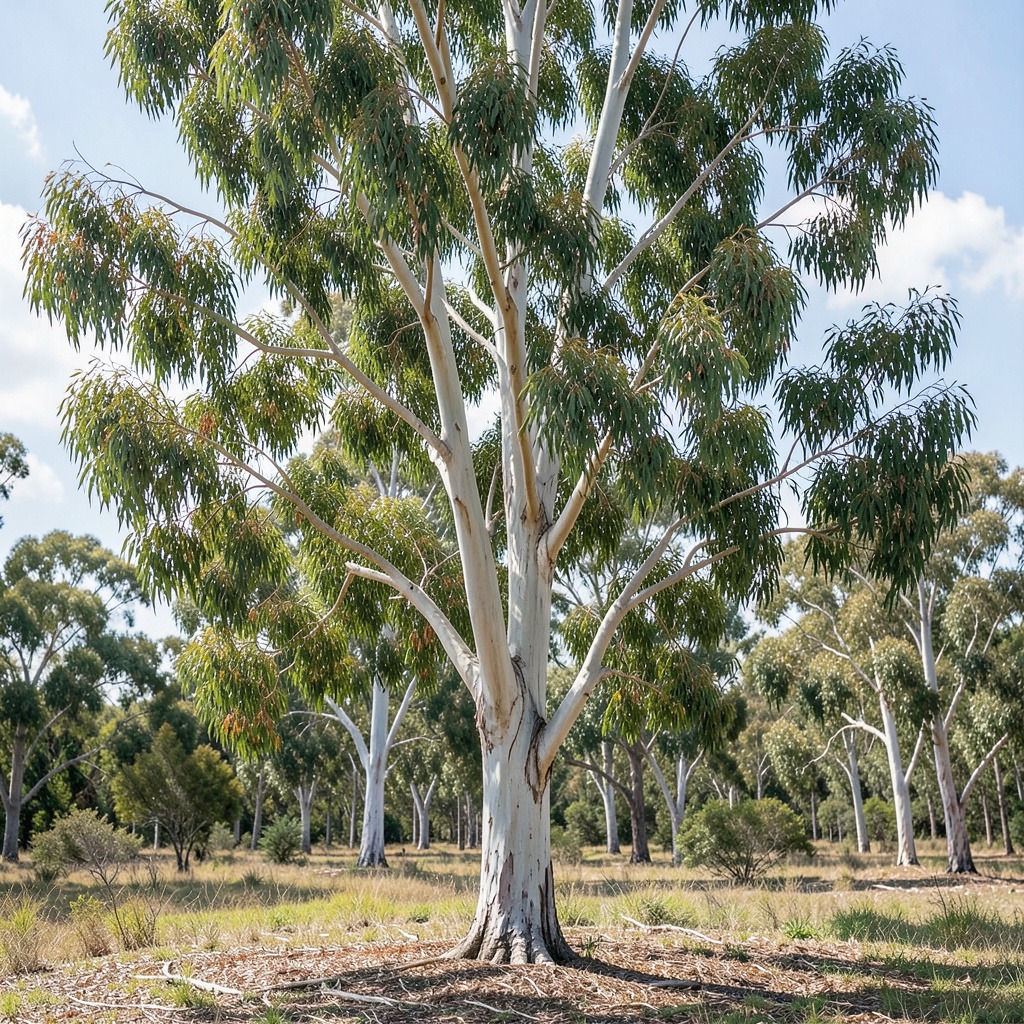
Eucalyptus trees offer numerous benefits for homeowners considering them for their landscapes. These advantages include rapid growth, valuable timber production, medicinal properties, and aesthetic appeal.
Rapid Growth and Timber Production
Eucalyptus trees are known for their exceptional growth rates, often reaching heights of up to 100 feet within just a few years. This rapid growth makes them an attractive option for timber production.
- Timber Uses: Eucalyptus wood is strong and durable, making it suitable for construction, furniture, and paper products.
- Species Variability: Some species, such as Eucalyptus regnans (Mountain Ash), are particularly prized for their timber quality and can be harvested sustainably.
Medicinal Properties of Eucalyptus
The leaves of eucalyptus trees contain oil that has various medicinal applications.
- Health Benefits: Eucalyptus oil is known for its antibacterial and anti-fungal properties. It is commonly used in aromatherapy, skin care products, and household cleaners.
- Respiratory Relief: Inhalation of eucalyptus vapors can help alleviate respiratory issues, contributing to its popularity in natural remedies.
Aesthetic and Environmental Benefits
Eucalyptus trees enhance the landscape with their unique appearance and contribute to environmental sustainability.
- Visual Appeal: Their tall, slender trunks and evergreen leaves provide year-round beauty, making them ideal for privacy screening and windbreaks.
- Carbon Sequestration: Eucalyptus trees absorb significant amounts of carbon dioxide, playing a role in combating climate change. Their extensive root systems also help in preventing soil erosion and improving soil fertility.
These benefits make eucalyptus trees a compelling choice for homeowners, provided that they manage their planting and growth effectively.
Disadvantages of Eucalyptus Trees
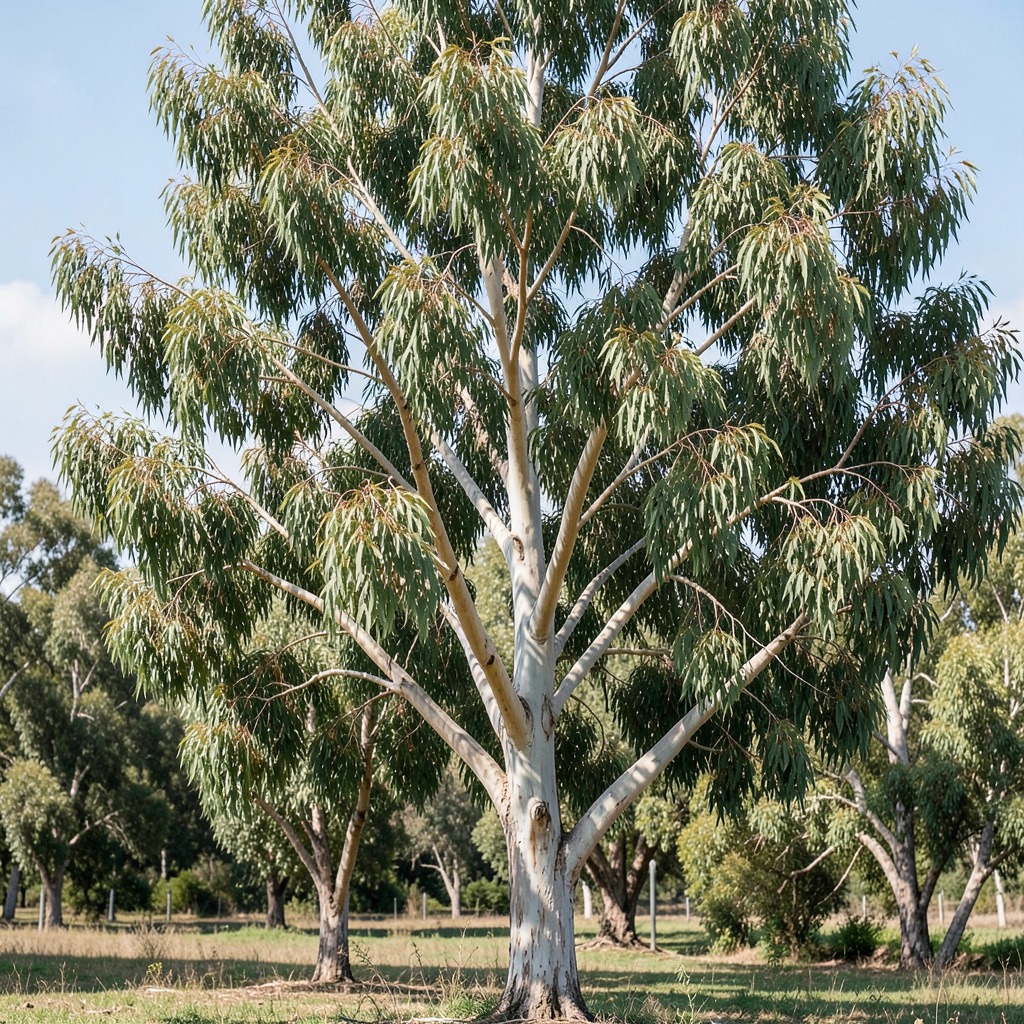
While eucalyptus trees offer several benefits, they also present notable drawbacks. Understanding these challenges is essential for homeowners considering planting them on their property.
Invasive Roots and Structural Risks
Eucalyptus trees have aggressive root systems. These roots can invade nearby structures, sidewalks, and utility lines. Homeowners must exercise caution during planting. A common guideline is to plant eucalyptus at a distance equal to two-thirds their expected mature height from any structures. This practice helps mitigate damage and maintain safety.
Allelopathic Effects on Biodiversity
Eucalyptus trees exhibit allelopathy, a natural process where they release chemicals inhibiting the growth of other plants. This characteristic can significantly diminish local biodiversity. For example, eucalyptus leaves and roots can create a hostile environment, preventing native species from thriving. This results in reduced flora variety and alters the ecosystem balance. Homeowners should weigh this impact when planning their landscaping.
Soil Erosion and Water Consumption Concerns
Eucalyptus trees contribute to soil erosion. Their shallow root systems lack the depth needed to anchor soil effectively. This can lead to increased runoff and erosion, especially in heavy rains. Moreover, eucalyptus trees consume large quantities of water, which can deplete local water resources. A study indicates that mature eucalyptus can consume up to 100 gallons of water per day. This poses a risk in regions where water is scarce.
Quick Reference Checklist for Homeowners
- Root Distance: Plant at least two-thirds of the tree’s mature height away from structures.
- Biodiversity Impact: Assess native plant health around eucalyptus.
- Soil Management: Monitor for erosion and consider soil stabilization strategies.
- Water Usage: Evaluate local water availability before planting.
Considering these disadvantages is crucial for making informed decisions about eucalyptus tree planting. The potential ecological consequences can outweigh the benefits if not managed properly.
Practical Considerations for Planting Eucalyptus
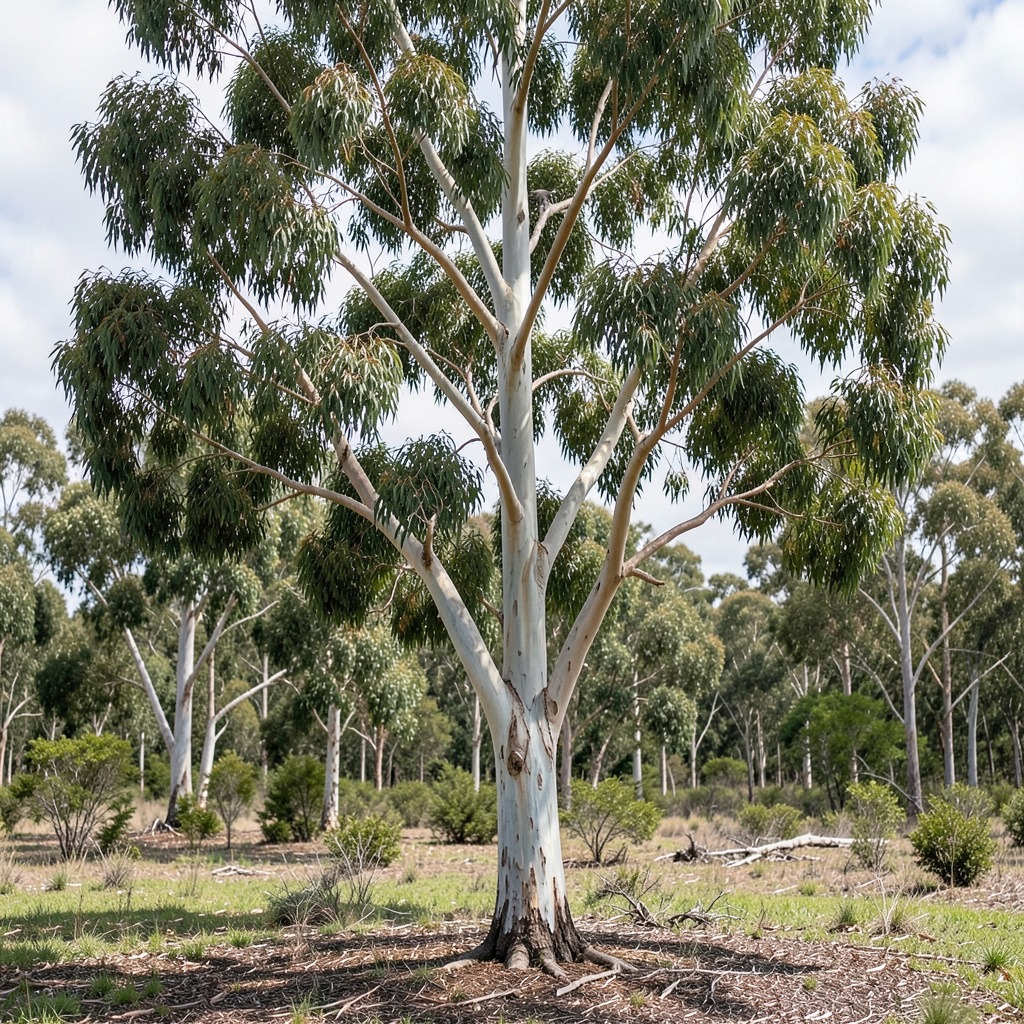
Planting eucalyptus trees requires careful planning and management. Understanding the recommended distances, maintenance needs, and root management strategies is essential for ensuring a successful planting experience.
Recommended Planting Distances
When planting eucalyptus trees, adhere to recommended distances to minimize risks associated with their shallow root systems.
- Plant at least two-thirds of the tree’s mature height away from structures, utilities, and pathways. For example, if the expected height is 30 feet, plant at least 20 feet away.
- Ensure adequate spacing between trees to promote healthy growth and airflow, ideally 15 to 20 feet apart.
Maintenance Requirements for Healthy Growth
Regular maintenance is crucial for eucalyptus trees to thrive and mitigate their potential drawbacks.
- Watering: Newly planted eucalyptus trees require consistent moisture. Water them deeply once a week during dry spells.
- Pruning: Regularly prune to remove dead or damaged branches. This promotes healthier growth and reduces fire risk.
- Fertilization: Apply a balanced fertilizer annually in spring to support growth, especially in nutrient-poor soils.
Root Management and Barrier Techniques
Eucalyptus trees can exhibit aggressive root growth, which may lead to structural damage or compete with surrounding plants. Implementing root management strategies is vital.
- Root Barriers: Install physical barriers made from materials like plastic or metal to direct root growth away from sensitive areas.
- Monitor Growth: Regularly inspect the area around the tree for signs of root intrusion or damage to nearby structures.
- Soil Health: Enhance soil health by adding organic matter. This can improve drainage and reduce erosion, which is particularly beneficial in areas prone to soil instability.
Practical Checklist for Eucalyptus Management
- Determine Planting Distance: Measure and mark appropriate distances from structures.
- Watering Schedule: Establish a routine watering schedule, especially for young trees.
- Inspect Roots: Check for root encroachment or damage at least twice a year.
- Prune Annually: Schedule an annual pruning session to maintain health and safety.
By following these guidelines, homeowners can successfully plant and maintain eucalyptus trees while minimizing their potential negative impacts.
Alternatives to Eucalyptus Trees
When considering tree species for landscaping or reforestation, homeowners may seek alternatives to eucalyptus trees. Native species often provide similar benefits while supporting local ecosystems and avoiding the drawbacks associated with eucalyptus.
Native Trees as Alternatives
Native trees are well-adapted to local climates and soils. They often thrive without the intensive care that non-native species like eucalyptus require. Here are some native alternatives:
- Red Maple (Acer rubrum): Fast-growing and tolerant of wet conditions. Provides brilliant fall color.
- Southern Live Oak (Quercus virginiana): Long-lived and provides excellent shade. Supports local wildlife.
- Eastern Red Cedar (Juniperus virginiana): Drought-tolerant and hardy. Provides habitat for birds.
Fast-Growing Tree Options
For homeowners seeking rapid growth without the concerns associated with eucalyptus, consider these options:
- Hybrid Poplar (Populus deltoides x Populus nigra): Grows up to 5 feet per year. Ideal for quick shade and windbreaks.
- Lombardy Poplar (Populus nigra ‘Italica’): Fast-growing and columnar. Forms a dense screen quickly.
- Silver Maple (Acer saccharinum): Grows rapidly and provides ample shade. However, it has a weaker wood structure.
Benefits of Choosing Native Species
Choosing native species offers numerous advantages:
- Biodiversity Support: Native trees maintain local wildlife habitats and promote biodiversity.
- Reduced Maintenance: These species typically require less water and fewer chemical treatments.
- Soil Health Enhancement: Native trees improve soil health through their natural adaptations.
Comparison Table: Eucalyptus vs. Native Alternatives
| Tree Species | Growth Rate | Maintenance Needs | Ecosystem Impact | Shade Provision |
|---|---|---|---|---|
| Eucalyptus | Fast | High | Can decrease biodiversity | Moderate |
| Red Maple | Moderate | Low | Supports local wildlife | High |
| Southern Live Oak | Slow to Moderate | Low | Supports local wildlife | Very High |
| Hybrid Poplar | Very Fast | Moderate | Minimal impact | High |
This table highlights key differences between eucalyptus trees and native alternatives. Homeowners should consider these factors when making decisions about tree planting.
Frequently Asked Questions
These quick answers cover the most common questions about this topic, including key details, practical tips, and common concerns.
What are the drawbacks of eucalyptus trees?
Eucalyptus trees come with several drawbacks that homeowners should consider. Their aggressive root systems can cause structural damage to nearby buildings, sidewalks, and utilities. Additionally, they exhibit allelopathy, releasing chemicals that inhibit the growth of surrounding plants, which can reduce local biodiversity.
Moreover, eucalyptus trees consume significant amounts of water—up to 100 gallons per day—leading to concerns about water availability, especially in arid regions. Their shallow roots can also contribute to soil erosion, making them less suitable for certain landscapes.
Do eucalyptus trees have invasive roots?
Yes, eucalyptus trees are known for their invasive root systems. These roots can spread extensively, often reaching up to 100 feet laterally. If planted too close to structures, they can cause damage to foundations, driveways, and underground utilities. Homeowners should plant eucalyptus trees at least two-thirds of their expected mature height away from any structures to minimize risks.
Who should avoid eucalyptus?
Homeowners in areas with limited water resources or those concerned about local biodiversity should consider avoiding eucalyptus trees. Their high water consumption can strain local supplies, and their allelopathic effects can hinder the growth of native plants. Additionally, individuals with smaller yards or those living in urban settings where structural damage is a concern should think twice before planting eucalyptus.
Should I get rid of my eucalyptus tree?
If your eucalyptus tree is causing structural damage or negatively impacting nearby plants, it may be wise to consider removal. Assess the tree’s proximity to buildings and evaluate its effects on local biodiversity. If you decide to keep it, implement root management strategies and regular maintenance to mitigate potential issues.
What is the disadvantage of eucalyptus tree?
The main disadvantages of eucalyptus trees include their invasive roots, high water consumption, and allelopathic properties that can harm local flora. These trees can also lead to soil erosion due to their shallow root systems, making them less suitable for certain environments. Homeowners should weigh these factors against the benefits before planting.
Do eucalyptus plantation forests support biodiversity conservation?
Eucalyptus plantation forests generally do not support biodiversity conservation effectively. While they may provide some habitat, their allelopathic nature can hinder the growth of native species and reduce overall plant diversity. This can lead to imbalanced ecosystems, making native trees a better choice for supporting local wildlife.
What are the benefits and drawbacks of planting eucalyptus trees around our house?
Planting eucalyptus trees around your house can offer benefits such as rapid growth, aesthetic appeal, and potential timber production. However, the drawbacks include invasive roots that can damage structures, high water consumption, and negative impacts on local biodiversity. Evaluating these factors is crucial before deciding to plant eucalyptus in your landscape.
What should readers know about statistics on water consumption and soil impact?
Eucalyptus trees can consume up to 100 gallons of water per day when mature, which can significantly affect local water resources, especially in dry areas. Their shallow root systems may also lead to increased soil erosion, particularly in heavy rainfall conditions. Homeowners should consider these statistics when deciding whether to plant eucalyptus trees, as they can impact both water availability and soil health.