
Evergreen trees provide year-round greenery, privacy, and low maintenance, but they may be susceptible to pests, diseases, and limited seasonal color variation compared to deciduous trees.
Table of Contents
Choosing the right trees for your landscape involves understanding the benefits and drawbacks. Evergreen trees offer consistent beauty and utility throughout the year, but they come with specific challenges. This guide explores their pros and cons in detail.
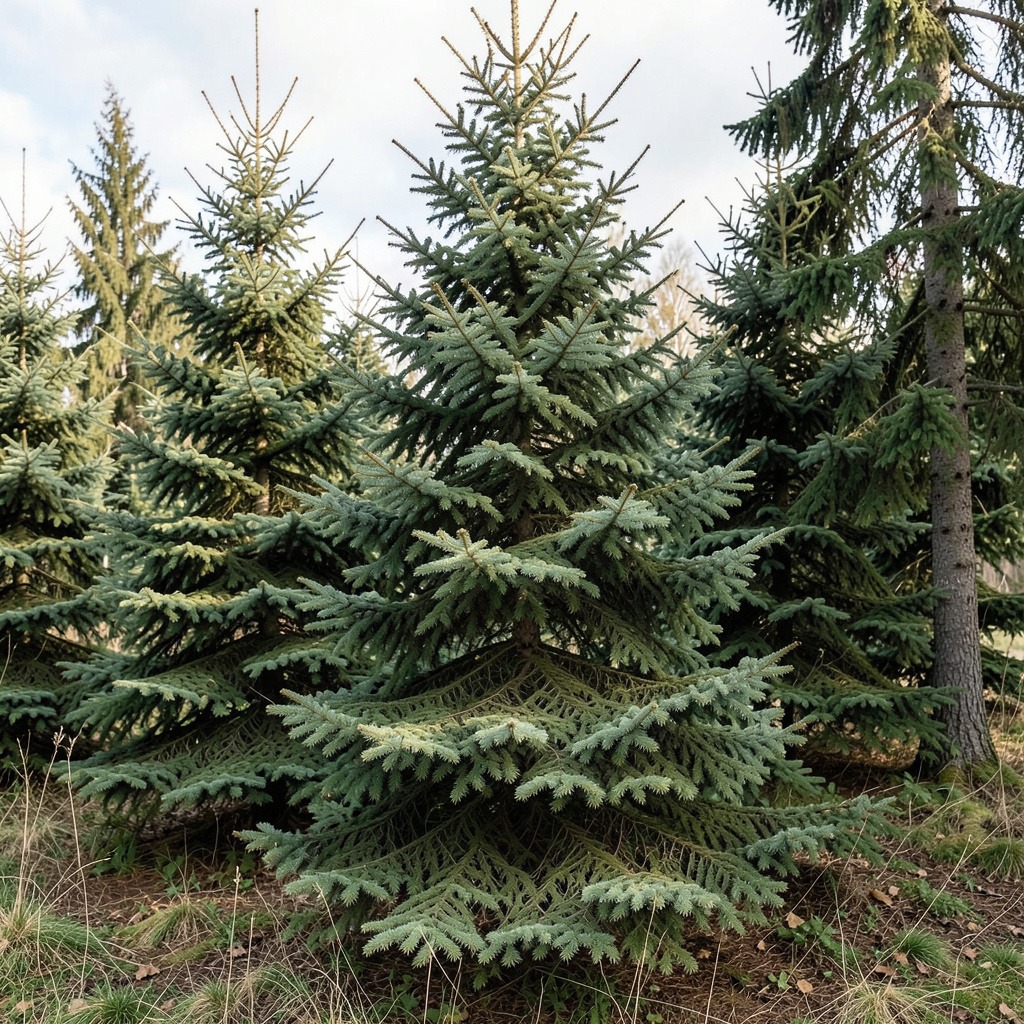
Understanding Evergreen Trees
Evergreen trees maintain their foliage throughout the year, providing consistent greenery and structure to landscapes. Unlike deciduous trees, which lose their leaves seasonally, evergreens retain their leaves, offering unique benefits and challenges.
Definition and Characteristics of Evergreen Trees
Evergreen trees are defined by their ability to keep foliage year-round. They undergo a gradual leaf replacement process, which distinguishes them from deciduous trees that shed leaves in autumn. Common characteristics include:
- Year-Round Coverage: Evergreen trees provide consistent shade and privacy.
- Variety of Shapes and Sizes: They come in various forms, from tall pines to bushy firs.
- Needle-Like Leaves: Many have needle-like leaves that can withstand harsh weather.
Types of Evergreen Trees Commonly Used in Landscaping
Several species of evergreen trees are favored in landscaping due to their aesthetic appeal and functional benefits. Here are some examples:
- Pine Trees: Known for their tall stature and resilience, pines are popular in a variety of climates.
- Spruce Trees: These trees have dense branches and are often used for windbreaks.
- Fir Trees: With a conical shape, firs add elegance and are excellent for holiday decorations.
- Cypress Trees: Often used in wet areas, cypress trees are valued for their unique appearance and adaptability.
Lesser-Known Evergreen Species
Consider these lesser-known evergreen species for unique landscape features:
- Eastern Red Cedar: A hardy choice with aromatic foliage, it provides wildlife habitat.
- Norway Spruce: This tree grows rapidly and can reach significant heights, ideal for large spaces.
- Blue Spruce: Valued for its striking bluish hue, it adds color contrast to gardens.
Comparison with Deciduous Trees
Evergreen trees differ significantly from deciduous trees. Key distinctions include:
- Leaf Retention: Evergreens keep leaves year-round, while deciduous trees shed them seasonally.
- Seasonal Appeal: Deciduous trees offer seasonal color changes, whereas evergreens provide constant greenery.
- Maintenance Needs: Evergreens typically require less maintenance in terms of leaf cleanup, but some species may need regular pruning for optimal health.
When selecting trees for your landscape, consider the environment, desired aesthetics, and maintenance requirements. Understanding the unique attributes of evergreen trees will enhance your landscaping decisions.
Benefits of Planting Evergreen Trees
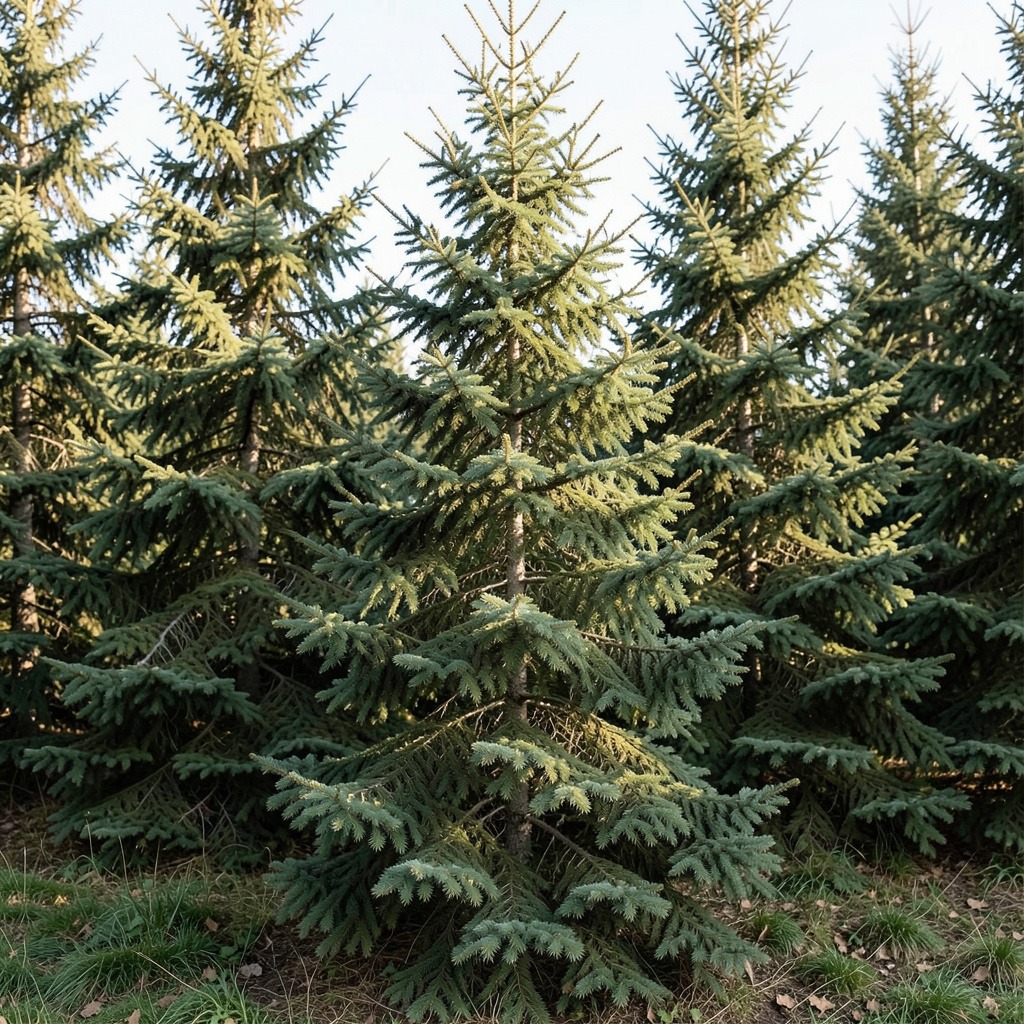
Evergreen trees offer numerous advantages that make them a valuable addition to any landscape. Their ability to retain foliage year-round provides consistent beauty, privacy, and reduced maintenance needs.
Year-Round Greenery
Evergreen trees maintain their foliage throughout the year, ensuring that your landscape remains vibrant regardless of the season. This characteristic provides several benefits:
- Consistent Aesthetic Appeal: Evergreens enhance visual interest in your garden, creating a backdrop for seasonal plantings.
- Improved Energy Efficiency: Research shows that strategically placed evergreen trees can reduce heating costs by up to 30% during winter months. They act as natural windbreaks, shielding your home from cold winds.
- Increased Property Value: Properties with well-maintained evergreen trees often see a boost in market value due to their attractive year-round appearance.
Enhanced Privacy and Windbreaks
One of the most sought-after benefits of evergreen trees is their ability to create privacy. Their dense foliage acts as a natural barrier, providing:
- Sound Reduction: Evergreens can absorb sound, making your outdoor space feel more secluded and peaceful.
- Wind Protection: By acting as windbreaks, these trees protect your home and garden from harsh weather conditions.
- Visual Blockage: They effectively hide unsightly views, such as neighboring properties or busy roads, enhancing your outdoor experience.
Low Maintenance Needs
Evergreen trees generally require less upkeep compared to their deciduous counterparts. Key aspects include:
- Minimal Leaf Cleanup: Since they do not shed all their leaves at once, you face less fall cleanup. This is particularly advantageous for busy homeowners.
- Disease Resistance: Many evergreen species are hardy and resistant to common pests and diseases, reducing the need for chemical treatments.
- Selective Pruning: While some species benefit from routine pruning, overall maintenance is straightforward and less frequent.
In summary, the decision to plant evergreen trees can enhance your landscape’s beauty, privacy, and ease of maintenance. When selecting species, consider your local climate and specific landscape goals to maximize these benefits.
Drawbacks of Evergreen Trees
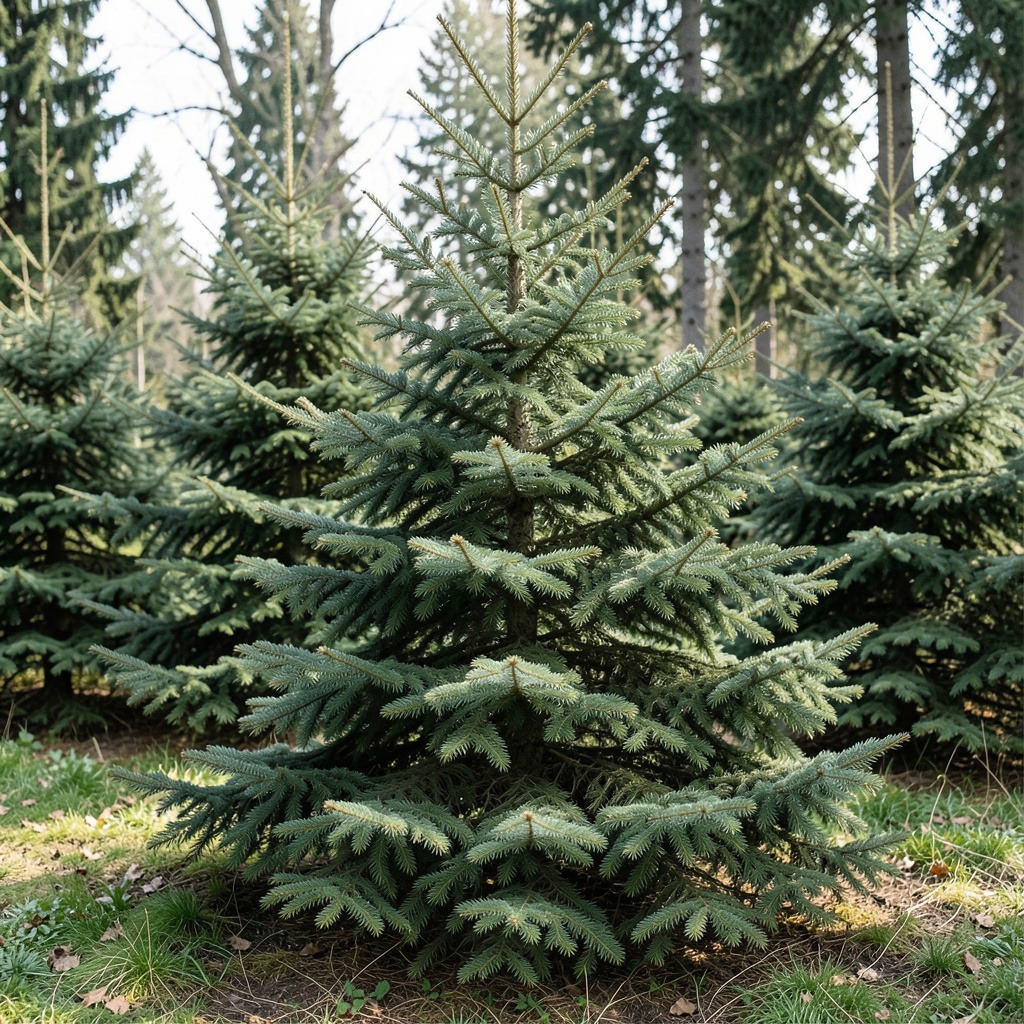
While evergreen trees offer numerous benefits, they also come with certain drawbacks that potential planters should consider. Understanding these disadvantages can help you make informed decisions for your landscape.
Susceptibility to Pests and Diseases
Evergreen trees can be vulnerable to various pests and diseases. Common threats include:
- Aphids: These small insects can weaken trees by feeding on their sap.
- Spider mites: Often found in dry conditions, they cause needle discoloration.
- Fungal infections: Root rot and needle blight can affect health and longevity.
To manage these issues, consider the following:
- Select disease-resistant varieties: Research which species are less prone to pests and diseases in your area.
- Regular inspections: Monitor trees for signs of infestations or disease early.
- Integrated pest management: Use a combination of biological, cultural, and chemical methods to control pests effectively.
Limited Seasonal Changes
Unlike deciduous trees, evergreens maintain their foliage year-round, resulting in limited seasonal color variations. This can lead to a landscape that feels static and less dynamic. Homeowners seeking vibrant seasonal displays may find this aspect less appealing.
- Visual monotony: The lack of seasonal change can make a landscape feel less alive.
- Fewer blooming options: Evergreens generally do not produce seasonal flowers, which can enhance visual interest in a garden setting.
Consider planting a mix of evergreen and deciduous trees to achieve a balance between year-round structure and seasonal beauty. This combination allows for consistent greenery alongside the dynamic changes offered by deciduous species.
Potential for Overcrowding
Evergreen trees can grow densely, potentially leading to overcrowding. This can create issues such as:
- Reduced airflow: Overcrowded trees may hinder airflow, increasing the risk of disease.
- Competition for resources: Trees competing for sunlight, water, and nutrients can stifle growth.
To prevent overcrowding:
- Plan spacing carefully: Consider the mature size of each tree species when planting.
- Prune regularly: Maintain adequate space between trees to promote healthy growth and airflow.
By understanding these drawbacks, you can make more strategic decisions about incorporating evergreen trees into your landscape.
Comparing Evergreen and Deciduous Trees
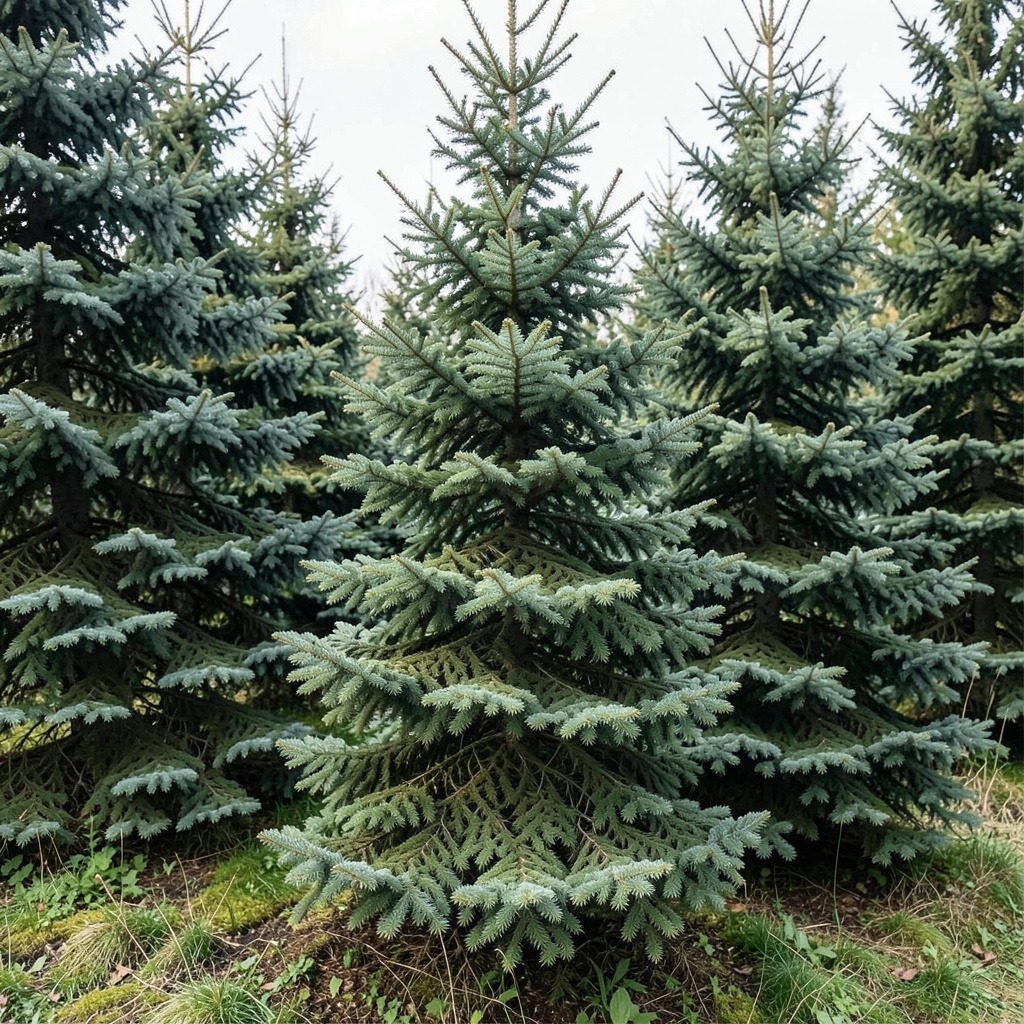
Understanding the differences between evergreen and deciduous trees is crucial for effective landscape planning. Each type offers unique aesthetic and functional benefits that can significantly impact your outdoor space.
Aesthetic Appeal: Color and Foliage
Evergreen trees maintain their foliage throughout the year, providing consistent greenery. This year-round presence enhances landscape structure and visual appeal. In contrast, deciduous trees undergo seasonal changes, offering vibrant colors in spring and autumn but leaving bare branches in winter.
| Feature | Evergreen Trees | Deciduous Trees |
|---|---|---|
| Foliage Retention | Year-round | Seasonal (sheds leaves) |
| Color Variation | Limited (varies by species) | Vivid seasonal changes |
| Visual Structure | Constant, full coverage | Dynamic, changing silhouette |
Functional Benefits: Shade and Energy Efficiency
Evergreen trees offer significant functional benefits. They provide year-round shade, helping to cool homes in summer. Their dense foliage can block cold winter winds, enhancing energy efficiency. Deciduous trees, however, offer shade in summer and allow sunlight to penetrate in winter after leaf drop.
- Evergreen Trees:
- Provide consistent shade.
- Act as windbreaks, reducing heating costs.
- Support wildlife year-round.
- Deciduous Trees:
- Offer seasonal shade.
- Allow sunlight for passive heating in winter.
- Attract seasonal wildlife.
Maintenance Requirements
Maintenance varies greatly between the two tree types. Evergreen trees require regular pruning to maintain shape and health, while deciduous trees may need seasonal leaf cleanup.
| Maintenance Aspect | Evergreen Trees | Deciduous Trees |
|---|---|---|
| Pruning Frequency | Annual or biannual | Seasonal (after leaf drop) |
| Leaf Cleanup | Minimal (needles decompose) | Frequent during fall |
| Watering Needs | Moderate to high | Varies by species |
Decision Framework for Tree Selection
When selecting between evergreen and deciduous trees, consider the following:
1. Climate: Ensure the chosen species thrives in your local conditions.
2. Landscape Goals: Determine if you prefer year-round greenery or seasonal variation.
3. Space Availability: Account for mature size and spacing requirements to avoid overcrowding.
By weighing these factors, you can strategically choose the right trees to enhance your landscape.
Choosing the Right Evergreen Trees for Your Landscape
Selecting the right evergreen trees is crucial for achieving your desired landscape aesthetics and functionality. This process involves understanding your local climate, available space, and specific design goals.
Assessing Your Landscape Needs
When choosing evergreen trees, start by evaluating your landscape’s requirements. Consider the following factors:
- Purpose: Do you need privacy, windbreaks, or year-round greenery?
- Aesthetic Goals: What visual impact do you want to achieve? Think about shape, color, and texture.
- Space Availability: Measure the area where you plan to plant. Ensure the mature size of the tree fits comfortably within your space.
Considering Climate and Soil Conditions
Climate plays a significant role in the health and performance of evergreen trees. Here are key considerations:
- Temperature Range: Choose species that thrive in your local temperature extremes.
- Soil Type: Test your soil’s pH and drainage capabilities. Some evergreens prefer acidic soils, while others thrive in alkaline conditions.
- Moisture Levels: Consider your region’s rainfall patterns. Select trees that can tolerate your area’s moisture availability.
For example, the Eastern Red Cedar thrives in well-drained soils and can tolerate drought, making it suitable for arid regions.
Recommendations for Specific Regions
Different regions have varying conditions that affect tree selection. Here are some evergreen tree recommendations based on climate:
- Cold Climates: Norway Spruce and Eastern White Pine are resilient in frigid temperatures and withstand heavy snowfall.
- Warm Climates: Southern Magnolia and Leyland Cypress flourish in warmer, humid regions, providing lush foliage year-round.
- Coastal Areas: Consider Shore Pine and Coast Live Oak, which tolerate salt spray and sandy soils.
By matching tree species to your regional climate, you enhance growth potential and long-term success in your landscape. Use this decision framework to choose the right evergreen trees that align with your landscape needs, climate conditions, and design goals.
Maintenance Tips for Evergreen Trees
Maintaining evergreen trees is crucial for their health and longevity. Proper care ensures they thrive year-round, enhancing your landscape’s beauty and functionality.
Watering and Soil Needs
Evergreen trees require consistent moisture, especially during their growing season. Here are key watering tips:
- Frequency: Water newly planted evergreens weekly during dry periods. Mature trees may need watering during prolonged droughts.
- Soil Type: Ensure well-draining soil. Clay-heavy soils may retain too much moisture, leading to root rot.
- Mulching: Apply a 2-3 inch layer of mulch around the base to retain moisture and regulate soil temperature.
Pruning Techniques for Healthy Growth
Regular pruning promotes healthy growth and aesthetics. Follow these guidelines:
- Timing: Prune in late winter or early spring before new growth begins.
- Technique: Remove dead or damaged branches first. Then, shape the tree to maintain its natural form.
- Tools: Use sharp, clean tools to prevent disease transmission.
Pest and Disease Management Strategies
Pests and diseases can threaten evergreen trees. Implement these management strategies:
- Regular Inspections: Check for signs of pests such as aphids or spider mites. Look for discoloration or wilting leaves.
- Natural Predators: Encourage beneficial insects like ladybugs to control pest populations.
- Disease Control: Fungal diseases may require fungicides. Ensure proper spacing and airflow around trees to reduce humidity.
Seasonal Maintenance Calendar
To keep your evergreen trees healthy, follow this seasonal maintenance calendar:
| Season | Tasks |
|---|---|
| Spring | Prune dead branches; inspect for pests. |
| Summer | Water regularly; monitor for diseases. |
| Fall | Mulch to protect roots; prepare for winter. |
| Winter | Inspect trees for damage; plan spring care. |
By adhering to these maintenance practices, you can ensure your evergreen trees remain vibrant and healthy, providing year-round appeal and benefits to your landscape.
Frequently Asked Questions
These quick answers cover the most common questions about this topic, including key details, practical tips, and common concerns.
What is the average lifespan of an evergreen tree?
The average lifespan of an evergreen tree varies significantly by species. Some, like the Eastern White Pine, can live for 100 to 200 years, while others, such as Leyland Cypress, may only last 20 to 30 years. Factors such as soil quality, climate, and maintenance practices also influence longevity.
What is the prettiest evergreen tree?
Beauty is subjective, but many consider the Blue Spruce and the Japanese Black Pine to be among the most attractive evergreen trees. The Blue Spruce is known for its striking bluish-gray needles, while the Japanese Black Pine has a unique, rugged appearance with twisting branches. Your choice may depend on your landscape’s aesthetic goals.
Should I trim the lower branches of an evergreen tree?
Trimming lower branches can be beneficial for certain evergreen trees, especially if they are obstructing pathways or views. However, avoid excessive pruning, as this can stress the tree. Focus on removing dead or damaged branches and shaping the tree to maintain its natural form.
What are the benefits of having evergreen trees in a landscape?
Evergreen trees provide year-round greenery, which enhances the aesthetic appeal of your landscape. They act as natural windbreaks, improving energy efficiency by reducing heating costs during winter. Additionally, they offer privacy and can serve as sound barriers, making outdoor spaces more tranquil.
What are some alternatives to invasive evergreen species?
If you’re concerned about invasive evergreen species, consider planting native alternatives such as Eastern Red Cedar or Colorado Blue Spruce. These trees are better adapted to local ecosystems and often provide habitat for wildlife. Research your region’s native species for the best options.
What are the most common pests affecting evergreen trees?
Common pests affecting evergreen trees include aphids, spider mites, and bagworms. Aphids can weaken trees by feeding on sap, while spider mites thrive in dry conditions, causing needle discoloration. Regular inspections and integrated pest management strategies can help control these pests effectively.
What should readers know about detailed regional considerations for evergreen tree selection?
When selecting evergreen trees, consider your local climate, soil type, and moisture levels. For instance, some species thrive in cold climates, while others prefer warmer, humid conditions. Always choose varieties that are well-suited to your region to ensure healthy growth and longevity.