
Ficus trees offer aesthetic appeal and shade but can have aggressive roots and toxicity issues.
Ficus trees are popular for their lush foliage and versatility, making them a common choice for gardens and homes. However, they come with both advantages and challenges that every prospective owner should consider before planting.
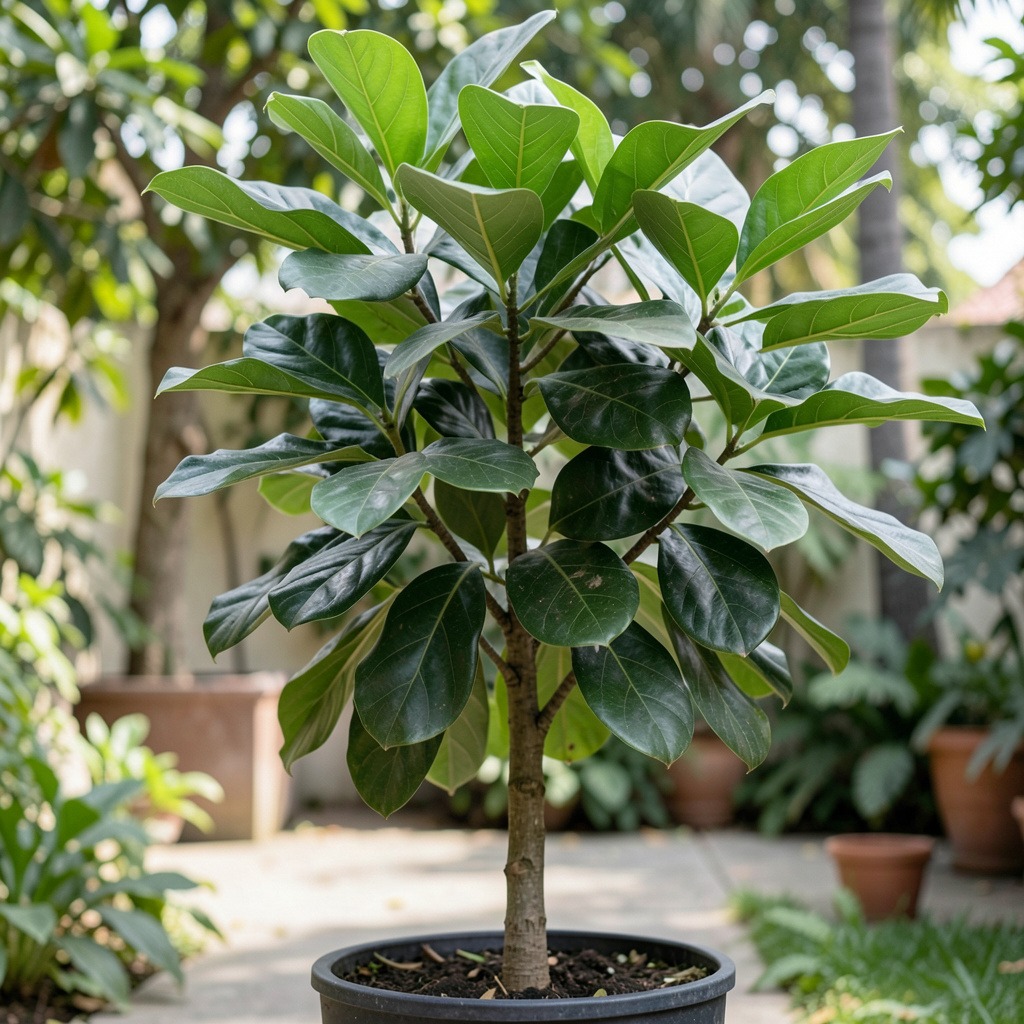
Understanding the Ficus Tree
Ficus trees are a diverse group of plants known for their attractive foliage and adaptability. They serve various purposes in landscaping and as houseplants, making them a popular choice among gardeners.
Popular Varieties of Ficus Trees
Several species of Ficus cater to different gardening needs. Notable varieties include:
- Ficus benjamina (Weeping Fig): Known for its graceful, drooping branches and shiny leaves. It thrives indoors and outdoors, reaching heights of up to 10 feet.
- Ficus carica (Common Fig): Valued for its edible fruit, this species is often planted in gardens. It requires full sun and well-drained soil to flourish.
- Ficus elastica (Rubber Plant): Recognized for its large, glossy leaves, this variety can grow to impressive heights. It prefers bright, indirect light and moderate watering.
Uses of Ficus Trees in Landscaping
Ficus trees offer aesthetic and functional benefits in landscape design:
- Shade: Larger species provide ample shade, making them ideal for outdoor spaces.
- Focal Points: With their striking foliage, Ficus trees can serve as focal points in gardens or yards.
- Privacy Screens: Dense varieties can create natural barriers, enhancing privacy.
When designing a landscape, consider the specific growth habits and light requirements of each species. For example, Ficus benjamina works well in partially shaded areas, while Ficus carica thrives in full sunlight.
Ficus Trees as Houseplants
Many Ficus species adapt well to indoor environments. They are relatively easy to care for, requiring:
Table of Contents
- Bright, Indirect Light: Most Ficus trees prefer this light condition to maintain healthy growth.
- Moderate Watering: Allow the top inch of soil to dry out before watering again. Overwatering can lead to root rot.
- Humidity: They thrive in humid conditions, making regular misting beneficial, especially in dry climates.
Understanding the unique needs of each Ficus species helps ensure they flourish indoors. For instance, the Rubber Plant (Ficus elastica) is more tolerant of lower light levels compared to the Fiddle Leaf Fig (Ficus lyrata), which demands brighter conditions.
Choosing the right Ficus tree involves assessing your space, desired aesthetic, and care capabilities.
Advantages of Ficus Trees
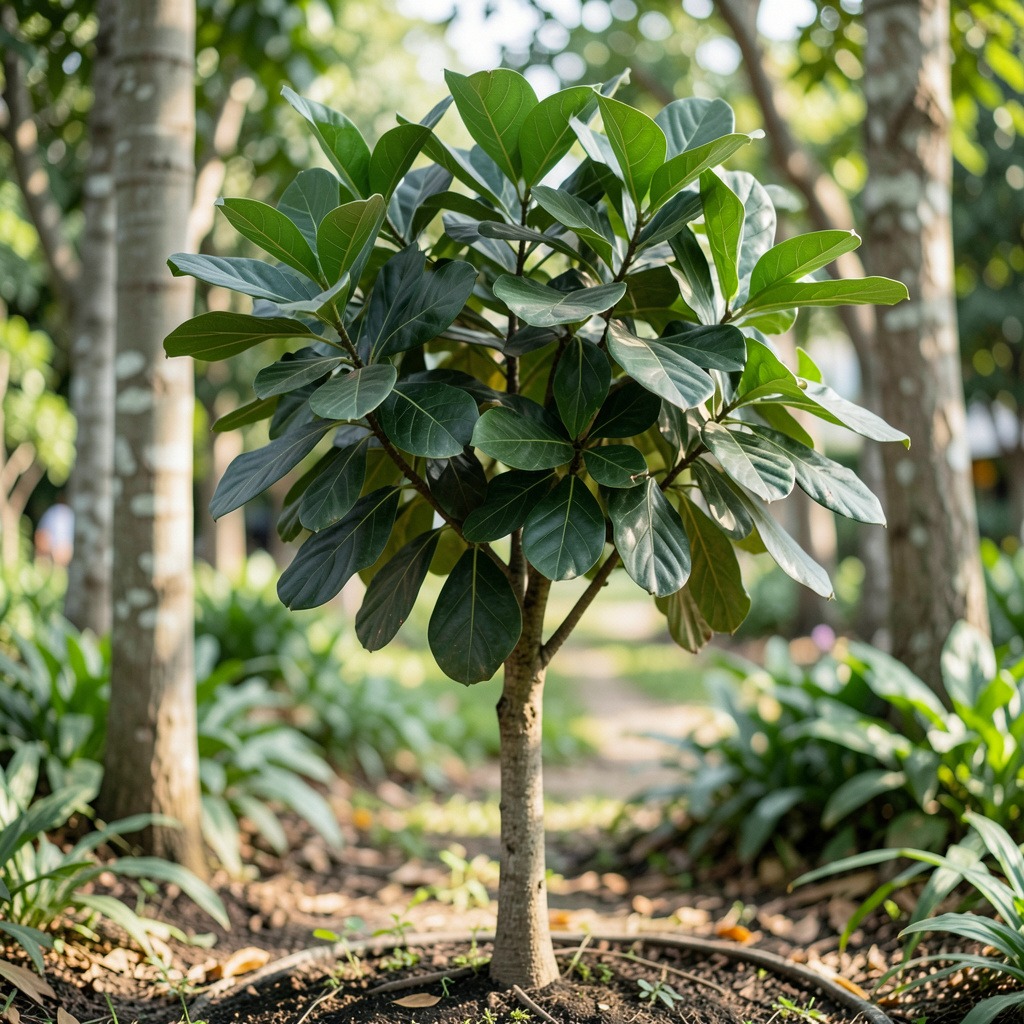
Ficus trees offer numerous benefits for gardeners and homeowners alike. Their aesthetic appeal, ability to provide shade, and air-purifying qualities make them a popular choice for many landscapes.
Aesthetic Value and Landscape Appeal
Ficus trees are visually striking. They come in various species, each with unique foliage and growth patterns. The dense green leaves provide a lush backdrop that enhances any garden or home exterior.
- Variety: Ficus species like Ficus benjamina and Ficus elastica showcase different leaf shapes and colors, allowing for diverse landscaping options.
- Privacy Screening: These trees can be used to create natural barriers, providing privacy and enhancing the overall visual appeal of your property.
Environmental Benefits
Ficus trees contribute positively to the environment. They not only provide shade but also improve air quality.
- Shade Provision: A mature ficus tree can significantly cool outdoor spaces, reducing energy costs associated with air conditioning.
- Air Purification: Ficus trees are known to filter airborne toxins, making the air cleaner in their vicinity. They effectively absorb pollutants and release oxygen, contributing to a healthier environment.
Versatility in Usage
Ficus trees are adaptable to various environments and uses, whether in residential gardens, commercial spaces, or indoor settings.
- Indoor and Outdoor Use: Ficus trees thrive both indoors and outdoors, making them suitable for any setting. In homes, they can improve indoor air quality and add to the décor.
- Landscape Design: They can be incorporated into various landscape designs, from formal gardens to tropical-themed spaces, thanks to their flexibility and visual appeal.
For gardeners looking to enhance their outdoor spaces, the benefits of planting ficus trees are clear. Their combination of beauty, environmental benefits, and versatility ensures they remain a favored choice in landscaping.
Disadvantages of Ficus Trees
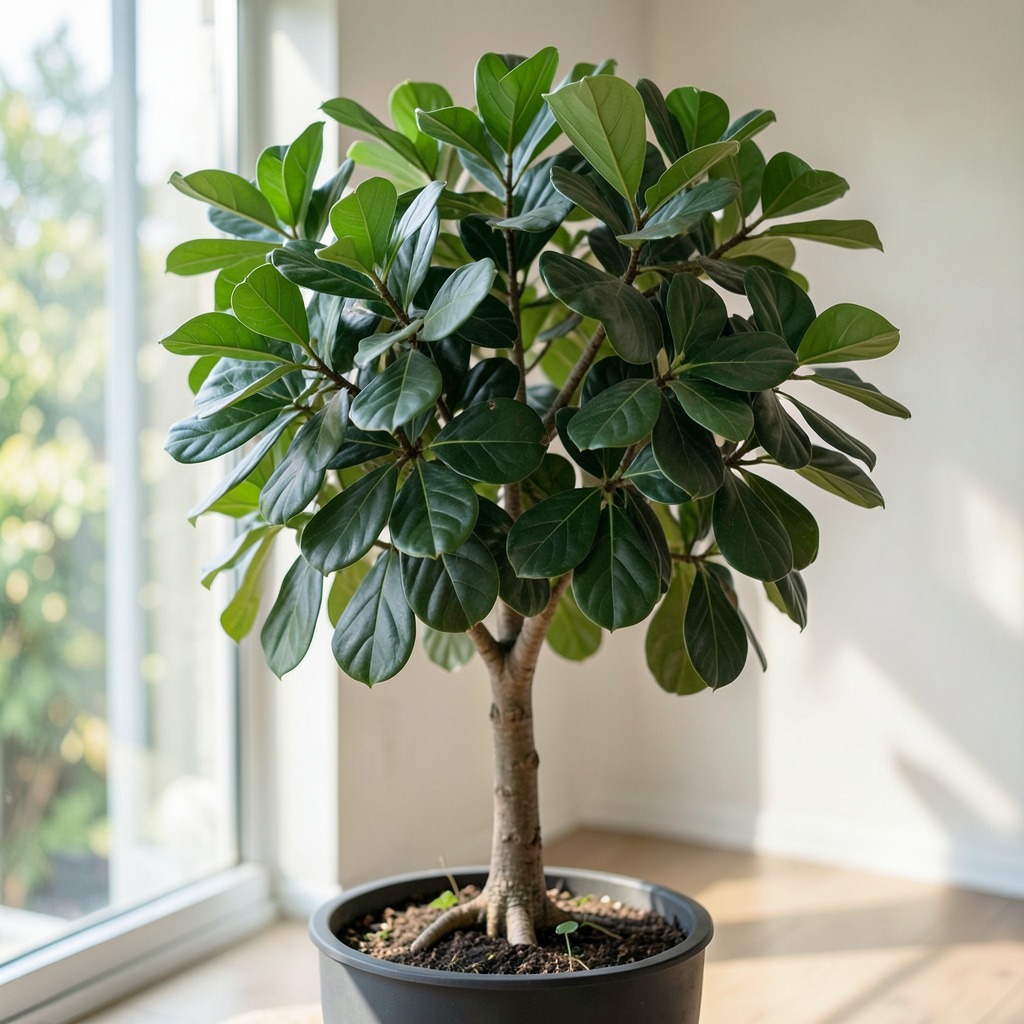
While ficus trees offer numerous advantages, they also come with potential drawbacks. Understanding these challenges is essential for any gardener considering adding a ficus to their landscape.
Aggressive Root Systems
Ficus trees are known for their vigorous root growth. Their roots can spread extensively, which may lead to several issues:
- Foundation Damage: Roots can undermine building foundations and driveways.
- Invasive Nature: They may invade nearby gardens, competing with other plants for nutrients and water.
- Surface Roots: These can create tripping hazards in lawns and landscaped areas.
To manage these issues, consider planting ficus trees away from structures and other plants. Regular monitoring of root growth can help mitigate potential damage.
Maintenance Challenges
Caring for ficus trees requires commitment. They can demand significant attention, particularly in the following areas:
- Pruning: Regular pruning is necessary to maintain shape and prevent overgrowth.
- Pest Management: Ficus trees are susceptible to pests like spider mites and aphids. Regular inspections and treatment are essential.
- Watering Needs: Ficus trees prefer consistent moisture but can suffer from root rot if overwatered.
Checklist for Ficus Tree Maintenance:
- Prune at least twice a year to control growth.
- Inspect for pests monthly.
- Water deeply but infrequently, allowing the topsoil to dry out between watering.
Health Risks and Toxicity
Ficus trees contain a milky latex sap that poses certain health risks. While not highly toxic, it can cause the following:
- Skin Irritation: Direct contact with the sap may irritate sensitive skin.
- Pet Safety: Ingestion of leaves can lead to gastrointestinal upset in pets.
To minimize risk, place ficus trees out of reach of pets and children. If sap contact occurs, wash the area with soap and water.
By understanding these disadvantages, you can make informed decisions about incorporating ficus trees into your garden or home.
Care Requirements for Ficus Trees
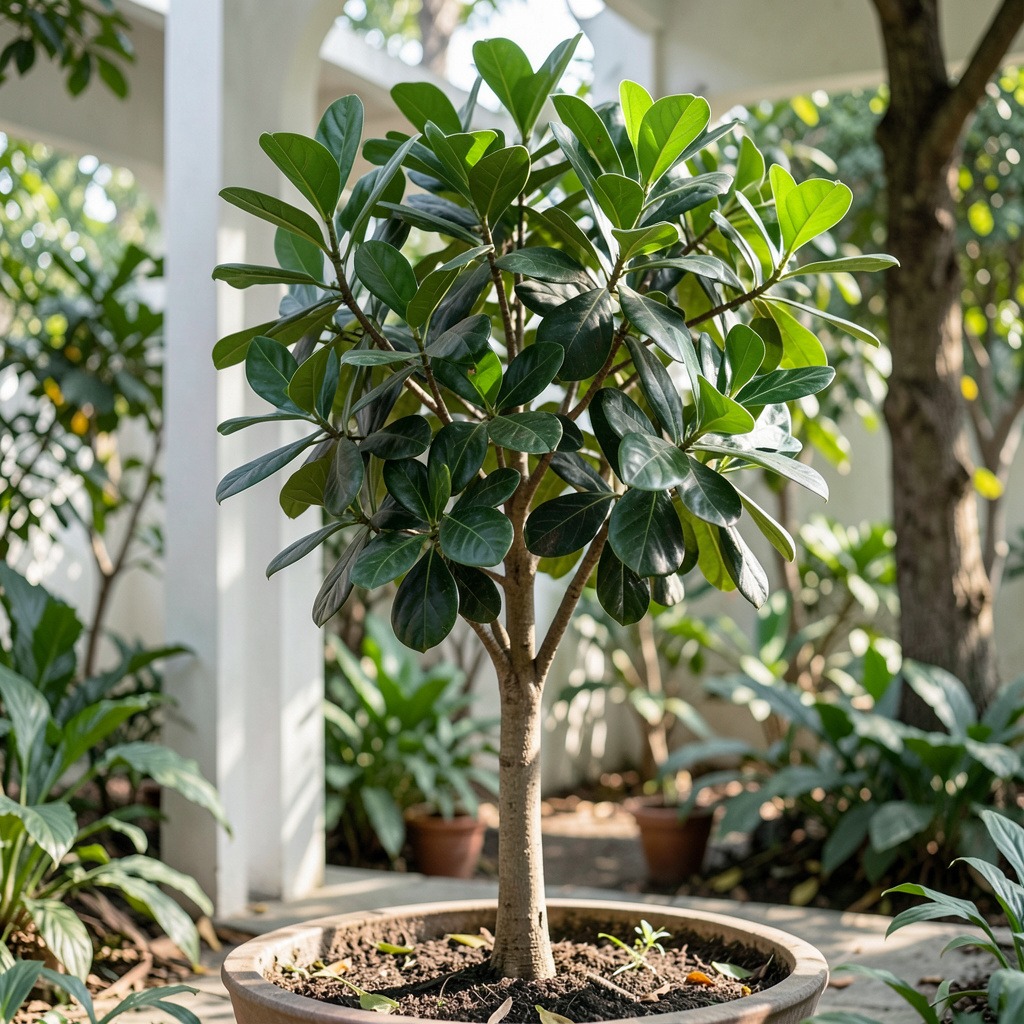
Proper care is essential for the health and longevity of ficus trees. Understanding their specific needs will help you maximize their potential in your home or garden.
Watering and Soil Needs
Ficus trees thrive with specific watering routines. Here are key watering guidelines:
- Water Frequency: Allow the top 1-2 inches of soil to dry out between waterings. Water thoroughly when needed, ensuring it drains from the bottom.
- Soil Type: Use well-draining potting soil. This prevents root rot and allows for proper aeration.
- Seasonal Adjustments: Increase watering in warmer months when growth is active. Reduce frequency in cooler months.
Light and Temperature Preferences
Ficus trees prefer a specific range of light and temperature to flourish:
- Light Requirements: Place your ficus tree in bright, indirect light. Direct sunlight can scorch the leaves. Some species, like the Fiddle Leaf Fig, can tolerate more direct light.
- Temperature Range: Maintain a consistent temperature between 60-75°F (15-24°C). Avoid sudden temperature fluctuations, as these stress the tree.
Fertilization and Pruning Tips
Regular fertilization and pruning will enhance growth and health:
- Fertilization: Use a balanced, liquid fertilizer every 4-6 weeks during the growing season (spring and summer). Reduce or stop fertilization in the fall and winter.
- Pruning: Trim back excessive growth to maintain shape and encourage bushiness. Prune during the growing season for optimal recovery.
Common Pests and Management
Ficus trees can attract pests. Common issues include:
- Spider Mites: Look for fine webs on leaves. Treat with insecticidal soap or neem oil.
- Mealybugs: Identify by their cotton-like appearance. Remove with a cotton swab dipped in alcohol.
- Scale Insects: These appear as small bumps on stems or leaves. Scrape them off gently or use an appropriate pesticide.
| Ficus Species | Water Needs | Light Needs | Common Pests |
|---|---|---|---|
| Ficus Benjamina | Moderate; allow soil to dry | Bright, indirect light | Spider mites, mealybugs |
| Ficus Lyrata (Fiddle Leaf Fig) | Moderate; consistent moisture | Bright, indirect to direct light | Scale insects, aphids |
| Ficus Microcarpa | Moderate; let topsoil dry | Bright, indirect light | Spider mites, scale insects |
By following these care requirements, you can ensure that your ficus tree remains healthy and vibrant, enhancing your garden or interior space.
Best Practices for Planting Ficus Trees
Proper planting techniques significantly affect the success of your ficus tree. The right location, spacing, and timing are crucial for optimal growth and minimal issues.
Choosing the Right Location
Selecting the ideal spot for your ficus tree is essential. Consider the following factors:
- Light Requirements: Most ficus species thrive in bright, indirect light. Ensure your chosen location receives ample sunlight.
- Temperature Stability: Ficus trees prefer stable temperatures. Avoid areas prone to frost or extreme weather changes.
- Accessibility: Choose a place that is easy to access for regular maintenance, such as watering and pruning.
Spacing and Environmental Considerations
Ficus trees can become quite large, especially when planted outdoors. Proper spacing helps prevent root issues and allows for healthy growth.
- Spacing: Plant ficus trees at least 10-15 feet apart to accommodate their root systems. This distance prevents roots from competing for nutrients and water.
- Environmental Factors: Evaluate soil drainage and moisture levels. Ficus trees prefer well-drained soil. If your soil retains too much water, consider amending it with sand or organic matter.
Timing for Planting and Pruning
Timing plays a critical role in the health of your ficus tree.
- Best Planting Time: Spring is the ideal season for planting ficus trees. The warmer temperatures encourage root establishment.
- Pruning Schedule: Prune during the winter months when the tree is dormant. This timing helps manage growth and promotes healthy new leaves in spring.
Checklist for Successful Planting:
- [ ] Ensure adequate light is available.
- [ ] Choose a location with stable temperatures.
- [ ] Space trees 10-15 feet apart.
- [ ] Plant in well-drained soil.
- [ ] Schedule planting for spring and pruning for winter.
Comparing Ficus Trees to Alternatives
Ficus trees are popular choices for landscaping due to their aesthetic appeal and growth characteristics. However, it’s essential to evaluate how they stack up against other options, including privacy hedges and shade trees.
Ficus vs. Other Privacy Hedges
Ficus trees offer a dense, lush appearance, making them suitable for privacy screens. However, other hedging options may present advantages or drawbacks worth considering.
- Ficus Nitida: Grows rapidly and forms a thick hedge. Requires regular pruning to maintain shape.
- Holly: A slower grower, but offers year-round foliage and berries. Less maintenance in terms of trimming.
- Laurel: Provides quick growth with large leaves, creating an effective barrier. Its roots may be less aggressive than ficus.
When selecting a privacy hedge, consider the following:
- Growth Rate: How quickly do you need coverage?
- Maintenance: Are you willing to invest time in upkeep?
- Root Behavior: Will the roots affect nearby structures?
Ficus vs. Shade Trees
Ficus trees are also frequently used for shade. However, several alternatives can fulfill this role, each with unique traits.
- Oak Trees: Provide extensive shade and are long-lived. However, they require more space and time to grow.
- Maple Trees: Offer vibrant fall colors and good shade. May have shallow roots that can disrupt sidewalks.
- Magnolia Trees: Beautiful blooms and thick foliage for shade. They can be less tolerant of frost compared to ficus.
To choose the right shade tree, consider:
- Space Availability: How large is your planting area?
- Desired Aesthetic: Do you prefer flowering or evergreen?
- Environmental Tolerance: How well does the tree adapt to your climate?
Choosing the Right Tree for Your Landscape
When deciding between ficus and other trees, apply a decision framework that considers your specific needs:
1. Purpose: Are you looking for privacy, shade, or both?
2. Climate: What environmental conditions will the tree face?
3. Maintenance Level: How much time can you dedicate to care?
4. Growth Habit: Consider root aggressiveness and overall size.
By answering these questions, you can make an informed choice that aligns with your landscape goals.
Frequently Asked Questions
These quick answers cover the most common questions about this topic, including key details, practical tips, and common concerns.
What are the negatives of ficus trees?
Ficus trees can pose several challenges. Their aggressive root systems may damage foundations, driveways, and nearby plants. Additionally, they can require significant maintenance, including regular pruning and pest management. Ficus trees are also known to be mildly toxic; their sap can irritate skin, and ingestion can upset pets’ stomachs.
What is the average lifespan of a ficus tree?
Ficus trees can live for several decades with proper care. Indoor varieties, like Ficus benjamina, typically live around 10-20 years, while outdoor species can last much longer, potentially reaching 50 years or more. Factors like environmental conditions, care practices, and species type significantly influence their longevity.
Is a ficus tree good for home?
Ficus trees can be excellent additions to homes, offering aesthetic appeal and air-purifying benefits. They thrive indoors with appropriate light conditions and moderate watering. However, their potential toxicity to pets and aggressive root growth should be considered. If you have children or pets, ensure the tree is placed out of reach.
Where is the best place to put a Ficus?
Ficus trees prefer bright, indirect light, making east or west-facing windows ideal for indoor placement. Outdoors, choose a location with partial shade to full sun, depending on the species. Avoid areas near structures or other plants to minimize root competition and damage.
What are the pros and cons of having a ficus bonsai plant?
Ficus bonsai plants are popular due to their beautiful foliage and adaptability. Pros include their low maintenance needs and ability to thrive in various indoor conditions. However, they can be sensitive to overwatering and may require regular pruning to maintain their shape. Additionally, their sap can still pose mild irritations.
How often should I water my ficus tree?
Water your ficus tree when the top 1-2 inches of soil are dry. This typically translates to watering every 1-2 weeks, depending on the climate and indoor conditions. Be cautious of overwatering, as it can lead to root rot. Use well-draining soil to help manage moisture levels effectively.
What are alternatives to ficus trees for landscaping?
If you’re considering alternatives to ficus trees, options include holly, laurel, and boxwood for privacy hedges, or oak and maple trees for shade. These alternatives may offer different aesthetic qualities, growth rates, and maintenance needs. Evaluate your specific landscaping goals and environmental conditions to choose the best fit.
When is the best time to plant ficus trees?
The ideal time to plant ficus trees is in the spring when the weather is warm and conducive to root establishment. For indoor plants, you can repot or plant them anytime, but spring is still best for growth. Pruning should be done in winter when the tree is dormant to promote healthy new growth in the spring.