
Fig trees offer several advantages, including delicious fruits and aesthetic appeal, but they also come with disadvantages like maintenance needs, pest attraction, and potential root issues.
Table of Contents
Fig trees are popular for their sweet fruits and distinctive foliage, making them a valuable addition to any garden. However, potential growers must weigh the benefits against challenges such as maintenance and pest management to ensure a successful planting experience.
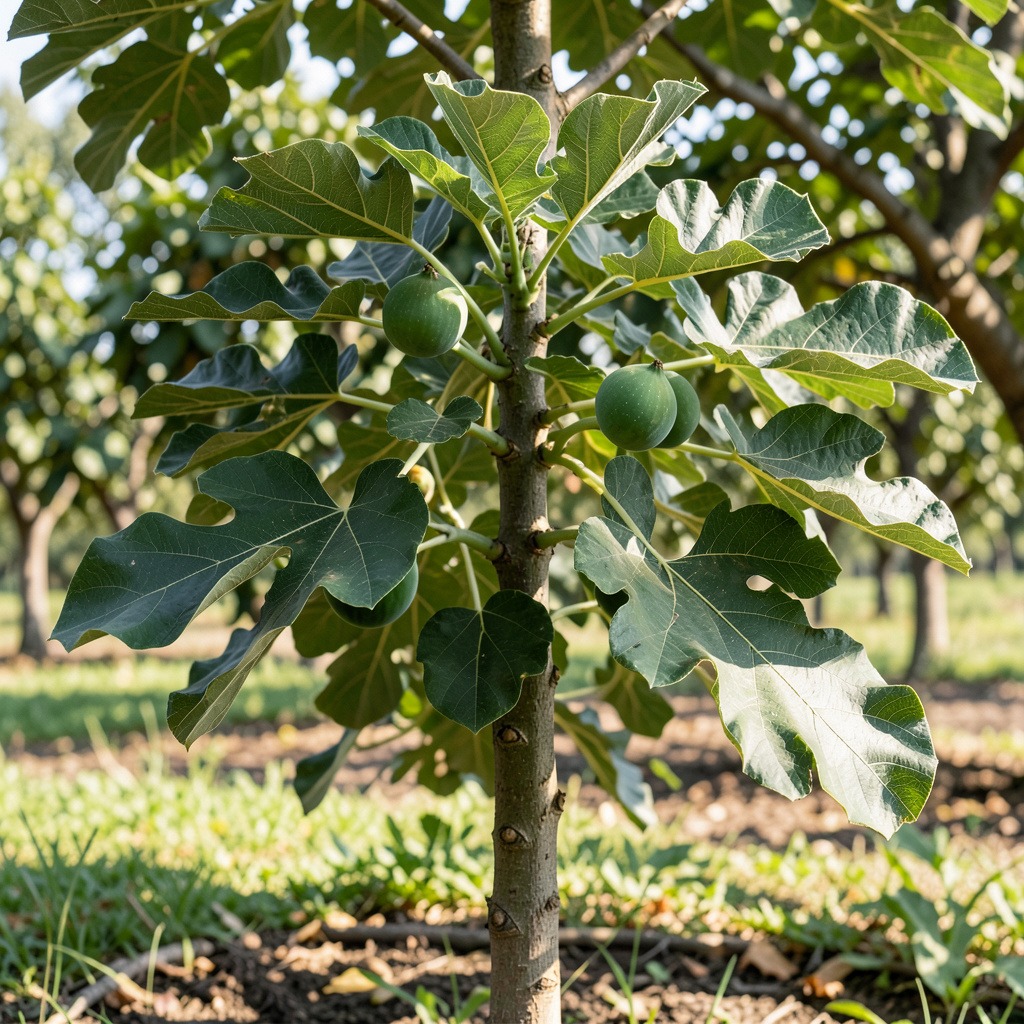
Understanding the Pros and Cons of Fig Trees
Fig trees offer unique benefits and challenges for gardeners. Understanding these can help you make an informed decision about planting them.
Advantages of Planting a Fig Tree
1. Delicious Fruit: Fig trees produce sweet, succulent fruits that are prized for their flavor. They can be eaten fresh or used in various recipes.
2. Aesthetic Appeal: With their large, lobed leaves and striking structure, fig trees enhance the beauty of any garden. They also provide shade and create a lush environment.
3. Variety of Uses: Beyond fruit, fig trees can serve as ornamental plants. Their dense foliage acts as a natural privacy screen.
4. Low Maintenance: Fig trees are relatively easy to care for. They require minimal pruning and can thrive in various soil types. Once established, they are drought-tolerant.
5. Strong Root System: Fig trees have robust root systems that help stabilize soil, preventing erosion.
Disadvantages of Planting a Fig Tree
1. Pest Attraction: Fig trees can attract pests such as fig beetles and fruit flies. Regular monitoring and pest control measures are essential.
2. Space Requirements: These trees grow large and need ample space. Planting too close to structures can lead to damage from invasive roots.
3. Temperature Sensitivity: Fig trees thrive in USDA Zone 8 or warmer, making them unsuitable for colder climates. They may not survive temperatures below 10°F.
4. Toxicity Concerns: The sap of fig trees can be toxic to pets and irritate human skin. Care should be taken to keep children and animals away from the tree and its sap.
5. Disease Vulnerability: Fig trees are susceptible to diseases like fig mosaic and fig rust. Proper care, such as maintaining good airflow and avoiding overhead watering, is crucial to prevent these issues.
Care and Maintenance Checklist
- Watering: Ensure at least 1 inch of water weekly. Adjust based on rainfall and soil moisture.
- Pruning: Regular pruning helps maintain shape and promotes fruit production.
- Fertilization: Fig trees in pots require fertilization during the growing season. Ground-planted trees typically do not need additional fertilizer.
- Pest Control: Monitor for pests and use appropriate treatments as needed.
- Climate Consideration: Choose varieties suited for your local climate. For instance, the Brown Turkey fig is more adaptable to various conditions.
By weighing these advantages and disadvantages, gardeners can make better choices regarding fig tree planting. For those looking to simplify care, consider a comprehensive Fig Tree Care Kit. Check Price on Amazon.
Essential Care and Maintenance for Fig Trees
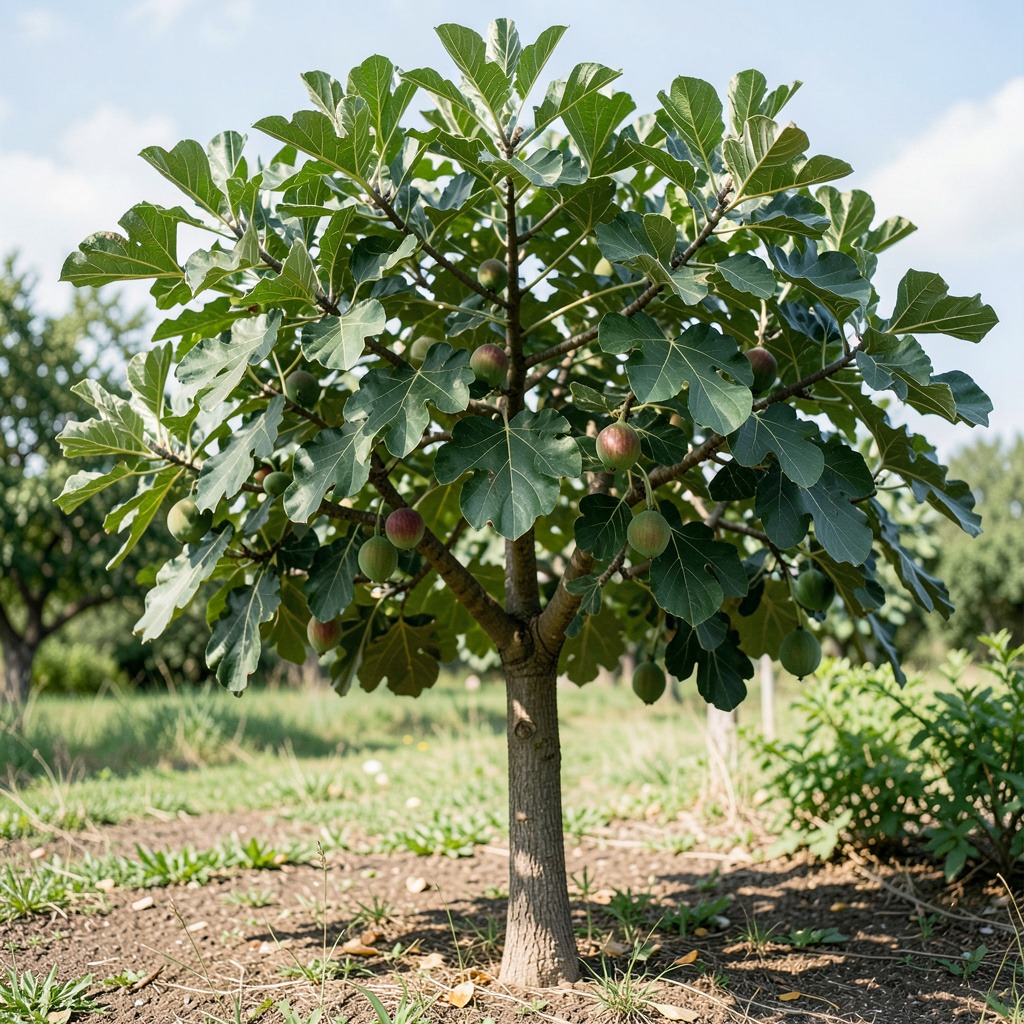
Growing fig trees successfully requires understanding their specific care needs. By focusing on watering, soil, and pruning, you can ensure your fig trees thrive and produce fruit.
Watering and Soil Requirements
Fig trees prefer well-draining soil and consistent moisture. Here are key points to consider:
- Soil Type: Use sandy or loamy soil for optimal growth. A slightly acidic to neutral pH is ideal.
- Drainage: Ensure the soil drains well to prevent root rot.
- Watering Frequency:
- Young fig trees need watering every 1-2 weeks.
- Mature trees typically require 1 inch of water weekly, depending on rainfall.
- Signs of Underwatering: Yellowing leaves or dropping fruit can indicate a lack of moisture.
Pruning Techniques for Optimal Growth
Regular pruning is crucial for maintaining the shape and health of your fig trees. Follow these techniques:
- When to Prune: Late winter or early spring is the best time to prune.
- Pruning Steps:
- Remove dead or damaged branches.
- Thin out crowded areas to improve airflow and sunlight penetration.
- Cut back new growth to encourage fruit production.
- Common Mistakes to Avoid:
- Do not prune too heavily; this can stress the tree.
- Avoid pruning during the growing season, which may inhibit fruit development.
Practical Maintenance Checklist
To streamline your fig tree care, follow this checklist:
- [ ] Test soil pH annually.
- [ ] Water consistently, adjusting based on weather conditions.
- [ ] Apply mulch to retain moisture and suppress weeds.
- [ ] Inspect regularly for pests and diseases.
- [ ] Prune annually to promote healthy growth.
By implementing these practices, you can enhance the growth and productivity of your fig trees, making the most of their advantages while mitigating potential disadvantages. For comprehensive supplies, consider a Fig Tree Care Kit. Check Price on Amazon.
Fig Tree Varieties: Finding the Right Fit for Your Garden
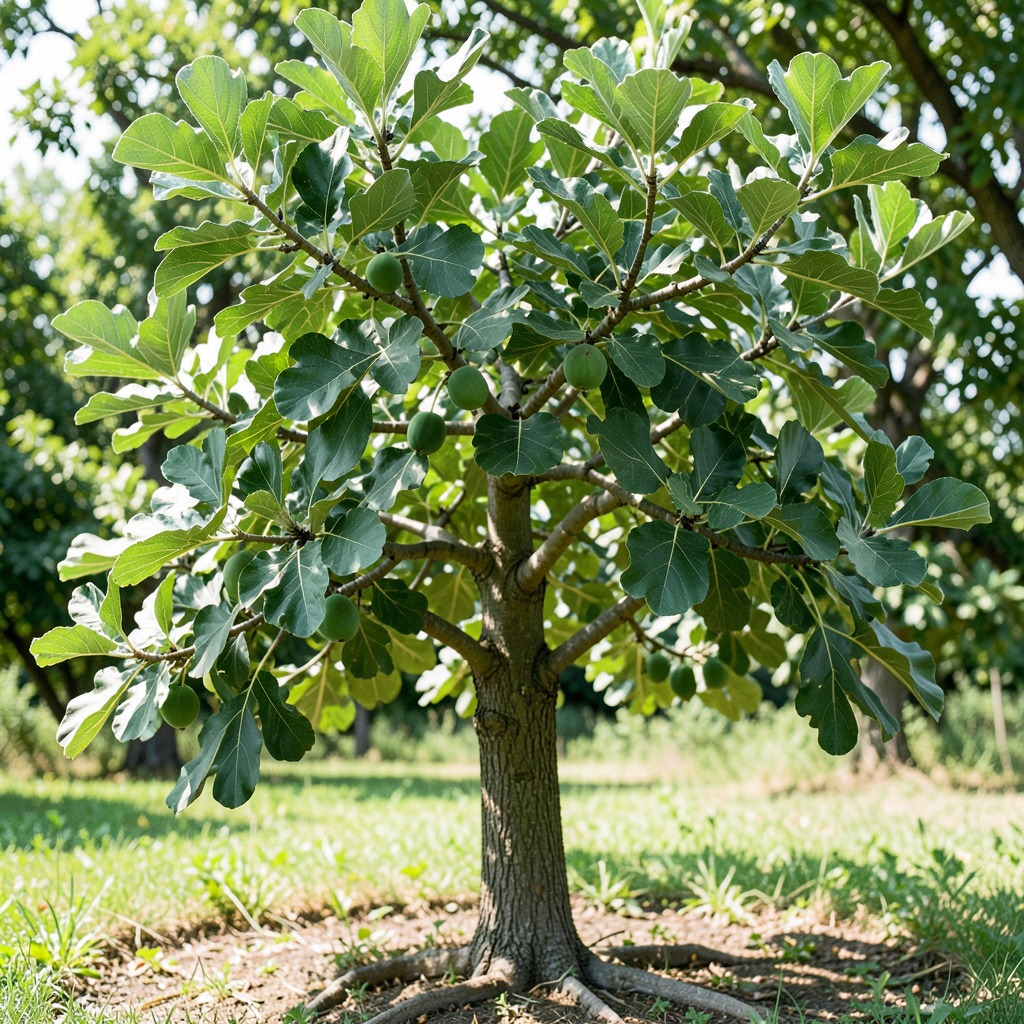
Selecting the right fig tree variety is crucial for successful cultivation. Different varieties thrive in varying climates and gardening conditions. Understanding these differences will help you make an informed choice.
Popular Fig Varieties
Here are some popular fig varieties along with their ideal growing conditions:
| Variety | Description | Ideal Climate |
|---|---|---|
| Brown Turkey | Sweet, rich flavor; versatile and hardy. | USDA Zones 6-10 |
| Kadota | Produces large, sweet figs; great for drying. | USDA Zones 7-10 |
| Celeste | Small, sweet figs; excellent for containers. | USDA Zones 6-10 |
| Chicago Hardy | Extremely cold-tolerant; ideal for northern growers. | USDA Zones 5-10 |
| Bearded Fig | Requires pollination by specific wasps; unique taste. | USDA Zones 8-10 |
Choosing the Right Variety for Your Climate
When selecting a fig tree variety, consider your local climate. Here are some guidelines:
- Warm Climates (USDA Zones 8-10): Varieties like Kadota and Celeste flourish with ample sunlight and warmth.
- Cooler Climates (USDA Zones 5-7): Opt for cold-hardy varieties, such as Chicago Hardy, which can withstand lower temperatures.
- Limited Space: Consider smaller varieties like Celeste that adapt well to container gardening.
Use this information to confidently select a fig variety that suits your garden’s unique conditions. Engaging with local growers can provide additional insights based on firsthand experiences.
Managing Pests and Diseases in Fig Trees
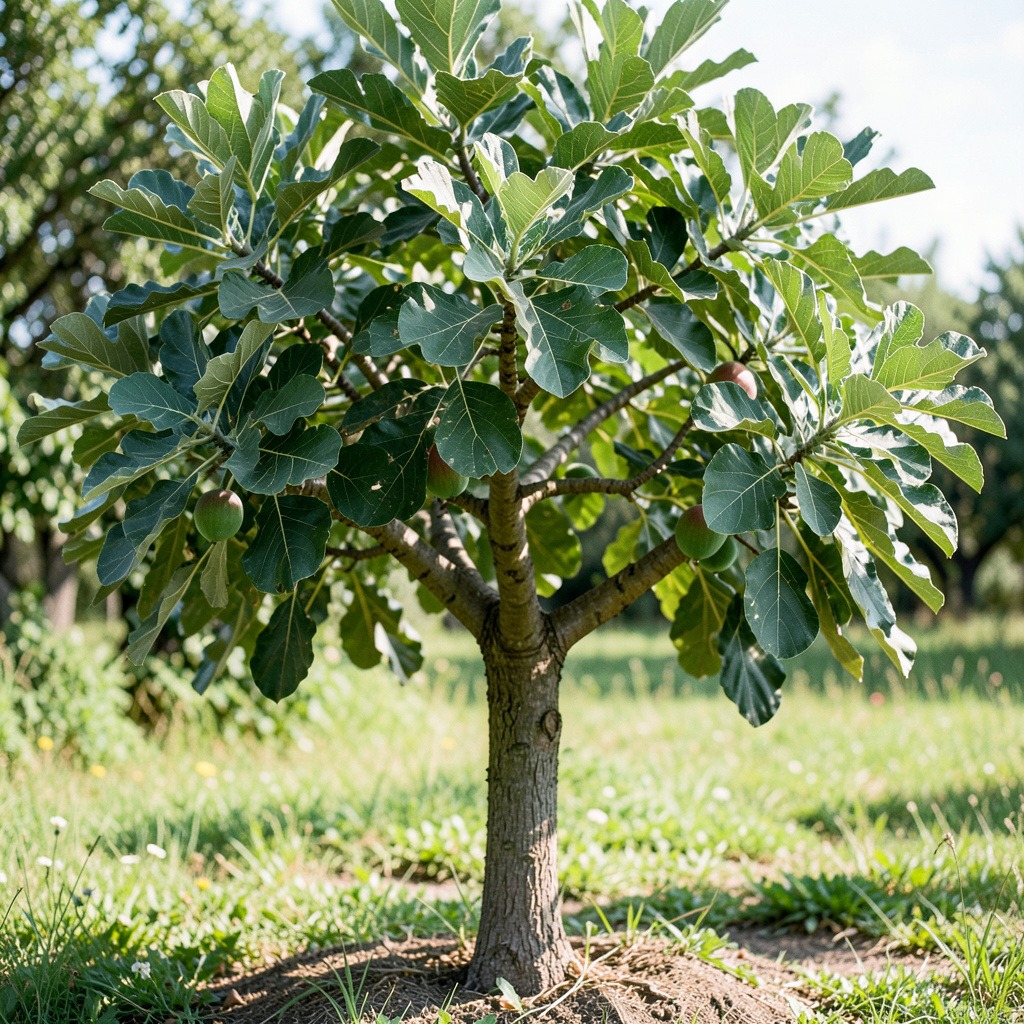
Fig trees, while generally resilient, can face various pests and diseases. Understanding these threats and implementing effective management strategies is crucial for healthy growth and optimal fruit production.
Common Pests Affecting Fig Trees
Several pests can invade fig trees, affecting their health and yield. Here are some common pests to watch for:
- Fig Beetles: Attracted to ripe figs, they can cause significant damage to fruit.
- Aphids: These small insects suck sap from leaves, leading to curling and yellowing.
- Nematodes: Microscopic worms can damage roots, reducing the tree’s vitality.
- Spider Mites: These pests thrive in dry conditions, leading to webbing and leaf drop.
Preventive Measures and Treatment Options
Implementing preventive measures is key to keeping fig trees healthy. Here are some effective strategies:
1. Regular Inspections: Frequently check your fig tree for signs of pests. Early detection can prevent infestations.
2. Cultural Controls: Maintain cleanliness around the tree. Remove fallen fruit and debris to deter pests.
3. Water Management: Use drip irrigation to avoid wetting leaves, which can encourage pest infestations and fungal diseases.
4. Natural Predators: Introduce beneficial insects, like ladybugs, to control aphid populations.
5. Insecticidal Soap: For severe infestations, apply insecticidal soap or neem oil as a targeted treatment.
Unique Pest Management Framework
Experienced fig tree growers recommend a unique framework for pest management:
- Identify the Pest: Correctly identify the pest before treatment. Misidentification can lead to ineffective solutions.
- Assess the Damage: Evaluate how much damage the pest has caused. This will guide your treatment approach.
- Choose the Right Treatment: Select a treatment based on the pest and its lifecycle stage. Some treatments work better during certain growth phases.
By following these strategies, you can effectively manage pests and diseases in fig trees, ensuring a thriving garden and fruitful harvest.
Harvesting Figs: Timing and Techniques
Harvesting figs requires careful attention to timing and technique to ensure optimal fruit quality. Knowing when to pick and how to do it can significantly enhance your gardening experience.
When to Harvest Figs
Timing is crucial for harvesting figs. Figs do not continue to ripen after being picked, so ensure they are fully ripe before harvesting. Here are some key indicators:
- Color Change: Ripe figs often change color based on the variety. For instance, brown figs will deepen in hue, while green varieties will show a slight yellow tint.
- Texture: A ripe fig will feel soft to the touch. Gently squeeze the fig; if it yields slightly, it’s ready to be picked.
- Dropping Fruit: It’s normal for some figs to drop from the tree when ripe. If you notice figs falling, check them for ripeness.
A general rule of thumb is to wait for the figs to change color and soften, which usually occurs in late summer to early fall, depending on the variety and climate.
Techniques for Harvesting Figs
Proper harvesting techniques help maintain fruit quality and tree health. Follow these steps:
- Use Clean Tools: Always use clean, sharp scissors or pruning shears to avoid damaging the tree or introducing pathogens.
- Gently Twist: When harvesting, twist the fig gently to detach it from the stem. Avoid pulling, as this can damage the tree.
- Inspect Each Fig: Check for any signs of pests or disease while harvesting. Remove any affected figs to prevent spreading.
To maximize your harvest, consider the following:
- Variety Knowledge: Different fig varieties have unique harvesting traits. For instance, breba figs may require different timing than main crop figs.
- Harvest Multiple Times: Figs do not ripen all at once. Plan to check your tree every few days during the ripening season to collect figs at their peak sweetness.
By adhering to these timing and technique guidelines, you can enjoy a bountiful and flavorful fig harvest, enhancing the overall benefits of growing fig trees in your garden.
Frequently Asked Questions
These quick answers cover the most common questions about this topic, including key details, practical tips, and common concerns.
What are the best fig tree varieties for different climates?
Different fig tree varieties thrive in specific climates. For warmer areas (USDA Zones 8-10), varieties like Brown Turkey and Kadota are ideal due to their adaptability and fruit quality. In cooler regions (USDA Zones 5-7), Chicago Hardy is a great choice as it can withstand lower temperatures. Additionally, Celeste is suitable for container gardening and can grow well in various conditions.
How do I care for my fig tree to ensure a good harvest?
To ensure a good harvest, focus on proper watering, soil, and pruning. Fig trees prefer well-draining soil and need about 1 inch of water weekly. Regularly check soil moisture, especially during dry spells. Prune in late winter to remove dead branches and encourage airflow. Fertilization is generally not necessary for ground-planted trees, but potted varieties may benefit from seasonal feeding.
What pests are most commonly associated with fig trees?
Fig trees can attract several pests, including fig beetles, aphids, and spider mites. Fig beetles may damage ripe fruit, while aphids can cause leaf curling. Regular monitoring is essential; inspect leaves and fruit for signs of pests. Implement preventive measures like maintaining cleanliness around the tree and using insecticidal soap if infestations occur.
When is the best time to plant a fig tree?
The best time to plant a fig tree is in the spring, after the last frost, or in the fall before the first frost. This timing allows the tree to establish roots before the heat of summer or the cold of winter. Ensure that the selected variety is suited for your climate to maximize growth potential.
How do I prune a fig tree effectively?
Pruning should be done in late winter or early spring before new growth begins. Start by removing any dead or damaged branches, then thin out crowded areas to improve airflow. Cut back new growth to encourage fruit production. Avoid heavy pruning, as this can stress the tree and reduce fruit yield.
Can I grow a fig tree in a pot?
Yes, fig trees can be successfully grown in pots. Choose a dwarf variety or a smaller type like Celeste for container gardening. Ensure the pot has good drainage and use a quality potting mix. Regular watering and fertilization will be necessary to support growth, as potted trees can dry out more quickly than those in the ground.
What are the signs that my fig tree is unhealthy?
Signs of an unhealthy fig tree include yellowing leaves, wilting, and stunted growth. Additionally, look for signs of pest infestations, such as webbing or visible insects. If your tree shows excessive leaf drop or produces fewer figs than expected, these may indicate underlying issues such as poor watering practices or soil problems. Regular inspections can help catch these issues early.