
Flex tree saddles offer flexibility and comfort for both horse and rider, enhancing fit and performance while also presenting potential issues like pressure points and durability concerns.
Flex tree saddles have become increasingly popular due to their ability to adapt to the horse’s movement and provide comfort for riders. However, like any saddle type, they come with their own set of advantages and disadvantages that are essential to consider.
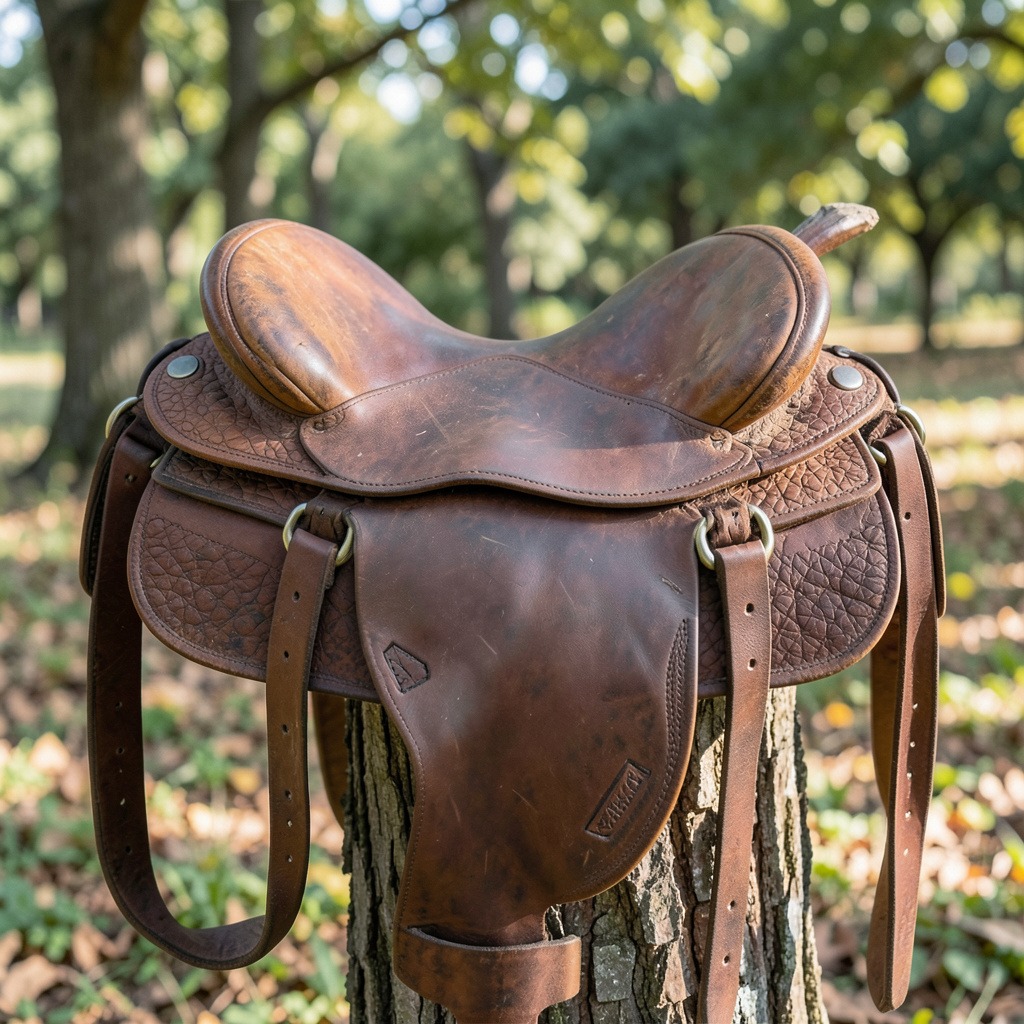
Understanding Flex Tree Saddles: Definition and Features
Flex tree saddles are a modern innovation in horseback riding equipment. They combine unique construction with flexible materials, providing enhanced comfort and fit for both horse and rider.
What Makes Flex Tree Saddles Unique?
Flex tree saddles feature a flexible tree, allowing them to move in conjunction with the horse’s movements. This design minimizes pressure points and enhances comfort during rides. Unlike traditional saddles, which have rigid trees, flex tree saddles adapt to the horse’s shape and dynamic motion.
Key characteristics include:
- Flexibility: The tree bends slightly under pressure, accommodating the horse’s back.
- Adjustable Fit: Many flex tree saddles come with adjustable gullet plates, enabling customization for various horse conformation.
- Shock Absorption: These saddles often incorporate shock-absorbing panels that reduce impact, enhancing the overall riding experience.
Construction Materials and Their Benefits
The construction of flex tree saddles typically involves advanced materials that enhance durability and performance. Common materials include:
- Carbon Fiber: Lightweight yet strong, carbon fiber provides excellent support without adding significant weight.
- Synthetic Composites: These materials offer flexibility and resistance to wear, extending the saddle’s lifespan.
- High-Quality Leather: Often used for the saddle’s exterior, it provides comfort and a classic aesthetic.
These materials work together to create a saddle that is not only comfortable but also long-lasting, making it a practical choice for various riding styles.
Table of Contents
Comparison with Traditional Saddle Trees
When comparing flex tree saddles to traditional saddle trees, several factors stand out:
| Feature | Flex Tree Saddles | Traditional Saddles |
|---|---|---|
| Flexibility | High flexibility for movement | Rigid structure |
| Comfort | Enhanced comfort due to reduced pressure | Can cause discomfort over time |
| Fit Adjustability | Customizable for different horse shapes | Limited adjustability |
| Maintenance | Requires regular checks for material integrity | Generally more durable but can be heavy |
This comparison illustrates how flex tree saddles may offer a more adaptable riding experience. However, riders should also weigh potential downsides, such as the need for careful fitting to avoid discomfort or performance issues.
Advantages of Flex Tree Saddles: Comfort and Performance Benefits
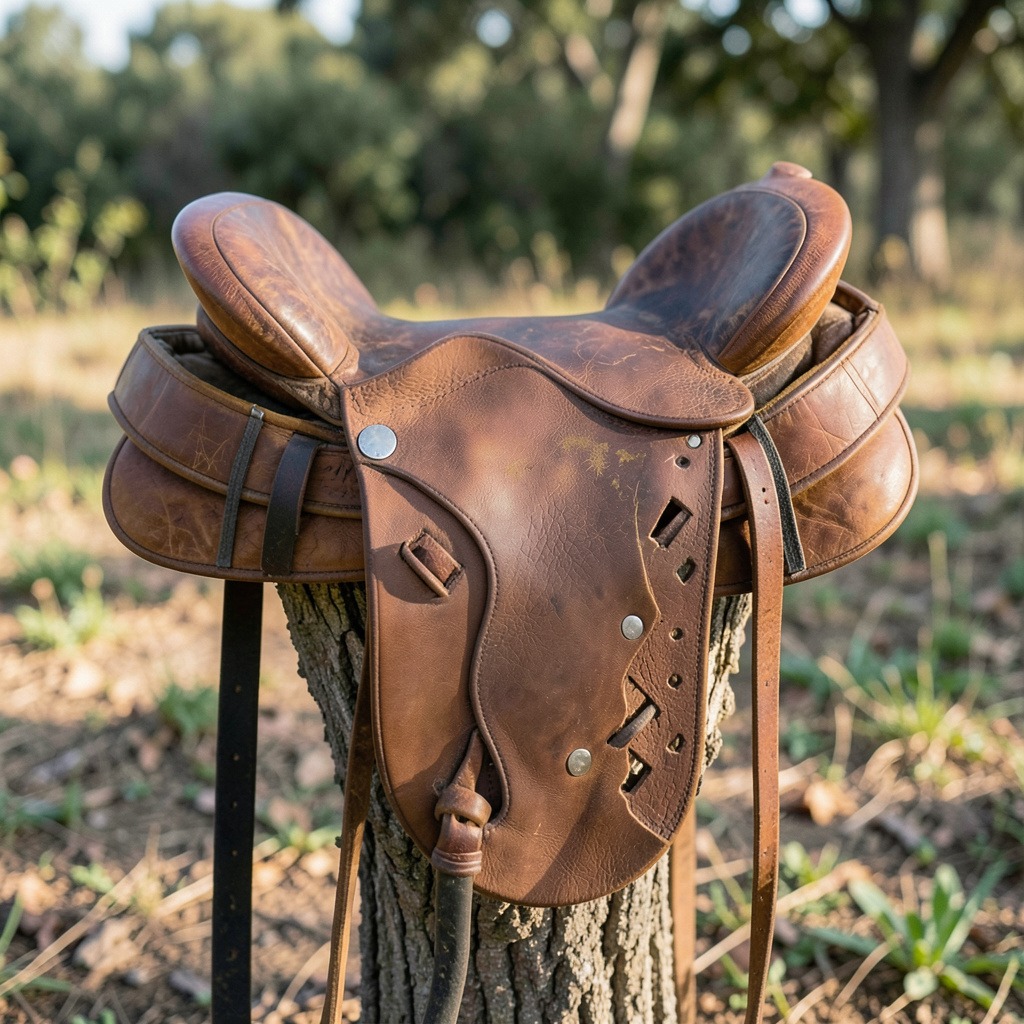
Flex tree saddles offer significant advantages in comfort and performance for both horse and rider. Their unique design enhances the riding experience through improved fit and flexibility.
Enhanced Comfort for Rider and Horse
Flex tree saddles excel in providing comfort due to their ability to move with the horse’s natural movements. This flexibility reduces pressure points on the horse’s back, minimizing discomfort during rides. Riders also benefit from a more stable and cushioned seat, allowing for longer sessions without fatigue.
Key Comfort Features:
- Pressure Distribution: The design disperses weight evenly, preventing soreness.
- Cushioning: Shock-absorbing materials enhance comfort on rough terrain.
- Balanced Ride: Riders maintain better contact with the horse, improving stability.
One rider noted, “Switching to a flex tree saddle transformed my rides. My horse moves freely, and I feel more secure and balanced.”
Better Fit Across Different Horse Shapes
Flex tree saddles are known for their adjustability, accommodating a range of horse body types. They often feature adjustable gullet plates, which allow riders to customize the fit based on their horse’s conformation.
Advantages of Adjustable Fit:
- Customizable Gullet: Adjusts to fit narrow, average, or broad backs.
- Versatile Use: Suitable for multiple horses, making it ideal for riding schools or shared mounts.
- Improved Performance: A well-fitted saddle enhances the horse’s movement and agility.
Many riders find that they can use the same saddle across different horses, saving time and money while improving overall riding performance.
Performance Improvements in Riding
The flexibility and fit of flex tree saddles contribute to enhanced performance in various disciplines. Riders report improved freedom of movement, which allows for more effective communication with their horse.
Performance Benefits:
- Enhanced Agility: Horses can move more naturally, leading to improved responsiveness.
- Reduced Strain: Less stress on both horse and rider during jumps or sharp turns.
- Increased Confidence: Riders feel more secure, allowing them to focus on their technique.
A competitive rider shared, “With my flex tree saddle, I noticed a marked improvement in my horse’s jumping ability. It allows us to work as a team without the usual restrictions.”
By focusing on these advantages, riders can better assess whether a flex tree saddle fits their needs and those of their horse.
Disadvantages of Flex Tree Saddles: Common Issues to Consider
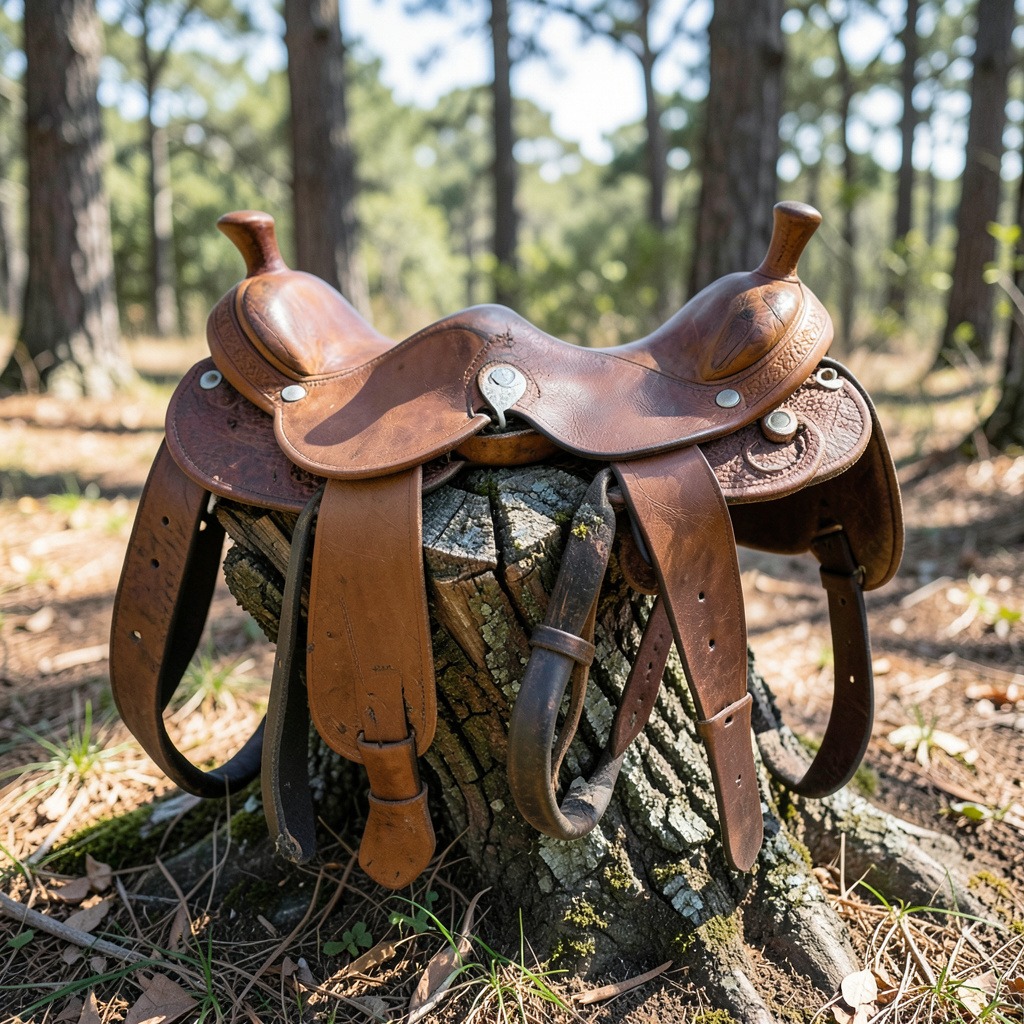
While flex tree saddles offer numerous benefits, they also come with potential drawbacks. It’s crucial for riders to understand these issues to make informed decisions.
Durability Challenges and Longevity
Flex tree saddles may not have the same durability as traditional saddles. The materials used can wear out more quickly, especially under regular use. Riders often report that flex trees can break down if not maintained properly. Regular inspections are essential to ensure they remain in good condition.
- Maintenance Needs: Regularly check the saddle for signs of wear, especially after heavy use.
- Storage Tips: Store in a cool, dry place to prevent material degradation.
Pressure Points: A Potential Risk
Flex tree saddles are designed for comfort, but improper fitting can lead to pressure points. These can cause discomfort for the horse, leading to behavioral issues or performance drops. Riders must ensure the saddle fits the horse’s back shape properly.
- Fitting Guide:
- Ensure the saddle sits evenly on the horse’s back.
- Check for any gaps or undue pressure during rides.
- Adjust gullet plates if necessary to accommodate your horse’s shape.
Not Suitable for All Riding Disciplines
Flex tree saddles excel in certain riding styles but may not be ideal for all disciplines. For example, they may not provide the stability required for roping or ranch work. Riders involved in these activities should consider traditional saddles that offer more rigid support.
- Best Uses:
- Trail riding
- Pleasure riding
- Light jumping
- Less Suitable For:
- Roping
- Competitive ranch work
By understanding these common issues, riders can better assess whether a flex tree saddle meets their needs and ensures the comfort of both horse and rider.
Comparing Flex Tree Saddles to Traditional and Treeless Options
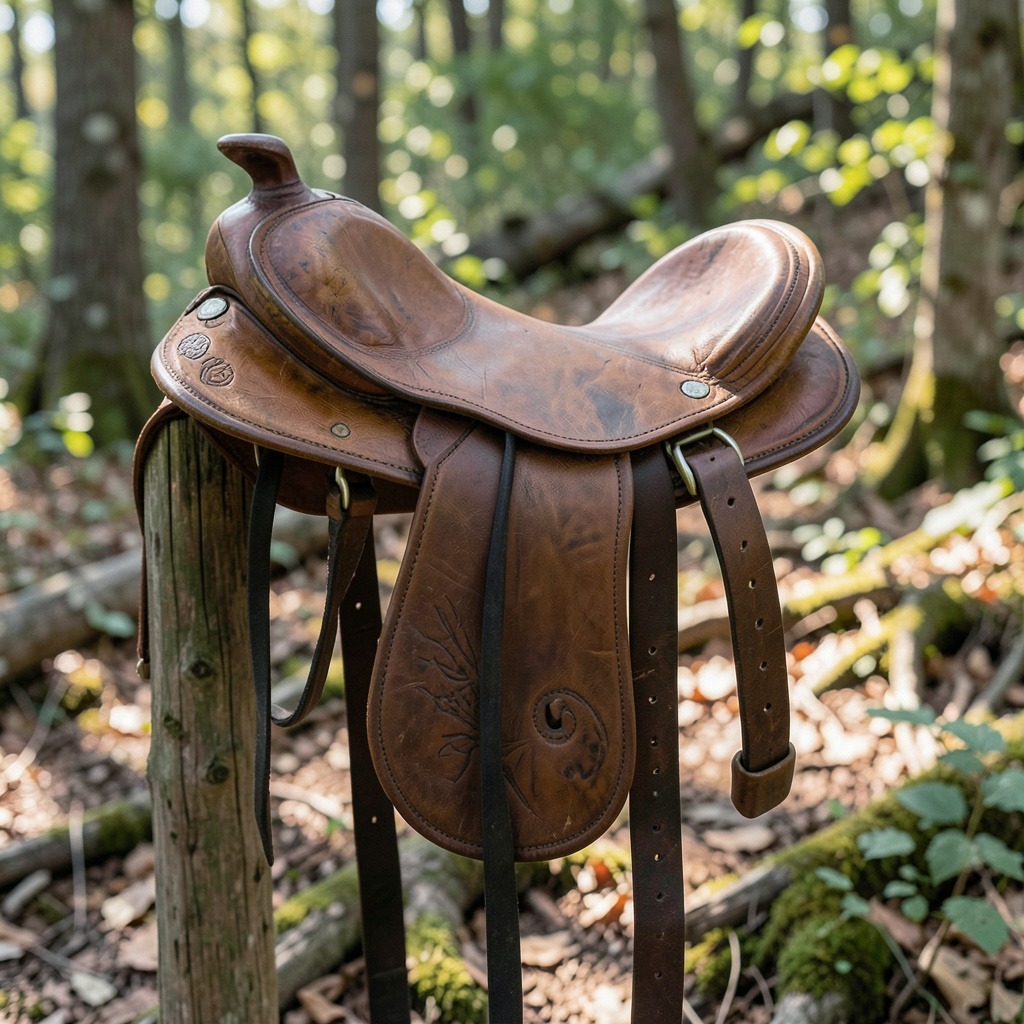
When selecting a saddle, understanding the differences between flex tree saddles, traditional wooden saddles, and treeless saddles is crucial. Each type offers distinct advantages and disadvantages that impact both horse and rider comfort.
Flex Tree vs. Traditional Saddles
Flex tree saddles incorporate a flexible design that enhances comfort and fit for both horse and rider. Traditional saddles, however, feature a rigid wooden tree that provides stability but can lead to pressure points.
| Feature | Flex Tree Saddles | Traditional Saddles |
|---|---|---|
| Comfort | High flexibility enhances comfort. | Can cause discomfort over time. |
| Fit | Adjustable to horse’s shape. | Fixed shape, may not fit all horses. |
| Pressure Points | Reduces pressure distribution. | May create pressure points on the horse’s back. |
| Durability | Generally durable but can break down faster if misused. | Long-lasting with proper care. |
| Best Uses | Trail, pleasure, light jumping. | Roping, ranch work, competitive riding. |
Flex Tree vs. Treeless Saddles
Treeless saddles offer a completely different approach, primarily focusing on weight distribution without a tree. While this can enhance comfort, it can also lead to a lack of support.
| Feature | Flex Tree Saddles | Treeless Saddles |
|---|---|---|
| Support | Provides moderate support. | Minimal support; relies on rider balance. |
| Comfort | Flexible cushioning for comfort. | High comfort but can feel unstable. |
| Fit Customization | Adjustable gullet plates. | Fits a wide range of horse shapes. |
| Weight | Generally heavier than treeless. | Lightweight and easy to handle. |
| Stability | Offers stability during rides. | May feel unstable for some riders. |
Choosing the Right Saddle for Your Needs
Selecting the ideal saddle depends on your riding style and your horse’s conformation. Here are some decision rules to guide your choice:
- For Trail Riding or Pleasure: Consider flex tree saddles for their comfort and adaptability.
- For Competitive Events or Roping: Traditional saddles may provide the necessary support and stability.
- For Versatile Use: Treeless saddles can be suitable if your horse has a broad range of movement and you prioritize comfort.
Each saddle type has unique characteristics that cater to specific riding needs. Evaluate these factors to ensure the best fit for both you and your horse.
Maintenance Tips for Flex Tree Saddles: Ensuring Longevity
Proper maintenance is crucial for maximizing the lifespan and performance of flex tree saddles. By following these maintenance tips, riders can ensure their saddles remain in optimal condition.
Regular Cleaning and Care
Cleaning your flex tree saddle regularly helps maintain its integrity and appearance.
- Use a damp cloth to wipe down the saddle after each ride. This removes sweat and dirt.
- Apply leather conditioner every few months to nourish the leather and prevent cracking.
- Avoid harsh chemicals that can damage the materials.
Inspecting for Damage and Wear
Regular inspections can help catch issues before they become significant problems.
- Check the tree for any signs of bending or cracking. This affects the saddle’s fit and comfort.
- Inspect the stirrup leathers for fraying or wear. Replace them if you notice any damage.
- Look for loose stitching and address it promptly to avoid further deterioration.
Storage Tips for Flex Tree Saddles
Proper storage prevents unnecessary wear and prolongs the life of your saddle.
- Store in a cool, dry place away from direct sunlight to avoid fading and material degradation.
- Use a saddle cover to protect it from dust and moisture when not in use.
- Hang the saddle rather than laying it flat to maintain its shape.
Maintenance Checklist
Here’s a quick checklist to ensure thorough saddle care:
- [ ] Wipe down saddle after each ride
- [ ] Apply leather conditioner every 2-3 months
- [ ] Inspect tree for damage monthly
- [ ] Check stirrup leathers and stitching regularly
- [ ] Store in a cool, dry place with a cover
By following these maintenance guidelines, riders can enhance the comfort and performance of flex tree saddles, ensuring a better riding experience for both horse and rider.
Frequently Asked Questions
These quick answers cover the most common questions about this topic, including key details, practical tips, and common concerns.
What are the common problems associated with flex tree saddles?
Common issues with flex tree saddles include durability concerns and the potential for pressure points. While they are designed for flexibility, improper fitting can lead to discomfort for the horse, resulting in behavioral issues or performance drops. Riders must regularly inspect the saddle for signs of wear, especially on the tree and stirrup leathers, to ensure safety and comfort.
Are Hilason flex tree saddles good?
Hilason flex tree saddles are generally well-regarded for their comfort and adaptability. They often feature adjustable gullet plates, allowing for a customized fit across different horse shapes. However, like any saddle, their performance depends on proper fitting and maintenance. Riders should consider their specific needs and riding style before choosing a Hilason saddle.
Do flex tree saddles fit all horses?
Flex tree saddles are designed to accommodate a variety of horse shapes due to their adjustable features. However, they may not fit every horse perfectly. It’s essential to assess the saddle’s fit carefully, checking for even pressure distribution and ensuring there are no gaps. For horses with unique conformation, additional fitting adjustments may be necessary.
Is a tree saddle worth it?
Investing in a flex tree saddle can be worthwhile for riders seeking comfort and adaptability. They provide enhanced pressure distribution and flexibility, which can improve both horse and rider performance. However, it’s crucial to weigh the benefits against potential durability issues and maintenance requirements. Riders should consider their specific riding style and needs before making a decision.
What are the pros and cons of flex tree saddles for western riding?
Flex tree saddles offer significant pros for western riding, including increased comfort and better fit for various horse shapes. They allow for a more natural movement, enhancing the riding experience. On the downside, they may not provide the same level of stability required for more rigorous activities like roping or ranch work. Riders should assess their specific needs to determine if a flex tree saddle is the right choice.
When should I choose a flex tree saddle over a traditional saddle?
Consider a flex tree saddle if you prioritize comfort and flexibility, especially for trail riding or pleasure riding. They are ideal for horses that require more adaptability in their saddle fit. Conversely, if you are involved in competitive disciplines requiring more stability and support, a traditional saddle may be more suitable. Evaluate your riding style and the horse’s needs when making your choice.
How do I maintain my flex tree saddle?
Maintaining a flex tree saddle involves regular cleaning, inspections, and proper storage. Clean the saddle after each use and apply leather conditioner periodically to keep the materials in good condition. Regularly check for damage to the tree and stirrup leathers, and store the saddle in a cool, dry place to prevent wear. Following these maintenance tips will help prolong the saddle’s lifespan.
What are alternatives to flex tree saddles?
Alternatives to flex tree saddles include traditional saddles and treeless saddles. Traditional saddles offer more stability and support, making them suitable for competitive riding. Treeless saddles provide a lightweight option with high comfort but may lack the support needed for certain activities. Riders should consider their specific riding needs and horse conformation when exploring alternatives.