
Fringe trees offer stunning white blooms and wildlife support but may present challenges such as slow growth and specific soil requirements.
Fringe trees, including the American and Chinese varieties, are visually appealing additions to gardens, known for their fragrant blooms and environmental benefits. However, potential drawbacks like specific care needs and slow growth should also be considered before planting.
Understanding Fringe Trees: Types and Features
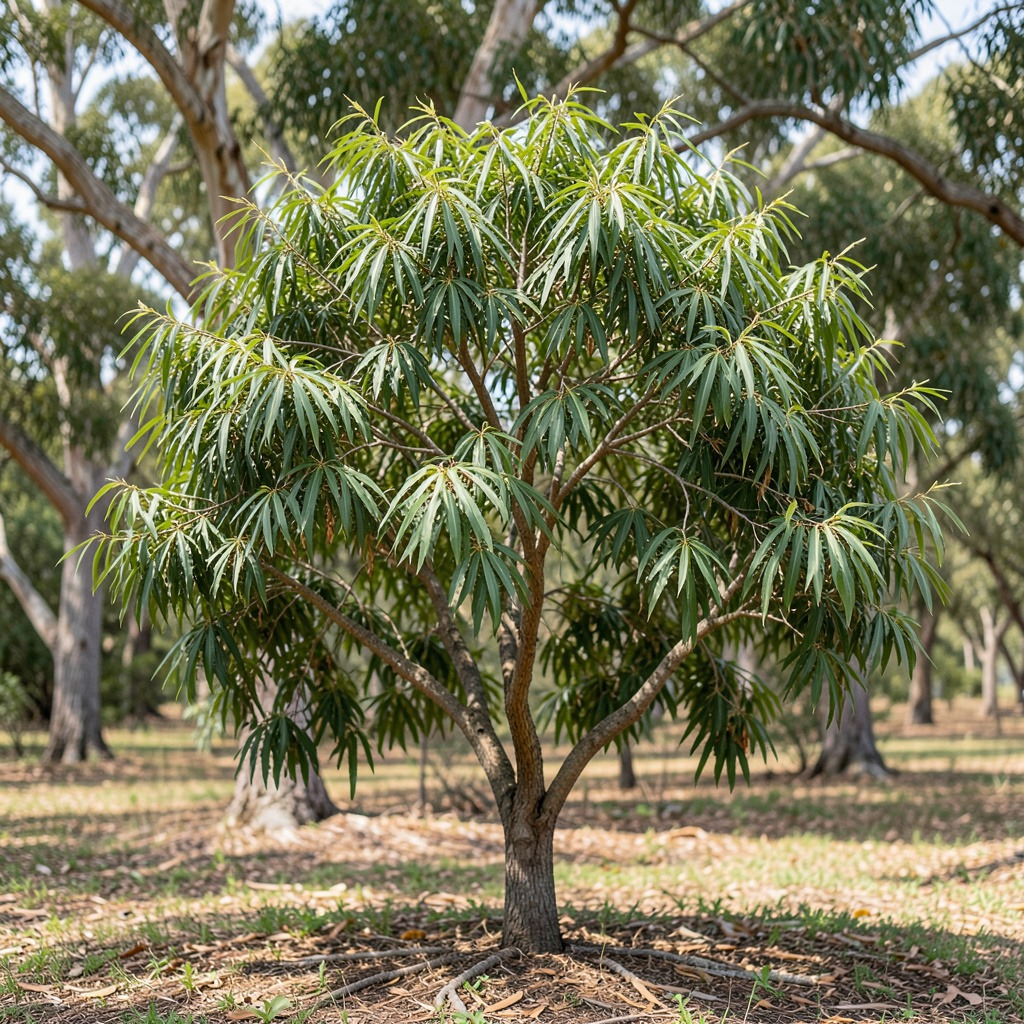
Fringe trees, particularly the American (Chionanthus virginicus) and Chinese (Chionanthus retusus) varieties, are celebrated for their distinctive blooms and ornamental value. Understanding their unique characteristics can help gardeners make informed choices.
American Fringe Tree: Characteristics and Benefits
The American Fringe Tree, or Chionanthus virginicus, is a native species known for its graceful form. It typically reaches heights of 12 to 30 feet and features drooping clusters of white flowers in late spring, which are fragrant and attract pollinators.
Benefits:
- Aesthetic Appeal: Its loose, open structure creates an elegant presence in any garden.
- Wildlife Support: The flowers provide nectar for bees and butterflies, enhancing local biodiversity.
- Cultural Significance: This tree has historical importance in American landscapes, often planted in parks and residential areas.
Chinese Fringe Tree: Aesthetic Appeal and Care
The Chinese Fringe Tree, or Chionanthus retusus, offers a more compact and orderly form, typically growing to about 20 feet. Its flowers are similar in appearance but bloom slightly later than those of the American variety.
Care Requirements:
Table of Contents
- Growth Rate: This species grows slowly, averaging 6 to 10 inches per year. Gardeners should consider this if rapid growth is desired.
- Soil Needs: It thrives in well-drained, acidic soils. Testing soil conditions before planting is essential to ensure optimal growth.
Visual Appeal:
- Ornamental Value: The Chinese Fringe Tree adds a tidy, structured look to gardens, making it suitable for formal landscaping.
- Seasonal Interest: In addition to flowers, its foliage provides vibrant fall colors, enhancing year-round aesthetics.
Comparative Insights
| Feature | American Fringe Tree (Chionanthus virginicus) | Chinese Fringe Tree (Chionanthus retusus) |
|---|---|---|
| Height | 12 to 30 feet | Up to 20 feet |
| Flowering Period | Late spring | Late spring to early summer |
| Growth Rate | Slow (6-10 inches/year) | Slow (6-10 inches/year) |
| Soil Preferences | Well-drained, adaptable | Well-drained, acidic |
| Wildlife Attraction | High (pollinators) | Moderate (attracts some pollinators) |
In choosing between these two species, consider your garden’s space, soil conditions, and aesthetic goals. Both trees offer unique advantages, making them worthwhile additions to diverse landscaping projects.
Pros of Planting Fringe Trees: Aesthetic and Ecological Benefits
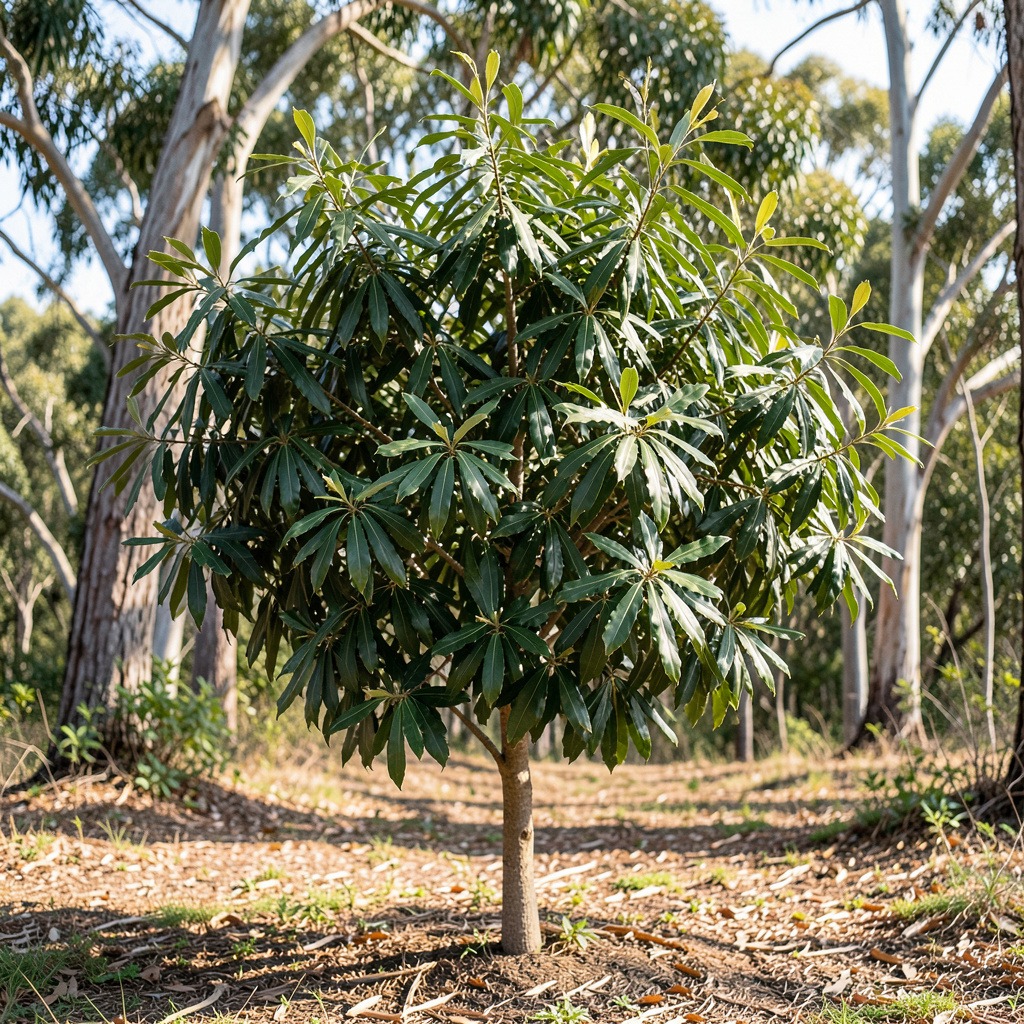
Fringe trees, particularly Chionanthus virginicus and Chionanthus retusus, offer numerous advantages for gardeners. Their ornamental value, ecological benefits, and low maintenance requirements make them appealing choices for diverse landscaping needs.
Aesthetic Appeal: Fragrant Blooms and Seasonal Interest
Fringe trees are renowned for their stunning, fragrant flowers. These trees produce delicate, fringe-like blooms in late spring, creating a striking visual display. The flowers are not only beautiful but also emit a pleasant fragrance, enhancing the sensory experience of any garden.
- Seasonal Changes: Beyond their spring bloom, fringe trees exhibit attractive foliage in fall, providing year-round interest.
- Size and Shape: Typically medium-sized, they fit well in various spaces, from small gardens to larger landscapes, without overwhelming the design.
Wildlife Support: Attracting Pollinators and Birds
Fringe trees play a vital role in supporting local ecosystems. They attract a variety of wildlife, particularly pollinators and birds.
- Pollinator Attraction: The flowers serve as a food source for bees and butterflies, promoting biodiversity in your garden.
- Bird Habitats: The trees’ structure and fruit provide shelter and nourishment for various bird species, enhancing your garden’s ecological value.
Low Maintenance Once Established
Once established, fringe trees require minimal care, making them excellent options for busy gardeners.
- Drought Tolerance: After the first few years, these trees become drought-tolerant, needing less frequent watering.
- Soil Adaptability: Fringe trees can thrive in a range of soil conditions, from well-drained to moderately acidic, making them versatile in different landscapes.
Practical Example of Fringe Tree Landscaping
Consider a scenario where a homeowner plants a fringe tree as a focal point in their front yard. The tree not only enhances curb appeal with its beautiful blooms but also attracts pollinators, contributing to a vibrant garden ecosystem. By planting it near flowering perennials, the homeowner can create an inviting habitat for diverse wildlife while enjoying the aesthetic and ecological benefits of the fringe tree.
By integrating fringe trees into your landscaping, you can enhance both the beauty and ecological health of your garden.
Cons of Fringe Trees: Challenges and Considerations
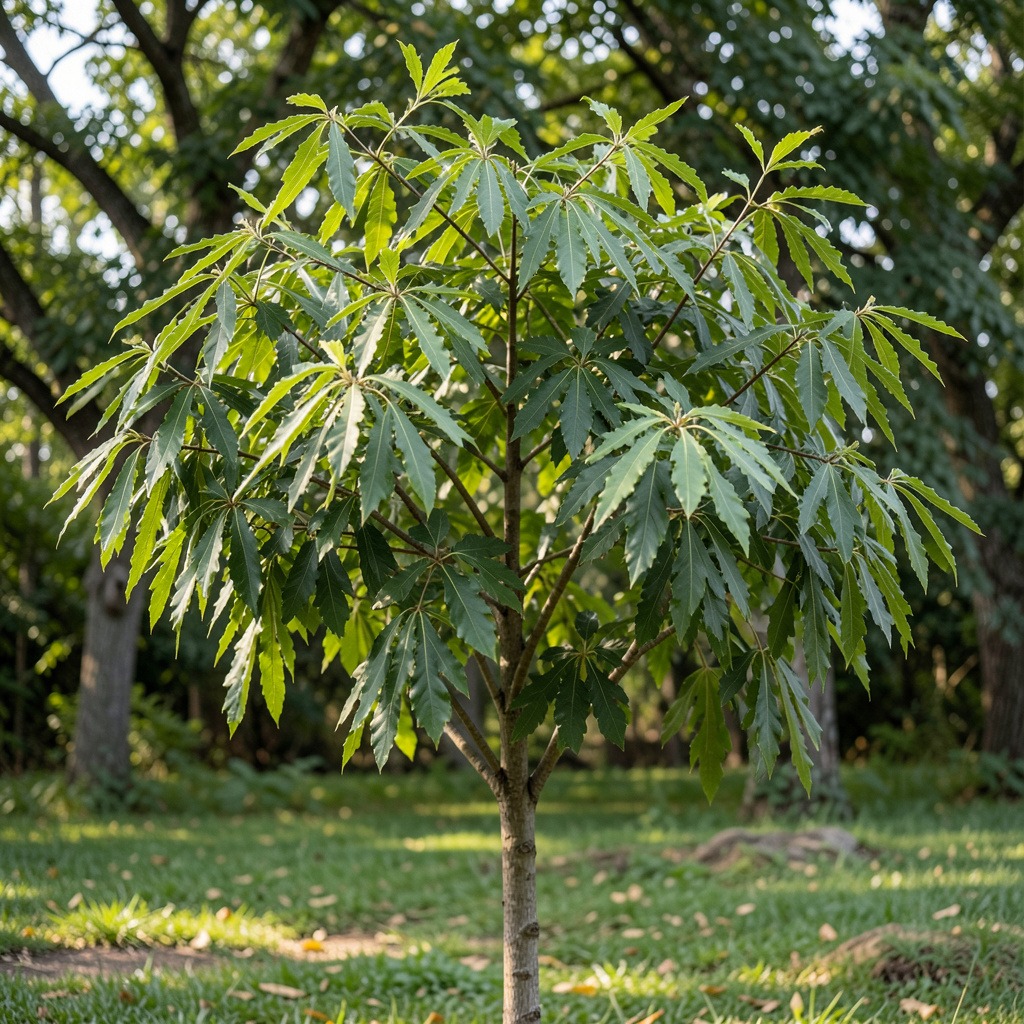
While fringe trees offer various benefits, they also come with specific challenges. Understanding these drawbacks can help gardeners make informed decisions about incorporating them into their landscapes.
Slow Growth and Space Considerations
Fringe trees, particularly Chionanthus virginicus and Chionanthus retusus, are slow growers. On average, they only attain a growth rate of 6 to 10 inches per year. This slow growth can be a disadvantage for those looking for rapid landscape enhancement. Additionally, fringe trees can reach heights of up to 30 feet, requiring ample space to thrive.
- Space Requirement Checklist:
- Ensure at least 15 to 20 feet of distance from other plants to allow for proper air circulation and sunlight.
- Consider the mature size of the tree when planning your landscape design.
Soil Requirements and Disease Risks
Fringe trees prefer moist, well-draining soil that is rich in organic material. These specific soil requirements can present challenges for gardeners with less-than-ideal soil conditions. Moreover, they are susceptible to certain diseases, including leaf spot and root rot, especially in overly wet soils.
- Soil Requirement Checklist:
- Test soil pH; fringe trees thrive in moderately acidic conditions.
- Amend soil to improve drainage if necessary.
Common Problems with Fringe Trees
Potential growers should be aware of some common issues associated with fringe trees. These include:
- Pest Vulnerability: Fringe trees can attract pests like aphids and scale insects, which may require management.
- Limited Availability: Depending on the region, finding quality specimens of fringe trees can be challenging.
By understanding these challenges, gardeners can better assess their suitability for planting fringe trees in their landscapes.
Care Tips for Successful Fringe Tree Growth
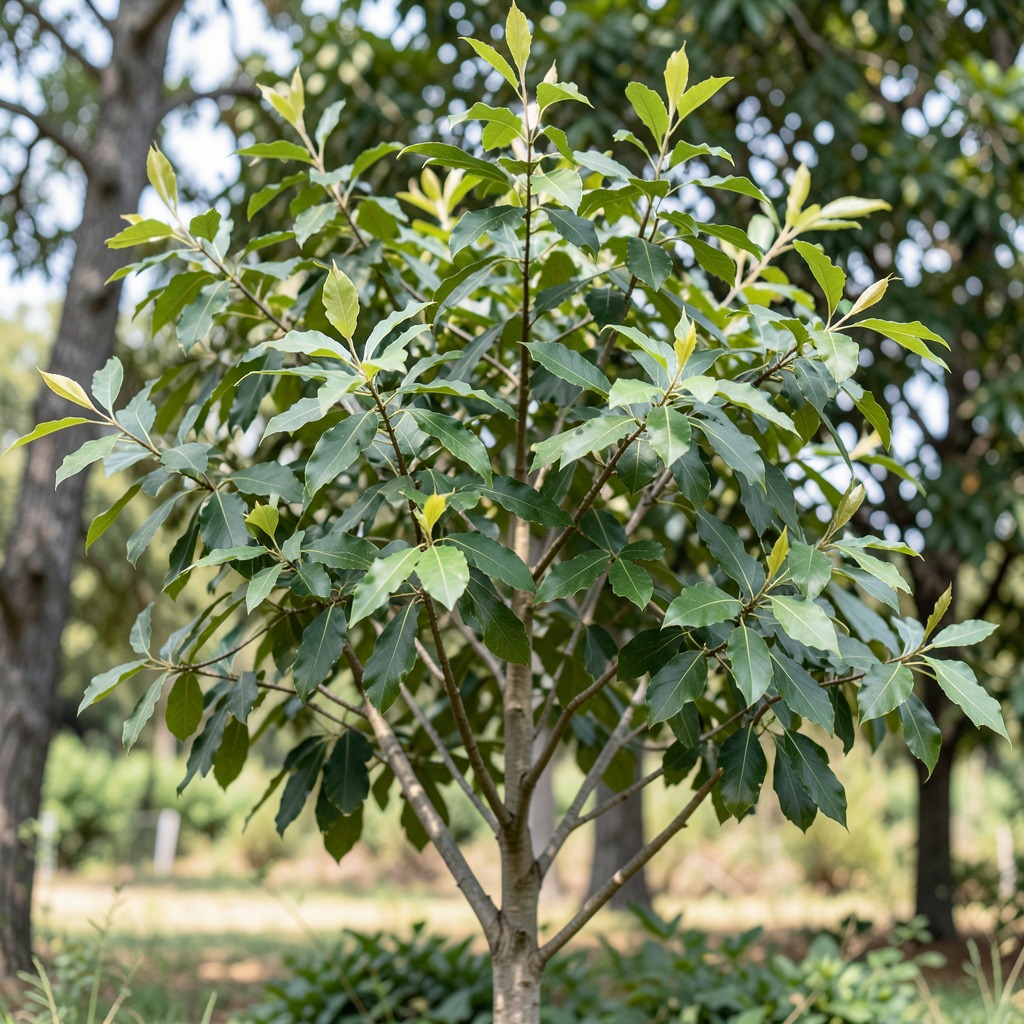
Caring for fringe trees requires attention to their specific needs. Proper watering, pruning, and pest management will ensure healthy growth and vibrant blooms.
Watering and Soil Maintenance
Fringe trees thrive in well-drained soils and need consistent moisture, especially when newly planted. Follow these guidelines for optimal care:
- Watering Schedule:
- Newly planted fringe trees: Water deeply once a week, providing about 1 inch of moisture.
- Established trees (after 2-3 years): They become drought-tolerant but perform best with supplemental watering during dry spells.
- Soil Requirements:
- Ideal soil pH: 5.5 to 7.5 (slightly acidic to neutral).
- Amend heavy clay soils to improve drainage.
- Conduct annual soil tests to monitor conditions and adjust as needed.
Pruning Techniques for Healthy Growth
Pruning is essential for shaping fringe trees and promoting vigorous growth. Implement these techniques:
- Timing: Prune in late winter or early spring before new growth begins.
- Methods:
- Remove dead, damaged, or crossing branches.
- Thin out dense areas to improve air circulation and light penetration.
- Maintain a balanced shape by avoiding excessive top growth.
Managing Pests and Diseases
While fringe trees are relatively low-maintenance, they can be susceptible to pests. Here’s how to manage common issues:
- Pest Identification:
- Look out for aphids and scale insects. Regularly inspect the leaves for any signs of infestation.
- Management Strategies:
- Use insecticidal soap or neem oil to treat infestations.
- Encourage natural predators, such as ladybugs, to control pest populations.
- Common Issues Checklist:
- Regularly check for pests during the growing season.
- Monitor trees for signs of stress, such as leaf discoloration or wilting.
By adhering to these care tips, gardeners can enhance the longevity and beauty of their fringe trees, contributing to a thriving landscape that supports local wildlife.
Comparing Fringe Trees with Other Ornamental Trees
Fringe trees are celebrated for their unique aesthetics and ecological benefits. However, they are not the only option for ornamental landscaping. This section compares fringe trees with other popular ornamental trees, specifically flowering dogwoods and eastern redbuds, to help gardeners make informed choices.
Fringe Trees vs. Flowering Dogwoods
Both fringe trees (Chionanthus virginicus and Chionanthus retusus) and flowering dogwoods (Cornus florida) are admired for their stunning blooms. Here’s how they stack up against each other:
| Feature | Fringe Trees | Flowering Dogwoods |
|---|---|---|
| Height | Up to 30 feet | 15-30 feet |
| Bloom Time | Late spring | Early spring |
| Flower Color | White, frilly clusters | White or pink bracts |
| Wildlife Support | Attracts pollinators, birds | Provides berries for birds |
| Growth Rate | Slow (6-10 inches per year) | Moderate (12-24 inches per year) |
| Soil Requirements | Well-drained, moist | Well-drained, acidic |
Decision Insight: If you prioritize wildlife support and unique blooms, choose fringe trees. For a shorter tree with an earlier bloom, flowering dogwoods are a solid option.
Fringe Trees vs. Eastern Redbud
Eastern redbuds (Cercis canadensis) are another enticing alternative to fringe trees. Their distinct characteristics are worth comparing:
| Feature | Fringe Trees | Eastern Redbuds |
|---|---|---|
| Height | Up to 30 feet | 20-30 feet |
| Bloom Time | Late spring | Early spring |
| Flower Color | White, frilly clusters | Pink, pea-like flowers |
| Foliage | Dark green, ovate | Heart-shaped, green leaves |
| Wildlife Support | Attracts pollinators, birds | Attracts bees and butterflies |
| Growth Rate | Slow (6-10 inches per year) | Fast (up to 24 inches per year) |
| Soil Requirements | Well-drained, moist | Well-drained, adaptable |
Comparison Takeaway: Fringe trees provide stunning, fragrant blooms, while eastern redbuds offer vibrant color with a faster growth rate. Choose based on your desired aesthetics and growth preferences.
Practical Example: Landscaping with Fringe Trees
Imagine a front yard designed with a fringe tree as the focal point, surrounded by flowering dogwoods and eastern redbuds. This arrangement not only provides visual interest throughout the seasons but also supports a diverse range of wildlife.
When designing your landscape, consider the spacing and soil conditions. Fringe trees thrive in moist, well-drained areas, making them ideal for slightly elevated spots, while flowering dogwoods and eastern redbuds can adapt to various soil types.
By assessing these comparisons, gardeners can strategically select the right ornamental tree for their unique landscape, enhancing both beauty and ecological value.
Frequently Asked Questions
These quick answers cover the most common questions about this topic, including key details, practical tips, and common concerns.
What are the downsides of growing a white fringe tree?
The white fringe tree (Chionanthus virginicus) has a few notable drawbacks. Its slow growth rate, averaging just 6 to 10 inches per year, can be frustrating for gardeners seeking quick results. Additionally, it requires specific soil conditions—moist, well-drained, and slightly acidic. If the soil is too wet or poorly drained, the tree may suffer from root rot or other diseases.
Another consideration is the space requirement. Fringe trees can grow up to 30 feet tall and need adequate room to spread. This can limit where you can plant them in smaller gardens.
Are fringe tree roots invasive?
Fringe tree roots are generally not considered invasive. They tend to grow in a relatively contained manner, making them suitable for residential landscapes. However, like many trees, they can spread out and may compete with nearby plants for nutrients and water if planted too closely. It’s best to provide ample space—at least 15 to 20 feet from other plants—to ensure healthy growth.
How long do fringe trees typically live?
Fringe trees can have a long lifespan, often living between 30 to 50 years when properly cared for. Factors such as soil quality, water availability, and pest management can influence their longevity. Regular maintenance, including pruning and monitoring for diseases, can help extend their life.
Where is the best place to plant a fringe tree?
The ideal location for planting a fringe tree is in an area that receives full sun to partial shade. They thrive in well-drained, moist soils that are slightly acidic. Avoid low-lying areas where water tends to accumulate, as this can lead to root rot. Also, consider spacing them away from structures or other trees to allow for their mature size.
What wildlife benefits from fringe trees?
Fringe trees are beneficial for various wildlife, particularly pollinators like bees and butterflies. The fragrant white flowers provide a valuable nectar source during late spring when few other plants are blooming. Additionally, the tree’s structure offers shelter and nesting sites for birds, enhancing the biodiversity of your garden.
What are common pests that affect fringe trees?
Fringe trees can be susceptible to pests such as aphids and scale insects. These pests can weaken the tree by sucking sap from the leaves and stems. Regular inspections during the growing season can help catch infestations early. If you notice any signs of pests, consider using insecticidal soap or neem oil as a treatment option.
How can I ensure my fringe tree blooms well?
To promote healthy blooming in fringe trees, ensure they receive adequate water, especially during dry spells. Regularly check soil moisture and water deeply if needed. Pruning in late winter or early spring can also encourage better air circulation and light penetration, which are crucial for blooming. Additionally, maintaining slightly acidic soil conditions will support overall health and flowering.
What are the differences between American and Chinese fringe trees?
The American fringe tree (Chionanthus virginicus) typically grows taller, reaching up to 30 feet, while the Chinese fringe tree (Chionanthus retusus) is usually more compact, averaging around 20 feet. Bloom times also differ slightly; the American variety flowers in late spring, whereas the Chinese variety blooms from late spring to early summer. Both trees have similar aesthetic appeal, but their growth habits and sizes may influence your choice based on available space.