
Ginkgo trees offer stunning fall foliage and resilience in various environments but can produce foul-smelling fruit and have large root systems that may cause damage.
Table of Contents
Ginkgo trees are renowned for their unique beauty and resilience, making them a popular choice for urban landscapes. However, potential drawbacks like odor from female trees and root issues warrant careful consideration before planting this ancient species.
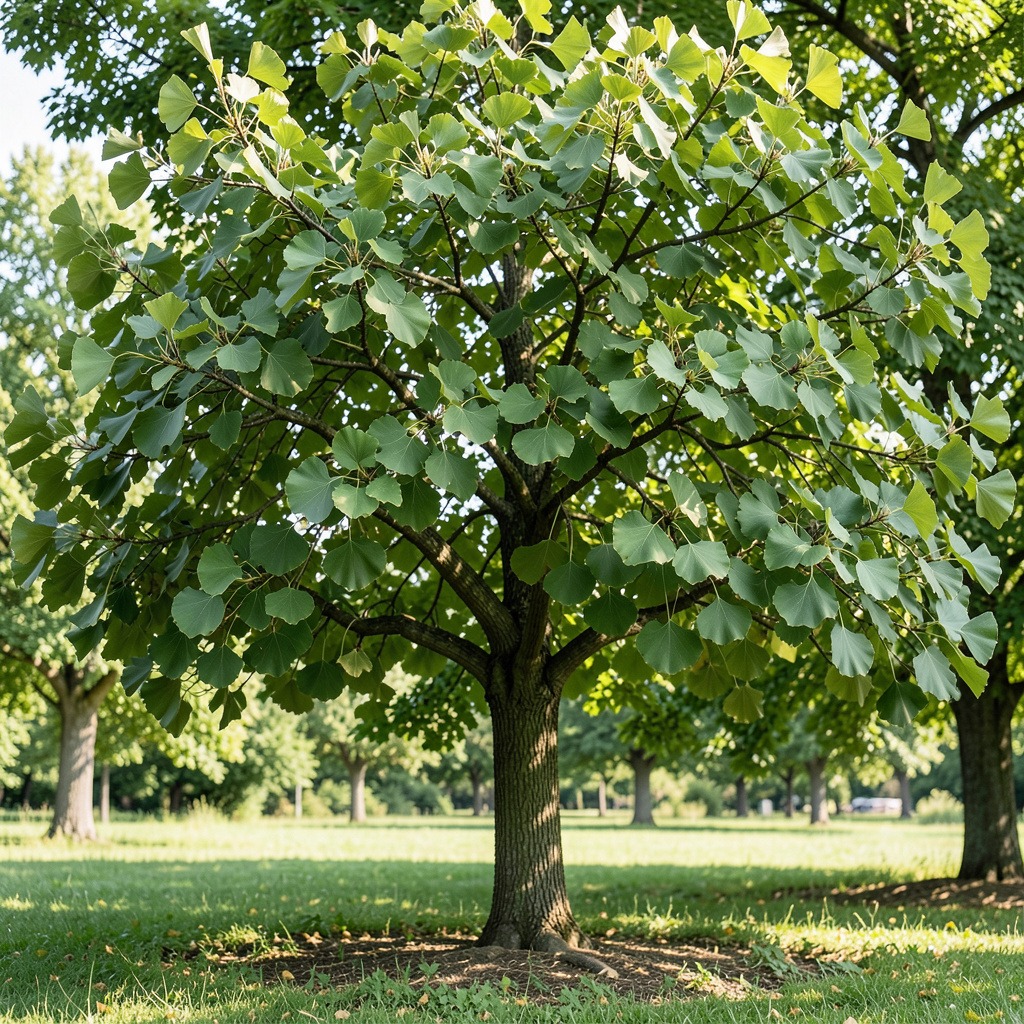
Understanding Ginkgo Biloba: A Living Fossil
Ginkgo biloba, commonly known as the ginkgo tree, is one of the oldest living tree species, offering both aesthetic appeal and historical significance. Its unique characteristics and resilience make it a compelling choice for various planting scenarios.
Historical Significance of Ginkgo Biloba
Ginkgo biloba is often referred to as a “living fossil.” It is the only surviving member of a group of ancient plants that thrived over 270 million years ago. This tree has survived significant extinction events, symbolizing endurance and adaptation.
- Rediscovery: Ginkgo was rediscovered in China in 1691 and later introduced to the United States in the late 1700s.
- Cultural Importance: In many cultures, ginkgo trees are considered symbols of longevity and hope, often planted in temples and parks.
Unique Biological Features
Ginkgo trees are dioecious, meaning individual trees are either male or female. This classification significantly impacts their suitability for urban planting.
- Male Trees: Produce yellowish catkins and do not bear fruit, resulting in no unpleasant odor.
- Female Trees: Produce ovulate cones that develop into seeds, which emit a strong, unpleasant smell when ripe.
Resilience and Adaptability
Ginkgo trees showcase remarkable resilience, allowing them to thrive in various environments.
- Pollution Tolerance: Ginkgo biloba can withstand urban pollution better than many other tree species, making it ideal for city landscapes.
- Root System: Their extensive root systems provide stability and enable them to endure poor soil conditions.
Decision Framework for Planting
When considering planting ginkgo trees, evaluate the following:
- Location: Choose male trees for urban areas to avoid odors.
- Soil Quality: Assess soil conditions; ginkgo trees can tolerate poor soil but benefit from well-drained options.
- Planting Density: Space trees adequately to allow for their expansive root systems.
By understanding the historical context and biological traits of ginkgo trees, you can make informed decisions about their planting and maintenance in your landscape.
The Aesthetic Appeal of Ginkgo Trees
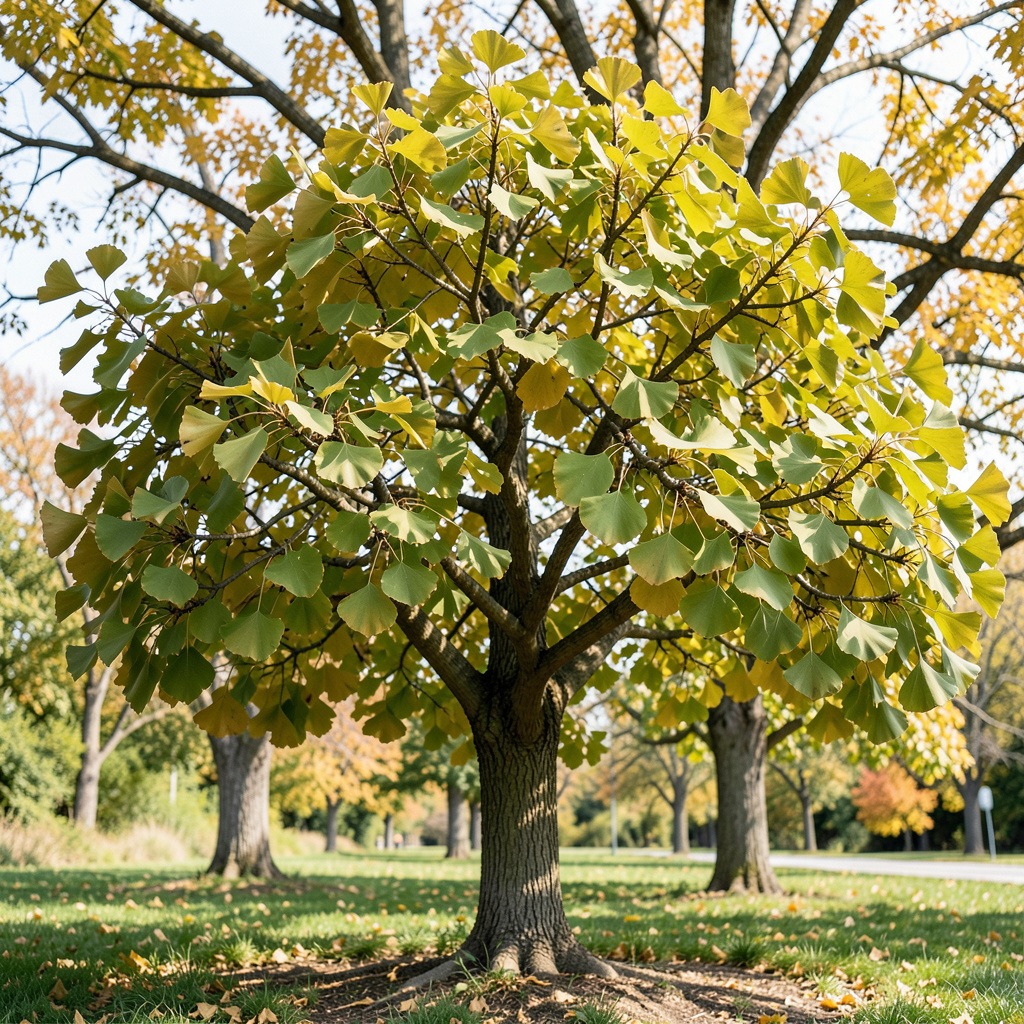
Ginkgo trees are renowned for their striking appearance and seasonal transformations. Their unique fan-shaped leaves and vibrant fall foliage make them a favored choice in urban landscaping.
Stunning Fall Foliage
In autumn, ginkgo trees display a breathtaking transformation. Their leaves turn a brilliant shade of yellow, creating a stunning contrast against urban backdrops. This seasonal spectacle can enhance the visual appeal of any landscape.
- Color Transition: The leaves shift from green to bright yellow, often dropping en masse to create a golden carpet.
- Longevity of Color: The vivid yellow hue can last for several weeks, providing an extended period of visual interest compared to other deciduous trees.
Unique Leaf Shape
The distinctive fan-shaped leaves of ginkgo trees set them apart from other species. This unique morphology not only contributes to their aesthetic value but also serves practical purposes in landscaping.
- Structural Interest: The fan shape provides a different texture and form, ideal for adding variety to garden designs.
- Adaptability: Ginkgo leaves are resilient, withstanding pollution and urban stressors, making them suitable for city environments.
Potential Uses in Urban Landscaping
Ginkgo trees can serve multiple functions in urban settings. Their aesthetic appeal is complemented by practical benefits, making them versatile additions to city landscapes.
- Focal Points: Plant ginkgo trees as solitary specimens to draw attention to their unique shape and fall color.
- Shade Providers: Their broad canopy offers shade, enhancing comfort in urban parks and plazas.
Decision Framework for Planting
When considering ginkgo trees for urban environments, assess the following aspects:
- Visibility: Position trees in prominent locations to maximize their visual impact.
- Space Requirements: Ensure adequate space for their expansive root systems and canopy spread.
- Surrounding Flora: Consider the compatibility of ginkgo trees with other species to maintain biodiversity.
By leveraging the aesthetic and functional attributes of ginkgo trees, urban planners and homeowners can create visually captivating and resilient landscapes.
Pros of Planting Ginkgo Trees
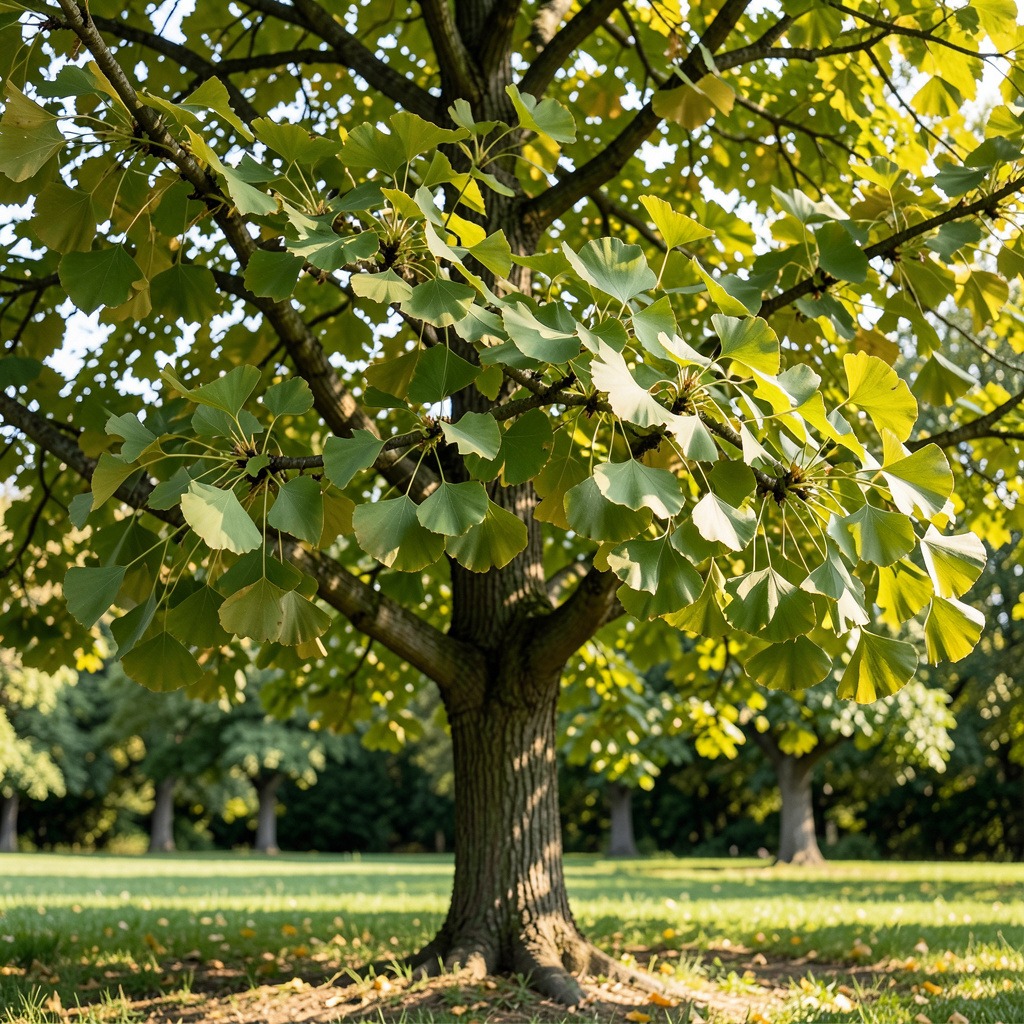
Ginkgo trees offer numerous advantages, particularly in urban environments. Their resilience and low maintenance requirements make them a popular choice for city planners and homeowners alike.
Low Maintenance Requirements
Ginkgo trees require minimal care once established. This characteristic is especially beneficial for busy gardeners. They are drought-tolerant and resistant to many pests and diseases.
- Watering: Ginkgos need little supplemental water once their root system is established.
- Pruning: They require infrequent pruning, usually only to remove dead or crossing branches.
- Fertilization: Ginkgos thrive in poor soil conditions and typically do not require fertilization.
Pollution Tolerance
Ginkgo biloba is known for its ability to withstand urban pollution. This quality makes it an excellent choice for city environments, where air quality can be compromised.
- Air Quality Improvement: Ginkgos absorb pollutants, contributing to cleaner air.
- Heat Resistance: They withstand high temperatures, making them suitable for urban heat islands.
Resilience in Various Conditions
Ginkgo trees can thrive in a range of soil types and conditions. Their adaptability contributes to their popularity in diverse planting scenarios.
- Soil Versatility: Ginkgos tolerate clay, loam, and sandy soils, allowing flexibility in planting locations.
- Drought Resistance: Once established, they can survive prolonged dry spells without significant damage.
Checklist for Planting Ginkgo Trees
When considering ginkgo trees for urban planting, use the following checklist:
- Assess Site Conditions: Ensure the area has adequate sunlight and space for growth.
- Choose the Right Type: Decide between male and female trees based on odor and fruit production preferences.
- Plan for Growth: Allow for their expansive root systems and canopy spread, avoiding nearby structures and pavement.
By understanding these benefits, you can make informed decisions about incorporating ginkgo trees into urban landscapes.
Cons of Planting Ginkgo Trees
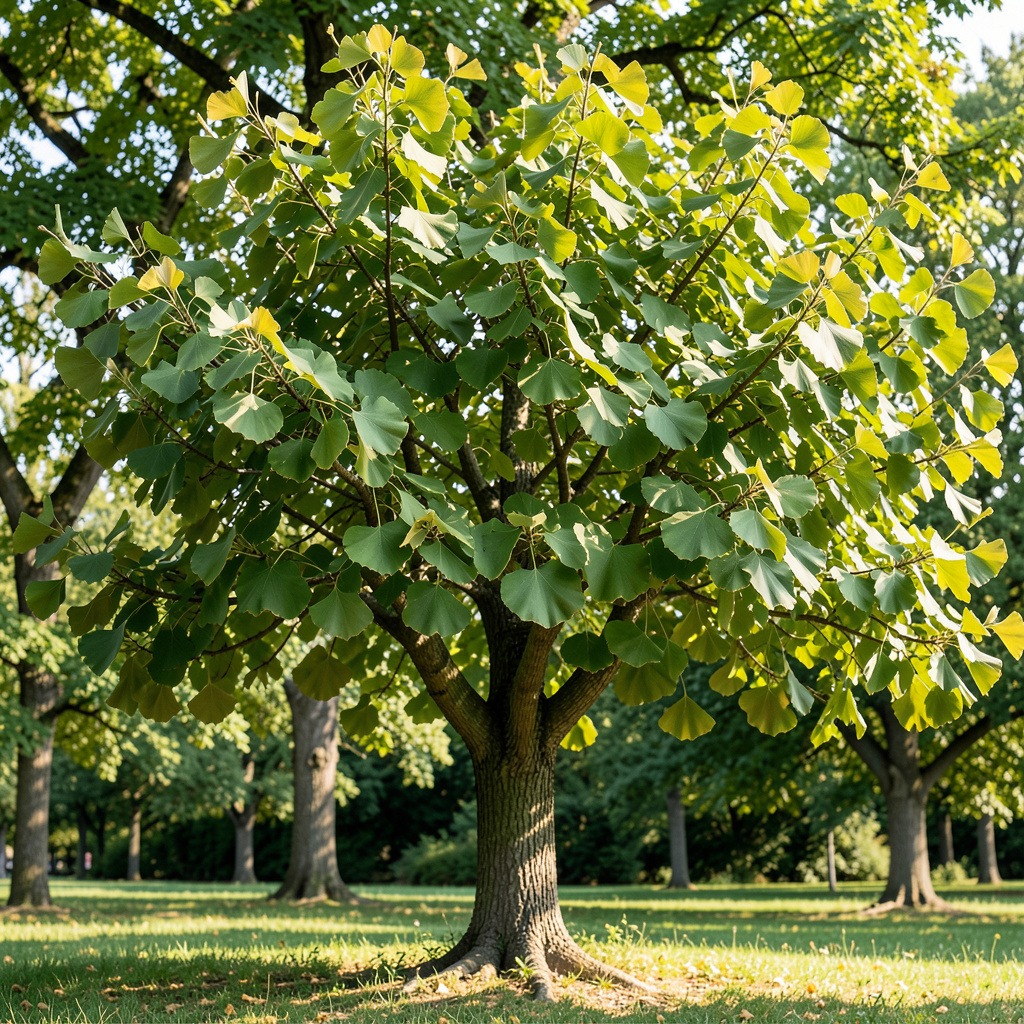
While ginkgo trees offer various advantages, they also come with notable drawbacks. Understanding these cons is essential for making informed planting decisions.
Odor from Female Trees
One of the most significant issues with ginkgo trees is the unpleasant odor produced by female trees.
- Fruit Smell: Female ginkgo trees bear fruit that releases butyric acid when decomposed. This odor is often compared to rancid butter and can be particularly offensive in residential areas.
- Urban Impact: The strong smell can deter people from enjoying spaces where these trees are planted, making them less suitable for public parks or close-to-home gardens.
Slow Growth Rate
Ginkgo trees are known for their slow initial growth.
- Establishment Period: In their first few years, ginkgo trees may only grow about one foot per year. Some reports indicate that during the initial two to three years, growth can be negligible, sometimes as little as 6 inches total.
- Long-Term Expectations: After establishing roots over 10 years, they can experience a surge in growth, reaching up to 12 feet per year. However, patience is required, which may not suit all gardeners’ timelines.
Potential for Root Damage
Ginkgo trees possess a robust root system that can lead to potential issues.
- Structural Concerns: The expansive roots may damage sidewalks, foundations, and nearby structures if planted too close. This can result in costly repairs and safety hazards.
- Space Requirements: When selecting a planting location, ensure adequate space for root expansion. A decision rule is to plant ginkgo trees at least 15-20 feet away from buildings or other hardscapes.
Quick Reference: Ginkgo Tree Cons
| Drawback | Details |
|---|---|
| Odor from Female Trees | Produces a rancid butter-like smell when fruit decomposes. |
| Slow Growth Rate | Minimal growth in early years; requires patience for long-term growth. |
| Potential for Root Damage | Expansive roots can damage structures if planted too close. |
Considering these cons helps in deciding whether a ginkgo tree is the right choice for your landscape.
Comparing Male and Female Ginkgo Trees
When considering ginkgo trees for your landscape, understanding the differences between male and female trees is crucial. The primary distinctions relate to fruit production and odor, which can significantly impact your planting decision.
Characteristics of Male and Female Ginkgo Trees
| Feature | Male Ginkgo Trees | Female Ginkgo Trees |
|---|---|---|
| Fruit Production | Does not produce fruit | Produces fruit that emits a foul odor |
| Odor | No odor | Strong rancid butter-like smell when fruit decomposes |
| Allergen Level | Higher allergenic potential (7/10) | Lower allergenic potential (2/10) |
| Maintenance | Generally easier to maintain | Requires more care due to fruit cleanup |
| Pollination | Produces pollen | Produces seeds, no pollen |
Pros and Cons of Each Type
Male Ginkgo Trees:
- Pros:
- No messy fruit.
- No unpleasant odor.
- Lower allergenic risk for some people.
- Cons:
- Can still induce allergies due to pollen.
- Limited genetic diversity if only male varieties are planted.
Female Ginkgo Trees:
- Pros:
- Produces seeds considered a delicacy in some cultures, such as in Asia.
- Cons:
- Produces fruit that can be an unpleasant nuisance.
- Higher maintenance due to the need for fruit cleanup.
Decision Framework for Planting
When deciding whether to plant male or female ginkgo trees, consider the following:
- Location: If planting in urban areas, male trees are often preferable due to their lack of odor and mess.
- Allergy Concerns: Those with strong allergic reactions should be cautious with male trees.
- Cultural Significance: If interested in the culinary use of ginkgo seeds, female trees may be worth the maintenance effort.
By weighing these factors, you can make an informed decision that aligns with your landscape goals and personal preferences.
Best Practices for Planting and Caring for Ginkgo Trees
Planting and caring for ginkgo trees requires careful consideration of their unique needs. By following best practices, you can ensure these trees thrive in your landscape.
Optimal Planting Conditions
- Sunlight: Ginkgo trees prefer full sun to partial shade. Aim for at least 6 hours of direct sunlight daily. This exposure enhances their fall foliage and overall health.
- Spacing: Provide ample space for growth. Ginkgo trees can reach heights of 50-80 feet and spread 30-40 feet at maturity. Plant them at least 15-20 feet apart to allow for their expansive canopy.
- Soil Type: Ginkgo trees are adaptable but thrive in well-drained soil. Avoid waterlogged areas to prevent root rot.
Maintenance Guidelines
Ginkgo trees are relatively low maintenance once established, but regular care is essential for optimal growth.
- Watering: Water young ginkgo trees deeply during dry spells. Once established, they are more drought-tolerant. Monitor soil moisture, especially in the first few years.
- Fertilizing: Use a balanced fertilizer in early spring. This supports growth and enhances foliage health. Follow the manufacturer’s recommendations for application rates.
- Pruning: Prune in late winter or early spring to shape the tree and remove any dead or crossing branches. This encourages healthy growth and reduces the risk of disease.
Pest and Disease Management
While ginkgo trees are resistant to many pests, vigilance is still necessary.
- Monitoring: Regularly inspect leaves for signs of pests like scale or aphids. Early detection can prevent infestations.
- Cultural Practices: Maintain good air circulation around trees by avoiding overcrowding. This reduces the risk of fungal diseases.
Ginkgo Tree Care Checklist
- Planting: Ensure at least 6 hours of sunlight and 15-20 feet spacing.
- Watering: Deeply water young trees; monitor moisture.
- Fertilizing: Apply balanced fertilizer in early spring.
- Pruning: Shape trees in late winter; remove dead branches.
- Pest Monitoring: Check regularly for signs of pests or disease.
By adhering to these practices, you can cultivate healthy ginkgo trees that enhance your landscape while understanding the pros and cons associated with their care.
The Ecological Impact of Ginkgo Trees
Ginkgo trees, while iconic and resilient, present both benefits and challenges in urban environments. Their impact on biodiversity and ecological balance requires careful consideration.
Biodiversity Considerations
Ginkgo biloba has a unique role in urban landscaping. However, its contribution to local biodiversity is limited:
- Limited Insect Support: Ginkgo trees host very few insect species compared to native trees. This low support for insects can reduce the overall biodiversity of urban ecosystems.
- Pollinator Attraction: Male ginkgo trees do not produce fruit or seeds, making them a cleaner option for urban areas. However, they also do not attract pollinators as effectively as many native species.
- Urban Wildlife: Female ginkgo trees produce seeds that can be unattractive due to their strong odor. This can deter wildlife that might otherwise benefit from their presence.
Ecological Benefits
Despite their limitations, ginkgo trees do have certain ecological advantages:
- Pollution Tolerance: Ginkgo trees are highly tolerant of urban pollution. They can thrive in smoggy environments, making them suitable for densely populated areas.
- Shade Provision: Their broad canopy provides substantial shade, which can mitigate the urban heat island effect. This contributes to energy savings in nearby buildings.
Case Study: Ginkgo Trees in Urban Areas
In a recent urban planting initiative, city planners chose ginkgo trees for their resilience. The trees provided excellent shade and thrived despite poor soil conditions. However, studies showed a decline in local butterfly populations, highlighting the importance of diversity in urban planning.
Decision Framework for Planting Ginkgo Trees
When considering ginkgo trees for urban planting, weigh the following factors:
- Tree Type: Choose between male and female trees based on the desired ecological impact. Male trees avoid the odor issue but offer less attraction for wildlife.
- Location: Assess the urban environment. If pollution levels are high, ginkgo trees may be a better choice than more sensitive native species.
- Biodiversity Goals: Establish if the goal is to enhance urban biodiversity. If so, consider pairing ginkgo trees with native species that support local wildlife.
By understanding these aspects, you can make informed decisions about planting ginkgo trees in urban settings.
Alternatives to Ginkgo Trees for Urban Planting
While ginkgo trees offer unique advantages, several alternative species provide similar benefits without some of their drawbacks. Consider the following options when planning your urban planting.
Deciduous Trees with Aesthetic Benefits
| Tree Species | Pros | Cons |
|---|---|---|
| Sugar Maple | Vibrant fall color, supports wildlife | Requires more space for roots |
| River Birch | Attractive bark, tolerates wet soil | Susceptible to pests and diseases |
| Red Oak | Strong habitat for wildlife, robust growth | Acorns can be a mess in the fall |
| Sweetgum | Unique star-shaped leaves, vibrant color | Produces spiky seed balls |
These trees can enhance the visual appeal of urban spaces. They also support local wildlife, which can be a limitation for ginkgo trees.
Evergreen Alternatives
| Tree Species | Pros | Cons |
|---|---|---|
| Eastern Red Cedar | Drought-tolerant, provides year-round cover | Can become invasive |
| Leyland Cypress | Fast-growing, excellent for privacy | Prone to disease in dense plantings |
Evergreens like these maintain greenery throughout the year and often require less maintenance than ginkgo trees.
Considerations for Choosing Alternatives
- Space Requirements: Ensure you have adequate space for the root systems and canopy of the selected trees.
- Wildlife Impact: Assess how the chosen tree will interact with local wildlife. Some alternatives, like oaks, support numerous species compared to ginkgo trees.
- Maintenance Needs: Factor in the level of maintenance required. Some species may demand regular pruning or pest management, while ginkgo trees are generally low-maintenance.
By evaluating these alternatives, you can find tree species that align more closely with your urban planting goals while avoiding the specific drawbacks associated with ginkgo trees.
Frequently Asked Questions
These quick answers cover the most common questions about this topic, including key details, practical tips, and common concerns.
What are the benefits of planting ginkgo trees?
Ginkgo trees offer several benefits, particularly in urban settings. They are highly resilient, tolerating pollution and poor soil conditions better than many other species. Their stunning fall foliage, which turns a vibrant yellow, adds aesthetic value to any landscape. Additionally, ginkgo trees require minimal maintenance once established, making them a low-effort choice for gardeners and city planners alike.
How fast do ginkgo trees grow?
Ginkgo trees have a slow initial growth rate, typically growing about one foot per year during their first few years. However, after establishing their root systems, they can experience a growth surge, reaching up to 12 feet per year. Patience is essential when planting ginkgo trees, as their early growth can be quite modest.
Are ginkgo trees safe for pets?
Ginkgo trees are generally safe for pets, especially the male varieties, which do not produce fruit. However, female ginkgo trees produce seeds that can be toxic if ingested in large quantities. While the risk is low, it’s best to monitor your pets around female trees and avoid planting them in areas where pets frequently roam.
What are the common pests and diseases affecting ginkgo trees?
Ginkgo trees are relatively resistant to pests and diseases, but they can still be affected by scale insects, aphids, and leaf blight. Regular monitoring is crucial; early detection can help manage infestations effectively. Maintaining good air circulation and proper spacing can also reduce the risk of fungal diseases.
When is the best time to plant ginkgo trees?
The ideal time to plant ginkgo trees is in the spring or early fall. Planting during these seasons allows the trees to establish their root systems before the heat of summer or the cold of winter. Ensure the soil is well-drained and avoid planting during extreme weather conditions for the best results.
What should I know about the smell of ginkgo fruit?
Female ginkgo trees produce seeds that emit a strong, unpleasant odor when they decompose, often compared to rancid butter. This smell can be particularly offensive in residential areas, making male trees more suitable for urban planting. If you choose to plant female trees, be prepared for regular cleanup to manage fallen fruit.
Can ginkgo trees be grown in pots?
Yes, ginkgo trees can be grown in pots, especially younger specimens. However, it’s essential to choose a large container to accommodate their root systems as they grow. Ensure the pot has good drainage and use high-quality potting soil. Keep in mind that potted ginkgo trees may require more frequent watering and care compared to those planted in the ground.
What are good alternatives to ginkgo trees for urban planting?
If you’re looking for alternatives to ginkgo trees, consider species like sugar maples, river birches, or red oaks. These trees offer similar aesthetic benefits and support local wildlife better than ginkgo trees. Evaluate your planting site and consider factors like space, maintenance needs, and wildlife impact when choosing the right tree for your urban landscape.