
Growing a lemon tree offers numerous benefits, such as fresh fruit and aesthetic appeal, but also presents challenges like pest management and space requirements.
Table of Contents
Lemon trees are a popular choice for gardeners seeking fresh fruit and vibrant greenery. However, like any plant, they come with their own set of advantages and disadvantages. This guide will explore the pros and cons of growing a lemon tree.
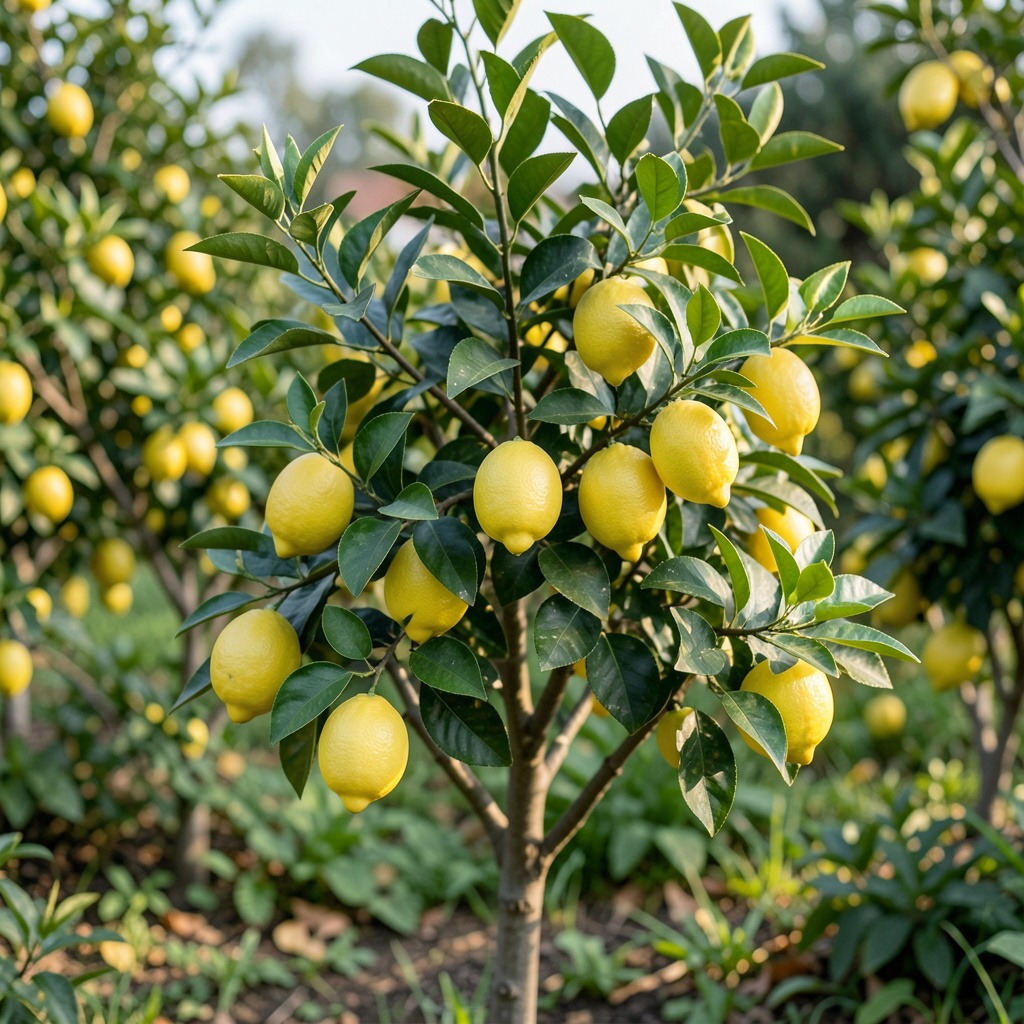
Overview of Lemon Trees
Lemon trees are cherished for their aromatic fruit and lush foliage. They belong to the citrus family and are a staple in many gardens worldwide due to their versatility and beauty.
What is a Lemon Tree?
The lemon tree, scientifically known as Citrus limon, is a small evergreen tree that thrives in warm climates. It typically reaches heights of 10 to 20 feet and features glossy green leaves with fragrant white flowers. These trees produce vibrant yellow fruit, which is highly valued for culinary and health purposes.
Historical Background
Lemon trees have a rich history. They are believed to have originated in Asia, specifically in regions of India and China. Notably, they were introduced to the Americas by Christopher Columbus in the 15th century. This historical connection highlights the global journey of lemons from their Asian roots to becoming a staple in American gardens.
Why Grow Lemon Trees?
Growing lemon trees offers numerous benefits:
- Fresh Produce: Homegrown lemons provide a constant supply of fresh fruit, enhancing culinary experiences.
- Aesthetic Appeal: The fragrant flowers and bright fruit add beauty to any garden or indoor space.
- Health Benefits: Lemons are rich in vitamin C and antioxidants, supporting overall health and wellness.
- Cultural Significance: In many cuisines, lemons are essential for flavoring dishes and beverages.
When choosing to grow a lemon tree, consider the following:
- Climate Compatibility: Lemon trees thrive in USDA zones 9-11. Ensure your local climate supports their growth.
- Space Requirements: Dwarf varieties are ideal for limited spaces, while standard trees require more room to flourish.
Understanding these factors will help you decide if a lemon tree is a suitable addition to your garden.
Pros of Growing a Lemon Tree
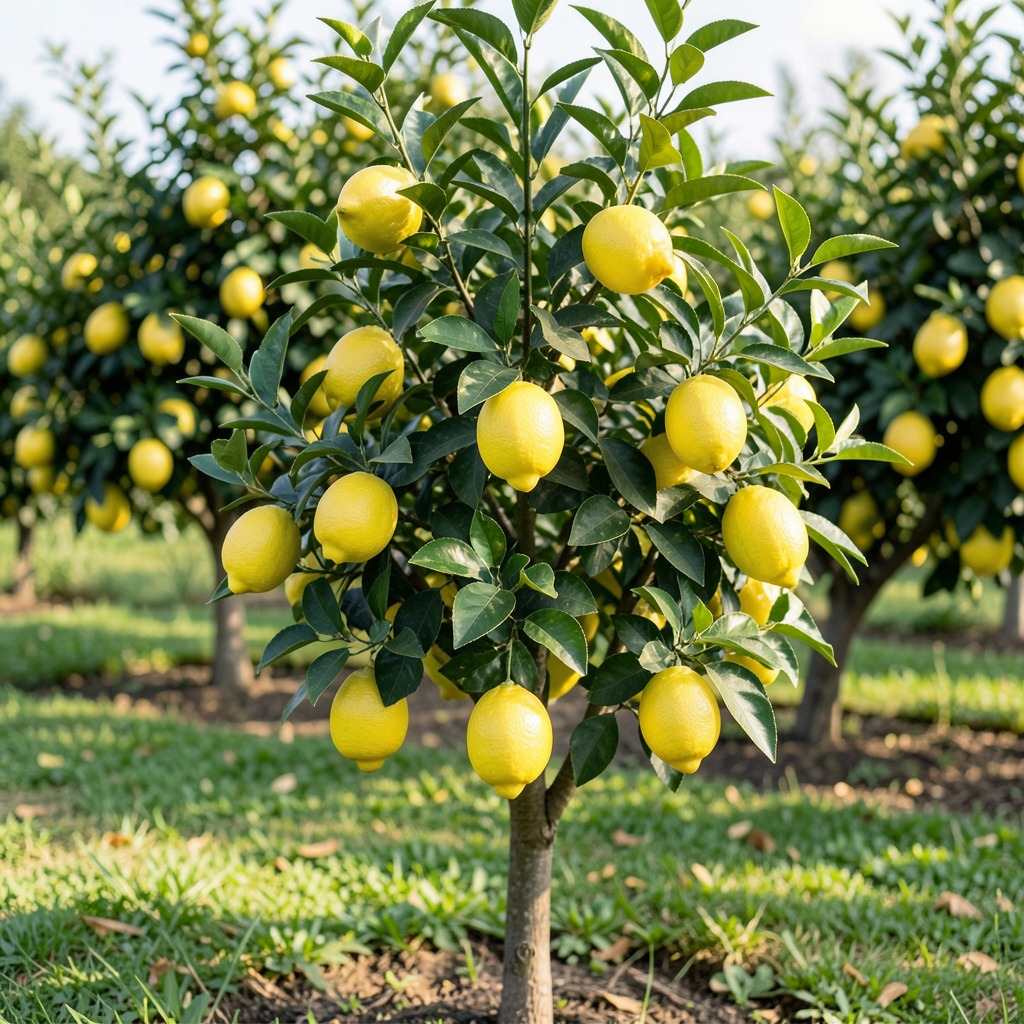
Growing a lemon tree offers several advantages that can enhance your garden and lifestyle. From fresh fruit accessibility to aesthetic appeal, here are the key benefits.
Fresh Fruit Accessibility
One of the most compelling reasons to grow a lemon tree is the availability of fresh lemons. Homegrown lemons provide:
- Flavorful Ingredients: Fresh lemons enhance culinary creations, from dressings to desserts.
- Quality Control: You can ensure your lemons are grown without harmful pesticides.
- Cost Savings: Reducing reliance on store-bought lemons can save money over time.
Imagine picking a lemon directly from your garden for your morning lemonade or evening dish. The freshness is unmatched.
Aesthetic and Aromatic Value
Lemon trees not only bear fruit but also contribute to the beauty of your surroundings. Their benefits include:
- Visual Appeal: Lemon trees feature glossy leaves and vibrant yellow fruits, adding color to any landscape.
- Fragrant Blooms: The white flowers emit a pleasant scent, enhancing the ambiance in your garden or home.
- Year-Round Interest: With the right care, lemon trees can bloom and bear fruit throughout the year.
Cultivating a lemon tree transforms your space into a lush, fragrant oasis.
Health Benefits of Lemons
Lemons are not just tasty; they also offer numerous health benefits. Some advantages include:
- Rich in Vitamin C: Lemons boost the immune system and promote skin health.
- Antioxidant Properties: They contain flavonoids that help reduce inflammation and support heart health.
- Digestive Aid: Consuming lemon water can enhance digestion and hydration.
Recent studies suggest that regular lemon consumption may help lower blood pressure and cholesterol levels, providing a compelling reason to incorporate them into your diet.
Growing a lemon tree not only enriches your culinary experiences but also supports your health in various ways.
Cons of Growing a Lemon Tree
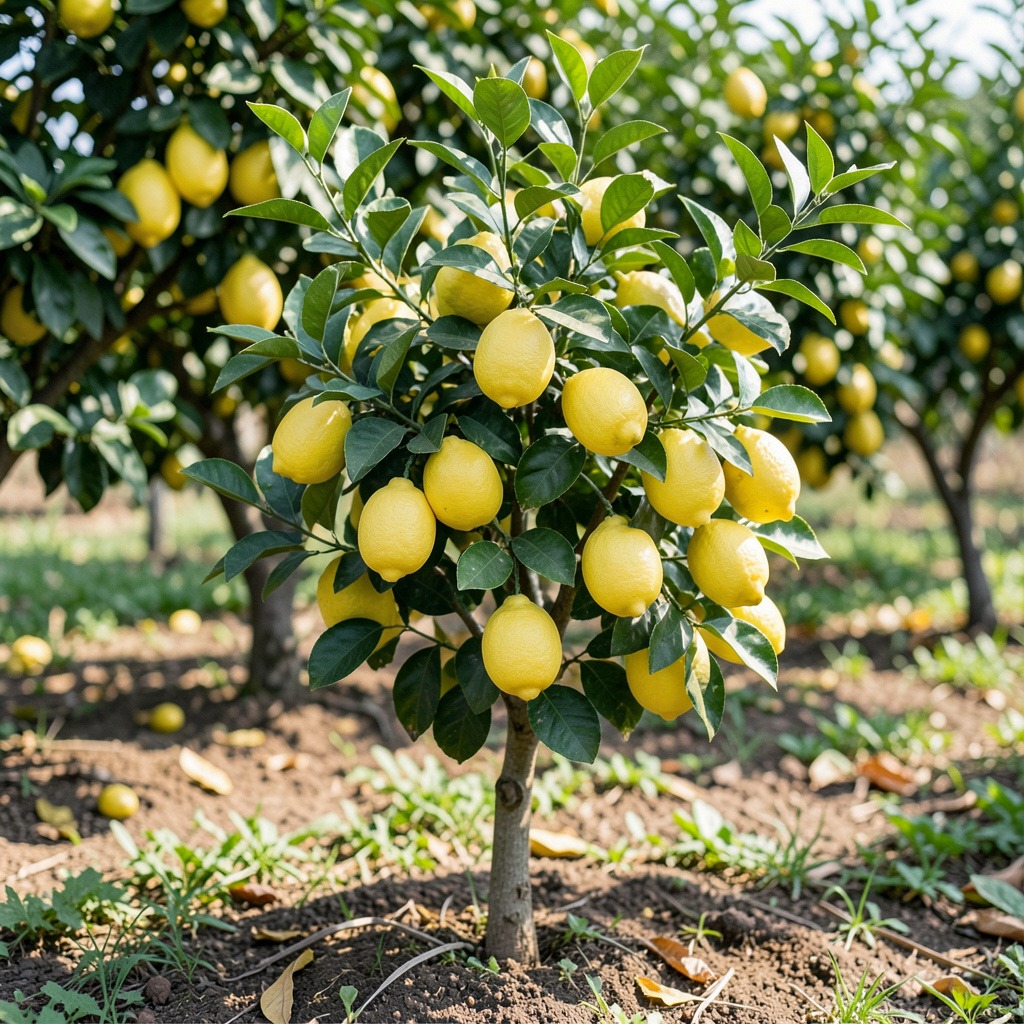
Growing a lemon tree brings challenges that potential gardeners must consider. These challenges include space requirements, pest management, and climate considerations.
Space and Climate Needs
Lemon trees require ample space to thrive. They typically need:
- Full Sunlight: At least 6 to 8 hours of direct sunlight daily to produce fruit effectively.
- Room to Grow: Standard lemon trees can reach heights of 10 to 20 feet, while dwarf varieties may grow up to 3 feet. Limited space can hinder their growth and fruit production.
Before planting, assess your environment. A checklist to evaluate suitability includes:
- Do you have a sunny location?
- Is your soil well-draining and slightly acidic?
- Can you provide protection from frost in colder months?
Common Pests and Diseases
Lemon trees are susceptible to various pests and diseases, which can diminish their health and productivity. Common threats include:
- Aphids: These small insects suck the sap from leaves, leading to yellowing and stunted growth.
- Scale Insects: They attach to stems and leaves, causing wilting and weakening the tree.
- Root Rot: Caused by overwatering or heavy clay soil, root rot is a primary concern that can kill the tree.
Regular monitoring and integrated pest management strategies are crucial. For instance, introducing beneficial insects like ladybugs can help control aphid populations.
Maintenance Requirements
Maintaining a lemon tree requires ongoing effort. Key maintenance tasks include:
- Watering: Lemon trees prefer deep watering but should not sit in water. Check soil moisture regularly.
- Fertilization: Use a balanced citrus fertilizer every 6-8 weeks during the growing season to ensure proper nutrient levels.
- Pruning: Regular pruning helps improve air circulation and sunlight penetration, reducing the likelihood of disease.
Gardening enthusiasts must be prepared for the commitment involved in caring for their lemon trees. Understanding these challenges is essential for successful growth.
Health and Culinary Uses of Lemons
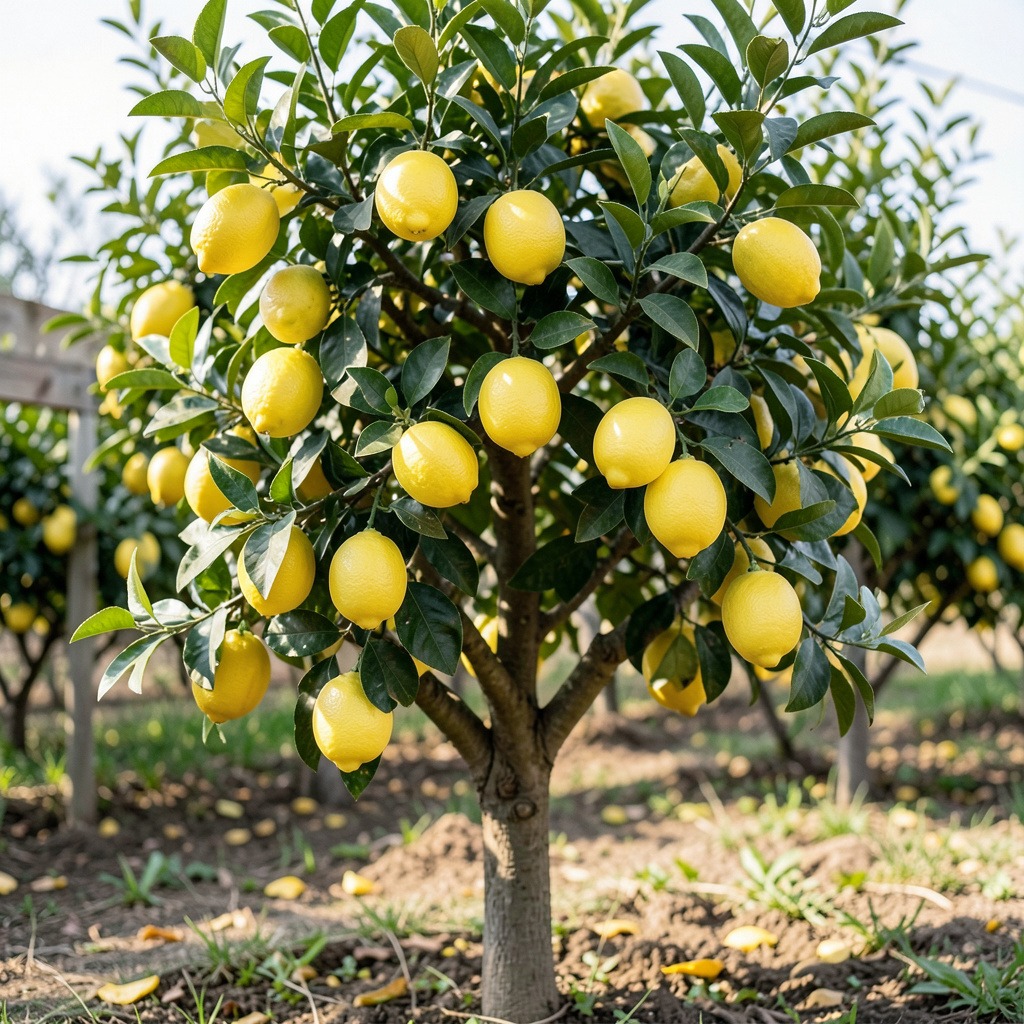
Lemons offer significant health benefits and culinary versatility, making them a valuable addition to any kitchen. Understanding their nutritional profile and applications can enhance your experience of growing lemon trees.
Nutritional Profile
Lemons are low in calories and high in nutrients. They contain:
- Vitamin C: Approximately 53 mg per lemon, supporting immune function and skin health.
- Flavonoids: Antioxidants that combat free radicals.
- Dietary Fiber: Aids in digestion and promotes gut health.
- Potassium: Essential for heart health and blood pressure regulation.
These components contribute to lemons’ reputation as a health booster. However, moderation is crucial. Excessive consumption can lead to dental erosion due to their acidity.
Culinary Applications
Lemons are incredibly versatile in cooking. Their juice and zest can elevate various dishes, including:
- Dressings and Marinades: Adding brightness to salads and meats.
- Beverages: Enhancing drinks like lemonade and cocktails.
- Baking: Infusing cakes, cookies, and pastries with a zesty flavor.
Original Recipe: Lemon Herb Chicken
- Ingredients:
- 2 lemons (juice and zest)
- 4 chicken breasts
- 2 tablespoons olive oil
- 2 teaspoons dried oregano
- Salt and pepper to taste
- Instructions:
1. Marinate chicken in lemon juice, zest, olive oil, oregano, salt, and pepper for at least 30 minutes.
2. Grill or bake until cooked through.
3. Serve with a side of lemon-dressed greens.
This recipe highlights how lemons can enhance flavor while contributing to a healthy diet.
Natural Remedies
Lemons are often used in natural remedies due to their antibacterial properties. Common uses include:
- Sore Throat Relief: Mixing lemon juice with warm water and honey.
- Digestive Aid: Drinking lemon water to promote digestion.
- Skin Care: Using lemon juice for its astringent qualities.
While these remedies can be beneficial, they should complement, not replace, professional medical advice. Always consult a healthcare provider for persistent issues.
Incorporating lemons into your lifestyle can maximize the advantages of having a lemon tree, from health benefits to culinary creativity.
Growing Tips for Lemon Trees
Growing lemon trees successfully requires attention to several key factors, including planting techniques, watering, fertilizing, and pruning. Proper care will ensure a healthy tree and a fruitful harvest.
Planting Techniques
When planting a lemon tree, consider the following steps:
1. Choose the Right Location: Select a spot with full sun exposure. Lemon trees need 6 to 8 hours of direct sunlight daily for optimal growth.
2. Soil Preparation: Use well-draining, loamy soil with a slightly acidic pH (5.5 to 6.5). If your soil is heavy clay, amend it with organic matter or perlite to enhance drainage.
3. Planting Depth: Dig a hole twice as wide as the root ball but no deeper than the root ball’s height. This encourages healthy root development.
4. Spacing: If planting multiple trees, space them about 10 to 15 feet apart to allow for growth and airflow.
Watering and Fertilizing
Proper watering and fertilizing are crucial for lemon trees:
- Watering: Lemon trees prefer deep, infrequent watering. Allow the top 2 inches of soil to dry out between waterings. During summer, water once or twice a week; in winter, reduce to every 10–14 days.
- Fertilizing: Feed your lemon tree with a balanced citrus fertilizer every 6–8 weeks during the growing season. Look for formulas rich in nitrogen and micronutrients like iron and zinc to prevent deficiencies.
Pruning and Harvesting
Regular pruning and harvesting help maintain the health and productivity of your lemon tree:
- Pruning: Lightly prune after the main fruiting season. Remove dead or crossing branches to improve sunlight penetration and air circulation.
- Harvesting: Lemons typically ripen from late summer to early winter. Harvest lemons when they are fully yellow and slightly firm to the touch.
Checklist for Indoor vs. Outdoor Lemon Trees
| Aspect | Indoor Lemon Trees | Outdoor Lemon Trees |
|---|---|---|
| Sunlight | Requires a south-facing window | Needs full sunlight for 6-8 hours |
| Potting | Use a high-quality citrus potting mix | Plant directly in well-draining soil |
| Watering | Allow top 2 inches to dry out | Deep watering, adjust for rainfall |
| Temperature | Prefers 65°F to 75°F | Thrives in warmer climates, protect from frost |
| Fertilization | Use slow-release fertilizers every 2-3 months | Same as indoor, with more frequent feeding |
By following these practical tips, you can optimize the growth of your lemon tree, whether indoors or outdoors, and enjoy the numerous benefits they offer.
Environmental Impact of Lemon Production
Lemon farming has both beneficial and detrimental effects on the environment. Understanding these impacts can help you make informed decisions about growing lemon trees and consuming their products.
Sustainable Practices
Sustainable farming practices can mitigate the environmental footprint of lemon production. These include:
- Organic Farming: Reduces pesticide use, promoting healthier ecosystems.
- Water Conservation Techniques: Implementing drip irrigation minimizes water waste.
- Soil Health Management: Practices such as cover cropping enhance soil fertility and biodiversity.
Adopting these methods not only supports the environment but also improves the quality of the lemons produced.
Challenges in Lemon Farming
Despite the benefits of sustainable practices, lemon farming faces significant challenges:
- High Water Usage: Lemon trees require substantial water, especially in arid regions.
- Pesticide Dependency: Conventional farming often relies on chemical pesticides, which can harm local wildlife and ecosystems.
- Land Conversion: Expanding lemon orchards can lead to habitat destruction, impacting biodiversity.
These challenges raise concerns about the sustainability of lemon production in the long term.
Consumer Choices for Sustainability
As a consumer, you can influence lemon farming practices by making informed choices:
- Support Local Growers: Purchasing lemons from local farmers reduces transportation emissions and supports sustainable practices.
- Choose Organic: Opt for organic lemons to minimize exposure to harmful pesticides.
- Educate Yourself: Learn about the environmental practices of brands and growers.
By selecting sustainable options, you contribute to a healthier environment and promote responsible farming practices.
Conclusion: Is Growing a Lemon Tree Worth It?
Growing a lemon tree can be a fulfilling endeavor, offering numerous benefits and some challenges. This section summarizes the key takeaways to help you decide whether to cultivate this popular citrus.
Pros of Growing a Lemon Tree
- Fresh Lemons: Enjoy a constant supply of fresh lemons for culinary uses, from cooking to beverages.
- Health Benefits: Lemons are rich in vitamin C, antioxidants, and can support overall health.
- Aesthetic Appeal: Lemon trees provide beautiful flowers and vibrant fruit, enhancing your garden’s beauty.
- Sustainability: Growing your own lemons reduces reliance on store-bought produce and supports eco-friendly practices.
Cons of Growing a Lemon Tree
- Space Requirements: Lemon trees need adequate space and sunlight for optimal growth. Dwarf varieties can be suitable for smaller areas, but they may yield less fruit.
- Maintenance: Regular care is essential, including watering, fertilizing, and monitoring for pests.
- Climate Limitations: Lemon trees thrive in specific climates. If you live in a colder region, you may face challenges or need to grow them indoors.
- Common Problems: Pests and diseases can affect lemon trees, requiring vigilance and management.
Personal Assessment Checklist
Before deciding to grow a lemon tree, consider these questions:
- Do you have adequate space and sunlight for a lemon tree?
- Are you willing to invest time in maintenance and care?
- Do you have the right climate for lemon cultivation?
- What variety aligns with your culinary and aesthetic preferences?
By answering these questions, you can evaluate whether growing a lemon tree fits your lifestyle and gardening goals.
Frequently Asked Questions
These quick answers cover the most common questions about this topic, including key details, practical tips, and common concerns.
What are common problems with lemon trees?
Common problems with lemon trees include pest infestations and diseases. Pests like aphids and scale insects can sap the tree’s strength, causing yellowing leaves and stunted growth. Diseases such as root rot occur from overwatering or poorly draining soil. Regular monitoring and integrated pest management strategies are essential to keep your lemon tree healthy.
How many years does a lemon tree last?
A lemon tree can live for several decades, often up to 50 years or more with proper care. Dwarf varieties may have a shorter lifespan, typically around 20 to 30 years. Factors like climate, care practices, and disease management play significant roles in determining a lemon tree’s longevity.
What are the disadvantages of lemons?
While lemons are nutritious, they can have drawbacks. Their high acidity may cause dental erosion or worsen acid reflux in some individuals. Additionally, excessive consumption can lead to digestive discomfort. It’s best to enjoy lemons in moderation and consult with a healthcare professional if you have concerns.
Are lemon trees worth it?
Yes, lemon trees can be worth the effort for many gardeners. They provide fresh fruit, enhance culinary experiences, and add beauty to your space. However, consider your climate, available space, and willingness to maintain the tree. If you enjoy gardening and cooking, the benefits often outweigh the challenges.
Can lemon trees grow indoors?
Yes, lemon trees can grow indoors, especially dwarf varieties like the Improved Meyer lemon. They require a sunny spot, ideally near a south-facing window, and should be planted in a well-draining potting mix. Regular care, including watering and fertilization, is crucial for indoor lemon tree success.
What soil is best for lemon trees?
Lemon trees thrive in well-draining, loamy soil with a slightly acidic pH between 5.5 and 6.5. If your soil is heavy clay, amend it with organic matter or perlite to improve drainage. Proper soil conditions help prevent root rot and support healthy growth.
How often should I water my lemon tree?
Water your lemon tree deeply but infrequently. Allow the top 2 inches of soil to dry out between waterings. In the summer, this may mean watering once or twice a week, while in winter, you can reduce it to every 10–14 days. Overwatering can lead to root rot, so monitor soil moisture regularly.