
Hydrangea trees offer stunning visual appeal and adaptability in gardens, but they require careful maintenance and regular pruning to maintain their shape.
Table of Contents
Hydrangea trees are a popular choice for gardeners seeking vibrant blooms and unique aesthetics. However, understanding the pros and cons is essential for successful cultivation. This guide provides a detailed exploration of what to expect when growing hydrangea trees.
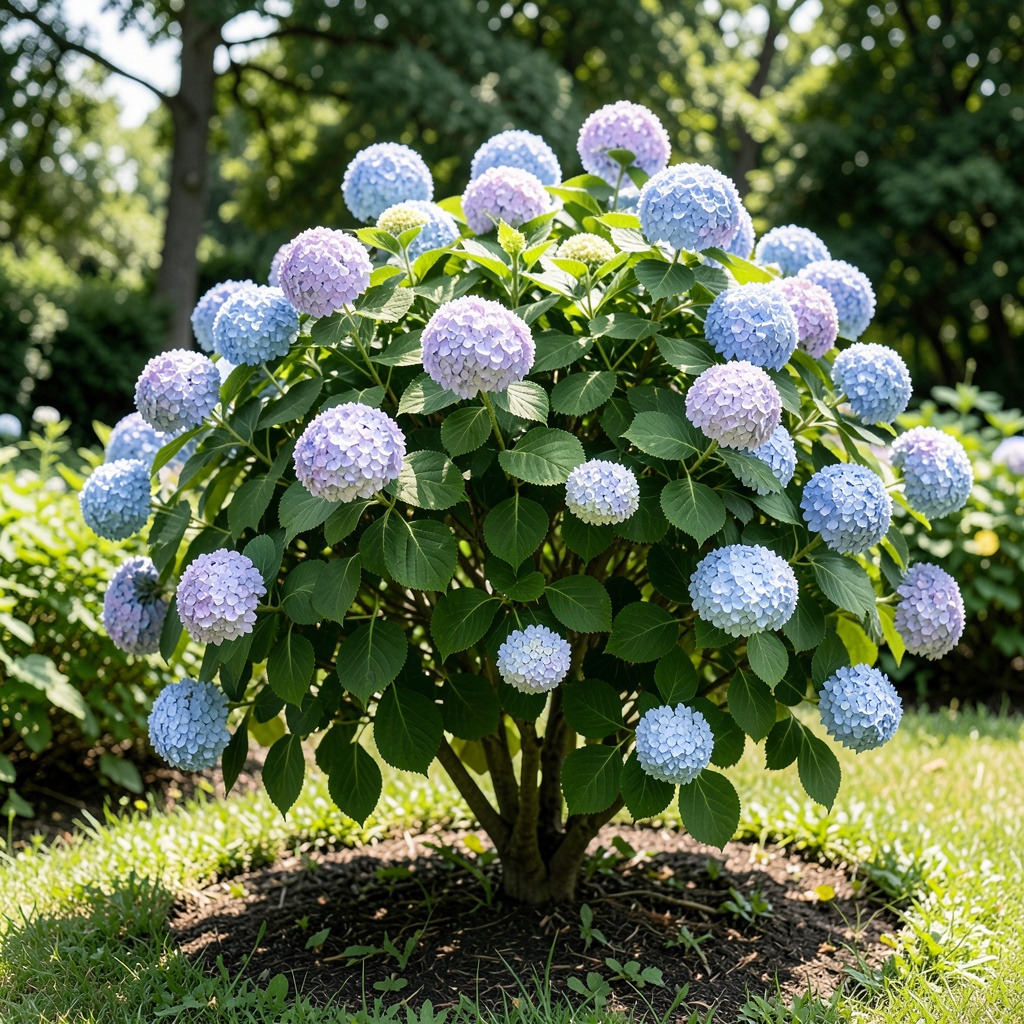
Understanding Hydrangea Trees
Hydrangea trees are distinctive plants derived from hydrangea shrubs, cultivated to exhibit a tree-like structure. They provide beautiful blooms and can enhance garden aesthetics significantly.
Defining Hydrangea Trees
Hydrangea trees, often referred to as “tree hydrangeas,” are essentially hydrangea shrubs trained to grow in a vertical, tree-like form. This transformation is achieved through strategic pruning and maintenance. The most common variety is Hydrangea paniculata, known for its large, conical flower clusters that bloom in summer and fall.
Common Varieties of Hydrangea Trees
Several hydrangea tree varieties can suit different garden styles. Here are a few popular options:
- Hydrangea paniculata: This variety features large, white to pink blooms and is known for being hardy and adaptable to various climates.
- Hydrangea arborescens: Known as smooth hydrangea, it has round flower clusters and thrives in partial shade. It is often used in cottage gardens.
- Hydrangea quercifolia: Also called oakleaf hydrangea, it has unique foliage resembling oak leaves and produces white to pink flowers. Its fall color is particularly striking.
Growth Habits and Care
Hydrangea trees typically maintain a compact, upright growth habit, making them suitable for smaller gardens. They can reach heights of 6 to 10 feet, depending on the variety and care provided.
Care Tips
- Planting Location: Choose a spot that offers partial to full sun. Ensure the soil is well-draining and rich in organic matter.
- Watering: Hydrangea trees need consistent moisture, especially in hot weather. Water them deeply but less frequently to encourage deeper root growth.
- Pruning: Regular pruning is essential to maintain the tree shape and promote healthy blooms. Aim to prune in late winter or early spring before new growth begins.
Using a Hydrangea Tree Care Kit can simplify maintenance tasks. Check Price on Amazon for tools that assist in proper care.
By understanding the characteristics and care requirements of hydrangea trees, gardeners can make informed choices that enhance their landscapes.
5 Key Benefits of Hydrangea Trees

Hydrangea trees offer unique advantages for gardeners, enhancing both the aesthetic and practical aspects of landscape design. Their compact growth habit and stunning blooms make them a desirable choice for various garden settings.
Aesthetic Appeal and Unique Structure
Hydrangea trees boast an impressive visual impact. Their large, vibrant blooms create focal points in any garden. The tree form adds vertical interest, contrasting beautifully with lower plants.
- Color Variety: Hydrangea blooms come in various colors—blue, pink, white, and purple—depending on soil pH. This allows for creative color schemes in garden design.
- Seasonal Interest: They provide year-round appeal. In spring and summer, they are lush with flowers, while autumn foliage offers rich hues.
Versatility in Garden Design
Hydrangea trees adapt well to various gardening styles. Their compact nature makes them ideal for small spaces.
- Layered Planting: Their upright structure allows for layering with shade-loving plants below. Use ferns or ground covers for depth and texture.
- Garden Integration: They can serve as standalone specimens or part of a mixed border. Their adaptability complements both formal and informal settings.
Attracting Pollinators and Wildlife
These trees also play a crucial role in supporting local ecosystems. Their flowers attract a variety of pollinators, including bees and butterflies.
- Biodiversity Enhancement: Planting hydrangea trees can enhance biodiversity in your garden, promoting a healthy environment.
- Wildlife Habitats: Their dense foliage provides shelter for birds and beneficial insects, contributing to a balanced garden ecosystem.
By considering these benefits, gardeners can effectively utilize hydrangea trees to elevate their landscape aesthetics and ecological health. For optimal results, ensure proper care and maintenance, utilizing tools like a Hydrangea Tree Care Kit to simplify the process.
6 Drawbacks of Hydrangea Trees

While hydrangea trees offer stunning beauty and ecological benefits, they come with several challenges that potential gardeners should consider. Understanding these drawbacks can help you make informed decisions about incorporating them into your landscape.
Maintenance and Pruning Challenges
Hydrangea trees require regular maintenance to thrive. Pruning is essential for maintaining their shape and promoting healthy blooms. However, improper pruning can lead to reduced flower production or damage to the plant. Here are some key points to consider:
- Timing is Crucial: Most hydrangea varieties should be pruned in late fall to early spring, while they are dormant. This timing helps ensure that future blooms are not sacrificed.
- Variety-Specific Needs: Different hydrangea varieties have unique pruning requirements. Some bloom on old wood, while others bloom on new growth. Understanding your specific variety is vital.
- Effort and Skill: Effective pruning requires knowledge and skill. Many gardeners may struggle with the nuances of proper techniques, leading to frustration and potential mistakes.
Seasonal Limitations and Care
Hydrangea trees have specific seasonal care needs that can complicate their maintenance. They thrive best in conditions that balance sun and shade but can be sensitive to extreme weather conditions. Consider these factors:
- Water Requirements: Hydrangea trees need consistently moist soil. During hot seasons, they require more water, which can be a challenge for gardeners in arid climates.
- Sun Exposure: While they need some sunlight, excessive exposure can dry out the soil, leading to stress on the plant. Finding the right balance is essential.
- Temperature Sensitivity: In colder regions, hydrangea trees may struggle during winter months. Protecting them from frost and extreme temperatures is necessary for their survival.
Pest and Disease Vulnerabilities
Like any plant, hydrangea trees are susceptible to pests and diseases. These can pose significant challenges for gardeners. Here’s a checklist for effective pest management:
- Common Pests: Watch for aphids, spider mites, and scale insects. Regularly inspect your plants for signs of infestation.
- Disease Awareness: Be vigilant about symptoms of powdery mildew and root rot. These can severely impact plant health if not addressed promptly.
- Preventive Measures:
- Maintain good air circulation around the plants.
- Water at the base to avoid wetting the foliage.
- Consider organic insecticides or integrated pest management (IPM) strategies.
By being aware of these challenges and implementing proactive care strategies, you can enjoy the beauty of hydrangea trees while minimizing potential issues. Using tools like a Hydrangea Tree Care Kit can simplify your maintenance tasks and enhance your gardening experience.
How to Plant a Hydrangea Tree Effectively

Planting a hydrangea tree requires careful attention to detail. Proper timing, location, and soil conditions are essential for thriving growth.
Best Time to Plant
- Early Spring or Late Fall: These seasons provide mild temperatures that help the tree acclimate without the stress of extreme heat.
- Morning Planting: Aim to plant in the morning when temperatures are cooler. This allows the tree to take its first sips of water without drying out.
Ideal Location and Soil Conditions
- Sun and Shade: Hydrangea trees prefer partial shade. Too much sun can dry out the soil, while too little can hinder growth. If you live in northern climates, these trees can tolerate more sun.
- Soil Requirements:
- Well-Draining Soil: Ensure that the soil drains easily while retaining moisture.
- Moisture Retention: The soil should remain damp but not soggy, as hydrangea trees absorb water quickly.
Step-by-Step Planting Guide
1. Prepare the Planting Hole:
- Dig a hole twice the width of the root ball. The depth should be equal to the height of the root ball.
2. Check Root Ball:
- Gently remove the planter pot and loosen any circling roots.
3. Position the Tree:
- Place the tree in the hole, ensuring the base is level with the surrounding soil.
4. Backfill the Hole:
- Use the original soil to fill in around the root ball. Optionally, mix in a transplanting fertilizer.
5. Water Thoroughly:
- After planting, water the tree well. Check that the water drains into the soil, promoting healthy root establishment.
Watering Needs
- Frequency: During hot weather, water twice daily to prevent drying out. In cooler conditions or shaded areas, two to three times a week may suffice.
- Soil Check: Always assess soil moisture; if it feels dry, it’s time to water.
Example Scenario
Imagine planting a hydrangea tree in a southern garden with full sun exposure. In this case, you might need to adjust your watering schedule to twice a day during peak heat. Conversely, in a cooler northern climate, you could manage with less frequent watering.
By following these steps, you can effectively plant a hydrangea tree that enhances your garden’s beauty and thrives in its new environment.
Essential Care Tips for Hydrangea Trees
Hydrangea trees require consistent care to thrive, including proper watering, fertilization, and effective pruning techniques. Understanding these needs will help gardeners maximize the beauty and health of their hydrangea trees.
Watering and Nutritional Needs
Hydrangea trees thrive in consistently moist soil. Here are key points to consider:
- Watering Frequency: During hot weather, check soil moisture daily. In cooler conditions, water two to three times a week.
- Soil Type: Ensure well-draining soil to prevent root rot. Use a mulch layer to help retain moisture.
- Fertilization: Use a balanced fertilizer in spring to promote growth. Consider a slow-release option for sustained nutrients.
Pruning Techniques for Healthy Growth
Pruning is essential for maintaining the tree form of hydrangeas. Follow these guidelines:
- Timing: Prune in late fall or early spring before new growth begins. This timing helps preserve blooms.
- Method: Remove dead or weak stems first. Shape the tree by cutting back stems to a healthy bud.
- Frequency: Regular pruning every year will maintain the desired shape and prevent a return to shrub-like growth.
Seasonal Care and Maintenance
Different seasons require specific care strategies:
- Winter Protection: Cover your hydrangea tree with burlap or a bedsheet during extreme cold. Add mulch to insulate roots.
- Summer Care: During heat waves, monitor soil moisture closely. Consider providing shade during the hottest parts of the day.
- Spring Preparation: As temperatures warm, remove winter coverings and assess for any winter damage.
By adhering to these care tips, gardeners can ensure their hydrangea trees flourish, showcasing their stunning blooms while minimizing common challenges.
Common Problems and Solutions for Hydrangea Trees
Hydrangea trees are beautiful additions to any garden but can face several challenges that affect their health and appearance. Understanding these issues and their management can help ensure robust growth and vibrant blooms.
Environmental Stress Factors
Hydrangea trees thrive in specific conditions. Any deviation can lead to stress. Here are common environmental issues:
- Watering Issues: Both overwatering and underwatering can cause problems. Aim for consistently moist, well-drained soil.
- Sun Exposure: While hydrangea trees can tolerate full sun, they prefer partial shade. Too much sun can lead to leaf scorch.
- Soil Quality: Ensure the soil is rich in organic matter and has a pH between 5.5 and 7.0. Poor soil can hinder growth.
Common Pests and Diseases
Hydrangea trees are relatively resistant to pests, but they can still face a few common threats:
1. Aphids: Tiny pests that suck sap from leaves, leading to yellowing and wilting.
- Management: Introduce beneficial insects like ladybugs or use insecticidal soap.
2. Spider Mites: These can thrive in dry conditions. They cause stippling on leaves.
- Management: Increase humidity around the plant. Use a strong spray of water to dislodge them.
3. Powdery Mildew: A fungal disease that appears as white powder on leaves, especially in humid conditions.
- Management: Improve air circulation and use fungicides if necessary.
Practical Management Checklist
To maintain healthy hydrangea trees, follow this checklist:
- Watering: Check soil moisture weekly. Water deeply when needed.
- Sunlight: Monitor light exposure. Provide shade if leaves begin to scorch.
- Soil Testing: Test soil pH annually and amend as required.
- Pest Monitoring: Inspect regularly for pests and signs of disease. Implement management strategies promptly.
By identifying these problems early and applying effective solutions, gardeners can enjoy the many benefits of hydrangea trees without significant setbacks.
Comparing Hydrangea Trees to Other Garden Options
Hydrangea trees offer unique benefits and challenges compared to other flowering trees and shrubs. Understanding these differences can help gardeners make informed decisions about their landscape design.
Advantages of Hydrangea Trees
- Compact Size: Hydrangea trees typically have a more upright growth habit than many flowering trees. This allows for efficient space utilization in smaller gardens.
- Diverse Varieties: They come in multiple varieties, such as bigleaf and panicle hydrangeas, providing options for different garden aesthetics.
- Seasonal Interest: Hydrangea trees bloom profusely, showcasing large flower clusters in vibrant colors throughout the growing season, enhancing visual appeal.
Disadvantages of Hydrangea Trees
- High Water Needs: Hydrangea trees require consistent moisture. They thrive in well-drained soil but can suffer from drought if not adequately watered, especially in hotter climates.
- Higher Initial Cost: Compared to their shrub counterparts, hydrangea trees can be more expensive due to their longer growing period and the training required to develop their tree-like form.
- Care Requirements: They need regular pruning and maintenance to retain their shape and encourage healthy blooms, which may require more effort from gardeners.
Comparison Table: Hydrangea Trees vs. Other Flowering Options
| Feature | Hydrangea Trees | Other Flowering Trees/Shrubs |
|---|---|---|
| Growth Habit | Compact and upright | Varies (often wider and taller) |
| Water Requirements | High | Moderate to low |
| Variety Diversity | Broad (many types available) | Varies widely |
| Blooming Season | Long season with showy flowers | Varies; some bloom briefly |
| Cost | Generally higher | Generally lower |
| Maintenance Level | Moderate to high | Lower (depending on species) |
Decision Framework for Choosing Hydrangea Trees
When selecting a hydrangea tree, consider the following:
- Garden Size: Choose hydrangea trees for compact spaces. Other flowering trees may be more suitable for larger areas.
- Climate Considerations: Assess your local climate. Hydrangeas thrive in areas with moderate temperatures but need protection from harsh sunlight.
- Aesthetic Goals: Decide on the desired garden look. For vibrant blooms and varied heights, hydrangea trees can be ideal.
By evaluating these factors, gardeners can effectively integrate hydrangea trees into their landscape while balancing the pros and cons against other flowering options.
Are Hydrangea Trees Worth It? Assessing Value
Hydrangea trees offer distinct advantages and challenges for gardeners. Evaluating their value requires consideration of costs, maintenance efforts, and their visual impact in the landscape.
Assessing Costs and Investment
Hydrangea trees typically cost more than their shrub counterparts. This price difference results from several factors:
- Development Time: Hydrangea trees take longer to mature, requiring more resources during their growth phase.
- Training Efforts: Converting a hydrangea shrub into a tree involves careful shaping, which necessitates skilled labor and time.
Despite the upfront costs, many gardeners find value in their long-term beauty and unique structure.
Maintenance Requirements
Caring for hydrangea trees involves specific tasks that can be labor-intensive. Here are the primary maintenance tasks:
- Pruning: Regular pruning is essential to maintain their tree-like form. Neglecting this can lead to a return to a shrub-like shape.
- Watering: Hydrangea trees require consistent moisture without waterlogging. They thrive in well-drained soil and need more water in hotter months.
- Fertilization: A balanced fertilizer is beneficial during the growing season to support blooming.
You must assess your willingness to commit to these tasks to determine if hydrangea trees are a suitable choice for your garden.
Visual Impact and Aesthetic Value
One of the main reasons gardeners choose hydrangea trees is their visual appeal. They offer:
- Persistent Blooms: Hydrangea trees produce vibrant flowers throughout the growing season, enhancing the garden’s aesthetic.
- Layering Opportunities: Their upright growth allows for layering with other plants, increasing garden depth and diversity.
Gardening testimonials often highlight the transformative effect hydrangea trees can have on a landscape. For example, one gardener integrated a hydrangea tree into a small yard, successfully combining it with shade-loving ferns and ground covers, resulting in a vibrant, multi-dimensional garden space.
Decision Framework for Value Assessment
To determine if hydrangea trees are worth the investment, consider this checklist:
- Budget: Can you accommodate the initial costs?
- Time Commitment: Do you have the time for regular maintenance, including pruning and watering?
- Garden Goals: Will the aesthetic benefits align with your overall garden design vision?
By carefully weighing these factors, you can decide whether hydrangea trees are a valuable addition to your gardening plans.
Long-Term Care Considerations for Hydrangea Trees
Hydrangea trees can thrive for many years, but their longevity depends on proper care and environmental conditions. Understanding these factors is essential for gardeners looking to maintain healthy plants.
Lifespan of Hydrangea Trees
Hydrangea trees typically have a lifespan of 20 to 50 years, depending on the variety and care provided. Factors influencing their longevity include:
- Soil Quality: Well-draining, nutrient-rich soil promotes stronger root systems.
- Watering Practices: Consistent moisture is critical; both overwatering and underwatering can lead to stress.
- Pruning Techniques: Proper pruning helps maintain shape and encourages new growth.
Environmental Factors Affecting Growth
Hydrangea trees are known for their adaptability, but certain conditions can significantly impact their health:
- Climate: They prefer temperate climates with moderate humidity. Extreme heat or cold can stress the plants.
- Sunlight: While they can tolerate full sun, partial shade is ideal to prevent soil from drying out quickly.
- Pest and Disease Management: Regular monitoring for pests like aphids and diseases such as powdery mildew is crucial.
Care Checklist for Longevity
To ensure your hydrangea trees flourish for many years, follow this care checklist:
- Watering: Water deeply and consistently, especially during hot months.
- Mulching: Apply mulch around the base to retain moisture and regulate soil temperature.
- Pruning: Prune in late fall to early spring, focusing on removing dead or weak branches.
- Fertilizing: Use a balanced fertilizer in early spring to support growth.
- Pest Control: Check regularly for signs of pests and treat promptly.
By adhering to these guidelines, gardeners can maximize the lifespan and beauty of their hydrangea trees, creating a vibrant landscape for years to come.
Best Locations for Planting Hydrangea Trees
Choosing the right location for hydrangea trees is crucial for their growth and health. These trees thrive in specific conditions that ensure they receive adequate sunlight and moisture.
Sunlight Requirements
Hydrangea trees require a careful balance of sunlight and shade. Ideally, they should receive:
- At least 4 hours of sunlight daily: Morning sun is preferable, as it helps dry the leaves and soil early, reducing the risk of fungal diseases.
- Partial shade during peak afternoon hours: This prevents the soil from drying out too quickly and protects the tree from intense heat.
In northern regions, hydrangeas can tolerate more sun, while in hotter climates, they benefit from additional shade.
Soil Types
The soil quality directly impacts the health of hydrangea trees. Consider the following:
- Well-draining soil: Hydrangeas thrive in soil that drains well yet retains moisture. Sandy loam is ideal.
- pH level: These trees can adapt to various soil pH levels, but they prefer slightly acidic to neutral soil (pH 5.5 to 7.0).
Spacing Considerations
Proper spacing is essential for healthy growth and airflow. Follow these guidelines:
- Distance from other plants: Space hydrangea trees at least 3 to 6 feet apart from other plants or structures. This allows for adequate air circulation and reduces competition for nutrients.
- Planting depth: When planting, ensure the root ball is level with the surrounding soil. This promotes healthy root establishment.
Location Checklist
Use this checklist to determine the best location for your hydrangea trees:
- [ ] Sunlight: Does the location receive 4+ hours of sunlight?
- [ ] Shade: Is there partial shade during hot afternoons?
- [ ] Soil drainage: Is the soil well-draining yet moisture-retentive?
- [ ] Soil pH: Is the soil within the preferred pH range?
- [ ] Spacing: Is there adequate space from other plants or structures?
By assessing these factors, gardeners can ensure their hydrangea trees flourish in a suitable environment.
Final Thoughts on Hydrangea Trees
Hydrangea trees can enhance any garden with their beauty and structure. However, potential gardeners should carefully consider both their benefits and challenges before making a commitment.
Key Benefits of Hydrangea Trees
- Space Efficiency: Hydrangea trees have an upright growth habit, allowing for layered garden designs.
- Aesthetic Appeal: Their large, colorful blooms add visual interest throughout the growing season.
- Versatile Planting: They provide opportunities to plant shade-loving companions beneath them.
Challenges to Consider
- Cost: Hydrangea trees often carry a higher price tag due to their cultivation and training requirements.
- Maintenance Commitment: Regular pruning is essential to maintain their tree shape, which can be labor-intensive.
- Water Requirements: These trees thrive in consistently moist soil, requiring careful attention to watering practices.
Decision Framework for Potential Growers
Before planting, consider these questions:
- Do you have adequate space for their growth?
- Will your garden conditions support their moisture and sunlight needs?
- Are you prepared for the ongoing maintenance and care required?
By evaluating these factors, you can determine if hydrangea trees are the right choice for your garden setting.
Frequently Asked Questions
These quick answers cover the most common questions about this topic, including key details, practical tips, and common concerns.
What problems do hydrangea trees have?
Hydrangea trees can face several issues, including environmental stress, pests, and diseases. Common environmental problems include inadequate watering, which can lead to wilting or root rot, and excessive sun exposure, causing leaf scorch. Pests like aphids and spider mites can infest the trees, while diseases such as powdery mildew can develop in humid conditions.
To mitigate these issues, ensure proper watering practices and monitor for pests regularly. Maintaining good air circulation and avoiding overhead watering can help prevent diseases.
Are hydrangea trees worth it?
Hydrangea trees can be a worthwhile investment for gardeners seeking vibrant blooms and unique aesthetics. Their compact growth makes them suitable for smaller spaces, and they provide stunning flowers that attract pollinators. However, they require regular maintenance, including pruning and consistent watering, which may not suit every gardener’s lifestyle.
If you appreciate their beauty and are willing to commit to their care, hydrangea trees can enhance your garden significantly.
How long will a hydrangea tree last?
Hydrangea trees typically have a lifespan of 20 to 50 years, depending on the variety and care provided. Factors such as soil quality, watering practices, and pest management play a significant role in their longevity. Regular maintenance, including proper pruning and fertilization, can help extend their life.
By creating a suitable environment and addressing any issues promptly, you can enjoy your hydrangea trees for many years.
Where is the best place to plant a hydrangea tree?
The best location for planting hydrangea trees is one that receives at least 4 hours of sunlight daily, preferably in the morning, with partial shade during the hottest parts of the day. They thrive in well-draining soil that retains moisture but does not become soggy.
Ensure there is enough space around the tree for air circulation and growth, ideally spacing them 3 to 6 feet apart from other plants or structures.
What are the pros and cons of growing hydrangeas for beginners?
For beginners, hydrangea trees offer several advantages, including their stunning blooms and adaptability to various garden styles. They can thrive in different soil types and provide seasonal interest throughout the year. However, they also come with challenges, such as high water requirements and the need for regular pruning.
New gardeners should be prepared to invest time in learning proper care techniques, particularly regarding watering and pruning, to ensure healthy growth.
What is the best location for a hydrangea tree?
The best location for a hydrangea tree is one that offers partial shade and well-draining soil. They prefer a spot that gets morning sun but is sheltered from the harsh afternoon heat. This balance helps maintain soil moisture and protects the tree from stress.
When selecting a site, consider the tree’s mature size and ensure there is sufficient space for growth and airflow.
Why choose hydrangeas?
Hydrangeas are popular for their vibrant, colorful blooms and unique structure. They provide year-round interest, with beautiful flowers in the summer and striking foliage in the fall. Additionally, they attract pollinators, enhancing biodiversity in your garden.
Their versatility allows them to fit into various garden designs, making them a favorite choice among gardeners looking to create visually appealing landscapes.