
The ironwood tree, known for its dense and durable wood, has various pros and cons, including its benefits for wildlife and landscaping, as well as challenges in maintenance and growth conditions.
Table of Contents
The ironwood tree is a notable species recognized for its durability and ecological benefits. However, understanding its pros and cons is essential for potential planters to make informed decisions about incorporating it into landscaping or conservation efforts.
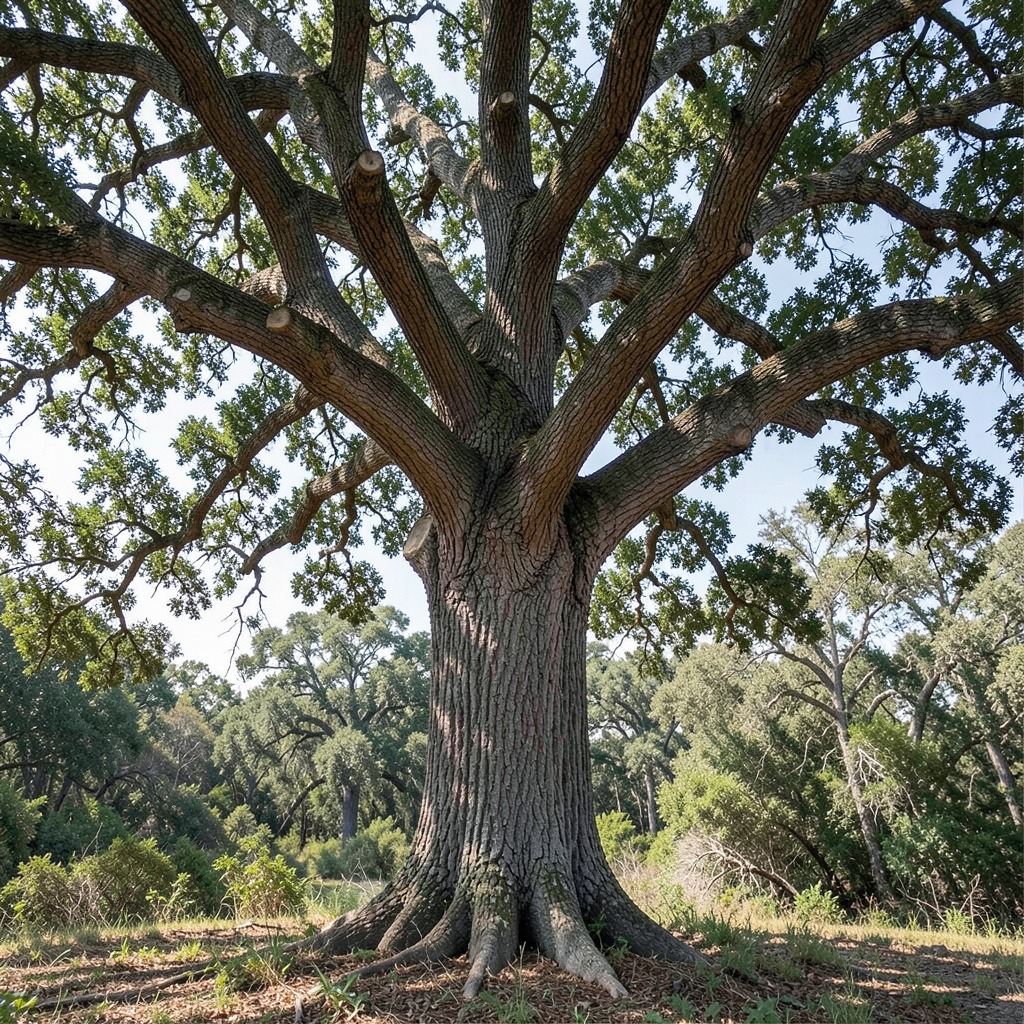
Understanding the Ironwood Tree: Characteristics and Growth
The ironwood tree, scientifically known as Ostrya virginiana, is valued for its robust characteristics and adaptability in various environments. Understanding its biological traits and growth requirements is crucial for effective gardening and landscaping.
Physical Characteristics of Ironwood
Ironwood trees exhibit several unique features that contribute to their appeal:
- Size: Typically, ironwood trees grow to a height of 30 to 50 feet, with a spread of 25 to 40 feet. This moderate size makes them suitable for urban and residential landscapes.
- Growth Rate: They are slow-growing trees, often taking 20 to 30 years to reach full maturity. This slow growth contributes to the density and hardness of their wood.
- Wood Density: Ironwood is known for having one of the hardest woods among North American trees, which makes it highly durable for various uses, including tool handles and fence posts.
- Leaf Structure: The leaves are lance-shaped with serrated margins, similar to birch trees. They provide excellent shade and support local wildlife, enhancing biodiversity in landscaped areas.
Growth Conditions for Optimal Health
To thrive, ironwood trees require specific growth conditions:
- Soil Type: Well-drained soil is essential. Ironwood can tolerate various soil types but performs best in loamy soils.
- Sunlight: They prefer partial sun to full sun exposure. A location with 4 to 6 hours of sunlight daily is ideal.
- Water Requirements: Established trees can survive with minimal watering, typically needing about 1 inch of water per week. They are also drought-tolerant, making them resilient in dry conditions.
| Growth Requirement | Optimal Condition |
|---|---|
| Soil Type | Well-drained, loamy soil |
| Sunlight | 4 to 6 hours of direct sunlight |
| Watering | 1 inch per week (drought-tolerant) |
Comparison with Other Tree Species
Ironwood trees stand out when compared to other common landscaping trees:
- Versatility: Unlike faster-growing trees, ironwood offers durability and longevity. While species like maple may grow taller faster, they often lack the robust wood density of ironwood.
- Wildlife Support: Ironwood provides habitat and food for various wildlife species. In contrast, some ornamental trees may offer limited ecological benefits.
| Feature | Ironwood Tree | Maple Tree | Oak Tree |
|---|---|---|---|
| Growth Rate | Slow | Moderate | Moderate to Fast |
| Wood Density | High | Medium | High |
| Wildlife Benefits | Excellent | Good | Excellent |
By understanding these characteristics and growth conditions, gardeners and landscapers can make informed decisions while considering the ironwood tree for their projects.
Pros of the Ironwood Tree: Wildlife and Ecological Benefits
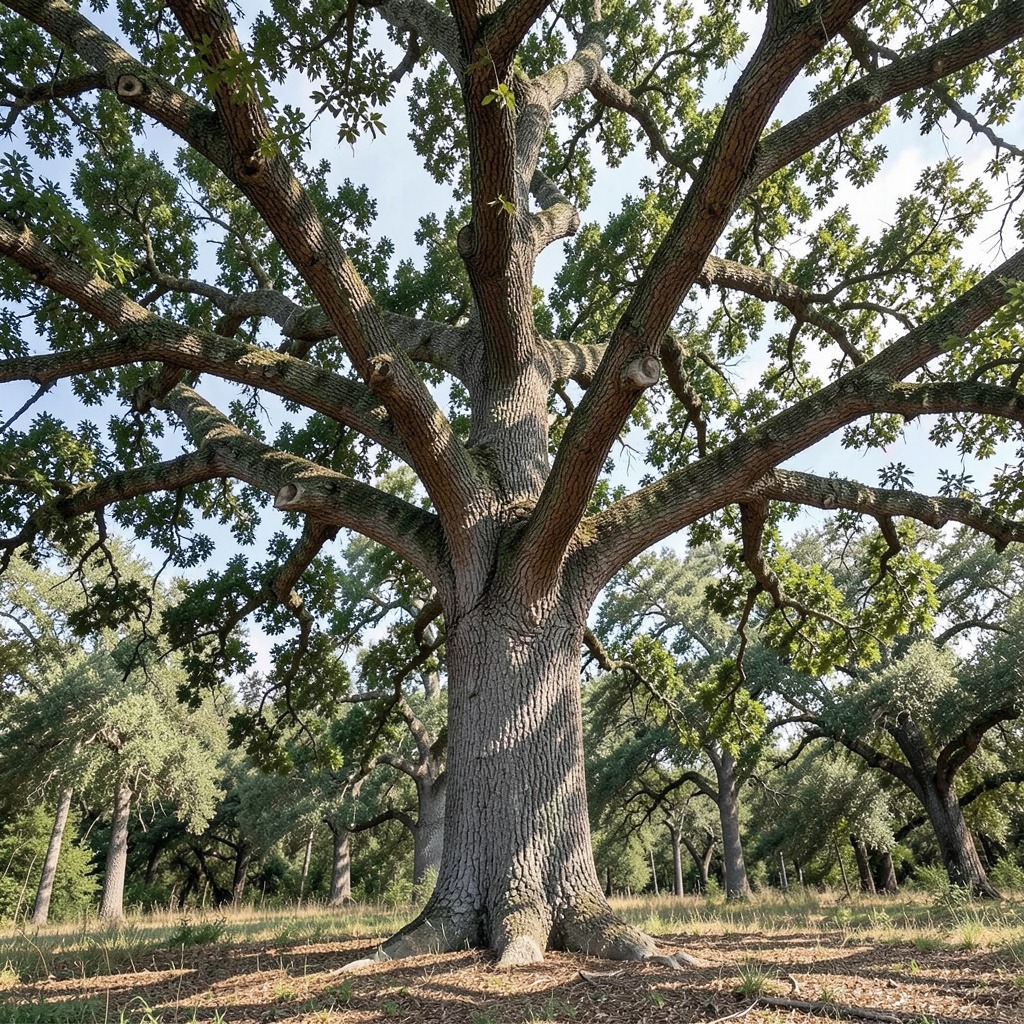
The ironwood tree, scientifically known as Ostrya virginiana, offers significant ecological advantages. Its robust structure and growth patterns provide essential support for wildlife and enhance landscaping aesthetics.
Benefits for Wildlife Habitats
Ironwood trees play a crucial role in supporting various wildlife species. Their dense foliage offers shelter, while the seeds serve as a food source for birds and small mammals. The tree’s ability to thrive in diverse conditions makes it a valuable addition to many ecosystems.
- Shelter: Ironwood trees create a protective habitat for many birds, particularly during nesting seasons.
- Food Source: The seeds attract various wildlife, including squirrels and birds, contributing to local food chains.
- Biodiversity Support: By providing habitat, ironwood trees encourage a diverse range of species, from insects to mammals.
Landscaping Advantages
In landscaping, ironwood trees are a versatile choice. Their attractive form and shade tolerance make them suitable for urban and residential environments.
- Shade Provider: Ideal for backyards and patios, ironwood trees offer significant shade, improving outdoor comfort.
- Aesthetic Appeal: The tree’s rounded canopy and unique bark enhance the visual diversity of landscapes.
- Urban Resilience: Ironwood is tolerant of pollution and compacted soil, making it an excellent option for city planting.
Contribution to Biodiversity
Ironwood trees contribute significantly to biodiversity. They enhance soil health and stabilize ecosystems through their root systems.
- Soil Enrichment: The leaf litter from ironwood trees decomposes, enriching the soil with nutrients.
- Ecosystem Stability: Their extensive root systems help prevent soil erosion, maintaining ecosystem integrity.
- Case Study Insight: In various regions, planting ironwood has led to increased populations of native birds and pollinators, demonstrating its positive ecological impact.
By understanding these benefits, gardeners and landscapers can make informed decisions when considering the ironwood tree for their projects.
Cons of the Ironwood Tree: Maintenance and Growth Challenges
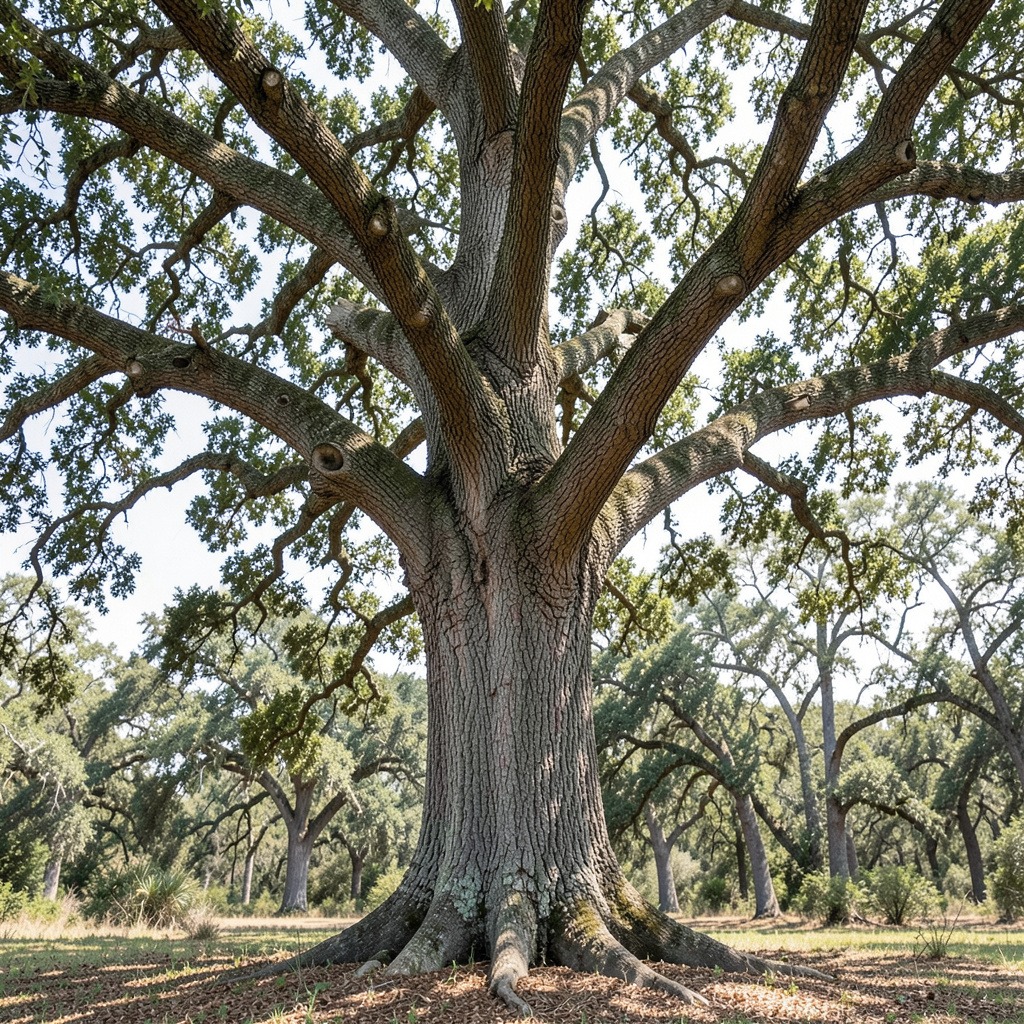
While ironwood trees offer numerous benefits, they also present specific challenges for maintenance and growth. Understanding these disadvantages is crucial for gardeners and landscapers considering this species.
Maintenance Requirements
Ironwood trees, particularly in their early years, need diligent care to thrive. Their slow growth rate can be a significant drawback for those seeking quick landscape results. Here are key maintenance considerations:
- Watering Needs: Young ironwood trees require consistent watering, especially during dry spells. They thrive best when the top layer of soil dries out between waterings.
- Pruning: Regular pruning is necessary to maintain shape and health, as ironwood trees can develop dense foliage that may harbor pests.
- Soil Conditions: While adaptable, they flourish in well-drained soils. Poor drainage can lead to root rot.
Challenges in Different Environments
Ironwood trees may struggle in certain conditions, impacting their growth and survival. Consider these environmental challenges:
- Urban Settings: Although they are hardy against pollution, ironwood trees may not perform well in extremely compacted soils, which can hinder root development.
- Drought Conditions: Established trees are drought-tolerant, but young trees may suffer if not adequately watered during prolonged dry periods.
- Light Requirements: Ironwood trees prefer partial sunlight. In overly shaded areas, their growth may be stunted.
Common Pests and Diseases
Despite their hardiness, ironwood trees are susceptible to certain pests and diseases, which can complicate maintenance:
- Canker Diseases: These can lead to branch dieback, especially if the tree is stressed from inadequate watering.
- Pests: Ironwood trees can attract aphids and borers, which may require monitoring and management.
Readiness Checklist for Potential Ironwood Tree Owners
Before planting ironwood trees, consider this checklist to assess your readiness for maintenance:
- [ ] Do you have access to well-drained soil?
- [ ] Can you commit to regular watering during the establishment phase?
- [ ] Are you prepared to prune and manage potential pests?
- [ ] Will the planting location receive adequate sunlight?
By evaluating these factors, you can better determine if the ironwood tree aligns with your gardening or landscaping goals.
The Role of Ironwood Trees in Landscaping
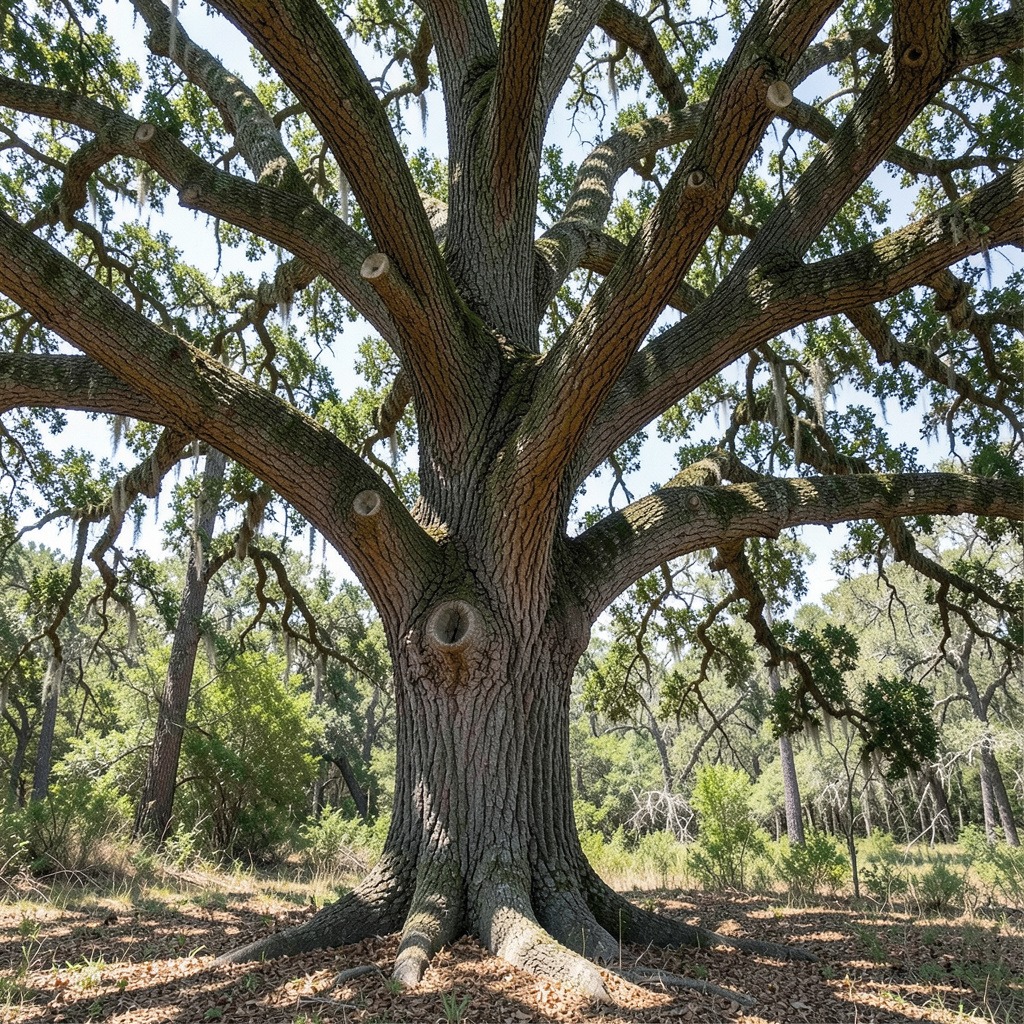
Ironwood trees offer both aesthetic and functional benefits in landscaping. Their unique characteristics make them a valuable addition to various garden designs and outdoor spaces.
Aesthetic Appeal
Ironwood trees, scientifically known as Ostrya virginiana, possess a distinctive look. Their rounded canopy and slender, rough trunk create visual interest in any landscape. The lance-shaped leaves, with their serrated edges, resemble those of birch trees but add to the diversity of foliage textures in a garden.
- Seasonal Interest: In fall, the leaves turn vibrant shades, enhancing the landscape’s color palette.
- Space Efficiency: With heights ranging from 20 to 35 feet, ironwoods fit well in small gardens or urban settings.
Functional Benefits in Landscaping
Ironwood trees are not just visually appealing; they also provide essential functional benefits.
- Shade Provider: They offer a cool, shaded area, ideal for leisure spaces like patios or playgrounds.
- Drought Resistance: Established ironwood trees thrive even in dry conditions, reducing the need for frequent watering.
- Wildlife Support: These trees provide habitat and food for various birds and insects, enriching local biodiversity.
Comparison with Alternative Trees
When selecting trees for landscaping, it’s crucial to compare options. Ironwood trees stand out against other species for several reasons:
| Feature | Ironwood Tree | Other Common Landscape Trees |
|---|---|---|
| Shade Tolerance | High | Variable (e.g., maples moderate) |
| Growth Rate | Slow | Moderate to fast (e.g., oaks) |
| Drought Resistance | Excellent | Low to moderate (e.g., willows) |
| Maintenance Needs | Low | Variable (e.g., regular pruning for some) |
Design Scenarios
Consider these scenarios for effective use of ironwood trees in landscape design:
1. Urban Gardens: Pair ironwoods with flowering shrubs to create a natural, inviting space.
2. Backyards: Position them as central shade trees around seating areas for comfort.
3. Wildlife Gardens: Integrate ironwoods with native plants to enhance ecological benefits and attract pollinators.
By understanding the pros and cons of ironwood trees, gardeners and landscapers can make informed decisions that align with their design goals and environmental considerations.
Environmental Impact of Ironwood Trees
Ironwood trees, scientifically known as Ostrya virginiana, play a crucial role in enhancing soil health and supporting local ecosystems. Understanding their environmental impact helps gardeners and landscapers make informed decisions about their use in landscaping.
Soil and Water Conservation
Ironwood trees contribute significantly to soil health. Their dense root systems stabilize the soil, reducing erosion. They also enhance water retention, making them suitable for areas prone to drought. Here are key benefits:
- Erosion Control: The roots anchor the soil, preventing runoff.
- Moisture Retention: They help maintain soil moisture levels, benefiting nearby plants.
- Soil Fertility: Decaying leaves from ironwood trees contribute organic matter, enriching the soil.
Impact on Local Biodiversity
Ironwood trees provide essential habitat for various wildlife species. Their structure and foliage create niches for birds, insects, and other animals. Some specific contributions include:
- Habitat Creation: Ironwoods offer shelter and nesting sites for birds and small mammals.
- Food Source: The tree supports various insects, which in turn attract birds and other predators.
- Pollinator Support: Ironwood flowers attract bees and other pollinators, promoting biodiversity.
Long-term Ecological Benefits
Planting ironwood trees yields long-term ecological advantages. They contribute to the overall health of the ecosystem by supporting flora and fauna. Consider these benefits:
- Carbon Sequestration: Like all trees, ironwoods absorb carbon dioxide, helping combat climate change.
- Microclimate Regulation: They provide shade and reduce temperatures, benefiting understory plants.
- Enhancement of Native Ecosystems: Integrating ironwoods into landscapes promotes the restoration of local habitats.
When considering the pros and cons of ironwood trees, their positive environmental impact stands out. They not only enhance soil and water conservation but also foster biodiversity and ecological balance.
When and How to Plant Ironwood Trees
Planting ironwood trees requires careful timing and method to ensure optimal growth. This section outlines the best practices for successfully establishing these trees in your landscape.
Best Planting Seasons
Ironwood trees thrive when planted during specific seasons. The ideal times for planting are:
- Spring: Late March to early May. The soil is warming, and trees can establish roots before summer heat.
- Fall: Late September to early November. Cooler temperatures allow for root development without the stress of summer drought.
Ideal Soil and Location Requirements
Ironwood trees prefer well-drained soil but can adapt to various conditions. Consider the following factors:
- Soil Type: Sandy, loamy, or compacted clay soils are suitable. Ensure good drainage to prevent root rot.
- Sunlight: Full sun to partial shade is optimal. While they grow well in shade, more sunlight enhances growth.
- Moisture: These trees are drought-tolerant but benefit from regular watering during establishment.
Steps for Successful Planting
Follow these steps for effective planting:
1. Select a Healthy Nursery Tree: Choose a container-grown ironwood to avoid transplant shock.
2. Prepare the Planting Site: Clear grass and weeds. Dig a hole twice the width and as deep as the root ball.
3. Plant Correctly: Place the tree in the hole, ensuring the root flare is level with the soil surface. Backfill with soil and water thoroughly.
4. Establish a Watering Schedule: Initially, water weekly, ensuring the topsoil dries between watering sessions. Adjust as the tree matures.
Planting Calendar Example
| Region | Best Planting Season |
|---|---|
| Northern Zones | Late March to May |
| Southern Zones | Late September to November |
By adhering to these guidelines, you can maximize the chances of successful growth for your ironwood trees.
Comparing Ironwood to Other Popular Tree Species
When selecting trees for landscaping, it’s essential to compare different species. Ironwood trees possess unique characteristics that can benefit various environments. Here, we contrast ironwood with oak and maple trees, highlighting their strengths and weaknesses.
Ironwood vs. Oak Trees
- Growth Characteristics:
- Ironwood: Grows 20-35 feet tall, prefers well-drained soil, and is highly shade-tolerant.
- Oak: Can reach heights of 50-80 feet, thrives in full sun, and adapts to various soil types.
- Maintenance:
- Ironwood: Low maintenance once established; drought-tolerant.
- Oak: Requires more water and space, especially during early growth.
- Ecological Impact:
- Ironwood: Provides habitat for wildlife and supports pollinators.
- Oak: Offers critical shelter and food for a diverse range of wildlife.
| Feature | Ironwood | Oak |
|---|---|---|
| Height | 20-35 feet | 50-80 feet |
| Soil Preference | Well-drained | Adaptable |
| Shade Tolerance | High | Moderate |
| Maintenance Needs | Low | Moderate |
| Wildlife Support | Good | Excellent |
Ironwood vs. Maple Trees
- Growth Characteristics:
- Ironwood: Smaller stature, ideal for limited spaces.
- Maple: Can grow up to 100 feet tall, known for its vibrant fall foliage.
- Maintenance:
- Ironwood: Minimal care; resilient to urban conditions.
- Maple: May require regular pruning and watering to maintain health.
- Ecological Impact:
- Ironwood: Supports specific wildlife, especially in shaded areas.
- Maple: Attracts a wide variety of birds and insects due to its sap and foliage.
| Feature | Ironwood | Maple |
|---|---|---|
| Height | 20-35 feet | Up to 100 feet |
| Space Requirements | Compact | Requires more space |
| Maintenance Needs | Low | Higher |
| Wildlife Support | Moderate | High |
Ironwood vs. Other Landscaping Options
Ironwood trees excel in urban landscapes due to their resilience. They are particularly effective in areas with limited space and poor soil conditions. In contrast, larger species like oaks and maples may not thrive in similar environments.
Decision Framework:
- Choose Ironwood if you have a small garden or urban setting where space and soil quality are concerns. Its shade tolerance and low maintenance make it a practical choice.
- Opt for Oak or Maple if you have ample space and seek trees with significant height and aesthetic appeal.
By understanding these comparisons, you can make informed decisions about incorporating ironwood trees into your landscaping.
Alternatives to Ironwood for Landscaping and Ecology
When considering alternatives to the ironwood tree, it’s essential to find species that offer similar ecological benefits and aesthetic appeal. The following sections outline various hardwood options that are low-maintenance and suitable for diverse growth conditions.
Other Hardwoods to Consider
| Tree Species | Pros | Cons |
|---|---|---|
| Black Locust | Fast-growing, nitrogen-fixing, attractive flowers. | Can be invasive in some areas. |
| Hickory | Strong wood, good for wildlife habitat. | Slow to establish and grow. |
| Serviceberry | Beautiful blooms, edible berries for wildlife. | Limited shade tolerance. |
| American Hornbeam | Dense foliage, excellent for small spaces. | Slow growth rate. |
Native Alternatives for Wildlife
Selecting native species can enhance biodiversity and support local wildlife. Here are a few options:
- Eastern Redbud: Offers early spring blossoms and attracts pollinators.
- American Plum: Provides fruits for birds and mammals while adding seasonal interest.
- Sugar Maple: Supports various wildlife and offers beautiful fall color.
Low-Maintenance Options
For gardeners seeking trees that require minimal care, consider these:
- Liberty Oak: Resilient and drought-tolerant once established with minimal upkeep.
- Northern Catalpa: Thrives in poor soils and provides large, heart-shaped leaves with minimal pest issues.
- Black Cherry: Fast-growing, with the added benefit of attracting birds and pollinators.
By evaluating these alternatives, you can choose trees that not only meet your landscaping goals but also contribute positively to the environment and wildlife.
Frequently Asked Questions
These quick answers cover the most common questions about this topic, including key details, practical tips, and common concerns.
What is the average lifespan of an ironwood tree?
Ironwood trees typically have a lifespan ranging from 50 to 150 years, depending on their growing conditions and care. In optimal environments, they can live longer, making them a sustainable choice for landscaping and ecological projects.
Do ironwood trees have deep roots?
Yes, ironwood trees develop a deep and extensive root system. This characteristic helps them anchor securely in the soil and enhances their drought resistance. However, the depth and spread of roots can vary based on soil type and moisture availability.
Is ironwood a good tree for landscaping?
Ironwood trees are an excellent choice for landscaping due to their durability, shade provision, and aesthetic appeal. They are particularly suited for urban environments as they tolerate pollution and compacted soils. Additionally, their dense foliage supports local wildlife, making them ecologically beneficial.
Where do ironwood trees grow best?
Ironwood trees thrive in well-drained, loamy soils and prefer partial to full sunlight. They can adapt to various soil types but perform best in areas with adequate moisture and good drainage. Regions with moderate climates are ideal for their growth.
What are common pests affecting ironwood trees?
Ironwood trees can be susceptible to pests such as aphids and borers. These pests may weaken the tree and lead to other health issues. Regular monitoring and appropriate pest management strategies, like introducing beneficial insects or using insecticidal soap, can help mitigate these problems.
How do I care for an ironwood tree?
Caring for an ironwood tree involves regular watering, especially during its early years. Pruning is also essential to maintain its shape and health. Ensure the soil remains well-drained, and monitor for any signs of pests or diseases to keep the tree thriving.
What is the environmental impact of planting ironwood trees?
Planting ironwood trees positively impacts the environment by improving soil health and supporting local ecosystems. Their roots help prevent soil erosion, while their foliage provides habitat and food for various wildlife species. Additionally, they contribute to carbon sequestration, aiding in climate change mitigation.
What are alternatives to ironwood for landscaping?
Alternatives to ironwood include black locust, hickory, and serviceberry. These trees offer similar ecological benefits and aesthetic qualities. For small spaces, consider native options like eastern redbud or sugar maple, which also attract wildlife and enhance biodiversity.