
The Japanese tree lilac (Syringa reticulata) offers beautiful, fragrant blooms, low maintenance, and adaptability to urban environments.
Table of Contents
The Japanese tree lilac is an ornamental tree admired for its stunning white flowers and pleasant fragrance. Understanding its pros and cons can help you decide if it’s the right choice for your garden or landscape design.

Understanding the Japanese Tree Lilac: Overview and Characteristics
The Japanese tree lilac, scientifically known as Syringa reticulata, is a distinctive ornamental tree known for its beauty and adaptability. This section explores its classification, physical characteristics, and ideal growing conditions.
Scientific Classification and Species Information
- Common Name: Japanese Tree Lilac
- Scientific Name: Syringa reticulata
- Family: Oleaceae
- Native Region: Japan and parts of Asia
The Japanese tree lilac belongs to the Oleaceae family. It is a robust species, admired for its elegant form and seasonal appeal.
Physical Characteristics and Growth Habits
The Japanese tree lilac typically reaches heights of 20 to 30 feet, with a spread of 15 to 25 feet. Its growth habit is upright and oval, making it suitable for various landscapes.
- Bark: Smooth, reddish-brown, adding winter interest.
- Leaves: Glossy green, providing year-round foliage.
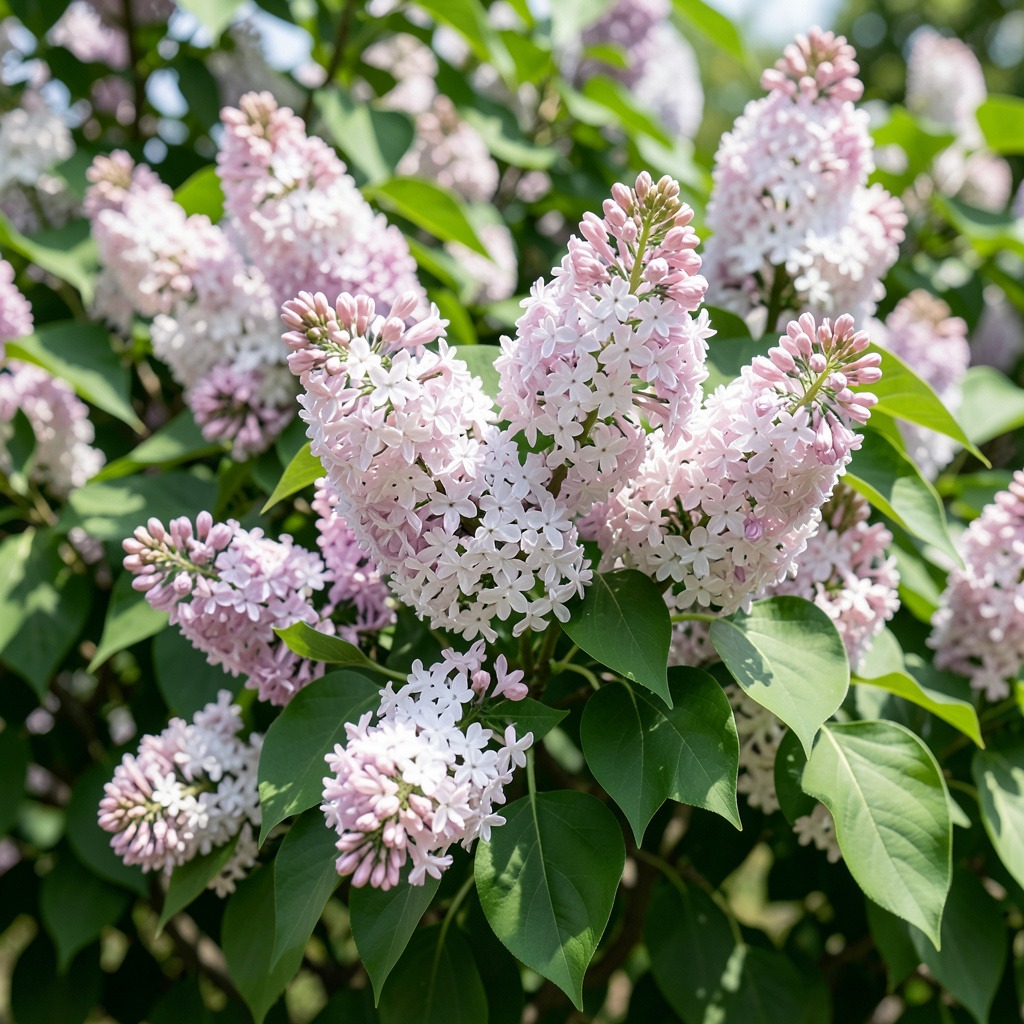
- Flowers: Fragrant, creamy white clusters appear in late spring to early summer.
- Seed Capsules: After flowering, small brown capsules develop but are not the tree’s main attraction.
Ideal Growing Conditions
The Japanese tree lilac thrives in well-drained soil and prefers full sun. It is adaptable to various soil types, including clay and loam. However, it flourishes best in slightly acidic to neutral pH levels.
Decision Framework for Planting
When considering the Japanese tree lilac for your garden, ask yourself the following:
- Space Availability: Do you have enough room for a tree that can grow to 30 feet?
- Sunlight: Is your planting area exposed to full sunlight for optimal blooming?
- Soil Quality: Can you ensure well-drained soil for healthy growth?
Understanding these characteristics will help you evaluate whether the Japanese tree lilac aligns with your gardening goals and environmental conditions.
Pros of Planting a Japanese Tree Lilac

The Japanese tree lilac, or Syringa reticulata, offers numerous advantages for gardeners and landscapers. Its charm and practicality make it a popular choice in many outdoor spaces. Here are some key benefits to consider.
Aesthetic Appeal and Fragrance
One of the most compelling reasons to plant a Japanese tree lilac is its stunning visual appeal. The tree produces abundant creamy white flowers in late spring to early summer, creating a striking display. Their pleasant fragrance enhances any garden atmosphere, attracting visitors and pollinators alike.
- Visual Interest Year-Round: Beyond its flowers, the tree features glossy green leaves and smooth, reddish-brown bark, providing year-round beauty. Even in winter, its unique bark adds texture and interest to the landscape.
- Compact Size: The Japanese tree lilac typically reaches a height of 20 to 30 feet, making it suitable for smaller residential gardens. Its upright, oval form fits well in narrow spaces without overwhelming other plants.
Low Maintenance and Care Requirements
Japanese tree lilacs are known for their low maintenance needs. Once established, they are drought-tolerant and resistant to many common pests and diseases.
- Minimal Pruning Needed: Pruning is generally only necessary to remove dead or damaged branches, making care straightforward. This ease of maintenance makes it an ideal choice for busy gardeners.
- Adaptable to Various Soils: The tree thrives in a range of soil types, from clay to loam, and flourishes best in slightly acidic to neutral pH levels. This adaptability reduces the need for extensive soil amendments.
Wildlife Support and Environmental Adaptability
Planting a Japanese tree lilac supports local wildlife, enhancing biodiversity in your garden.
- Attracts Pollinators: The fragrant flowers draw bees and butterflies, promoting a healthy ecosystem. A garden with a Japanese tree lilac can become a vibrant habitat for these essential pollinators.
- Environmental Resilience: This tree is well-suited for various climates, making it an excellent choice for diverse regions. Its ability to withstand occasional droughts further enhances its viability in changing environmental conditions.
Real-World Example
Many gardeners report positive experiences with the Japanese tree lilac. For instance, a homeowner in a suburban area planted one near their patio. They noted that the tree not only provided shade but also attracted butterflies, enhancing their outdoor enjoyment. The minimal care required allowed them to focus on other garden elements without feeling overwhelmed.
By considering these benefits, you can determine if the Japanese tree lilac aligns with your gardening goals and environmental conditions.
Cons of Planting a Japanese Tree Lilac
While the Japanese tree lilac offers numerous benefits, it also presents certain drawbacks that potential gardeners should consider. Understanding these cons will help in making an informed decision about whether this tree is a suitable addition to your landscape.
Short Bloom Period and Limited Seasonal Interest
The Japanese tree lilac typically blooms in late spring to early summer, and the floral display lasts for about two weeks. After this brief period, the flowers fade, and the tree does not provide significant visual interest until the following spring.
- Limited Fall Color: Unlike some deciduous trees that exhibit vibrant fall foliage, the Japanese tree lilac’s leaves turn yellow but lack dramatic color changes. This could be disappointing for gardeners seeking year-round visual variety.
Susceptibility to Pests and Diseases
The Japanese tree lilac is generally resilient, but it is not immune to pests and diseases. Common issues include:
- Aphids: These pests can infest the tree and weaken its health. Regular monitoring and occasional treatments may be necessary.
- Powdery Mildew: This fungal infection can occur, particularly in humid conditions. Adequate spacing and airflow can help mitigate this issue.
Gardeners in regions with high humidity should be particularly vigilant.
Environmental Considerations and Planting Challenges
When planting a Japanese tree lilac, environmental conditions play a crucial role in its success.
- Frost Sensitivity: Young trees can be susceptible to late spring frosts, which may damage new growth and flowers. Planting in a sheltered location can help reduce this risk.
- Root Spread: The tree’s root system can spread significantly. If planted too close to structures, it may cause damage over time. Maintain adequate spacing to avoid potential issues.
Decision Rule: Consider your local climate and soil conditions before planting. If you live in an area prone to late frosts or have limited space, the Japanese tree lilac may not be the best choice for your garden.
Maintenance and Care for Japanese Tree Lilacs

To ensure a thriving Japanese tree lilac, proper care and maintenance are essential. This includes specific planting tips, watering practices, and pruning methods tailored to its needs.
Ideal Soil and Watering Practices
Japanese tree lilacs flourish in well-drained, fertile soil. Here are key practices to follow:
- Soil Type: They prefer loamy or sandy soils. However, they can tolerate average fertility but yield better results in enriched soil.
- Soil Amendments: Mix compost or well-rotted manure into the planting hole to improve soil structure and nutrient content.
- Watering: Water deeply but infrequently. Aim for about 1 inch of water per week, especially during dry spells. Avoid waterlogging, as it can lead to root rot.
Pruning and Seasonal Care Requirements
Regular pruning and seasonal care enhance the health and appearance of your Japanese tree lilac:
- Pruning: Conduct formative pruning in late winter or early spring to shape the tree. Remove any dead or crossing branches to improve airflow.
- Fertilizing: Apply a balanced fertilizer in early spring. Follow package instructions carefully to avoid over-fertilization, which can harm the tree.
- Mulching: Use organic mulch around the base to retain moisture and suppress weeds.
Troubleshooting Common Problems
Identifying and addressing issues early can help your tree thrive:
- Pest Resistance: The Japanese tree lilac is relatively pest-resistant. However, watch for aphids and scale insects. Treat infestations promptly using insecticidal soap.
- Diseases: Ensure the tree has good air circulation to prevent fungal diseases. Avoid overhead watering to minimize leaf wetness.
- Environmental Stress: Monitor for signs of stress, such as wilting or yellowing leaves, which could indicate poor drainage or drought conditions.
Seasonal Care Checklist
| Season | Care Task |
|---|---|
| Spring | Fertilize, prune, and mulch |
| Summer | Water weekly, monitor for pests |
| Fall | Clean up fallen leaves and debris |
| Winter | Protect young trees from harsh winter conditions |
By following these guidelines, you can enjoy the beauty and fragrance of the Japanese tree lilac while minimizing potential issues.
Landscape Uses and Alternatives to Japanese Tree Lilac
The Japanese tree lilac, or Syringa reticulata, serves as a versatile addition to various landscaping projects. Its ornamental appeal, manageable size, and fragrant blooms make it attractive for both residential and public spaces. Below, we explore its ideal landscaping situations and compare it with similar ornamental trees and suitable alternatives.
Ideal Landscaping Situations
The Japanese tree lilac thrives in diverse landscape settings. Its upright, oval form allows it to fit comfortably in narrow spaces, making it suitable for:
- Residential Gardens: Provides beauty without overwhelming smaller lots.
- Public Parks: Attracts pollinators while offering seasonal interest.
- Street Plantings: Its durability makes it a good choice for urban environments.
Comparing with Other Ornamental Trees
When considering landscape options, comparing the Japanese tree lilac with similar ornamental trees is crucial. Below is a table that highlights key features:
| Feature | Japanese Tree Lilac (Syringa reticulata) | Common Lilac (Syringa vulgaris) | Flowering Dogwood (Cornus florida) |
|---|---|---|---|
| Height | 20-30 feet | 5-15 feet | 15-30 feet |
| Bloom Period | Late spring to early summer (2 weeks) | Mid to late spring (2-3 weeks) | Spring (4-6 weeks) |
| Fragrance | Strong, pleasant | Highly fragrant | Mildly fragrant |
| Maintenance Needs | Low | Moderate (pruning required) | Moderate (pruning and disease monitoring) |
| Pest Resistance | High | Moderate | Moderate (susceptible to dogwood anthracnose) |
The Japanese tree lilac stands out for its resilience and low maintenance requirements compared to other options.
Suitable Alternatives for Gardeners
If you’re considering alternatives to the Japanese tree lilac, here are a few options:
- Kousa Dogwood (Cornus kousa): Offers stunning blooms and red fruit in the fall, but requires more care.
- Crabapple (Malus spp.): Provides colorful blooms and fruit but can attract pests.
- Redbud (Cercis canadensis): Features heart-shaped leaves and early spring flowers, suitable for smaller spaces.
Each alternative offers unique benefits, but the Japanese tree lilac remains a favored choice for its beauty, fragrance, and adaptability in various landscaping situations.
Frequently Asked Questions
These quick answers cover the most common questions about this topic, including key details, practical tips, and common concerns.
What are the common problems with Japanese Lilac?
Japanese tree lilacs can face issues such as aphid infestations and powdery mildew, especially in humid conditions. Aphids can weaken the tree, while powdery mildew appears as a white coating on leaves. Regular monitoring and timely treatment with insecticidal soap or fungicides can help manage these problems.
Additionally, young trees are sensitive to late spring frosts, which can damage new growth and flowers. Ensuring proper planting location and protection can mitigate frost damage.
How big does a Japanese tree lilac get?
A Japanese tree lilac typically grows to a height of 20 to 30 feet and can spread 15 to 25 feet wide. Its upright, oval shape makes it suitable for smaller gardens and urban landscapes. This size allows it to fit well in narrow spaces without overshadowing other plants.
Where should you not plant lilac bushes?
Avoid planting Japanese tree lilacs in areas with poor drainage or excessive shade. They thrive in full sun and well-drained soil. Planting too close to structures or in overly wet locations can lead to root rot and hinder growth.
Additionally, avoid spots prone to late frosts, as young trees are particularly vulnerable to frost damage.
Do Japanese lilac trees have invasive roots?
Japanese tree lilacs do not have invasive roots compared to some other tree species. Their root system is generally manageable, but it can spread significantly. It’s essential to plant them at least 10-15 feet away from structures, sidewalks, and other plants to prevent potential damage.
What are the pros and cons of planting an Ivory Silk Japanese Lilac tree?
The Ivory Silk variety of Japanese tree lilac is known for its stunning creamy white flowers and compact size, making it ideal for smaller gardens. Pros include its low maintenance needs, drought tolerance, and ability to attract pollinators like bees and butterflies.
However, it shares some cons with the species, such as a short bloom period of about two weeks and susceptibility to pests like aphids. Additionally, it lacks vibrant fall color, which may be a drawback for gardeners seeking year-round interest.
What are the best conditions for planting a Japanese tree lilac?
Japanese tree lilacs thrive in well-drained, fertile soil with a slightly acidic to neutral pH. They prefer full sun exposure for optimal blooming and growth. When planting, ensure that the site has adequate airflow to prevent fungal diseases and avoid overly wet areas that could lead to root rot.
It’s also beneficial to amend the soil with compost to enhance its structure and nutrient content.
How often should I water my Japanese tree lilac?
Water your Japanese tree lilac deeply but infrequently, aiming for about 1 inch of water per week, especially during dry spells. Once established, these trees are drought-tolerant, but consistent watering during their first year is crucial for strong root development.
Avoid overwatering, as this can lead to root rot. Always check the soil moisture before watering to ensure the tree’s roots are not sitting in waterlogged conditions.
Can Japanese tree lilacs be grown in pots?
While it is possible to grow Japanese tree lilacs in pots, it’s not ideal due to their size and root system. If you choose to pot one, select a large container with good drainage and ensure it has adequate space for root growth. Regular watering and fertilization will be necessary, as potted plants can dry out more quickly than those in the ground.
Consider this option for smaller varieties or when space is limited, but be prepared for more maintenance.