
Jarrah wood is a durable and aesthetically pleasing hardwood, known for its rich color and resistance to decay, but it can be expensive and challenging to work with due to its density.
Table of Contents
When considering materials for your next project, understanding the pros and cons of Jarrah wood is essential. This guide explores its unique properties, applications, and potential drawbacks, helping you make an informed decision about its use in your endeavors.
Understanding Jarrah Wood
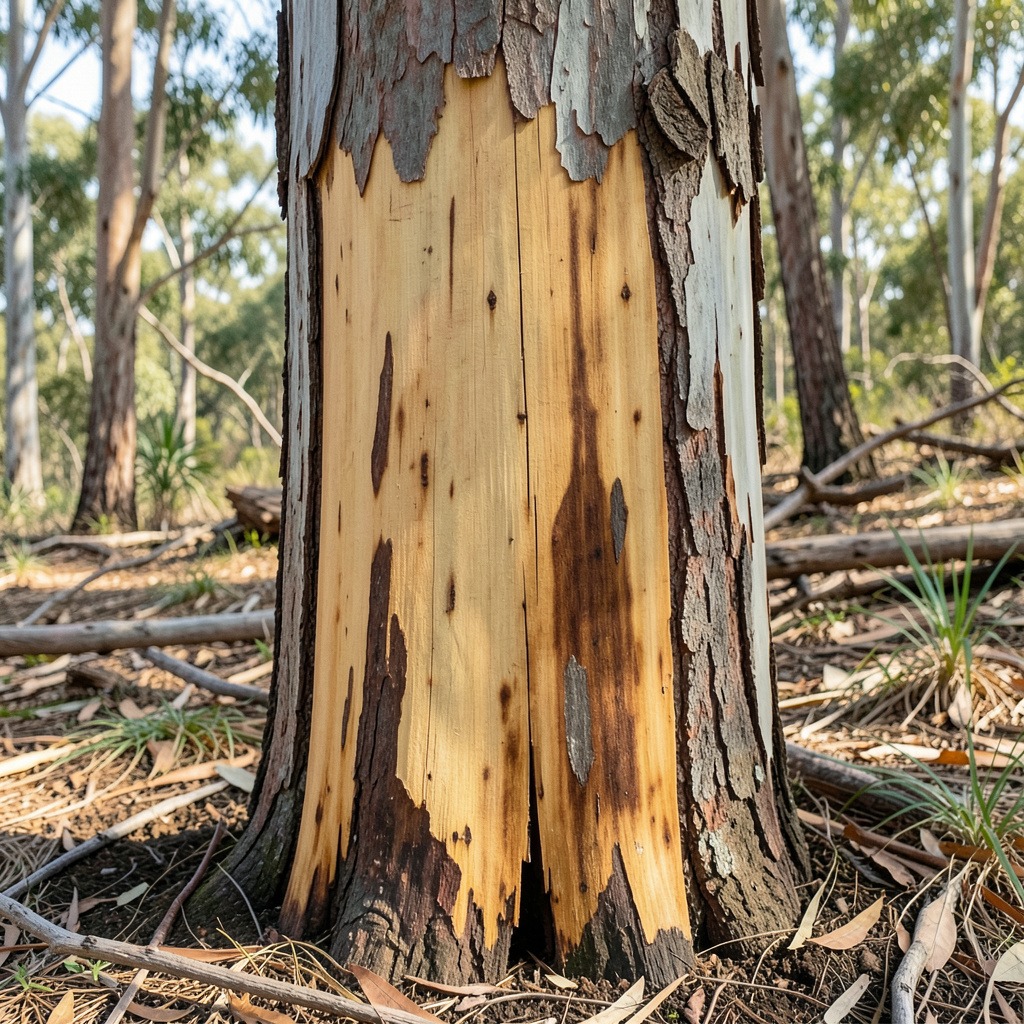
Jarrah wood is a hardwood native to Western Australia, known for its strength, durability, and striking aesthetic. Its unique properties make it a popular choice for various applications, from flooring to furniture.
What is Jarrah Wood?
Jarrah wood comes from the Eucalyptus marginata tree, which thrives in the forests of Western Australia. This tree can grow up to 50 meters tall and is valued for its dense, reddish-brown timber. Jarrah is often compared to teak due to its durability and weather resistance.
Key Characteristics of Jarrah Wood
Jarrah wood offers several distinctive features that contribute to its popularity:
- Durability: Jarrah is highly resistant to rot and insect damage. Its density makes it suitable for high-traffic areas.
- Aesthetic Appeal: The wood exhibits rich colors ranging from deep pink to maroon, often with unique grain patterns. This natural beauty enhances the look of any project.
- Sustainability: Jarrah is sourced from sustainably managed forests. Harvesting guidelines ensure minimal environmental impact, making it a responsible choice.
- Maintenance Requirements: While relatively low-maintenance, Jarrah wood requires occasional polishing and oiling to maintain its luster.
In practical terms, consider using Jarrah wood in outdoor settings or high-traffic areas where both durability and appearance are essential. For instance, a deck made of Jarrah will not only withstand the elements but also provide a stunning visual for years.
When selecting Jarrah wood over other hardwoods, weigh its longevity and aesthetic against factors like cost and installation complexity. For example, its density can make installation more demanding compared to lighter woods.
Advantages of Using Jarrah Wood
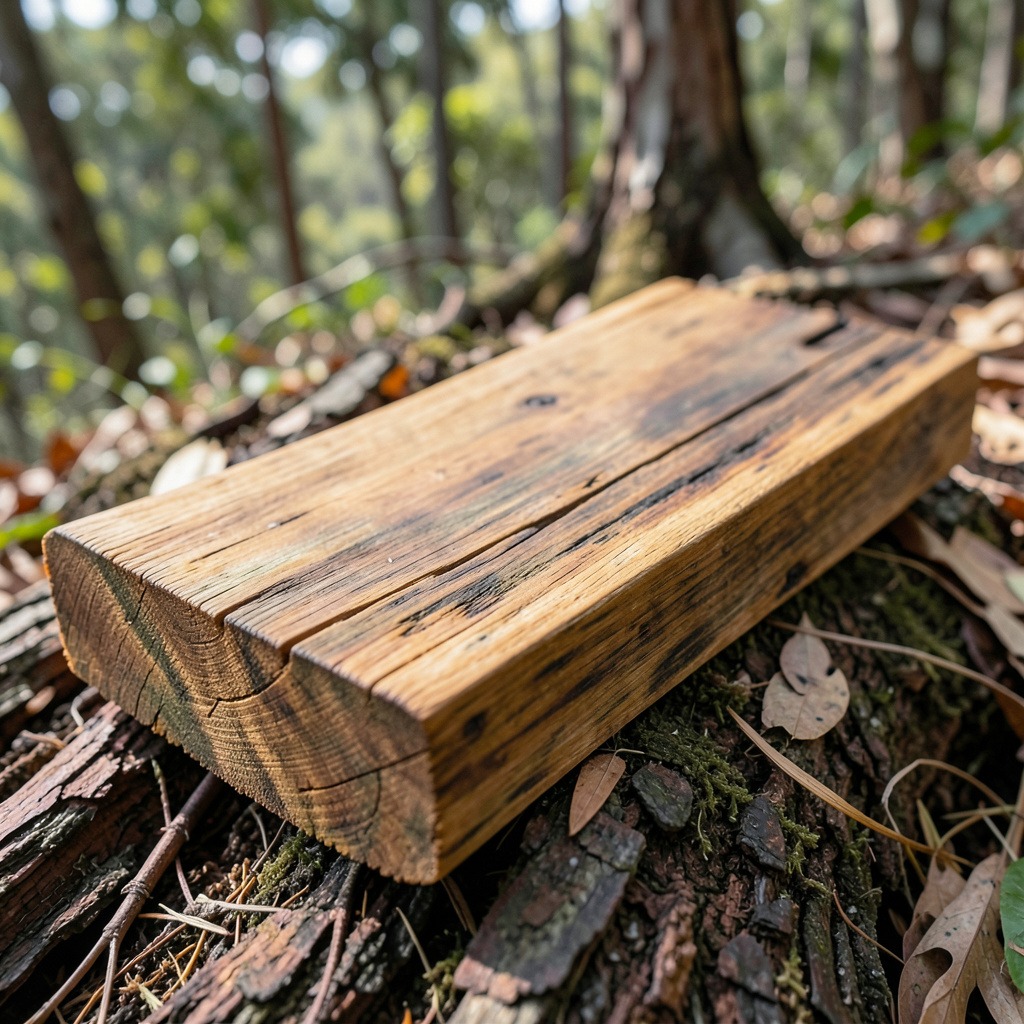
Jarrah wood offers a compelling mix of benefits, making it a popular choice for various applications. Its durability, aesthetic appeal, and sustainable sourcing are key reasons homeowners and builders favor it.
Exceptional Durability and Strength
Jarrah wood is renowned for its exceptional durability. It withstands the elements, making it suitable for both indoor and outdoor use. Here are some key aspects of its strength:
- Rot Resistance: Jarrah is naturally resistant to decay, which makes it ideal for outdoor projects like decking and garden furniture.
- Pest Resistance: Its properties deter termites and other wood-boring insects, reducing the need for chemical treatments.
- Structural Integrity: Jarrah has been used in critical construction applications, such as marine wharves and bridges, due to its ability to endure moisture and stress.
Real-life scenario: A homeowner in a coastal area chose Jarrah wood for their decking. The wood not only survived harsh weather but also maintained its structural integrity over time.
Aesthetic Appeal and Unique Appearance
Aesthetic considerations are essential in any wood selection. Jarrah wood boasts a striking appearance, characterized by:
- Rich Color: Its deep reddish-brown tones add warmth to any space.
- Unique Grain Patterns: The intricate grain offers a distinctive visual appeal, suitable for high-end furniture and flooring.
This aesthetic quality enhances both residential and commercial projects. For instance, an upscale restaurant used Jarrah wood for its interior, creating an inviting ambiance that impressed guests.
Sustainability and Eco-Friendliness
Sustainability is a growing concern in today’s construction practices. Jarrah wood is sourced from sustainably managed forests in Western Australia. Key sustainability highlights include:
- Responsible Harvesting: Regulations ensure that Jarrah wood is harvested without compromising forest health.
- Replanting Initiatives: Efforts are in place to replenish Jarrah forests, supporting long-term ecological balance.
When compared to other hardwoods like Teak or Mahogany, Jarrah offers similar durability with a more sustainable sourcing profile. Consider this decision framework:
- Choose Jarrah: If you seek an aesthetically appealing wood with strong sustainability credentials.
- Consider Alternatives: If project costs or specific wood characteristics (such as lighter weight) are paramount.
By evaluating these factors, you can make an informed choice about whether Jarrah wood aligns with your project needs.
Disadvantages of Jarrah Wood
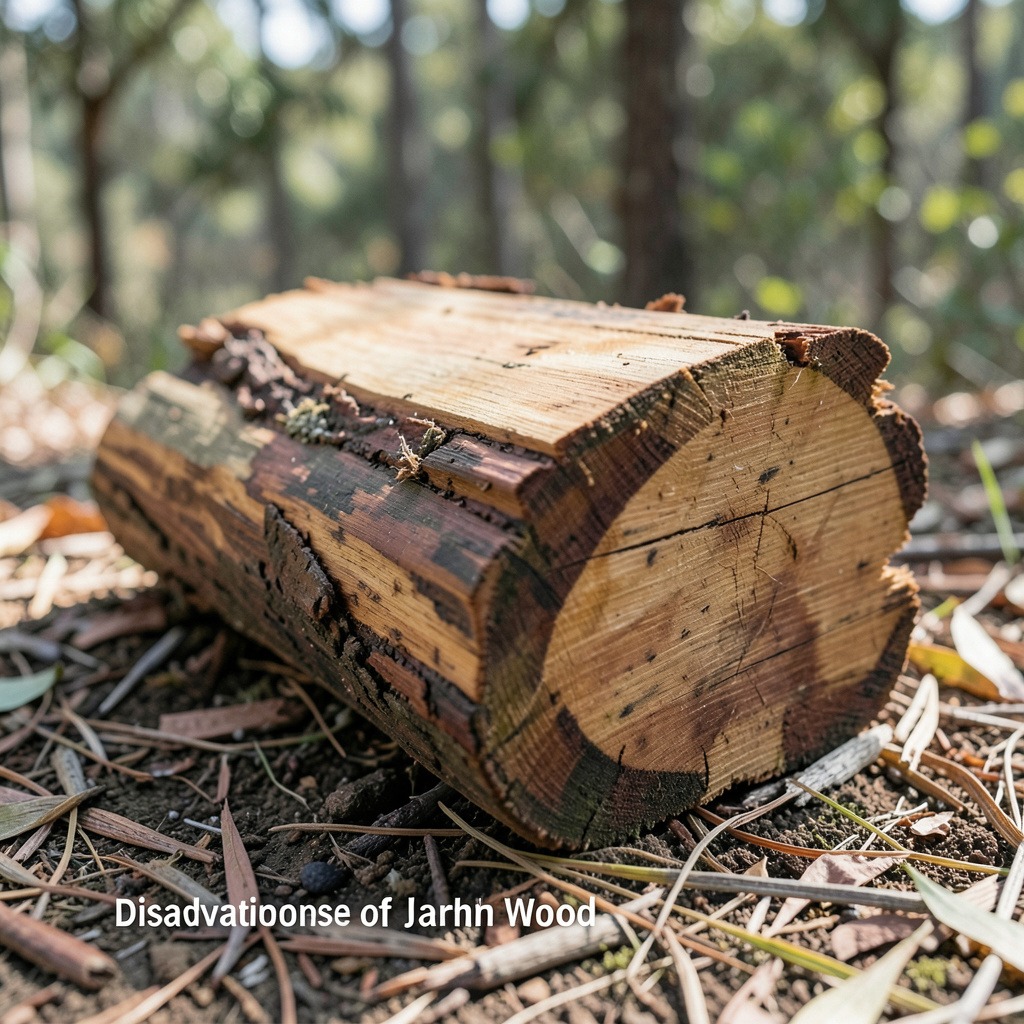
While Jarrah wood boasts numerous advantages, it also presents several drawbacks that potential buyers should consider. These include cost, workability issues, and geographic availability.
Cost Considerations
Jarrah wood is often more expensive than other hardwoods, such as oak or birch. This premium pricing stems from its limited availability and the high demand for its aesthetic qualities.
- Price Range: Expect to pay significantly more for Jarrah compared to domestic hardwoods.
- Budget Impact: For large projects, the costs can accumulate rapidly, affecting overall project budgets.
Challenges in Workability
Jarrah wood’s density makes it a challenge to work with for some users.
- Tool Requirements: Specialized tools may be necessary to cut and shape Jarrah effectively.
- Skill Level: Less experienced woodworkers may find it difficult to achieve desired finishes.
User testimonials indicate that while Jarrah wood can yield stunning results, it may require a seasoned hand for optimal outcomes.
Geographic Availability and Sourcing
Jarrah wood is primarily sourced from Australia, which can limit its availability in other regions.
- Shipping Costs: Importing Jarrah can add substantial shipping fees to the overall cost.
- Local Sourcing Challenges: Limited suppliers outside Australia may lead to longer wait times for procurement.
For projects in locations far from Australia, consider whether the benefits of Jarrah outweigh these sourcing challenges. A decision framework might involve assessing local hardwood options versus the unique qualities that Jarrah offers.
Applications of Jarrah Wood
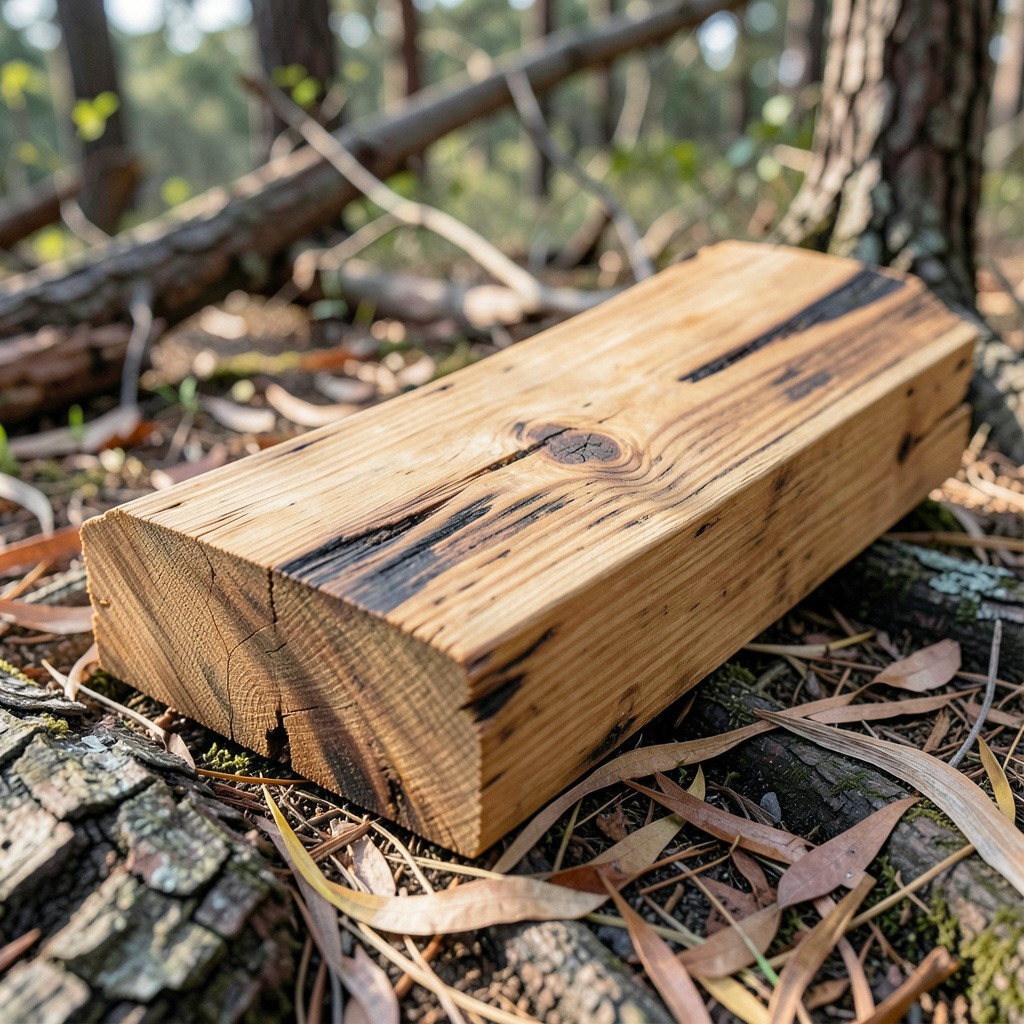
Jarrah wood’s unique properties make it suitable for a variety of indoor and outdoor applications. Its durability, aesthetic appeal, and resistance to environmental factors enhance both functional and visual aspects in different settings.
Indoor Applications: Furniture and Flooring
Jarrah wood is commonly used in indoor furniture and flooring due to its rich color and strength. Some notable applications include:
- Furniture: Tables, chairs, and cabinets made from Jarrah wood showcase its elegant grain patterns and warm hues. Its density ensures that these pieces can withstand daily use.
- Flooring: Jarrah’s hardness makes it a popular choice for flooring in high-traffic areas. It resists scratches and dents, maintaining its beauty over time.
Example Scenario: A family renovated their living room with Jarrah wood flooring. They appreciated the natural warmth it brought to the space while noting its durability against wear and tear from children and pets.
Outdoor Applications: Decking and Landscaping
Jarrah wood’s resistance to moisture, termites, and decay makes it ideal for outdoor use. Key applications include:
- Decking: Jarrah is often used for outdoor decks due to its ability to withstand harsh weather. It offers both beauty and longevity.
- Landscaping: Garden benches and planters crafted from Jarrah not only enhance aesthetics but also provide functional outdoor furniture that lasts.
Decision Framework: When selecting Jarrah for outdoor projects, consider the climate. In humid areas, its natural resistance to moisture is beneficial, while in drier regions, the wood’s stability prevents warping.
Construction Uses of Jarrah Wood
Jarrah wood is favored in construction for its strength and durability. It is commonly used in:
- Structural Beams: Due to its high density, Jarrah wood is an excellent choice for load-bearing structures.
- Marine Applications: Its resistance to marine borers makes it suitable for wharves and boat building.
Comparison Insight: Compared to other hardwoods like Teak or Mahogany, Jarrah offers similar durability but often at a lower cost. This makes it an attractive option for both commercial and residential projects.
By understanding these diverse applications, homeowners and builders can effectively harness Jarrah wood’s benefits in various settings.
Maintenance Requirements for Jarrah Wood
Maintaining Jarrah wood is essential to preserve its beauty and durability. Regular care ensures that the wood remains in excellent condition over the years.
Regular Care and Cleaning
To keep your Jarrah wood looking its best, follow these guidelines:
- Dust Regularly: Use a soft cloth or microfiber duster to remove dust and debris.
- Avoid Abrasives: Do not use harsh cleaning agents or abrasive materials that can scratch the surface.
- Use a Damp Cloth: For deeper cleaning, lightly dampen a cloth with water and wipe the surface. Ensure the cloth is not overly wet to prevent moisture damage.
Appropriate Finishing Techniques
Finishing enhances the aesthetic appeal and longevity of Jarrah wood. Here are the recommended techniques:
- Natural Finish: Apply a clear polyurethane finish to protect the wood while enhancing its natural color.
- Oiling: Use high-quality wood oils to nourish and protect the wood. This can help prevent drying and cracking.
- Avoid Stains: Jarrah wood’s rich hues typically do not require staining. Preserve its natural beauty without altering its color.
Long-Term Maintenance Tips
For lasting durability, consider these long-term maintenance strategies:
- Seasonal Checks: Inspect your Jarrah wood products regularly for signs of wear or damage.
- Reapply Finish: Depending on exposure to sunlight and foot traffic, reapply finishes every 1-3 years.
- Humidity Control: Maintain a stable indoor environment. Jarrah wood responds well to moderate humidity levels, preventing warping or cracking.
Maintenance Checklist for Jarrah Wood
| Task | Frequency |
|---|---|
| Dusting | Weekly |
| Damp cleaning | Monthly |
| Oiling | Every 6 months |
| Reapply finish | Every 1-3 years |
| Seasonal inspections | Quarterly |
By adhering to these maintenance practices, you can ensure your Jarrah wood remains a stunning and durable feature in your space for many years.
Comparing Jarrah Wood to Other Hardwoods
Jarrah wood stands out among hardwoods for its unique combination of durability and aesthetic appeal. When comparing it to other popular woods like oak and teak, several factors come into play: cost, durability, and appearance.
Jarrah vs. Oak
| Feature | Jarrah Wood | Oak |
|---|---|---|
| Durability | Extremely hard; resists dents and scratches | Hard; less dense than Jarrah |
| Aesthetic | Rich red to burgundy tones with unique grain patterns | Light to dark brown; more uniform appearance |
| Cost | $14-$19 per sq ft for solid | $3-$10 per sq ft depending on type |
| Maintenance | Low; occasional polishing required | Moderate; may need refinishing every few years |
| Availability | Limited outside Australia | Widely available |
Jarrah wood is significantly harder than oak, making it an excellent choice for high-traffic areas. Its deep, rich colors offer a unique aesthetic that oak cannot replicate without staining. However, the cost of Jarrah is notably higher, which may deter some buyers.
Jarrah vs. Teak
| Feature | Jarrah Wood | Teak |
|---|---|---|
| Durability | Highly resistant to decay and insects | Naturally resistant to moisture and decay |
| Aesthetic | Deep reds and browns; striking grain | Warm golden-brown; smooth texture |
| Cost | $14-$19 per sq ft for solid | $20-$30 per sq ft |
| Maintenance | Simple; requires occasional oiling | Low; minimal upkeep needed |
| Sustainability | Limited availability raises concerns | Often sourced from sustainable plantations |
Teak is renowned for its durability and low maintenance, making it a favorite for outdoor furniture. Jarrah, while also durable, offers a distinct aesthetic. The cost of teak is generally higher, which can be a significant factor for budget-conscious projects.
Pros and Cons Summary
Pros of Jarrah Wood:
- High durability; ideal for heavy foot traffic.
- Unique aesthetic with rich colors and grain patterns.
- Natural resistance to termites and decay.
Cons of Jarrah Wood:
- Higher cost compared to oak and other hardwoods.
- Limited availability outside Australia can complicate sourcing.
- Requires commitment to its strong color palette in design choices.
When choosing wood for a project, consider the specific needs for durability, appearance, and budget. Jarrah wood excels in applications where both beauty and strength are required, making it a worthy investment for discerning buyers.
Conclusion: Is Jarrah Wood Right for You?
Deciding whether to use Jarrah wood involves evaluating its unique characteristics against your project requirements. This section will help you determine if its advantages outweigh the disadvantages for your specific needs.
Final Considerations
When considering Jarrah wood, keep these key points in mind:
- Durability: Jarrah wood is exceptionally durable, making it suitable for high-traffic areas and outdoor applications. Its resistance to decay and pests adds to its longevity.
- Aesthetic Appeal: The rich hues and intricate grain patterns enhance the visual appeal of any project. Jarrah wood can serve as a stunning centerpiece in both modern and traditional designs.
- Cost Considerations: Jarrah wood typically comes at a higher price point than common hardwoods like oak. Be prepared for this investment, especially if your project is large-scale.
- Maintenance: While Jarrah wood is relatively easy to maintain, it requires periodic polishing and oiling to preserve its natural beauty.
- Sustainability: Sourcing Jarrah wood responsibly is vital. Ensure it comes from sustainable practices to minimize environmental impact.
Decision-Making Framework
To effectively decide if Jarrah wood suits your project, consider the following scenarios:
- If you need a durable flooring option for a busy household: Jarrah wood is an excellent choice due to its hardness and resistance to wear.
- If your project demands a unique and rich aesthetic: Choose Jarrah for its stunning color variations and grain patterns, which enhance visual appeal.
- If you have budget constraints: Analyze whether the investment in Jarrah aligns with the long-term benefits it offers. Consider alternatives if cost is a prohibitive factor.
- If you are in a wildfire-prone area: Jarrah’s natural fire resistance makes it a viable option for safety-conscious construction.
By applying this framework, you can make an informed decision tailored to your specific project requirements.
Frequently Asked Questions
These quick answers cover the most common questions about this topic, including key details, practical tips, and common concerns.
Is Jarrah the best wood?
Jarrah wood is often considered one of the best hardwoods due to its exceptional durability and stunning aesthetic appeal. It is highly resistant to decay and pests, making it suitable for both indoor and outdoor applications. However, whether it is the “best” wood depends on your specific needs, budget, and project requirements. Other hardwoods like oak and teak also have their strengths, so it’s essential to compare based on your priorities.
How to identify real Jarrah wood?
To identify real Jarrah wood, look for its distinctive reddish-brown color and unique grain patterns, which can vary from straight to interlocked. The wood is dense and heavy, giving it a solid feel. Additionally, genuine Jarrah has a natural luster that can be enhanced with oil finishes. If possible, request certification or provenance information from the supplier to ensure authenticity.
What are the downsides of using Jarrah timber for decks?
While Jarrah is a durable choice for decking, it does have some downsides. Its density can make it challenging to work with, requiring specialized tools and skills for installation. Additionally, Jarrah wood can be more expensive than other decking materials, which may affect your budget. Finally, if not properly maintained, it can fade or lose its luster over time.
Is Jarrah wood expensive?
Yes, Jarrah wood is generally more expensive than many other hardwoods, such as oak or birch. Prices can range from $14 to $19 per square foot for solid Jarrah. This higher cost is due to its limited availability and the high demand for its unique qualities. If budget is a concern, consider the long-term investment value of its durability and aesthetic appeal.
Why is Jarrah the best substitute for furniture?
Jarrah wood is often considered an excellent substitute for furniture due to its strength, durability, and unique beauty. Its rich color and intricate grain patterns make it visually appealing for high-end furniture pieces. Additionally, its resistance to wear and tear ensures that furniture made from Jarrah can last for generations, making it a practical choice for both aesthetics and longevity.
When is the best time to buy Jarrah wood?
The best time to buy Jarrah wood is typically during the off-season for construction, which can vary by region. Purchasing during the winter months may yield better prices and availability. Additionally, keep an eye on sales or promotions from suppliers. Planning ahead for your project can also help you secure the best quality wood when you need it.
How does Jarrah compare to other hardwoods?
Jarrah wood stands out for its exceptional durability and unique aesthetic compared to other hardwoods. When compared to oak, Jarrah is denser and more resistant to damage, while offering richer color variations. In comparison to teak, Jarrah can be more affordable, though teak is often preferred for its low maintenance. Ultimately, the choice depends on your specific project needs and budget.
What are alternatives to Jarrah wood?
If Jarrah wood does not fit your project requirements, consider alternatives like teak, mahogany, or even domestic hardwoods like oak and maple. Teak offers similar durability and water resistance but at a higher price point. Oak is more affordable and widely available, though it lacks the unique color and grain patterns of Jarrah. Each alternative has its pros and cons, so evaluate based on your aesthetic preferences and budget constraints.