
Juniper trees offer numerous advantages such as drought resistance and low maintenance, but they also present challenges like messiness from berries and prickliness.
Table of Contents
Juniper trees are popular choices for landscaping due to their durability and aesthetic appeal. However, they come with both benefits and drawbacks that potential buyers should consider. This guide explores the six main pros and cons of juniper trees.
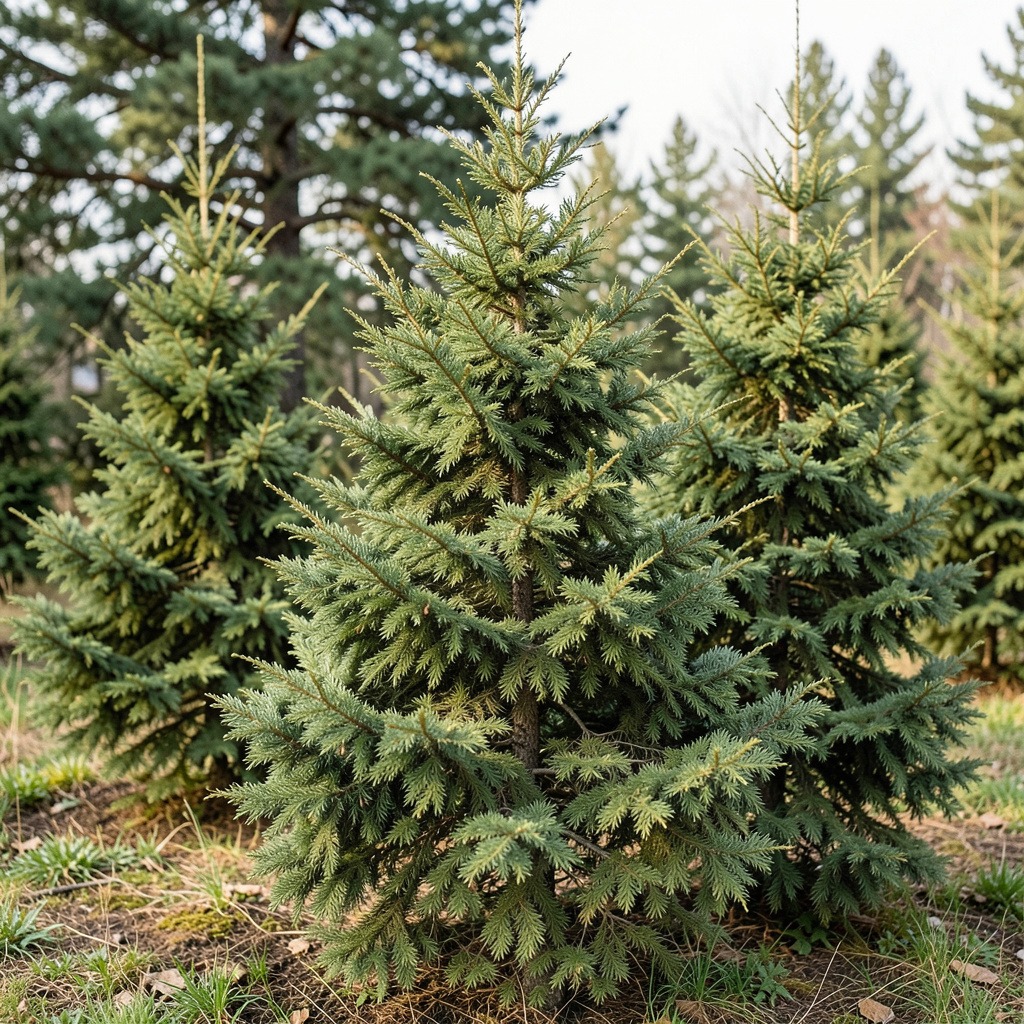
Understanding Juniper Trees and Their Varieties
Juniper trees belong to the genus Juniperus and are known for their resilience and adaptability. They are evergreen conifers that can thrive in a variety of climates, making them a popular choice for landscaping.
Overview of Juniperus Species
There are over 60 species of juniper, each with unique characteristics. Some of the most common varieties include:
- Eastern Red Cedar (Juniperus virginiana): This species is often used for privacy hedges and can grow up to 50 feet tall. Its aromatic wood is also prized for furniture.
- Common Juniper (Juniperus communis): This low-growing shrub is perfect for ground cover. It is hardy and can tolerate poor soil conditions.
- Blue Star Juniper (Juniperus squamata ‘Blue Star’): A dwarf variety, this juniper reaches about 2 feet tall and is valued for its striking blue foliage. Ideal for rock gardens or as a border plant.
- Shore Juniper (Juniperus conferta): Often used in coastal regions, this species can withstand salt spray and drought, making it ideal for seaside landscaping.
Ecological Benefits of Juniper Trees
Juniper trees offer numerous ecological advantages:
- Drought Resistance: Their deep root systems allow them to thrive in arid conditions, making them suitable for water-wise landscaping.
- Wildlife Habitat: Junipers provide shelter and food for various wildlife, including birds and small mammals. The berries produced by some species are a food source for birds.
- Soil Stabilization: Their extensive root systems help prevent soil erosion on slopes and rocky areas.
- Air Quality Improvement: As evergreen trees, junipers contribute to cleaner air by absorbing carbon dioxide and releasing oxygen.
When selecting juniper species for landscaping, consider your local climate and design needs. For comprehensive care tips tailored to specific zones, refer to resources like Juniperus Trees: A Comprehensive Guide to Varieties and Care.
6 Key Benefits of Juniper Trees
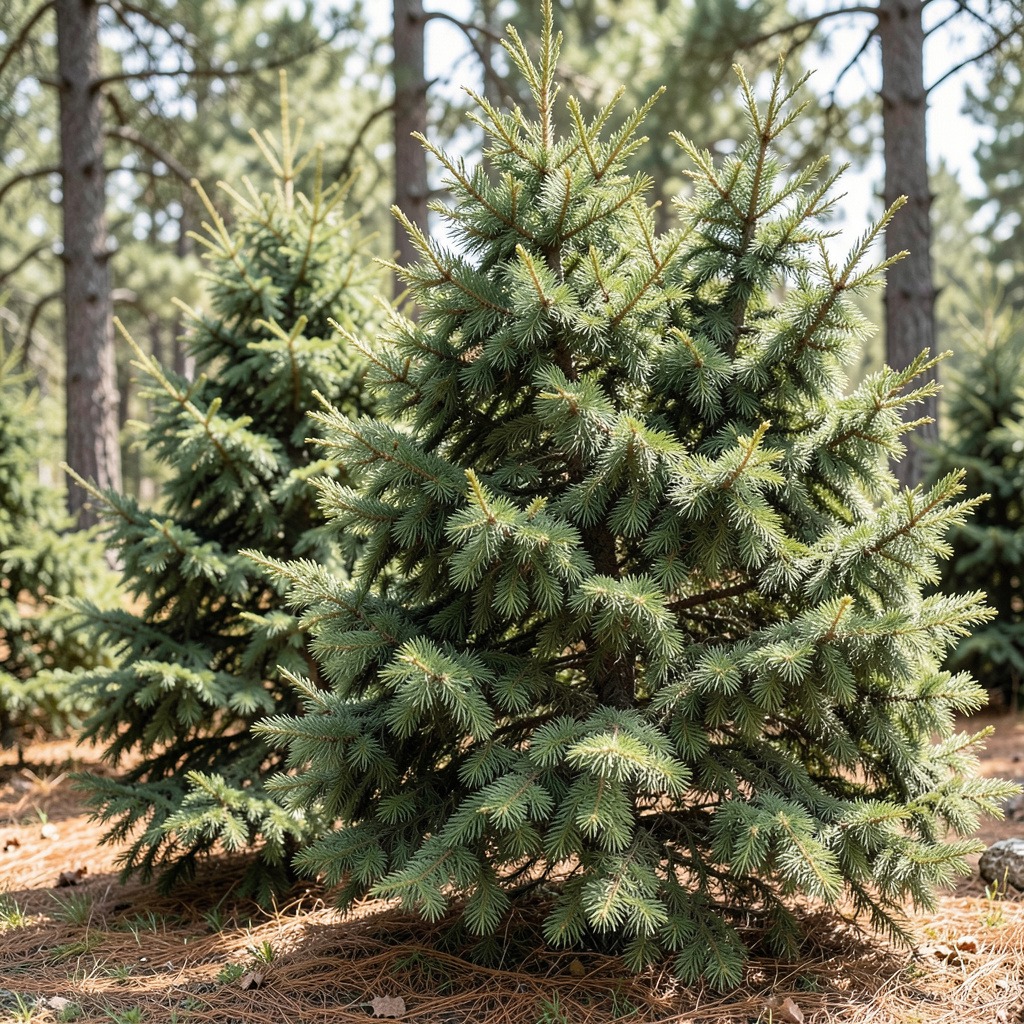
Juniper trees offer a variety of advantages that make them a valuable addition to any garden or landscape. Their resilience, aesthetic appeal, and adaptability to different environments are just a few reasons to consider planting them.
Drought Resistance and Low Maintenance
Juniper trees are known for their ability to thrive in dry conditions. Their drought resistance makes them ideal for water-wise landscaping. Here are some key points:
- Water Efficiency: Junipers require less water compared to many other tree species. Their deep root systems help them access moisture from the soil.
- Low Maintenance: Once established, junipers need minimal care. They are resistant to pests and diseases, reducing the need for chemical treatments.
- Ideal for Busy Homeowners: Their resilience means less time spent on upkeep, making them suitable for those with busy lifestyles.
Aesthetic Versatility in Landscaping
Junipers bring both beauty and functionality to landscapes. They come in various shapes, sizes, and colors, providing numerous design options:
- Variety of Forms: From low-growing ground covers to tall, majestic trees, junipers fit diverse landscape styles.
- Year-Round Appeal: As evergreens, junipers maintain their foliage throughout the year, ensuring continuous visual interest.
- Texture and Color: The unique textures and hues of juniper foliage can enhance the richness of any garden design.
Practical Tip: Use junipers as focal points in your garden or as part of a mixed border to create visual depth.
Wildlife Attraction and Habitat Creation
Juniper trees contribute positively to local ecosystems. They provide essential resources for wildlife:
- Food Source: The berries produced by certain juniper species attract birds and small mammals, supporting local biodiversity.
- Shelter: Their dense foliage offers protection for various animals, creating a sanctuary within your garden.
- Pollinator Friendly: Junipers can attract pollinators, enhancing the health of your garden.
By incorporating junipers, you not only beautify your landscape but also support local wildlife.
Incorporating juniper trees into your landscape can yield significant benefits. For detailed guidance on varieties and care, check out Juniperus Trees: A Comprehensive Guide to Varieties and Care.
6 Challenges of Juniper Trees
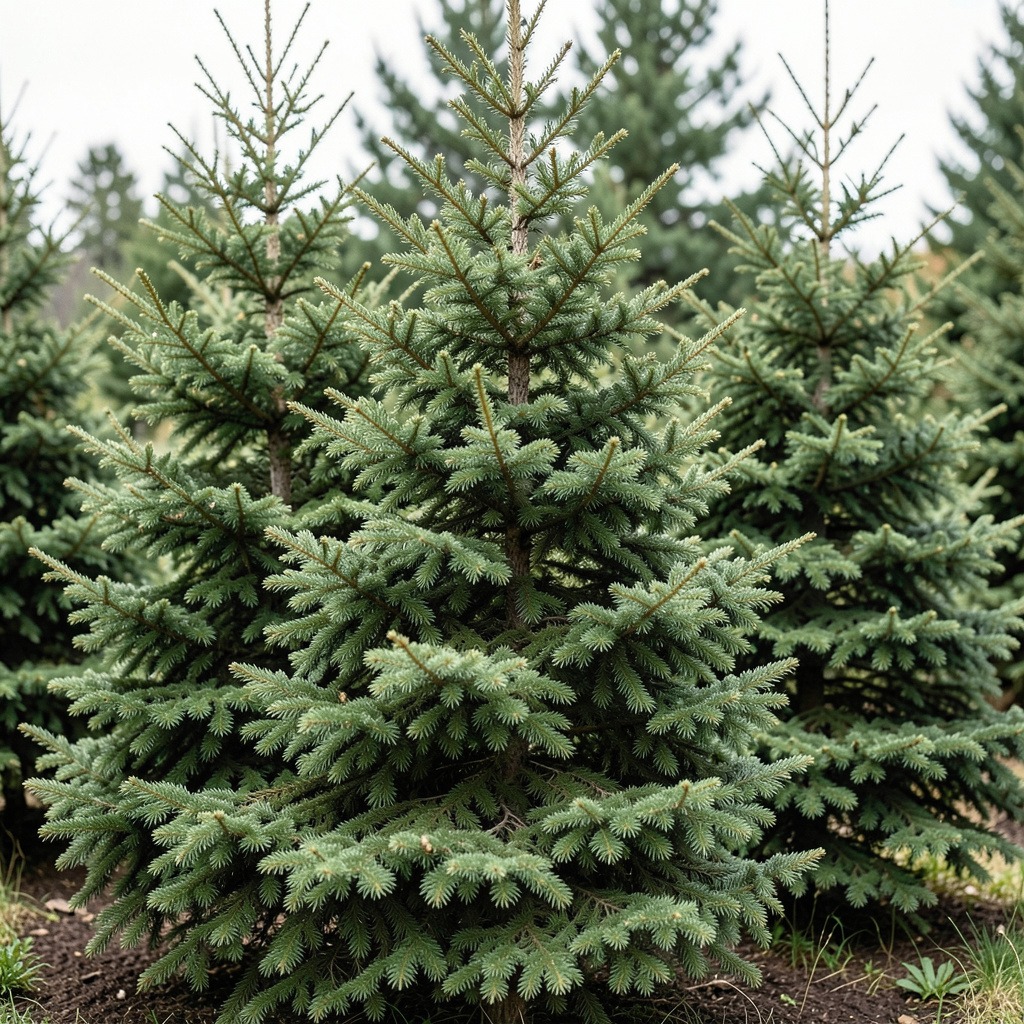
While juniper trees offer numerous benefits, they also present several challenges that potential owners should consider. Understanding these drawbacks can help you make informed decisions for your landscape.
Prickliness and Physical Hazards
Juniper trees, especially certain varieties, can possess sharp needles. This physical characteristic can pose a hazard to pets and children playing nearby. When planting junipers, consider their placement to minimize risk.
Tips for Management:
- Choose lower-growing varieties if children or pets frequent the area.
- Use protective barriers, such as fencing, if necessary.
Messiness from Berries and Overgrowth
Juniper trees produce berries, which can be both a blessing and a curse. While they attract wildlife, fallen berries can create a mess on patios and walkways. Additionally, junipers can become overgrown if not properly pruned, leading to maintenance issues.
Prevention Strategies:
- Regularly prune your juniper trees to maintain shape and size.
- Consider planting junipers in less trafficked areas to reduce mess.
Pest Problems and Disease Susceptibility
Junipers can be susceptible to pests such as spider mites and bagworms. Additionally, certain diseases, like juniper blight, can affect their health. Early detection and treatment are crucial to prevent severe damage.
Management Checklist:
- Inspect junipers regularly for signs of pests or disease.
- Treat infestations promptly with appropriate pesticides or organic solutions.
- Ensure proper air circulation around the trees to minimize disease risk.
By being aware of these challenges, you can take proactive steps to maintain the health and beauty of your juniper trees. For more comprehensive guidance, consider resources like Juniperus Trees: A Comprehensive Guide to Varieties and Care.
How to Care for Juniper Trees
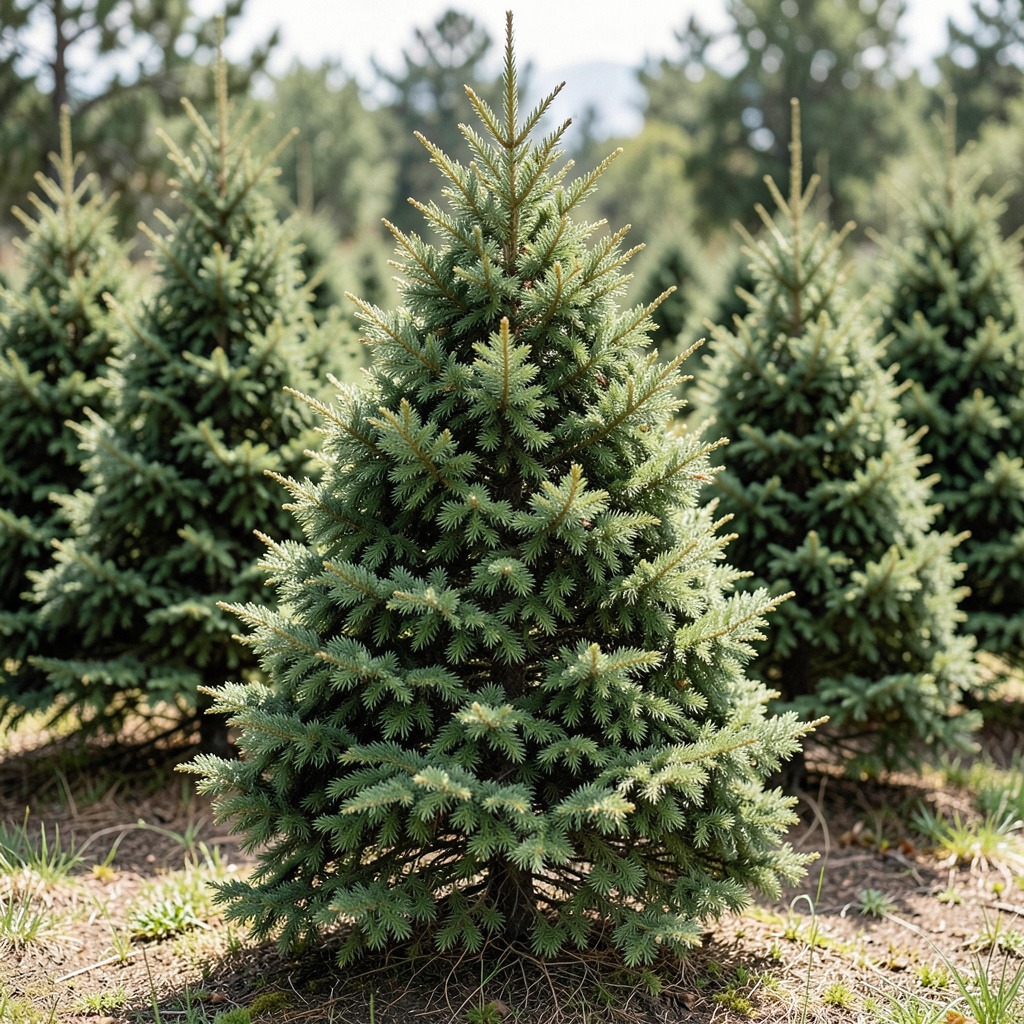
Proper care is essential for the health and longevity of juniper trees. Understanding their watering, soil, and pruning needs will ensure they thrive in your landscape.
Watering and Soil Preferences
Juniper trees are drought-tolerant once established. However, they require specific watering and soil conditions during their initial growth phase.
- Watering Guidelines:
- Water deeply but infrequently.
- Allow the soil to dry out between watering sessions.
- Use mulch to retain moisture and regulate soil temperature.
- Soil Requirements:
- Junipers prefer well-draining soil.
- Sandy or loamy soils work best.
- Avoid waterlogged conditions to prevent root rot.
Pruning and Maintenance Schedule
Regular pruning helps maintain the shape and health of juniper trees. Adhering to a schedule will enhance their appearance and growth.
- Pruning Techniques:
- Trim back any dead or damaged branches.
- Shape the tree to encourage a fuller growth habit.
- Perform major pruning in late winter or early spring before new growth begins.
- Maintenance Schedule:
- Inspect trees monthly for pests and diseases.
- Fertilize in early spring with a balanced fertilizer.
- Conduct major pruning once a year, with light trimming as needed.
Seasonal Care Tips
Different climates may require specific care routines for junipers. Tailoring your approach based on the USDA hardiness zone can enhance their resilience.
- Cold Climates (Zones 3-5):
- Protect roots with mulch in winter.
- Water during dry spells to prevent desiccation.
- Warm Climates (Zones 7-9):
- Monitor for pests like spider mites.
- Ensure adequate drainage to prevent root issues during heavy rains.
- Example Scenario:
If you live in a Zone 6 area, consider planting junipers that thrive in both cold winters and hot summers, such as the Eastern Red Cedar. This adaptability will help your landscape maintain its beauty throughout the seasons.
By following these detailed care instructions, you can ensure your juniper trees flourish, providing both aesthetic and functional benefits to your landscape.
Comparing Juniper Trees with Other Evergreen Options
Juniper trees offer unique advantages and challenges that set them apart from other evergreen trees. Understanding these differences can help you make informed landscaping choices.
Junipers vs. Pines: A Head-to-Head
When comparing junipers to pines, several key factors emerge:
- Growth Habit: Junipers often have a more compact growth habit, making them suitable for smaller spaces. Pines can grow significantly taller and broader, requiring more room.
- Drought Resistance: Junipers excel in drought tolerance, thriving in poor soil conditions. Pines, while also resilient, may require more water during dry spells.
- Aesthetic Variety: Junipers come in diverse forms, from low ground covers to upright trees. Pines primarily have a traditional conical shape, which may limit design options.
- Maintenance: Junipers generally require less maintenance, needing occasional pruning. Pines may need more regular care, especially in terms of pest control and needle drop.
| Feature | Junipers | Pines |
|---|---|---|
| Growth Habit | Compact, varied | Tall, conical |
| Drought Resistance | High | Moderate |
| Aesthetic Variety | Diverse forms | Traditional shape |
| Maintenance | Low | Moderate to high |
Advantages of Junipers Over Other Evergreens
Junipers provide benefits that make them a preferred choice for many landscapers:
- Soil Adaptability: They thrive in a variety of soil types, from sandy to rocky. This flexibility makes them ideal for challenging landscapes.
- Wildlife Support: Junipers produce berries that attract birds and other wildlife, enhancing your garden’s ecosystem.
- Privacy Screens: Their dense foliage makes junipers effective as natural privacy screens or windbreaks.
- Year-Round Interest: Being evergreen, they retain their foliage throughout the year, providing consistent color and texture.
Decision Framework for Selecting Juniper Species
When choosing a juniper species for your landscape, consider the following factors:
- Space Availability: Assess the area where you plan to plant. For tight spaces, opt for low-growing varieties like the Blue Rug Juniper.
- Climate Compatibility: Match the species to your hardiness zone. For example, the Eastern Red Cedar is suitable for colder climates while the Shore Juniper thrives in warmer areas.
- Design Intent: Determine whether you need a ground cover, hedge, or feature tree. Varieties like the Skyrocket Juniper work well as vertical accents, whereas others may serve as sprawling ground covers.
By applying this decision framework, you can effectively select the right juniper species to enhance your landscape.
Conclusion: Making the Right Choice for Your Landscape
Incorporating juniper trees into your landscape can offer both benefits and challenges. Understanding these factors is crucial for making an informed decision.
Evaluating the Pros and Cons
Pros of Juniper Trees:
- Drought Resistance: Junipers require less water, making them suitable for dry climates.
- Versatile Landscaping Applications: They can serve as ground covers, hedges, or accent trees.
- Year-Round Greenery: Being evergreen, they provide visual interest throughout the seasons.
- Low Maintenance: Once established, junipers need minimal care.
Cons of Juniper Trees:
- Potential Pest Issues: They can attract pests like spider mites and bagworms.
- Limited Growth in Some Soils: Poor soil conditions may hinder their growth.
- Allergenic Properties: Some people may have allergic reactions to juniper pollen.
- Invasive Root Systems: Certain species can disrupt nearby plants.
Final Considerations for Planting Junipers
When deciding if junipers are right for your landscape, consider the following:
- Space Requirements: Choose the right variety based on your available space. For instance, low-growing types like the Blue Rug Juniper are ideal for compact areas.
- Climate Adaptability: Assess your USDA hardiness zone. Varieties like the Eastern Red Cedar thrive in colder zones, while others, like Shore Juniper, excel in warmer climates.
- Specific Care Tips: Tailor your care based on the local environment. For example, junipers in arid regions may need supplementary watering during extreme heat.
Decision Framework for Selecting Juniper Species:
1. Identify Your Landscaping Goals: What function do you want the juniper to serve?
2. Evaluate Environmental Conditions: Consider soil type, sunlight exposure, and climate.
3. Research Varieties: Match your goals with suitable species, such as Skyrocket Juniper for vertical accents or various ground covers for expansive areas.
By assessing these aspects, you can strategically incorporate juniper trees into your landscape, enhancing both aesthetic appeal and functionality.
Frequently Asked Questions
These quick answers cover the most common questions about this topic, including key details, practical tips, and common concerns.
What are the downsides of juniper trees?
Juniper trees can present several challenges. One major downside is their prickliness; certain varieties have sharp needles that can be hazardous for children and pets. Additionally, junipers can create a mess due to the berries they produce, which may fall and litter pathways and patios. If not pruned regularly, they can also become overgrown, leading to maintenance issues.
What is the life expectancy of a juniper tree?
The life expectancy of juniper trees varies by species but generally ranges from 30 to 100 years. Factors such as environmental conditions, soil quality, and care practices can significantly influence their longevity. For instance, well-cared-for junipers in suitable climates tend to live longer and thrive better.
What are common problems with junipers?
Common problems with junipers include pest infestations, particularly from spider mites and bagworms. They can also suffer from diseases like juniper blight, which can affect their health. Regular inspections and prompt treatments are essential to prevent severe damage. Additionally, poor soil conditions can hinder their growth and overall vitality.
Where is the best place to plant a juniper tree?
The best place to plant a juniper tree depends on its specific variety. Generally, junipers prefer well-draining soil and full sun exposure. They thrive in a range of soil types, including sandy and rocky soils. Avoid planting them in areas with heavy shade or waterlogged conditions, as this can lead to root rot.
How do I maintain my juniper trees?
Maintaining juniper trees involves regular watering, especially during their establishment phase, and ensuring adequate drainage. Pruning is also crucial; trim dead or damaged branches and shape the tree to promote healthy growth. Inspect your junipers monthly for pests or diseases and apply treatments as needed to keep them healthy.
What are alternatives to juniper trees for landscaping?
If juniper trees aren’t suitable for your landscape, consider alternatives like arborvitae, boxwood, or holly. These plants also offer evergreen foliage and can serve as privacy screens or decorative elements. Each alternative has unique characteristics, so choose based on your specific landscape needs and climate conditions.
When is the best time to plant juniper trees?
The best time to plant juniper trees is in the spring or early fall. Planting during these seasons allows the trees to establish their root systems before extreme weather conditions. Ensure that the ground is not frozen or overly wet, as this can affect planting success.