
The Katsura tree (Cercidiphyllum japonicum) offers stunning aesthetics and a sweet fragrance but has drawbacks like shallow roots and messy fruiting that may affect its suitability for your landscape.
Table of Contents
The Katsura tree is a beautiful ornamental choice for gardens, celebrated for its stunning foliage and delightful autumn scent. However, like any tree, it has its pros and cons that can impact your landscaping decisions. Let’s explore them in detail.
Understanding the Katsura Tree
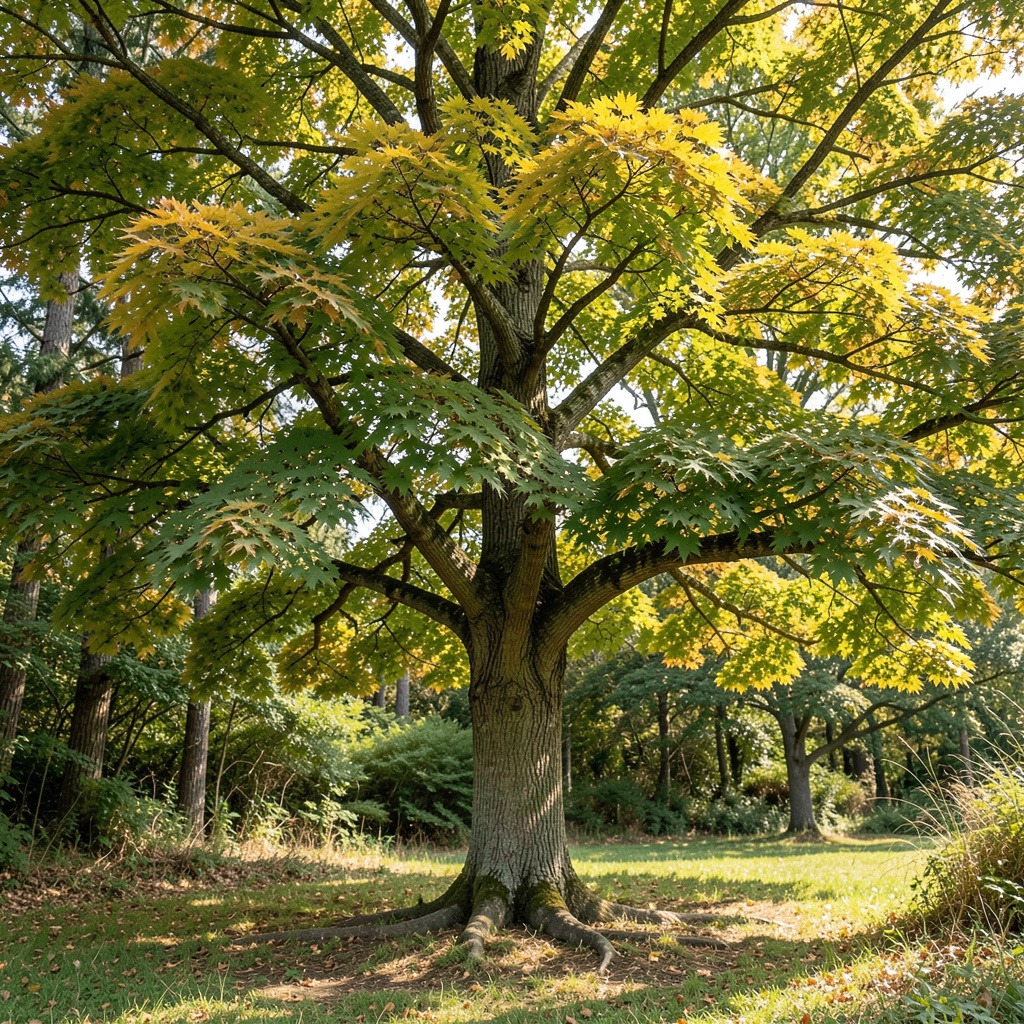
The Katsura tree, scientifically known as Cercidiphyllum japonicum, is a deciduous ornamental tree prized for its aesthetic beauty and unique characteristics. Native to East Asia, it thrives in various landscapes, making it a popular choice among gardeners.
Characteristics of the Katsura Tree
- Height and Spread: The Katsura tree typically reaches heights of 40 to 60 feet and can spread 30 to 40 feet wide at maturity.
- Foliage: Its heart-shaped leaves are green in spring and summer, transitioning to vibrant shades of orange and yellow in autumn. This seasonal change adds visual interest year-round.
- Fragrance: One of its most distinctive features is the pleasant aroma released by its leaves during fall, often compared to caramel or cotton candy.
Growing Conditions and Care
- Soil Requirements: The Katsura tree prefers rich, well-drained soil with high organic content. It thrives in both acidic and alkaline soils, making it adaptable to various environments.
- Sunlight: This tree grows best in full sun to partial shade. Adequate sunlight promotes healthy growth and vibrant foliage.
- Watering Needs: While the Katsura tree is relatively low-maintenance, it is sensitive to drought. Regular watering during dry spells is crucial for maintaining its health.
Cultural and Historical Significance
The Katsura tree holds cultural importance in Japan, where it symbolizes grace and beauty. Historically, it has been used in traditional gardens and landscapes, valued for its ornamental qualities. Its unique growth habit and seasonal transformations make it a focal point in many gardens.
When considering the Katsura tree for your landscape, think about its growth requirements and aesthetic benefits. This will help you determine if it aligns with your specific gardening goals and conditions.
1. Visual Appeal: The Aesthetic Advantages of Katsura Trees
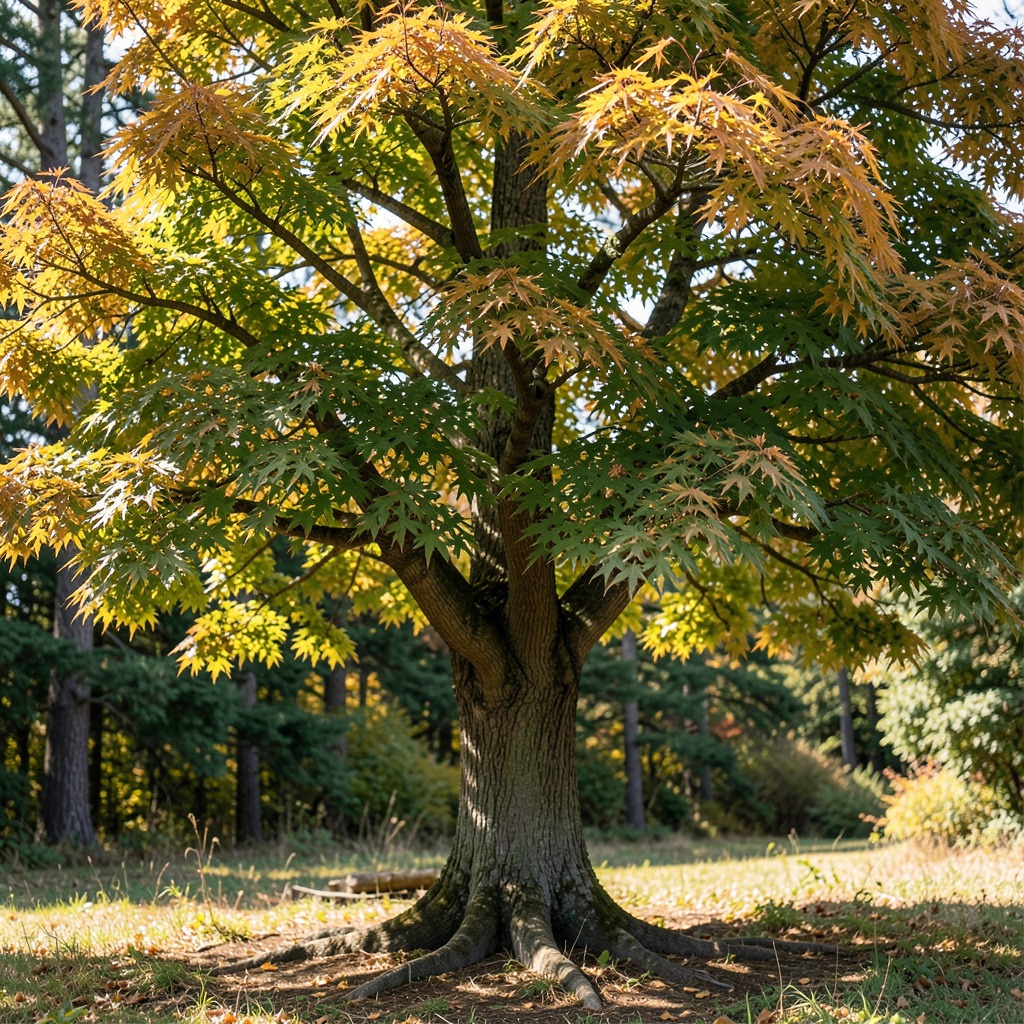
Katsura trees (Cercidiphyllum japonicum) are celebrated for their striking visual appeal. Their unique foliage, seasonal color changes, and distinctive shape make them a captivating addition to any landscape.
Year-Round Color Changes
Katsura trees provide a dynamic display of colors throughout the seasons.
- Spring: New leaves emerge in a stunning reddish-purple hue, offering a vibrant start to the growing season.
- Summer: The heart-shaped leaves transition to a lush green, creating a lush canopy that provides ample shade.
- Fall: As autumn approaches, the foliage transforms into brilliant shades of orange and yellow, creating a warm, inviting atmosphere. This color change attracts attention and enhances the landscape’s aesthetic.
Unique Tree Shape
The rounded, multi-stemmed shape of the Katsura tree adds architectural interest to gardens and landscapes.
- Versatile Design Element: Its compact growth habit makes it suitable for various landscape designs, including small gardens and urban spaces.
- Height and Spread: Mature Katsura trees reach about 50 feet tall with a canopy spread of up to 35 feet, making them effective as focal points or shade providers.
Seasonal Fragrance
One of the unique features of the Katsura tree is its seasonal fragrance.
- Caramel Aroma: In the fall, as the leaves drop, they emit a sweet, caramel-like scent. This aroma adds a sensory dimension to the landscape, enhancing the overall experience for those who enjoy the outdoors.
- Attraction for Wildlife: The pleasant fragrance can also attract pollinators and other wildlife, contributing to the ecological balance of the garden.
Integrating Katsura trees into a landscape design can create a stunning visual focal point. Their year-round color changes, unique shape, and delightful fragrance distinguish them from other ornamental trees. When considering a Katsura tree, evaluate your space and design objectives to ensure it complements your landscape effectively.
2. Fragrance: The Sweet Aroma of Katsura Trees
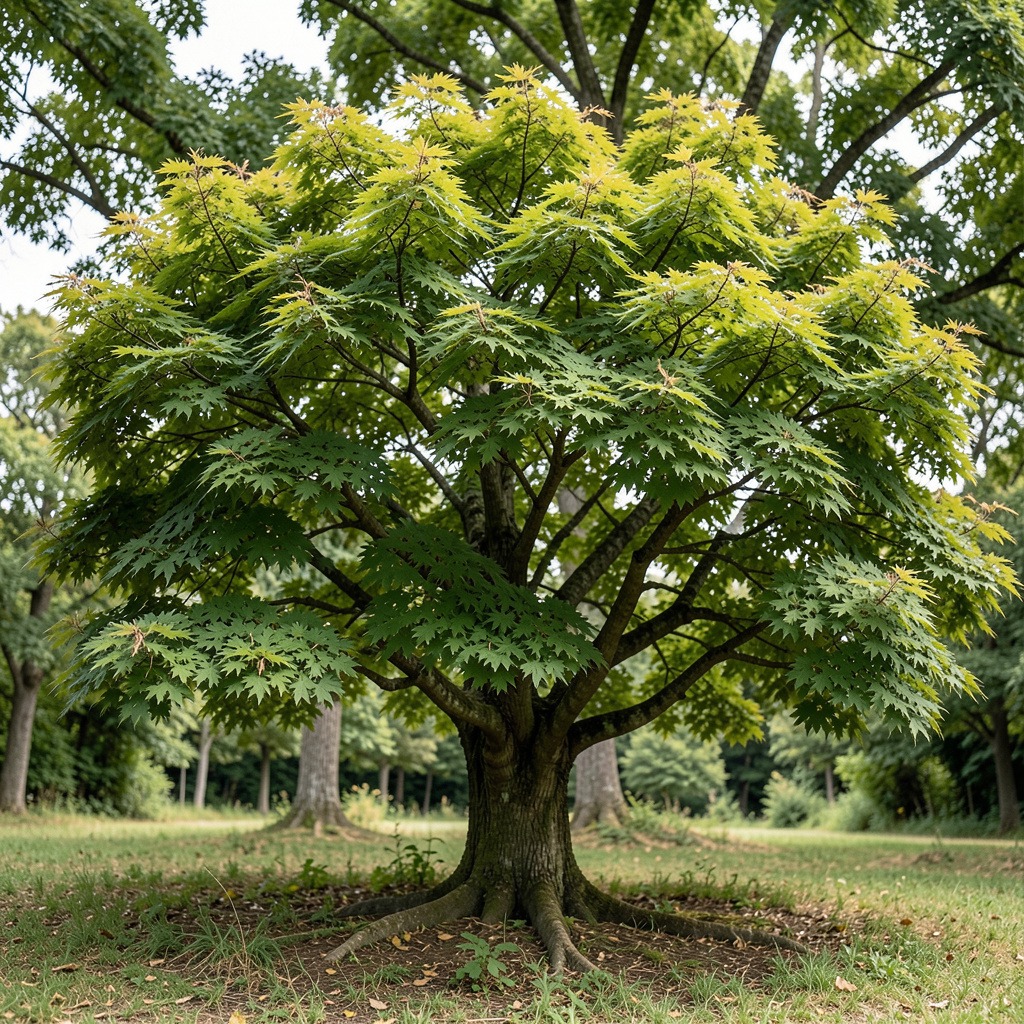
The Katsura tree is renowned for its distinctive sweet fragrance, particularly during the autumn season. This unique aroma captivates gardeners and nature enthusiasts alike, enhancing the outdoor experience.
What Makes the Katsura Tree’s Fragrance Unique?
The leaves of the Katsura tree release a delightful scent reminiscent of caramelized sugar or cotton candy as they fall. This fragrance becomes more pronounced on warm, still days, creating a sensory delight for those nearby.
Appeal to Gardeners and Nature Lovers
1. Seasonal Sensation: The sweet aroma signals the arrival of autumn, evoking nostalgia and joy for many. Gardeners often describe this scent as a cherished marker of seasonal change.
2. Wildlife Attraction: The pleasant fragrance attracts pollinators and other wildlife, contributing to the ecological balance of a garden.
3. Aesthetic Experience: The combination of the Katsura tree’s vibrant foliage and its sweet scent creates a captivating visual and olfactory experience in the landscape.
Anecdotal Evidence from Gardeners
Many gardeners report a strong emotional connection to the Katsura tree due to its fragrance. One gardener noted, “Every autumn, as the leaves fall, the whole yard smells like a bakery. It’s magical.” Such firsthand experiences highlight the tree’s ability to enhance not just the visual appeal but also the sensory richness of outdoor spaces.
Incorporating a Katsura tree into your landscape design can elevate the overall aesthetic and provide a unique sensory experience that few other trees can match. Consider its fragrance as a key factor when deciding if the Katsura tree is right for your garden.
3. Shade Provision: Natural Cooling Benefits
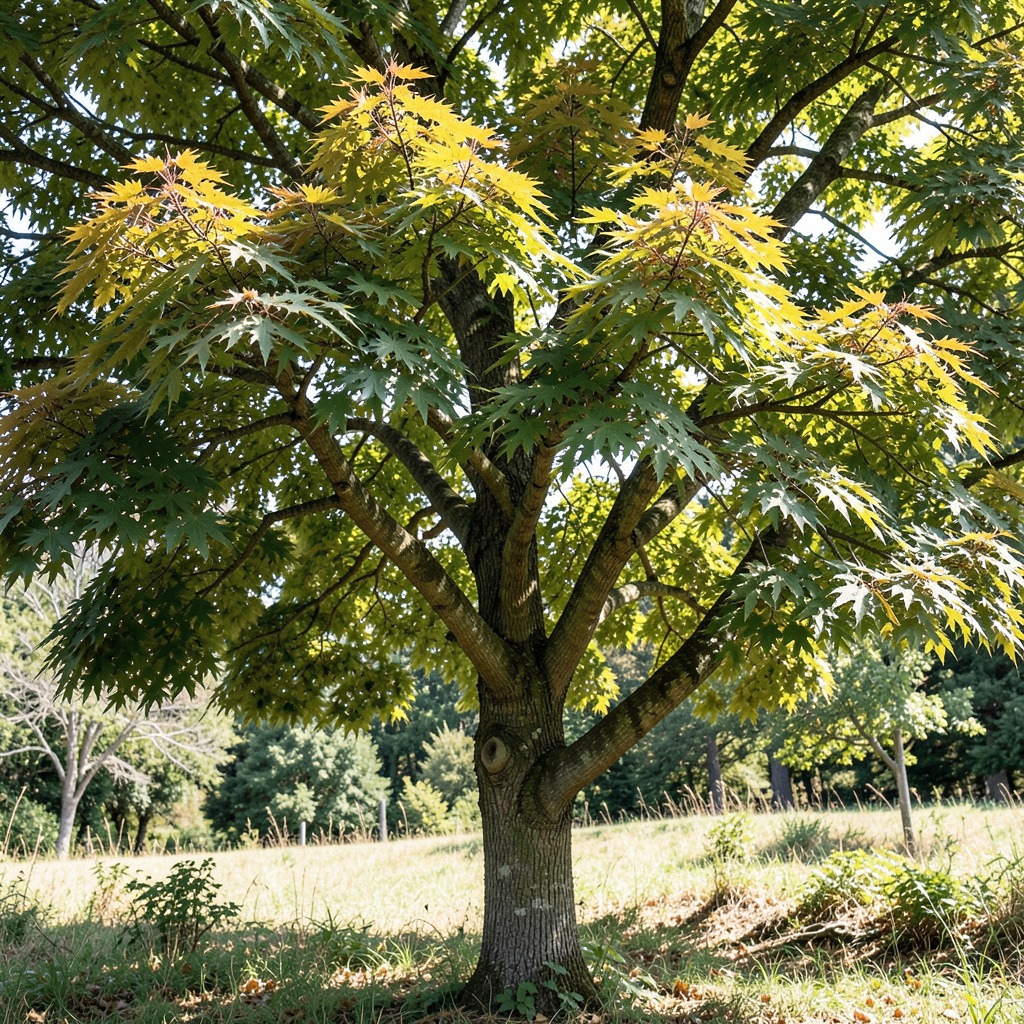
Katsura trees are exceptional for providing shade. Their broad, spreading canopy creates a comfortable environment, making them ideal for both urban and residential landscapes.
Ample Shade Coverage
Katsura trees typically grow between 40 to 60 feet tall and can spread up to 45 feet wide. This size allows them to cast dappled shade over large areas. The shade they provide can significantly reduce temperatures in nearby outdoor spaces.
- Temperature Reduction: Compared to common landscape trees like oaks and maples, Katsura trees offer comparable or even superior shade coverage. This shading effect can lower surface temperatures by several degrees, providing relief during hot summer months.
Urban Tolerance and Adaptability
Katsura trees thrive in urban conditions. They tolerate pollution, compacted soil, and varying moisture levels. This makes them a valuable addition to city landscapes where many trees might struggle.
- Ideal for Streetscapes: Their resilience allows them to be planted near sidewalks, driveways, and busy streets without compromising their growth.
Practical Applications in Landscaping
When integrating Katsura trees into your landscape, consider the following:
- Placement: Position them to maximize shade coverage in areas frequently used during the day.
- Companion Planting: Combine Katsura trees with shade-tolerant plants to enhance the aesthetic and create a layered garden.
- Maintenance: While they are low-maintenance, ensure regular checks on their root system to prevent issues near paved surfaces.
By selecting a Katsura tree for your landscape, you not only enhance visual appeal but also create a naturally cooled environment for enjoyment and relaxation.
4. Urban Tolerance: Thriving in Challenging Conditions
The Katsura tree (Cercidiphyllum japonicum) excels in urban environments. Its resilience to pollution, heat, and poor soil conditions makes it an ideal choice for city landscapes.
Resilience to Pollution
Katsura trees exhibit impressive tolerance to urban pollution. They can thrive in areas with high levels of vehicle emissions and other pollutants. This quality makes them suitable for streetscapes and parks in densely populated areas.
Adaptability to Heat and Poor Soil
These trees are not only pollution-resistant but also adaptable to challenging soil conditions. They can grow in compacted soils, which are common in urban settings. Additionally, Katsura trees have shown resilience to heat stress, making them effective in warmer climates.
Practical Considerations for Urban Planting
When considering Katsura trees for urban planting, keep these factors in mind:
- Site Selection: Choose locations with adequate space for roots to expand without interference.
- Soil Quality: While they can tolerate poor soil, enriching planting sites with organic matter can promote healthier growth.
- Watering Needs: Establish a consistent watering schedule, especially during dry spells, to ensure robust development.
By understanding the advantages of the Katsura tree, urban planners and homeowners can make informed choices. This tree not only enhances aesthetic appeal but also contributes to environmental resilience in urban landscapes.
5. Root System Issues: Drawbacks of Katsura Trees
The Katsura tree’s shallow root system presents specific challenges for landscaping. While it allows for easy planting near pavements, it can lead to complications as the tree matures.
Surface Roots and Damage
Katsura trees develop aggressive surface roots over time. These roots can disrupt nearby lawns, walkways, and even foundations. Here are some potential problems:
- Walkway Cracking: Surface roots can push up pavement, creating trip hazards.
- Lawn Competition: Roots compete for moisture and nutrients, making it difficult to maintain healthy grass beneath the tree.
- Maintenance Obstructions: Shallow roots may hinder mowing and other landscape maintenance activities.
Managing Root-Related Issues
To mitigate root-related problems, consider these practical strategies:
- Select Appropriate Locations: Plant Katsura trees away from high-traffic areas or pathways where root expansion could cause damage.
- Use Root Barriers: Installing physical barriers can help contain root spread and protect surrounding structures.
- Regular Monitoring: Keep an eye on root development, especially as the tree matures. Address any surface root issues proactively.
Size Considerations
Katsura trees can grow to be sizable, reaching heights of 40-60 feet and widths of 25-45 feet. This growth requires ample space, and limited room can exacerbate root issues. When planting, ensure sufficient distance from structures and walkways.
By understanding these drawbacks, homeowners can make informed decisions about incorporating Katsura trees into their landscapes.
6. Messy Fruiting: The Downside of Katsura Trees
The Katsura tree, while beautiful and resilient, does come with its share of maintenance challenges due to its messy fruiting habits. The seed pods can create a significant cleanup task in your landscape, particularly in the fall and winter months.
Seed Pods and Cleanup Challenges
Katsura trees produce small, pod-like seed capsules that split open to release winged seeds. These pods can litter the ground, creating a slippery mess. This issue can be particularly problematic in high-traffic areas, where fallen seeds may pose a slipping hazard.
- Timing: Seed pods typically mature in the fall, making this the peak cleanup season.
- Visibility: The pods are inconspicuous but can accumulate quickly, leading to a significant mess.
- Slippery Surfaces: Fallen pods can make sidewalks and driveways slippery, increasing the risk of accidents.
Maintenance Tips to Mitigate Mess
To manage the mess from Katsura trees effectively, consider these maintenance strategies:
- Regular Raking: Schedule frequent raking during the fall season to keep areas clear of fallen pods.
- Ground Cover: Plant low-growing ground cover beneath the tree to absorb fallen seeds and reduce slipperiness.
- Strategic Placement: When planting, avoid placing Katsura trees near high-traffic walkways or areas where children play.
By taking these precautions, homeowners can enjoy the aesthetic benefits of the Katsura tree while minimizing the drawbacks associated with its messy fruiting habits.
7. Sensitivity to Drought: Water Requirements of Katsura Trees
Katsura trees (Cercidiphyllum japonicum) exhibit a notable sensitivity to drought, making their water needs crucial for healthy growth. Understanding these requirements is essential for anyone considering this tree for their landscape.
Watering Schedule for Katsura Trees
Katsura trees require consistent moisture, especially during their early years. Here’s a practical checklist for optimal growth:
- First Two Years: Water the tree weekly with approximately 1 inch (2.5 cm) of water. This ensures the soil remains consistently moist.
- After Establishment: Once established, the tree becomes more drought-tolerant but still benefits from regular watering, especially in hot, dry conditions.
- Hot Months: Increase watering frequency to once a week if rainfall is less than 1 inch (2.5 cm) during the summer months.
Key Considerations for Watering
- Soil Type: Katsura trees thrive in well-drained, moisture-retentive soils. Sandy or rocky soils may require more frequent watering.
- Location: Plant these trees in areas with partial shade to help retain soil moisture, particularly in hotter regions.
- Root System: The shallow roots of the Katsura tree make it more sensitive to dry conditions. Ensure the planting site supports adequate moisture retention.
Signs of Drought Stress
Recognizing signs of drought stress is vital for maintaining the health of your Katsura tree. Look for:
- Wilting leaves
- Leaf drop
- Browning leaf edges
By closely monitoring these signs and adhering to a proper watering regimen, you can foster a thriving Katsura tree in your landscape.
8. Long-Term Care: Maintenance & Lifespan of Katsura Trees
Katsura trees (Cercidiphyllum japonicum) can thrive for over 100 years with proper care. Understanding their maintenance needs is crucial for ensuring their health and longevity.
Maintenance Requirements
To keep your Katsura tree healthy, adhere to these maintenance guidelines:
- Watering: Regularly monitor soil moisture, especially during dry spells. Deep watering encourages strong root development.
- Mulching: Apply a layer of organic mulch around the base to retain moisture and regulate soil temperature.
- Pruning: Perform minimal pruning to maintain shape and remove any dead or damaged branches. Avoid heavy pruning, as this can stress the tree.
- Fertilization: Use a balanced, slow-release fertilizer in early spring to support growth. Avoid over-fertilizing, which can lead to excessive foliage at the expense of root health.
Lifespan Considerations
Katsura trees are known for their impressive lifespan. Here are key points to consider:
- Growth Rate: Expect a slow to moderate growth rate, averaging 1-2 feet per year. This means they may take 15-20 years to reach their full visual impact.
- Environmental Adaptability: They thrive in well-drained, rich soils and prefer partial shade. Ensure the planting site can accommodate their needs for optimal growth.
- Pest Resistance: Katsura trees are relatively free from serious pests and diseases, making them a low-maintenance choice for landscapes.
Checklist for Long-Term Care
- Watering: Check soil moisture regularly.
- Mulching: Apply mulch annually.
- Pruning: Inspect and prune as needed.
- Fertilization: Fertilize once a year in spring.
By following these guidelines, you can enjoy the beauty of Katsura trees for generations. Their unique aesthetics, including fragrant foliage and stunning fall colors, make them a valuable addition to any landscape design.
Frequently Asked Questions
These quick answers cover the most common questions about this topic, including key details, practical tips, and common concerns.
What problems do katsura trees have?
Katsura trees can face several issues, primarily due to their shallow root systems. This can lead to surface roots that disrupt nearby lawns, sidewalks, and foundations. Additionally, their messy fruiting habits produce seed pods that can create a slippery mess in high-traffic areas, requiring regular cleanup.
Where is the best place to plant a katsura tree?
The best location for planting a katsura tree is in well-drained soil with plenty of sunlight, ideally in a spot that receives full sun to partial shade. Ensure there is enough space for its expansive root system and canopy spread. Avoid planting near paved surfaces or structures to minimize potential root damage.
What is the average lifespan of a katsura tree?
Katsura trees can live for over 100 years when properly cared for. Their slow to moderate growth rate means they may take 15-20 years to reach their full size, but with good maintenance, they can thrive for generations, providing beauty and fragrance to your landscape.
Are katsura trees suitable for small gardens?
While katsura trees can grow quite large, their compact growth habit makes them suitable for small gardens if planted thoughtfully. Consider dwarf varieties or ensure they are placed in a location where they have enough room to grow without overcrowding other plants.
How fast do katsura trees grow?
Katsura trees typically grow at a slow to moderate rate, averaging about 1-2 feet per year. Factors such as soil quality, water availability, and sunlight exposure can influence their growth rate. Proper care can help maximize their growth potential.
What are alternatives to katsura trees for landscaping?
If you’re looking for alternatives to katsura trees, consider options like Japanese maples, serviceberries, or flowering dogwoods. These trees also provide seasonal interest, beautiful foliage, and can fit well in various landscape designs, especially in smaller spaces.
What is the myth behind the katsura tree?
In Japanese culture, the katsura tree is often associated with grace and beauty. It is believed to symbolize love and harmony, making it a popular choice for traditional gardens. The tree’s sweet fragrance in autumn is thought to evoke feelings of nostalgia and comfort, further enhancing its cultural significance.