
Mahogany trees offer various advantages like durability and aesthetic appeal, while drawbacks include high cost and environmental concerns.
Table of Contents
Mahogany trees are highly valued for their quality wood, often used in fine furniture and construction. However, before choosing mahogany, it’s essential to understand the key advantages and disadvantages to make an informed decision for your projects.
Understanding Mahogany: Overview and Key Characteristics
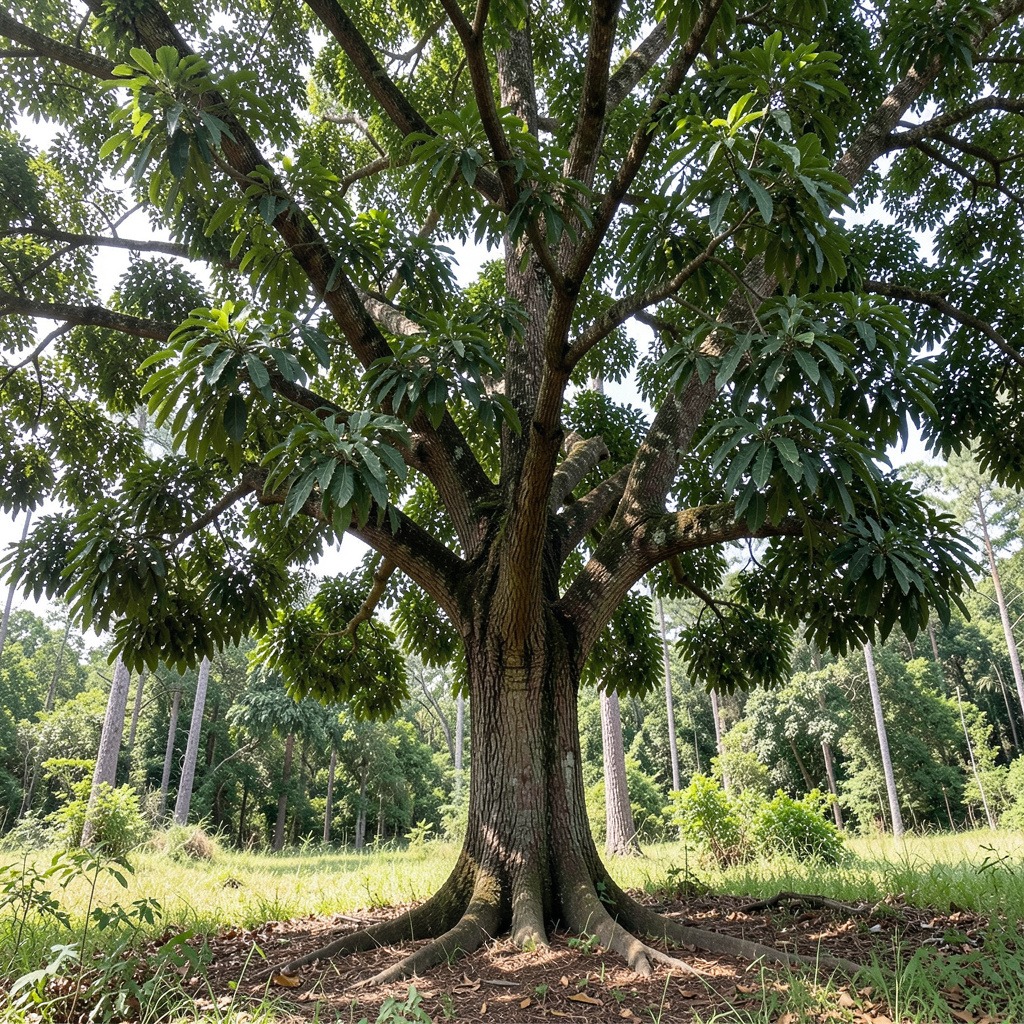
Mahogany trees are prized for their rich, durable wood, widely used in fine furniture, cabinetry, and musical instruments. Understanding the various species and their unique characteristics is crucial for making informed decisions in woodworking projects.
Key Species of Mahogany
The term “mahogany” encompasses several species, each with distinct qualities. The three primary species are:
- Honduran Mahogany (Swietenia macrophylla): Known for its deep reddish-brown color and high durability, this species is often preferred for fine furniture. It thrives in Central America and can grow up to 150 feet tall.
- Cuban Mahogany (Swietenia mahagoni): Renowned for its beauty and workability, Cuban mahogany features a fine grain and is often used in high-end cabinetry and boat building. It is primarily found in the Caribbean.
- African Mahogany (Khaya spp.): While not a true mahogany, African mahogany is commonly used and is known for its lighter color and moderate durability. It grows in various African countries and is often more accessible than its Central American counterparts.
Physical Characteristics of Mahogany Wood
Mahogany is distinguished by its unique physical properties, which contribute to its popularity in woodworking:
- Color: Ranges from light pinkish-brown to deep red, often darkening with age.
- Grain: Generally straight, with occasional wavy patterns that enhance its aesthetic appeal.
- Density: Moderately dense, making it durable yet workable with tools.
- Finish: Takes stain and polish exceptionally well, enhancing its natural beauty.
These characteristics make mahogany a favorite among craftsmen. For example, a furniture maker may choose Honduran mahogany for a dining table due to its durability and rich color, ensuring the piece lasts for generations.
When selecting a mahogany species for a project, consider the intended use and environmental impact. Choose sustainably sourced wood to mitigate ecological concerns. Understanding these species and their traits will guide your decision-making process effectively.
Advantages of Mahogany Wood: Durability and Aesthetic Appeal
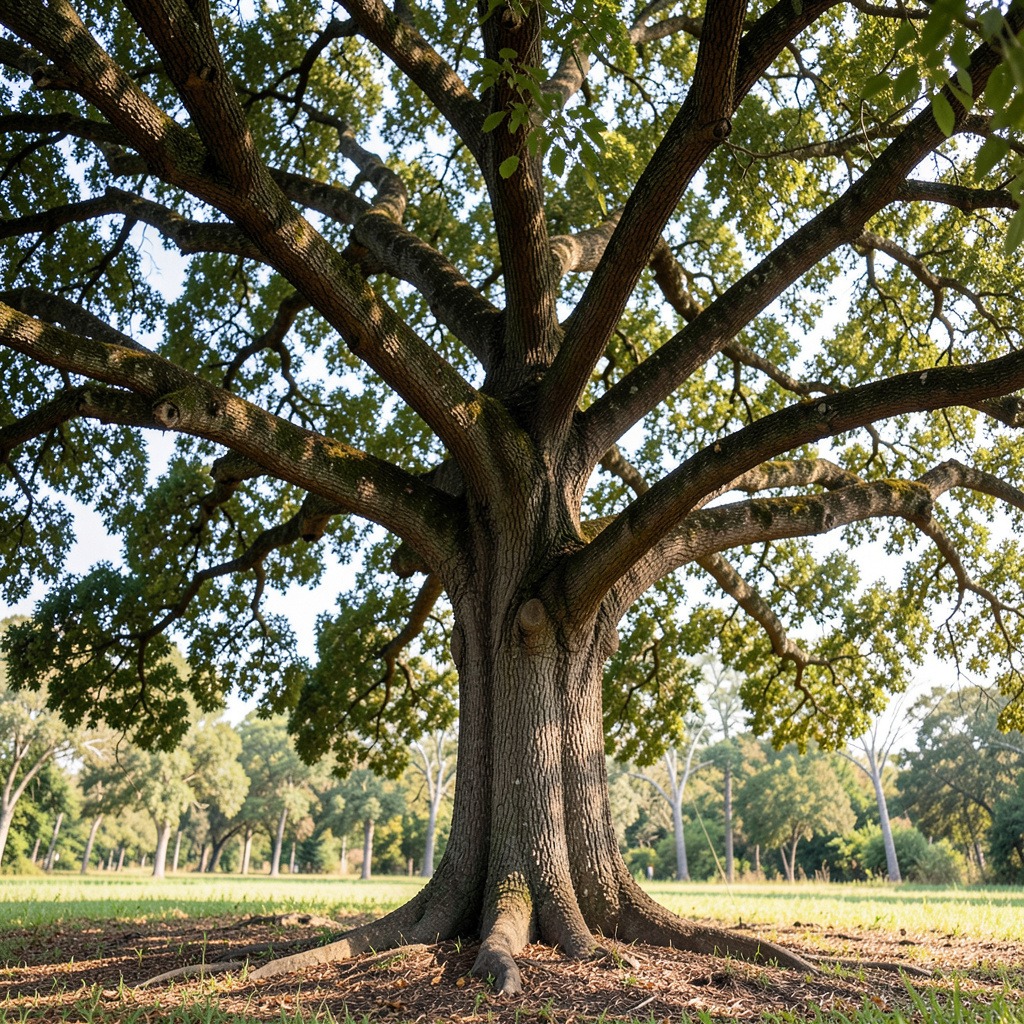
Mahogany wood is renowned for its exceptional durability and striking visual appeal. These qualities make it a preferred choice for both indoor and outdoor projects. Understanding these advantages is crucial for anyone considering mahogany for their next woodworking endeavor.
Exceptional Durability
Mahogany wood boasts remarkable durability. It is naturally resistant to rot and decay, making it suitable for various applications, including outdoor furniture and marine environments. This resistance extends the lifespan of mahogany products significantly, often lasting several decades when properly maintained.
- Waterproof Properties: Mahogany can withstand moisture without warping or degrading.
- High Traffic Resilience: It endures heavy use, making it ideal for floors and furniture in busy areas.
Beautiful Aesthetic Qualities
The rich, reddish-brown hue of mahogany adds warmth and sophistication to any space. This wood’s stunning appearance makes it popular in high-end cabinetry and furniture. Its ability to take stains and finishes exceptionally well enhances its natural beauty, allowing for a variety of design options.
- Color Variations: Different species of mahogany offer a range of shades, from deep red to lighter browns.
- Smooth Finish: With the right tools, mahogany achieves a glass-like finish that elevates its aesthetic appeal.
Resistance to Pests and Decay
Mahogany’s inherent properties provide a defense against pests and fungi. This resistance means less maintenance and lower long-term costs for homeowners and builders.
- No Chemical Treatments Required: Mahogany often does not need additional chemical treatments for pest control, unlike other woods.
- Long-Term Value: Reduced decay and pest damage contribute to lower replacement costs over time.
Maintenance Tips for Various Environments
To preserve mahogany’s beauty and longevity, specific maintenance practices are essential depending on its use:
- Indoor Use: Regular dusting and occasional polishing help maintain its shine. Avoid direct sunlight to prevent color fading.
- Outdoor Use: Apply a protective finish annually to guard against moisture and UV damage. Regularly check for signs of wear or decay.
By recognizing the advantages of mahogany wood, you can make informed decisions for your projects. Consider your specific needs and environment to maximize the benefits of this beautiful and durable material.
2. Disadvantages of Mahogany Wood: Cost and Sourcing Issues

Mahogany wood is prized for its beauty and durability, but it comes with significant drawbacks. The most notable issues are its high cost, limited availability, and environmental concerns that arise from sourcing practices.
Premium Price Point
Mahogany is one of the more expensive hardwoods available. Its premium price results from various factors:
- Slow Growth Rate: Mahogany trees take many years to mature. This slow growth leads to limited supply, driving up prices.
- High Demand: As mahogany becomes more popular in furniture making and construction, its cost continues to rise.
- Quality Variance: Genuine mahogany is often harder to find, resulting in a market flooded with inferior alternatives, which can mislead consumers.
Sourcing Challenges
Sourcing authentic mahogany can be a complex task. Key challenges include:
- Limited Geographic Distribution: Mahogany primarily grows in tropical regions, making it less accessible in other areas.
- Sustainability Issues: Unsustainable harvesting practices threaten mahogany populations. Ensuring you buy from reputable suppliers is crucial.
- Fakes and Substitutes: Many products labeled as mahogany may be imitations or different species entirely. This complicates purchasing decisions.
Environmental Impact and Sustainability
The environmental concerns surrounding mahogany sourcing are substantial. Here are critical considerations:
- Deforestation: The harvesting of mahogany often contributes to deforestation, impacting biodiversity and ecosystems.
- Sustainable Practices: To mitigate environmental impact, it’s essential to source mahogany from certified sustainable forests. This ensures the product is responsibly harvested.
Sustainability Checklist for Mahogany Sourcing
- Look for Certifications: Choose suppliers with Forest Stewardship Council (FSC) or similar certifications.
- Research Suppliers: Investigate the sourcing practices of your supplier. Engage with companies that prioritize sustainability.
- Consider Alternatives: Explore sustainable alternatives like reclaimed wood or other hardwoods with similar properties.
By understanding the costs, sourcing challenges, and environmental implications, you can make informed choices regarding the use of mahogany in your projects.
3. Workability of Mahogany: Ease of Use for Woodworkers
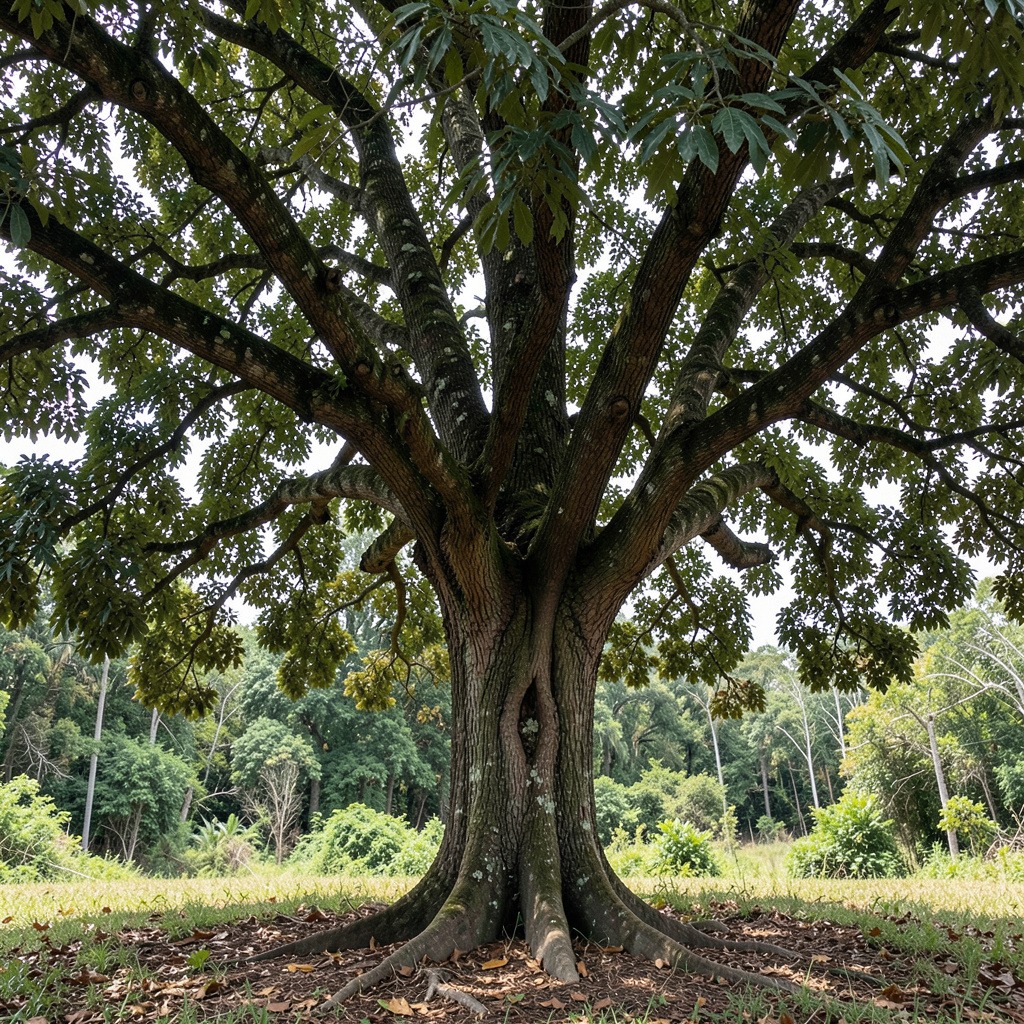
Mahogany is well-regarded among woodworkers for its exceptional workability. This hardwood allows for precise cuts and a flawless finish, making it a favorite for various projects. Below, we explore its machining capabilities and ideal applications.
Machining and Finishing
Mahogany’s properties facilitate easy machining. Woodworkers find it cuts cleanly without splintering. It sands down to a smooth surface effortlessly, enabling intricate designs. This wood also takes stains and finishes exceptionally well, enhancing its natural beauty.
- Cutting: Mahogany responds well to both hand and power tools. It maintains its structural integrity under different techniques, unlike some harder varieties like oak.
- Sanding: It sands easily, allowing for a fine finish that prepares the surface for staining or sealing.
- Finishing: Mahogany absorbs finishes uniformly, resulting in a rich, lustrous appearance. This quality is particularly advantageous for fine furniture and cabinetry.
Ideal Applications for Mahogany
Mahogany’s workability makes it suitable for a variety of projects. Here are some common applications where its characteristics shine:
- Furniture: Mahogany is ideal for crafting dining tables, chairs, and cabinets. Its durability and aesthetic appeal make it a top choice for high-end furniture.
- Musical Instruments: The stability of mahogany makes it a preferred material for pianos and guitars, where sound quality and resonance are crucial.
- Boat Building: Its resistance to rot and decay makes mahogany a go-to for marine applications, providing longevity in harsh environments.
Comparison with Other Hardwoods: While oak and maple are also popular choices, they can be more challenging to work with. Oak is harder, which can lead to more tool wear and difficulty in finishing. Maple, although durable, is often more prone to tear-out during machining. In contrast, mahogany offers a balance of durability and ease of use, making it an excellent choice for both novice and experienced woodworkers.
Practical Example: Consider a project involving a custom dining table. A woodworker might choose mahogany for its ease of shaping and finishing, leading to a visually stunning piece that stands the test of time. In contrast, using oak might require more effort in sanding and finishing, potentially delaying the project timeline.
By understanding the workability of mahogany, woodworkers can make informed choices that enhance their projects’ quality and efficiency.
4. Aesthetic Qualities of Mahogany: A Visual Appeal
Mahogany wood is renowned for its striking aesthetic qualities. Its rich color and unique grain patterns make it a desirable choice for various applications. Understanding these characteristics can help you make informed decisions for your projects.
Color and Grain Patterns
Mahogany exhibits a deep reddish-brown hue, which is highly sought after for its warmth and elegance. The color can vary among species, including genuine mahogany, African mahogany, and Philippine mahogany. Each type presents a unique grain pattern that adds to its visual appeal.
- Genuine Mahogany: Typically has a straight grain with a fine, even texture.
- African Mahogany: Often features interlocking grain patterns and a slightly lighter color.
- Philippine Mahogany: Displays a more varied grain, sometimes with visible streaks.
When selecting mahogany, consider the specific color and grain patterns that will complement your project.
Aging and Patina Effects
Over time, mahogany develops a rich patina that enhances its beauty. This aging process can deepen the color and add character to the wood.
- Initial Appearance: Freshly cut mahogany has a vibrant reddish-brown color.
- Aged Look: With exposure to light and air, the wood darkens, creating a more pronounced and sophisticated look.
For example, a mahogany dining table may start with a bright hue but will mature into a darker, richer color over years of use. This natural aging process is part of what makes mahogany a cherished material in fine furniture.
When planning your project, consider how the aging of mahogany will impact its visual appeal. Choosing finishes that enhance rather than obscure this process can yield stunning results. For instance, a clear finish can protect the wood while allowing its natural beauty to shine through.
Visual Examples of Mahogany Finishes
Here are some common finishes that highlight mahogany’s aesthetic qualities:
- Oil Finish: Enhances color depth and grain visibility.
- Varnish: Provides a high-gloss look, emphasizing the wood’s natural beauty.
- Stain: Allows for color customization while showcasing the grain.
Incorporating these finishes can elevate your project and ensure that the inherent beauty of mahogany is front and center.
5. Environmental Impact: Sustainability Concerns with Mahogany
The environmental implications of mahogany harvesting are significant. Understanding these concerns is critical for responsible sourcing.
Deforestation Issues
Mahogany trees are primarily harvested from tropical rainforests. This practice raises major concerns about deforestation and the loss of biodiversity. The demand for mahogany has led to over-exploitation. Many species of mahogany are now threatened or endangered due to unsustainable practices.
Consider the following impacts of deforestation:
- Loss of Habitat: Wildlife loses its natural habitat, leading to decreased populations and even extinction.
- Climate Change: Forests play a crucial role in carbon sequestration. Their removal contributes to increased greenhouse gas emissions.
- Soil Erosion: Deforestation disrupts soil stability, leading to erosion and degraded land.
Sustainable Sourcing Practices
To mitigate environmental harm, sustainable sourcing of mahogany is essential. This involves obtaining wood from responsibly managed forests. Sustainable practices ensure that harvesting does not exceed growth rates.
When sourcing mahogany, consider the following guidelines:
1. Certification: Look for certified sustainable wood from organizations like the Forest Stewardship Council (FSC).
2. Local Sourcing: Purchase from local suppliers to reduce transportation emissions and support regional economies.
3. Transparency: Ensure suppliers can trace the wood back to its source, confirming it comes from sustainable operations.
By adhering to these practices, you can enjoy the beauty and durability of mahogany while minimizing environmental impact.
Decision Framework for Sourcing Mahogany
When selecting mahogany for your project, evaluate it against these criteria:
- Environmental Certifications: Verify that the wood is certified as sustainably sourced.
- Species Identification: Understand the specific type of mahogany you are purchasing, as different species may have varying sustainability statuses.
- Lifecycle Impact: Consider the overall environmental footprint of the wood, from harvesting to transportation.
Using this framework will help you make informed choices that align with both your aesthetic goals and environmental responsibilities.
6. When to Choose Mahogany for Your Projects
Mahogany wood is prized for its unique properties and aesthetic appeal. Understanding when to use it can enhance your project’s quality and longevity.
Ideal Use Cases
Mahogany excels in various applications due to its durability and beauty. Here are some ideal scenarios:
- Furniture: Ideal for high-end furniture pieces like tables, chairs, and cabinets. Its rich color and grain add elegance.
- Musical Instruments: Commonly used in guitars and pianos for its tonal qualities and stability.
- Boat Building: Water-resistant properties make it suitable for marine applications, including boat decks and interiors.
- Decorative Woodwork: Perfect for intricate carvings and moldings due to its workability.
Projects to Avoid Using Mahogany
While mahogany has many advantages, there are situations where it may not be the best choice:
- High-Impact Areas: Avoid using mahogany in places with heavy foot traffic or where it may be subjected to rough treatment, such as workshop benches. Harder woods like oak or maple are better suited for these environments.
- Outdoor Furniture in Harsh Climates: Although mahogany is resistant to moisture, extreme weather conditions can still affect its longevity. Consider other durable woods for outdoor setups in harsh climates.
Decision-Making Checklist for Selecting Mahogany
When deciding whether to use mahogany, consider the following criteria:
- Project Type: Is it a decorative piece or functional furniture?
- Maintenance Requirements: Are you prepared for regular upkeep to maintain its appearance?
- Budget: Does the cost align with your project’s budget?
- Environmental Impact: Have you verified the sustainability of the mahogany source?
By assessing these factors, you can make an informed decision that balances aesthetics, functionality, and sustainability.
7. Comparisons: Mahogany vs. Other Common Hardwoods
When selecting wood for your project, understanding how mahogany compares to other hardwoods like oak and teak is essential. Each type has distinct characteristics that influence performance, aesthetics, and cost.
Mahogany vs. Oak
| Property | Mahogany | Oak |
|---|---|---|
| Durability | Highly durable and resistant to decay | Very durable, good for high-traffic areas |
| Aesthetic Appeal | Rich, warm color with a fine grain | Prominent grain patterns, lighter color |
| Workability | Easy to work with, sands smoothly | Can be harder to work due to density |
| Cost | Generally more expensive | More affordable than mahogany |
Mahogany offers a refined look with rich hues, making it suitable for fine furniture and cabinetry. Oak, known for its strength, is often preferred for flooring and furniture that endures wear. If budget is a concern, oak may be a better choice, while mahogany’s premium pricing reflects its luxury status.
Mahogany vs. Teak
| Property | Mahogany | Teak |
|---|---|---|
| Durability | Durable but less weather-resistant | Extremely weather-resistant, ideal for outdoor use |
| Aesthetic Appeal | Deep, warm tones | Rich golden-brown with a smooth finish |
| Workability | Easy to work with | Can be challenging due to its oil content |
| Cost | Higher price point | Typically more expensive than mahogany |
Teak is the go-to choice for outdoor projects due to its exceptional resistance to the elements. While mahogany is often used for indoor applications, its durability is not as well-suited for harsh weather. When considering cost, both woods are premium options, but teak often commands a higher price due to its specialized uses.
Decision Framework for Selecting Wood
- Project Type: For outdoor furniture, choose teak. For interior design, mahogany adds elegance.
- Budget: If cost is a primary concern, oak provides reliability without the premium price of mahogany or teak.
- Maintenance: Consider the upkeep involved; teak requires less care in outdoor environments than mahogany.
By understanding these comparisons, you can make a more informed choice based on performance, aesthetics, and your specific project needs.
8. Alternatives to Mahogany: Exploring Other Hardwood Options
When considering alternatives to mahogany, it’s essential to find hardwoods that provide similar benefits while minimizing drawbacks. Several options stand out for their durability, aesthetic appeal, and sustainability.
Popular Alternatives
1. Teak
- Durability: Highly resistant to water and decay.
- Appearance: Rich golden-brown color with a straight grain.
- Use Case: Ideal for outdoor furniture due to its natural oils.
2. Cherry
- Durability: Good resistance to wear and tear.
- Appearance: Warm reddish color that deepens over time.
- Use Case: Popular for cabinets and fine furniture.
3. Walnut
- Durability: Dense and sturdy, resistant to warping.
- Appearance: Dark brown with lighter streaks, sophisticated look.
- Use Case: Excellent for high-end furniture and cabinetry.
4. Ash
- Durability: Strong and elastic, with good shock resistance.
- Appearance: Light color with prominent grain patterns.
- Use Case: Commonly used in sports equipment and furniture.
Benefits of Using Alternatives
- Cost-Effectiveness: Many alternatives, such as ash and cherry, are often more affordable than mahogany. This can significantly reduce budget constraints for larger projects.
- Sustainability: Choosing certified sustainable wood sources helps mitigate environmental impact. For example, teak plantations are often managed to maintain ecological balance.
- Availability: Alternatives like ash and cherry are widely available, reducing the risk of supply shortages often associated with mahogany.
- Versatility: Many hardwoods can serve multiple purposes. For instance, walnut’s aesthetic appeal makes it suitable for both structural and decorative uses.
In summary, when selecting wood for your project, consider these alternatives to mahogany. Each offers unique advantages and can meet specific aesthetic, functional, and environmental needs.
Frequently Asked Questions
These quick answers cover the most common questions about this topic, including key details, practical tips, and common concerns.
What are the disadvantages of mahogany?
Mahogany comes with several disadvantages. The most notable is its high cost. This premium hardwood is often more expensive than alternatives due to its slow growth and high demand. Additionally, sourcing genuine mahogany can be challenging, as many products labeled as mahogany may be substitutes or inferior species.
Environmental concerns also arise with mahogany. Unsustainable harvesting practices contribute to deforestation and threaten the species. This raises ethical questions about its use, making it essential to source from certified sustainable suppliers.
What is the price of a 20-year-old mahogany tree?
The price of a 20-year-old mahogany tree can vary widely based on factors like location, quality, and market demand. Generally, mature mahogany trees can fetch several thousand dollars, often ranging from $1,000 to $5,000 or more. The value is influenced by the tree’s size, health, and the rarity of the specific mahogany species.
What is the lifespan of a mahogany tree?
Mahogany trees can live for several decades, with some species reaching up to 100 years or more under optimal conditions. The lifespan depends on factors like species, environment, and care. For instance, Honduran mahogany is known for its longevity and durability, making it a preferred choice for long-lasting applications.
Why can’t you get mahogany anymore?
The availability of genuine mahogany has declined due to overharvesting and environmental regulations. Many regions have restricted logging to protect endangered species and ecosystems. As a result, authentic mahogany is harder to find, leading to a rise in substitutes and imitations in the market.
Why is mahogany considered a luxury wood?
Mahogany is considered a luxury wood due to its rich color, fine grain, and durability. Its aesthetic appeal makes it a favorite for high-end furniture and cabinetry. The slow growth rate and limited supply further contribute to its luxury status, as high-quality mahogany is often hard to source.
How does mahogany compare to oak and teak?
Mahogany, oak, and teak each have unique properties. Mahogany is known for its rich color and smooth workability, making it ideal for fine furniture. Oak is stronger and more durable, suitable for high-traffic areas, while teak excels in outdoor settings due to its water resistance. If you’re looking for elegance, mahogany is a great choice; for durability, oak may be better, and for outdoor use, teak is unmatched.
Are there any disadvantages of mahogany doors?
Mahogany doors can be beautiful, but they come with drawbacks. The high cost is a primary concern, making them less accessible for budget-conscious projects. Additionally, mahogany can be sensitive to temperature and humidity changes, which may lead to warping or cracking if not properly maintained. Regular upkeep is necessary to preserve their appearance and structural integrity.
What are some alternatives to mahogany wood?
If you’re considering alternatives to mahogany, options like cherry, walnut, and teak are worth exploring. Cherry offers a warm hue and good durability, while walnut provides a rich, dark finish and is highly sought after for luxury furniture. Teak is ideal for outdoor projects due to its exceptional weather resistance. Each of these woods can provide similar aesthetic and functional benefits while often being more sustainable or cost-effective.