
Tree planting has significant environmental benefits such as carbon sequestration and improved air quality, but it also poses challenges like ecosystem disruption and maintenance costs.
Tree planting is a powerful environmental strategy with numerous benefits, including enhancing air quality and combating climate change. However, it also has potential drawbacks, such as ecological disruption and maintenance challenges. This guide explores 11 pros and cons of tree planting.
Understanding Tree Planting
Tree planting involves the intentional act of sowing trees in various environments to enhance ecological health, combat climate change, and improve community wellbeing. Its significance in environmental conservation cannot be overstated, as it plays a critical role in supporting climate action initiatives.
How Does Tree Planting Combat Climate Change?
Tree planting is a vital strategy in reducing atmospheric carbon dioxide levels. Trees absorb CO2 during photosynthesis, acting as natural carbon sinks. This process mitigates climate change impacts by:
- Carbon Sequestration: Mature trees can sequester significant amounts of carbon, with one large tree absorbing about 48 pounds of CO2 annually.
- Improving Air Quality: Trees filter pollutants from the air, reducing harmful emissions and improving overall air quality in urban areas.
- Regulating Temperature: By providing shade, trees can lower surrounding temperatures, helping to combat the urban heat island effect.
Why Is Community Engagement Important in Tree Planting?
Engaging communities in tree planting initiatives fosters a sense of ownership and responsibility. Active participation enhances the sustainability of these efforts. Consider the following aspects of community engagement:
- Education: Workshops on tree care and environmental benefits can empower residents to take part in local tree-planting projects.
- Collaboration: Partnering with local organizations, schools, and governments can amplify the impact of tree planting, ensuring diverse input and support.
- Long-term Maintenance: Community involvement can lead to better maintenance of planted trees, addressing challenges such as drought or pest management effectively.
Decision Framework for Effective Tree Planting
When planning tree planting initiatives, consider the following decision points:
1. Species Selection: Choose native species that thrive in local conditions and support local biodiversity.
Table of Contents
2. Location Assessment: Evaluate the site for sunlight, soil type, and existing ecosystems to minimize disruption.
3. Community Needs: Align tree planting efforts with community goals, such as enhancing green spaces or improving air quality.
By applying this framework, communities can maximize the effectiveness of tree planting efforts while minimizing potential ecological risks.
1. Environmental Benefits of Tree Planting
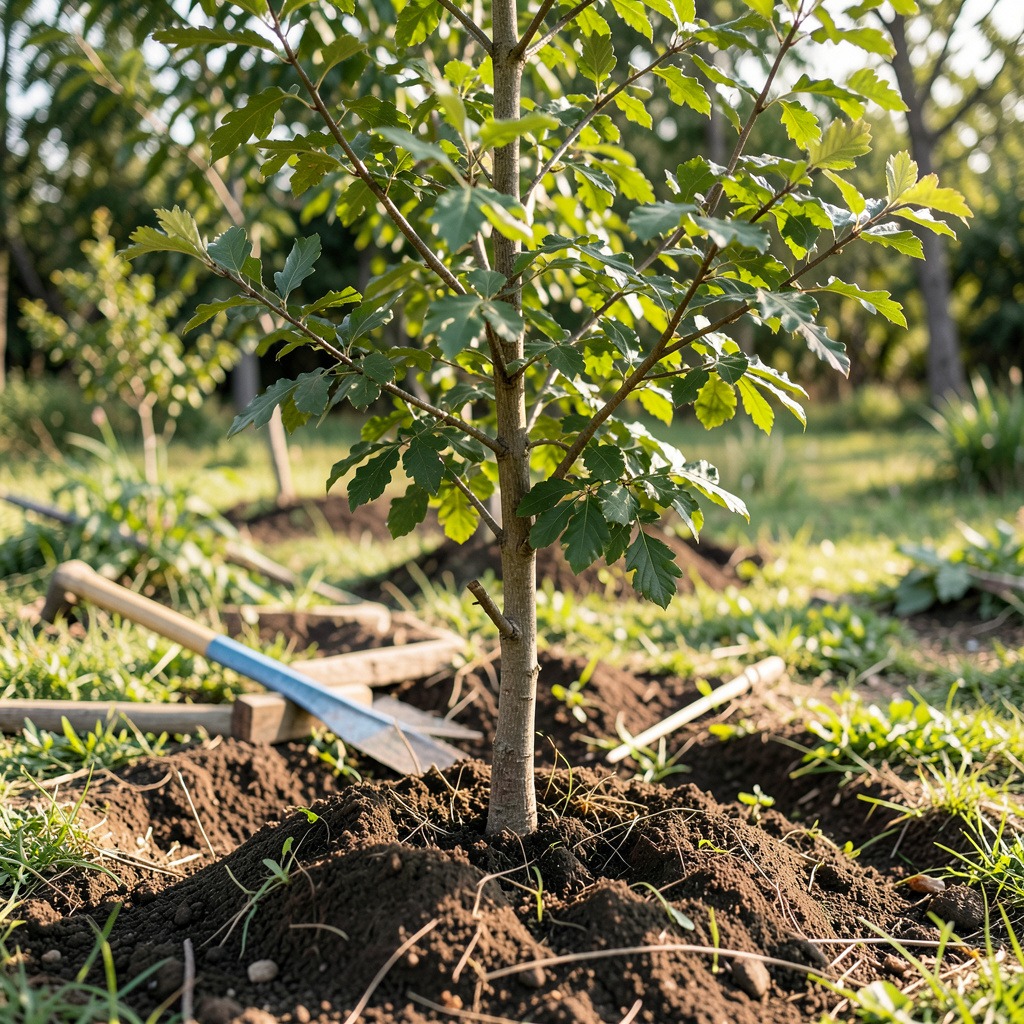
Planting trees offers significant ecological advantages that contribute to environmental sustainability. Key benefits include carbon sequestration, improved air quality, and enhanced biodiversity.
1.1 Carbon Sequestration
Trees are vital for mitigating climate change through carbon sequestration. An average mature tree can absorb approximately 48 pounds of carbon dioxide (CO2) annually. Over its lifetime, a single tree can sequester about one ton of CO2. This process helps to lower greenhouse gas concentrations in the atmosphere.
- Key Species for Carbon Sequestration:
- Red Oak: Known for its rapid growth and high CO2 absorption.
- Loblolly Pine: Effective in various climates and offers substantial carbon storage.
1.2 Improved Air Quality
Trees significantly enhance air quality by filtering pollutants from the atmosphere. They capture harmful substances like nitrogen dioxide (NO2), sulfur dioxide (SO2), and particulate matter. This filtration process helps reduce respiratory issues in urban areas.
- Air Quality Impact:
- A mature tree can remove up to 26 pounds of pollutants per year.
- Urban areas with more trees see a marked reduction in smog and particulate matter.
1.3 Biodiversity Support
Tree planting supports local ecosystems by providing habitats for a diverse range of species. Healthy forests can enhance biodiversity by offering food and shelter to wildlife.
- Biodiversity Benefits:
- Trees create microhabitats that support insects, birds, and mammals.
- Native tree species, such as the White Oak or Sugar Maple, are particularly beneficial as they attract local wildlife and promote ecological balance.
Incorporating tree planting into community planning not only addresses climate concerns but also fosters healthier, more biodiverse environments.
2. Economic Advantages of Planting Trees
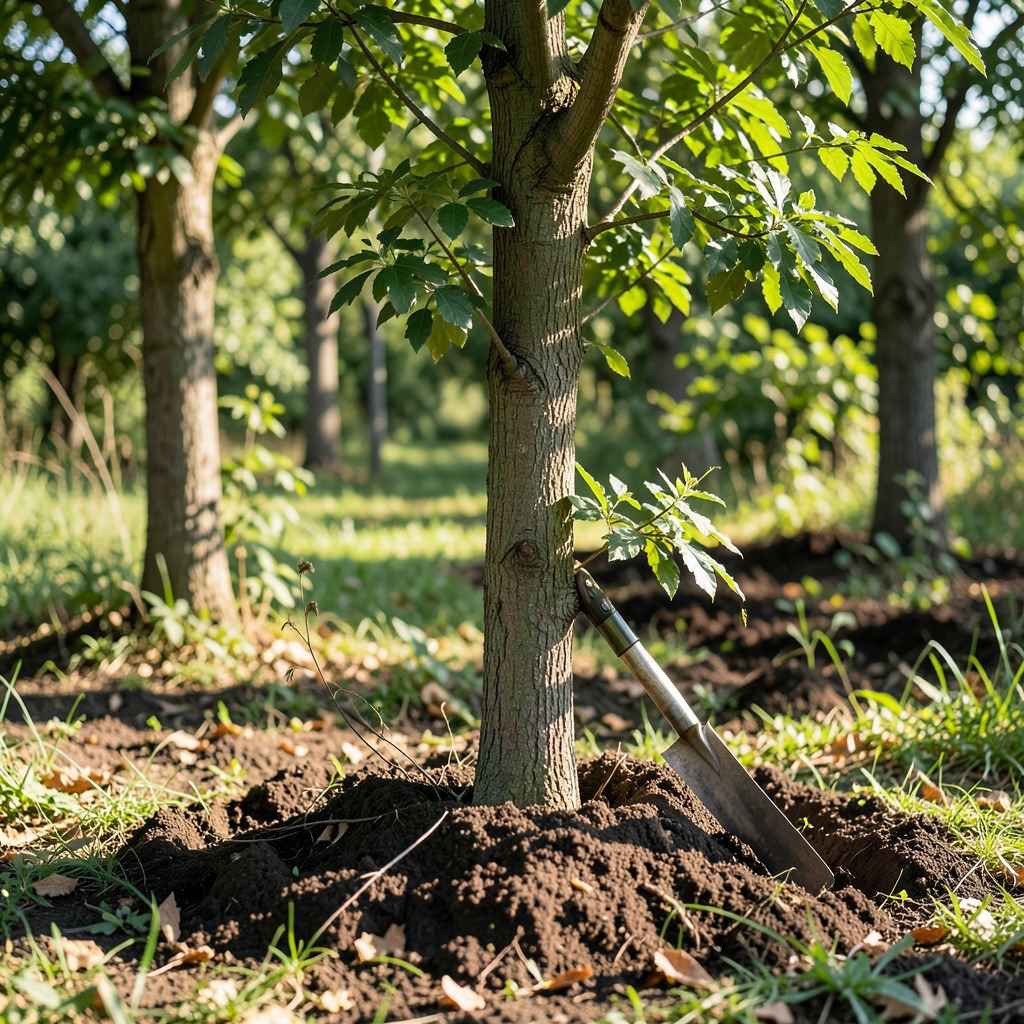
Tree planting offers substantial economic benefits. These include increased property values, reduced energy costs, and support for local businesses. Understanding these advantages can help communities make informed decisions about tree planting initiatives.
2.1 Property Value Increase
Trees enhance property values significantly. Landscapes adorned with trees are more attractive to potential buyers. Studies show that homes with mature trees can see a property value increase of 10% to 20%. Moreover, neighborhoods with ample tree cover often attract more businesses and tourists, fostering economic growth.
- Case Study Insight: In urban areas like Sacramento, California, tree planting initiatives led to a 15% increase in home values over five years. This demonstrates how investing in greenery can yield financial returns for homeowners and municipalities alike.
2.2 Energy Cost Reduction
Trees play a crucial role in energy savings. By providing shade, they can lower cooling costs in residential and commercial buildings. Strategically planted trees can reduce energy consumption by up to 30%.
- Key Benefits:
- Shade: Trees block sunlight, reducing the need for air conditioning.
- Windbreaks: Trees can shield buildings from cold winds, lowering heating costs in winter.
This reduction not only benefits individual households but also decreases the overall energy demand on local utilities.
2.3 Job Creation in Tree Care
The tree planting sector creates jobs and stimulates local economies. Positions range from tree planting and maintenance to urban forestry management. As communities invest in tree programs, they generate employment opportunities.
- Employment Opportunities:
- Arborists: Professionals trained in tree care and maintenance.
- Landscapers: Workers involved in designing and maintaining green spaces.
- Environmental Educators: Individuals who teach communities about the benefits of trees.
These jobs contribute to the local economy while promoting environmental stewardship.
Decision Framework for Tree Planting
When planning tree planting initiatives, consider the following:
- Site Selection: Assess soil conditions, sunlight, and space to ensure tree health and growth.
- Species Choice: Select native species to minimize maintenance and support local ecosystems.
- Community Engagement: Involve local residents in the planning process to enhance support and participation.
These considerations help maximize the economic benefits of tree planting while mitigating potential challenges.
3. Social Impacts of Tree Planting
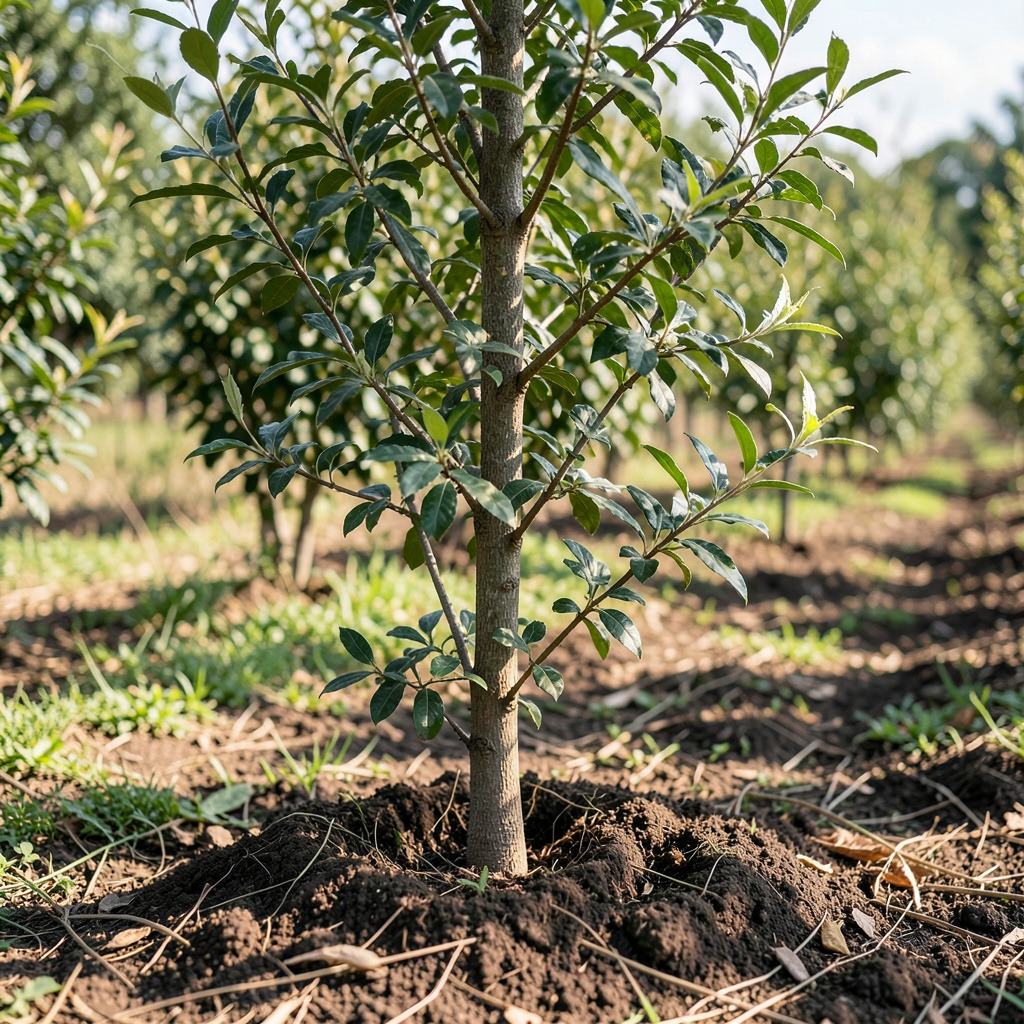
Tree planting plays a significant role in enhancing community well-being. It fosters social interaction, improves mental health, and strengthens community ties.
3.1 Mental Health Benefits
Research shows that green spaces contribute to improved mental health. Trees provide a serene environment that encourages outdoor activities. This connection with nature can reduce stress and anxiety. Studies indicate that spending time in tree-dense areas can lead to better mood and overall well-being. The presence of trees has been linked to lower rates of depression and improved cognitive function.
- Stress Reduction: Studies indicate that exposure to nature lowers cortisol levels.
- Enhanced Mood: People living near green spaces report higher levels of happiness.
- Cognitive Benefits: Interaction with natural environments can improve focus and attention.
3.2 Community Interaction and Engagement
Tree planting initiatives can unite communities around a common goal. They encourage collaboration among residents, fostering a sense of ownership and responsibility. Engaging communities in planting activities enhances social cohesion. It builds relationships among neighbors and encourages shared stewardship of local environments.
- Volunteer Opportunities: Community tree planting events attract diverse groups.
- Educational Programs: Workshops on tree care promote knowledge sharing and skill development.
- Social Events: Tree planting days can serve as community gatherings, enhancing local networks.
In addition, case studies highlight successful tree planting projects that have transformed neighborhoods. For example, a community in urban areas where trees were planted reported increased community events and participation rates. This not only beautified the area but also created a vibrant social atmosphere.
By prioritizing tree planting, communities can leverage social benefits while addressing environmental challenges. The process of selecting appropriate trees and involving local residents is crucial for maximizing these outcomes.
4. Aesthetic Value of Trees
Trees significantly enhance the beauty of urban and rural landscapes. They contribute to improved urban planning and increase recreational opportunities for communities.
How Do Trees Enhance Landscape Beauty?
Trees add visual appeal to various environments. They create a sense of place and connection to nature. Their diverse forms, colors, and textures can transform ordinary spaces into vibrant communities.
- Visual Interest: Different tree species provide seasonal changes. Blossoming flowers in spring and colorful foliage in autumn elevate landscape aesthetics.
- Cultural Significance: Many cultures regard trees as symbols of life. Their presence can enhance cultural identity within neighborhoods.
Impact on Urban Planning
Incorporating trees into urban planning yields numerous benefits. They play a crucial role in creating livable cities.
- Cooling Effects: Trees reduce the urban heat island effect. This leads to cooler environments, promoting outdoor activities.
- Natural Barriers: Strategically placed trees can act as noise barriers, improving the quality of life for residents.
- Increased Walkability: Streets lined with trees encourage walking. This fosters community interaction and enhances local business opportunities.
Recreational Opportunities
Trees create spaces for recreation and relaxation. They support various outdoor activities, enriching community life.
- Parks and Green Spaces: Trees provide shade and beauty in parks. They create inviting spaces for picnics, sports, and social gatherings.
- Wildlife Habitats: Trees attract diverse wildlife. This supports ecosystems and offers educational opportunities for residents.
Decision Framework for Selecting Trees
When planning tree planting, consider the following:
- Species Selection: Choose native, drought-resistant species for sustainability.
- Location: Assess space for growth and impact on existing infrastructure.
- Community Input: Involve locals in the selection process to reflect community values and needs.
By understanding these factors, communities can maximize the aesthetic benefits of tree planting while enhancing their urban landscapes.
5. Challenges of Tree Planting
While tree planting presents numerous benefits, it is essential to acknowledge the potential drawbacks. These challenges can impact local ecosystems, resource availability, and community safety. Understanding these risks allows for more informed decision-making in tree planting initiatives.
5.1 Ecosystem Disruption
Tree planting can inadvertently disrupt local ecosystems. Introducing non-native species may lead to invasive behaviors. These species can outcompete native plants for nutrients, water, and sunlight, reducing biodiversity. For example, the introduction of the Norway maple in North America has led to the decline of native understory plants, altering habitat structures and food sources for local wildlife.
5.2 Resource Competition
Trees require significant resources, especially during their early growth stages. In areas with limited water supply, this can create competition among plant species. For instance, planting water-intensive species in arid regions can exacerbate water scarcity. It is crucial to select drought-resistant species to minimize resource competition and ensure sustainability.
5.3 Safety Hazards
Tree planting can pose safety hazards, particularly in urban areas. Poorly planned tree placements may interfere with power lines, sidewalks, or roads, leading to potential accidents or property damage. Additionally, trees that are not properly maintained can become hazardous during storms, leading to falling branches or uprooted trees. Communities should establish guidelines for safe planting practices and conduct regular maintenance assessments to mitigate these risks.
Checklist for Safe Tree Planting:
- Assess surrounding infrastructure before planting.
- Choose species with appropriate height and root systems.
- Regularly maintain trees to ensure structural integrity.
- Engage the community in safety discussions to enhance awareness.
By addressing these challenges, communities can optimize the benefits of tree planting while minimizing risks.
6. Maintenance and Costs of Tree Planting
Planting trees involves both initial investments and ongoing maintenance costs. Understanding these expenses is crucial for successful tree planting initiatives.
Initial Investment Costs
The initial costs of planting trees can vary based on species, size, and location. Here’s a breakdown of typical expenses:
| Tree Species | Average Cost (per tree) | Initial Care Requirements |
|---|---|---|
| Native Species | $50 – $150 | Minimal water and care, adapts to local soil |
| Non-Native Species | $100 – $300 | Requires more water and special soil amendments |
| Fruit Trees | $30 – $200 | Seasonal care, including pruning and pest management |
Investors should consider these factors when selecting tree species for their projects.
Ongoing Maintenance Requirements
Maintaining trees requires continuous effort. Regular care includes:
- Watering: Newly planted trees need ample water, especially during the first few years. This can be resource-intensive in arid regions.
- Pruning: Regular pruning is essential for tree health and safety. It prevents hazards from dead branches and promotes growth.
- Pest Control: Monitoring for pests and diseases helps maintain tree health and avoid costly damage.
- Debris Cleanup: Fallen leaves and branches must be cleared to maintain aesthetics and safety.
The costs associated with these activities can accumulate significantly over time. For example, annual maintenance for a mature tree can range from $50 to $200, depending on local conditions and care requirements.
Community Engagement and Guidelines
Communities play a pivotal role in the success of tree planting initiatives. Establishing guidelines for local regulations can enhance maintenance efforts. Some best practices include:
- Assess Local Ecosystems: Ensure selected species are suitable for the environment.
- Engage Local Volunteers: Involve community members in ongoing maintenance to reduce costs and foster stewardship.
- Create Maintenance Plans: Develop a clear plan that outlines responsibilities and schedules for care.
By understanding the financial commitments and maintenance needs associated with tree planting, communities can maximize benefits while minimizing challenges.
7. Selecting Appropriate Tree Species
Choosing the right tree species is crucial for successful planting. The selected species must align with environmental conditions and intended purposes to maximize benefits while minimizing risks.
Understanding Local Conditions
Before selecting a tree species, assess the local climate, soil type, and ecosystem. Different species thrive in varied conditions. Consider the following factors:
- Climate: Choose species suited to local temperature ranges and precipitation levels.
- Soil Quality: Test soil pH and nutrient levels. Some trees prefer sandy soils, while others thrive in clay.
- Sunlight Exposure: Determine how much sunlight the planting area receives. Some trees require full sun, while others prefer partial shade.
Decision-Making Framework for Selecting Tree Species
Use this checklist to guide your decision-making process:
1. Identify Purpose:
- Shade provision
- Windbreak
- Aesthetic enhancement
- Habitat restoration
2. Evaluate Species Characteristics:
- Growth rate (fast vs. slow)
- Maximum height and spread
- Lifespan (short-lived vs. long-lived)
3. Check for Invasiveness:
- Avoid species known to disrupt local ecosystems. Research potential invasiveness before planting.
Comparing Urban and Rural Tree Planting
The choice of species may differ significantly between urban and rural settings due to varying environmental pressures.
- Urban Areas:
- Select hardy species that can withstand pollution and limited space. Examples include:
- Honeylocust: Tolerates air pollution and compacted soil.
- Red Maple: Adapts well to urban conditions and provides stunning fall color.
- Rural Areas:
- Choose native species that enhance biodiversity. Examples include:
- Oaks: Provide habitats for numerous wildlife species.
- Pines: Offer windbreaks and soil stabilization.
Implementing this framework ensures that tree planting initiatives are effective and sustainable, contributing positively to both the environment and society.
8. Best Practices for Successful Tree Planting
Implementing effective strategies for tree planting can optimize benefits while reducing potential drawbacks. Here are best practices to consider.
Timing and Location Considerations
1. Season: Plant trees in early spring or fall when temperatures are moderate. This allows roots to establish before extreme weather.
2. Soil Quality: Test the soil for pH and nutrient levels. Amend soil as necessary to ensure proper growth.
3. Spacing: Ensure adequate spacing between trees to promote airflow and reduce competition for resources.
Tree Care Techniques
- Watering: Newly planted trees require consistent watering, especially in their first two years. Use deep watering techniques to encourage deep root growth.
- Mulching: Apply a 2-3 inch layer of organic mulch around the base to retain moisture and suppress weeds.
- Pruning: Prune during the dormant season to promote healthy growth and remove any dead or damaged branches.
Species Selection Checklist
Choose species based on the following criteria:
- Local Climate: Select trees that thrive in your specific climate zone.
- Soil Type: Consider whether the soil is sandy, clayey, or loamy.
- Ecosystem Compatibility: Choose native species to support local biodiversity and reduce maintenance.
Community Engagement Strategies
Involve the community in tree planting initiatives by:
- Organizing Workshops: Host events to educate the public on the benefits of trees and proper planting techniques.
- Creating Incentives: Provide incentives for community members to participate, such as free saplings or discounts at local nurseries.
- Establishing Partnerships: Collaborate with local organizations, schools, and businesses to broaden outreach and support.
By following these best practices, tree planting initiatives can be more successful, ensuring long-term environmental, economic, and social benefits.
9. Community Engagement in Tree Planting Initiatives
Community involvement is crucial for the success of tree planting projects. Engaging local residents fosters stewardship, ensures sustainability, and enhances the overall impact of the initiative.
Why Community Involvement Matters
Community participation can significantly influence the success of tree planting efforts. When residents feel a sense of ownership, they are more likely to care for the trees long-term. This involvement leads to several benefits:
- Increased Awareness: Educating the community about the environmental and economic advantages of trees.
- Enhanced Social Cohesion: Tree planting initiatives can bring people together, fostering connections.
- Long-Term Sustainability: Local stewardship helps ensure ongoing maintenance and protection of the trees.
Strategies to Foster Participation
To effectively engage the community, consider the following strategies:
- Organizing Workshops: Host events to share knowledge on the benefits of trees and effective planting techniques.
- Creating Incentives: Offer free saplings or discounts at local nurseries to encourage participation.
- Establishing Partnerships: Collaborate with schools, local organizations, and businesses to reach a wider audience.
Successful Case Studies
Here are examples of community-led tree planting initiatives that yielded positive results:
1. Urban Greening Project: A city partnered with local schools to plant trees in neighborhoods. This initiative not only improved air quality but also provided educational opportunities for students about environmental stewardship.
2. Community Park Revitalization: In a neighborhood park, residents organized tree planting days. They transformed a barren area into a vibrant green space, enhancing property values and community pride.
3. Tree Adoption Program: A local nonprofit initiated a program where residents could adopt and care for newly planted trees. This approach not only involved community members but also educated them about the importance of biodiversity.
By implementing these strategies, tree planting initiatives can thrive, leading to significant environmental, economic, and social impacts.
10. Alternatives to Traditional Tree Planting
While tree planting provides numerous benefits, there are innovative alternatives that can complement these efforts or serve as effective substitutes. Exploring these alternatives can enhance environmental sustainability while addressing some of the challenges associated with traditional tree planting.
Urban Gardening
Urban gardening involves cultivating plants in city settings, which can significantly contribute to local biodiversity and food production. This initiative can:
- Reduce the urban heat island effect by increasing green space.
- Improve air quality through diverse plant life.
- Foster community engagement and education about sustainable practices.
For example, community members can create rooftop gardens that not only beautify buildings but also provide fresh produce. This approach supports local ecosystems while mitigating some of the ecological risks linked with monoculture tree planting.
Green Roofs
Green roofs are another effective alternative that offers unique benefits. They consist of vegetation planted on rooftops, providing a range of advantages:
- Stormwater Management: Green roofs absorb rainwater, reducing runoff and lowering the risk of urban flooding.
- Energy Efficiency: They insulate buildings, decreasing energy costs for heating and cooling.
- Biodiversity Support: Green roofs can host various plant species, attracting pollinators and other wildlife.
By incorporating green roofs, urban areas can increase their green footprint without the space requirements of traditional tree planting.
Community Parks
Developing community parks can serve as a multifaceted solution. These parks can:
- Combine tree planting with recreational spaces, enhancing community well-being.
- Provide habitats for wildlife and contribute to local biodiversity.
- Facilitate social interactions, strengthening community bonds.
An example of a successful community park initiative is transforming vacant lots into green spaces. These parks not only provide ecological benefits but also serve as venues for community events and educational programs.
Decision Framework for Alternatives
When considering alternatives to traditional tree planting, use the following decision framework:
1. Assess Available Space: Determine whether urban gardening, green roofs, or community parks best fit the area.
2. Evaluate Community Needs: Consider what benefits the community seeks—food production, recreation, or biodiversity.
3. Analyze Ecological Impact: Ensure the chosen method supports local ecosystems and mitigates potential ecological risks.
By applying this framework, communities can select the most appropriate and effective environmental initiatives that align with their goals.
Conclusion: Weighing the Pros and Cons of Tree Planting
Understanding the pros and cons of tree planting is crucial for making informed decisions that impact both the environment and society. This balanced perspective enables communities to harness the benefits while mitigating potential risks.
Pros of Tree Planting
- Environmental Benefits: Trees enhance air quality by filtering pollutants. They also sequester carbon, helping to combat climate change.
- Economic Advantages: Properly planted trees can increase property values. They also reduce energy costs by providing shade and cooling urban areas.
- Social Impacts: Green spaces promote mental health. They serve as venues for community events and encourage outdoor activities.
Cons of Tree Planting
- Ecological Risks: Without careful planning, tree planting can disrupt local ecosystems. Introducing non-native species may lead to the spread of pests and diseases.
- Maintenance Challenges: Newly planted trees require significant water and care, which can strain local resources, especially in arid regions.
- Long-Term Commitment: Tree planting is not a quick fix. It requires ongoing management to ensure ecological balance and health.
Decision Framework for Responsible Tree Planting
1. Evaluate Local Conditions: Assess soil type, water availability, and existing flora before selecting tree species.
2. Consider Community Needs: Understand the specific benefits your community desires, such as shade, beauty, or biodiversity support.
3. Plan for Maintenance: Ensure there are resources available for ongoing care and monitoring of the planted trees.
By weighing these pros and cons, stakeholders can make strategic decisions that maximize positive outcomes from tree planting initiatives.
Frequently Asked Questions
These quick answers cover the most common questions about this topic, including key details, practical tips, and common concerns.
What are the best trees to plant in urban areas?
The best trees for urban areas are those that can tolerate pollution and limited space. Native species, such as the Honeylocust and Red Maple, are ideal because they adapt well to local conditions and support local wildlife. Additionally, consider trees that provide shade and have manageable root systems to prevent damage to sidewalks and infrastructure.
How does tree planting combat climate change?
Tree planting combats climate change primarily through carbon sequestration. Trees absorb carbon dioxide during photosynthesis, acting as natural carbon sinks. A mature tree can sequester about 48 pounds of CO2 annually, significantly reducing greenhouse gas levels in the atmosphere. Moreover, trees improve air quality by filtering pollutants, which further helps mitigate climate change effects.
When is the best time to plant trees?
The best time to plant trees is during early spring or fall when temperatures are moderate. This timing allows trees to establish their roots before facing extreme heat or cold. Planting during these seasons also aligns with natural growth cycles, enhancing the chances of survival and healthy development.
What are the common mistakes in tree planting?
Common mistakes in tree planting include selecting non-native species that may disrupt local ecosystems, planting too deeply or too shallowly, and failing to assess soil conditions. Additionally, neglecting to provide adequate space for growth can lead to competition for resources. Proper planning and research are essential to avoid these pitfalls.
What are the risks associated with planting non-native species?
Planting non-native species can lead to ecological disruption. These species may become invasive, outcompeting native plants for resources and altering habitats. This can reduce local biodiversity and negatively impact wildlife that depends on native flora for food and shelter. Always prioritize native species for sustainability and ecosystem health.
How do different tree species compare in terms of benefits?
Different tree species offer varying benefits based on their characteristics. For instance, fast-growing species like the Loblolly Pine are excellent for rapid carbon sequestration, while native oaks enhance biodiversity by providing habitats for various wildlife. Understanding the specific benefits of each species can help communities make informed choices that align with their environmental goals.
What should I consider before planting a tree?
Before planting a tree, consider the local climate, soil type, and available space. Assess sunlight exposure and water availability, as these factors significantly influence tree health. Additionally, think about the tree’s purpose, whether for shade, aesthetics, or wildlife support. Proper planning ensures successful growth and minimizes potential issues.
What are alternatives to tree planting for carbon offsetting?
Alternatives to tree planting for carbon offsetting include urban gardening, green roofs, and community parks. Urban gardening can enhance local biodiversity and food production, while green roofs help manage stormwater and improve energy efficiency. Community parks combine tree planting with recreational spaces, providing multiple ecological and social benefits. These alternatives can complement traditional tree planting efforts effectively.