
Money trees, or Pachira aquatica, have both benefits and drawbacks.
Table of Contents
Exploring the pros and cons of money trees is essential for anyone considering this popular houseplant. Known for its symbolic meanings and ease of care, understanding its requirements and potential issues can lead to better plant health and satisfaction.
Understanding Money Trees: An Introduction
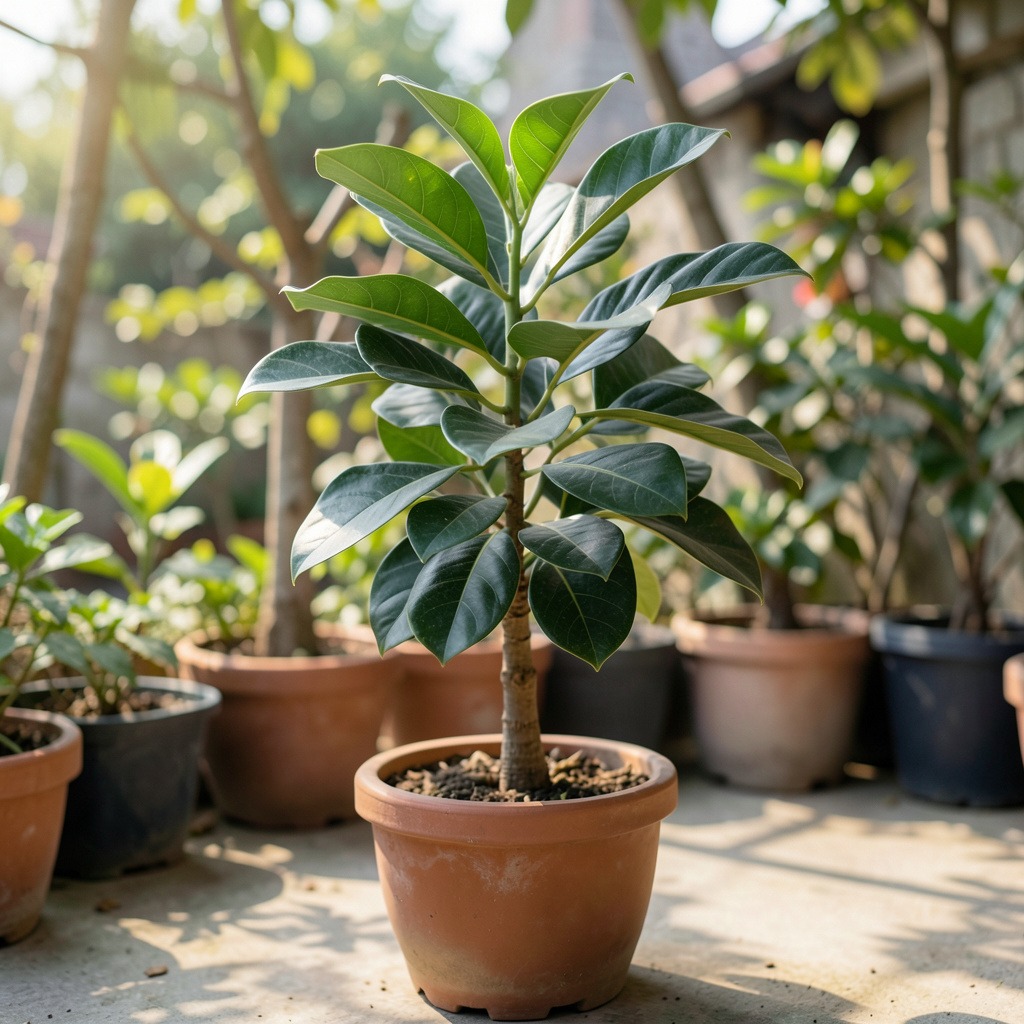
The money tree, scientifically known as Pachira aquatica, is a popular indoor plant celebrated for its striking appearance and cultural significance. It is native to the tropical wetlands of Central and South America. As a houseplant, it has gained immense popularity due to its low-maintenance care requirements and its symbolic associations with wealth and prosperity.
Origins and Native Habitat
Pachira aquatica thrives in the rich, damp soils of riverbanks and swamps. In its natural environment, it can grow into a substantial tree, reaching heights of up to 60 feet. However, when cultivated indoors, it typically remains compact, making it suitable for homes and offices.
Popularity as a Houseplant
The money tree’s charm lies not only in its visual appeal but also in its cultural meanings. Many people believe that it attracts good fortune and financial success. Here are some reasons for its popularity:
- Aesthetic Appeal: The glossy, palmate leaves create a lush look.
- Symbolism: In various cultures, it symbolizes prosperity and good luck.
- Easy Care: It requires minimal attention, making it ideal for both novice and experienced plant owners.
Cultural Significance
The money tree is deeply embedded in several cultures, especially in Asia. In China, it is customary to gift a money tree during the Lunar New Year as a symbol of wealth. In Taiwan, it is considered a good luck charm, while in Japan, it signifies success in personal and business endeavors. Understanding these cultural contexts enhances the appreciation of the money tree as more than just a decorative plant.
For those interested in nurturing a money tree, consider investing in a Money Tree Care Kit to ensure optimal growth and health. Check Price on Amazon.
1. Pros of Having a Money Tree
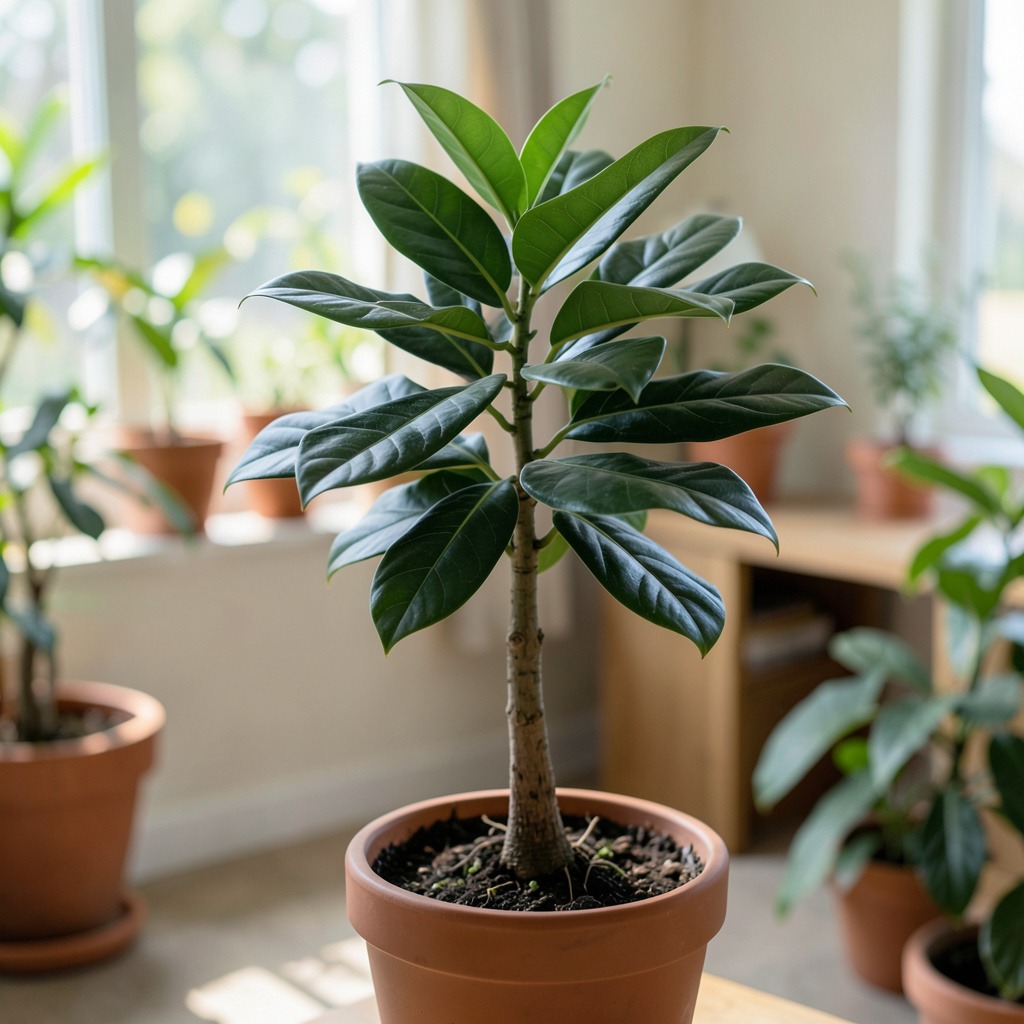
Owning a money tree offers numerous benefits. From its symbolic meaning to its low maintenance requirements, it can enhance your living space both aesthetically and spiritually.
1.1 Symbol of Prosperity and Good Luck
The money tree, or Pachira aquatica, is widely regarded as a symbol of prosperity. Many cultures associate it with good fortune and financial success. In Chinese tradition, gifting a money tree during the Lunar New Year represents wishes for wealth in the coming year. This cultural significance adds a layer of meaning to the plant, making it a thoughtful gift or personal addition to your home.
1.2 Low Maintenance and Adaptability
One of the standout features of the money tree is its adaptability. This plant thrives in various conditions, making it suitable for both novice and experienced plant owners. It requires minimal care, needing only indirect sunlight and moderate watering. Its resilience to drought means you can go longer between watering sessions without harming the plant.
Care Tips:
- Water when the top inch of soil feels dry.
- Place in a location with bright, indirect light.
- Fertilize during the growing season with a balanced fertilizer.
1.3 Aesthetic Appeal and Air-Purifying Qualities
The money tree is not only visually appealing but also contributes to a healthier indoor environment. Its glossy, palmate leaves add a tropical touch, enhancing any room’s decor. Additionally, studies suggest that money trees may improve air quality by filtering toxins. This dual benefit of aesthetics and health makes it a valuable addition to any home or office.
Additional Benefits:
- Creates a calming atmosphere.
- Complements various interior styles.
- Enhances mood and productivity.
By incorporating a money tree into your space, you embrace both beauty and the positive energy it symbolizes. For those looking to start their journey with a money tree, consider investing in a Money Tree Care Kit to ensure optimal growth and health. Check Price on Amazon.
2. Cons of Having a Money Tree
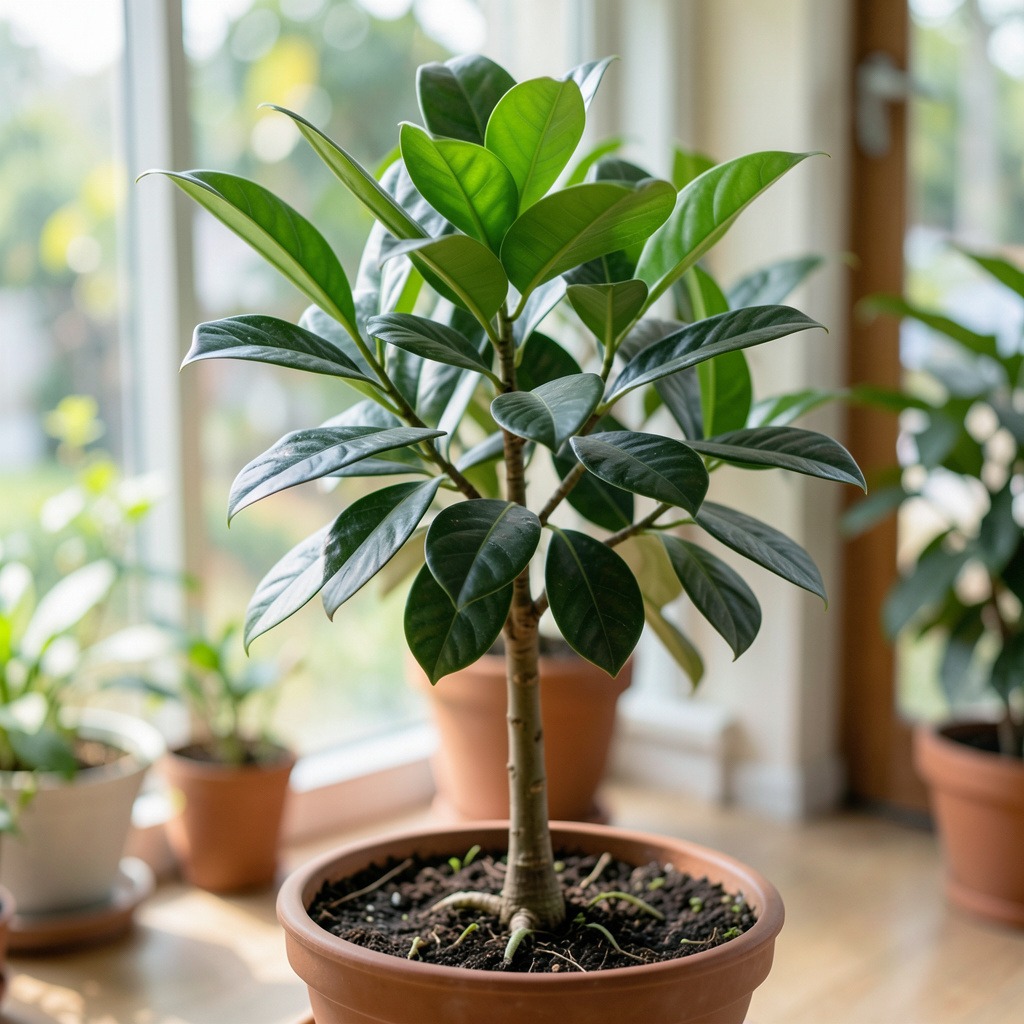
Owning a money tree can present several challenges. While they are generally low maintenance, specific care requirements and susceptibility to pests can complicate ownership for some. Understanding these cons can help you make an informed decision.
2.1 Specific Care Requirements
Money trees thrive in specific conditions. They prefer well-draining soil, indirect sunlight, and consistent moisture. Here are essential care points to consider:
- Watering: Overwatering can lead to root rot. Ensure the top inch of soil dries out before watering again.
- Humidity: Money trees prefer higher humidity levels. Consider misting the leaves or placing a humidifier nearby.
- Temperature: They thrive in temperatures between 65°F to 80°F (18°C to 27°C). Avoid placing them in drafty areas or near heating vents.
New plant owners often make mistakes, such as neglecting humidity or overwatering. Using a Money Tree Care Kit can help address these specific needs effectively. Check Price on Amazon.
2.2 Potential Pest Issues
Like many houseplants, money trees can attract pests. Common issues include:
- Spider mites: Small pests that thrive in dry conditions. Look for webbing on the leaves.
- Mealybugs: These appear as white, cottony masses. They can weaken the plant if not addressed.
- Scale: Small, round insects that adhere to the stems and leaves.
To mitigate pest issues, regularly inspect your plant. If pests are found, isolate the money tree and treat it with insecticidal soap or neem oil.
2.3 Misconceptions About Bad Luck
The money tree is often associated with good fortune. However, some misconceptions can lead to anxiety among owners:
- Cultural beliefs: In some cultures, it’s thought that a money tree can attract bad luck if not cared for properly. This belief may discourage prospective owners.
- Leaf count: Some believe that the number of leaves on a money tree symbolizes different financial outcomes. For instance, five leaves represent the five elements, while seven may indicate increased luck.
Understanding these misconceptions can alleviate unnecessary stress. Owners should focus on proper care instead of worrying about superstitions.
3. Essential Care Instructions for Your Money Tree
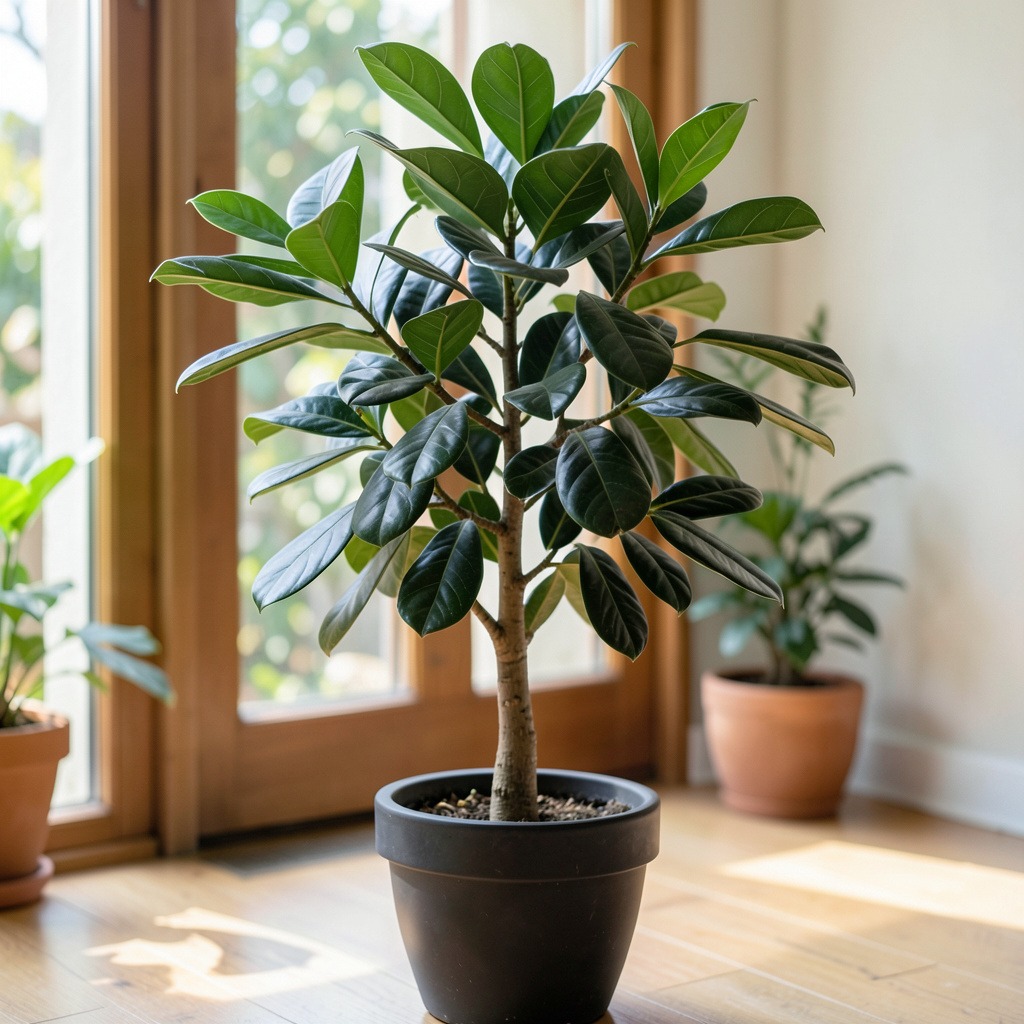
Caring for a money tree (Pachira aquatica) is essential for its growth and health. Proper attention to watering, lighting, and repotting can enhance its beauty and longevity.
3.1 Watering Schedule
Watering is critical to prevent root rot and ensure healthy growth. Follow this simple schedule:
- Frequency: Water when the top 1-2 inches of soil are dry.
- Amount: Ensure thorough watering until it drains from the bottom.
- Signs of Overwatering: Yellowing leaves, mushy stems, and a soggy base.
- Signs of Underwatering: Droopy leaves and dry soil.
| Watering Condition | Indicator | Action |
|---|---|---|
| Overwatering | Yellowing leaves | Reduce frequency |
| Underwatering | Droopy leaves | Increase water |
3.2 Light Requirements
Money trees thrive in bright, indirect light. Here are some key points:
- Ideal Light: 4-6 hours of filtered sunlight daily. East-facing windows work best.
- Low Light Tolerance: While it can survive in low light, growth slows, leading to leggy stems.
- Artificial Light: Use grow lights during winter months to maintain lush foliage.
3.3 Common Problems and Solutions
Being proactive about potential issues can save your money tree. Here are frequent problems and their solutions:
| Problem | Symptoms | Solution |
|---|---|---|
| Yellowing Leaves | Leaves turn yellow | Adjust watering schedule |
| Root Rot | Soggy soil, foul smell | Repot with fresh, well-draining soil |
| Leggy Growth | Sparse leaves, stretching | Increase light exposure |
| Leaf Drop | Leaves falling off | Check for pests or overwatering |
By following these care guidelines, you can ensure your money tree remains a vibrant and symbolic addition to your home, attracting positive energy as intended in Feng Shui traditions.
4. Symbolism and Cultural Significance
Money trees, or Pachira aquatica, are steeped in cultural meaning and symbolism. Their presence in homes and offices often signifies prosperity and good fortune. Understanding these beliefs can enhance your appreciation of this unique plant.
4.1 Feng Shui Practices
In Feng Shui, the money tree is often placed in the southeast corner of a space, known as the “wealth corner.” This strategic positioning is believed to attract prosperity and positive energy. The plant’s braided trunk is thought to trap good fortune, making it a popular choice for enhancing financial opportunities.
- Five Leaves per Cluster: Each cluster typically has five leaves, symbolizing the five elements—earth, fire, water, wood, and metal. This representation promotes balance and harmony within the environment.
- Odd Number of Braids: The number of braids should be odd, preferably three or five, as this is considered lucky and enhances positive energy.
4.2 Global Cultural Interpretations
The money tree holds significance in various cultures beyond Feng Shui. For instance, it is often gifted for new business ventures or homes as a wish for growth and abundance.
- Folklore and Legends: In some traditions, it is believed that if you care for a money tree well, it will bring financial success. Stories abound of families passing these plants down through generations, reinforcing their status as symbols of prosperity.
- Cultural Symbols: Different cultures attribute distinct meanings to leaf counts on the money tree. For example, in Chinese culture, the number of leaves often reflects good luck and wealth. A five-leafed tree is particularly auspicious, representing harmony and balance.
Understanding these cultural nuances not only enriches your experience as a money tree owner but also informs its care and placement within your home.
5. Feng Shui Placement Tips
The placement of your money tree significantly impacts its ability to attract positive energy and prosperity. According to Feng Shui principles, strategic positioning ensures that the money tree enhances financial growth and abundance in your environment.
Ideal Locations for Your Money Tree
1. Southeast Corner: This area is linked to wealth and prosperity. Positioning your money tree here can amplify its energy, making it a powerful focal point for attracting financial opportunities.
2. Near Entry Points: Placing the money tree near the entrance of your home or office invites wealth and positive energy to flow in. Ensure it is visible to all who enter.
3. Living Room or Office: These spaces are ideal as they are often frequented by family members or colleagues. A well-placed money tree here can enhance the overall energy of the environment.
Placement Checklist
- Avoid Clutter: Ensure the area around the money tree is clean and free from clutter. This promotes unobstructed energy flow.
- Maintain Light: Choose a location that receives indirect sunlight. Too much direct sunlight can damage the leaves.
- Regular Care: Water and care for your money tree regularly to keep it healthy. A thriving plant is believed to attract more positive energy.
Common Mistakes to Avoid
- Incorrect Positioning: Avoid placing the money tree in a bathroom or kitchen, as these areas can create negative energy flows.
- Neglect: Failing to care for the plant can diminish its symbolic power. Regular maintenance is crucial.
By following these Feng Shui placement tips, you can maximize the positive energy and potential financial benefits of your money tree.
6. Common Issues with Money Trees
Money trees, or Pachira aquatica, can encounter several issues that affect their health and symbolism. Understanding these common problems helps ensure your plant thrives.
6.1 Pests and Diseases
Money trees are susceptible to various pests. The most common include spider mites, mealybugs, and scale insects. Each pest presents distinct symptoms and requires specific treatments. Below is a comparison chart for quick reference:
| Pest | Symptoms | Treatment |
|---|---|---|
| Spider Mites | Tiny webbing, yellowing leaves | Wipe leaves with a damp cloth; use insecticidal soap or neem oil. |
| Mealybugs | White, cotton-like clusters on stems/leaves | Remove with a cotton swab dipped in alcohol; apply neem oil spray. |
| Scale Insects | Hard, raised bumps on stems | Scrape off manually; treat with insecticidal soap every few days. |
6.2 Environmental Stress Factors
Environmental conditions significantly impact money tree health. Common stress factors include:
- Overwatering: Can lead to root rot. Ensure the top 1-2 inches of soil are dry before watering.
- Underwatering: Causes droopy leaves. Water thoroughly if the soil feels dry.
- Temperature Fluctuations: Money trees prefer stable temperatures between 65°F and 80°F. Sudden changes can stress the plant.
Observing your money tree closely can help you catch these issues early. If you notice any symptoms, act promptly to remedy the situation and maintain your plant’s vitality.
7. Comparing Money Trees to Other Houseplants
Understanding how money trees stack up against other popular houseplants can help potential buyers make informed decisions. Below, we explore key aspects of care and benefits for money trees compared to other common houseplants.
Care Requirements
| Plant Type | Watering Frequency | Light Requirements | Temperature Range |
|---|---|---|---|
| Money Tree | Every 1-2 weeks | Bright, indirect light | 65°F – 80°F |
| Snake Plant | Every 2-3 weeks | Low to bright, indirect light | 60°F – 80°F |
| Pothos | Every 1-2 weeks | Low to bright, indirect light | 60°F – 75°F |
| Spider Plant | Every 1-2 weeks | Bright, indirect light | 65°F – 75°F |
- Watering: Money trees prefer to dry out slightly between waterings. In contrast, snake plants are more drought-tolerant, making them ideal for busy individuals.
- Light: Money trees thrive in bright, indirect light, similar to spider plants. Pothos can adapt to lower light conditions, offering versatility for dim environments.
- Temperature: Money trees require consistent temperatures. Snake plants and pothos also tolerate a range of temperatures, but money trees are more sensitive to sudden changes.
Benefits and Symbolism
| Plant Type | Symbolism | Benefits |
|---|---|---|
| Money Tree | Wealth and prosperity | Air purification, aesthetic appeal |
| Snake Plant | Resilience and protection | Air purification, low maintenance |
| Pothos | Prosperity and abundance | Air purification, fast growth |
| Spider Plant | Fertility and prosperity | Air purification, pet-friendly |
- Symbolism: Money trees are often associated with wealth, making them a popular choice for Feng Shui practices. Other plants, like snake plants, symbolize resilience, suitable for those seeking a low-maintenance option.
- Benefits: All these plants purify indoor air. However, the money tree’s cultural significance may appeal to those looking for a plant that embodies positive energy and good fortune.
Decision Factors
When choosing between a money tree and other houseplants, consider the following:
- Care Level: If you prefer a low-maintenance plant, snake plants or pothos may be better. Money trees require more attention to watering and light.
- Symbolic Meaning: If you value cultural significance, money trees stand out for their association with prosperity.
- Aesthetic Appeal: Money trees offer a unique look with their braided trunks and lush leaves, while snake plants and pothos provide a more traditional appearance.
By comparing these factors, you can make a well-informed choice that aligns with your lifestyle and preferences.
Alternatives to Money Trees
If you are considering a money tree but want to explore other options, several plants also symbolize prosperity and are easy to care for. Here are some excellent alternatives.
1. Snake Plant (Sansevieria)
The snake plant is an ideal choice for those seeking low-maintenance greenery. Its upright leaves and striking variegation make it visually appealing while being resilient.
- Care Tips:
- Light: Thrives in indirect sunlight but can tolerate low light.
- Water: Allow the soil to dry out completely between waterings.
- Symbolism: Represents resilience and protection.
2. Pothos (Epipremnum aureum)
Pothos is known for its cascading vines and adaptability. This plant is perfect for hanging baskets or shelf displays.
- Care Tips:
- Light: Prefers bright, indirect light but can adapt to lower light conditions.
- Water: Water when the top inch of soil feels dry.
- Symbolism: Associated with growth and abundance.
3. Jade Plant (Crassula ovata)
The jade plant, often referred to as the “lucky plant,” is believed to bring good fortune and prosperity.
- Care Tips:
- Light: Needs bright, indirect sunlight to thrive.
- Water: Allow the soil to dry out between waterings; it’s drought-tolerant.
- Symbolism: Represents wealth and success.
Care and Comparison Checklist
| Plant | Light Requirements | Watering Frequency | Symbolism |
|---|---|---|---|
| Snake Plant | Indirect to low light | Allow soil to dry | Resilience |
| Pothos | Bright to low light | When top inch is dry | Growth and abundance |
| Jade Plant | Bright, indirect light | Soil should dry out | Wealth and success |
These alternatives provide similar symbolic value to the money tree while being easy to care for. Consider your home environment and personal preferences when selecting the right plant for you.
9. Lifespan and Longevity of Money Trees
Money trees, or Pachira aquatica, can thrive for many years with proper care. Understanding their needs is essential for ensuring a long, healthy life.
Average Lifespan of Money Trees
A well-cared-for money tree can live anywhere from 10 to 15 years, with some reports indicating they can last even longer under optimal conditions. Key factors influencing their lifespan include:
- Light: Money trees prefer bright, indirect sunlight. Too much direct light can scorch their leaves, while too little can stunt growth.
- Watering: Overwatering is a common issue. Allow the soil to dry out between waterings to prevent root rot.
- Temperature: They thrive in stable temperatures, ideally between 65°F and 75°F. Avoid drafts and sudden temperature changes.
Tips for Ensuring Longevity
To enhance the lifespan of your money tree, implement these care strategies:
- Prune Regularly: Trim back any dead or yellowing leaves. This encourages new growth and a balanced shape.
- Monitor Humidity: Money trees enjoy humidity. Use a humidity tray or mist the leaves to provide moisture in dry environments.
- Fertilize Sparingly: Use a diluted liquid fertilizer during the growing season (spring and summer) once a month to nourish your plant without overwhelming it.
Common Issues and Troubleshooting
Even with diligent care, issues can arise. Here are some common problems and their solutions:
- Yellow Leaves: Often a sign of overwatering. Check the soil moisture and adjust your watering schedule.
- Leaf Drop: Can occur due to sudden temperature changes or low humidity. Ensure a stable environment.
- Pest Infestation: Inspect regularly for pests like spider mites or aphids. Use insecticidal soap or neem oil as a treatment.
By understanding these factors and implementing sound care practices, you can significantly extend the lifespan of your money tree, ensuring it remains a vibrant part of your home for many years to come.
10. Frequently Asked Questions About Money Trees
Understanding money trees involves addressing common queries and misconceptions. Here are some frequently asked questions that clarify potential concerns for new owners.
What Care Do Money Trees Need?
Money trees, or Pachira aquatica, thrive with specific care requirements. Follow these guidelines for optimal growth:
- Light: Provide bright, indirect light. Avoid direct sunlight as it can scorch the leaves.
- Watering: Water every 1-2 weeks, allowing the top inch of soil to dry out between waterings. Overwatering is a common mistake.
- Humidity: Money trees prefer moderate humidity. Consider misting the leaves or using a humidity tray.
- Temperature: Maintain indoor temperatures between 65°F and 80°F. Avoid cold drafts and frost.
What Are Common Issues with Money Trees?
New owners often face specific challenges. Here are some typical issues and their solutions:
- Yellow Leaves: This often indicates overwatering. Adjust your watering schedule and check soil moisture.
- Leaf Drop: Sudden changes in temperature or low humidity can cause leaf drop. Keep the environment stable.
- Pests: Inspect regularly for pests like spider mites and aphids. Treat infestations promptly with insecticidal soap or neem oil.
Where Should You Place a Money Tree?
Placement is key for maximizing the benefits of a money tree. The ideal locations are:
- Southeast Corner: This area is considered auspicious in Feng Shui, symbolizing wealth and prosperity.
- Living Room or Home Office: Positioning the tree in spaces where you spend the most time enhances its positive energy.
Do Money Trees Bring Good Luck?
While money trees are believed to attract prosperity in Feng Shui, their real impact lies in creating a harmonious environment. A healthy, well-cared-for money tree improves air quality and fosters a calming atmosphere.
What Symbolism Is Associated with Money Trees?
Money trees symbolize good fortune and financial prosperity. They are often given as gifts to wish others wealth and success. Their braided trunks add to their appeal, representing strength and unity.
By addressing these common questions, potential owners can better understand the care, significance, and potential issues associated with money trees. This knowledge enhances their experience, ensuring a thriving addition to their home.
11. Conclusion: Weighing the Pros and Cons of Money Trees
Before deciding to bring a money tree into your home, it’s important to evaluate both its benefits and drawbacks. Understanding these aspects can help you make an informed choice that aligns with your lifestyle.
Pros of Money Trees
- Symbol of Prosperity: Money trees are believed to attract wealth, making them a popular choice for those seeking financial abundance.
- Low Maintenance: These plants thrive with minimal care, requiring only moderate watering and indirect sunlight.
- Aesthetic Appeal: Their unique braided trunks and lush green leaves enhance any room’s decor.
- Air Quality Improvement: Money trees help purify the air, contributing to a healthier living environment.
Cons of Money Trees
- Sensitive to Overwatering: While they are low maintenance, overwatering can lead to root rot, a common issue with money trees.
- Cultural Misunderstanding: Some people may misinterpret the symbolism, leading to disappointment if they do not see immediate financial gains.
- Pest Vulnerability: Money trees can attract pests like spider mites and mealybugs if not properly cared for.
- Limited Growth in Small Spaces: They can outgrow their pots quickly, requiring frequent repotting or pruning.
Care Considerations
When deciding to own a money tree, consider your environment and care capabilities. Ensure you can provide adequate light and avoid overwatering. If you’re uncertain, start with a smaller plant. A larger tree may require more attention and space than you initially think.
By weighing these pros and cons, potential owners can better navigate their decision to cultivate a money tree, ensuring it aligns with their home and lifestyle.
Frequently Asked Questions
These quick answers cover the most common questions about this topic, including key details, practical tips, and common concerns.
What are the disadvantages of having a money tree?
The primary disadvantages of owning a money tree include its sensitivity to overwatering, which can lead to root rot. This plant also requires specific light and humidity conditions to thrive. If these needs are not met, the money tree may develop yellow leaves or drop its foliage. Additionally, it can attract pests like spider mites and mealybugs, which can be a hassle to manage.
Is it good to have a money tree in your house?
Yes, having a money tree in your house can be beneficial. It is believed to attract good fortune and prosperity, making it a popular choice for many households. Beyond its symbolic value, the money tree also improves air quality and adds a lush aesthetic to your space. However, ensure you can meet its care requirements for optimal growth.
Where not to put a money tree?
Avoid placing your money tree in drafty areas, such as near heating vents or windows with cold drafts. It’s also best not to position it in overly dark rooms or direct sunlight, which can scorch its leaves. Additionally, steer clear of placing it in bathrooms or kitchens, as these areas may not provide the stable environment the plant needs.
What is the lifespan of a money tree?
A well-cared-for money tree can live between 10 to 15 years, with some reports indicating they can last even longer. Key factors affecting their lifespan include proper watering, light exposure, and temperature stability. Regular maintenance, such as pruning and monitoring for pests, also contributes to their longevity.
How often should I water my money tree?
Water your money tree every 1-2 weeks, allowing the top inch of soil to dry out between waterings. Overwatering is a common mistake, so ensure the pot has good drainage and check the soil moisture regularly. Signs of overwatering include yellowing leaves and a mushy base, while underwatering can cause droopy leaves.
What are common pests that affect money trees?
Money trees can attract several pests, including spider mites, mealybugs, and scale insects. Spider mites thrive in dry conditions and may cause webbing on the leaves. Mealybugs appear as white, cottony masses, while scale insects are small, hard bumps on stems and leaves. Regular inspections and prompt treatment with insecticidal soap or neem oil can help manage these pests.
How can I tell if my money tree is healthy?
A healthy money tree will have vibrant green leaves, a sturdy trunk, and a well-maintained shape. Look for consistent growth and no signs of wilting or yellowing. If you notice pests or symptoms like leaf drop, it may indicate stress or care issues. Regularly checking the soil moisture and overall appearance will help you assess its health.