
Palm trees offer aesthetic appeal, drought tolerance, and low maintenance, but they also pose challenges like high maintenance costs, pest issues, and limited cold tolerance, making them a complex choice for landscaping.
Understanding the pros and cons of palm trees is crucial for homeowners and landscapers. These iconic trees can enhance the beauty of outdoor spaces while presenting unique challenges that require careful consideration before planting.
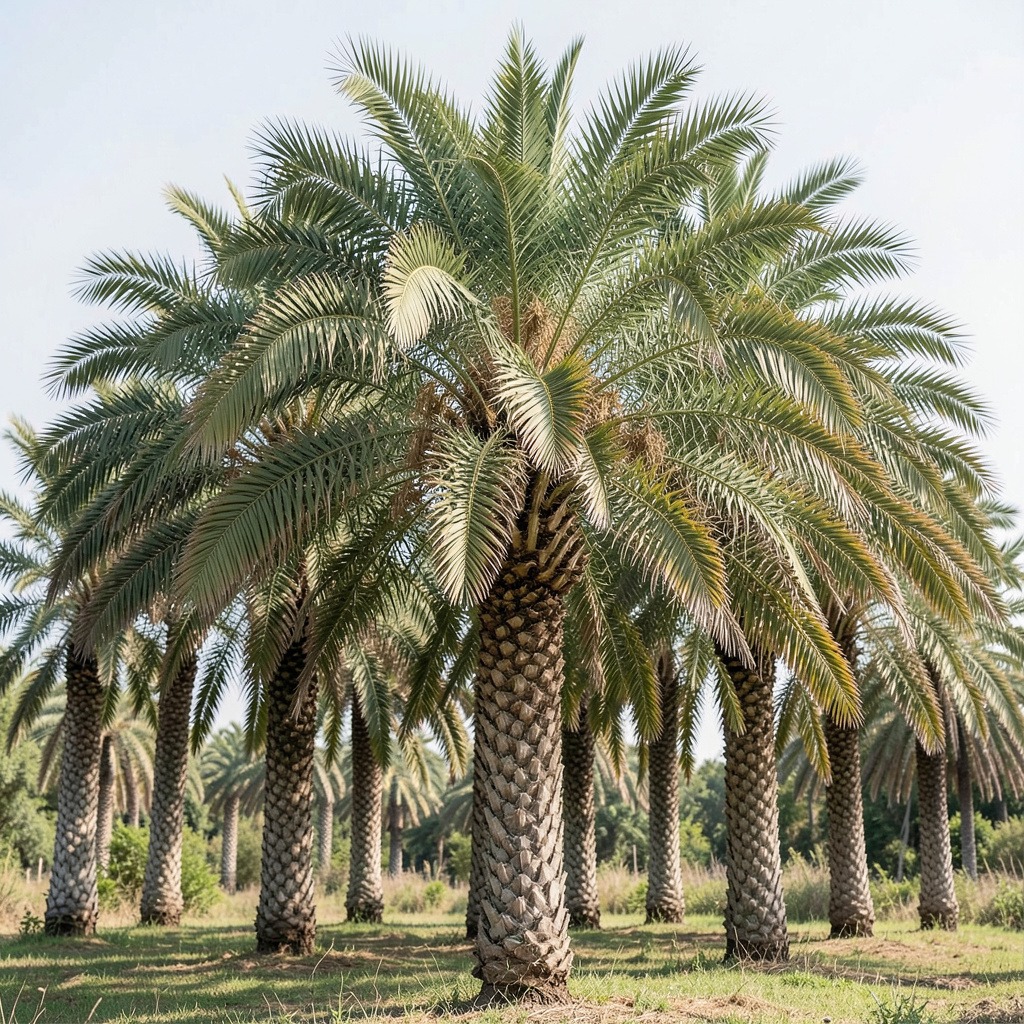
Overview of Palm Trees
Palm trees are iconic plants known for their tall, slender trunks and unique frond structures. They play a significant role in landscaping by adding aesthetic appeal and creating a tropical ambiance. Understanding the variety of palm species helps homeowners and landscapers make informed decisions.
What are Palm Trees?
Palm trees belong to the family Arecaceae and are characterized by their distinctive growth forms. They are primarily found in tropical and subtropical regions but can also thrive in various climates. Their unique structures, including the crown of fronds and trunk, contribute to their visual appeal in gardens and outdoor spaces.
Species Variety
Palm trees encompass a wide range of species, each with unique characteristics. Here are some notable examples:
- Coconut Palm (Cocos nucifera): Known for its height and tropical fruit, this palm thrives in coastal areas.
- Date Palm (Phoenix dactylifera): Grows well in arid climates and produces sweet, edible dates.
- Areca Palm (Dypsis lutescens): A popular choice for indoor spaces due to its bushy appearance and moderate height.
- Sago Palm (Cycas revoluta): Technically a cycad, it resembles a palm and is valued for its ornamental foliage.
- Royal Palm (Roystonea regia): Recognized for its majestic height and elegant appearance, often used in upscale landscaping.
When selecting a species, consider the following factors:
- Climate Compatibility: Ensure the palm species can thrive in your local environment.
- Growth Rate: Some palms grow quickly, while others take decades to mature.
- Aesthetic Goals: Choose species that align with your desired landscape design.
By understanding these species and their characteristics, homeowners can select palms that enhance their landscapes while aligning with their maintenance capabilities and design preferences.
Table of Contents
1. Aesthetic Appeal
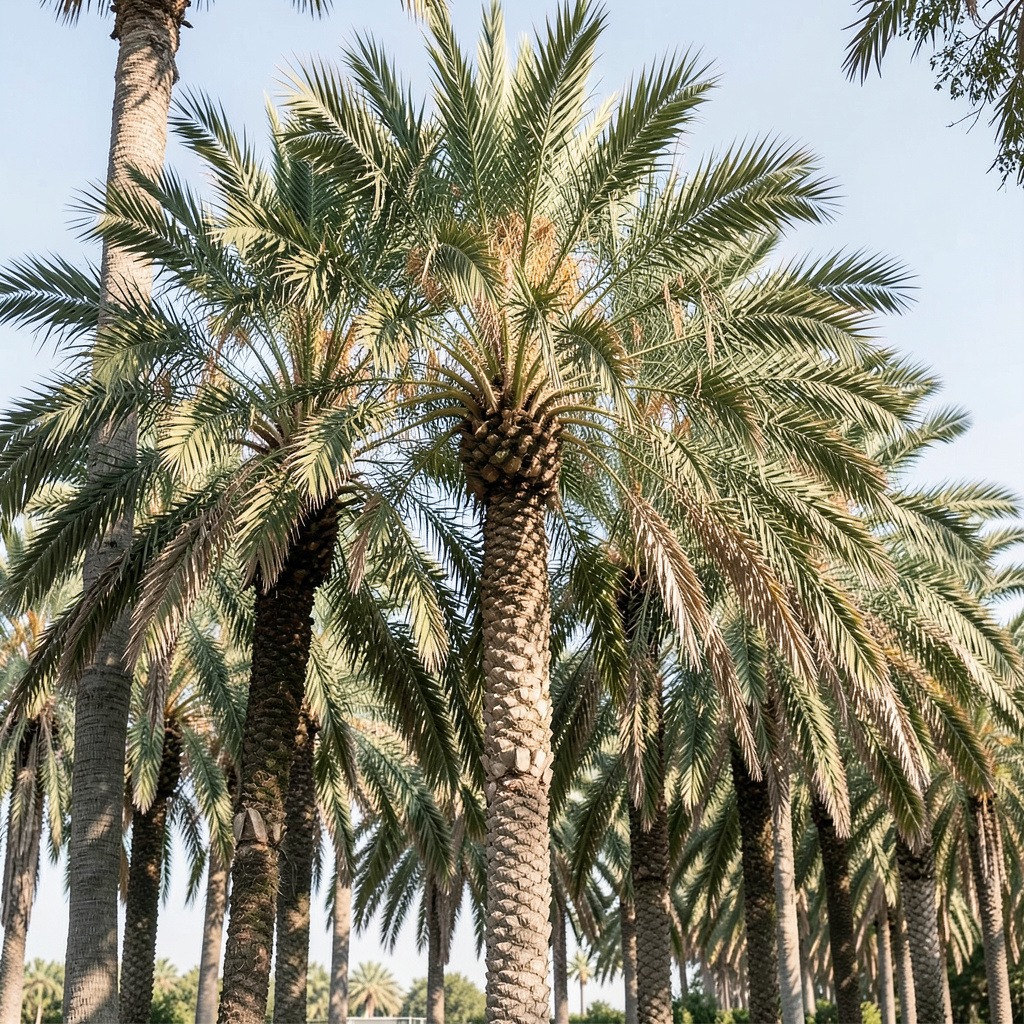
Palm trees significantly enhance the visual beauty of landscapes. Their unique forms, graceful fronds, and tropical vibe create striking focal points in any outdoor space.
Transforming Landscapes
Palm trees bring a distinctive aesthetic that can transform an ordinary garden into a tropical paradise. Their tall, slender trunks and expansive fronds create a sense of verticality, drawing the eye upward. Here are some notable benefits of incorporating palm trees into landscaping:
- Tropical Ambiance: Palm trees evoke feelings of relaxation and vacation, making them ideal for residential and commercial properties alike.
- Diverse Species: With over 2,500 species, homeowners can select palms that match their specific aesthetic goals. For instance, the Queen Palm offers a regal appearance, while the Coconut Palm adds a beachy charm.
- Versatile Design: Palm trees can be used as standalone features or grouped to create dramatic landscapes. They can frame entrances, line driveways, or serve as centerpieces in garden designs.
Symbolism of Palm Trees
Beyond their visual appeal, palm trees hold rich cultural and symbolic meanings. Many cultures associate them with peace, victory, and prosperity. For example:
- Cultural Significance: In ancient Rome, palm branches symbolized victory. In Christianity, they are linked to Palm Sunday, representing triumph and peace.
- Ecological Importance: Some palm species produce fruits that serve as food for wildlife, illustrating their role in local ecosystems. This adds a layer of ecological benefit alongside their aesthetic contributions.
For those considering palm trees, understanding their aesthetic appeal and symbolism can guide thoughtful landscaping decisions. Selecting the right species based on climate and design preferences can maximize both beauty and cultural significance in your landscape.
2. Drought Tolerance
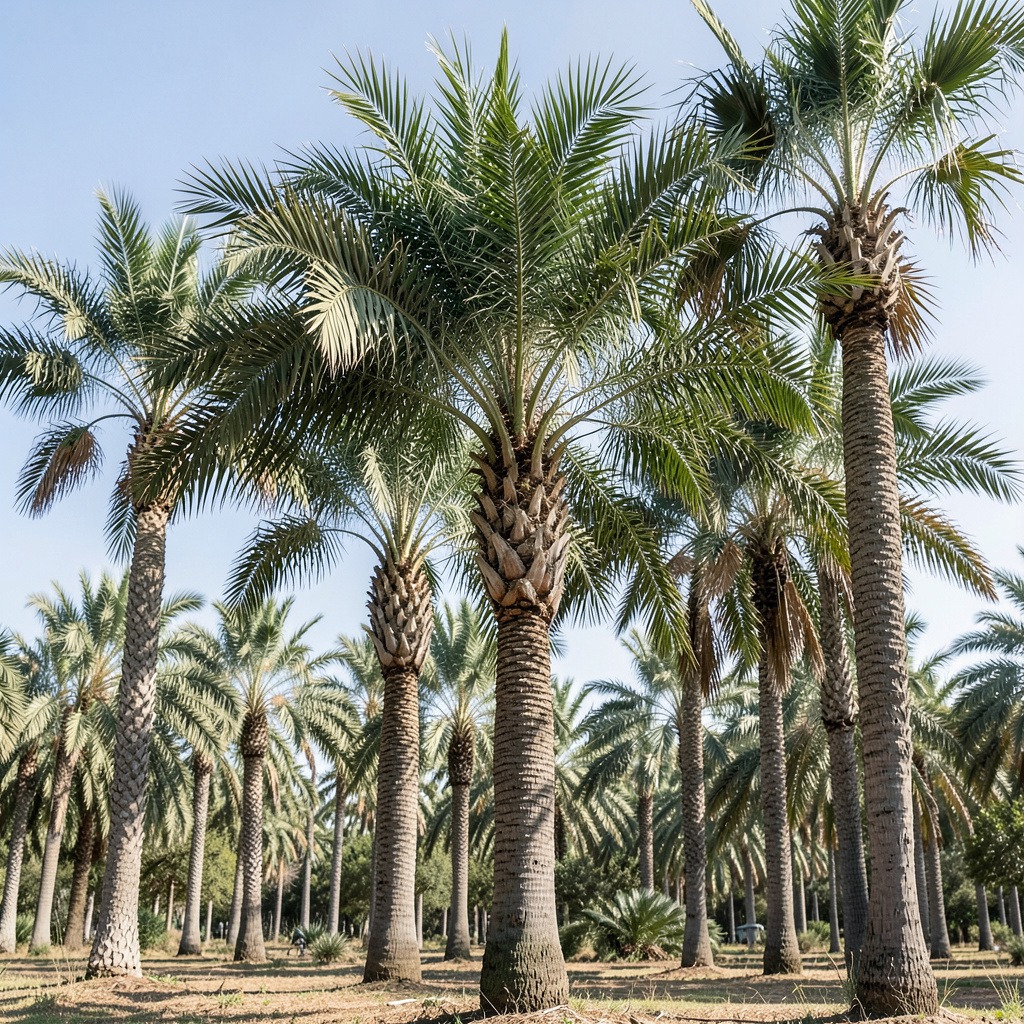
Palm trees are well-known for their ability to thrive in low-water conditions, making them ideal for arid climates. Their unique physiological adaptations allow them to flourish where many other plants struggle.
Water Conservation
Palm trees exhibit remarkable drought tolerance. Once established, they require significantly less water than traditional trees. This characteristic makes them suitable for xeriscaping, a landscaping approach focused on water conservation.
Key factors contributing to their drought tolerance include:
- Deep Root Systems: Palm trees develop extensive root systems that can access deeper moisture levels in the soil.
- Reduced Leaf Litter: Unlike deciduous trees, palms shed fewer leaves, minimizing water loss through transpiration.
- Efficient Water Use: Palm species such as the Mediterranean fan palm (Chamaerops humilis) can survive on minimal watering once established, requiring about 10-20 gallons of water per month in dry conditions.
Suitable Species for Dry Climates
Selecting the right palm species is crucial for successful landscaping in arid regions. Here are examples of drought-tolerant species and their respective water needs:
| Palm Species | Average Water Requirement | Notes |
|---|---|---|
| Mediterranean Fan Palm | 10-20 gallons/month | Thrives in poor soil and low irrigation. |
| Queen Palm | 30-40 gallons/month | Requires more water during establishment. |
| Sago Palm | Minimal once established | Not a true palm; requires little water. |
| Date Palm | 20-30 gallons/month | Benefits from supplemental irrigation if possible. |
When choosing a palm for your landscape, consider the specific water needs and adaptability to your local climate. A well-informed selection can enhance both aesthetic appeal and ecological sustainability, reducing overall water usage in your garden.
3. Low Maintenance Requirements
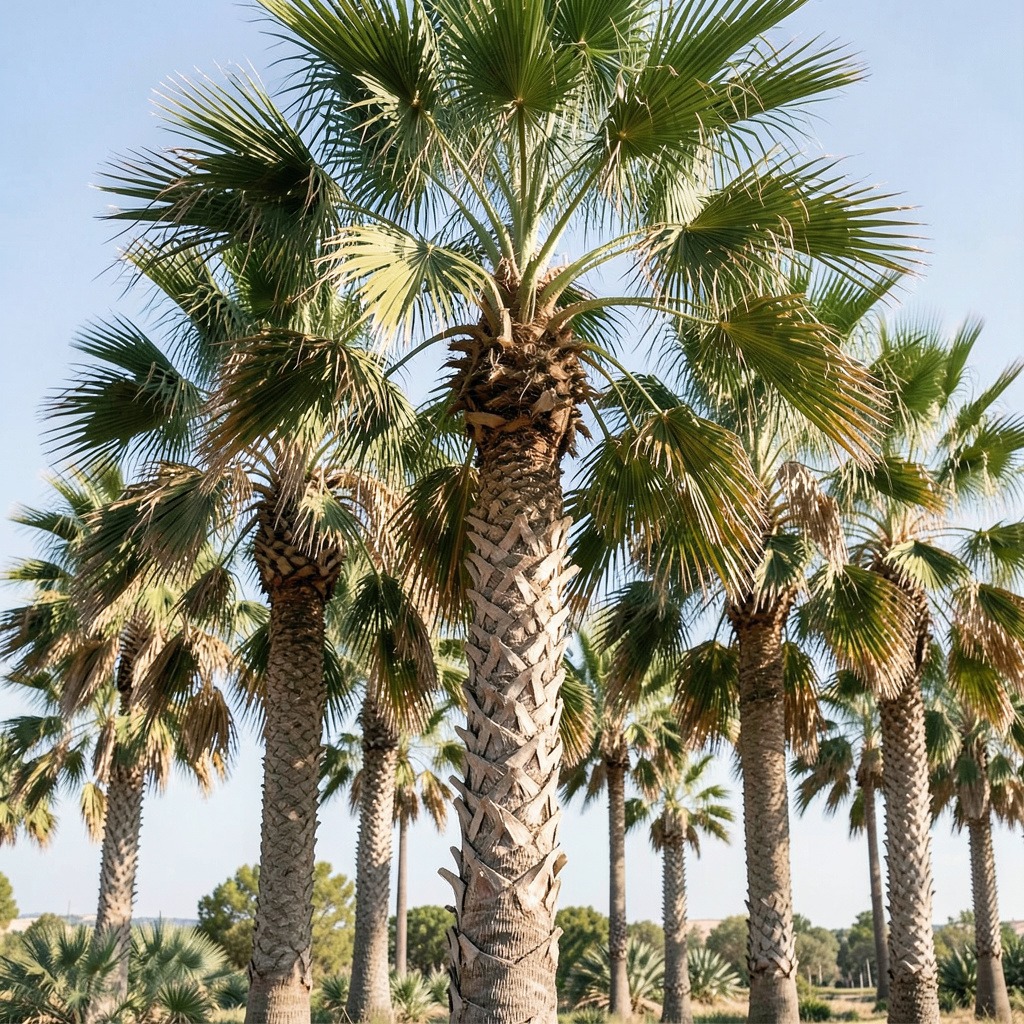
Many palm tree species require minimal upkeep, making them an attractive choice for busy homeowners. Once established, they thrive with little intervention, allowing you to enjoy their beauty without constant attention.
Self-Sufficient Plants
Palm trees exhibit remarkable resilience. Most species adapt well to various soil and weather conditions. This adaptability translates to less frequent watering and pruning compared to traditional trees. Here are a few notable examples:
- Mediterranean Fan Palm: Thrives in poor soil with low irrigation needs.
- Sago Palm: Requires minimal water once established, making it exceptionally low maintenance.
- Queen Palm: Needs more water during establishment but becomes resilient in mature stages.
Maintenance Tips
To further reduce maintenance, consider these practical tips:
- Choose Low-Maintenance Species: Opt for palms like the Sago or Mediterranean Fan, which require less care.
- Water Wisely: Establish a watering schedule based on species needs. For instance, the Queen Palm needs more water initially but becomes drought-tolerant over time.
- Prune Sparingly: Regularly remove dead fronds but avoid excessive pruning, which can stress the plant.
Decision Framework for Selection
When selecting palm trees, consider the following factors:
1. Climate Compatibility: Choose species suited for your local climate.
2. Aesthetic Goals: Determine if you prefer tall, slender palms or bushier varieties.
3. Maintenance Capacity: Assess how much time you can dedicate to care.
By understanding these variables, you can select palm species that align with your landscape vision while minimizing upkeep.
4. Environmental Impact
Palm trees offer significant ecological benefits, contributing positively to their surroundings. Their roles in carbon sequestration and supporting biodiversity make them valuable additions to any landscape.
Supporting Wildlife
Palm trees provide essential habitats for various species. Many palms produce fruit, such as coconuts and dates, which attract birds, insects, and small mammals. These trees also offer nesting sites through their fronds, creating a thriving ecosystem in your garden.
- Biodiversity Contribution: Planting diverse palm species can enhance local wildlife populations.
- Food Source: Many palms serve as food sources for both wildlife and humans, creating a symbiotic relationship.
For example, in urban settings, palm trees can support bird species that depend on specific fruits, enriching the local biodiversity.
Carbon Sequestration
Palm trees play a crucial role in combating climate change. Their extensive root systems and foliage allow them to sequester carbon dioxide effectively.
- Carbon Capture: Palm trees absorb CO2, helping to reduce greenhouse gases in the atmosphere.
- Soil Stability: Their deep roots also prevent soil erosion, maintaining soil health.
A study shows that mature palm trees can absorb substantial amounts of carbon annually, contributing to the mitigation of climate change effects. For instance, one palm tree can sequester approximately 30 pounds of CO2 per year.
Summary of Environmental Benefits
| Benefit | Description |
|---|---|
| Wildlife Habitat | Provides shelter and food for various species |
| Carbon Sequestration | Absorbs CO2 and mitigates climate change |
| Soil Erosion Prevention | Stabilizes soil with deep roots |
Understanding these environmental impacts can guide homeowners in making informed decisions about incorporating palm trees into their landscapes. Choose species that best match your ecological goals and local climate to maximize these benefits.
5. Initial Cost Considerations
Investing in palm trees involves understanding both initial purchase costs and ongoing maintenance expenses. These financial implications are crucial for any homeowner considering palm trees for their landscaping.
Cost of Mature Trees
The initial cost of palm trees can vary significantly based on species, size, and health. Here’s a breakdown of typical costs:
| Palm Species | Size (Height) | Average Cost |
|---|---|---|
| Areca Palm | 6-10 feet | $50 – $150 |
| Queen Palm | 10-15 feet | $150 – $400 |
| Date Palm | 15-30 feet | $300 – $1,200 |
| Royal Palm | 20-30 feet | $500 – $2,000 |
Additional costs may include transportation and professional installation fees. Larger palms often require specialized equipment for safe planting, which can increase overall expenses.
Ongoing Maintenance Costs
Maintenance costs for palm trees are generally lower than for many traditional trees. However, they are not negligible. Consider the following factors:
- Watering: Established palms typically require minimal watering, but newly planted trees may need regular hydration for the first few months.
- Trimming: Some species, like the Royal Palm, require annual trimming to remove dead fronds. This can cost between $100 and $300, depending on the tree’s height and location.
- Pest Control: Regular inspections for pests, such as red palm weevils, are crucial. Treatment can vary from $50 to $200 annually, depending on the severity of the infestation.
Budgeting for Palm Trees
When budgeting for palm trees, consider a decision framework:
1. Select Species Wisely: Research species suited for your climate and aesthetic goals.
2. Calculate Total Costs: Factor in initial purchase, installation, and estimated annual maintenance.
3. Plan for Long-term Care: Include potential pest treatments and trimming in your budget.
By understanding these cost considerations, homeowners can make informed decisions about integrating palm trees into their landscapes.
6. Potential for Property Damage
Palm trees can bring beauty and value to landscapes, but they also carry risks of property damage. Understanding these risks is crucial for effective landscaping.
Root Systems and Structures
The root systems of palm trees can create significant challenges. Unlike many trees, palm roots can grow deep and wide. This characteristic can lead to:
- Underground Damage: Roots may disrupt sewage lines, water pipes, or electrical cables buried in the ground.
- Surface Issues: Large palms can lift driveways, sidewalks, or patios, leading to costly repairs.
For example, a homeowner who planted a mature palm too close to their home discovered extensive damage to their foundation. The roots had expanded, causing cracks and structural concerns.
Preventing Damage
To mitigate the risks associated with palm trees, consider these strategies:
1. Choose the Right Species: Select palm species with non-invasive root systems for small yards or areas near structures.
2. Plan Planting Locations: Maintain a safe distance from buildings, sidewalks, and underground utilities. A distance of at least 10 feet is often recommended.
3. Regular Maintenance: Prune fronds regularly to reduce the risk of falling debris. This helps prevent damage to roofs or nearby structures.
4. Monitor Growth: Keep an eye on root expansion, especially in older palms. Early intervention can prevent substantial damage.
By implementing these practices, homeowners can enjoy the aesthetic appeal of palm trees while minimizing potential property damage.
7. Pest and Disease Management
Palm trees, while visually appealing, can fall prey to various pests and diseases. Understanding these threats is crucial for maintaining the health and beauty of your landscape.
Common Pests
Several pests specifically target palm trees, potentially harming their growth and vitality. Here are some of the most common:
- Palm Weevils: These insects bore into the trunk, leading to significant damage. They are particularly harmful to young palms.
- Scale Insects: These pests attach to the fronds and sap, weakening the tree and causing yellowing leaves.
- Mealybugs: These pests can cause stress to palm trees by feeding on plant sap, leading to wilting and stunted growth.
- Red Palm Weevils: Known for their destructive ability, they can kill a palm tree within a few months if not treated.
Effective Treatments
Managing pests and diseases requires a proactive approach. Here are effective strategies for treatment:
1. Regular Inspections: Conduct routine checks for signs of pests. Early detection is key to managing infestations.
2. Cultural Controls:
- Maintain proper watering and fertilization to keep trees healthy and more resistant to pests.
- Remove dead fronds that can harbor pests.
3. Organic Solutions:
- Use neem oil or insecticidal soap to manage pests. Both options are less harmful to beneficial insects and the environment.
4. Chemical Treatments:
- If infestations are severe, consider applying systemic insecticides that target specific pests. Follow label instructions carefully to ensure safety and effectiveness.
Decision Framework for Pest Management
When selecting treatment options, consider the following:
- Severity of Infestation: For minor issues, organic solutions may suffice. For severe cases, chemical treatments may be necessary.
- Type of Pest: Identify the specific pest before choosing a treatment. Different pests may require different approaches.
- Environmental Impact: Opt for methods that are sustainable and have minimal effects on the surrounding ecosystem.
By implementing these pest management strategies, homeowners can protect their palm trees, ensuring they continue to enhance the aesthetic value of their landscapes.
8. Limited Cold Tolerance
Growing palm trees in colder climates presents unique challenges. Most palm species thrive in warm environments and can suffer damage from frost or prolonged cold exposure. Understanding which varieties can withstand lower temperatures is essential for successful landscaping.
Cold-Hardy Palm Varieties
Certain palm species demonstrate greater cold tolerance, making them suitable for cooler regions. Here are some of the most resilient options:
- Queen Palm (Syagrus romanzoffiana): Tolerates temperatures down to 20°F (-6°C). Provides a tropical look with feathery fronds.
- Windmill Palm (Trachycarpus fortunei): Hardy to around 5°F (-15°C). Known for its fan-shaped leaves and sturdy trunk.
- Sabal Palm (Sabal palmetto): Can withstand temperatures as low as 15°F (-9°C). It’s a robust species often used in coastal landscaping.
- Chinese Fan Palm (Livistona chinensis): Tolerates down to 15°F (-9°C). Offers a unique appearance with its distinctive circular fronds.
- Pygmy Date Palm (Phoenix roebelenii): Survives temperatures as low as 20°F (-6°C). Ideal for smaller spaces, it adds elegance without overwhelming a landscape.
Planting in Cold Climates
When planting palm trees in colder areas, consider the following tips to enhance their survival:
- Choose the Right Location: Select a sheltered spot that receives ample sunlight. Avoid areas prone to frost pockets.
- Soil Preparation: Use well-draining soil. Palm trees dislike standing water, which can lead to root rot.
- Mulching: Apply mulch around the base to insulate roots and conserve moisture. This can help protect against temperature fluctuations.
- Winter Protection: During extreme cold spells, cover palms with frost cloths or burlap to provide insulation.
By selecting cold-hardy varieties and employing protective measures, homeowners can successfully incorporate palm trees into their landscapes, even in regions with colder climates.
9. Alternatives to Palm Trees
Homeowners seeking landscaping options may find several trees that offer similar aesthetic benefits without the drawbacks of palm trees. Below are some alternatives that provide beauty, shade, and adaptability.
Trees with Tropical Appeal
For those desiring a tropical look, consider these alternatives:
- Bamboo: Fast-growing and versatile, bamboo adds a lush, tropical feel. It provides privacy and can be used as a screen.
- Banana Trees: With their large, lush leaves, banana trees create a striking visual. They thrive in warm climates and can produce fruit.
- Citrus Trees: Varieties like lemon or lime trees not only enhance aesthetics but also yield fragrant fruit. They adapt well to various climates and require moderate maintenance.
Low-Maintenance Alternatives
If maintenance is a concern, these trees offer lower upkeep:
- Eastern Red Cedar: This evergreen provides year-round greenery with minimal care. It is drought-tolerant and thrives in various soil types.
- Crepe Myrtle: Known for its vibrant blooms, crepe myrtle requires little pruning and is heat-tolerant, making it ideal for warmer regions.
- Magnolia: This flowering tree offers stunning blossoms and a robust structure. It thrives in various climates and requires minimal care once established.
Comparison Chart of Alternative Trees
| Tree Type | Aesthetic Appeal | Maintenance Level | Climate Adaptability |
|---|---|---|---|
| Bamboo | High | Low | Tropical to subtropical |
| Banana Trees | High | Moderate | Warm climates |
| Citrus Trees | High | Moderate | Subtropical to temperate |
| Eastern Red Cedar | Moderate | Low | Various |
| Crepe Myrtle | High | Low | Warm climates |
| Magnolia | High | Low | Various |
These alternatives can complement your landscape design while addressing some of the common issues associated with palm trees, such as limited shade and high maintenance needs. By choosing the right tree, you can achieve a tropical aesthetic without the drawbacks.
10. Choosing the Right Palm Tree for Your Landscape
Selecting the ideal palm tree requires careful consideration of your environment and aesthetic goals. Different species thrive under varying conditions, making informed choices crucial for successful landscaping.
Climate Considerations
Climate plays a vital role in palm tree selection. Different species have unique temperature and moisture requirements. Here are some key climate factors to consider:
- Temperature Tolerance: Identify species that can endure local temperature extremes. For example, the Windmill palm can tolerate cooler climates, while the Coconut palm thrives in tropical regions.
- Humidity Levels: Ensure the chosen palm can handle your area’s humidity. Species like the Areca palm prefer higher humidity, making them suitable for tropical settings.
- Rainfall: Consider local rainfall patterns. Drought-tolerant species, such as the Date palm, are ideal for arid environments.
Space and Aesthetic Fit
The size and shape of your landscape will determine the best palm tree species. Here are points to guide your selection:
- Height and Spread: Assess available space. Tall species like the Royal palm create dramatic focal points, while shorter varieties, such as the Pygmy Date palm, work well in confined areas.
- Aesthetic Appeal: Choose a species that complements your landscape design. Fan palms offer bushy canopies, while slender coconut palms provide a classic tropical look.
- Maintenance Requirements: Factor in the upkeep needed for each species. Some palms, like the Areca palm, require regular trimming, while others may need less frequent care.
Decision-Making Framework
To ensure a successful selection, follow this decision-making framework:
1. Assess Your Climate: Identify your local climate zone and select palms that are naturally suited to those conditions.
2. Evaluate Available Space: Measure your planting area to choose a species that fits without overcrowding.
3. Consider Aesthetic Goals: Decide on the visual impact you want to achieve—tall, dramatic, or subtle and bushy.
4. Research Maintenance Needs: Understand the upkeep required for each species to align with your willingness to invest time and effort.
Using this framework will guide you in making an informed choice that balances beauty, functionality, and ecological impact in your landscape.
11. Conclusion: Weighing the Pros and Cons
When considering palm trees for landscaping, it is essential to balance their aesthetic appeal and environmental impact against their maintenance requirements and limitations. This summary encapsulates the key advantages and challenges associated with palm trees.
Key Benefits of Palm Trees
- Aesthetic Appeal: Palm trees enhance landscapes with their unique forms and tropical vibes. They can elevate property values by improving curb appeal.
- Drought Tolerance: Many palm species are drought-resistant, making them suitable for water-conscious gardening and xeriscaping.
- Wildlife Support: Palm trees provide food and shelter for various species, contributing to biodiversity in your garden.
- Species Variety: A wide range of palm species exists, allowing for tailored selections based on climate, space, and design preferences.
Challenges of Palm Trees
- Limited Shade: While palm trees offer some shade, they do not provide as much coverage as denser trees, which may be a drawback for those seeking extensive sun protection.
- Maintenance Needs: Some palm species require specific care, including pruning and pest management, which can be time-consuming.
- Environmental Considerations: Certain palms are linked to negative environmental impacts, such as habitat destruction, primarily associated with commercial palm oil production.
Making an Informed Choice
To select the right palm tree for your landscape, consider the following decision framework:
1. Assess Your Climate: Choose species suited to your local climate zone.
2. Evaluate Available Space: Ensure the selected palm fits comfortably in the intended planting area.
3. Consider Aesthetic Goals: Determine the visual impact you desire, whether it’s dramatic heights or subtle greenery.
4. Research Maintenance Needs: Match the upkeep required by the palm species with your willingness to maintain it.
By weighing these factors carefully, you can make an informed decision that harmonizes beauty with practicality in your landscaping choices.
Frequently Asked Questions
These quick answers cover the most common questions about this topic, including key details, practical tips, and common concerns.
What are the best palm trees for cold climates?
For colder climates, consider the Windmill Palm, which can tolerate temperatures as low as 5°F (-15°C). The Queen Palm is also a good option, surviving down to 20°F (-6°C). Other suitable species include the Sabal Palm and Chinese Fan Palm, both capable of withstanding temperatures around 15°F (-9°C). These palms can add a tropical touch to your landscape while enduring chilly conditions.
How much do palm trees typically cost?
The cost of palm trees varies significantly based on species and size. Smaller species like the Areca Palm can range from $50 to $150, while larger varieties like the Royal Palm may cost between $500 and $2,000. Additionally, consider installation and maintenance costs, as these can add to your overall investment.
What maintenance do palm trees require?
Palm trees generally require low maintenance, but specific needs can vary by species. Regular watering is essential, especially for newly planted palms. Pruning dead fronds helps maintain appearance and health. Pest management is also crucial; common pests like palm weevils and scale insects may require treatments to protect your trees.
Can palm trees be grown indoors?
Yes, certain palm species can thrive indoors, making them excellent houseplants. The Areca Palm and Pygmy Date Palm are popular choices due to their manageable size and aesthetic appeal. Ensure they receive adequate light and humidity to keep them healthy and vibrant indoors.
What pests are common to palm trees?
Common pests affecting palm trees include palm weevils, scale insects, and mealybugs. These pests can weaken the tree and cause yellowing leaves or even death if left untreated. Regular inspections and appropriate pest management strategies, such as using insecticidal soap or neem oil, can help control these infestations.
How long do palm trees live?
The lifespan of palm trees varies by species. Some can live for several decades, while others may thrive for over a century. For example, the Coconut Palm can live up to 80 years, whereas the Queen Palm typically has a lifespan of about 50 years. Proper care and maintenance can extend their life significantly.
What are the environmental impacts of palm trees?
Palm trees provide numerous environmental benefits, including carbon sequestration and habitat for wildlife. They absorb CO2, helping to mitigate climate change. Additionally, many palm species produce fruits that serve as food for birds and insects, contributing to local biodiversity. However, some palm species can be invasive, potentially disrupting local ecosystems.
Are there any palm trees that are invasive?
Yes, certain palm species can be invasive in non-native regions. The Coconut Palm and the Chinese Fan Palm, for instance, may outcompete local flora and disrupt ecosystems. It’s essential to research and choose species that are appropriate for your area to avoid ecological imbalances.