
Redbud trees in Texas offer aesthetic beauty, drought tolerance, and pollinator attraction, but they can be susceptible to diseases, have a short lifespan, and may require specific planting conditions.
Table of Contents
Redbud trees, especially the Texas variety, are popular for their vibrant flowers and low maintenance needs. However, prospective gardeners should weigh their benefits against potential drawbacks to make informed landscaping choices in Texas.
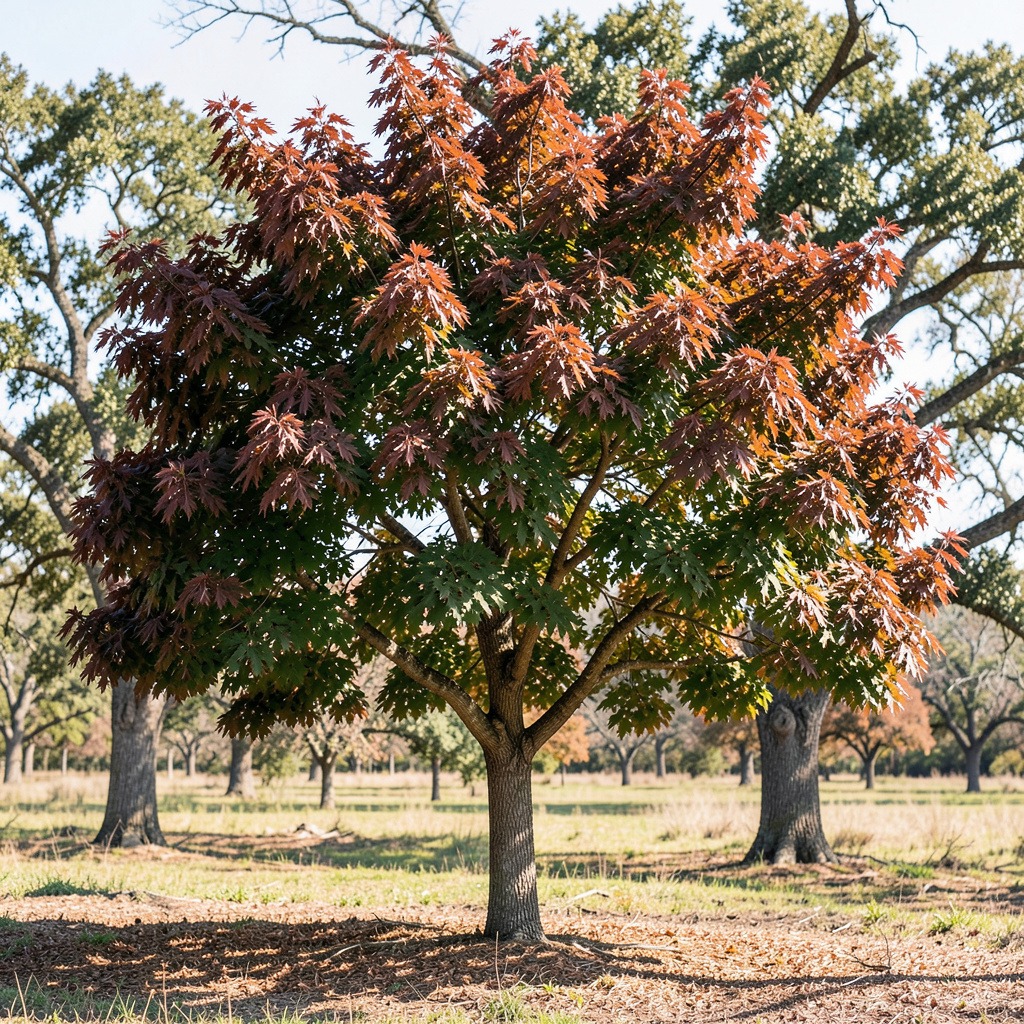
Understanding Redbud Trees in Texas
Redbud trees, particularly the Texas variety, are a striking addition to Texas gardens. Known for their stunning spring blooms and adaptability, these native trees offer both beauty and ecological benefits.
Characteristics of Texas Redbud Trees
Texas Redbud (Cercis canadensis var. texensis) is a small, deciduous tree. It typically grows between 15 to 30 feet tall and features heart-shaped leaves that emerge after the vibrant pink flowers. Here are key characteristics:
- Native Status: As a native species, the Texas Redbud is well adapted to local soil and climate conditions.
- Drought Tolerance: This tree exhibits excellent drought resistance, making it suitable for the heat of Texas summers.
- Wildlife Support: The flowers attract pollinators such as bees and butterflies, while the tree provides shelter for birds.
Cultural Significance of Redbud Trees in Texas
Historically, redbud trees have played a role in Texas culture. They are often associated with the onset of spring, symbolizing renewal and resilience. Additionally, their presence in local folklore and art highlights their importance in the regional identity.
- Landscaping Uses: Redbuds can serve as focal points in gardens or as understory plants beneath larger trees, enhancing the visual appeal of landscapes.
- Community Values: Many Texas communities celebrate the redbud for its beauty and ecological contributions, often featuring it in local festivals.
Practical Considerations for Planting
When planting redbud trees, consider the following tips tailored for Texas conditions:
- Sunlight Needs: While they thrive in full sun, redbuds also appreciate some shade, especially in hotter areas.
- Soil Preference: They prefer well-drained soils but can adapt to various soil types, including rocky and clay soils typical of many Texas regions.
- Watering Practices: Newly planted redbuds need regular watering until established, while mature trees are more drought-resistant.
By understanding these aspects of redbud trees, homeowners can make informed choices about incorporating this native species into their gardens.
1. Aesthetic Appeal of Redbud Trees
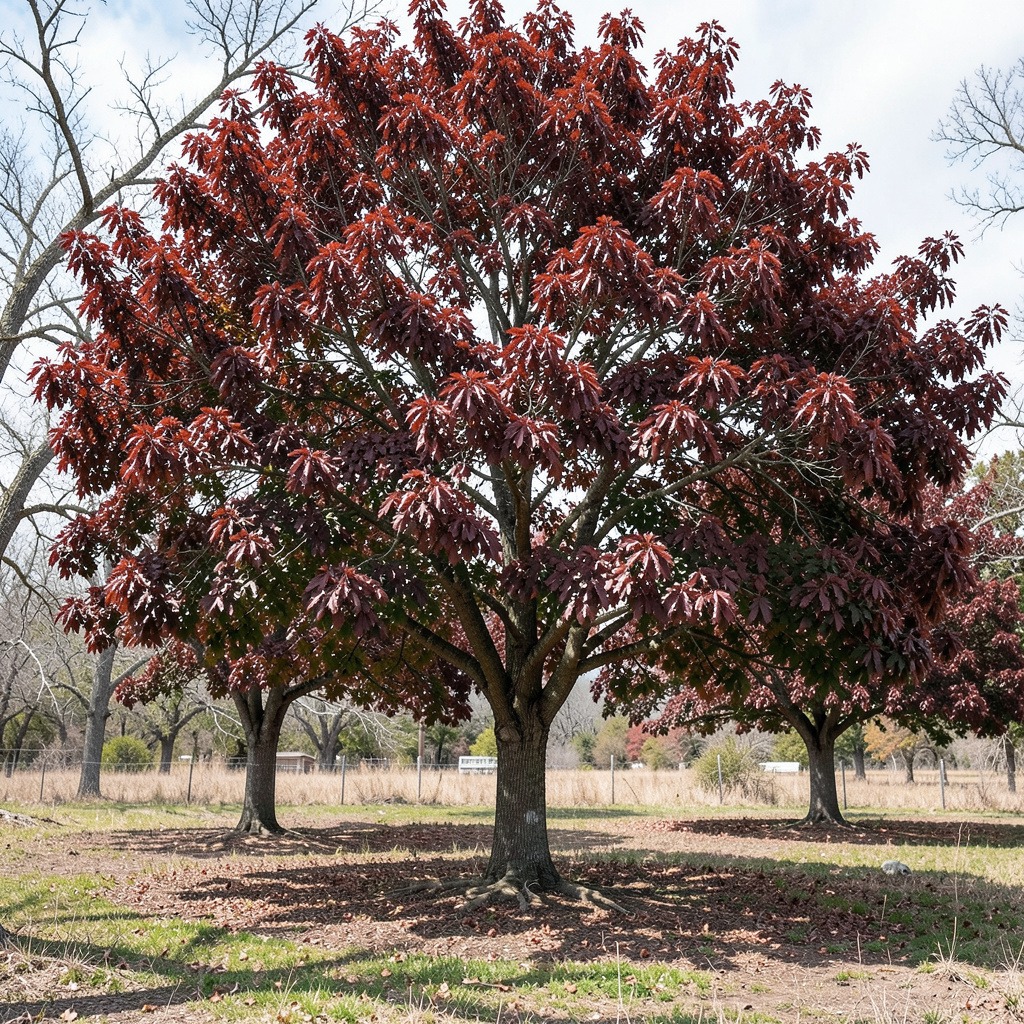
Redbud trees are renowned for their striking beauty, particularly in Texas gardens. They bring vibrant colors and unique shapes that enhance any landscape.
Vibrant Spring Blooms
One of the most compelling features of redbud trees is their stunning spring blossoms. The small, vibrant flowers bloom in shades of pink and purple, often before most other trees awaken. This early display serves as a welcome sign of spring, transforming dull landscapes into lively vistas.
- Color Varieties: Flowers can range from deep pink to purplish hues.
- Flowering Time: Typically blooms in early spring, providing one of the first bursts of color in Texas gardens.
- Visual Impact: The flowers appear not only on branches but also directly from the trunk, adding a unique visual element.
Unique Leaf Shape
After the blossoms fade, redbud trees showcase their distinctive heart-shaped leaves. This unique foliage adds another layer of aesthetic appeal throughout the growing season.
- Leaf Characteristics: The leaves are heart-shaped and can exhibit various shades, including vibrant green and golden hues in fall.
- Canopy Benefits: The dense foliage provides shade, making them functional as well as beautiful.
- Year-Round Interest: Even when not in bloom, the unique leaf shape keeps the tree interesting throughout the seasons.
Visual Examples Across Texas
Incorporating redbud trees into your landscape can create stunning visual displays. Here are a few popular planting contexts in Texas:
- Front Yards: A single redbud can serve as a focal point, greeting visitors with its vibrant blossoms.
- Garden Borders: Planting multiple redbuds can create a colorful hedge that enhances privacy while offering beauty.
- Parks and Public Spaces: Redbuds are often used in community parks to provide seasonal color and attract pollinators.
By understanding the aesthetic contributions of redbud trees, Texas homeowners can make informed decisions about their landscaping choices.
2. Drought Tolerance of Redbud Trees
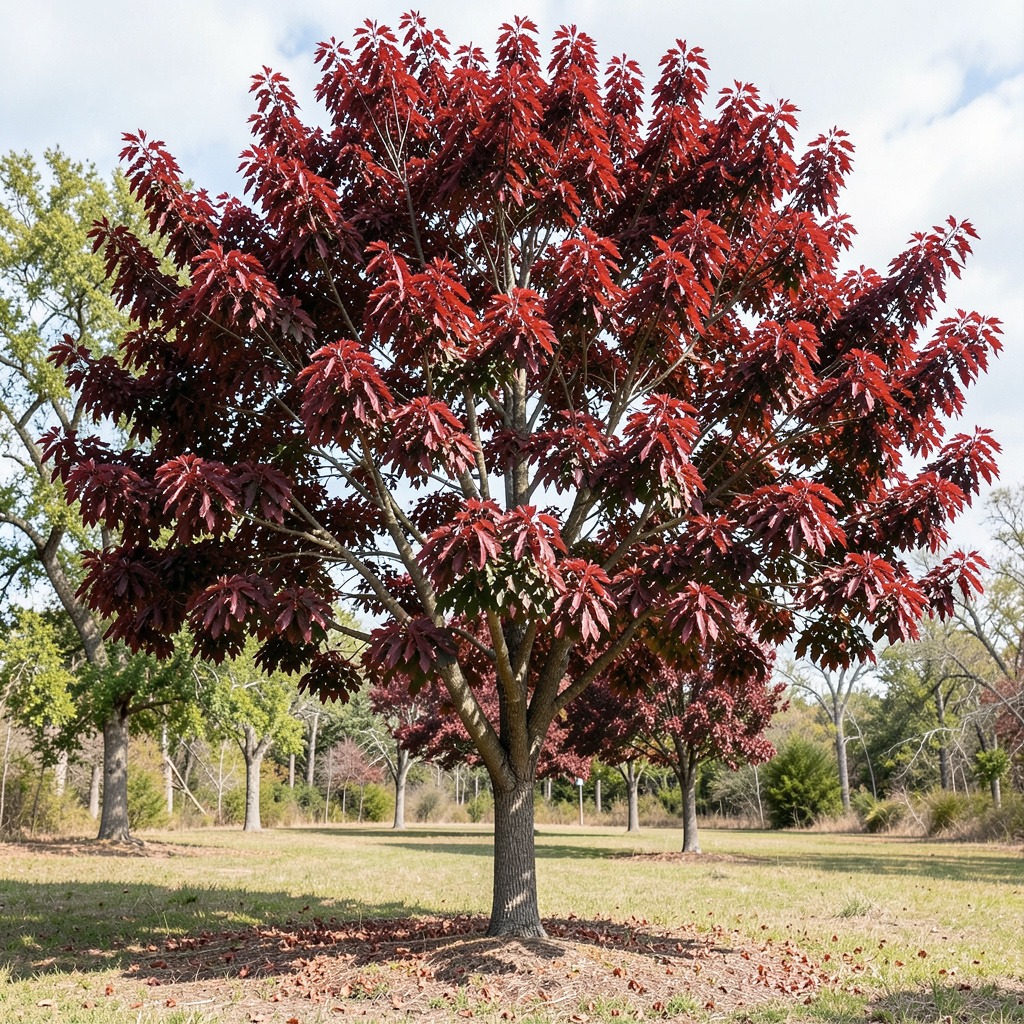
Redbud trees are particularly well-suited for Texas gardens due to their impressive drought resistance. This quality makes them a reliable choice for homeowners looking to enhance their landscapes without excessive water usage.
Adaptability to Soil Conditions
Redbud trees thrive in a variety of soil types, including sandy and rocky soils. They prefer well-drained environments but can tolerate poor soil conditions. This adaptability is crucial in Texas, where soil types can vary significantly.
- Soil Types: Redbuds grow well in clay, loam, and sandy soils.
- pH Levels: They can handle slightly alkaline soils, which are common in many Texas areas.
Watering Needs
While redbud trees are drought-tolerant once established, they require specific care during their initial growth stages.
- Young Trees: Water deeply once a week for the first year. This helps develop a strong root system.
- Established Trees: After two to three years, redbuds can survive on natural rainfall. During prolonged dry spells, a deep watering every two to four weeks may be beneficial.
Watering Checklist for Texas Climate:
- First Year: Weekly deep watering.
- Second Year: Monitor soil moisture; adjust watering frequency based on rainfall.
- Drought Scenarios: In severe drought, water monthly to maintain health.
By understanding these watering needs and soil adaptability, Texas homeowners can effectively cultivate redbud trees, ensuring their landscapes remain vibrant with minimal water resources.
3. Low Maintenance Requirements
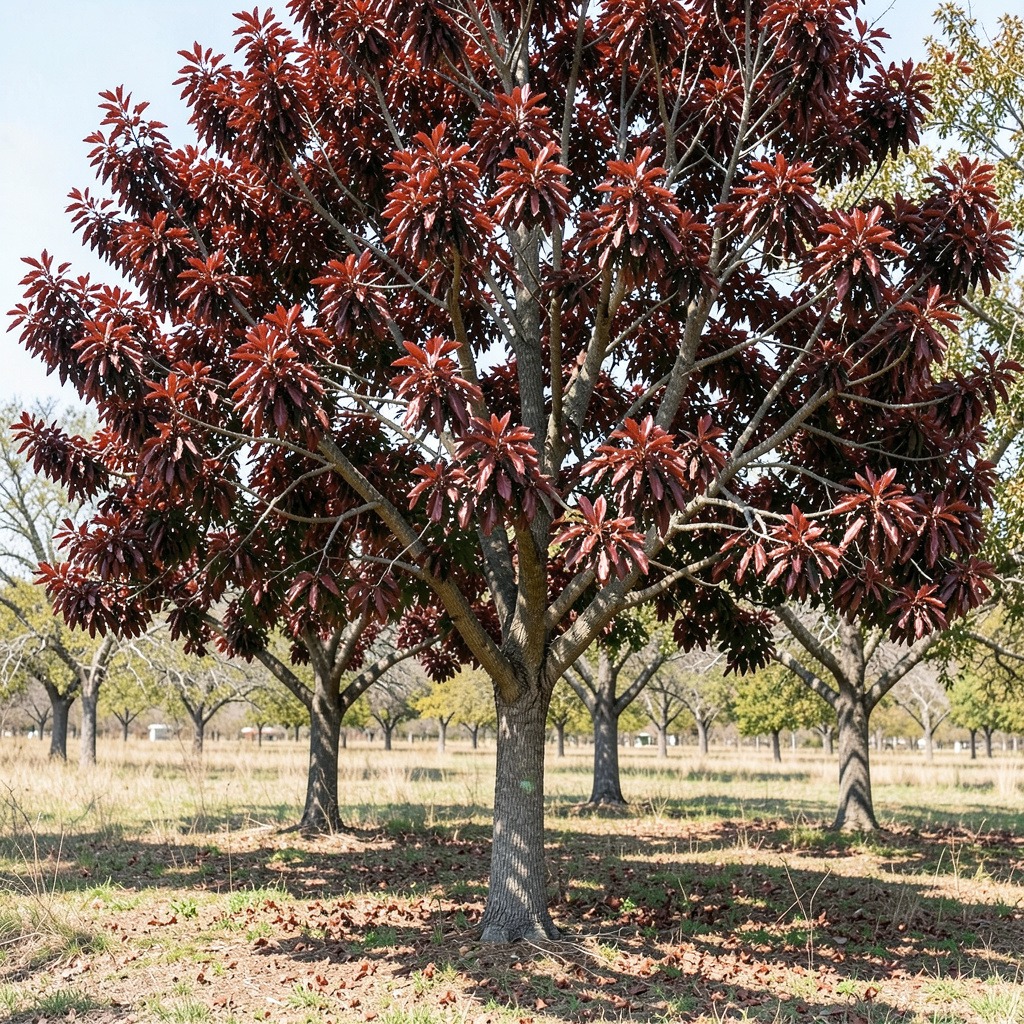
Redbud trees are celebrated for their low maintenance needs, making them a suitable choice for Texas gardeners. Their resilience allows them to thrive in various soil conditions without extensive care.
Minimal Pruning Needs
Redbud trees generally require minimal pruning. Their natural shape is attractive, and regular pruning is only necessary to remove dead or diseased branches. This hands-off approach saves time and effort for homeowners.
Disease Management
While redbuds are relatively low-maintenance, they can be susceptible to certain diseases. To ensure longevity and health, consider the following best practices:
- Choose Disease-Resistant Varieties: Select cultivars known for their resistance to common diseases.
- Avoid Overwatering: Excess moisture can lead to root rot and fungal issues.
- Inspect Regularly: Check for signs of pests or diseases, such as leaf spots or wilting.
Checklist for Maintaining Redbud Trees in Texas
- Watering: Deep water weekly for the first year. Afterward, adjust based on rainfall.
- Pruning: Remove dead branches as needed, typically in late winter.
- Fertilizing: Use a balanced, slow-release fertilizer in early spring.
- Pest Control: Monitor for aphids and caterpillars; use organic pesticides if necessary.
By following these guidelines, Texas homeowners can enjoy the beauty and ecological benefits of redbud trees with minimal maintenance.
4. Attracting Pollinators
Redbud trees play a crucial role in supporting local ecosystems by attracting various pollinators, including bees and butterflies. Their vibrant flowers serve as a significant food source during the early spring when other blooms are scarce.
Key Pollinators Benefiting from Redbud Trees
Several pollinator species thrive in the presence of redbud trees:
- Honey Bees: They are drawn to the sweet nectar of redbud blossoms, which helps sustain their colonies.
- Carpenter Bees: These large bees are frequent visitors, utilizing the tree for both food and nesting sites.
- Butterflies: Species like the Henry’s Elfin butterfly lay their eggs on the leaves, benefiting from the tree’s habitat.
Importance of Pollinators in Texas Gardens
Pollinators are vital for the health of Texas gardens. They facilitate the reproduction of many flowering plants, ensuring diverse and sustainable ecosystems. By planting redbud trees, homeowners contribute to the well-being of these essential species.
- Enhanced Biodiversity: A diverse range of pollinators supports a balanced garden ecosystem.
- Increased Fruit and Seed Production: Pollination promotes higher yields in fruit-bearing plants nearby.
- Ecosystem Stability: A healthy population of pollinators helps maintain the overall balance of the environment.
By incorporating redbud trees into Texas gardens, homeowners can create a welcoming habitat for these important pollinators while enjoying the aesthetic benefits of beautiful blooms.
5. Short Lifespan and Disease Susceptibility
Redbud trees, while visually striking, come with specific challenges that Texas homeowners should consider. Their limited lifespan and vulnerability to diseases can impact both their beauty and health in your garden.
Common Diseases
Redbud trees are susceptible to several diseases that can significantly affect their longevity and appearance. Here are some of the most common diseases found in Texas:
- Verticillium Wilt: A fungal disease that causes wilting and yellowing of leaves. It can lead to branch dieback and tree death.
- Leaf Anthracnose: This fungal infection results in dark spots on leaves, leading to early leaf drop.
- Botryosphaeria Canker: A fungal disease that creates cankers on branches, weakening the tree structure.
- Bacterial Leaf Scorch: A bacterial infection causing leaf yellowing and wilting, often leading to tree decline.
Prevention Strategies:
- Ensure proper spacing between trees to improve air circulation.
- Water appropriately, avoiding over-watering, which can promote fungal growth.
- Prune dead or infected branches promptly to reduce disease spread.
Average Lifespan
The average lifespan of a redbud tree in Texas is typically 20 to 30 years. This is relatively short compared to other tree species. Factors influencing lifespan include:
- Environmental Conditions: Drought stress can significantly shorten their life.
- Soil Quality: Poor soil conditions can hinder growth and health.
- Maintenance Practices: Regular care, such as proper watering and disease management, can enhance longevity.
Homeowners should consider these factors when planting redbud trees. Choosing disease-resistant varieties and providing optimal care can maximize their lifespan and aesthetic appeal.
6. Space and Growth Requirements
Redbud trees require specific space and growth conditions to thrive, especially in the Texas climate. Understanding their planting needs is essential for successful integration into your landscape.
Ideal Planting Distances
When planting redbud trees, consider their mature size and spacing to prevent overcrowding. The following table outlines recommended distances from structures and other trees:
| Structure/Tree Type | Recommended Distance |
|---|---|
| Other Redbud Trees | 10-15 feet |
| Large Trees (e.g., Oaks) | 15-20 feet |
| Buildings/Structures | 8-10 feet |
| Fences | 5-7 feet |
Proper spacing ensures adequate sunlight and airflow, crucial for maintaining tree health.
Growth Habits
Redbud trees typically exhibit a compact growth form, reaching heights of 20-30 feet. Their spread can vary from 25-35 feet, depending on the variety and growing conditions. They thrive best in well-drained soil and prefer locations that receive at least six hours of sunlight daily.
Key Growth Considerations:
- Soil Type: Redbuds adapt to various soil types but prefer loamy or sandy soils.
- Water Needs: Young redbuds require consistent moisture, particularly during their first few years.
- Sunlight: While they tolerate partial shade, optimal flowering occurs with full sun exposure.
By aligning your planting strategy with these requirements, you can enhance the growth and beauty of redbud trees in your Texas garden.
7. Comparative Analysis of Redbud Varieties
Redbud trees offer a range of varieties that cater to different aesthetic and environmental needs in Texas gardens. Understanding their unique attributes will help homeowners choose the best fit for their landscape.
Eastern Redbud
- Scientific Name: Cercis canadensis
- Height: 20-30 feet
- Spread: 25-35 feet
- Flowers: Pink to purple blooms in early spring
- Drought Tolerance: Moderate; requires consistent moisture initially
- Pest Resistance: Generally low; susceptible to leaf spot and canker
This native tree is popular for its stunning spring display and heart-shaped leaves. It thrives in well-drained soils and full sun, making it ideal for many Texas gardens.
Texas Redbud
- Scientific Name: Cercis canadensis var. texensis
- Height: 15-25 feet
- Spread: 15-25 feet
- Flowers: Bright pink flowers that appear before leaves
- Drought Tolerance: High; well-suited for hot, dry conditions
- Pest Resistance: Moderate; can be affected by aphids and scale
The Texas redbud is more drought-resistant than its Eastern counterpart. It is perfect for xeriscaping and can flourish in less fertile soils.
Forest Pansy Redbud
- Scientific Name: Cercis canadensis ‘Forest Pansy’
- Height: 20-30 feet
- Spread: 25-30 feet
- Flowers: Dark pink to purple flowers
- Drought Tolerance: Moderate; requires regular watering
- Pest Resistance: Low; may be prone to powdery mildew
This variety is beloved for its striking purple leaves that add a dramatic flair to gardens. However, its need for consistent moisture and vulnerability to certain diseases require careful management.
Comparison Chart
| Variety | Height | Spread | Flower Color | Drought Tolerance | Pest Resistance |
|---|---|---|---|---|---|
| Eastern Redbud | 20-30 ft | 25-35 ft | Pink to Purple | Moderate | Low |
| Texas Redbud | 15-25 ft | 15-25 ft | Bright Pink | High | Moderate |
| Forest Pansy Redbud | 20-30 ft | 25-30 ft | Dark Pink to Purple | Moderate | Low |
Choosing the right variety depends on your specific gardening goals. Consider factors such as space, water availability, and desired aesthetics when making your selection. Each redbud variety has its own strengths and weaknesses, which can significantly affect your landscape’s success in Texas.
8. Making an Informed Decision
When considering whether to plant redbud trees in your Texas landscape, evaluate both the benefits and drawbacks. Understanding these factors helps you determine if a redbud tree aligns with your gardening goals.
Key Benefits of Redbud Trees
- Aesthetic Appeal: Redbuds showcase vibrant spring flowers, providing early color to your garden. Their heart-shaped leaves also add visual interest throughout the growing season.
- Drought Tolerance: Texas redbuds are well-adapted to the state’s climate, thriving in heat and drought. They require minimal water once established, making them a practical choice for low-maintenance landscaping.
- Wildlife Attraction: These trees attract pollinators like bees and butterflies, enhancing biodiversity in your yard. Their flowers serve as a food source for various local wildlife.
Considerations and Challenges
- Space Requirements: Redbuds can grow to 15-30 feet tall and wide, depending on the variety. Ensure you have adequate space in your landscape to accommodate their mature size without crowding.
- Disease Susceptibility: While generally hardy, redbuds can be prone to diseases like leaf spot and cankers. Regular monitoring and proper care are essential to prevent these issues.
- Maintenance Needs: Young redbuds require consistent watering, especially during their first few years. Plan for regular maintenance to ensure their healthy growth.
Decision Checklist
Use this checklist to guide your decision:
- Do you have adequate space for growth?
- Can you provide consistent water during establishment?
- Are you prepared to manage potential diseases?
- Do you want to attract local wildlife to your garden?
By carefully weighing these pros and cons, you can make an informed choice about integrating redbud trees into your Texas landscape.
Frequently Asked Questions
These quick answers cover the most common questions about this topic, including key details, practical tips, and common concerns.
What are the downsides of having a redbud tree?
Redbud trees can be susceptible to several diseases, such as Verticillium wilt and leaf anthracnose, which can affect their health and longevity. They typically have a short lifespan of 20 to 30 years, which is less than some other tree species. Additionally, redbuds require specific care during their early years, including consistent watering and monitoring for pests.
How far away from a house should you plant a redbud tree?
It is recommended to plant redbud trees at least 8 to 10 feet away from buildings or structures. This distance allows for adequate air circulation and sunlight, which are crucial for the tree’s health. If planting near other trees, maintain a distance of about 10 to 15 feet to prevent overcrowding.
Which is better, dogwood or redbud?
Choosing between dogwood and redbud trees depends on your specific needs. Redbuds are known for their vibrant spring blooms and drought tolerance, making them suitable for hot climates like Texas. In contrast, dogwoods typically have a more structured growth form and can offer attractive fall foliage. Consider factors like space, maintenance, and aesthetic preferences when making your choice.
What is the average lifespan of a Texas redbud tree?
The average lifespan of a Texas redbud tree is around 20 to 30 years. This lifespan can be influenced by environmental factors, such as soil quality and water availability, as well as maintenance practices. Proper care can help maximize their longevity and health.
What are the drawbacks of planting Eastern Red Bud?
Eastern Red Bud trees can be more susceptible to diseases compared to Texas redbuds. They also require more consistent moisture, which may not be ideal in drought-prone areas. Additionally, they can grow larger than Texas redbuds, requiring more space in your landscape.
Texas Redbud, Forest Pansy Redbud, or Desert Museum?
When choosing among these varieties, consider their unique attributes. The Texas Redbud is drought-tolerant and well-suited for hot climates. The Forest Pansy has striking purple leaves but requires more moisture. The Desert Museum Redbud is a hybrid known for its resistance to diseases and lower water needs. Assess your landscape’s conditions and aesthetic goals to make the best choice.
What should readers know about detailed planting instructions?
When planting redbud trees, select a location with well-drained soil and full sun to partial shade. Dig a hole twice as wide as the root ball and ensure the top of the root ball is level with the soil surface. Water the tree deeply after planting and continue to monitor soil moisture regularly, especially during the first year.
What should readers know about specific pest management strategies?
To manage pests on redbud trees, regularly inspect for common issues like aphids and caterpillars. Use organic insecticides or introduce beneficial insects, such as ladybugs, to control populations naturally. Proper watering and avoiding overcrowding can also help reduce pest infestations.