
Solid wood kitchen cabinets offer durability, natural beauty, and customization options, but they can be expensive, require maintenance, and may be sensitive to moisture changes.
Table of Contents
When considering kitchen renovations, solid wood cabinets are a popular choice for their aesthetic appeal and durability. However, they come with their own set of advantages and disadvantages that every homeowner should understand before making a commitment.
Understanding Solid Wood Kitchen Cabinets
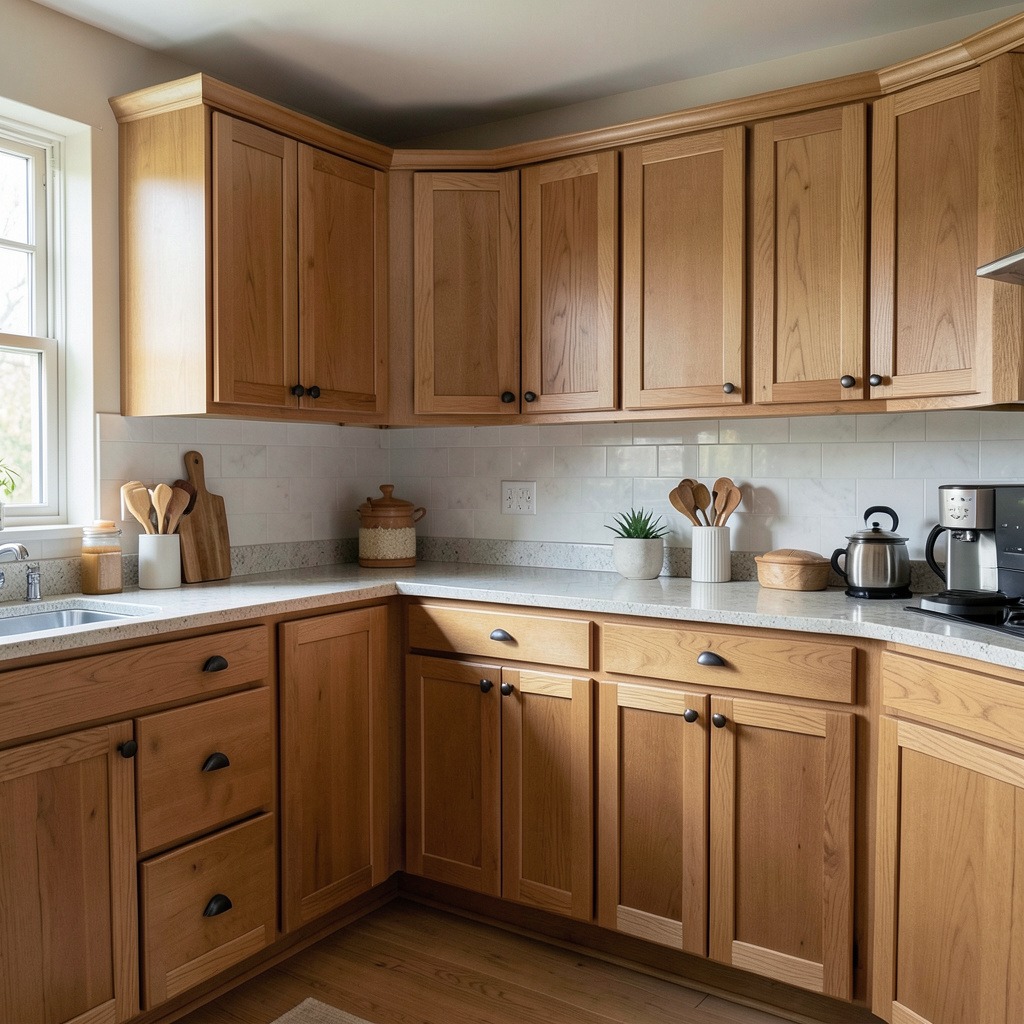
Solid wood cabinets are a preferred choice for many homeowners due to their durability and aesthetic appeal. Constructed entirely from solid pieces of wood, these cabinets offer unique characteristics that contribute to their longevity and beauty.
What Are Solid Wood Cabinets?
Solid wood cabinets are made from solid wood rather than composites or veneers. This construction method ensures strength and durability. Homeowners often choose them for their rustic charm and ability to add warmth to a kitchen.
Common Types of Wood Used
Several types of wood are popular for solid wood cabinets, each with distinct properties:
- Oak: Known for its strength and prominent grain, oak is a classic choice. It is resistant to scratches and dents, making it ideal for busy kitchens.
- Cherry: Cherry wood offers a rich, warm tone that deepens over time. It is less durable than oak but provides elegant aesthetics.
- Maple: Maple is dense and sturdy, often chosen for its smooth finish. It can be stained or painted easily, allowing for versatile design options.
- Hickory: This wood is incredibly resilient and has a unique grain pattern. It stands up well to wear and tear, making it suitable for high-traffic areas.
Characteristics of Solid Wood
Solid wood cabinets possess several key characteristics:
- Durability: Solid wood cabinets are built to last. They withstand daily use better than many alternatives, which can warp or chip.
- Aesthetic Appeal: The natural beauty of wood enhances kitchen design. Each type of wood brings its own visual charm.
- Customization: Solid wood can be stained, painted, or finished to match any décor, allowing for personalized designs.
- Repairability: Scratches and dents can often be sanded out or refinished, extending the life of these cabinets.
When selecting solid wood cabinets, consider the wood type’s impact on aesthetics and longevity. For high-quality options, explore selections like Solid Wood Kitchen Cabinets by Woodcraft.
Pros of Solid Wood Kitchen Cabinets
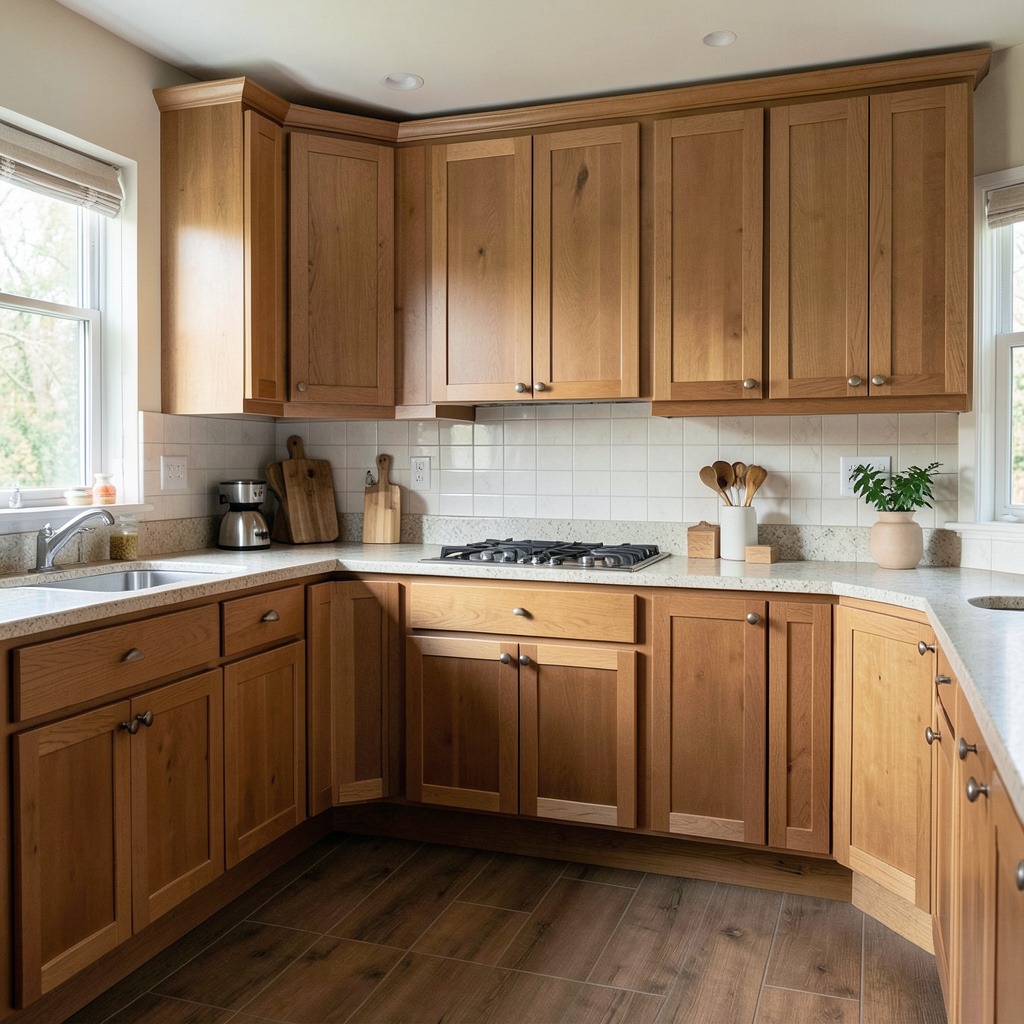
Solid wood kitchen cabinets offer numerous advantages that make them a favored option for homeowners. Their durability, aesthetic appeal, and customization potential set them apart from other materials.
Exceptional Durability
Solid wood cabinets are renowned for their strength and resilience. Unlike particleboard or laminate, solid wood can withstand the rigors of daily use. They resist warping, chipping, and other forms of damage, ensuring they maintain their integrity over time. With proper care, these cabinets can last for decades.
- Longevity: Solid wood’s natural composition allows it to endure wear and tear.
- Maintenance: Regular cleaning and avoiding moisture exposure can extend the lifespan significantly.
Unique Aesthetic Appeal
The natural beauty of solid wood enhances any kitchen design. Each type of wood brings a distinct character, from the rich grains of oak to the smooth finish of maple. This variety allows homeowners to create a unique ambiance.
- Visual Warmth: Wood adds a warm, inviting feel to kitchen spaces.
- Natural Variability: Each cabinet has unique markings, making every installation one-of-a-kind.
High Customization Potential
Customization options for solid wood cabinets are extensive. Homeowners can select from various stains, finishes, and styles to match their décor. Whether opting for a classic look or a modern design, solid wood cabinets can adapt to personal tastes.
- Tailored Designs: Options range from traditional Shaker styles to sleek contemporary designs.
- Finish Choices: Homeowners can choose finishes that enhance the wood’s natural beauty or change the color entirely.
For those considering solid wood cabinets, the variety and quality available, such as the Solid Wood Kitchen Cabinets by Woodcraft, provide an excellent investment for both style and durability.
Cons of Solid Wood Kitchen Cabinets
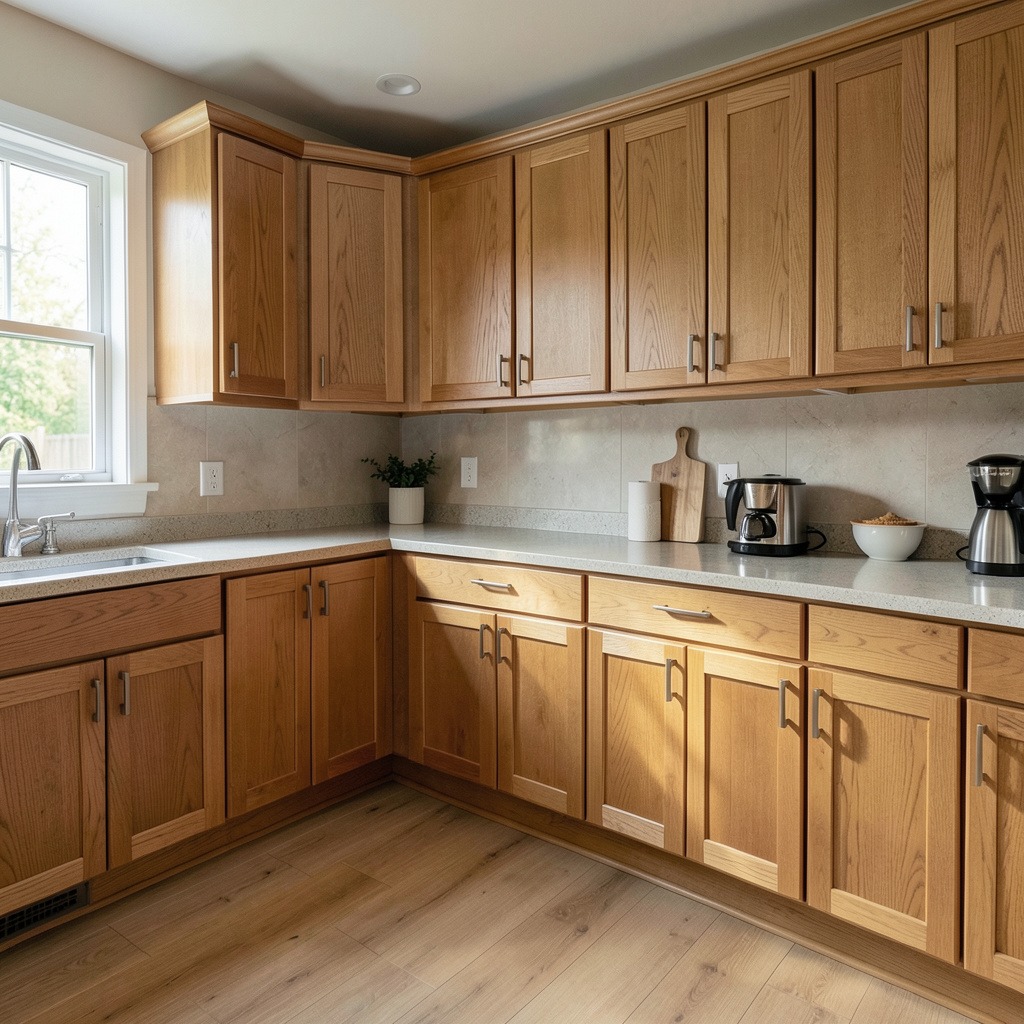
While solid wood kitchen cabinets offer numerous advantages, they also come with notable drawbacks. Homeowners should carefully consider these factors before making a purchase.
Higher Initial Costs
Solid wood cabinets generally have a higher upfront cost compared to other materials like plywood or particleboard. The price can vary significantly based on the type of wood selected. Commonly used woods include oak, maple, and cherry, each with distinct price points and characteristics. For example:
- Oak: Durable and moderately priced.
- Maple: Slightly more expensive, offers a smooth finish.
- Cherry: High-end option, known for its rich color and grain.
This initial investment can be a barrier for some homeowners, particularly those on a tight budget.
Maintenance Requirements
Solid wood cabinets demand ongoing maintenance to preserve their beauty and functionality. Common maintenance tasks include:
- Regular cleaning: Use a soft cloth and mild cleaner to avoid damaging the finish.
- Polishing: Periodically apply oil or polish to maintain luster.
- Varnishing: Reapply varnish every few years to protect against wear and tear.
Neglecting these tasks can lead to scratches, dullness, and a shorter lifespan.
Sensitivity to Environmental Changes
Wood is hygroscopic, meaning it absorbs moisture from the air. This characteristic makes solid wood cabinets sensitive to humidity and temperature fluctuations. Potential issues include:
- Swelling: Excess moisture can cause cabinets to swell, leading to misalignment.
- Cracking: Dry conditions can cause wood to shrink and crack.
To mitigate these risks, homeowners should maintain stable indoor conditions, using humidifiers or dehumidifiers as needed.
In summary, while solid wood cabinets can enhance the aesthetic of a kitchen, their higher costs, maintenance demands, and sensitivity to environmental changes present significant considerations for prospective buyers.
Comparing Solid Wood to Other Cabinet Materials
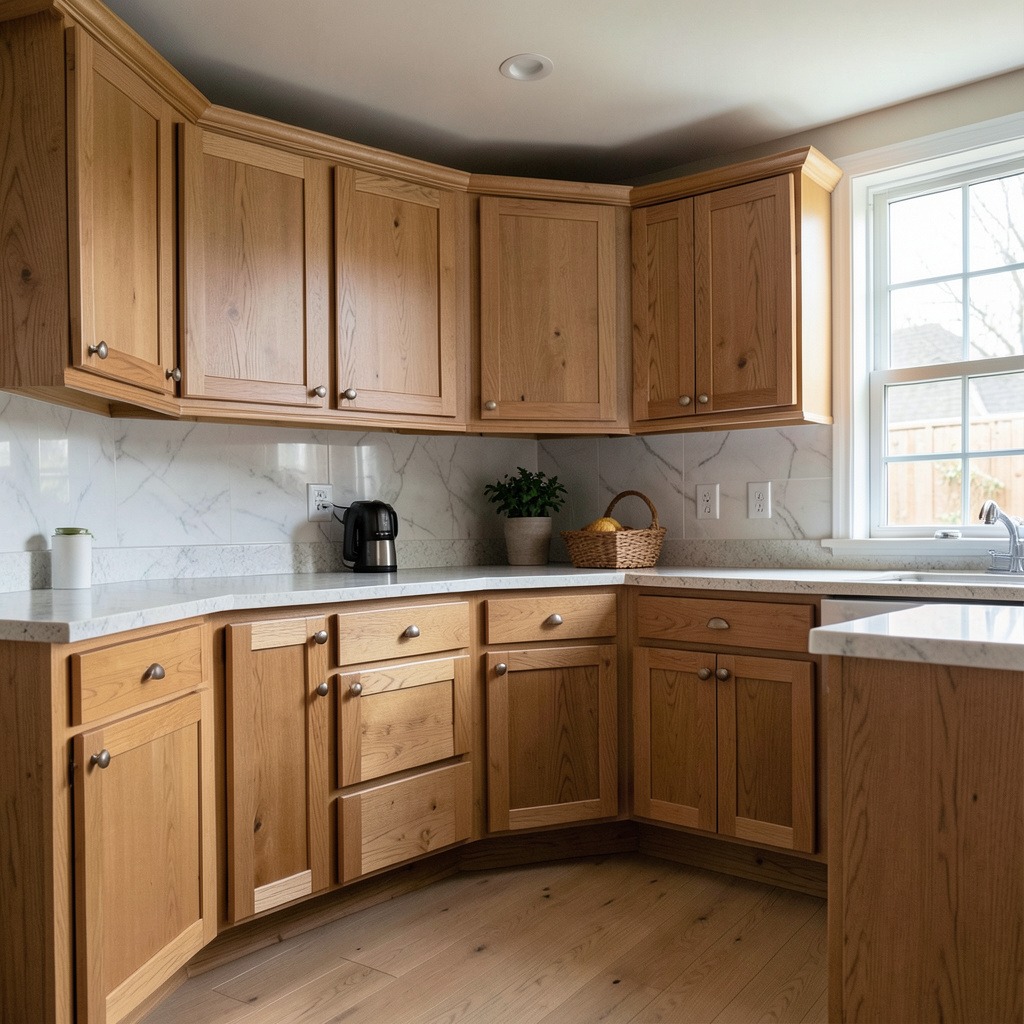
When selecting kitchen cabinets, understanding the differences between solid wood, plywood, and particle board is crucial. Each material offers distinct advantages and drawbacks in terms of durability, cost, and application.
Solid Wood vs. Plywood
Solid wood cabinets are crafted from whole pieces of lumber, providing natural beauty and durability. In contrast, plywood consists of multiple layers of wood veneer glued together, which makes it more stable but less aesthetically appealing.
| Feature | Solid Wood | Plywood |
|---|---|---|
| Durability | Highly durable, can last decades with proper care. | Durable, less prone to warping than solid wood. |
| Cost | Generally more expensive, especially for high-quality species. | More affordable, especially for thicker grades. |
| Maintenance | Requires regular refinishing to maintain appearance. | Easier to maintain, less frequent refinishing needed. |
| Aesthetic | Rich, natural look; unique grain patterns. | Can mimic wood appearance but lacks depth. |
Solid Wood vs. Particle Board
Particle board is made from wood chips and adhesives, making it the least expensive option. However, it lacks the strength and longevity of solid wood cabinets.
| Feature | Solid Wood | Particle Board |
|---|---|---|
| Durability | Very durable and robust. | Less durable, can sag or break under weight. |
| Cost | Higher due to material quality. | Lowest cost option available. |
| Maintenance | More upkeep required to prevent damage. | Limited repair options; often needs replacement. |
| Aesthetic | Offers a high-end look. | Generally less attractive, may require laminate for appearance. |
Choosing the Right Material for Your Kitchen
Selecting the best cabinet material depends on your specific needs. Consider the following:
- Budget: Solid wood is an investment; weigh long-term benefits against upfront costs.
- Use: For high-traffic areas, prioritize durability. Solid wood is ideal for longevity.
- Style: Solid wood provides a rich aesthetic, while particle board may require coverings to enhance appearance.
Incorporating solid wood cabinets can elevate your kitchen’s style and value, but understanding the trade-offs with plywood and particle board is vital for making an informed decision.
Maintenance Tips for Solid Wood Cabinets
Caring for solid wood cabinets is essential to preserve their beauty and extend their lifespan. Regular maintenance not only enhances aesthetics but also safeguards your investment.
Regular Cleaning Practices
Clean your cabinets regularly to prevent dust and grime buildup. Use a soft, damp cloth for cleaning. Avoid harsh chemicals that can damage the finish. Consider the following routine:
- Weekly Wipe-Down: Use a microfiber cloth to remove dust.
- Monthly Deep Clean: Mix mild soap with water. Wipe down surfaces and dry immediately to prevent water damage.
- Spot Cleaning: Address spills promptly to avoid stains.
Refinishing and Repair Techniques
Over time, your cabinets may show signs of wear. Refinishing or repairing can revive their appearance. Here’s how to approach it:
- Light Scratches: Use a wood touch-up marker or crayon that matches the cabinet color.
- Deep Scratches: Sand the area lightly and apply a matching stain. Finish with a clear coat for protection.
- Refinishing: Consider refinishing every 5-7 years to maintain the wood’s sheen. This involves sanding and reapplying finish, which can significantly refresh the look.
Avoiding Environmental Damage
Protect your solid wood cabinets from environmental factors that can cause damage:
- Humidity Control: Maintain indoor humidity levels between 40-60%. Excess moisture can lead to warping.
- Heat Sources: Keep cabinets away from direct heat, such as radiators or ovens, to prevent drying and cracking.
- Sunlight Exposure: Use curtains or blinds to limit direct sunlight exposure, which can fade the wood over time.
Seasonal Maintenance Checklist
To ensure the longevity of your solid wood cabinets, follow this seasonal maintenance checklist:
- Spring: Inspect for moisture damage; clean with a mild soap solution.
- Summer: Check for heat exposure; consider rearranging kitchen layout if needed.
- Fall: Reapply wood polish; assess for scratches or dents.
- Winter: Maintain indoor humidity; check for signs of warping.
By adhering to these maintenance tips, you can preserve the integrity and beauty of your solid wood cabinets, ensuring they remain a centerpiece of your kitchen for years to come.
Environmental Considerations in Choosing Solid Wood
When selecting solid wood kitchen cabinets, understanding their environmental implications is crucial. Sourcing wood responsibly can significantly affect sustainability and ecological health.
Sourcing Responsibly
The sustainability of solid wood cabinets largely depends on how the wood is sourced. Responsible sourcing involves harvesting trees in a way that preserves ecosystems. It ensures that forests are not depleted and that wildlife habitats remain intact.
Homeowners should look for products labeled as sustainably sourced. This means the wood comes from forests managed according to strict environmental standards.
Environmental Benefits of Wood
Solid wood offers several environmental advantages compared to synthetic materials. Here are key benefits:
- Biodegradable: Unlike synthetic options, solid wood naturally decomposes, reducing landfill waste.
- Carbon Sequestration: Trees absorb carbon dioxide during their growth. Using solid wood helps store carbon, contributing to a lower carbon footprint.
- Energy Efficiency: Wood production typically requires less energy than producing synthetic materials, which often involve energy-intensive processes.
The Role of Certification in Wood Sourcing
Certifications play a vital role in ensuring sustainable sourcing. Programs like the Forest Stewardship Council (FSC) verify that wood products meet rigorous environmental and social standards. Choosing FSC-certified wood ensures:
- Sustainable Forestry Practices: Certified forests are managed to maintain biodiversity and prevent deforestation.
- Community Benefits: Certification often supports local communities and economies, ensuring fair labor practices.
- Traceability: Certifications provide transparency in the supply chain, allowing consumers to know where their wood comes from.
By selecting solid wood cabinets with recognized certifications, homeowners can positively impact both their kitchen and the environment.
Customization Options for Solid Wood Cabinets
Solid wood cabinets offer extensive customization options, allowing homeowners to create a kitchen that reflects their style and meets their practical needs. From finishes to design styles, the possibilities are vast.
Finishing Options
Finishes play a crucial role in enhancing the beauty of solid wood cabinets. Here are some popular options:
- Stains: Available in various shades, stains highlight the natural grain of the wood while offering protection.
- Paints: Paint can transform the look of cabinets entirely. Choose bold colors for a modern touch or soft hues for a classic appeal.
- Varnishes: Clear varnishes provide a protective layer while preserving the wood’s natural appearance.
- Glazes: Glazes add depth and character, creating a unique look by accentuating the grain and texture.
Each finishing option can dramatically alter the aesthetic of your cabinets, making it essential to choose one that complements your kitchen’s overall design.
Design Styles Available
Solid wood cabinets can be tailored to fit various design styles. Some popular choices include:
- Shaker: Known for their clean lines and simplicity, Shaker cabinets are versatile and suit many kitchen designs.
- Raised Panel: These offer a more traditional look with a three-dimensional appearance, adding elegance to classic kitchens.
- Flat Panel: Ideal for modern designs, flat panel cabinets feature a minimalist look with sleek surfaces.
- Distressed: Distressed finishes provide a rustic charm, giving cabinets a weathered, vintage appearance.
Select a design style that aligns with your personal taste and the overall theme of your kitchen.
Tailoring Cabinets to Your Space
Customization extends beyond finishes and styles. Consider these options to maximize functionality and aesthetics:
- Sizes and Dimensions: Custom sizes ensure a perfect fit for your kitchen layout, allowing for efficient use of space.
- Hardware Choices: Selecting the right knobs and handles can enhance both the look and usability of your cabinets.
- Interior Organization: Incorporate specialized storage solutions, such as pull-out shelves, lazy Susans, and dividers, to improve accessibility and organization.
For example, a homeowner might choose maple wood for its durability, opt for a dark stain to match existing décor, and add pull-out shelves for improved access to deeper cabinets. This tailored approach not only enhances the kitchen’s functionality but also elevates its visual appeal.
When to Choose Solid Wood Cabinets
Solid wood cabinets are an excellent choice for specific scenarios, particularly when durability, aesthetic appeal, and long-term investment are priorities. Understanding when to opt for solid wood can help homeowners make informed decisions for their kitchen renovations.
Ideal for Long-Term Investments
Solid wood cabinets are known for their resilience. They can last for decades with proper care. Consider these factors:
- Longevity: Solid wood withstands wear and tear better than many alternatives.
- Value Addition: Homes with solid wood cabinets often see higher resale values.
- Repair Potential: Unlike laminate or particleboard, solid wood can be sanded and refinished, extending its life and appeal.
Best for Traditional Designs
If your design aesthetics lean towards the classic or traditional, solid wood cabinets are a suitable choice. They offer:
- Timeless Beauty: Natural wood grains bring warmth and character.
- Customizability: You can stain or paint wood to match various styles, from rustic to refined.
- Versatile Wood Types: Options such as oak, cherry, and maple provide distinct finishes and grains.
When Aesthetic Appeal is a Priority
For homeowners prioritizing visual impact, solid wood cabinets excel in several ways:
- Natural Variations: Each piece of wood is unique, adding a personal touch.
- High-Quality Finish: Solid wood can achieve a superior finish that elevates the kitchen’s overall look.
- Integration with Hardware: The richness of solid wood pairs well with various hardware styles, enhancing the kitchen’s design.
Decision Framework for Choosing Cabinet Materials
To decide if solid wood is right for your kitchen, consider the following checklist:
- Budget: Are you prepared for a potentially higher upfront cost?
- Maintenance: Can you commit to regular care to maintain appearance?
- Style Preference: Does your design lean towards traditional or luxurious aesthetics?
- Longevity Needs: Are you looking for cabinets that will last through years of use?
This framework can guide you in making a choice that aligns with your lifestyle and design goals, ensuring that your investment in kitchen cabinets meets your long-term needs.
Common Issues with Solid Wood Cabinets
While solid wood cabinets offer many advantages, they also present specific challenges. Understanding these common issues can help homeowners take preventive measures and make informed decisions.
Warping and Cracking
Wood is a natural material that can react to changes in temperature and humidity. This can lead to warping or cracking over time. To minimize these effects:
- Maintain Consistent Humidity: Keep your kitchen’s humidity levels stable. Use a humidifier or dehumidifier if necessary.
- Avoid Direct Heat: Position cabinets away from heat sources like stoves or radiators.
- Seal Properly: Apply high-quality sealant to protect against moisture intrusion.
Scratches and Dents
Solid wood cabinets can be prone to scratches and dents, especially in high-traffic areas. To protect your investment:
- Use Soft Cloths: Clean with soft, lint-free cloths to avoid scratches.
- Install Protective Pads: Place felt pads under objects like dishes and pots to prevent dents.
- Refinish When Needed: Lightly sand and apply a fresh coat of finish to restore surface integrity.
Moisture Damage
Moisture can cause significant damage to solid wood cabinets, leading to mold growth or structural issues. To combat moisture-related problems:
- Wipe Spills Immediately: Clean up any liquid spills right away to prevent absorption.
- Ventilation: Ensure adequate kitchen ventilation to reduce moisture buildup.
- Regular Inspections: Periodically inspect cabinets for signs of water damage and address any issues promptly.
By being aware of these common issues and implementing preventive measures, homeowners can enhance the longevity and aesthetic appeal of their solid wood kitchen cabinets.
Frequently Asked Questions
These quick answers cover the most common questions about this topic, including key details, practical tips, and common concerns.
Are wood cabinets coming back in 2026?
Trends in kitchen design often cycle, and wood cabinets are experiencing a resurgence. Homeowners appreciate their natural beauty and durability. Expect to see a variety of wood finishes and styles gaining popularity in 2026, as more people seek warmth and character in their kitchens.
How long do solid wood cabinets last?
Solid wood cabinets can last for decades, often up to 50 years or more with proper care. Their longevity is due to the inherent durability of wood, which can withstand daily use better than many alternatives. Regular maintenance, such as cleaning and refinishing, can further extend their lifespan.
Which type of wood is best for kitchen cabinets?
The best type of wood for kitchen cabinets depends on your preferences and needs. Oak is strong and scratch-resistant, making it ideal for busy kitchens. Maple offers a smooth finish and versatility in staining. Cherry has a rich color that deepens over time but may be less durable. Consider your kitchen’s style and your maintenance preferences when choosing.
What colors to avoid in kitchen cabinets?
When selecting colors for kitchen cabinets, it’s wise to avoid overly dark shades that can make a space feel smaller. Additionally, bright or neon colors may not age well and can be difficult to match with other kitchen elements. Neutral tones like whites, grays, and soft earth tones are generally safer choices that complement various styles.
Do you need solid wood kitchen cabinets?
Solid wood cabinets are an excellent choice if you prioritize durability, aesthetic appeal, and long-term investment. They are ideal for traditional or high-end designs. However, if you’re on a tight budget or prefer low-maintenance options, consider alternatives like plywood or laminate.
How do I care for my solid wood cabinets?
Caring for solid wood cabinets involves regular cleaning with a soft, damp cloth and mild soap. Avoid harsh chemicals that can damage the finish. Periodically, apply a wood polish or oil to maintain shine, and reapply varnish every few years to protect the wood from wear and moisture.
When should I consider alternatives to solid wood cabinets?
Consider alternatives to solid wood cabinets if you have a tight budget or if your kitchen is prone to high humidity. Materials like plywood or particle board can be more cost-effective and resistant to moisture. If you prefer a low-maintenance option, these alternatives may better suit your lifestyle.