
Sweet gum trees, known for their stunning fall foliage and shade, also produce messy gumballs and have aggressive roots, making their suitability for yards a matter of personal preference and property conditions.
Table of Contents
When considering sweet gum trees (Liquidambar styraciflua) for your yard, it’s essential to weigh their striking aesthetic benefits against potential drawbacks. This guide explores the five critical pros and cons to help you make an informed decision.
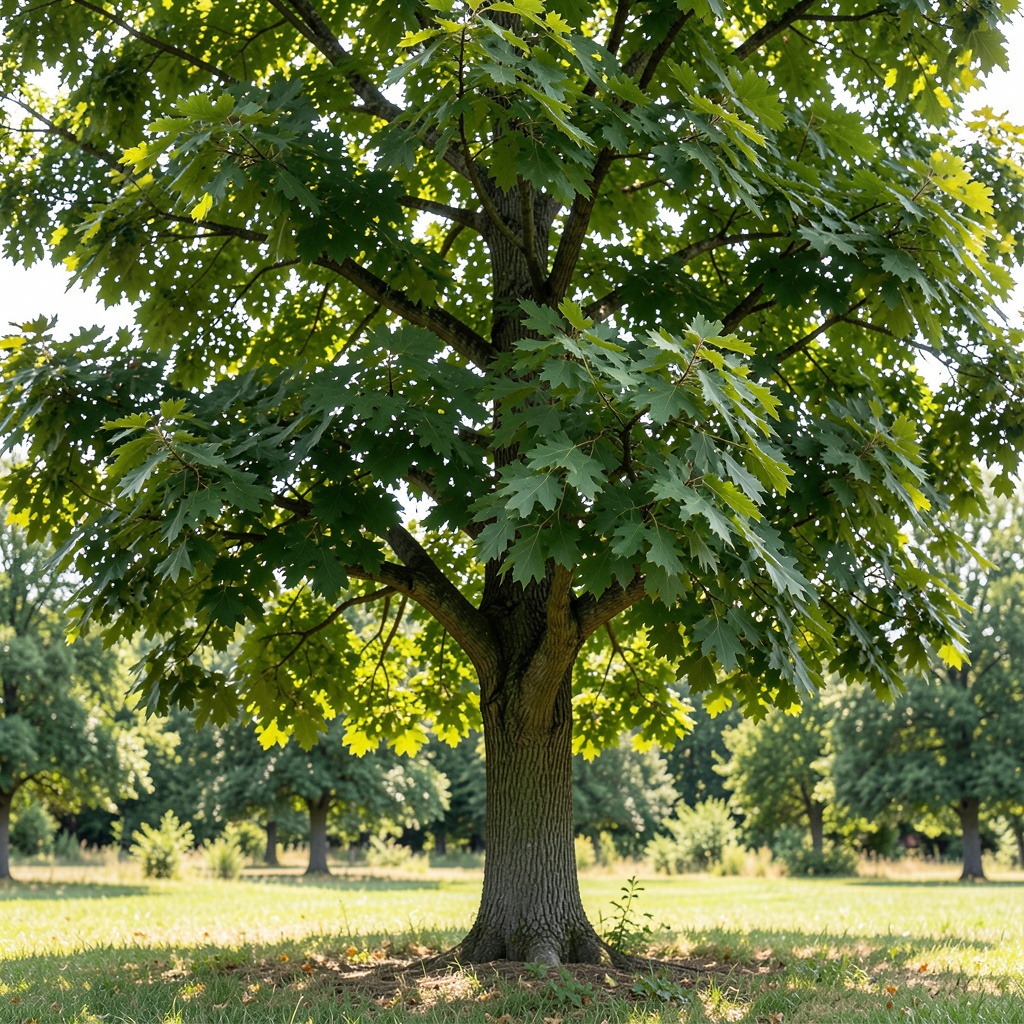
Understanding the Sweet Gum Tree
The sweet gum tree, known scientifically as Liquidambar styraciflua, is a deciduous species native to North America. It is valued for its aesthetic appeal and ecological benefits, but it also presents specific challenges for homeowners.
Key Characteristics of Sweet Gum Trees
Sweet gum trees are easily identifiable by their star-shaped leaves and distinctive gumballs. Here are some of their key characteristics:
- Height: They can grow up to 150 feet tall, making them suitable for large landscapes.
- Leaves: The five-pointed leaves turn vibrant colors in the fall, providing seasonal beauty.
- Fruit: The tree produces spiky, round gumballs that can create a mess in yards.
- Roots: Sweet gum trees have aggressive root systems, which can interfere with nearby plants and structures.
These traits contribute to their popularity in landscaping while also posing maintenance challenges.
Growth Habits and Lifespan
Sweet gum trees are known for their rapid growth. They can reach full maturity in about 30 years. Key aspects of their growth habits include:
- Growth Rate: Fast-growing, typically adding 24 inches or more each year.
- Lifespan: Can live for over 100 years under optimal conditions.
- Habitat: Thrives in a variety of soil types but prefers well-drained, moist environments.
Homeowners should consider these growth habits when planning their landscape, especially regarding space requirements and potential impacts on surrounding plants.
In practical scenarios, planting sweet gum trees at least 20 feet away from structures can mitigate root-related issues while allowing for their expansive growth.
The 5 Benefits of Sweet Gum Trees
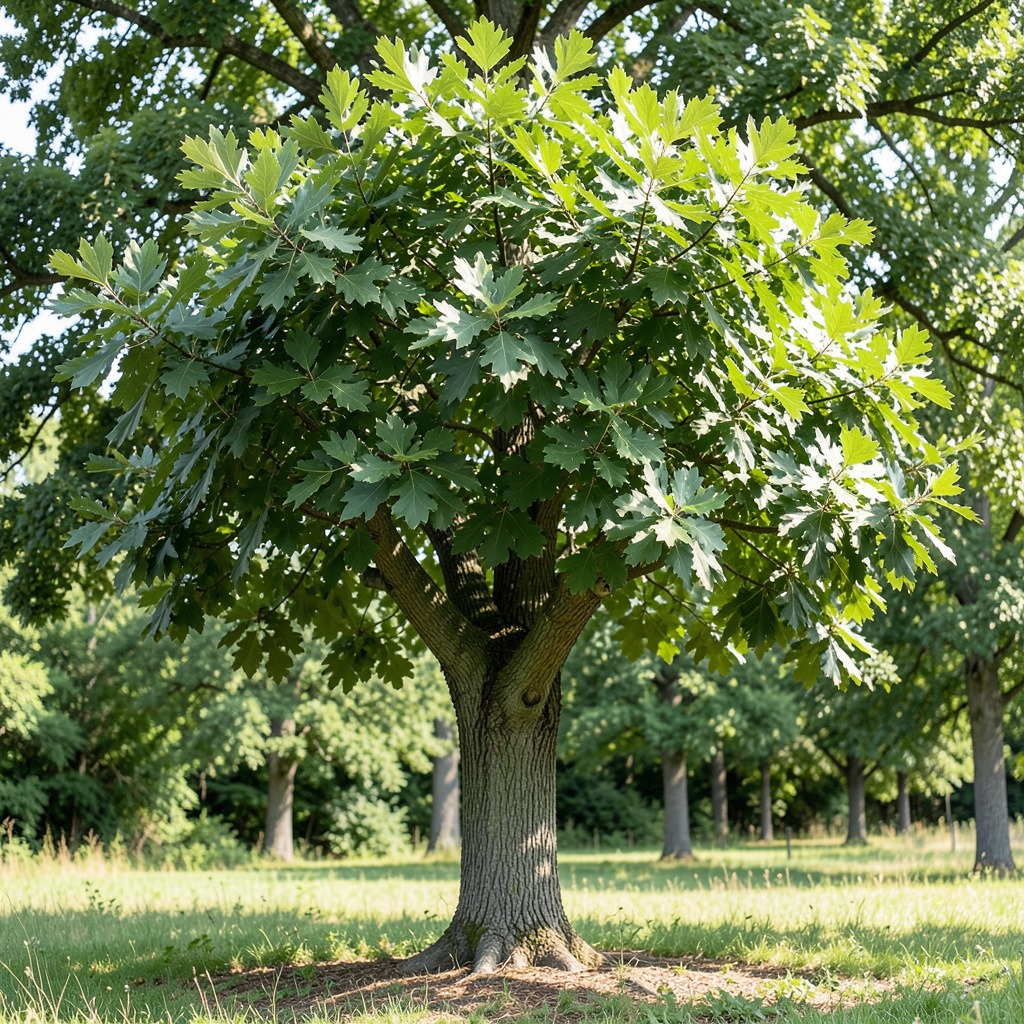
Sweet gum trees offer multiple advantages that make them an appealing choice for residential landscaping. From their striking aesthetic features to their ecological contributions, these trees can enhance your outdoor space in various ways.
Stunning Fall Foliage
One of the most notable benefits of sweet gum trees is their stunning fall foliage. As autumn approaches, their leaves transform into vibrant shades of yellow, orange, and purple. This dramatic color change can add significant visual interest to your landscape. Homeowners often find that sweet gum trees serve as attractive focal points, especially when planted in groups or near outdoor seating areas.
Providing Ample Shade
Sweet gum trees are known for their broad canopy, which provides ample shade. This characteristic makes them ideal for creating cool, comfortable outdoor spaces during hot summer months. For example, a mature sweet gum tree can shade an entire patio or backyard, reducing the need for artificial cooling. When strategically placed, these trees can also decrease energy costs by cooling nearby structures naturally.
Environmental Contributions
Beyond aesthetics, sweet gum trees play a vital role in the environment. They sequester carbon dioxide, contributing to the reduction of greenhouse gases. Additionally, their dense foliage provides habitat and food for various wildlife species, enhancing local biodiversity. When planted in clusters, sweet gum trees can improve soil quality and prevent erosion, making them beneficial for ecological health.
Quick Benefits Summary
- Aesthetic Appeal: Vibrant fall colors enhance landscape beauty.
- Shade Provision: Broad canopy offers significant cooling.
- Ecological Benefits: Supports biodiversity and improves soil health.
Incorporating sweet gum trees into your landscape not only beautifies your property but also supports ecological stability.
The 5 Drawbacks of Sweet Gum Trees
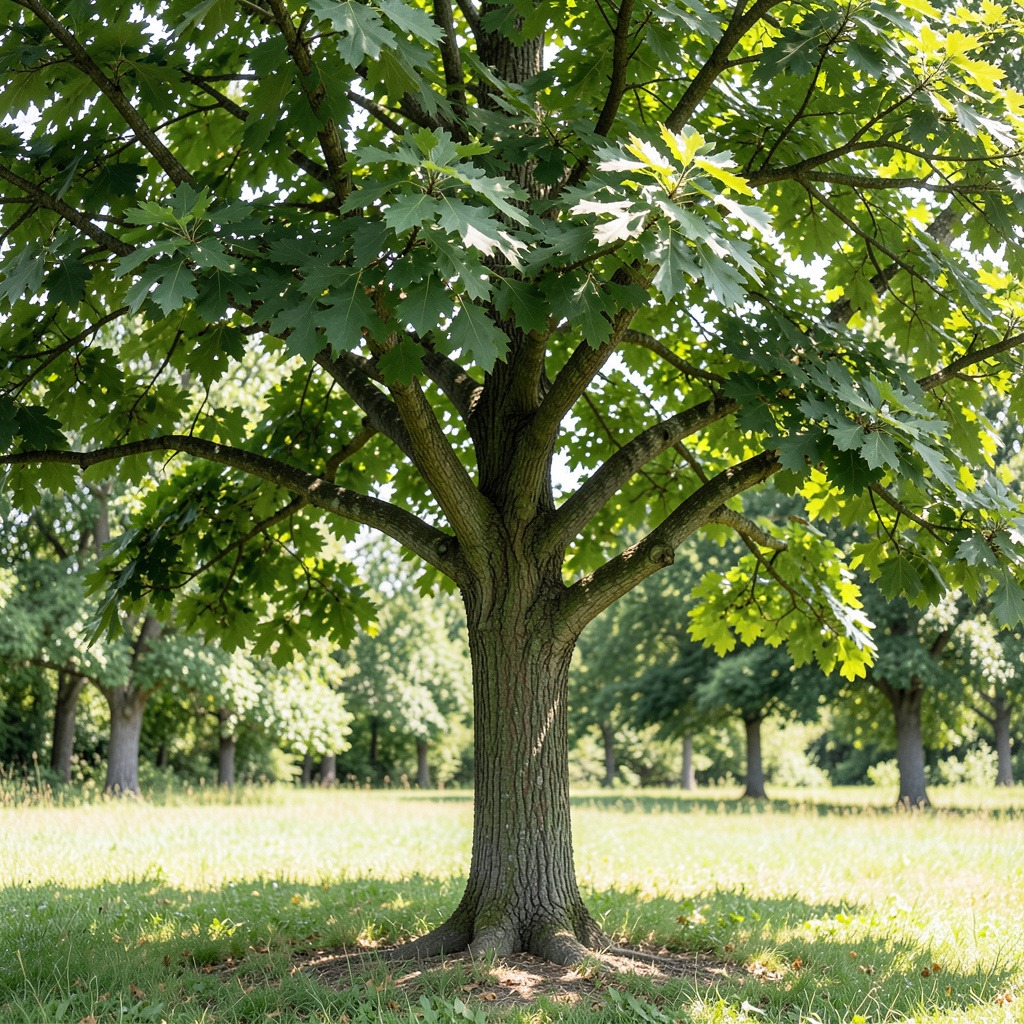
While sweet gum trees offer numerous benefits, they also present several challenges that homeowners should consider before planting. Understanding these drawbacks can help you make informed decisions about landscaping.
Messy Gumballs
One of the most notorious issues with sweet gum trees is their prolific production of gumballs. These round, spiky seed pods fall in large quantities during the late summer and fall, creating a messy yard. Homeowners often find themselves raking and disposing of these gumballs to maintain a clean appearance.
- Safety Hazard: The gumballs can be slippery when wet, posing a risk for slips and falls.
- Maintenance Burden: Regular cleanup is essential, especially in high-traffic areas or near walkways.
Aggressive Root System
Sweet gum trees are known for their aggressive root systems. These roots can spread widely and may cause problems for nearby structures and landscaping.
- Potential Damage: Roots can damage sidewalks, driveways, and foundations if planted too close.
- Water Competition: Their extensive root systems may compete with other plants for water and nutrients, potentially stunting their growth.
Brittle Wood and Structural Concerns
The wood of sweet gum trees is relatively brittle. This characteristic can lead to structural issues, especially in storm-prone areas.
- Risk of Breakage: During severe weather, branches may snap, creating safety hazards and potential property damage.
- Maintenance Needs: Regular pruning and inspections are necessary to mitigate these risks, adding to the overall maintenance burden.
Real-Life Example
Consider a homeowner who planted a sweet gum tree too close to their house. Over time, the aggressive roots caused cracks in the foundation, leading to costly repairs. Additionally, the gumballs littered their yard, forcing them to spend hours cleaning up each fall. This scenario highlights the importance of assessing site conditions and potential drawbacks before planting.
By weighing these challenges against the benefits, homeowners can make better landscaping choices that suit their needs and preferences.
Care and Maintenance of Sweet Gum Trees
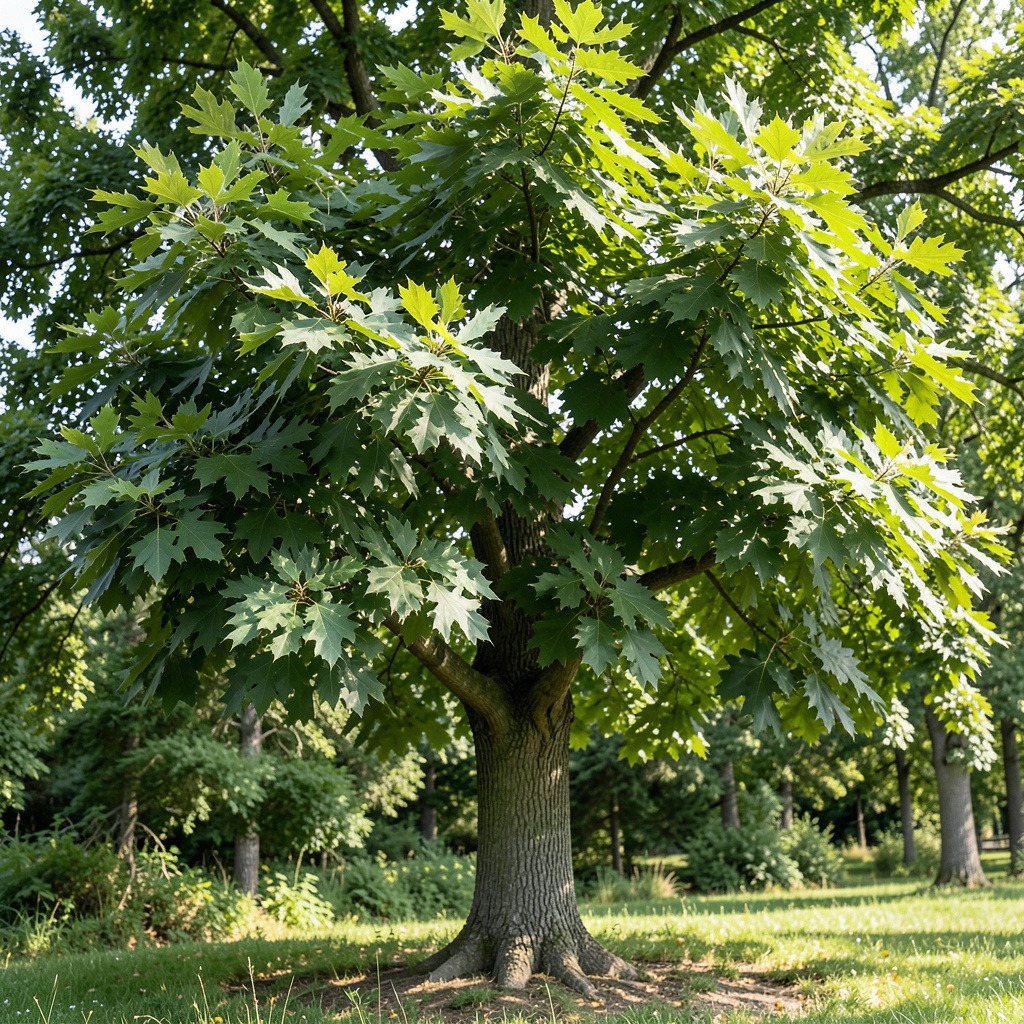
Caring for sweet gum trees requires attention to optimal planting conditions, seasonal care, and effective pest management. Understanding these aspects ensures healthy growth and minimizes potential drawbacks.
Optimal Planting Conditions
To thrive, sweet gum trees need specific conditions. Consider the following factors when planting:
- Soil Type: Well-draining, loamy soil is ideal. It prevents root rot and promotes healthy growth.
- Sunlight: Full sun exposure (at least six hours daily) enhances growth and vigor.
- Spacing: Plant at least 30 feet away from structures. This distance helps mitigate root aggression and avoid potential damage.
- Watering: Provide regular watering during dry spells, especially in the first few years. This helps establish a strong root system.
Seasonal Care Tips
Sweet gum trees require varied care throughout the year. Here’s a seasonal checklist tailored to different climates:
- Spring:
- Inspect for new growth and prune dead or damaged branches.
- Fertilize with a balanced fertilizer to promote robust development.
- Summer:
- Monitor for pests. Aphids and scale insects can be common. Treat infestations promptly with insecticidal soap.
- Water deeply during prolonged dry spells to support leaf and root health.
- Fall:
- Rake and dispose of fallen gumballs to reduce mess and prevent fungal diseases.
- Prepare for winter by mulching around the base to protect roots from frost.
- Winter:
- Inspect the tree for structural integrity after snow or ice storms. Remove any hazardous branches.
- Limit watering unless in a particularly dry climate, as trees enter dormancy.
Managing Pests and Diseases
Sweet gum trees are susceptible to certain pests and diseases. Effective management is crucial.
- Common Pests:
- Aphids: Small, green insects that can weaken the tree. Use insecticidal soap to control them.
- Scale: Brown, shell-like pests that attach to branches. Horticultural oil can suffocate them.
- Diseases:
- Leaf Spot: A fungal infection that causes spots on leaves. Improve air circulation and avoid overhead watering.
- Root Rot: Often caused by overwatering. Ensure soil drains well and avoid excessive moisture.
By implementing these care strategies, homeowners can enhance the benefits of sweet gum trees while minimizing their challenges.
Alternatives to Sweet Gum Trees
When considering planting options in residential areas, evaluating alternatives to sweet gum trees is essential. Several tree species offer unique benefits and drawbacks that may better suit your landscaping needs.
Comparing Popular Shade Trees
1. Red Maple (Acer rubrum)
- Benefits: Provides vibrant fall color and moderate shade.
- Drawbacks: Susceptible to pests like aphids and can develop shallow roots.
2. Oak (Quercus spp.)
- Benefits: Offers excellent shade and attracts wildlife.
- Drawbacks: Slow growth rate and requires more space.
3. Linden (Tilia spp.)
- Benefits: Fragrant flowers and excellent shade provider.
- Drawbacks: Can be messy during flowering and is prone to aphid infestations.
4. Tulip Tree (Liriodendron tulipifera)
- Benefits: Fast-growing and produces beautiful flowers.
- Drawbacks: Requires well-drained soil and can be sensitive to drought.
Ideal Alternatives for Your Yard
When choosing a tree, consider the following factors:
- Aesthetic Appeal: Choose trees that enhance your landscape’s visual appeal. For example, the vibrant foliage of a red maple can add seasonal interest.
- Shade Provision: Evaluate how much shade you need. Oaks are excellent for larger spaces, while smaller trees like lindens can fit in tighter areas.
- Maintenance Requirements: Assess how much time you’re willing to invest. Tulip trees may require more attention during their establishment phase compared to robust oaks.
Decision Matrix for Tree Selection
| Tree Species | Shade Quality | Aesthetic Appeal | Maintenance Level | Wildlife Attraction |
|---|---|---|---|---|
| Sweet Gum | Moderate | High | Moderate | Low |
| Red Maple | High | Very High | Moderate | Moderate |
| Oak | Very High | High | High | Very High |
| Linden | High | Moderate | Moderate | Moderate |
| Tulip Tree | High | High | Moderate | Moderate |
By comparing these alternatives, homeowners can make an informed decision that aligns with their landscaping goals and maintenance capabilities.
Frequently Asked Questions
These quick answers cover the most common questions about this topic, including key details, practical tips, and common concerns.
What are the main benefits of planting a sweet gum tree?
Sweet gum trees are known for their stunning fall foliage, which turns vibrant shades of yellow, orange, and purple. This seasonal beauty can significantly enhance your landscape. Additionally, their broad canopy provides ample shade, making outdoor spaces cooler during hot months and potentially reducing energy costs for nearby structures. They also contribute to ecological health by sequestering carbon and providing habitat for wildlife.
What problems can arise from sweet gum trees?
Sweet gum trees can create several challenges. The most notable issue is the production of gumballs, which can litter your yard and pose a slipping hazard. Their aggressive root systems may damage nearby structures, sidewalks, or driveways if planted too close. Furthermore, the wood is relatively brittle, which can lead to branch breakage during storms, creating safety concerns and the need for regular maintenance.
How can I manage the gumballs produced by sweet gum trees?
Managing gumballs requires regular maintenance. Raking and disposing of the gumballs in late summer and fall is essential to prevent mess and potential hazards. You can also consider planting sweet gum trees away from high-traffic areas or using ground cover plants to help disguise fallen gumballs. Some homeowners use tarps to catch gumballs as they fall, making cleanup easier.
When is the best time to plant a sweet gum tree?
The best time to plant sweet gum trees is in early spring or fall when temperatures are mild. This timing allows the tree to establish roots before the heat of summer or the cold of winter sets in. Ensure that the ground is not frozen and that you provide adequate water during the initial growing phase.
What are some alternatives to sweet gum trees for landscaping?
If you’re considering alternatives to sweet gum trees, you might look at red maples, oaks, or linden trees. Red maples offer vibrant fall colors and moderate shade, while oaks provide excellent shade and wildlife attraction. Lindens are known for their fragrant flowers but may require more maintenance during flowering. Evaluate your space and maintenance preferences to choose the best fit for your landscape.
What are the common problems associated with sweet gum trees?
Common problems include messy gumball production, aggressive root systems that may damage structures, and brittle wood that can break during storms. Additionally, sweet gum trees can be susceptible to pests like aphids and scale, which may require management to ensure tree health. Regular inspections and maintenance can help mitigate these issues.
What should readers know about detailed pest and disease management strategies?
To manage pests like aphids and scale, homeowners should regularly inspect their sweet gum trees. Using insecticidal soap or horticultural oil can effectively control these pests. It’s also important to address diseases such as leaf spot and root rot by ensuring good air circulation and proper watering practices. Keeping the tree healthy through regular care reduces the likelihood of pest and disease issues.
What should readers know about visual aids like images or diagrams of the tree’s growth stages?
Visual aids can be beneficial for understanding the growth stages of sweet gum trees. Images can illustrate the tree’s distinctive star-shaped leaves, gumballs, and seasonal changes in foliage color. Diagrams may also depict the tree’s root system and optimal planting distances from structures. These resources can enhance your understanding and help you make better planting decisions.