
Sycamore trees provide ample shade and striking aesthetics but can have invasive roots and susceptibility to pests and diseases, which may complicate their maintenance and suitability in certain landscapes.
Sycamore trees are favored for their rapid growth and beauty, making them popular for landscaping. However, they come with both advantages and disadvantages that potential planters need to consider carefully before planting.
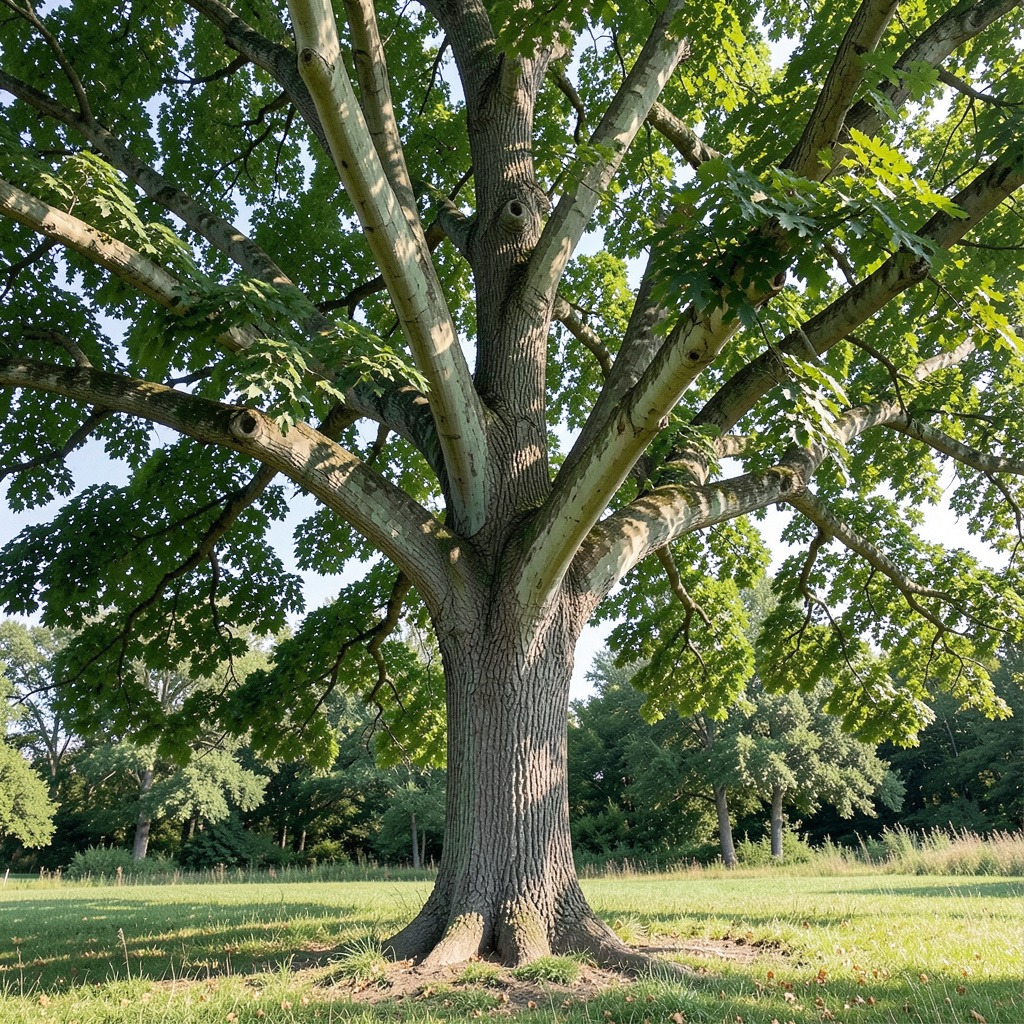
Overview of Sycamore Trees
Sycamore trees are robust, fast-growing deciduous trees known for their striking appearance and adaptability. Their unique features make them a preferred choice in landscaping.
Types of Sycamore Trees
There are several species of sycamore trees, but the two most notable are the American sycamore (Platanus occidentalis) and the European sycamore (Platanus orientalis).
- American Sycamore:
- Grows up to 100 feet tall.
- Known for its mottled bark, which peels away in patches.
- Features broad, lobed leaves that provide ample shade.
- European Sycamore:
- Generally smaller than its American counterpart.
- Has a more rounded canopy and a dense leaf structure.
- Bark is less mottled but still visually appealing.
Common Characteristics
Sycamore trees share several defining characteristics that contribute to their popularity:
- Growth Rate:
Sycamores are known for their rapid growth. They can reach maturity quickly, often within 10-15 years, making them ideal for those seeking immediate shade.
- Aesthetic Appeal:
The unique bark patterns and large, vibrant leaves enhance any landscape. The striking contrast of the white, gray, and brown bark against the green foliage is particularly notable.
Table of Contents
- Environmental Benefits:
These trees improve air quality and provide habitats for various wildlife. Their extensive root systems help prevent soil erosion.
- Shade Provision:
With a wide canopy, sycamores deliver significant shade, which can lower energy costs in nearby buildings.
Real-life scenario: A homeowner in a suburban area might choose an American sycamore for its rapid growth and impressive shade. Conversely, someone in a smaller garden may prefer the European sycamore for its compact size and dense foliage.
These features collectively underscore why sycamore trees are a favored choice for landscaping, balancing beauty with functional benefits.
Advantages of Planting Sycamore Trees
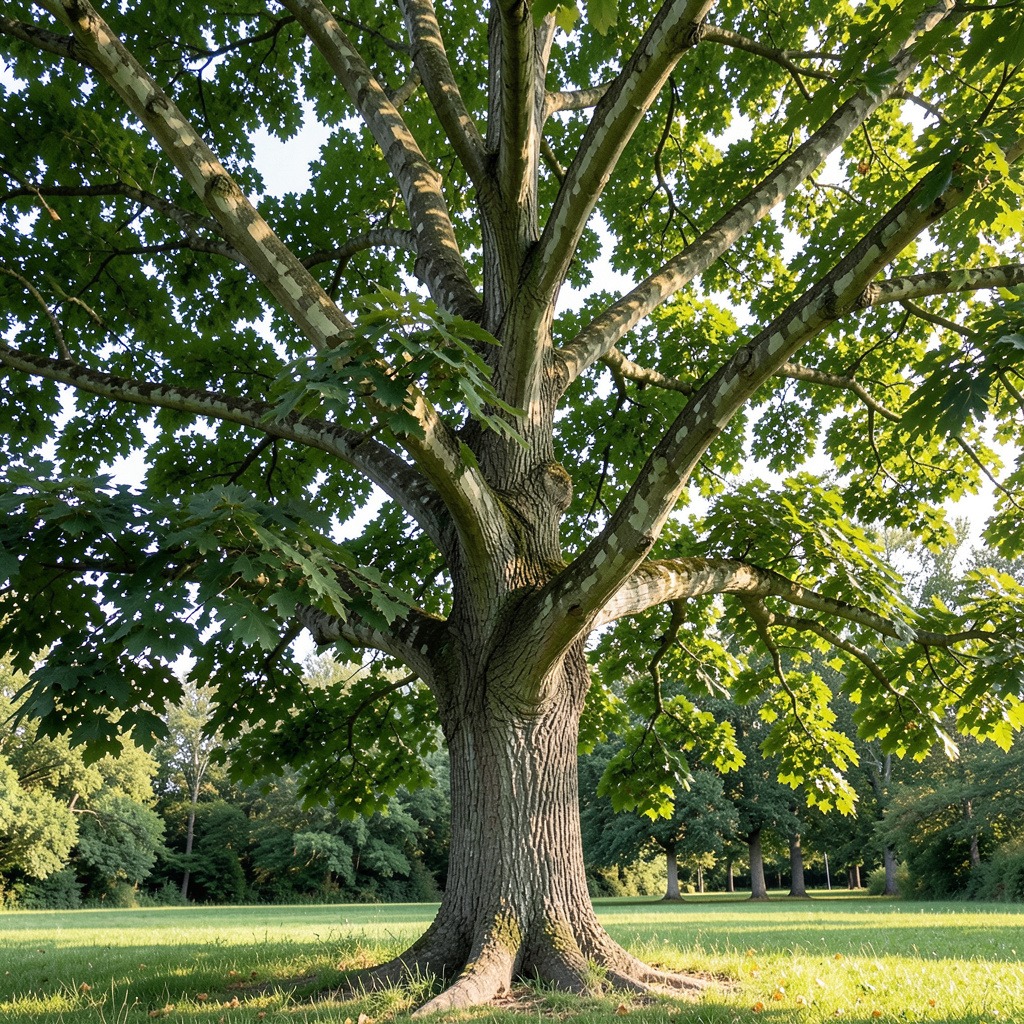
Sycamore trees offer numerous benefits for landscaping, including exceptional shade, aesthetic appeal, and valuable environmental contributions. Understanding these advantages can help you make informed decisions about integrating sycamores into your garden.
Exceptional Shade and Canopy
Sycamore trees are renowned for their expansive canopies. They can grow up to 100 feet tall and spread equally wide, making them one of the best choices for providing shade.
- Shade Coverage: A mature sycamore can provide over 2,000 square feet of shade, significantly reducing temperatures in nearby areas. This can lead to lower energy costs during hot summer months.
- Fast Growth: These trees are fast-growing, often reaching full height in 10 to 15 years, making them a preferred option for immediate shade needs.
Aesthetic Features and Seasonal Beauty
The visual appeal of sycamore trees enhances any landscape. Their mottled bark, which features shades of cream and olive, creates a striking contrast with other trees.
- Seasonal Changes: In summer, sycamores boast broad, bright green leaves that turn golden-yellow in the fall. This seasonal transformation adds dynamic beauty to your yard.
- Unique Bark Texture: The distinctive bark not only attracts attention but also provides a unique texture that can elevate the overall aesthetic of your outdoor space.
Ecological Benefits
Planting sycamore trees contributes positively to the environment. Their extensive root systems play a crucial role in soil stabilization and ecosystem health.
- Air Quality Improvement: Sycamores help filter pollutants from the air, enhancing overall air quality in urban and suburban areas.
- Wildlife Habitat: These trees provide essential habitats for various bird species and other wildlife, contributing to biodiversity.
- Soil Erosion Prevention: The robust root systems of sycamores help prevent soil erosion, particularly in areas prone to heavy rainfall.
By considering these advantages, you can appreciate why sycamore trees are a popular choice in landscaping, combining beauty with functional and environmental benefits.
Disadvantages of Sycamore Trees
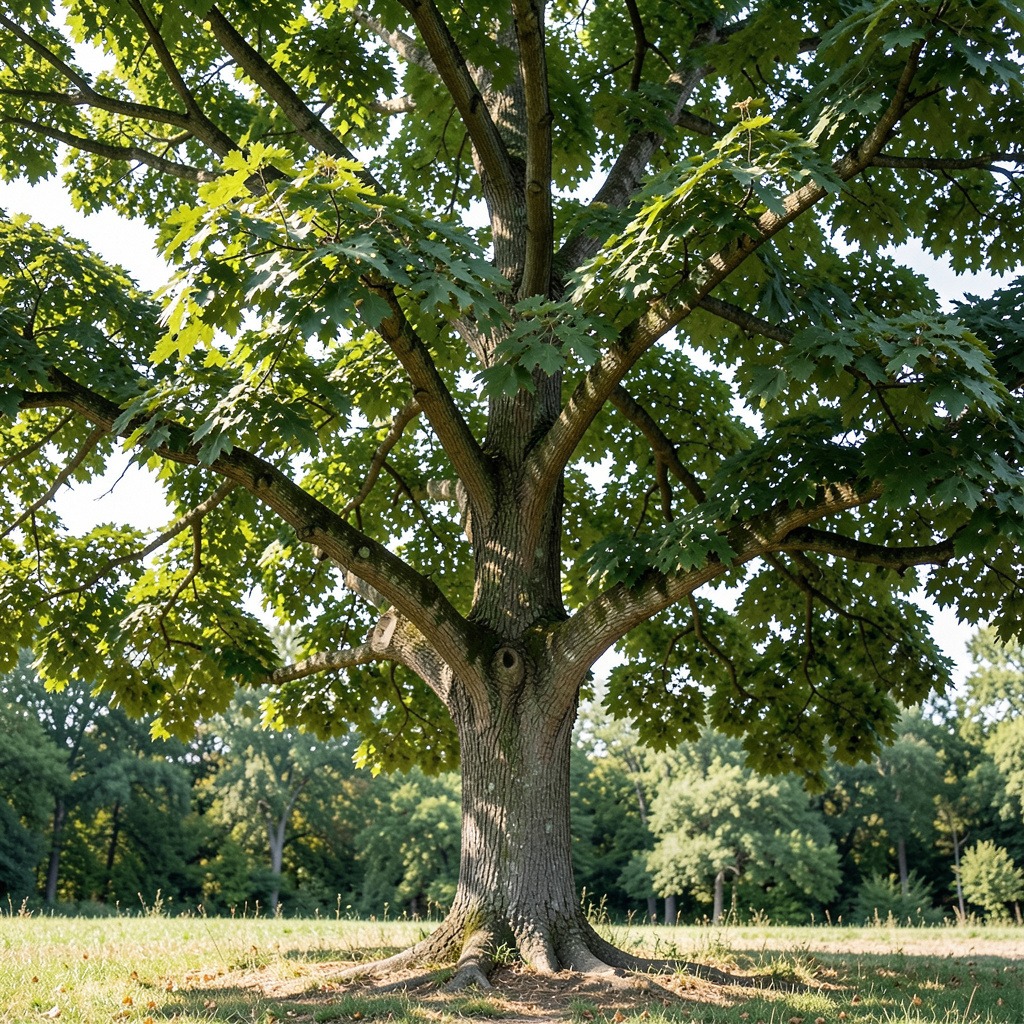
While sycamore trees offer significant benefits, they also present several drawbacks that potential planters should consider. These challenges range from invasive root systems to susceptibility to pests and diseases, along with maintenance and cleanup requirements.
Invasive Root Systems
Sycamore trees possess aggressive root systems that can cause various issues. Their roots spread widely, often damaging sidewalks, driveways, and nearby structures. This invasiveness necessitates careful consideration of planting locations to avoid potential property damage.
Checklist for Managing Invasive Roots:
- Plant at a Safe Distance: Ensure at least 20 feet of space from hardscapes.
- Root Barriers: Install physical barriers to redirect root growth.
- Regular Monitoring: Check periodically to assess root encroachment.
Susceptibility to Pests and Diseases
Sycamore trees are vulnerable to several pests and diseases, which can impact their health and appearance. Common threats include:
- Anthracnose: A fungal disease that can cause leaf blight and defoliation.
- Insects: Boring insects and aphids may create visible damage to leaves and bark.
Effective pest management strategies are essential for maintaining sycamore health. Regular inspections and timely treatments can mitigate these risks.
Pest Management Strategies:
- Fungicides: Apply as a preventive measure against fungal infections.
- Insecticidal Soap: Use for controlling insect populations.
- Cultural Practices: Maintain healthy trees through proper watering and pruning.
Maintenance and Cleanup Challenges
Sycamore trees require regular upkeep to manage their litter and maintain health. They shed leaves, twigs, and fruits, which can create a significant mess. This debris requires consistent raking, particularly in the fall.
Maintenance Tips:
- Frequent Raking: Schedule regular cleanups to prevent buildup.
- Mulching: Use fallen leaves as mulch to enrich the soil.
- Pruning: Trim dead or diseased branches to promote better air circulation.
Understanding these disadvantages can help you make an informed decision about incorporating sycamore trees into your landscape.
Care and Maintenance Tips for Sycamore Trees
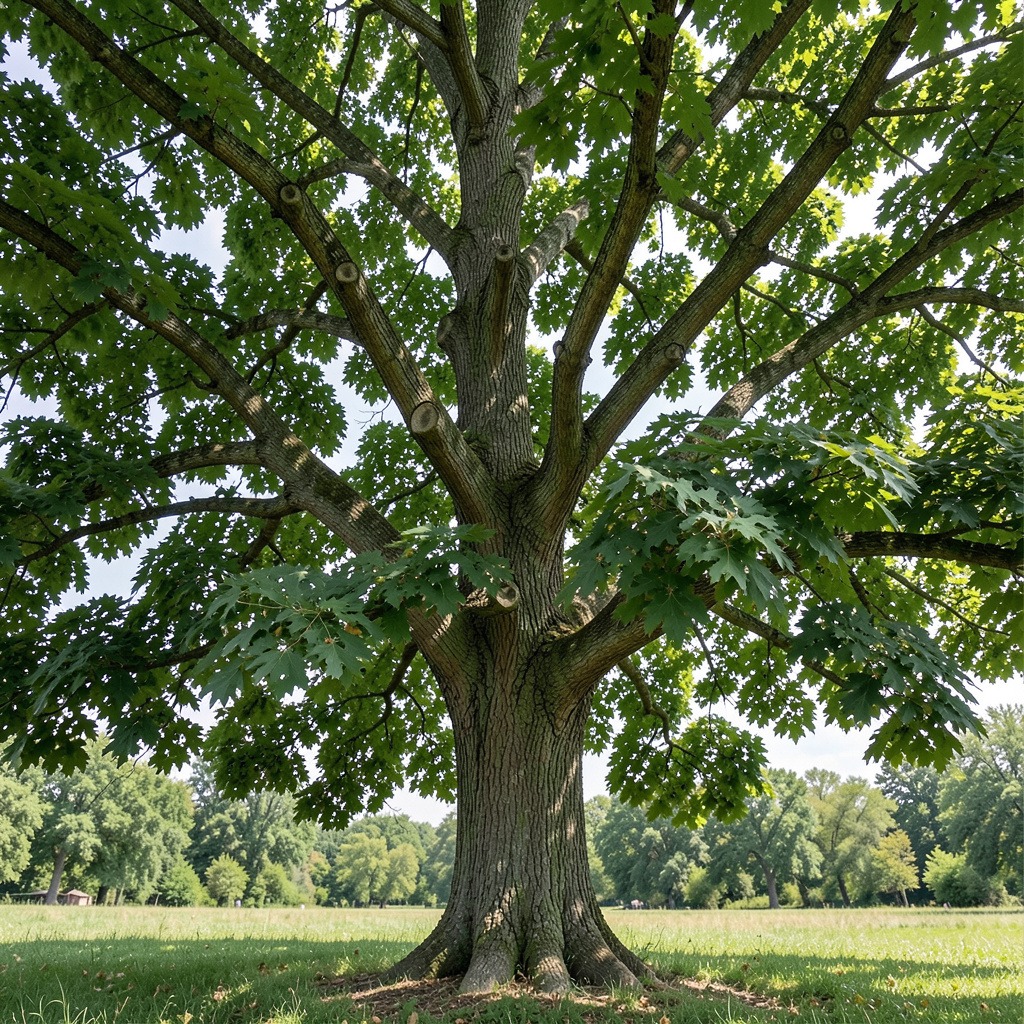
Proper care and maintenance are essential for sycamore trees to thrive and mitigate some of their disadvantages. Regular attention can enhance their beauty and health while minimizing issues like pests and debris.
Watering and Fertilization
Sycamore trees prefer consistently moist soil, especially during their early years. Here are some watering and fertilization tips:
- Initial Watering: Water deeply when planting. Ensure the hole is filled with water and allow it to absorb before covering with soil.
- Ongoing Watering: Water regularly, especially in dry spells. Aim for deep watering once a week during the growing season.
- Fertilization: Apply a balanced, slow-release fertilizer in early spring to promote healthy growth. Use a soil test to determine specific nutrient needs.
Pruning Guidelines
Pruning is crucial for sycamore trees to maintain their shape and health. Follow these guidelines:
- Timing: Prune in late winter or early spring before new growth begins.
- Technique: Remove any dead, diseased, or crossing branches. Aim for an open canopy to enhance air circulation.
- Size Control: If necessary, reduce height by cutting back taller branches, but avoid excessive trimming to preserve the tree’s natural shape.
Pest Management Strategies
Sycamore trees can be susceptible to pests and diseases. Implement these strategies for effective management:
- Regular Inspections: Check for signs of pests like scale insects or leaf spots. Early detection allows for timely treatment.
- Natural Remedies: Use insecticidal soap or neem oil for minor infestations. Always follow label instructions.
- Disease Prevention: Maintain good air circulation and avoid overhead watering to reduce fungal issues. Consider planting disease-resistant varieties if available.
Seasonal Care Calendar
To optimize sycamore tree care, follow this seasonal calendar:
| Season | Task |
|---|---|
| Spring | Fertilize and prune |
| Summer | Deep watering during dry spells |
| Fall | Rake leaves and manage fruit debris |
| Winter | Inspect for pests and prune as needed |
By adhering to these care guidelines, you can enjoy the many benefits of sycamore trees while mitigating their potential downsides.
Sycamore Trees vs. Other Shade Trees
When considering sycamore trees for landscaping, it is essential to compare their characteristics with other popular shade trees, such as maples and oaks. This comparison will highlight differences in growth habits, maintenance needs, and suitability for various climates.
Growth Rates and Size Comparison
Sycamore trees are known for their rapid growth rate. They can reach heights of up to 100 feet and have a wide canopy. In contrast, maples typically grow slower, reaching around 50-80 feet, while oaks can vary significantly but often grow at a moderate pace, usually between 60-100 feet.
| Tree Type | Growth Rate | Maximum Height | Canopy Width |
|---|---|---|---|
| Sycamore | Fast (3-5 feet/year) | Up to 100 feet | Wide |
| Maple | Moderate (1-2 feet/year) | 50-80 feet | Medium |
| Oak | Moderate (1-2 feet/year) | 60-100 feet | Wide |
Maintenance Needs Comparison
Maintenance is a crucial factor in tree selection. Sycamores require regular pruning to manage their size and shape, while maples need less frequent trimming. Oaks, known for their strength, generally require less maintenance but can be susceptible to certain pests.
- Sycamores: Prune in winter to promote healthy growth. Watch for pests like boring insects.
- Maples: Minimal pruning needed; focus on disease prevention.
- Oaks: Prune to maintain structure and health; monitor for oak wilt disease.
Aesthetic and Environmental Benefits
Sycamores offer unique aesthetic benefits with their mottled bark and broad, green leaves that turn golden in the fall. They provide significant shade, making them ideal for large properties. Maples are celebrated for their brilliant fall colors, while oaks provide a dense canopy and acorns that attract wildlife.
| Tree Type | Aesthetic Appeal | Environmental Benefits |
|---|---|---|
| Sycamore | Mottled bark, large leaves | Excellent shade provider |
| Maple | Vibrant fall colors | Good urban tree; attracts pollinators |
| Oak | Strong structure, wildlife habitat | Supports diverse ecosystems |
In summary, while sycamore trees excel in rapid growth and shade provision, they also have specific maintenance needs and potential downsides such as pest susceptibility and aggressive roots. Consider these factors when choosing a shade tree for your landscape.
Conclusion: Are Sycamore Trees Right for You?
Deciding whether to plant sycamore trees in your landscape involves weighing their advantages against potential drawbacks. Understanding these aspects will help you make an informed choice.
Key Advantages of Sycamore Trees
- Rapid Growth: Sycamores can grow up to 100 feet tall, providing quick shade.
- Aesthetic Appeal: Their mottled bark and large green leaves create visual interest year-round.
- Environmental Benefits: They improve air quality and offer habitat for wildlife.
Potential Drawbacks to Consider
- Invasive Roots: Sycamore tree roots can disrupt nearby lawns and pavement.
- Pest Susceptibility: These trees are prone to pests and diseases, such as anthracnose and boring insects.
- Maintenance Needs: Regular raking of fallen leaves and twigs can be labor-intensive.
Decision Framework for Planting Sycamores
When considering sycamore trees, evaluate the following:
- Space Requirements: Ensure you have enough room for their expansive growth.
- Local Climate: Sycamores thrive in various climates but prefer moist soil.
- Landscape Goals: Define your primary objectives—whether it’s shade, beauty, or ecological benefits.
In a scenario where you’re looking for a fast-growing shade tree in a large yard, sycamores may be ideal. However, if you have limited space or are concerned about invasive roots, you might explore alternatives like oaks or maples.
By assessing these factors, you can determine if sycamore trees align with your landscaping vision.
Frequently Asked Questions
These quick answers cover the most common questions about this topic, including key details, practical tips, and common concerns.
What are the downsides of having a sycamore tree?
Sycamore trees have several downsides that potential planters should consider. One major concern is their invasive root system, which can damage sidewalks, driveways, and underground pipes. These roots spread widely, requiring careful planning regarding their planting location. Additionally, sycamores are susceptible to pests and diseases, such as anthracnose and various boring insects, which can impact their health and appearance.
Are sycamore trees good to have in your yard?
Sycamore trees can be excellent additions to larger yards due to their rapid growth and ability to provide significant shade. They can reach up to 100 feet tall and create a large canopy, making them ideal for cooling outdoor spaces. However, if you have a smaller yard or are concerned about their invasive roots, you might want to consider alternative shade trees, such as maples or oaks.
How far away from your house should you plant a sycamore tree?
It is recommended to plant sycamore trees at least 20 feet away from your house and other structures. This distance helps prevent potential damage from their aggressive roots and allows enough room for their expansive growth. If you have a smaller yard, consider smaller tree species that won’t pose similar risks.
Are sycamore tree roots invasive?
Yes, sycamore tree roots are considered invasive. They spread widely and can disrupt nearby structures, including sidewalks, driveways, and foundations. To manage this, it’s essential to plant them at a safe distance from hardscapes and consider installing root barriers if necessary.
What are the pros and cons of planting sycamore trees?
The pros of planting sycamore trees include their rapid growth, extensive shade provision, and aesthetic appeal with unique bark and large leaves. They also contribute positively to the environment by improving air quality and providing wildlife habitats. On the downside, their invasive roots can cause damage, and they are susceptible to pests and diseases, requiring regular maintenance.
When is the best time to plant a sycamore tree?
The best time to plant a sycamore tree is in the spring or fall when temperatures are moderate. Planting during these seasons allows the tree to establish its roots before facing the stress of summer heat or winter cold. Ensure the soil is moist and well-drained to promote healthy growth.
What are some alternatives to sycamore trees for shade?
If you’re looking for alternatives to sycamore trees, consider the following options:
- Maple Trees: Known for their vibrant fall colors and moderate growth rate.
- Oak Trees: Provide dense shade and are less likely to have invasive roots.
- Tulip Poplar: Offers rapid growth and beautiful flowers while maintaining a manageable root system.
These alternatives can provide similar benefits without some of the drawbacks associated with sycamores.