
Mimosa trees, known for their beautiful pink flowers, have both appealing attributes and significant downsides, such as being invasive and messy, making them a controversial choice for landscaping in many areas.
Table of Contents
The mimosa tree, scientifically known as Albizia julibrissin, is cherished for its eye-catching blooms but is often debated due to its invasive nature. This guide explores the seven key pros and cons of planting a mimosa tree in your yard.
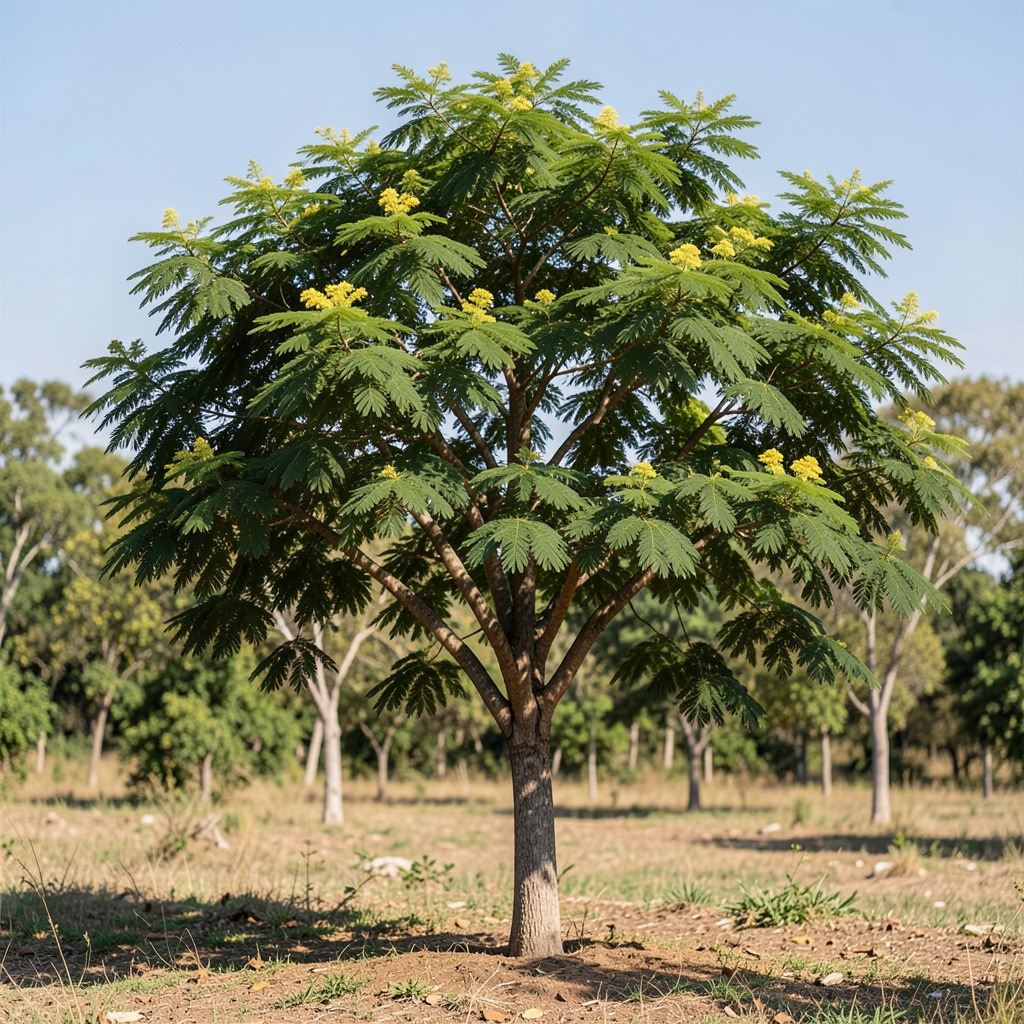
Understanding the Mimosa Tree and Its Characteristics
The mimosa tree, known scientifically as Albizia julibrissin, is celebrated for its stunning flowers and unique growth habits. However, its invasive qualities raise concerns among gardeners and ecologists alike. Here, we explore the key characteristics that define this tree, including its beauty, growth rate, and environmental needs.
The Beauty of Mimosa Flowers
Mimosa trees are renowned for their striking blossoms. The flowers bloom in clusters of pink and white, resembling fluffy pom-poms. They not only provide aesthetic appeal but also attract pollinators such as bees and butterflies. The flowering season typically occurs in late spring to summer, making the tree a vibrant addition to any landscape.
- Color: Pink and white blooms
- Shape: Fluffy, pom-pom-like clusters
- Pollinators: Attracts bees, butterflies
Growth Rate and Size
Mimosa trees are known for their rapid growth. Under optimal conditions, they can reach heights of 20 to 30 feet within just a few years. Their wide canopy offers ample shade, making them suitable for larger gardens or parks. However, this fast growth can also lead to a dense thicket if not managed properly.
- Height: 20 to 30 feet in a few years
- Spread: Canopy width often equal to height
- Lifespan: Typically short, around 25 years
Soil and Sunlight Requirements
Mimosa trees thrive in a variety of soil conditions, although they prefer well-drained, sandy or loamy soils. They are adaptable and can grow in poor soil, provided there is sufficient sunlight. Full sun exposure is ideal for promoting healthy growth and abundant flowering.
- Soil Types: Well-drained, sandy, or loamy
- Sunlight: Requires full sun for optimal growth
- Tolerances: Can tolerate drought but not salty conditions
In summary, while the mimosa tree offers stunning visual benefits and rapid growth, its invasive nature and management needs must be carefully considered before planting.
1. Aesthetic Appeal of the Mimosa Tree
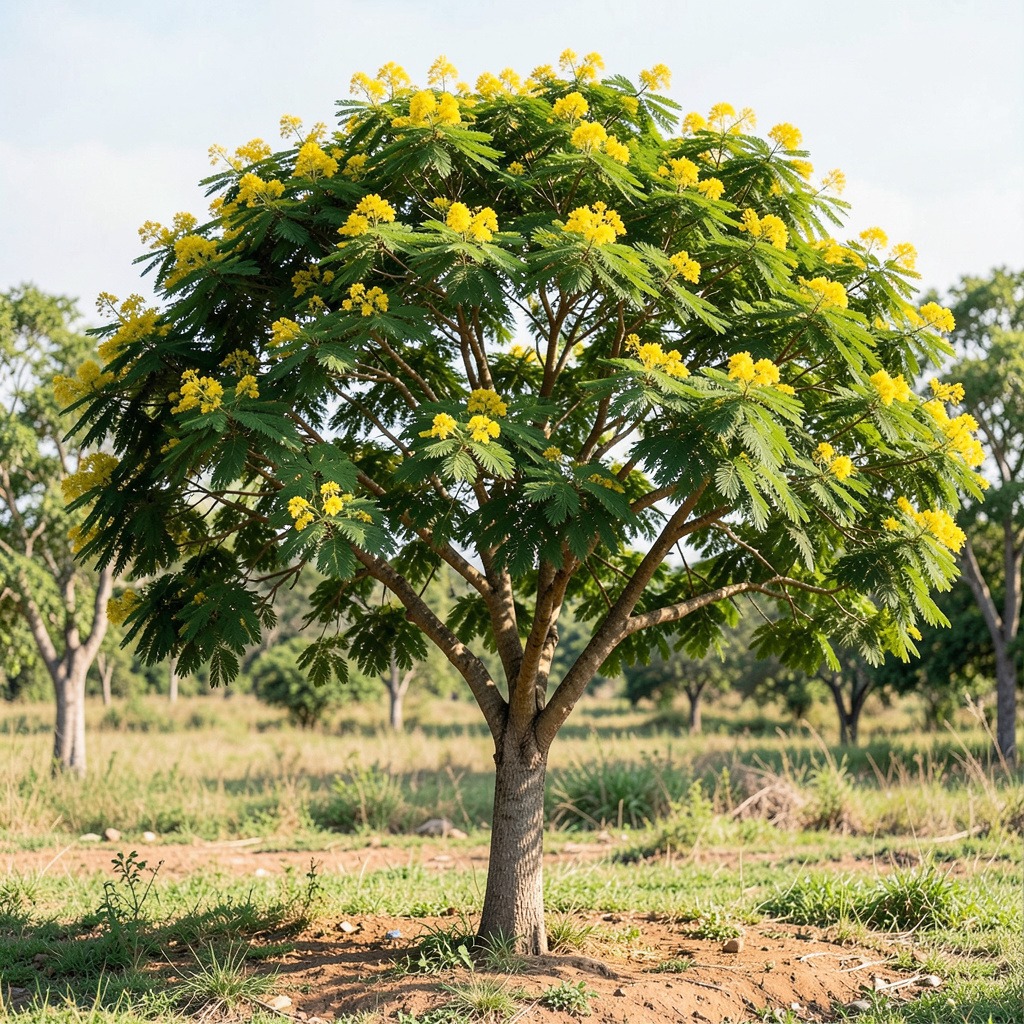
The mimosa tree (Albizia julibrissin) is celebrated for its striking beauty. Its vibrant flowers and unique foliage make it a standout addition to any garden.
Fragrant and Colorful Blooms
Mimosa trees produce eye-catching pink and white blooms that resemble fluffy pom-poms. These flowers bloom in clusters during the summer and spring months. Their pleasant fragrance attracts attention and enhances the sensory experience of any outdoor space.
- Visual Impact: The bright color contrasts beautifully with green foliage.
- Seasonal Interest: Blossoms appear in abundance, creating a stunning display.
Homeowners frequently report that their gardens transform into vibrant landscapes thanks to these trees. One resident noted, “The mimosa tree has become the focal point of our backyard, drawing compliments from neighbors throughout the blooming season.”
Unique Leaf Structure
The mimosa tree’s leaves are equally captivating. They are fern-like, delicate, and can grow up to six inches long. This unique leaf structure adds texture and interest to the landscape.
- Textural Contrast: The feathery leaves provide a soft, graceful look.
- Dappled Shade: They offer pleasant shade, ideal for outdoor gatherings.
The combination of the beautiful blooms and unique leaves creates a layered effect in gardens, enhancing visual complexity.
Attraction to Pollinators
Mimosa trees are not only beautiful; they are also beneficial to local ecosystems. Their flowers attract various pollinators, including bees and butterflies. This relationship supports biodiversity and contributes to the health of surrounding plants.
- Pollinator-Friendly: Bees and butterflies are drawn to the fragrant blooms.
- Ecosystem Support: Enhances the garden’s ecological balance.
By planting a mimosa tree, gardeners can create a vibrant, visually appealing space while supporting local wildlife. This dual benefit makes them an attractive option for those considering their landscaping choices.
2. Nitrogen Fixation and Soil Health Benefits
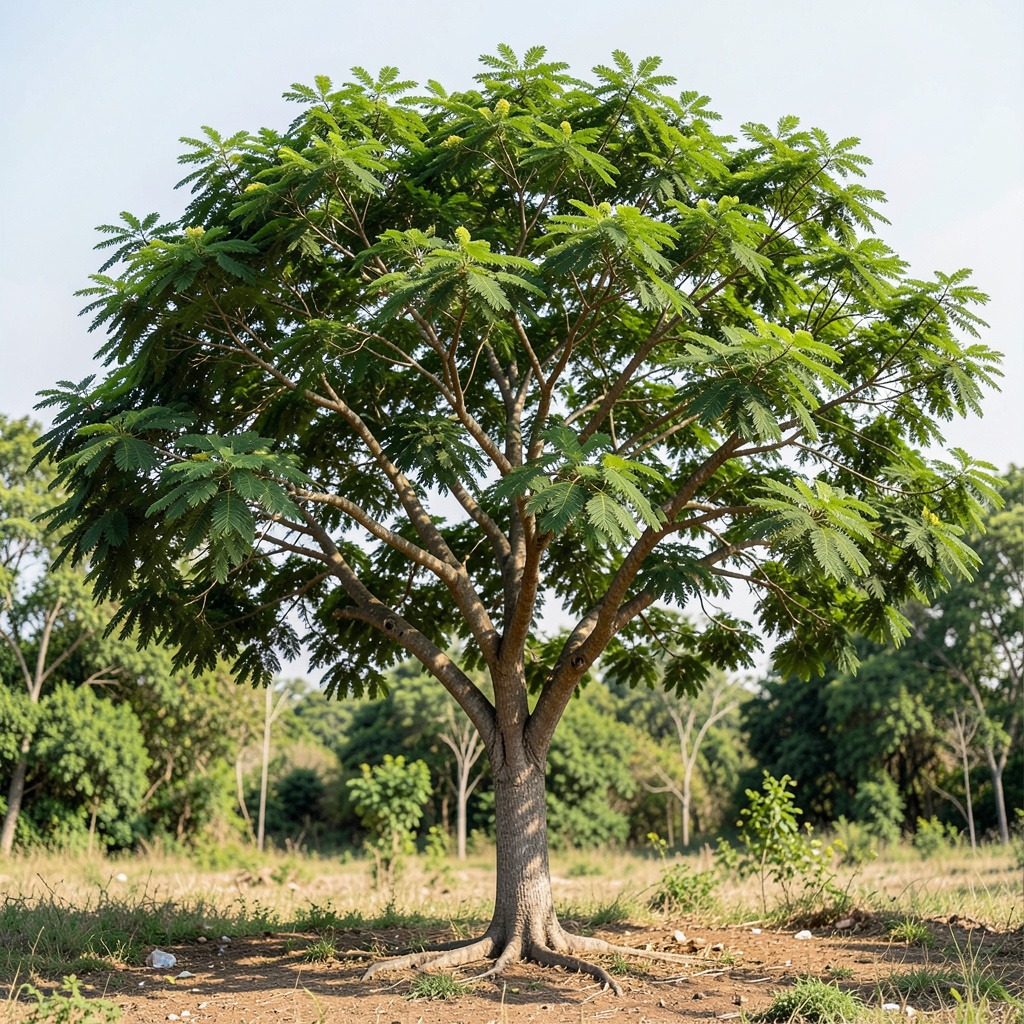
Mimosa trees play a crucial role in enhancing soil health through nitrogen fixation and preventing erosion. Their unique biological properties contribute to improved soil fertility and overall ecosystem stability.
Improvement of Soil Nutrients
Mimosa trees (Albizia julibrissin) are legumes, meaning they possess specialized root nodules that house nitrogen-fixing bacteria, primarily Rhizobium. This process converts atmospheric nitrogen into a form that plants can utilize.
- Enhanced Soil Fertility: The nitrogen-rich soil resulting from mimosa trees supports the growth of various plants.
- Beneficial for Neighboring Vegetation: Plants like spinach, tomatoes, and lettuce thrive in nitrogen-enhanced soils, promoting healthy gardens.
Scientific studies indicate that nitrogen-fixing plants can significantly improve soil nutrient levels over time. For instance, a study found that areas with leguminous trees exhibited a marked increase in soil nitrogen content compared to non-leguminous regions.
Erosion Control Benefits
Mimosa trees also contribute to erosion control. Their deep root systems anchor the soil, reducing the risk of soil erosion during heavy rainfall. This characteristic is particularly beneficial in areas prone to runoff and soil degradation.
- Stabilizing Soil Structure: The dense root network of mimosa trees holds the soil in place.
- Reducing Runoff: By preventing erosion, these trees help maintain water quality in local water bodies.
In a practical scenario, planting a mimosa tree on a sloped landscape can effectively prevent soil loss, making it a strategic choice for erosion-prone areas. Such applications highlight the ecological benefits of integrating mimosa trees into residential landscapes.
3. Fast Growth and Low Maintenance Requirements
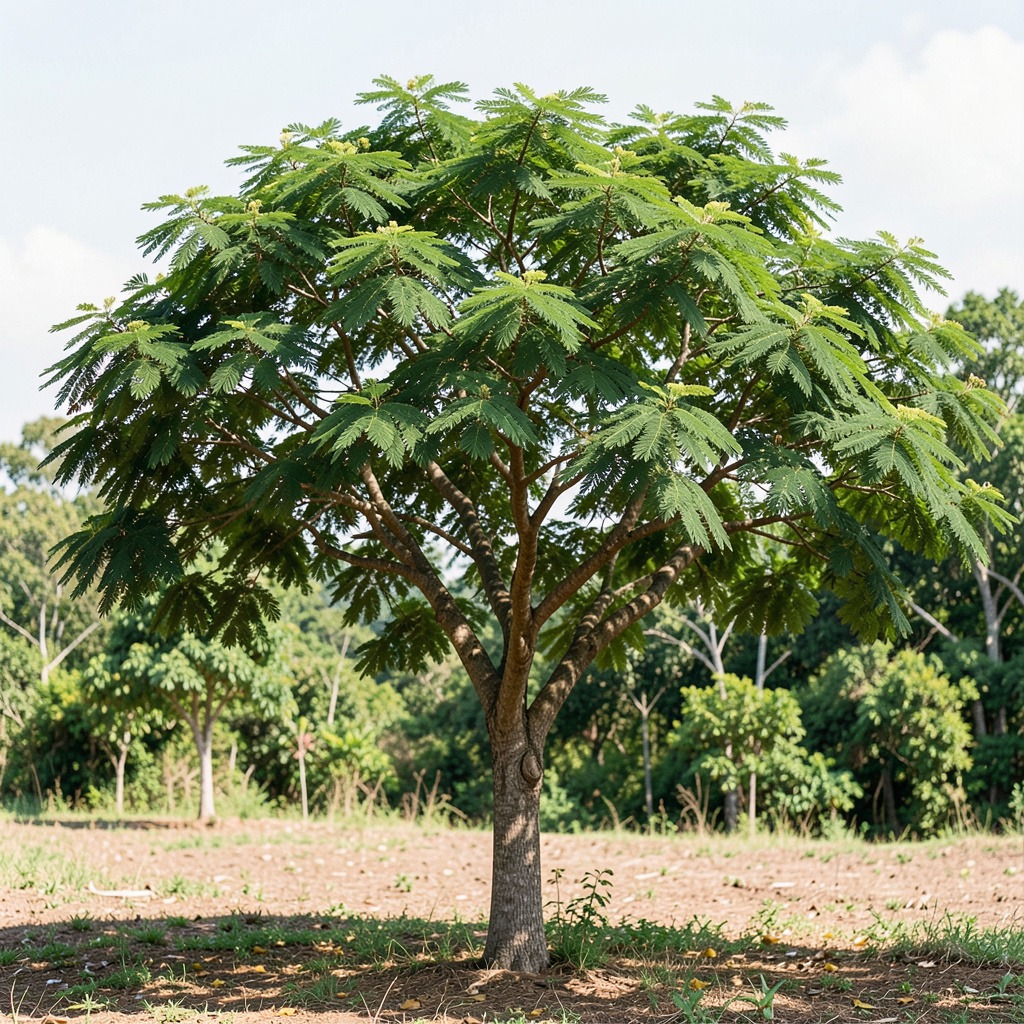
The mimosa tree (Albizia julibrissin) is known for its rapid growth and minimal care requirements, making it an attractive choice for gardeners seeking quick results. This combination can enhance both aesthetic appeal and ecological impact.
Rapid Growth Metrics
Mimosa trees can reach heights of 20 to 30 feet within just a few years. Their growth rate can be startling, as they often add 3 to 5 feet in height annually under optimal conditions. This rapid development is particularly beneficial for homeowners looking to establish shade or privacy quickly.
| Tree Species | Average Height (feet) | Growth Rate (feet/year) | Maintenance Level |
|---|---|---|---|
| Mimosa Tree | 20-30 | 3-5 | Low |
| Red Maple | 40-60 | 1-2 | Moderate |
| Flowering Dogwood | 15-30 | 1-2 | Moderate to High |
| Eastern Redbud | 20-30 | 1-2 | Low to Moderate |
Minimal Care Requirements
Mimosa trees require little maintenance once established. They thrive in various soil types and do not necessitate frequent watering. A few key maintenance aspects include:
- Pruning: Minimal pruning is needed to maintain shape.
- Fertilization: Typically, they do not require regular fertilization.
- Pest Management: While susceptible to pests, such as mimosa webworms, they can often be managed with natural methods.
This low-maintenance characteristic makes the mimosa tree an appealing option for busy gardeners or those new to landscaping.
In practical scenarios, homeowners may choose to plant a mimosa tree in their front yard to quickly enhance curb appeal. The tree’s vibrant, pink flowers can create a striking focal point in the landscape within just a few seasons. However, gardeners should remain vigilant about its invasive tendencies, balancing growth benefits with potential ecological impacts.
4. Invasive Nature and Ecological Risks
The mimosa tree, or Albizia julibrissin, is renowned for its beauty but harbors significant ecological risks. Its invasive nature disrupts local ecosystems, outcompeting native plants and impacting wildlife.
Description of Invasiveness
Mimosa trees are classified as invasive species in many regions. Their rapid growth and prolific seed production allow them to spread quickly. A single tree can produce thousands of seeds each year, which can easily germinate in disturbed areas. This aggressive reproduction often leads to dense thickets that choke out native flora.
- Rapid Growth: Mimosa trees can grow up to 20 feet in height within a few years, overshadowing smaller native plants.
- Seed Dispersal: Seeds can travel long distances, facilitated by wind and water, rapidly colonizing new areas.
- Root Suckering: Even after cutting down, mimosa trees can regrow from their roots, making them difficult to eradicate.
Impact on Native Flora and Fauna
The ecological impact of mimosa trees extends beyond mere competition for resources. Their presence can significantly alter local ecosystems.
- Displacement of Native Species: Mimosa trees often outcompete native plants for sunlight, water, and nutrients, leading to a decline in biodiversity.
- Pollinator Disruption: While mimosa flowers can attract pollinators, their dominance may lead to decreased populations of native plants that support local pollinator species.
- Soil Health Decline: The extensive root systems of mimosa trees can disrupt soil composition and health, affecting the surrounding plant community.
Case Study Example
In some regions of the southeastern United States, mimosa trees have taken over previously diverse habitats. Researchers noted a significant decline in native wildflower populations when mimosa trees became established. This shift not only affected plant diversity but also impacted the insects and birds that rely on those native species for food and habitat.
By understanding the invasive characteristics of the mimosa tree, potential planters can make informed decisions about their landscaping choices.
5. Maintenance Challenges and Messiness
Mimosa trees present unique maintenance challenges. Their litter and susceptibility to diseases make them less desirable for many homeowners.
Litter and Clean-Up Requirements
Mimosa trees are notorious for creating a mess in gardens. They produce:
- Abundant seed pods
- Dropping flowers
- Excessive leaves
These materials can clutter landscapes and require regular clean-up. The spent flowers and seed pods can clog gutters and drainage systems, leading to potential water pooling and other issues.
Common Diseases and Pests
Mimosa trees are highly susceptible to specific diseases, particularly Fusarium wilt. This fungal disease can lead to:
- Wilting leaves
- Stunted growth
- Complete dieback of the tree
Once a tree is infected, it often produces numerous sprouts from its roots. This can create a dense thicket, making management difficult. Regular inspection and prompt removal of infected branches can help control the spread.
Effective Management Strategies:
- Prune regularly: Remove dead or diseased limbs to promote healthy growth.
- Monitor for pests: Keep an eye out for common pests like mimosa webworms and aphids.
- Consider professional help: If infestation or disease becomes overwhelming, consult a local arborist.
By implementing these strategies, homeowners can maintain healthier mimosa trees while minimizing their environmental impact.
6. Average Lifespan and Long-Term Viability
Mimosa trees (Albizia julibrissin) are known for their rapid growth and striking appearance, but their lifespan and long-term viability raise concerns for homeowners. Understanding these aspects is crucial before deciding to plant one in your landscape.
Lifespan Compared to Other Trees
Mimosa trees typically have a lifespan of about 15 to 25 years. This is relatively short compared to many other ornamental trees. For instance, consider the following comparisons:
| Tree Species | Average Lifespan |
|---|---|
| Mimosa Tree | 15-25 years |
| Red Maple | 30-50 years |
| Flowering Dogwood | 30-40 years |
| Eastern Redbud | 20-30 years |
| Crape Myrtle | 25-50 years |
Mimosa trees are not just short-lived; they are also prone to specific diseases. Fusarium wilt is particularly damaging, often leading to complete dieback. Once infected, a mimosa tree can produce numerous root sprouts, complicating management efforts.
Factors Affecting Longevity
Several factors influence the lifespan of a mimosa tree, including:
- Soil Quality: Well-drained, fertile soil promotes healthier growth.
- Watering Practices: Consistent watering during dry spells can extend life.
- Pest and Disease Management: Regular monitoring for pests like mimosa webworms can reduce stress on the tree.
- Environmental Stressors: Extreme weather conditions can significantly impact tree health.
When planting a mimosa tree, consider its invasive potential. If left unchecked, it can create a dense thicket that disrupts local ecosystems. Therefore, weigh the aesthetic benefits against its ecological drawbacks.
7. Native Alternatives to Consider
If you’re looking for trees that offer similar aesthetic benefits without the invasive risks associated with mimosa trees, consider native alternatives. These trees can enhance your landscape while supporting local ecosystems.
Benefits of Native Trees
Native trees are adapted to the local environment. They often require less maintenance and provide essential habitats for wildlife. Additionally, native species typically have fewer pest and disease issues compared to non-native varieties like the mimosa tree. Choosing native options can lead to a healthier garden ecosystem.
Examples of Beautiful Alternatives
Here are several native trees that can replace mimosa trees while offering comparable beauty:
- Eastern Redbud (Cercis canadensis): This tree features stunning pink flowers in early spring and heart-shaped leaves. It attracts pollinators and provides vibrant fall color.
- Flowering Dogwood (Cornus florida): Known for its showy white flowers in spring, the flowering dogwood also produces attractive berries that feed birds. Its layered branching structure adds visual interest year-round.
- Crape Myrtle (Lagerstroemia indica): Although often planted as an ornamental, many varieties of crape myrtle are hardy and can thrive in various conditions. They offer long-lasting blooms from summer to fall and attract butterflies.
- Black Gum (Nyssa sylvatica): This tree boasts a striking fall color palette with shades of red, orange, and yellow. It supports diverse wildlife, including birds and insects.
- Serviceberry (Amelanchier spp.): Featuring beautiful white spring flowers and edible berries, serviceberry is an excellent choice for attracting birds and enhancing local biodiversity.
Choosing one of these native alternatives can enhance your landscape while minimizing ecological disruption. By selecting trees that are well-suited to your region, you can enjoy beautiful blooms and support local wildlife without the invasive characteristics of the mimosa tree.
Frequently Asked Questions
These quick answers cover the most common questions about this topic, including key details, practical tips, and common concerns.
What are the downsides of having mimosa trees?
Mimosa trees are known for their beautiful blooms but come with significant downsides. They are classified as invasive species in many regions, rapidly spreading and outcompeting native plants. This aggressive growth can lead to dense thickets that disrupt local ecosystems and reduce biodiversity.
Additionally, mimosa trees create a mess with their abundant seed pods, falling flowers, and leaves. Regular clean-up is often necessary to maintain a tidy garden. They are also susceptible to diseases like Fusarium wilt, which can lead to tree decline and complicate management efforts.
Are mimosa trees good for your yard?
Mimosa trees can add visual appeal to your yard with their striking pink flowers and rapid growth. They are low-maintenance and can provide quick shade. However, their invasive nature and potential messiness should be carefully considered.
For those prioritizing a healthy ecosystem, native alternatives may be a better choice. These options often require less upkeep and support local wildlife, making them more beneficial for your landscape.
What is the average lifespan of a mimosa tree?
Mimosa trees typically have a lifespan of 15 to 25 years, which is relatively short compared to many other ornamental trees. Factors such as soil quality, pest management, and environmental stressors can influence their longevity.
Due to their susceptibility to diseases like Fusarium wilt, mimosa trees may not thrive as long as other native species. Regular care and monitoring can help extend their life, but they still might not be the best long-term choice for your yard.
Where is the best place to plant a mimosa tree?
The best place to plant a mimosa tree is in a sunny location with well-drained soil. They thrive in full sun and prefer sandy or loamy soils, although they can adapt to poorer conditions.
It’s essential to avoid planting them near native plants or in areas where their invasive nature could cause ecological disruption. Consider planting them in larger gardens or parks where they have space to grow without outcompeting other species.
How can I manage the invasive nature of mimosa trees?
Managing the invasive nature of mimosa trees involves regular monitoring and maintenance. If you notice them spreading excessively, you can remove seedlings and suckers promptly.
Pruning can help control their size and prevent them from overshadowing other plants. If the tree becomes infected with diseases, immediate action is crucial to prevent further spread. Consulting with local horticultural experts or arborists can provide additional strategies tailored to your region.
What are some native alternatives to mimosa trees?
Several native alternatives can provide similar aesthetic benefits without the invasive risks associated with mimosa trees. Options include:
- Eastern Redbud: Known for its beautiful pink flowers and heart-shaped leaves.
- Flowering Dogwood: Offers showy flowers and berries that attract birds.
- Crape Myrtle: Features long-lasting blooms and is hardy in various conditions.
- Serviceberry: Provides lovely flowers and edible berries for wildlife.
Choosing these native trees can enhance your landscape while supporting local ecosystems, making them a more sustainable choice.