
The pros of the sourwood tree include its stunning fall color and low maintenance needs, while the cons involve its specific soil requirements and potential susceptibility to pests.
Table of Contents
The sourwood tree, known for its beautiful foliage and valuable nectar, presents both advantages and challenges for gardeners. Understanding its pros and cons is essential for anyone considering this unique native tree for their landscape.
Overview of the Sourwood Tree
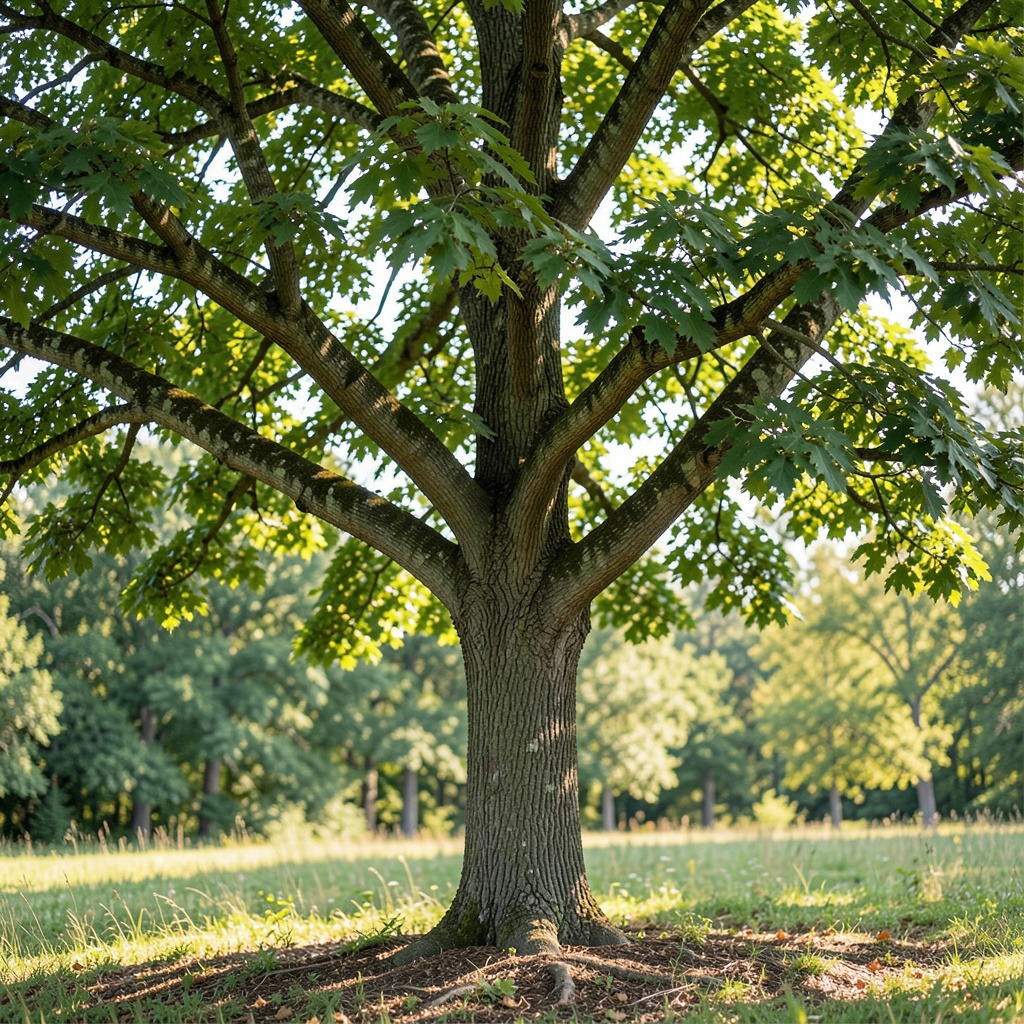
The sourwood tree, scientifically known as Oxydendrum arboreum, is celebrated for its striking beauty and ecological contributions. This native tree thrives in various landscapes, offering unique advantages and considerations for gardeners.
Botanical Characteristics
The sourwood tree typically reaches heights of 30 to 50 feet. It features distinctive, glossy leaves that turn vibrant shades of red and orange in the fall, providing seasonal interest. The tree produces fragrant, white flowers in summer, which attract a variety of pollinators, including bees. This not only enhances the garden’s aesthetic appeal but also supports local ecosystems.
Native Range
Sourwood trees are primarily found in the eastern United States, particularly in regions with well-drained, acidic soils. They flourish in settings such as rocky slopes and forest edges, where competition from larger trees is minimized. This adaptability makes them suitable for various landscapes, especially in areas with similar soil and moisture conditions.
Uses in Landscaping
Sourwood trees serve multiple functions in landscaping:
- Ornamental Value: Their unique foliage and attractive flowers enhance visual appeal.
- Wildlife Support: The nectar-rich blooms attract bees and other pollinators, contributing to local honey production.
- Shade Provider: Their canopy offers shade, making them ideal for smaller gardens or as part of a mixed landscape.
Decision Framework for Planting:
When considering the sourwood tree for your garden, evaluate the following:
- Soil Type: Ensure your soil is well-drained and acidic.
- Sunlight: Assess whether your planting area receives full sun or partial shade.
- Space: Determine if you have sufficient room for a tree that can grow up to 50 feet tall.
By integrating these factors, you can make an informed decision about whether the sourwood tree fits your landscape goals.
Pros of Planting the Sourwood Tree
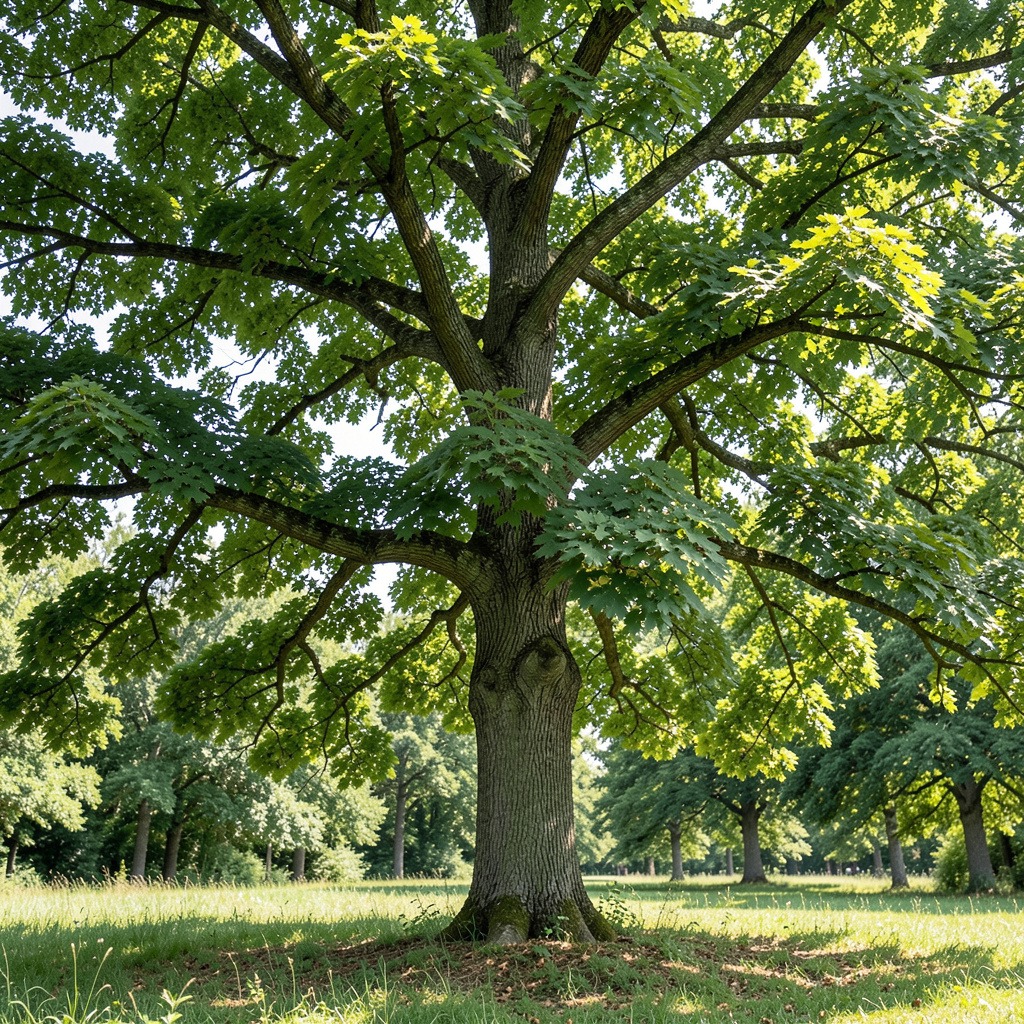
The sourwood tree (Oxydendrum arboreum) offers multiple advantages for gardeners and landscape designers. From its aesthetic appeal to its ecological contributions, this native tree enhances outdoor spaces in various ways.
Seasonal Interest and Beauty
Sourwood trees are known for their stunning seasonal transitions. In spring, they produce clusters of white, fragrant flowers that attract pollinators like bees. During fall, the leaves turn vibrant shades of red and yellow, creating a striking visual display. This multi-season beauty makes sourwood trees a unique addition to any landscape.
- Flowering Period: Late spring to early summer.
- Fall Foliage: Bright red and yellow leaves in autumn.
Low Maintenance Requirements
Sourwood trees are relatively low maintenance once established. They thrive in well-drained, acidic soils and are tolerant of both sun and partial shade. Their adaptability reduces the need for extensive care, making them suitable for a variety of garden settings.
- Watering: Drought-resistant once established.
- Pest Resistance: Few serious pest problems reported.
Ecological Contributions
Planting sourwood trees supports local ecosystems. Their nectar-rich flowers attract various pollinators, contributing to biodiversity. Furthermore, sourwood trees play an essential role in honey production. The nectar collected from these trees produces a high-quality honey known for its unique flavor. Research shows that genuine sourwood honey is considered among the finest in North America, often fetching premium prices due to its rarity.
- Pollinator Support: Attracts bees, enhancing local honey production.
- Honey Production: Contributes to the creation of prized sourwood honey.
Incorporating sourwood trees into your landscape not only enhances its beauty but also supports environmental health. Consider these benefits when planning your garden design.
Cons of Planting the Sourwood Tree
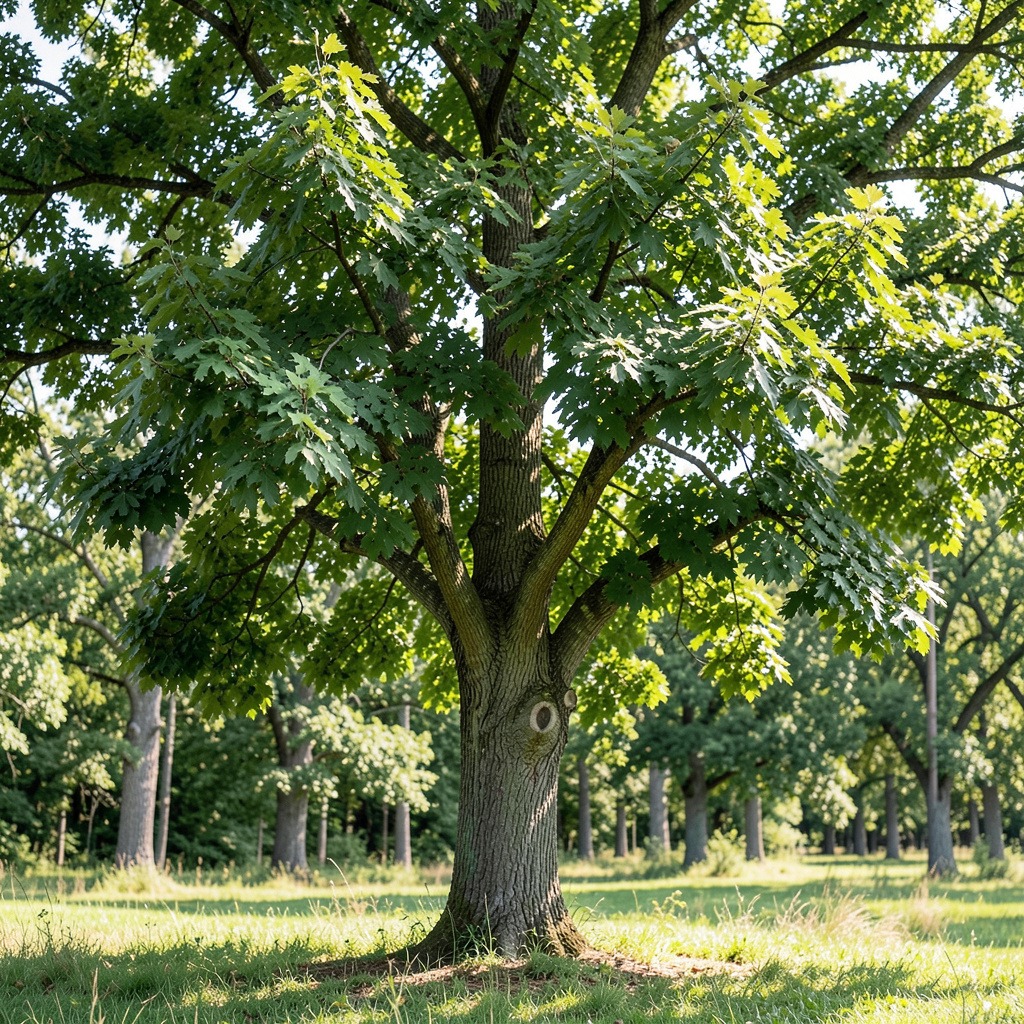
While the sourwood tree offers numerous benefits, it also has significant drawbacks that potential planters should consider. Understanding these challenges can help you make an informed decision.
Soil and Water Requirements
The sourwood tree thrives in acidic, well-drained soil with a pH between 4.5 and 6.0. This specificity can limit where you can plant it. If your soil is neutral or alkaline, you may need to amend it significantly. Here are key points to consider:
- Soil Testing: Test your soil pH before planting. Adjustments may be necessary to create an optimal environment.
- Drainage: Sourwood trees cannot tolerate waterlogged conditions. Ensure your planting site has proper drainage to avoid root rot.
Pest Susceptibility
Although sourwood trees are generally resilient, they are not entirely immune to pests. Common issues include:
- Scale Insects: These can sap the tree’s vitality. Regular monitoring and treatment are essential.
- Aphids: Aphid infestations can lead to leaf curling and reduced growth. Encourage natural predators like ladybugs to manage populations.
Growth Rate Limitations
Sourwood trees have a moderate growth rate, typically reaching 25 to 30 feet. While this makes them suitable for certain landscapes, it can also be a limitation:
- Establishment Time: It takes time for sourwood to establish. Expect several years before you see significant growth.
- Space Considerations: Ensure you have adequate space for the tree to mature. A cramped environment can stunt growth and affect overall health.
Checklist for Successful Planting
1. Soil Quality: Ensure soil is acidic and well-drained.
2. Pest Management: Monitor for pests and act quickly if issues arise.
3. Growth Space: Allow enough room for the tree to grow to its full height.
By evaluating these cons and preparing accordingly, you can enhance the chances of successfully integrating a sourwood tree into your landscape.
Optimal Growing Conditions for Sourwood Trees
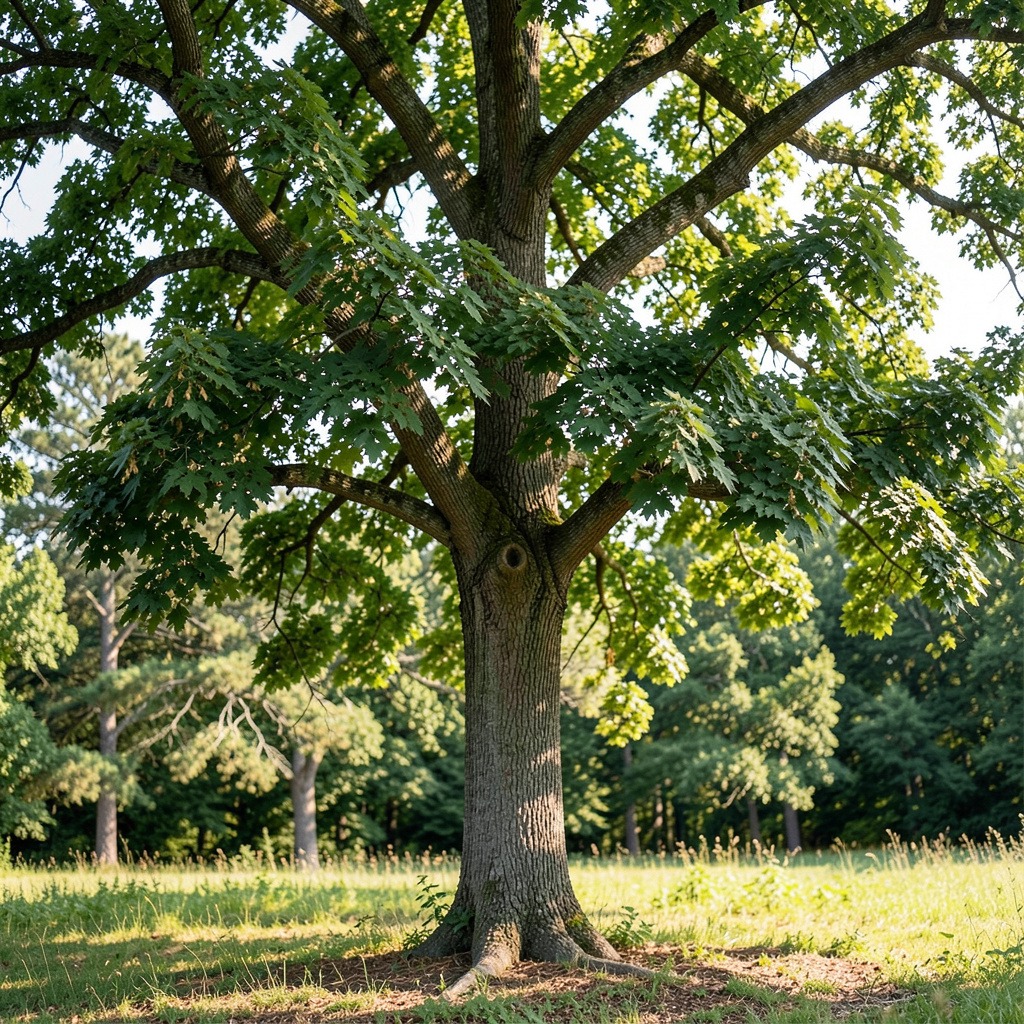
Sourwood trees thrive under specific conditions that maximize their growth and health. Understanding these requirements is essential for successful planting and care.
Soil Type and pH
Sourwood trees require acidic soil for optimal growth. Aim for a pH between 4.5 and 6.0, ideally around 5.0 to 5.5.
- Soil Composition: Use well-drained, loamy soil enriched with organic matter, such as leaf mold or aged compost.
- Drainage: Ensure the soil does not retain excess water, as sourwoods cannot tolerate waterlogged conditions.
Checklist for Soil Preparation:
- Test soil pH before planting.
- Amend clay soils with organic materials for better drainage.
- Avoid limestone or alkaline amendments.
Sunlight and Watering Needs
Sourwood trees adapt well to varying light conditions but require full sun to partial shade for optimal flowering.
- Light Requirements: Ensure the tree receives at least 4-6 hours of direct sunlight daily for robust flowering.
- Watering: Newly planted sourwood trees need regular watering, about two to three gallons per week, measured by trunk diameter. Once established, taper off the frequency.
Watering Tips:
- Water thoroughly during dry spells.
- Monitor moisture levels, especially in the first two growing seasons.
Fertilization Tips
While sourwood trees are low-maintenance, proper fertilization can enhance their health.
- Fertilization: Use a balanced, slow-release fertilizer in early spring.
- Organic Options: Consider organic options like compost or well-rotted manure to support soil health.
Fertilization Checklist:
- Test soil nutrient levels before applying fertilizers.
- Fertilize sparingly; sourwoods do not require heavy feeding.
By adhering to these guidelines, you can create an optimal environment for sourwood trees, enhancing their growth, beauty, and ecological contributions.
Comparisons with Other Ornamental Trees
Sourwood trees (Oxydendrum arboreum) offer unique advantages and challenges compared to other popular ornamental trees. Understanding these differences can help you make an informed decision about incorporating sourwood into your landscape.
Sourwood vs. Maple
| Feature | Sourwood Tree | Maple Tree |
|---|---|---|
| Growth Rate | Slow-growing; reaches maturity slowly | Moderate to fast-growing |
| Soil Requirements | Prefers acidic, well-drained soil | Adaptable; tolerates various soils |
| Fall Color | Stunning red to purple foliage | Vibrant yellow to orange foliage |
| Ecological Benefits | Attracts pollinators; contributes to honey production | Provides shade and wildlife habitat |
| Maintenance Needs | Low maintenance; few pest issues | Moderate; susceptible to pests |
Takeaway: While sourwood trees provide exceptional seasonal color and ecological benefits, they grow slowly and require specific soil conditions. In contrast, maples grow faster and are more versatile but may face more pest challenges.
Sourwood vs. Dogwood
| Feature | Sourwood Tree | Dogwood Tree |
|---|---|---|
| Growth Habit | Small to medium tree | Small tree or large shrub |
| Flowering | White, fragrant blooms in summer | Showy flowers in spring |
| Soil Requirements | Prefers acidic, well-drained soil | Tolerates a wider range but prefers rich, loamy soil |
| Fall Color | Brilliant fall foliage | Varies by species; often reddish |
| Maintenance Needs | Low maintenance; few serious issues | Moderate; can suffer from disease |
Takeaway: Sourwood trees stand out for their unique blooms and fall color, while dogwoods are celebrated for their spring flowers. However, dogwoods may be more susceptible to diseases, requiring closer attention.
Decision Framework: When considering sourwood versus other ornamental trees, evaluate your landscape’s soil type, desired growth rate, and maintenance capacity. If you seek a low-maintenance tree that supports local ecology, sourwood might be the right choice. Conversely, if rapid growth and seasonal blooms are priorities, other options like maples or dogwoods may suit your needs better.
Alternatives to Sourwood Trees
When considering alternatives to the sourwood tree, several native trees offer similar aesthetic and ecological benefits. These trees thrive in a variety of conditions and contribute positively to local wildlife and ecosystems.
Native Tree Alternatives
1. Eastern Redbud (Cercis canadensis)
- Aesthetic Appeal: Features stunning pink flowers in early spring.
- Growing Conditions: Prefers well-drained soils and partial shade.
- Ecological Benefits: Attracts pollinators, including bees and butterflies.
2. American Crabapple (Malus angustifolia)
- Aesthetic Appeal: Produces fragrant flowers and small, colorful fruits.
- Growing Conditions: Thrives in various soil types, prefers full sun.
- Ecological Benefits: Supports a wide range of wildlife, including birds and insects.
3. Serviceberry (Amelanchier spp.)
- Aesthetic Appeal: Offers white flowers in spring, followed by edible berries.
- Growing Conditions: Grows well in acidic to neutral soils and full sun.
- Ecological Benefits: Attracts birds and provides food for various wildlife species.
4. Blackhaw Viburnum (Viburnum prunifolium)
- Aesthetic Appeal: Displays white flowers in spring and dark blue-black fruits in fall.
- Growing Conditions: Prefers moist, well-drained soils and partial shade.
- Ecological Benefits: Serves as a food source for birds and insects.
Key Differences
- Growth Rate: Eastern Redbud and Serviceberry tend to grow faster than sourwood, making them suitable for quicker landscape impact.
- Flowering and Fruit Production: While sourwood is celebrated for its unique blooms and honey production, alternatives like American Crabapple and Serviceberry add additional seasonal interest with their fruits.
- Wildlife Support: All alternatives provide ecological benefits, but the specific species they attract may vary. For instance, Serviceberry is particularly effective for attracting birds due to its berries.
Incorporating these trees into your landscape can provide similar beauty and ecological benefits as sourwood, while also catering to specific soil and sunlight conditions. Consider your landscape’s needs and the unique features of each tree to make an informed decision.
Conclusion
Considering the pros and cons of the sourwood tree (Oxydendrum arboreum) is essential for any gardener or landscaper. This tree offers unique aesthetic and ecological benefits but also presents specific care challenges.
Pros of Sourwood Trees
- Aesthetic Appeal: Sourwood trees provide stunning fall foliage, displaying vibrant shades of red, orange, and purple.
- Ecological Benefits: They attract pollinators, particularly bees, and contribute to local honey production, creating a rich ecological environment.
- Soil Adaptability: Sourwood thrives in acidic soils, making it suitable for various landscapes.
Cons of Sourwood Trees
- Care Requirements: Sourwood trees are difficult to propagate and may require specialized care during planting and maintenance.
- Limited Availability: Finding sourwood trees in nurseries can be challenging due to their limited cultivars and breeding complexities.
- Growth Rate: They are relatively slow-growing, which may not suit those seeking quick results in their landscaping projects.
Decision Framework for Planting Sourwood
When deciding whether to plant a sourwood tree, consider the following:
- Space and Soil: Ensure you have suitable acidic soil and adequate space for growth.
- Aesthetic Goals: Determine if you value the unique fall color and pollinator support.
- Maintenance Commitment: Assess your willingness to provide careful care and monitor growth.
Each gardener’s goals differ, making it vital to weigh these pros and cons carefully. By doing so, you can determine if the sourwood tree aligns with your landscape vision and gardening aspirations.
Frequently Asked Questions
These quick answers cover the most common questions about this topic, including key details, practical tips, and common concerns.
Where is the best place to plant a sourwood tree?
The best place to plant a sourwood tree is in an area with well-drained, acidic soil and full sun to partial shade. Look for a site that offers protection from strong winds and has enough space for the tree to grow up to 50 feet tall. Avoid locations with heavy clay or waterlogged soil, as sourwood trees cannot tolerate these conditions.
What are the common problems associated with sourwood trees?
Common problems with sourwood trees include susceptibility to pests like scale insects and aphids, which can affect their health and growth. Additionally, they require specific soil conditions, and if planted in alkaline or poorly drained soil, they may struggle to thrive. Regular monitoring and appropriate pest management are essential for maintaining their health.
Are sourwood trees good for anything?
Yes, sourwood trees are beneficial for several reasons. They provide stunning fall foliage, attracting attention in any landscape. Their nectar-rich flowers support local pollinators, particularly bees, contributing to honey production. Sourwood honey is highly prized for its unique flavor, making these trees valuable for both aesthetic and ecological reasons.
What do sourwood trees look like in the fall?
In the fall, sourwood trees display breathtaking foliage, turning vibrant shades of red, orange, and purple. This seasonal transformation makes them a standout feature in gardens and landscapes. The combination of colorful leaves and the tree’s overall structure adds significant visual interest during autumn.
What is your soil type and pH?
Sourwood trees thrive in acidic soils with a pH between 4.5 and 6.0, ideally around 5.0 to 5.5. Conduct a soil test before planting to determine your soil’s pH and make any necessary amendments. Using organic matter, such as compost, can help create the right conditions for sourwood trees to flourish.
What USDA hardiness zone are you in?
Sourwood trees are typically suited for USDA hardiness zones 5 to 9. Knowing your hardiness zone helps you determine if sourwood trees can thrive in your area. Check local climate data to ensure that your region meets the temperature and moisture requirements for successful growth.
How fast do sourwood trees grow?
Sourwood trees have a moderate growth rate, typically reaching heights of 25 to 30 feet over several years. They may take a while to establish, so patience is essential. After a few growing seasons, you can expect more noticeable growth, especially if planted in optimal conditions.
Can sourwood trees tolerate drought?
Once established, sourwood trees have moderate drought tolerance. However, they prefer consistent moisture, especially during their early years. During dry spells, it’s important to provide supplemental watering to ensure healthy growth and prevent stress on the tree. Regular monitoring of soil moisture will help maintain their health.