
Tree plantations offer environmental benefits like carbon sequestration and enhanced biodiversity, but they can also lead to ecological risks like monoculture and habitat loss.
Table of Contents
Tree plantations play a crucial role in environmental sustainability, offering significant benefits such as carbon sequestration and improved air quality. However, they also present challenges like biodiversity loss and monoculture risks. This guide examines 11 key pros and cons to provide a balanced understanding.
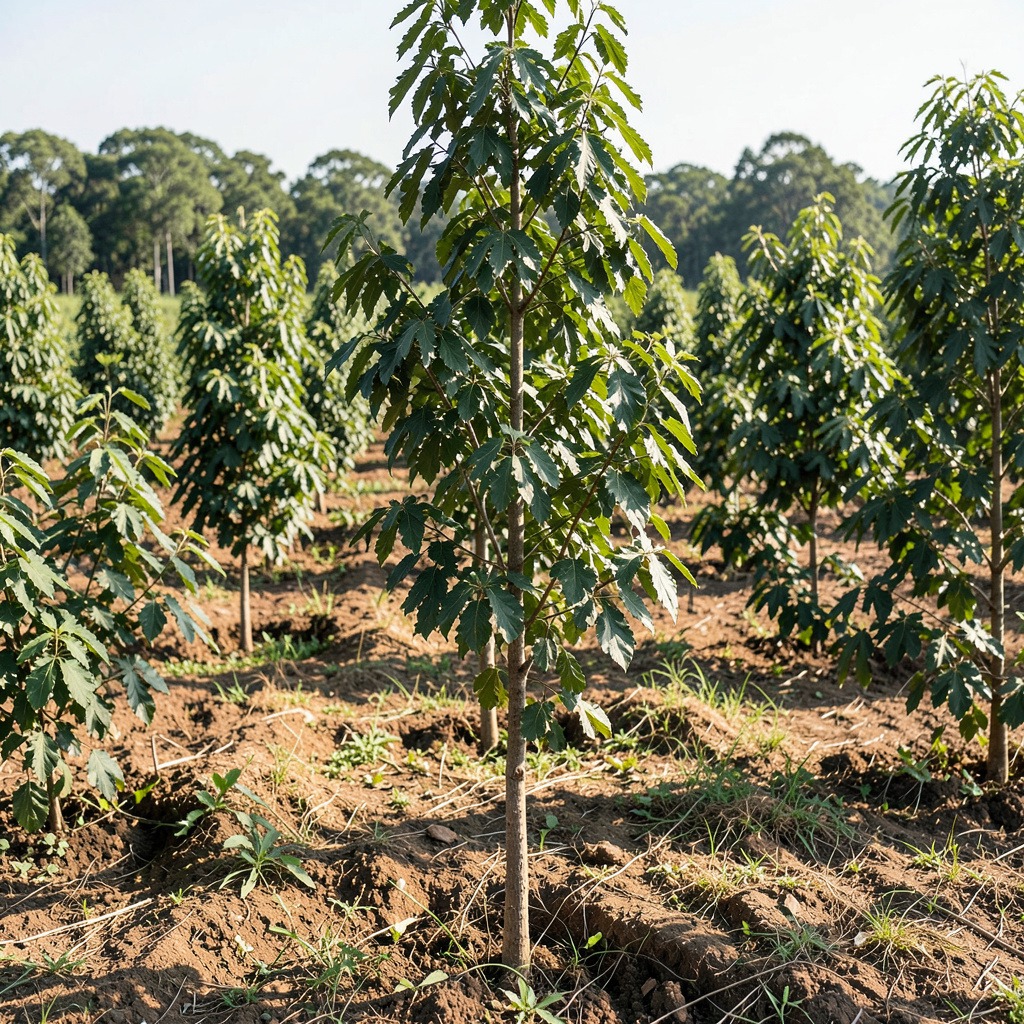
Understanding Tree Plantations
Tree plantations are large-scale agricultural operations where trees are cultivated for various purposes. These include timber production, carbon sequestration, and ecological restoration. Their impact on the environment can be profound, presenting both benefits and drawbacks.
What is a Tree Plantation?
A tree plantation consists of a systematically managed area where trees are grown, often of the same species. This cultivation aims to maximize yield and facilitate harvesting. Tree plantations are commonly established for:
- Timber and wood products: Providing raw materials for construction and manufacturing.
- Carbon sequestration: Absorbing carbon dioxide from the atmosphere, thus mitigating climate change.
- Ecosystem restoration: Improving degraded land and enhancing biodiversity.
Purpose of Tree Plantations
Tree plantations serve multiple purposes in environmental management. Their primary roles include:
- Carbon Sequestration: Trees absorb significant amounts of CO2, contributing to climate change mitigation. For example, a single mature tree can sequester approximately 48 pounds of CO2 annually.
- Soil Erosion Control: Tree roots stabilize soil, reducing erosion and maintaining water quality. This aspect is critical in areas prone to flooding and land degradation.
- Biodiversity Support: While monoculture plantations can threaten local biodiversity, mixed-species plantations can enhance habitat connectivity. Carefully planned plantations can create corridors for wildlife.
- Economic Benefits: Tree plantations can generate income through timber sales and ecosystem services. They create jobs in forestry and related industries.
Considerations for Establishing Tree Plantations
When establishing a tree plantation, consider the following guidelines:
- Species Selection: Choose native species that adapt well to local conditions and support local wildlife.
- Site Assessment: Evaluate soil, climate, and existing ecosystems to minimize negative impacts.
- Long-term Management: Plan for ongoing care, including pest management and monitoring growth. This ensures the plantation’s health and productivity over time.
By understanding the purposes and impacts of tree plantations, stakeholders can make informed decisions that align environmental goals with economic needs.
1. Environmental Benefits of Tree Plantations
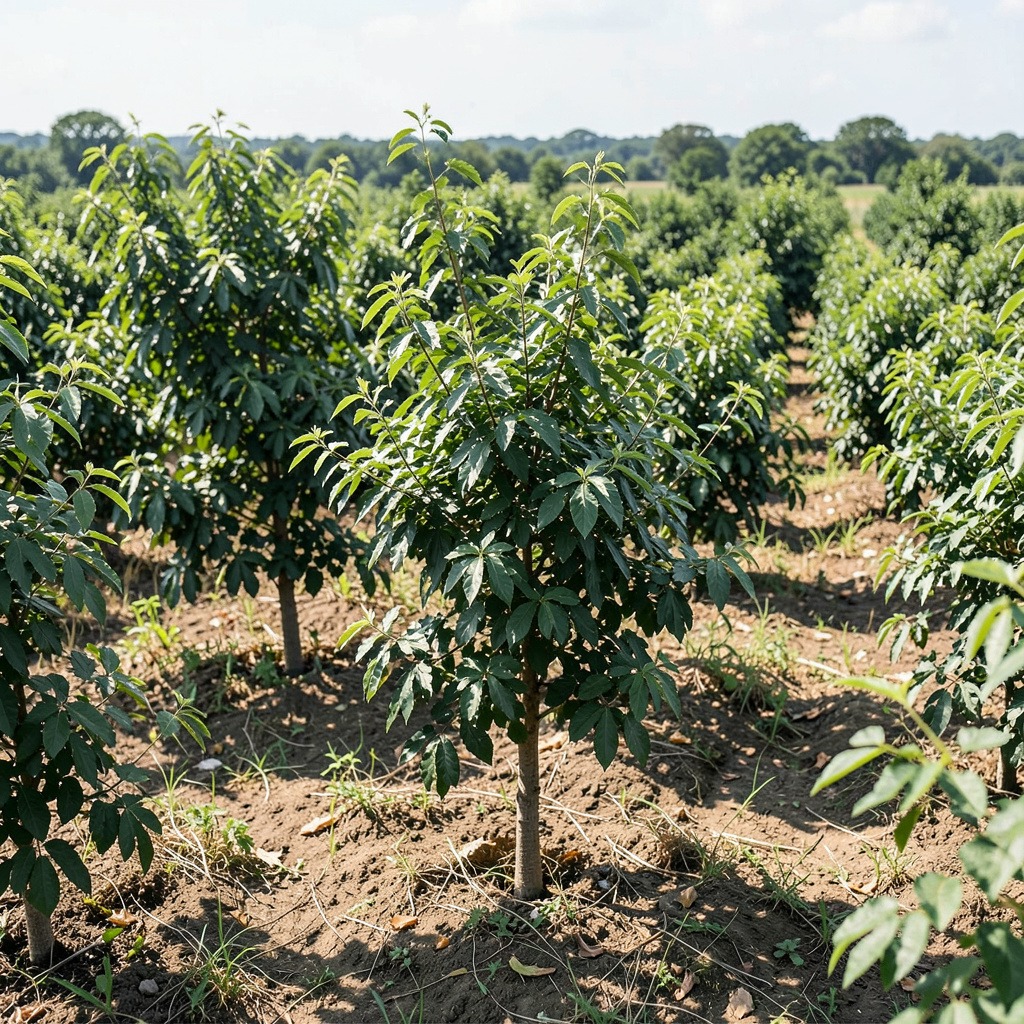
Tree plantations offer significant environmental advantages. They play a crucial role in carbon sequestration, improve air quality, and support soil conservation. Understanding these benefits is essential for evaluating the overall impact of tree plantations.
Carbon Sequestration
Tree plantations are vital for mitigating climate change through carbon sequestration. Trees absorb carbon dioxide (CO2) from the atmosphere, storing it in their biomass.
- One mature tree can sequester approximately 48 pounds of CO2 annually.
- A well-maintained plantation can significantly reduce local greenhouse gas levels, contributing to global climate stability.
Successful projects, like the reforestation efforts in China, have demonstrated that large-scale tree planting can sequester millions of tons of CO2, showcasing the potential of well-planned initiatives.
Air Quality Improvement
Tree plantations enhance air quality by filtering pollutants. They release oxygen and capture harmful particulates, leading to healthier atmospheres.
- Trees can remove up to 60% of air pollutants in urban areas.
- Studies show that urban tree canopies reduce respiratory illnesses in communities by improving overall air quality.
For example, cities with extensive green cover report lower asthma rates among residents. This highlights the direct health benefits tied to tree plantation efforts.
Soil Conservation
Tree plantations contribute to soil conservation by preventing erosion. Their root systems stabilize the soil, reducing runoff and maintaining nutrient levels.
- Tree roots help retain moisture, promoting healthier soil ecosystems.
- Plantations can significantly decrease soil erosion rates, preserving arable land for agriculture.
Guidelines for establishing effective tree plantations include selecting species that enhance soil health. Native species are often more effective due to their compatibility with local soil conditions.
2. Economic Implications of Tree Plantations
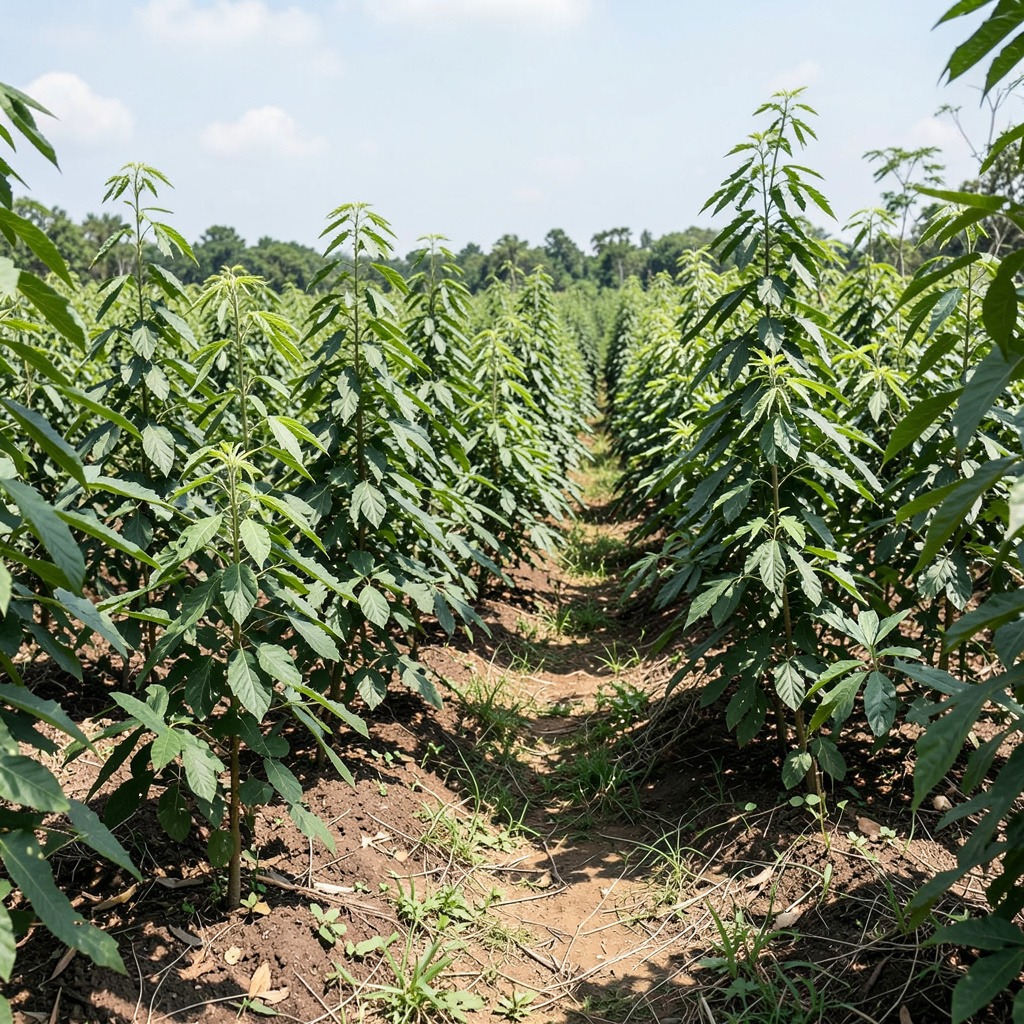
Tree plantations offer significant economic benefits, influencing property values, job creation, and overall community development. Understanding these financial aspects can aid in making informed decisions about tree planting initiatives.
Property Value Increases
Tree plantations can enhance property values. Studies show that neighborhoods with ample tree cover typically enjoy higher property prices. The aesthetic appeal of green spaces attracts buyers and renters alike.
- Case Study: In urban areas, homes near parks or tree-lined streets can see property values increase by up to 15% compared to similar homes without such features.
- Impact on Sales: Properties with mature trees often sell faster, demonstrating the direct correlation between greenery and real estate market performance.
Job Creation
Tree planting initiatives can stimulate job growth in various sectors, including forestry, landscaping, and environmental conservation.
- Local Employment: Projects often require labor for planting, maintenance, and monitoring, creating jobs for local communities.
- Long-term Opportunities: As trees mature, additional roles may emerge in areas like tourism, environmental education, and sustainable forestry management.
Cost of Maintenance
While tree plantations provide financial benefits, they also incur maintenance costs.
- Ongoing Care: Proper management includes watering, pruning, and pest control, which can be resource-intensive.
- Budget Considerations: Communities should budget for these expenses to ensure the sustainability of tree planting projects.
Decision Framework for Economic Assessment
When evaluating the economic implications of tree plantations, consider the following:
1. Local Property Market Trends: Analyze how tree cover affects property values in your area.
2. Job Market Conditions: Assess the potential for job creation linked to tree planting and maintenance.
3. Long-term Financial Planning: Factor in both initial investment and ongoing maintenance costs to understand the project’s overall economic viability.
By carefully assessing these elements, stakeholders can better navigate the financial landscape of tree plantations and maximize their benefits.
3. Social Impacts of Tree Plantations
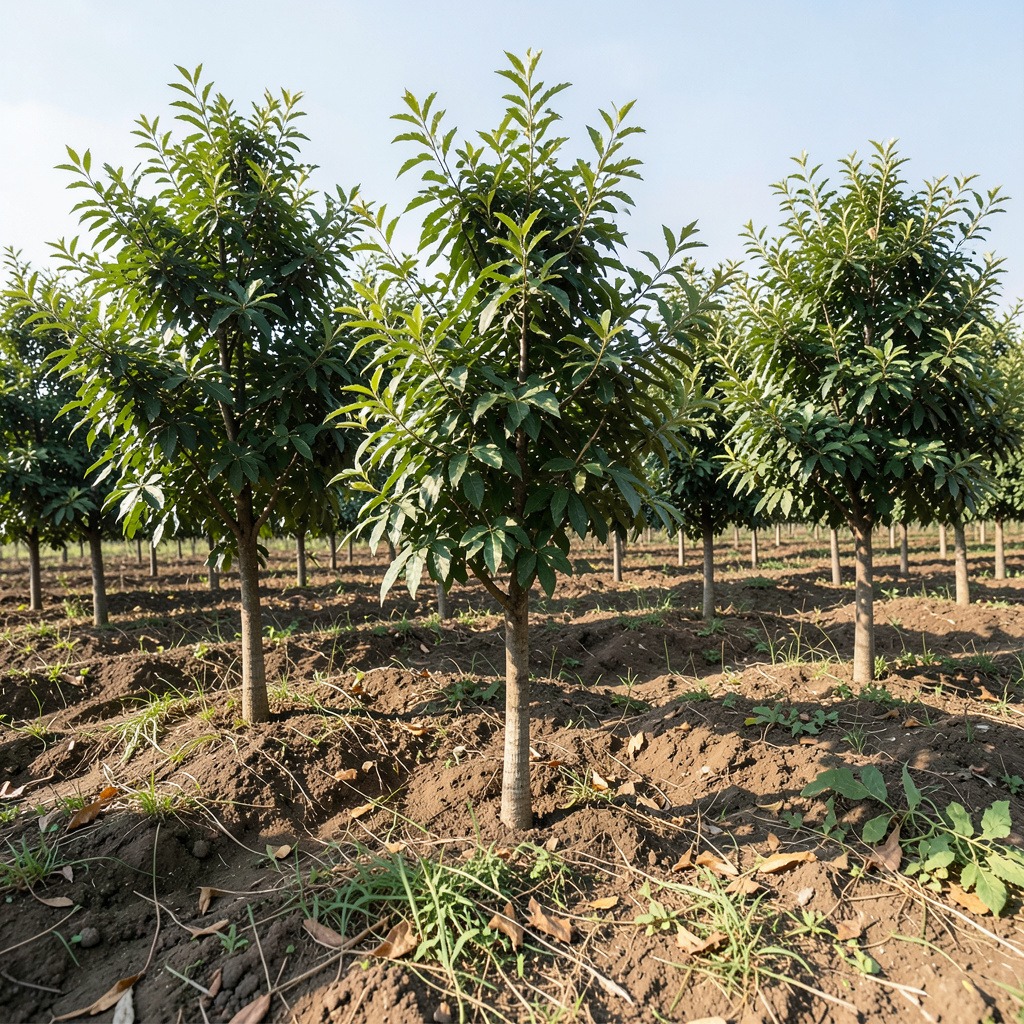
Tree plantations significantly influence community health, mental well-being, and aesthetic value. Their presence can foster social interactions and enhance the quality of life in urban and rural settings.
Mental Health Benefits
Research shows that exposure to green spaces, such as tree plantations, contributes to improved mental health. Access to trees can reduce stress levels and promote relaxation. For instance, neighborhoods with ample tree cover report lower rates of anxiety and depression.
- Stress Reduction: Green environments provide a calming effect.
- Increased Outdoor Activity: Trees encourage people to engage in physical activities, boosting overall well-being.
Community Engagement
Tree planting initiatives can galvanize community involvement. When locals participate in tree planting, they develop a sense of ownership and stewardship over their environment.
- Collaboration Opportunities: Community-led projects can unite individuals around a common goal.
- Skill Development: Participants often gain skills related to horticulture, environmental science, and project management.
Aesthetic Value
The visual appeal of tree plantations enhances local landscapes. Attractive green spaces can elevate property values and improve overall quality of life.
- Improved Neighborhood Appeal: Well-maintained tree plantations make areas more inviting.
- Cultural Significance: Trees can hold historical and cultural importance, serving as landmarks in communities.
Case Study Insight
Consider a city that implemented a community tree planting program. Residents actively participated, resulting in a 30% increase in local biodiversity and a 20% reduction in reported stress levels among participants. This initiative illustrates the direct social benefits of community involvement in tree plantations.
Decision Framework for Social Impact Assessment
When evaluating the social impacts of tree plantations, consider:
1. Community Involvement: Is there local interest in participating?
2. Mental Health Indicators: Are there measurable improvements in community well-being?
3. Aesthetic Improvements: How does the tree cover enhance the visual landscape?
By applying this framework, stakeholders can ensure that tree plantations not only fulfill ecological goals but also bolster community health and cohesion.
4. Ecological Risks of Tree Plantations
Tree plantations can yield significant benefits, but they also pose ecological risks. Understanding these risks is crucial for informed decision-making about plantation strategies.
Monoculture Risks
Monoculture refers to the practice of planting a single species over large areas. While this method may simplify management, it undermines biodiversity.
- Biodiversity Loss: Monocultures can lead to a decline in local flora and fauna. By replacing diverse ecosystems with a single species, the habitat for various organisms diminishes.
- Pest Vulnerability: Plantations dominated by one species are more susceptible to pests and diseases. When a pest targets that species, it can cause widespread damage.
Example: A study in Southeast Asia showed that large-scale rubber tree plantations significantly reduced native plant diversity. As a result, local bird populations declined, demonstrating the cascading effects of monoculture on ecosystems.
Invasive Species
Introducing non-native species in tree plantations can have unintended consequences. Invasive species can outcompete native vegetation, leading to ecological imbalance.
- Displacement of Native Species: Invasive trees can dominate resources, pushing out local flora. This displacement can lead to a loss of native biodiversity.
- Altered Ecosystem Dynamics: Non-native trees may change soil chemistry and water availability, further disrupting local ecosystems.
Fact: The introduction of the eucalyptus tree in some regions has led to detrimental effects on local water supplies and soil health. This highlights the importance of careful species selection.
Resource Competition
Tree plantations may compete for essential resources, impacting local ecosystems and agricultural practices.
- Water Use: Trees require significant water, which can reduce availability for nearby crops and wildlife. This is particularly concerning in arid regions.
- Nutrient Depletion: Intensive plantations can deplete soil nutrients, making it challenging for other plants to thrive.
Guideline: Before establishing a plantation, assess local resource availability. Consider the potential impact on existing ecosystems and agricultural lands.
By understanding these ecological risks, stakeholders can make better decisions regarding tree plantation projects.
5. Best Practices for Tree Plantation Management
Effective management of tree plantations is crucial for maximizing environmental benefits while minimizing ecological risks. Implementing best practices ensures sustainable growth and enhances the overall impact of tree planting efforts.
Choosing the Right Species
Selecting appropriate tree species is vital for the success of any plantation. Different species offer varied benefits and challenges.
- Native Species: Prioritize local varieties. They are better adapted to local conditions and support native wildlife.
- Diversity: Avoid monocultures. Mixing species enhances resilience against pests and diseases.
- Growth Rate: Consider how quickly a species grows. Fast-growing trees may provide immediate benefits but might require more maintenance.
Site Selection and Preparation
Proper site selection lays the foundation for a successful tree plantation. Assessing environmental factors is essential.
- Soil Quality: Test soil for nutrients and pH. Amend as necessary to promote healthy growth.
- Climate Conditions: Evaluate temperature, rainfall, and seasonal variations. Choose species that thrive in specific climates.
- Land Use: Ensure the plantation does not conflict with existing agricultural or natural ecosystems. This will prevent resource competition.
Ongoing Maintenance
Regular maintenance is necessary to ensure the longevity and health of the plantation.
- Watering: Establish a watering regime, especially in the early stages. Young trees need consistent moisture.
- Pruning: Regularly prune trees to promote healthy growth and improve airflow. Remove dead or diseased branches promptly.
- Monitoring: Conduct regular assessments to identify signs of stress or disease. Early intervention can prevent larger issues.
Checklist for Effective Tree Plantation Management
1. Species Selection: Choose native and diverse species.
2. Soil Testing: Analyze and amend soil quality.
3. Site Assessment: Evaluate climate and land use compatibility.
4. Watering Plan: Develop a consistent watering schedule.
5. Pruning Schedule: Implement regular pruning and monitoring routines.
By adhering to these best practices, stakeholders can enhance the ecological benefits of tree plantations while mitigating potential risks.
6. Case Studies of Successful Tree Plantations
Tree plantations can yield significant environmental and social benefits when executed thoughtfully. Several notable projects demonstrate how strategic tree planting can positively impact local ecosystems and communities.
Notable Success Stories
1. The Bonn Challenge
The Bonn Challenge aims to restore 350 million hectares of deforested and degraded land by 2030. Countries participating have reported increased biodiversity, improved soil quality, and enhanced carbon sequestration. For example, Rwanda’s reforestation efforts have led to a notable rise in native species and contributed to local climate resilience.
2. Eden Reforestation Projects
This initiative focuses on reforesting areas in Madagascar, Haiti, and Nepal. By employing local communities for tree planting, Eden has not only restored vast forest areas but also created thousands of jobs. The success of this approach highlights the importance of community involvement in achieving sustainable outcomes.
3. China’s “Great Green Wall”
This ambitious project aims to combat desertification by planting trees across northern China. Initial findings indicate improved air quality and reduced soil erosion, showcasing how large-scale tree plantations can address significant environmental challenges.
Lessons Learned
1. Native Species Selection
Successful projects prioritize native tree species. They adapt better to local conditions and support local wildlife. For example, planting indigenous trees in the Amazon rainforest has proven effective in restoring ecological balance.
2. Community Engagement
Involving local communities ensures the longevity of tree plantations. Programs that provide education and employment to residents see higher survival rates of planted trees. Engagement fosters stewardship and a sense of ownership.
3. Long-Term Management Plans
Projects with comprehensive management plans that include monitoring and maintenance are more successful. Without these plans, many tree plantations face high mortality rates. A checklist for effective management includes:
- Regular assessments for disease and stress
- Ongoing community training on care techniques
- Adaptive strategies based on ecological changes
By analyzing these successful case studies, stakeholders can better understand how to implement effective tree plantation projects that benefit both the environment and local communities.
7. Case Studies of Failed Tree Plantations
Tree plantations can have unintended consequences, particularly when they lack proper planning or consideration for local ecosystems. Several projects have demonstrated these pitfalls, leading to negative environmental and social impacts.
Common Pitfalls
1. Invasive Species Introduction: Some tree plantations have introduced non-native species that outcompete local flora. For example, the introduction of eucalyptus in parts of South Africa led to significant declines in native biodiversity. Eucalyptus trees consume large amounts of water, negatively impacting local water tables.
2. Monoculture Plantations: Large-scale monoculture plantations can create ecosystems vulnerable to diseases and pests. A case in Brazil showed that monoculture of fast-growing pine trees led to widespread pest infestations, resulting in significant economic losses and ecological degradation.
3. Ignoring Local Ecologies: Projects that disregard local environmental conditions often fail. For instance, a tree planting initiative in India aimed at restoring degraded land used unsuitable species, resulting in high mortality rates and minimal ecological benefit.
Consequences of Poor Planning
1. Soil Degradation: Planting trees in inappropriate locations, such as grasslands, can disrupt soil health and biodiversity. A project in the United States highlighted that planting trees in formerly open ecosystems led to soil erosion and loss of native plant species.
2. Water Cycle Disruption: In regions where natural vegetation was replaced by plantations, local hydrology suffered. A tree plantation in Indonesia demonstrated that replacing customary land with rubber trees altered rainfall patterns, causing droughts in neighboring areas.
3. Community Displacement: Tree plantations can displace local communities if not approached with community engagement. In some African nations, large-scale tree planting projects led to land grabs, which marginalized indigenous populations and disrupted traditional livelihoods.
Key Takeaways for Future Efforts
- Species Selection: Prioritize native species that support local ecosystems. Conduct thorough ecological assessments before planting.
- Community Involvement: Engage local communities in planning and management to foster stewardship and ensure projects meet social needs.
- Long-Term Monitoring: Implement ongoing evaluations to assess ecological impacts and adapt management strategies as necessary.
By learning from these case studies, stakeholders can develop more effective tree plantation initiatives that balance environmental goals with social responsibility.
8. Guidelines for Selecting Tree Species
Choosing the right tree species is crucial for the success of tree plantations. This decision directly impacts ecological balance, carbon sequestration, and the overall effectiveness of the project. Here are key considerations to guide the selection process.
Native vs. Non-Native Species
1. Native Species:
- Support local wildlife.
- Promote biodiversity.
- Adapt well to local soil and climate.
2. Non-Native Species:
- May introduce pests and diseases.
- Could outcompete native vegetation.
- Often require more resources for maintenance.
Recommendation: Prioritize native species to enhance ecological integrity. For instance, planting oak trees in a region where they are indigenous supports local fauna and flora.
Species Suitability for Climate Zones
Understanding the climate of the planting area is essential. Different tree species thrive in specific conditions.
| Climate Zone | Recommended Species |
|---|---|
| Tropical | Mahogany, Teak |
| Temperate | Maple, Oak |
| Arid | Acacia, Date Palm |
| Cold | Spruce, Pine |
Action Step: Conduct a climate assessment before selecting species. This ensures that the chosen trees will thrive and provide the intended benefits.
Biodiversity Considerations
Biodiversity is vital for resilient ecosystems. Monocultures can diminish ecological health.
- Mixed Planting: Incorporate a variety of species to support different wildlife.
- Habitat Restoration: Choose species that restore natural habitats and improve soil health.
Checklist for Biodiversity:
- Select a mix of at least three different species.
- Ensure species diversity includes both canopy and understory trees.
- Assess the historical biodiversity of the area for better alignment.
Implementing these guidelines will enhance the effectiveness of tree plantations, ensuring they contribute positively to both the environment and local communities.
9. Comparing Tree Plantations with Natural Forests
Tree plantations and natural forests serve crucial roles in our ecosystems, yet they differ significantly in biodiversity, carbon sequestration, and resilience. Understanding these distinctions helps inform decision-making regarding land use and conservation strategies.
Biodiversity Levels
Natural forests typically host a rich array of species, supporting diverse ecosystems. In contrast, tree plantations often prioritize a limited set of species, which can lead to:
- Monocultures: Plantations frequently consist of single-species stands, reducing habitat diversity and increasing vulnerability to pests.
- Limited Wildlife: The lack of variety in tree species can restrict the range of fauna that can thrive in these areas.
Biodiversity Checklist for Plantations:
- Aim for at least three different tree species.
- Incorporate both canopy and understory layers.
- Reflect historical species diversity when selecting trees.
Carbon Sequestration Capacity
Both tree plantations and natural forests contribute to carbon sequestration, but their effectiveness varies:
- Natural Forests: These ecosystems store carbon in both biomass and soil, making them highly efficient at sequestering carbon over time. They also provide ongoing carbon storage as they mature.
- Tree Plantations: While they can absorb CO2, their potential is often limited by factors such as species choice and management practices. Some plantations can sequester carbon faster due to younger trees, but this is typically short-term.
Comparison Insight:
- Natural forests are often more effective for long-term carbon stability.
- Evaluate the type of plantation; mixed-species can enhance carbon uptake compared to monocultures.
Resilience to Climate Change
Resilience refers to the ability of an ecosystem to withstand and recover from climate-related stresses:
- Natural Forests: These forests have evolved to adapt to local climate conditions, making them generally more resilient to pests, diseases, and extreme weather events.
- Tree Plantations: They may be more susceptible to climate impacts due to their uniformity. If a disease targets a single species, it can devastate the entire plantation.
Decision Framework for Resilience:
- Assess local climate conditions when selecting tree species.
- Prioritize native species that demonstrate resilience to local pests and diseases.
- Implement management practices that enhance ecosystem diversity and health.
Understanding these comparisons enables stakeholders to make informed decisions about tree plantations versus conserving natural forests, ultimately balancing environmental benefits with economic and social needs.
10. Alternatives to Tree Plantations for Carbon Sequestration
While tree plantations play a significant role in carbon sequestration, several alternative methods can also contribute effectively to reducing atmospheric CO2 levels. Understanding these alternatives helps stakeholders make informed decisions about the most suitable carbon management strategies.
Soil Carbon Sequestration
Soil carbon sequestration involves enhancing the soil’s ability to store carbon through various agricultural practices. This method can be effective and economically viable.
- Techniques:
- No-till farming
- Cover cropping
- Crop rotation
- Benefits:
- Increases soil fertility
- Reduces erosion
- Enhances water retention
Soil carbon can sequester significant amounts of CO2, often exceeding the capacity of tree plantations in certain contexts. For instance, healthy soils can store up to three times more carbon than the biomass of trees in a forest.
Wetlands Restoration
Wetlands are natural carbon sinks, capable of storing large quantities of carbon dioxide. Restoration and conservation of these ecosystems provide an alternative to tree plantations.
- Benefits:
- Protects biodiversity
- Improves water quality
- Mitigates flood risks
Studies show that restored wetlands can sequester carbon at rates comparable to or greater than some tree plantations, especially when considering their multifunctional benefits.
Agroforestry Systems
Agroforestry combines agricultural practices with tree planting, enhancing both productivity and carbon sequestration.
- Approaches:
- Silvopasture (integrating trees with livestock)
- Alley cropping (growing crops between rows of trees)
- Advantages:
- Diversifies income sources
- Increases habitat for wildlife
- Reduces the need for synthetic fertilizers
Agroforestry systems can sequester carbon while providing food and other resources, making them a sustainable alternative to traditional tree plantations.
Comparison of Carbon Sequestration Methods
| Method | Carbon Sequestration Potential | Cost Efficiency | Ecological Impact |
|---|---|---|---|
| Tree Plantations | Moderate to High | Variable | May reduce biodiversity |
| Soil Carbon Sequestration | High | High | Improves soil health |
| Wetlands Restoration | High | Moderate | Supports diverse ecosystems |
| Agroforestry Systems | Moderate to High | Variable | Enhances biodiversity |
These alternatives to tree plantations not only contribute to carbon sequestration but also offer additional ecological and economic benefits. Evaluating these methods helps in choosing the most suitable approach for specific environmental contexts.
11. Conclusion: Weighing the Pros and Cons
Tree plantations present a complex array of benefits and challenges. Understanding these dynamics is crucial for making informed decisions about their implementation and management.
Key Benefits of Tree Plantations
- Carbon Sequestration: Trees absorb CO2, helping mitigate climate change.
- Erosion Control: Tree roots stabilize soil and reduce erosion.
- Economic Opportunities: Tree plantations can create jobs in forestry and related industries.
- Biodiversity Enhancement: When managed thoughtfully, plantations can support a variety of species.
Potential Drawbacks of Tree Plantations
- Biodiversity Loss: Monoculture plantations can diminish local biodiversity.
- Ecological Disruption: Planting in inappropriate areas can harm existing ecosystems.
- Pest and Disease Spread: Introducing non-native species may bring harmful pests and diseases.
Future Trends in Tree Planting
As the climate crisis intensifies, the role of tree plantations in environmental sustainability is likely to evolve. Key trends include:
- Increased Focus on Native Species: Emphasizing the planting of native trees to preserve local ecosystems.
- Integration with Urban Planning: Incorporating tree planting into city designs to enhance urban biodiversity and reduce heat islands.
- Community Involvement: Engaging local communities in decision-making to ensure that tree planting efforts meet social and ecological needs.
Decision Framework for Tree Plantations
When considering tree plantations, stakeholders can use the following checklist:
1. Assess Local Biodiversity: Evaluate existing species and ecosystems.
2. Select Appropriate Species: Choose native or well-adapted trees for the area.
3. Plan for Long-Term Management: Develop a strategy for monitoring and maintaining the plantation.
4. Evaluate Economic Impact: Consider the potential for job creation and economic benefits.
By weighing these pros and cons, stakeholders can make informed decisions that align with both environmental goals and community needs.
Frequently Asked Questions
These quick answers cover the most common questions about this topic, including key details, practical tips, and common concerns.
What are the main benefits of tree plantations?
Tree plantations provide numerous environmental benefits, including carbon sequestration, which helps mitigate climate change by absorbing CO2 from the atmosphere. They also improve air quality by filtering pollutants and stabilizing soil to prevent erosion. Economically, tree plantations can create jobs in forestry and related industries, contributing to local economies.
What should be considered when planning a tree plantation?
When planning a tree plantation, consider the local climate, soil quality, and existing ecosystems. Choose tree species that are native to the area, as they are better adapted and support local wildlife. Additionally, plan for long-term management, including regular monitoring and maintenance to ensure the health and productivity of the plantation.
How do tree plantations impact local wildlife?
Tree plantations can have mixed effects on local wildlife. Monoculture plantations often reduce biodiversity, limiting habitat for various species. However, mixed-species plantations can enhance habitat connectivity, providing corridors for wildlife movement. It’s essential to design plantations that incorporate diverse species to support local fauna.
Are there specific tree species that are better for the environment?
Yes, native tree species are generally better for the environment as they are adapted to local conditions and support native wildlife. For instance, planting oak trees in temperate regions can enhance biodiversity and soil health. It’s crucial to select species that are not invasive and can thrive in the specific ecological context of the plantation.
When is the best time to plant trees?
The best time to plant trees typically depends on the local climate. In general, early spring or fall are ideal seasons for planting, as temperatures are moderate, and rainfall is often more abundant. This timing allows trees to establish their roots before facing the heat of summer or the cold of winter.
What are the risks of monoculture in tree plantations?
Monoculture plantations, which consist of a single tree species, pose several risks. They are more vulnerable to pests and diseases, which can spread rapidly through uniform stands. Additionally, monocultures can lead to biodiversity loss, as they do not support the variety of species found in natural forests, disrupting local ecosystems.
What are alternatives to tree plantations for carbon sequestration?
Alternatives to tree plantations for carbon sequestration include soil carbon sequestration, wetlands restoration, and agroforestry systems. Soil management practices like no-till farming and cover cropping can enhance soil carbon storage. Restoring wetlands can also capture significant amounts of carbon while providing ecological benefits. Agroforestry combines trees with agricultural practices, offering both carbon sequestration and food production.