
Tree topology is a hybrid network structure combining star and bus topologies, featuring a central node with hierarchical branches.
Table of Contents
Tree topology is widely used in networking for its unique hierarchical structure that combines the strengths of star and bus topologies. Understanding its advantages and disadvantages is crucial for organizations when designing scalable and efficient networks.
Understanding Tree Topology
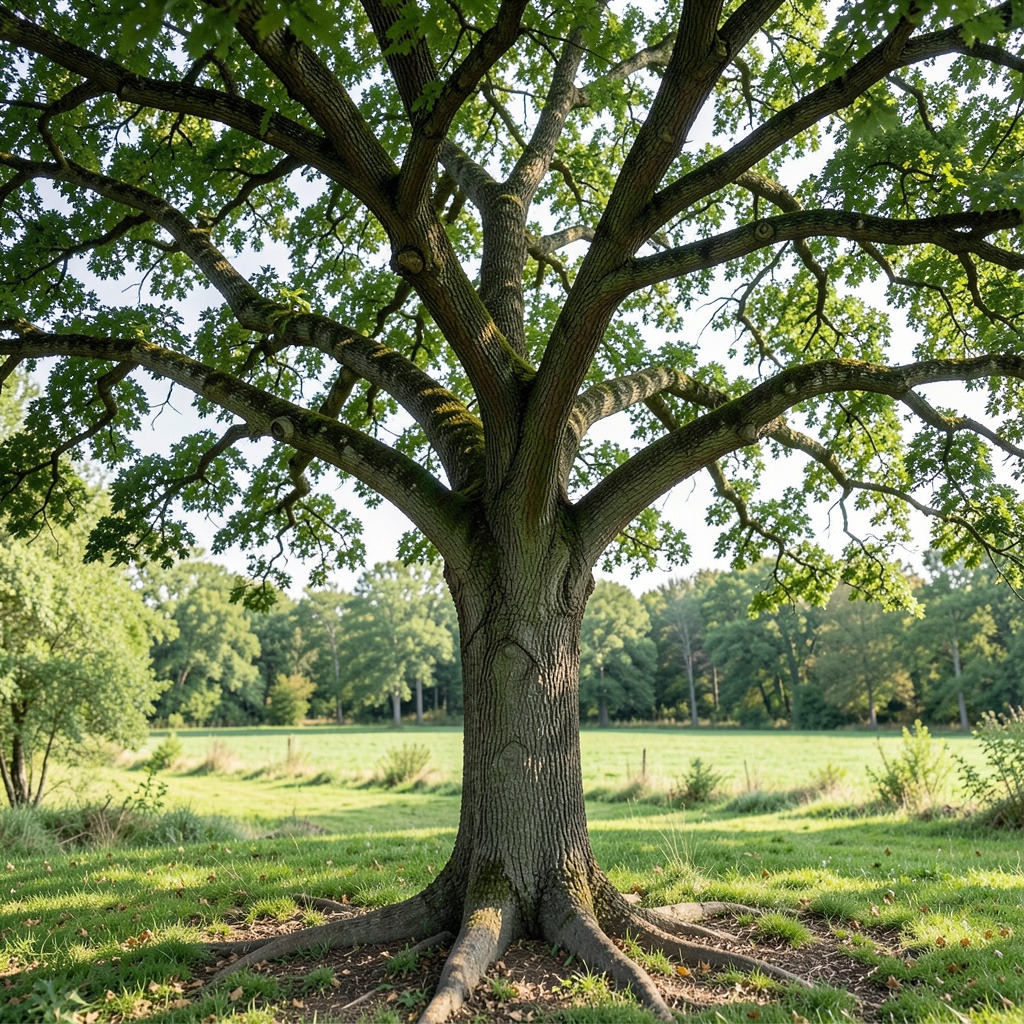
Tree topology is a network structure that merges elements of both star and bus topologies. It features a hierarchical arrangement, where nodes are connected in a branching manner, resembling a tree. The central node acts as the trunk, facilitating communication between various branches.
What is Tree Topology?
Tree topology is characterized by a central node connected to multiple layers of nodes. Each node can further connect to additional nodes, forming a parent-child relationship. This structure allows for efficient data management and scalability. The central node plays a crucial role in maintaining network organization, serving as the primary conduit for communication.
Key Characteristics of Tree Topology
- Hierarchical Structure: Tree topology organizes nodes in a hierarchy, promoting efficient data flow.
- Central Node: The central node serves as the main hub, linking all subordinate nodes.
- Scalability: New nodes can easily be added without disrupting the existing network.
- Hybrid Nature: It integrates features from both bus and star topologies, providing flexibility.
How Tree Topology Works
In tree topology, the central node connects directly to several subordinate nodes, which can further branch into additional nodes. For example, in a corporate network, the central node might represent the main server, while the subordinate nodes represent different departments. Each department may have its own set of workstations connected to it.
Visual Representation
This diagram illustrates the hierarchical structure of tree topology. The central node (trunk) connects to several branches (subordinate nodes), each potentially housing further nodes (leaves).
Example of Application
A university campus network often utilizes tree topology. The central server manages connections to various departments, each containing multiple devices. This setup allows for organized management of network resources while maintaining the ability to expand as needed.
Using tree topology effectively requires evaluating your specific networking needs. Consider factors such as the number of devices, expected growth, and the need for organized communication.
Advantages of Tree Topology

Tree topology offers several distinct benefits that make it an appealing choice for various networking needs. Its design promotes scalability, efficient resource sharing, and fault isolation, which are crucial for managing complex networks.
Scalability and Flexibility
One of the primary advantages of tree topology is its scalability. Organizations can easily expand their networks by adding additional nodes without disrupting existing connections. This flexibility is beneficial for businesses anticipating growth.
- Example: A large retail chain may start with a simple network. As they open new stores, they can add each new location to the existing tree structure, ensuring seamless integration.
Fault Isolation Benefits
Tree topology enhances fault isolation. When a failure occurs in one branch, it does not affect the entire network. This isolation allows for easier troubleshooting and maintenance.
- Example: In a university network, if a department experiences connectivity issues, only that branch is impacted. Other departments can continue to operate normally, minimizing downtime and maintaining productivity.
Efficient Resource Sharing
Tree topology facilitates efficient resource sharing among connected nodes. Each node can access shared resources, such as printers or servers, enhancing overall network efficiency.
- Example: In a corporate environment, multiple departments can share a central server for file storage, reducing redundancy and ensuring all teams access the same updated information.
Real-Life Applications
Industries that benefit significantly from tree topology include:
- Education: Schools and universities utilize tree topology for organized campus networks, allowing departments to manage their resources without interference.
- Healthcare: Hospitals can use tree topology to connect various departments, ensuring that critical data and resources are readily available while maintaining system integrity.
By understanding these advantages, organizations can make informed decisions about adopting tree topology for their networking needs.
Disadvantages of Tree Topology
Tree topology presents several drawbacks that can impact network performance and management. Understanding these disadvantages is crucial for organizations considering this structure.
Single Point of Failure
One significant concern is the potential for a single point of failure. The backbone cable serves as the main connection for all nodes. If this cable fails, the entire network may collapse. The impact of this failure can vary. Damage to one branch affects only the nodes on that branch, but it can disrupt communication for those devices, leading to operational inefficiencies.
Complex Cabling Requirements
Tree topology requires extensive cabling. This complexity increases installation time and costs. The need for a central backbone and multiple connections to branches can lead to a cumbersome network setup. Organizations must carefully evaluate their cabling infrastructure to ensure it meets their operational needs without excessive overhead.
Performance Bottlenecks
Performance bottlenecks can occur due to the reliance on the backbone cable. High data traffic through this central connection may slow down communication speeds. In scenarios with heavy usage, such as during peak hours, performance can degrade, affecting user experience.
Troubleshooting Strategies
To mitigate these disadvantages, organizations can implement several strategies:
- Regular Monitoring: Use network monitoring tools to detect cable performance issues early.
- Redundancy: Consider adding redundant connections to minimize the impact of a single point of failure.
- Load Balancing: Distribute traffic evenly across the network to alleviate bottlenecks.
By proactively addressing these disadvantages, organizations can enhance the efficiency and reliability of their tree topology networks.
Comparing Tree Topology with Other Topologies

Tree topology integrates elements of both star and bus topologies, creating a hierarchical structure that offers unique advantages and disadvantages. Understanding how it compares to these other topologies can help organizations decide when to implement a tree topology.
Tree vs. Star Topology
Tree topology and star topology differ primarily in their structure and fault tolerance.
- Structure:
- Tree Topology: Features a hierarchical arrangement with a central node (root) and branching nodes.
- Star Topology: Consists of a central hub to which all nodes connect directly.
- Fault Tolerance:
- Tree Topology: If the central node fails, the entire network may go down.
- Star Topology: Failure of one node does not affect others, although the hub’s failure impacts the entire network.
Tree vs. Bus Topology
The comparison between tree topology and bus topology reveals key differences in scalability and installation complexity.
- Scalability:
- Tree Topology: Supports easy addition of nodes, maintaining a structured hierarchy.
- Bus Topology: Limited scalability due to the single cable backbone; adding nodes can lead to performance issues.
- Installation Complexity:
- Tree Topology: More complex due to extensive cabling and configuration.
- Bus Topology: Simpler installation, but can become unwieldy as more nodes are added.
Comparison Table
| Feature | Tree Topology | Star Topology | Bus Topology |
|---|---|---|---|
| Structure | Hierarchical (central root with branches) | Central hub with direct node connections | Single cable backbone |
| Scalability | High (easy to add nodes) | Moderate (requires hub capacity) | Limited (performance degrades with more nodes) |
| Fault Tolerance | Central node failure affects entire network | Individual node failures do not affect others | Single point of failure can halt the network |
| Installation Complexity | Complex (extensive cabling needed) | Simple (fewer cables) | Simple (though can be cumbersome) |
Practical Decision Framework
When considering tree topology, evaluate the following:
- Use Case: Ideal for larger networks requiring a hierarchical structure, such as organizational databases.
- Budget: Assess cabling and maintenance costs; tree topology can be expensive.
- Growth Potential: If expansion is anticipated, tree topology provides the flexibility needed to accommodate future nodes.
This comparative analysis allows organizations to make informed decisions about which topology best suits their networking needs.
Applications of Tree Topology in Real Life
Tree topology finds practical applications across various sectors, including corporate networks, educational institutions, and healthcare systems. Its hierarchical structure and scalability make it particularly suited for environments that require organized communication and efficient data management.
Tree Topology in Corporate Networks
Large organizations frequently adopt tree topology to manage their internal networks. This structure allows departments to connect efficiently while maintaining a clear hierarchy.
- Example: A multinational corporation can use tree topology to link its headquarters with regional offices. Each office functions as a branch connected to the central trunk, facilitating streamlined communication and centralized data access.
- Scalability: As new departments or branches open, they can be easily integrated into the existing network without significant reconfiguration.
Educational Institutions Using Tree Topology
Schools and universities utilize tree topology to connect various departments and facilities. This structure supports both administrative functions and academic resources.
- Example: A university can implement tree topology to connect different faculties, libraries, and administrative offices. Each faculty can act as a branch, improving resource share and communication across departments.
- Efficient Resource Management: The hierarchical nature ensures that data flows smoothly, allowing students and staff to access centralized information seamlessly.
Healthcare Applications of Tree Topology
In the healthcare sector, tree topology plays a critical role in connecting various departments and systems within hospitals and clinics.
- Example: A hospital can use tree topology to link its emergency department, outpatient services, and inpatient units. This connection allows for seamless data sharing, which is vital for patient care and operational efficiency.
- Centralized Control: By establishing a central node, healthcare providers can manage patient records and data more effectively, ensuring timely access to information across different departments.
In summary, tree topology’s hierarchical structure and scalability make it an excellent choice for organizations needing organized communication and efficient data management across various sectors.
Conclusion: Evaluating Tree Topology for Your Network
Tree topology integrates the strengths of both bus and star topologies, offering unique advantages and disadvantages. Understanding these aspects can help organizations make informed decisions about their network design.
Key Takeaways
- Definition: Tree topology combines a hierarchical structure with a central node, resembling a tree with branches.
- Advantages:
- Scalability and flexibility for growing networks.
- Isolation of nodes; failure of one does not affect others.
- Centralized management for efficient data control.
- Disadvantages:
- Complexity in installation and maintenance.
- High cabling requirements can be costly.
- Vulnerability of the central node; failure can disrupt the entire network.
When to Choose Tree Topology
Consider tree topology when you need a scalable solution that supports a hierarchical network structure. It is particularly useful in environments like educational institutions, large corporations, or healthcare systems, where organized communication is essential.
Checklist for Evaluation:
- Assess your organizational size and growth potential.
- Determine the importance of centralized management.
- Evaluate the cost implications of cabling and installation.
Final Thoughts
Tree topology is not one-size-fits-all. Weigh its pros and cons against your specific needs. A thorough evaluation will guide you in deciding whether this topology aligns with your operational requirements and network goals.
Frequently Asked Questions
These quick answers cover the most common questions about this topic, including key details, practical tips, and common concerns.
Can you explain tree topology in a simple way?
Tree topology is a network structure that resembles a tree with a central trunk and branches. It combines elements of both star and bus topologies, where the central node connects to multiple subordinate nodes. Each of these nodes can further branch out, creating a hierarchical organization that facilitates efficient data management and communication.
What is topology and its advantages and disadvantages?
Topology refers to the arrangement of different elements in a network. Each type has its advantages and disadvantages. For instance, tree topology offers scalability and efficient resource sharing but can suffer from a single point of failure if the central node fails. Understanding these factors helps organizations choose the right topology for their needs.
Can you give me an example of a tree topology in real life?
A common example of tree topology is a university campus network. The central server acts as the trunk, connecting various departments (branches) like the library, administration, and individual faculties. Each department can have multiple devices connected, allowing for organized resource management and easy expansion as new departments are added.
How does tree topology compare to other network topologies?
Tree topology integrates features from both star and bus topologies. Unlike star topology, where each node connects directly to a central hub, tree topology allows for a hierarchical structure. Compared to bus topology, which has limited scalability and can slow down with additional nodes, tree topology supports easy expansion and better organization of data flow.
When should I use tree topology?
Tree topology is ideal for larger networks that require scalability and organized communication. Consider using it when you anticipate growth, need to connect multiple departments or facilities, and want to maintain a clear hierarchical structure. It’s particularly suited for educational institutions, corporate environments, and healthcare systems.
What are the main disadvantages of tree topology?
The primary disadvantages of tree topology include the potential for a single point of failure, as the entire network can collapse if the central node fails. Additionally, it requires extensive cabling, which can complicate installation and increase costs. Performance bottlenecks may also occur if the backbone cable becomes overloaded with data traffic.
What industries commonly use tree topology?
Tree topology is commonly used in various industries, including education, healthcare, and corporate networks. Schools and universities utilize it for organized campus networks, while hospitals connect different departments to facilitate efficient data sharing. Large corporations also adopt tree topology to manage complex internal networks, ensuring streamlined communication across departments.